 Tao Xu
Quick Guide: What You'll Discover
I still remember my first visit to Shaolin Temple. The kung fu monks were only interested in tourists' money. But then I looked past the souvenir stalls and saw a 1,500-year-old legend breathing. Henan is raw, chaotic, and utterly unforgettable. I've now led a dozen tours across the province, constantly refining the top things to do in Henan. Most travel guides will tell you to 'do' the province in two days — that's insane. This article cuts through the noise with practical, no-BS advice on the five attractions that actually deserve your time, plus the exact logistics to make them happen. Here's the ultimate summary: book everything with your passport, carry cash as a backup, and let your hotel help you with WeChat bookings. Now, let me walk you through the only list you'll need.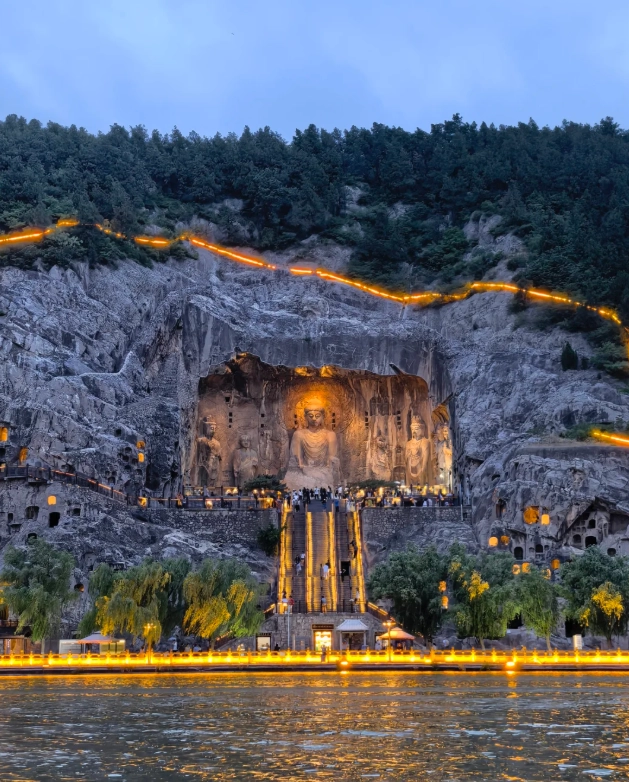
Top Things to Do in Henan: Must-Visit Attractions
Here's the thing — Henan is China's ancient heartland, but it's often overlooked by foreigners who stick to Beijing or Shanghai. These are the five spots I've tested with real travelers, and they never fail to deliver. Check the table for the nitty-gritty details, then dive into my personal anecdotes below.
| Attraction | Adult Ticket | Opening Hours | Location | Best Time to Visit |
|---|---|---|---|---|
| Shaolin Temple | ~¥100 | 7:30am - 6pm | Dengfeng | 7:30am gate opening |
| Longmen Grottoes | ~¥90 | 8am - 6pm | Luoyang | 3pm (avoid crowds) |
| Yuntai Mountain | ¥120 + ¥60 shuttle | 8am - 6pm | Jiaozuo | 8am start |
| Qingming Riverside Garden | ~¥120 | 9am - 10pm | Kaifeng | 4pm (parade) & 8pm (night show) |
| White Horse Temple | ~¥35 | 7:30am - 5:30pm | Luoyang | 10am (softer light) |
Prices are approximate and can change; always verify via official channels or Trip.com before your visit.
1. Shaolin Temple: More Than Martial Arts
Shaolin Temple is the birthplace of Chinese Zen Buddhism and Kung Fu, but the real magic lies in watching the monks practice before the tourist crowds arrive. Nestled at the foot of Songshan Mountain in Dengfeng, this iconic site is about 90 minutes from Zhengzhou by bus. My favorite trick? Arrive at the gate by 7 a.m. — the complex opens at 7:30, and you can be first inside before the tour groups flood in.
Once you're through, skip the electric cart — it's a short 15-minute walk to the pagoda forest, and you'll stumble upon hidden training grounds where young monks practice with genuine intensity. The martial arts show is decent, but the real spectacle is watching them warming up behind the dormitories. I've spent hours there and always find something new.
Insider advice: Don't waste money on the random 'museum' add-on. It's just a recycled exhibit with minimal English. Focus on the forests and the Cangjing Pavilion.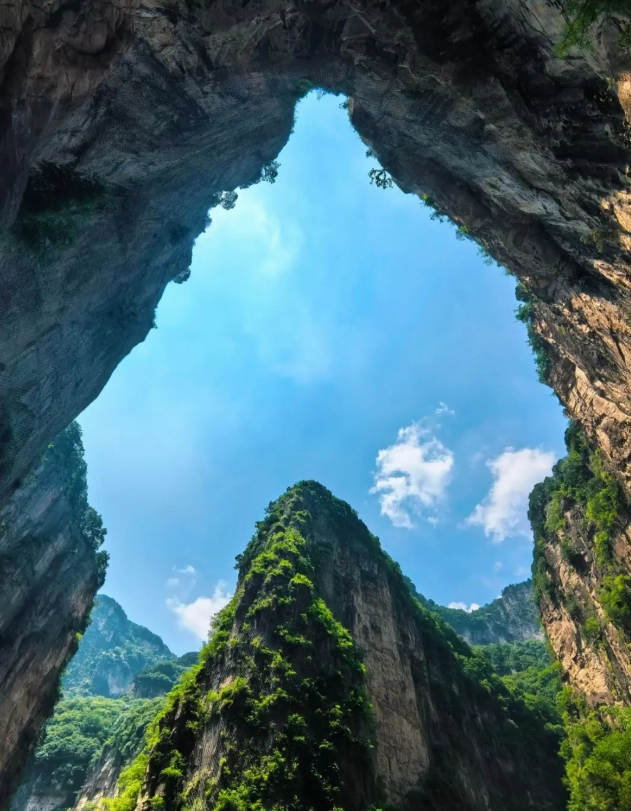
2. Longmen Grottoes: A Cliffside Masterpiece
Longmen Grottoes are the pinnacle of Chinese Buddhist cave art, housing over 100,000 statues carved into a limestone cliff. The 17-meter-tall Vairocana Buddha in Fengxian Temple will dominate your camera roll, but the real beauty lies in the details — the serene smiles, the weathered hands. According to the UNESCO World Heritage listing, this site represents the high point of Chinese stone carving. (UNESCO)
I always tell my clients to arrive after 3 p.m. The morning busloads are gone, the light turns golden, and the river below glows. Walk across the small bridge to the eastern side for the classic postcard view — you can even catch the sunset from there.
One thing that surprises most foreigners: the grottoes are completely open-air. Wear comfortable shoes, bring water, and expect a lot of stairs. There's a restroom near the entrance, but the one at the top usually has no line.
3. Yuntai Mountain: Nature's Playground
Yuntai Mountain is a geopark that mixes towering red cliffs, emerald pools, and glass-bottomed skywalks — a hiker's dream just a couple hours north of Zhengzhou. The Red Stone Canyon trail is the must-do section; it's a one-way path that takes about 2 hours without getting too strenuous. The shuttle bus system is mandatory, so keep your ticket for the return ride.
Pro tip: skip the glass skywalk on Zhuyu Peak — it's a 40-minute cable car detour for a mediocre view. Instead, spend that hour at the scenic Green Lake at the end of Red Stone Canyon. You'll thank me. I once brought a group of retirees, and they managed all of Red Stone Canyon with zero complaints. If you're into photography, go after a light rain — the cliffs get this saturated red hue that's unreal.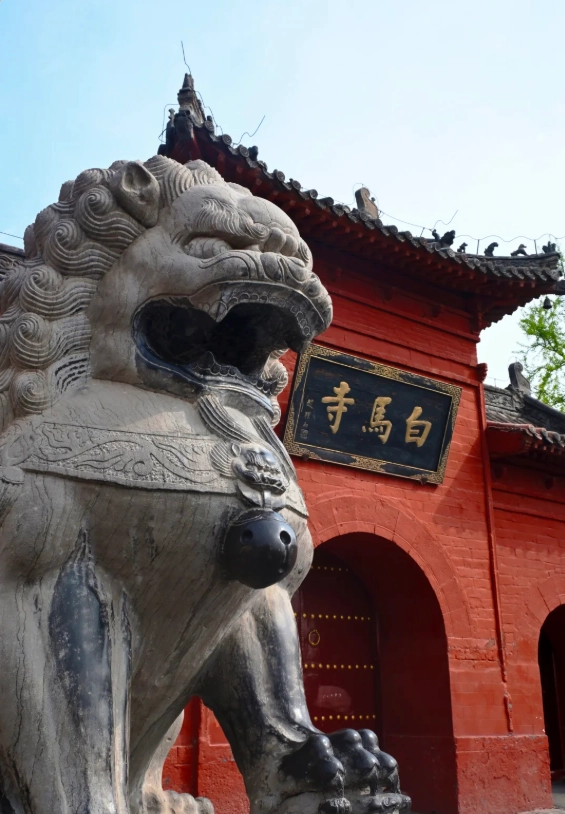
4. Kaifeng: Step Back to the Song Dynasty
Kaifeng, a former capital of the Northern Song Dynasty, is where you'll find the best-preserved ancient city atmosphere in Henan — especially at the Qingming Riverside Landscape Garden. This reconstructed riverside scene based on the famous painting is like a theme park of Song-era life, complete with street performers, live shows, and night lanterns. It's touristy, sure, but the historical dress-up gives it a fun vibe.
Arrive by 4 p.m. so you can catch the imperial wedding parade, then stay for the 8 p.m. night show. The garden transforms with illuminated boats and projection mapping — utterly magical. Don't splurge on the extra 'Happy World' zone; it's a dated kids' area with limited English. Instead, wander the side streets behind the garden for authentic stinky tofu and chaojian (fried dumplings).
5. White Horse Temple: China's First Buddhist Temple
If you're strapped for time and can't make it to both Shaolin and Longmen, White Horse Temple in Luoyang is the perfect half-day option — it's smaller, cheaper, and deeply serene. Established in 68 AD, this is literally where Buddhism took root in China, marked by a pair of stone horses in front of the gate. The highlight for foreign visitors is the international temples section — Thai, Indian, and Burmese style structures built in the 2000s, which feel wildly out of place next to the ancient Chinese halls but are fun to explore.
My ritual: go at 10 a.m., when the light is soft and the crowds are light. Don't skip the Qiyun Pagoda climb — the stairs are narrow, but the view over the temple roofs is a hidden gem. Final tip: the temple has a decent vegetarian restaurant inside near the Thai temple, a rare find in the area.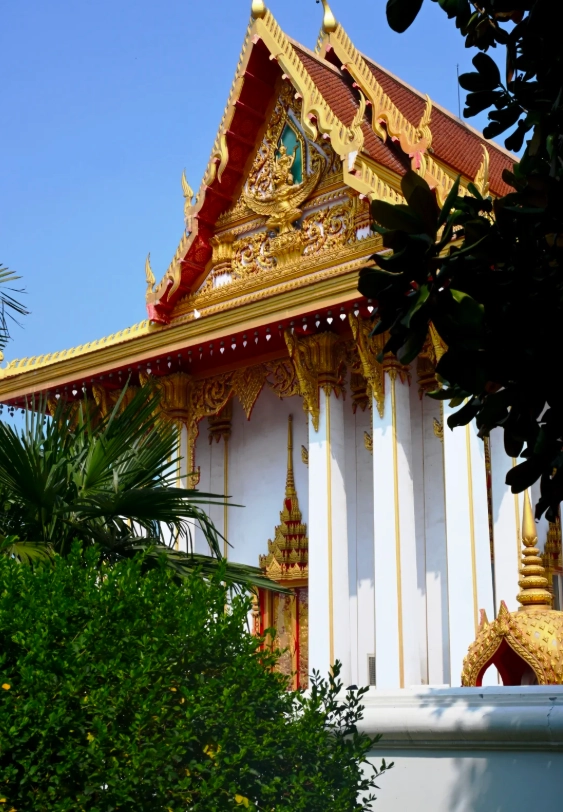
How to Plan Your Henan Itinerary?
You're going to need at least four days to hit the highlights. Here's a realistic framework I use with my clients, including travel times and contingency plans.
Day 1: Arrive in Zhengzhou — Visit the Henan Museum (free with passport, but pre-book via their WeChat). Spend the evening eating at the famous He Nan Provincial Restaurant; the hulatang (spicy soup) is legendary. Overnight in Zhengzhou.
Day 2: Shaolin Temple — Take the 8 a.m. coach from Zhengzhou East Bus Station to Dengfeng (90 minutes). Spend 4-5 hours at the temple. By 4 p.m., take a DiDi back to Zhengzhou East and catch a high-speed train to Luoyang (35 minutes). Check into your hotel near the train station. If you're exhausted, swap Shaolin with a relaxed morning at the Henan Museum.
Day 3: Longmen Grottoes — Start late morning to avoid crowds. After 3-4 hours, visit White Horse Temple if energy allows. Alternatively, take a short bus to Kaifeng (2 hours) and catch the Qingming Garden night show. Kaifeng has a slower pace, good for recovery.
Day 4: Yuntai Mountain day trip — Hop on the high-speed train to Jiaozuo (30 minutes), then the public bus to Yuntai. Return to Zhengzhou in the evening. This day is intense but worth it. If the weather is terrible, swap Yuntai for a second day in Kaifeng — the indoor museums and galleries are surprisingly good.
Day 5: Fly out — Tailor your morning based on your flight. If you have half a day, revisit Longmen or pick up local souvenirs at the Luoyang Old Street.
For those with only 24 hours, hit Longmen in the morning, fast-train to Shaolin for the afternoon, and sleep on the Liu Jia route to Beijing. It's brutal but doable — just don't try it on a weekend.
What Are the Best Times to Visit Henan?
The golden window is late March to early May when the peonies bloom in Luoyang and the weather is mild. But honestly, I've taken groups in every season, and each has its charm.
Spring (March-May): Warm, but tourist-heavy, especially during Qingming Festival (early April). Book flights and hotels at least a month out.
Summer (June-August): Hot and humid, but Yuntai Mountain is refreshing. Expect afternoon thunderstorms — carry an umbrella and Plan B (museums).
Autumn (September-November): My personal favorite — crisp air, fewer crowds, and the golden trees around Shaolin are magical. October's National Day week is a nightmare; avoid it if possible.
Winter (December-February): Cold and dry, but the grottoes are less crowded. Some attractions like Yuntai Mountain may have reduced hours, so check ahead.
Insider Tips for Foreign Travelers in Henan
These are the hard-learned lessons from my tour days that you won't find in the guidebooks.
Payment: Alipay and WeChat Pay are everywhere, but they require a linked bank card. If you're using an international Visa/Mastercard, you may need to top up via a Chinese bank account or a travel card. Always carry at least ¥500 cash as backup. Most small shops and toilets only take cash. For booking trains, use the official 12306 app (English version available) or Trip.com.
Navigation: Google Maps doesn't work in China. Download AMap or Apple Maps before you arrive. If you need Google for anything else, get a VPN or an eSIM with per-service access. For taxis, always use the DiDi app — it's reliable and lets you set the route to avoid bargaining.
Language: English is rare in Henan. Download Baidu Translate's offline package. For directions, save screenshots of your destination in Chinese — I usually show the driver my notes. And don't rely on hostel owners to speak English; instead, learn a few key phrases like 'xiè xiè' and 'duō shǎo qián?'
Safety: Henan is generally safe, even for solo travelers. Keep your passport in the hotel safe and carry a photocopy when out. In crowded tourist areas, pickpocketing can occur, so keep your belongings in front. The local police are helpful, but bring your translator app just in case.
Transport: High-speed trains are your best friend. They connect all major cities in the region. Always book tickets in advance, especially on weekends. For the local bus, it's handy but slow — if you're in a hurry, use DiDi.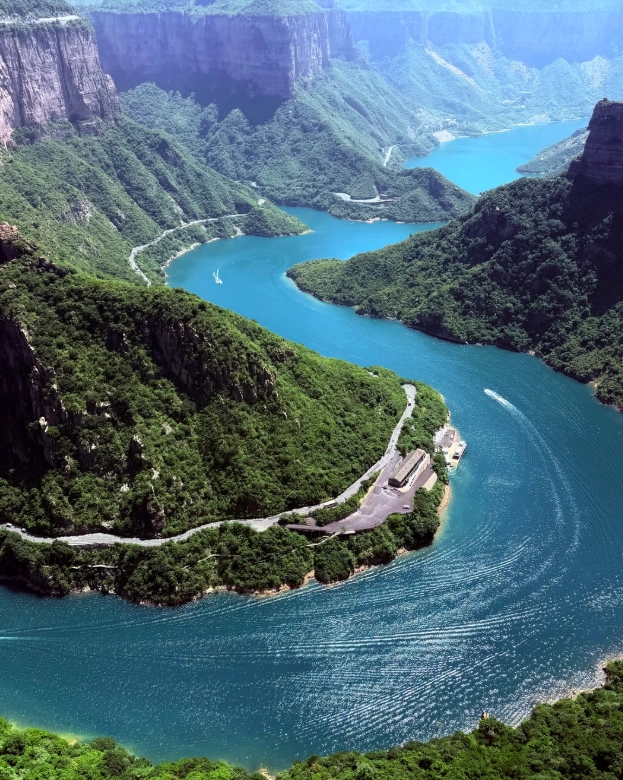
Pro Tip: Always have a hotel card with its Chinese address. This is your lifeline if you get lost or need to tell a taxi driver where to go. I've rescued countless travelers from this exact situation.
That's the whole list. I've tested these routes with dozens of travelers, and they never fail to create lasting memories. Now, get out there and experience China's ancient heartland.
Verified and fact-checked by the editorial team.





No comments yet.