 Tao Xu
Let me be straight with you — most tourist guides about Shenzhen are painfully generic. They list the same three skyscrapers and call it a day.
But Shenzhen is so much more than a tech headquarters. It’s a subtropical city where tropical beaches meet futuristic architecture, where local fishing villages hide behind glass towers, and where some of China’s best street food sizzles in tiny back alleys.
Here’s my no-BS conclusion upfront: the best time to visit Shenzhen is between October and April, when the humidity drops and the sky is clear. And your first move after landing should be grabbing a map — not Google Maps, which won’t work properly here, but Apple Maps or AMap Global in English. Book your top attractions a day ahead on Trip.com or Klook, because every major site in China requires a passport for entry.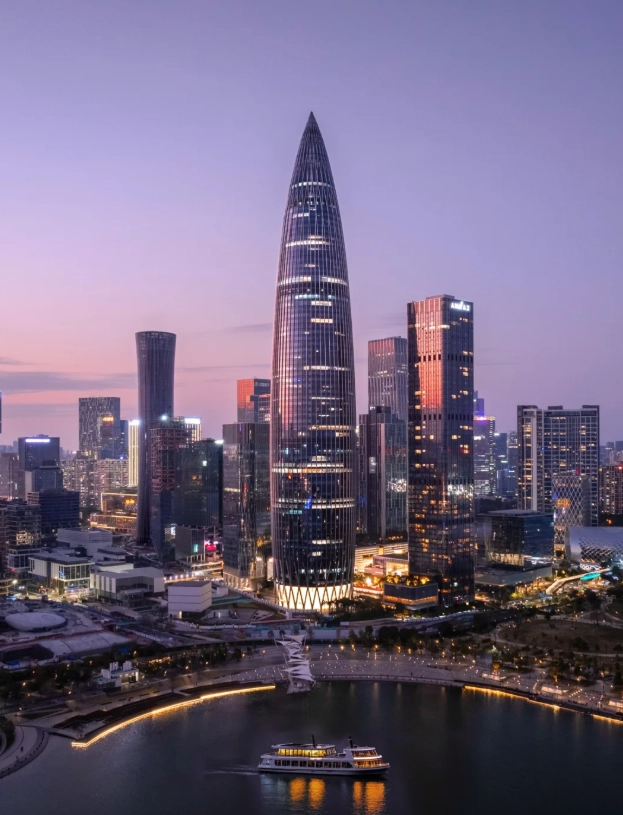
Why Shenzhen Deserves Your Attention
Before I started guiding trips here, I thought Shenzhen was just a factory town. Five years later, I can tell you it’s the most underrated city in China for foreign travelers. Here’s why:
- It’s the easiest Chinese city to enter — if you’re coming from Hong Kong, you can take the MTR East Rail line to Lo Wu and walk across the border in under 30 seconds.
- It’s modern and clean — unlike other Chinese megacities, Shenzhen’s metro system is spotless, and everything seems brand-new.
- It’s a food paradise — Cantonese dim sum, Hakka dishes, and seafood from the South China Sea all meet here.
- It’s safe — violent crime is almost nonexistent. Even late-night walks are common.
But the real gem is that many attractions are highly walkable, and the city is compact enough to explore in a weekend.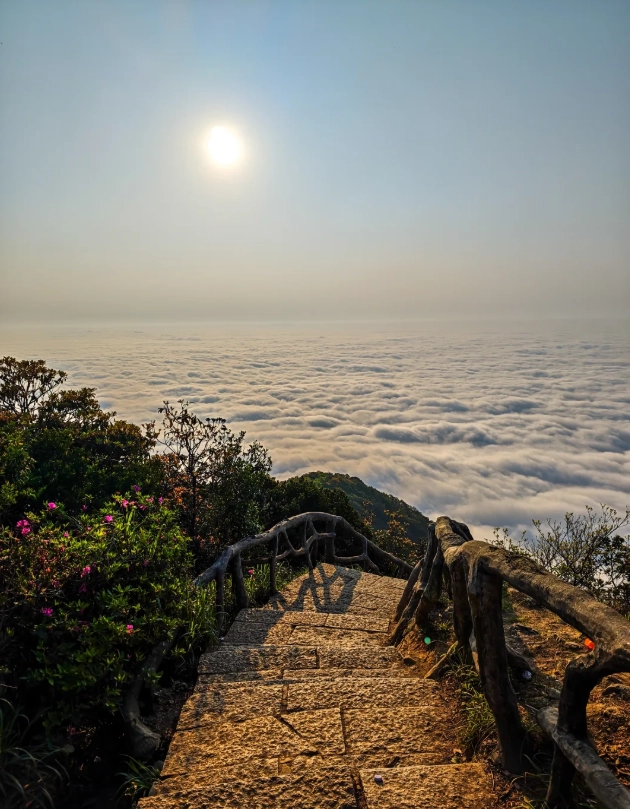
Top 10 Things to Do in Shenzhen
1. Window of the World
This theme park packs over 130 world-famous landmarks into a single day. You can snap a photo in front of a miniature Eiffel Tower, then walk to the Pyramids — all without leaving China.
Address: 9037 Shennan Boulevard, Nanshan District. It’s just a 5-minute walk from Window of the World metro station (Line 1/2, Exit H or J). Opening hours are usually 9am to 10pm, with the last entry at 9:30pm.
Tickets cost around 220 RMB for adults, and you’ll need your passport. Book in advance on Trip.com to skip the often-long queue, especially on weekends.
Pro Tip: Arrive at 4pm instead of the morning. The sun is less intense, the crowds thin out, and you’ll catch the spectacular night light show at 8:30pm — which is included in the ticket.
I’ve taken dozens of guests here, and the ‘Rio de Janeiro’ dance performance always brings the house down. But honestly, the best photo spot is beside the mini-Versailles palace, where you can frame both the palace and the Eiffel Tower in one shot.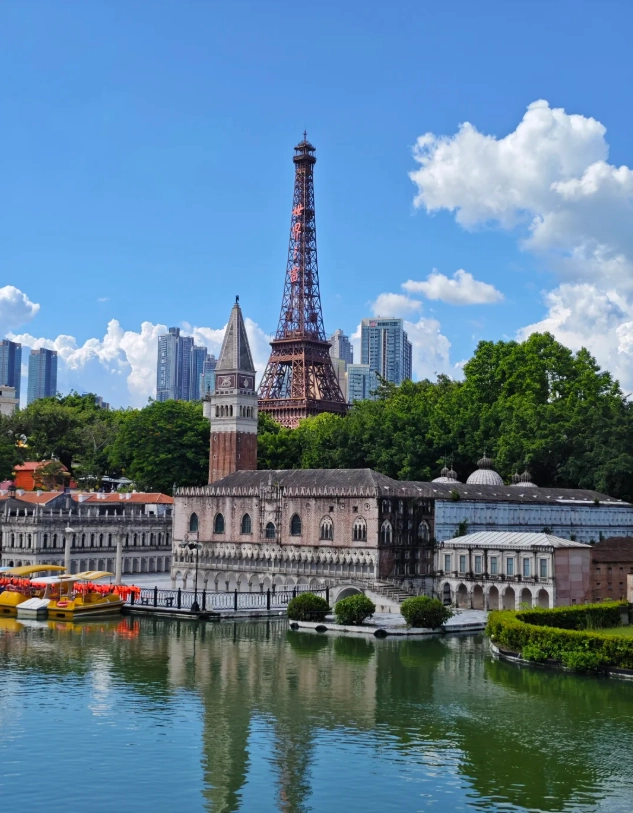
2. OCT Loft
This former factory complex has evolved into Shenzhen’s hippest cultural quarter. In the OCT (Overseas Chinese Town) district, you’ll find art galleries, indie bookshops, and quirky cafés tucked between red-brick warehouses.
Address: 2 Enping Road, Nanshan District. Take Metro Line 1 to Qiaocheng East Station, Exit A, then walk about 10 minutes.
There’s no entrance fee, but some special exhibitions charge a small fee. I always tell visitors to take the side alleys — the main street is packed, but around the corner you’ll find graffiti murals that are far more Instagram-worthy.
Spend at least 2 hours here. Go in the late afternoon, when the light is golden and the sun hits the old brick walls.
3. Shenzhen Bay Park
This 15-kilometer coastal park is where locals come to jog, bike, and watch the sunset. It’s the perfect spot to catch a glimpse of Shenzhen’s skyline reflected in the South China Sea.
Address: Along Shenzhen Bay, Nanshan District. Access at the Shenzhen Bay Park metro station on Line 9, Exit D/E. The park is open 24 hours, but the best hours are just after sunrise or before sunset.
Bring your passport if visiting in the morning — the police sometimes check IDs near the border area (since it’s close to the Shenzhen-Hong Kong border).
For the classic photo, walk south from the metro station towards the mangroves; you’ll see giant bird-observation binoculars that are perfect for framing your shot.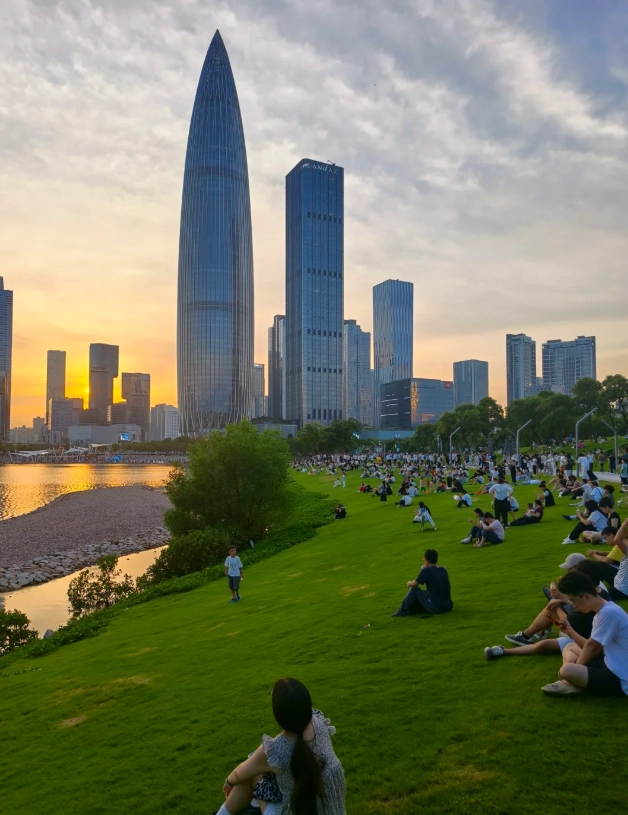
4. Wutong Mountain
Forget the skyscrapers — this mountain is Shenzhen’s highest peak and offers a killer view. At 943 meters, it’s not a walk in the park, but the reward is panoramic views over the city and the sea.
Address: Wutong Mountain Scenic Area, Luohu District.
How to get there: Hop on Metro Line 3 to Cuizhu Station, Exit B, then catch bus 211 (direction Dawang) to Dawang School stop. The trailhead is just across the road. It takes about 1.5 hours each way from Futian.
The mountain opens from 6am to 6pm, and there is no entrance fee. The climb takes 3-4 hours one way, so start early.
Insider Advice: There are no public toilets after the first rest stop. Save yourself the trouble and use the facilities before you go up. Also, the weather changes fast — carry a rain jacket even if the sky is clear.
5. Dameisha Beach
This is the city’s most famous beach, and for good reason. It’s a wide strip of sand with lifeguards, water sports, and a very relaxed vibe.
Address: 90 Guakou Road, Yantian District.
Take Metro Line 8 to Dameisha Station and walk 5 minutes to the beach. Alternatively, bus 387 from Dongjiu or 387 from other areas.
The beach is free but requires a reservation (via the WeChat mini-program “大梅沙海滨公园”). For foreigners without WeChat, that can be a pain. My trick? Just walk through the main entrance and show your passport if asked — they usually have an “international visitors” lane.
I always recommend going on weekdays only. On weekends it’s so packed that you can hardly see the sand.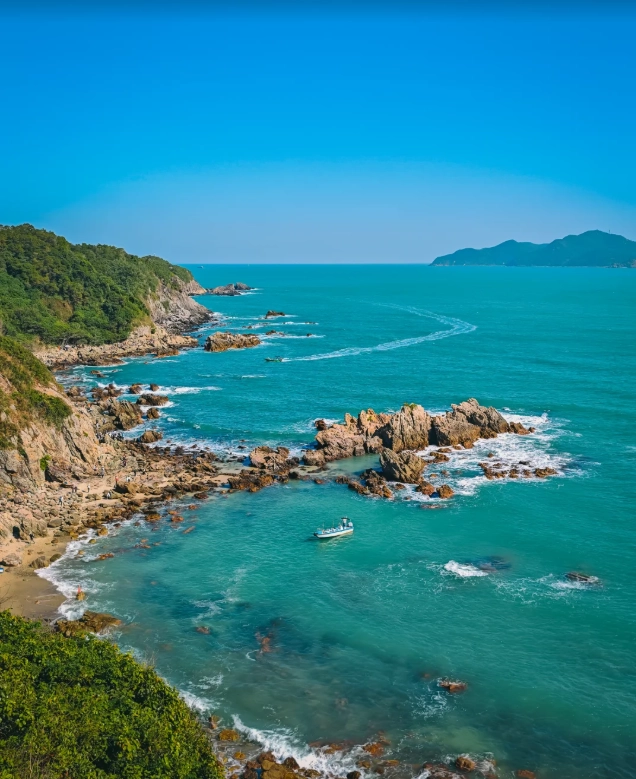
6. Shenzhen Museum
If you’re a history buff, this is the only place where you can truly understand Shenzhen’s rapid growth from a fishing village to a megacity. The museum’s best exhibits cover ancient marine fossils and the future plans of the Guangdong-Hong Kong-Macao Greater Bay Area.
Address: 3 Yinxian Road? Actually, the main venue is at the Civic Center in Futian District. Take Metro Line 2 to Civic Center Station, Exit C, and follow the signs. The museum is free but you’ll need to register with your passport at the entrance.
It’s open Tuesday to Sunday, from 10am to 6pm (closed Mondays). Most exhibits have English explanations, but not all. I recommend downloading a translation app beforehand.
7. Huaqiangbei Market
This is a shopper’s paradise for electronics — and a place my clients always beg to revisit. At the heart of the city, you’ll find a massive cluster of electronic markets that sell everything from circuit boards to drones.
Address: Intersection of Huaqiang North Road and Zhenhua Road, Futian District.
Take Metro Line 1 to Huaqiang Road Station, or Line 2 to Huaqiang North Station.
No tickets needed. The market is open daily from around 9am to 10pm.
Bargaining is expected — start at 50% of the listed price. But do check if the product is genuine; I always tell my guests to buy from registered booths.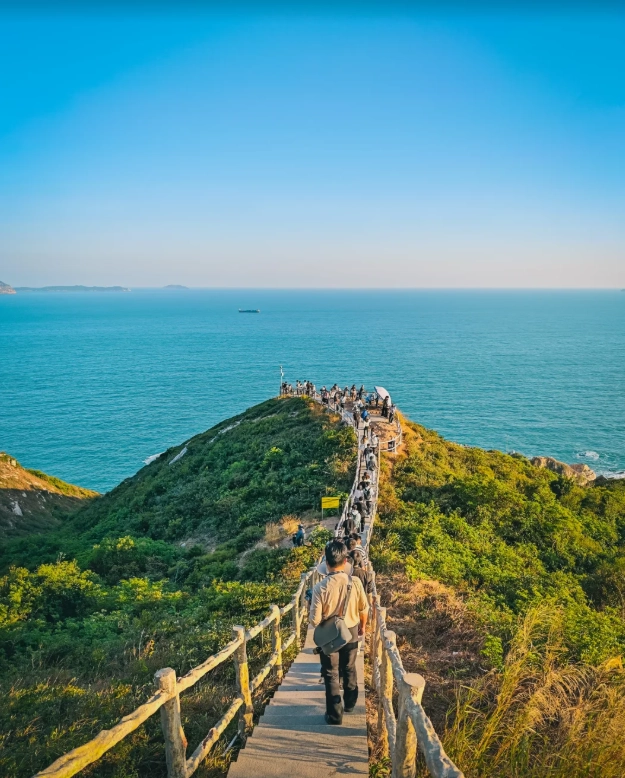
8. Shekou Sea World
This is a beautiful waterfront plaza with a huge white ship-shaped building that’s actually a resort. It’s a great place for a relaxed evening of dining and people-watching.
Address: 5 Minghua Road, Shekou District.
Take Metro Line 2 to Sea World Station, Exit A. It’s a 3-minute walk to the plaza.
The area has a ton of international restaurants — I always end up at the Indian place for its generous portions.
9. Ping An Finance Centre
You can’t miss Shenzhen’s tallest tower — its 116th-floor observation deck is one of the highest in the world. The view over the city and across the bay to Hong Kong is nothing short of epic.
Address: 5033 Yitian Road, Futian District.
Take Metro Line 1/3 to Shopping Park Station, Exit C. It’s a short walk to the tower.
The observatory (called “Free Sky”) costs about 200 RMB. You must book in advance on Trip.com — walk-ins are often sold out. Open daily from 10am to 9pm (last entry at 8pm).
If you’re afraid of heights, this is not your place. But if you love city views, go on a clear day — I’ve seen guests nearly cry at the sunset.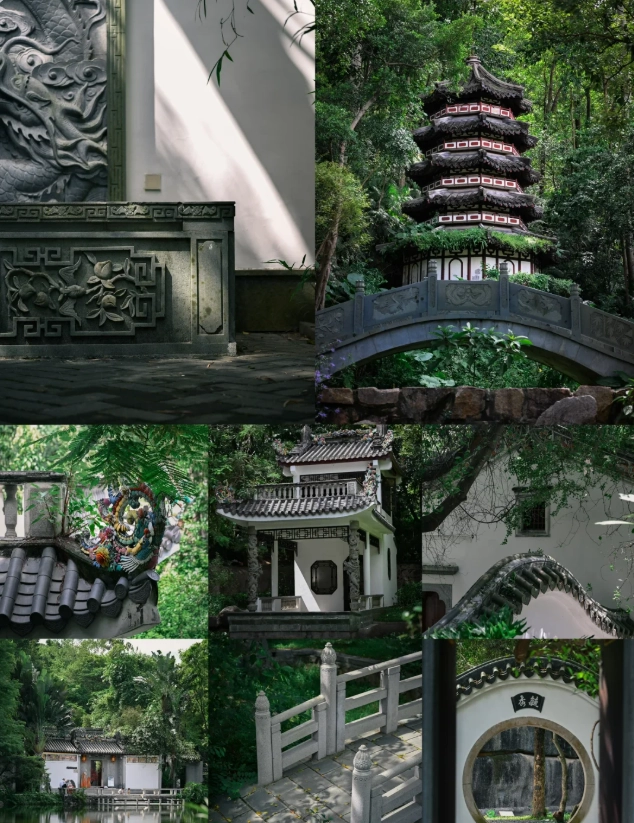
10. Dafen Oil Painting Village
This small village produces an estimated 60% of the world’s copy paintings. Strolling through the streets feels like walking into an open-air art studio, with locals creating near-perfect replicas of Van Gogh and Monet right by the sidewalk.
Address: Dafen Village, Longgang District.
Take Metro Line 3 to Dafen Station, Exit A. The village is a 5-minute walk away.
No entry fee. Open every day until around 6pm.
You can commission a custom portrait for as little as 300 RMB — just bring a photo. I had mine done last year and it’s my souvenir of Shenzhen.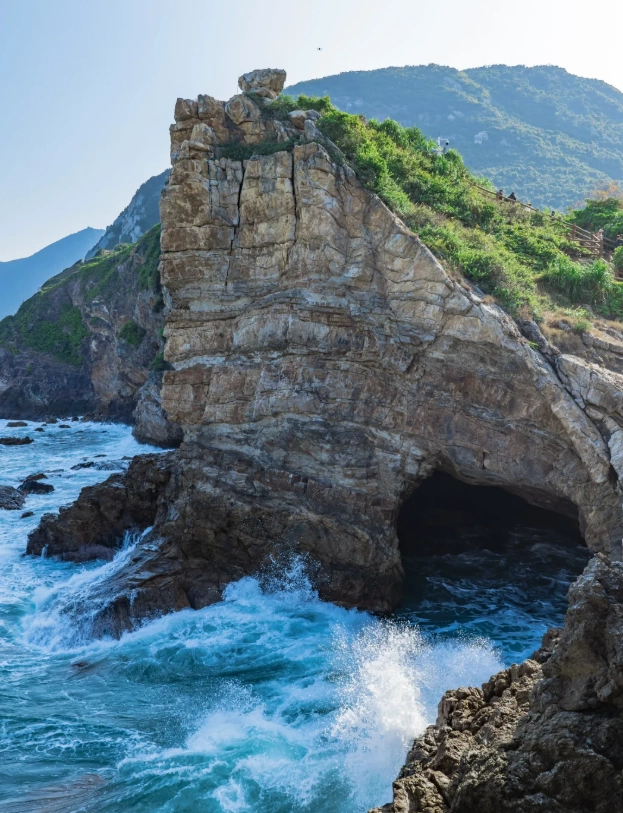
How to Plan Your Shenzhen Itinerary
1 Day in Shenzhen: The Fast Lane
If you only have one day, focus on the contrast between green parks and modern towers.
- 8:30 AM — Start at Shenzhen Bay Park for a morning walk. The air is fresh, and the city is just waking up.
- 10:00 AM — Take the Metro to Window of the World (about 25 minutes). Spend 2.5 hours exploring the miniature landmarks.
- 12:30 PM — Lunch at the nearby OCT Harbour, a trendy shopping mall. Try the Cantonese dim sum at “Changlong” (长隆) on the second floor.
- 2:00 PM — Walk to OCT Loft (10 minutes). Browse galleries and snap photos.
- 4:30 PM — Take a taxi (20 minutes) to Ping An Finance Centre for the sunset prayer at 6:00 PM.
- 8:00 PM — Dinner at Coco Park, an open-air entertainment hub. The seafood street is my favorite.
This plan packs a lot, but it’s doable if you’re fit. If it rains, swap the mountain for the Shenzhen Museum.
2 Days: Balanced Itinerary
Two days let you explore both the city and the coast.
Day 1: Same as above, but with more time in the Window of the World and the night show.
Day 2: Head east to Dameisha Beach in the morning, then climb Wutong Mountain in the afternoon (start at 2 PM). End the day with fresh seafood at Yantian Seafood Street.
If you’re not into mountains, replace Wutong with the Dafen Oil Painting Village.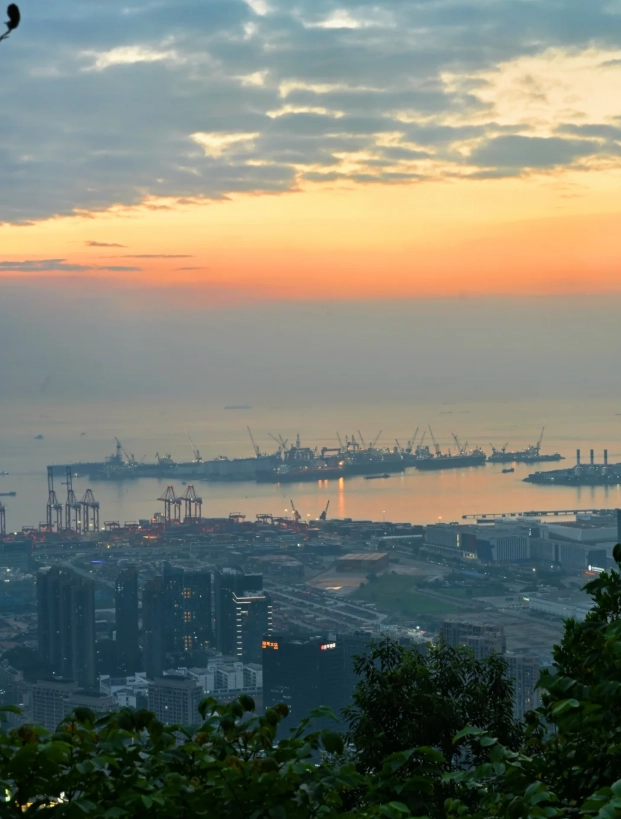
3 Days: In-Depth Exploration
With three days, include some unique experiences. On day 3, start with Huaqiangbei Market for electronics shopping, then visit the Shenzhen Museum for history, and end with a ferry ride to Shekou Sea World for dinner.
Alternatively, take a day trip to the China Folk Culture Villages beside Window of the World if you’re interested in ethnic cultures.
Where to Eat in Shenzhen: Local Food Guide
Shenzhen’s food scene is as diverse as its population. Here are some must-try dishes and where to find them:
- Cantonese dim sum — head to any crowded morning restaurant in Luohu. Look for the one where locals are shouting orders, that’s a good sign.
- Hakka cuisine — famous for clay pot rice and braised pork. Try “Meizhou Dongpo” (梅州东坡) for a reliable chain experience.
- Seafood — the Yantian Seafood Street is a must. Choose your catch from the tanks and have it steamed or grilled.
- Street food — the East Gate Pedestrian Street (东门老街) is a maze of snack stalls. Start with the stinky tofu (yes, it smells, but it’s delicious) and end with coconut milk.
I always tell my guests to order the local craft beer at “The Brew” in OCT Loft. It’s a great way to unwind after a day of sightseeing.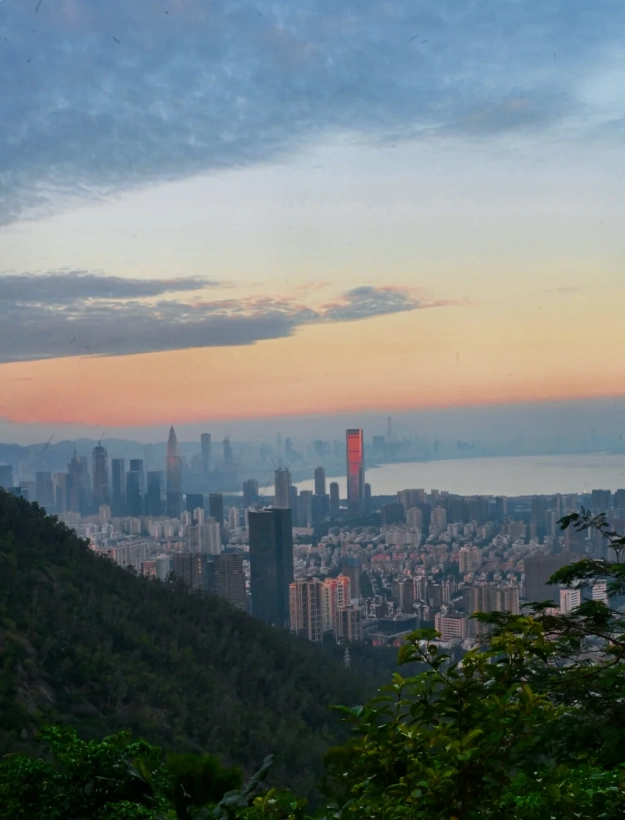
Where to Stay in Shenzhen: Best Areas and Hotels
You’ll want a hotel that balances convenience, comfort, and easy access to the metro. Here are three areas I recommend:
| Area | Best For | Hotel Example | Price Range (night) | Metro Line |
|---|---|---|---|---|
| Futian CBD | Business travelers, skyline views | Kerry Hotel | 1200-2000 RMB | 1, 3, 4 |
| OCT | Families, culture lovers | InterContinental Shenzhen | 1500-3000 RMB | 1, 2 |
| Luohu | Budget travelers, cross-border points | Hong Kong Hotel (budget chain) | 300-600 RMB | 1, 9 |
All these hotels have Wi-Fi and English-speaking staff. For budget stays, look for “YHA” hostels in Futian or Luohu.
Practical Tips for First-Timers
How to Handle Payments
This is the most common culture shock. Most places only accept mobile payments via Alipay or WeChat Pay, and international credit cards are rarely accepted. Cash works in some restaurants and hotels, but many small shops you’ll love can’t give change for large bills. So, connect your international card to Alipay before you arrive — it takes 10 minutes and saves you a ton of hassle.
How to Navigate Without Google Maps
Google Maps is unreliable in China. Use Apple Maps or AMap Global instead. Both have English interfaces and accurate public transit directions. I also advise saving the Chinese name and address of your hotel in your notes.
How to Book Tickets in Advance
Most major attractions now require advance reservations with your passport. While local tourists use WeChat mini-programs, foreigners can easily use Trip.com or Klook. They often have English sites and direct ticket access. You’ll still need your physical passport to scan at the entrance.
VPN and Language
You’ll need a VPN to access Google, Facebook, and sometimes WhatsApp. Set it up at home before you fly. For translation, Apple Translate works offline and handles both written and spoken Chinese.
One more thing: public toilets in China usually don’t have paper. Always carry tissues.
Frequently Asked Questions
Verified and fact-checked by the editorial team.





No comments yet.