 Tao Xu
- Why Luoyang Deserves a Spot on Your China Bucket List
- Must-See Luoyang Tourist Attractions
- How to Plan Your Luoyang Sightseeing Route?
- How to Get Around Luoyang Like a Local?
- Practical Tips for Booking and Payments
- Where to Eat in Luoyang: Local Favorites
- Frequently Asked Questions about Luoyang Tourist Attractions
- Final Thoughts: My Honest Take
Most travelers land in Xi'an, tick off the Terracotta Army, and never give Luoyang a second thought. That's a mistake. I've guided hundreds of visitors through this ancient capital, and again and again, it's the city they talk about for years. Luoyang tourist attractions aren't just old stones — they're a living bridge to China's Tang and Song dynasties. And the best part? You can experience them without the wall-to-wall crowds of Beijing or Shanghai — if you know exactly when and where to go.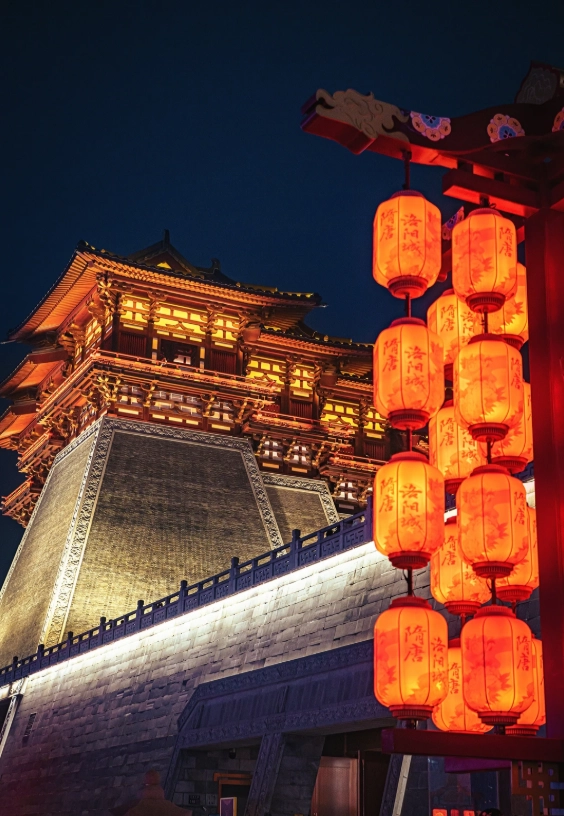
Why Luoyang Deserves a Spot on Your China Bucket List
Luoyang was the capital of 13 dynasties — that's more than any other city in China. It's home to the Longmen Grottoes, a UNESCO World Heritage site with over 100,000 Buddhist statues, and the White Horse Temple, the very first Buddhist temple in China. But here's what most guides don't tell you: the modern city is easy to navigate, food is cheap and incredible, and the local people are genuinely welcoming to foreigners.
Compared to Xi'an, Luoyang feels more relaxed and less commercialized. You won't hear "hello" shouted at you every five minutes by vendors. Instead, you'll get curious smiles and people genuinely trying to help you order your noodles.
Must-See Luoyang Tourist Attractions
Let's break down the four spots I recommend the most — and each one has its own set of tricks.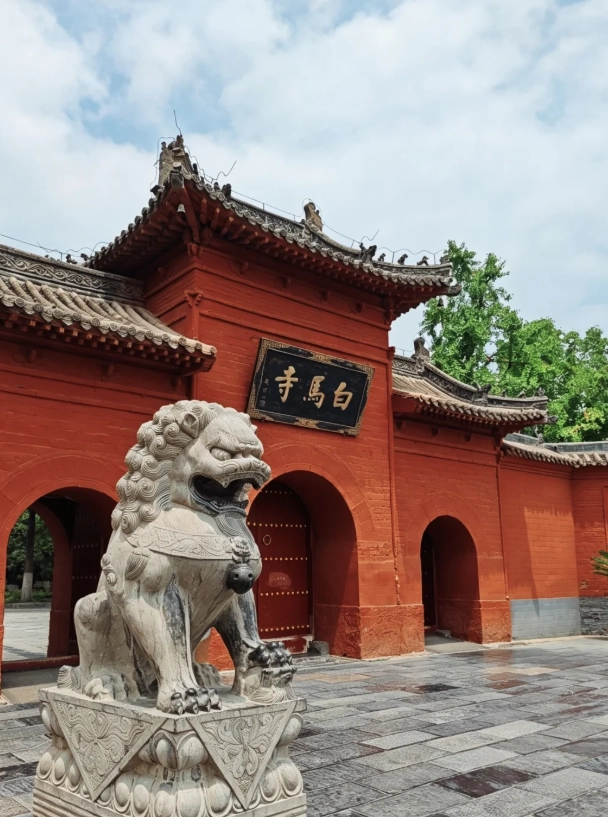
Longmen Grottoes
This is the crown jewel. The grottoes stretch for over a kilometer along the Yi River. The largest statue, Vairocana Buddha, is 17 meters tall and was carved in the Tang Dynasty. The sheer scale is humbling.
How to get there from the city center: Take bus 81 or 99 from the Luoyang Railway Station area, which drops you at the Dong Shan (East Hill) entrance. A taxi or Didi will cost about 40-50 RMB from downtown. Ask the driver to take you to the "Longmen Shiku" — I always tell my drivers to use the East Gate, because the West Gate involves a longer uphill walk.
Tickets and timing: Tickets are around 90 RMB for adults. However, the entrance fee often includes the four scenic zones, so don't fall for anyone selling "fast track" passes — they don't exist. I recommend arriving at 8:30 AM when the gates open. The weather in Luoyang is brutal in summer, and the sunlight hits the main statues directly at midday, creating harsh shadows that make photography difficult. Early morning gives you golden light and far fewer tour groups.
A pro tip: The best photo spot is on the west side of the river, looking across to the large Buddha. Many visitors rush to the east side, but that's where the crowds gather. Stop halfway across the bridge for a postcard-worthy shot.
Facility notes: The site is wheelchair-friendly on the main paths, but there are many stairs. Be prepared for a fair amount of walking — you'll need at least 3 hours to do it justice.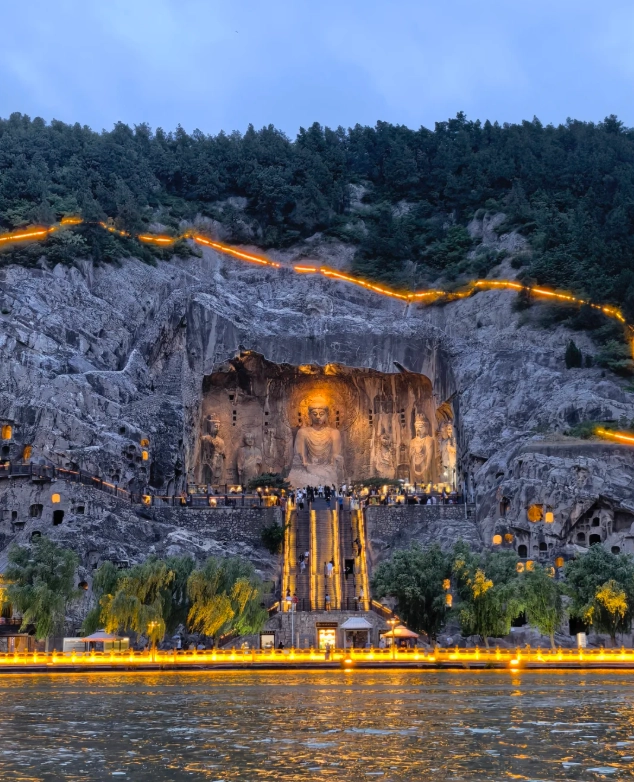
White Horse Temple
Located about 12 kilometers east of the city center, this temple holds a special place in Chinese Buddhism. It's where the first Buddhist scriptures were brought to China, carried by two monks on white horses — hence the name.
Getting there: Bus 56 goes directly from the city center to the temple. A taxi costs roughly 30 RMB. It's a popular stop on any Luoyang tourist attraction itinerary, but unlike Longmen, it stays relatively peaceful even at noon.
The temple complex is large, and the international style pagoda garden in the back is a strange but interesting blend — there's a Thai, Indian, and Burmese temple section. For a first-time visitor, I'd suggest spending 1.5 hours here. The entrance is about 35 RMB.
My honest critique: The main halls are beautiful, but some of the newer buildings feel a bit superficial. The surrounding park, however, is lovely for a quiet walk. And if you're lucky, you might see the resident peacocks wandering around.
Luoyang Museum
If you have any interest in Chinese history, don't skip this. The museum is free to enter with your passport, and it houses a stunning collection of Tang Dynasty artifacts, including the famous tri-colored glazed pottery. The museum is modern, well-curated, and the English labels are actually readable — a rarity in China.
Location: It's a bit out of the way, on the west side of the city. Take a taxi; it's about 20 minutes from downtown, costing 25-30 RMB. The museum is closed on Mondays (like most Chinese museums), so plan around that.
I always suggest visiting the museum on a rainy day or as a break between outdoor sights. The temperature-controlled galleries are a blessing in July.
You'll need about 2 hours to see the highlights. The highlight is the Neolithic bone flute — the oldest playable Chinese instrument ever found.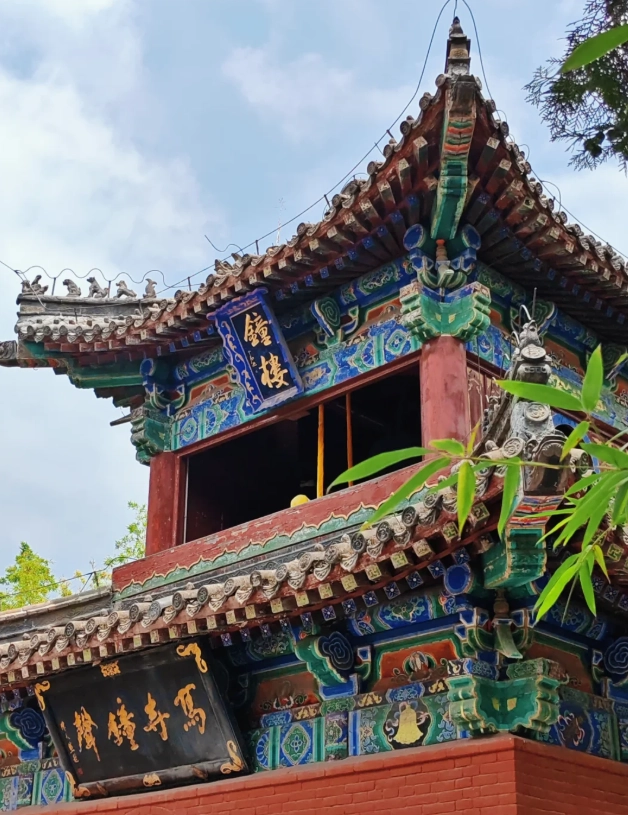
Luoyang Old Town and Lijing Gate
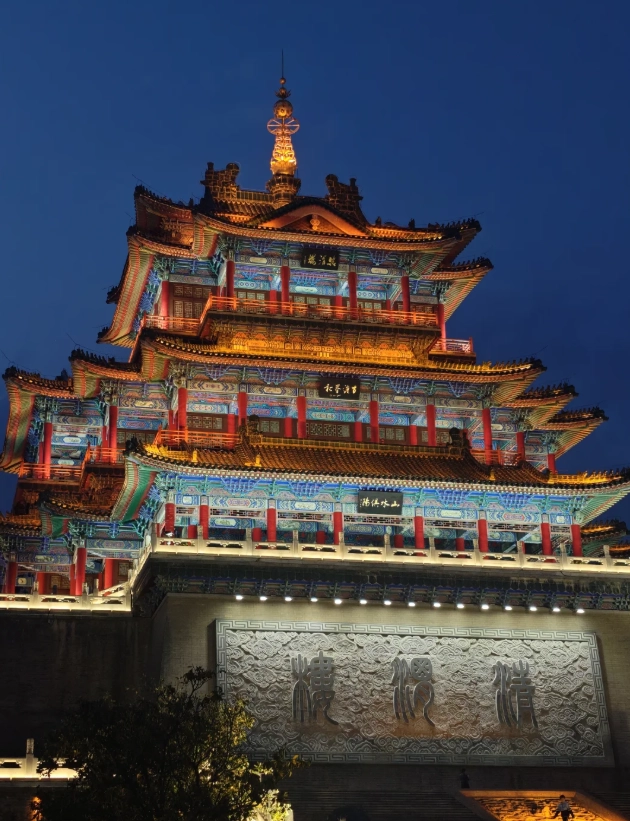
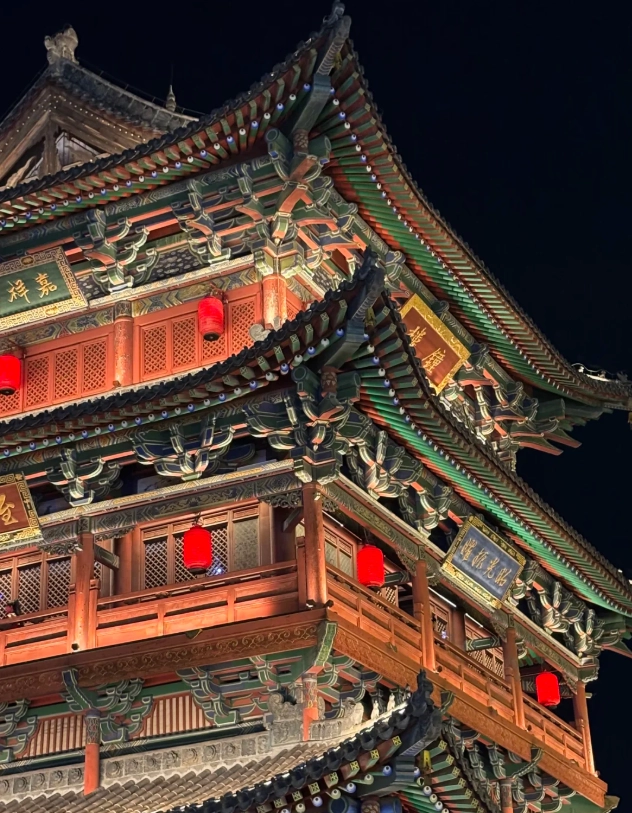
This is the part that many tour guides rush through, but I think it's the soul of the city. The old town is a maze of narrow lanes, traditional wooden houses, and vibrant street food stalls. The Lijing Gate is a rebuilt Ming Dynasty gate that looks spectacular at night when it's lit up.
When to go: Evening. Come around 5 PM, grab a bowl of soup or some fried dumplings in the lanes, and watch the sun set over the ancient rooftops. The gate area becomes a pedestrian zone, and you'll see locals practicing calligraphy or playing chess.
What to eat: The famous "Luoyang Water Banquet" (Shuixi in Chinese) is served in many restaurants here, but I have a confession — I'm not a huge fan. It's a series of soups, and while it's culturally significant, the flavors can be too subtle for some foreign palates. Instead, try the "bula tou" (not-shaken soup) from any of the street vendors. It's a spicier, more robust noodle soup that's perfect after a day of walking.
Pro tip: The old town is free to enter. But watch out for the "tea houses" that seem to invite you in — the bill can be surprisingly high. Stick to the main food street for snacks.
How to Plan Your Luoyang Sightseeing Route?
If you only have 24 hours, here's how I'd structure your day. This is the exact route I use with clients who are short on time.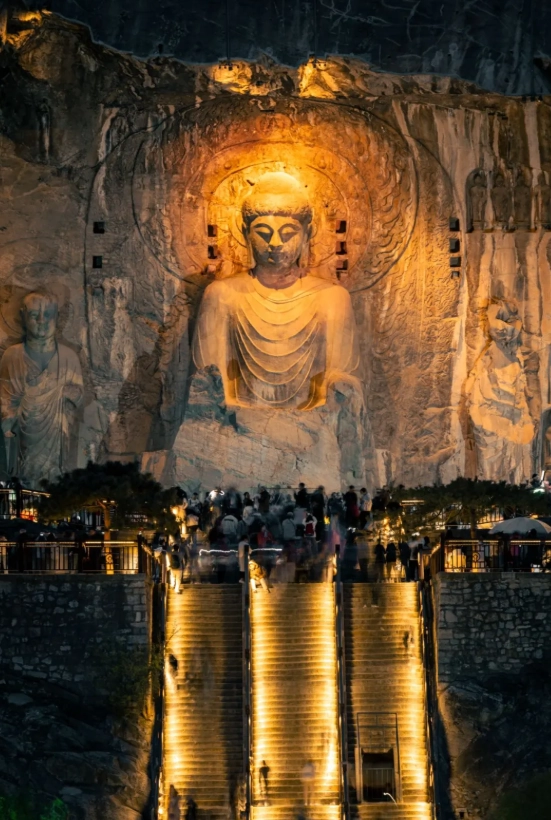
One-Day Itinerary for Luoyang
- 8:00 AM — Longmen Grottoes. Arrive right at opening time. Spend 3 hours. Grab a quick snack at the entrance.
- 11:30 AM — White Horse Temple. Take a taxi or bus to the temple. Spend 1.5 hours. Eat lunch at the noodle restaurant just outside the temple — they have a good beef noodle soup.
- 2:30 PM — Luoyang Museum. Take a taxi (about 40 minutes). Spend 2 hours inside.
- 5:00 PM — Old Town. Take a taxi to the Lijing Gate. Explore the lanes, have a proper dinner, and watch the gate light up.
This is a packed day, but it works. If you want to slow down, drop the museum — that's my insider recommendation. The museum is great, but the other three are more distinctive.
Two-Day Itinerary
Day 1: Use the one-day plan but replace the museum with the Guanlin Temple (a tribute to the mighty general Guan Yu) or the Luoyang Old Town and the Sui and Tang Dynasty City Site. Day 2: drive out to the Shaolin Temple and the Songshan Mountains — about 90 minutes south of Luoyang. You can book a private car for around 400 RMB round trip, or take a bus from the city's long-distance bus station, which costs about 30 RMB. I have a whole separate guide for that, but if you're into martial arts, it's a must-see.
How to Get Around Luoyang Like a Local?
Luoyang is a medium-size city, and the subway system is basic. The most efficient way to move around is using Alipay's Didi app (the local Uber). It's cheap — most rides within the city are under 40 RMB. The buses are extremely cheap (2 RMB) but slow and often packed.
Critical warning for foreigners: Google Maps doesn't work properly in China. When you're trying to navigate, use Apple Maps (which is surprisingly accurate) or download an English-friendly version of AMap/High-D maps. I always carry a business card from my hotel with the address written in Chinese. It saves you from the awkward "pointing at your phone" dance.
Renting a car is a bad idea. Driving style in Luoyang is chaotic — scooters swerve everywhere, and parking is a nightmare. Taxis are cheap enough to spoil yourself.
Practical Tips for Booking and Payments
Here's where many foreigners trip up. Let me save you the headache.
- Payments: Cards are rarely accepted. Even some chain restaurants only take Alipay or WeChat Pay. You can link your international credit card to Alipay (it works with Visa/Mastercard since 2020) and it's honestly the easiest way. For taxis, always use Didi or Alipay's ride-hailing to avoid the "foreigner price."
- Booking attractions: Most major sights now require advance booking with your passport. The official WeChat mini-programs are all in Chinese, but you can use Trip.com or Klook to pre-purchase tickets. I've personally used Trip.com for the Longmen Grottoes — you'll get a QR code that you scan at the entrance.
- Watch out for scam artists: Around the railway station, you'll find "tour guides" offering to take you to Longmen for a "special price." Ignore them. They'll take you to a fake spot and demand extra money.
- VPN: You'll need a VPN to access Google, WhatsApp, Instagram, etc. Make sure it's installed and tested before you arrive. The Great Firewall blocks many sites, but it's not as bad as some stories suggest — just have a backup plan.
Pro Tip: Book your high-speed rail tickets to Luoyang in advance on the official 12306.cn site or via Trip.com. The trains from Xi'an take just 1.5 hours and cost around 160 RMB. From Beijing, it's about 3.5 hours. Get the app and connect it to your passport — it's a game-changer.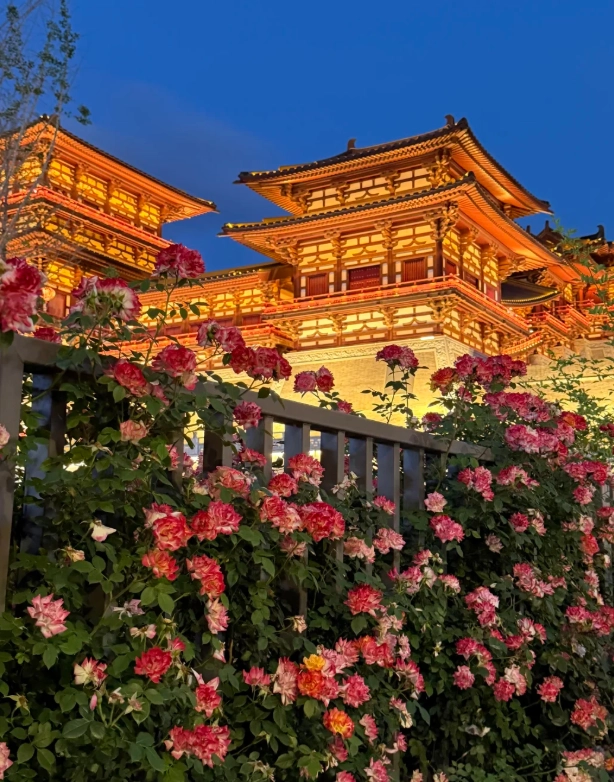
Where to Eat in Luoyang: Local Favorites
You can't leave Luoyang without trying "Tanglong Soup" (a flatbread soup) and "steamed pork with flatbread" — but those are more breakfast items. For dinner, head to the old town.
Here's a table of my go-to restaurants:
| Restaurant | Location | Must-Try | Avg. Price |
|---|---|---|---|
| Lao Jiaozi Guan (Old Dumpling House) | Xingangji Street, near Lijing Gate | Pan-fried dumplings, pork with pickled veggies | 30-50 RMB |
| Genghis Khan BBQ | Zhongzhou East Road, near the Temple | Lamb skewers with cumin | 40-60 RMB |
| Hui Chun Shui Xi | Old Town, South Street | Water Banquet (if you're adventurous) | 80-100 RMB |
My confession: The water banquet is a tourist thing. I've taken American friends who loved it, but others felt like they were eating a series of thick soups. If you're not into heavy starches, skip it and go for the dumplings.
For vegetarians, look for Buddhist restaurants near the White Horse Temple. They serve tofu-based versions of meat dishes.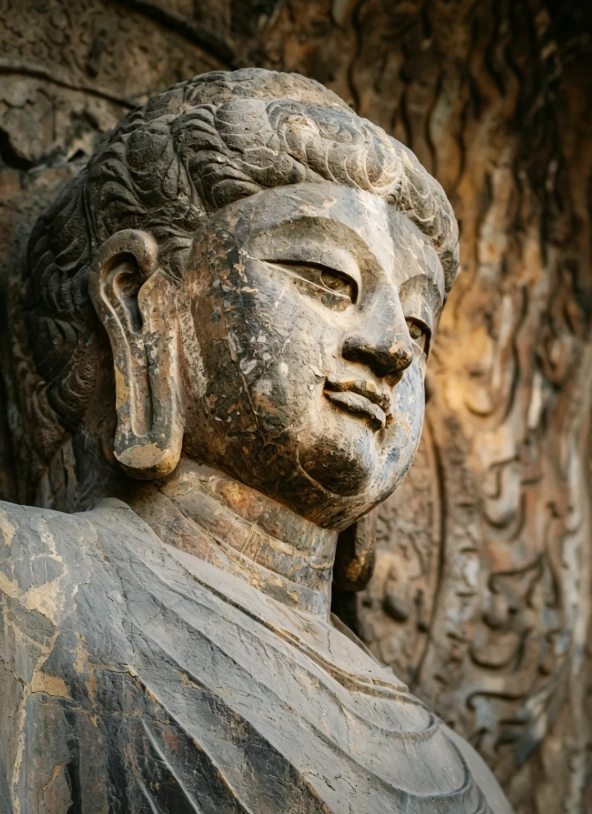
Frequently Asked Questions about Luoyang Tourist Attractions
Final Thoughts: My Honest Take
Luoyang isn't a polished, tourist-ready city like Suzhou or Hangzhou. You'll encounter chaotic traffic, handwritten menus, and the occasional language barrier. But that's exactly why I love it. It's real China — history is not behind glass; it's living on the streets, in the soup vendors, and in the weathered stone of the grottoes.
Now, I'm honest with you: if you're the kind of traveler who wants a perfectly curated, everything-in-English experience, Luoyang might disappoint you. But if you want to actually feel Chinese history — not just photograph it — this city will stay with you forever.
The other thing I've learned: Luoyang's tourist attractions are at their best in October and November, when the summer heat breaks. If you can, time your visit then. The light turns golden, and the crowds thin out.
One last bit of advice: don't skip the night-time walk along the Yi River opposite the Longmen Grottoes. The statues glow under the floodlights, and it's possible to see them for free from the far bank. It's a secret I only share with readers.
Verified and fact-checked by the editorial team.





No comments yet.