 Hong Ma
Quick Guide: What's Inside
I've dragged more hungry tourists through Dunhuang's dusty lanes than I care to count. The number one question? Always the same — what to eat in Dunhuang. And honestly, the answer isn't in the glossy hotel menus. It's tucked inside smoke-filled noodle shops and night market stalls that most tour groups zoom past. So let me save you the guesswork: skip the overpriced set dinners and go straight for the street food. That's where the magic happens. But not all street food is equal — some stalls will rob you blind. That's why I put together this local guide, with the exact dishes and the exact places I take my own friends. Consider it your cheat sheet to eating well in Dunhuang.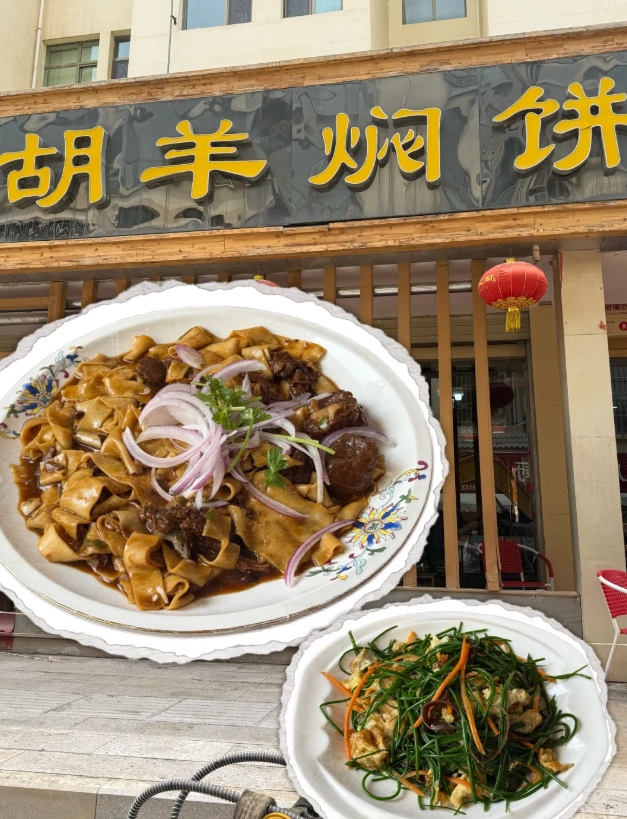
What to Eat in Dunhuang: The Essential Local Dishes
Dunhuang's food is a mix of Muslim frontier flavors and noodle-crazy Gansu traditions. You'll see lamb everywhere, hand-pulled noodles, and surprisingly sweet drinks to balance the heavy spices. Let me break down the dishes you absolutely must try.
Signature Dishes You Can't Miss
These are the first things I order when the train pulls into Dunhuang station. Hearty, slurp-able, and impossible to find in the same quality anywhere else.
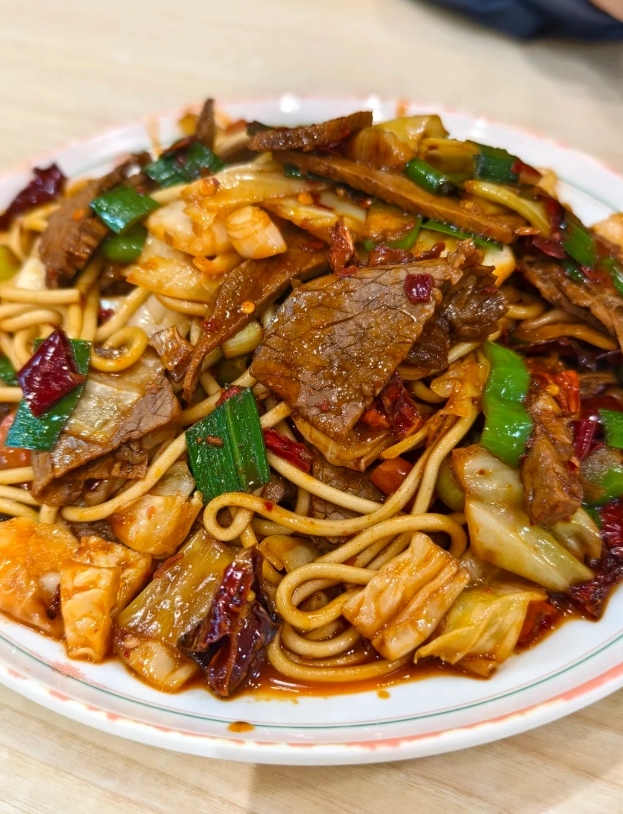
- 驴肉黄面 (Donkey Meat Yellow Noodles) — The crown jewel of Dunhuang. Hand-pulled noodles tossed in a rich sauce with tender braised donkey meat. The texture is springy, the meat slightly sweet. Try it at Shunzhang Yellow Noodle (顺张黄面馆) or Daji (达记). Show the driver: 顺张黄面馆. Set the price around 25 RMB.
- 羊肉串 (Lamb Skewers) — Cumin-dusted, spicy, and charred over open coals. Head to Shazhou Night Market and watch them grill. I always ask for 半肥半瘦 (half-fat, half-lean) for the best flavor. About 5 RMB per stick.
- 胡羊焖饼 (Hu Yang Men Bing) — A rustic lamb stew with torn pieces of flatbread simmered right in the rich broth. It's like a savory bread pudding, but meaty. Many small restaurants near Yangguan Road serve it. I don't have a single go-to, I just point at a menu and say 'this'. Expect 30–40 RMB for a share.
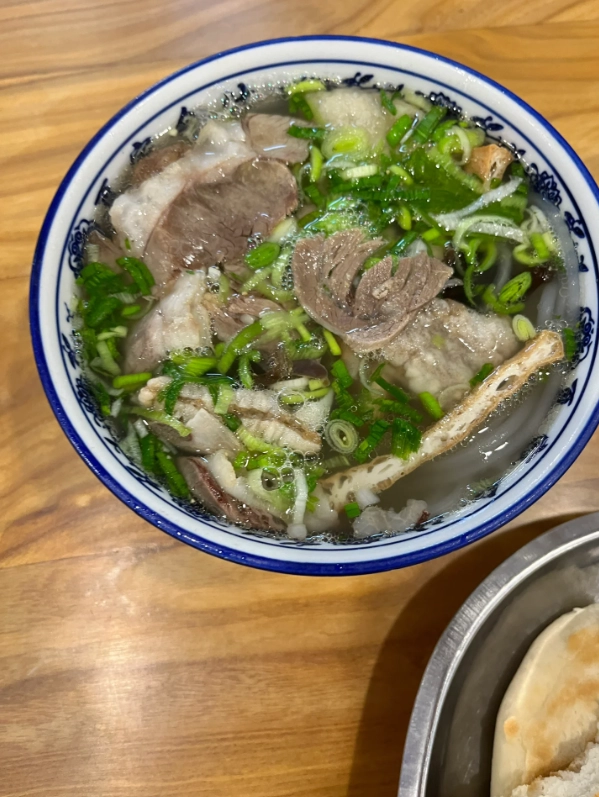
- 羊肉粉汤 (Lamb Soup with Vermicelli) — A clear, soul-warming broth with slices of lamb and translucent mung-bean noodles. Perfect for Dunhuang's chilly desert nights. You'll find it at breakfast spots all over the old town.
- 敦煌酿皮 (Liangpi) — Cold, slippery wheat noodles dressed with vinegar, chili oil, and garlic. It's a refreshing contrast to the hot lamb dishes. Grab it from any street stall that has a glass case of toppings.
- 浆水面 (Jiangshui Noodles) — This one's an acquired taste. Noodles in a lightly fermented vegetable broth that's slightly sour and salty. It's a local favorite in summer. Ask for a small bowl before you commit.
Street Snacks and Drinks
These are the little things that make wandering Dunhuang's streets addictive. Nobody visits Dunhuang for a fine-dining constellation, but these snacks? They'll keep you coming back.
- 杏皮水 (Apricot Kernel Drink) — The official drink of Dunhuang. Made from local apricots, it's sweet-tart and perfect for the dry heat. Every restaurant and stall sells it. Just make sure it's cold and freshly made, not from a powder mix.
- 泡儿油糕 (Paor Yougao) — A deep-fried glutinous rice ball with a molten sugar-rose filling. The outside is crispy, the inside explodes with sweetness. Best eaten fresh off the fryer.
- 敦煌榆钱 (Elm Seeds) — Only in spring. Stir-fried with eggs or steamed, these green seeds taste a bit like fresh peas. Ask if it's in season.
- 李广杏 (Li Guang Apricots) — If you're here in June-July, don't leave without these fragrant, melt-in-your-mouth apricots. Farmers sell them by the roadside. I've never seen such juicy ones.
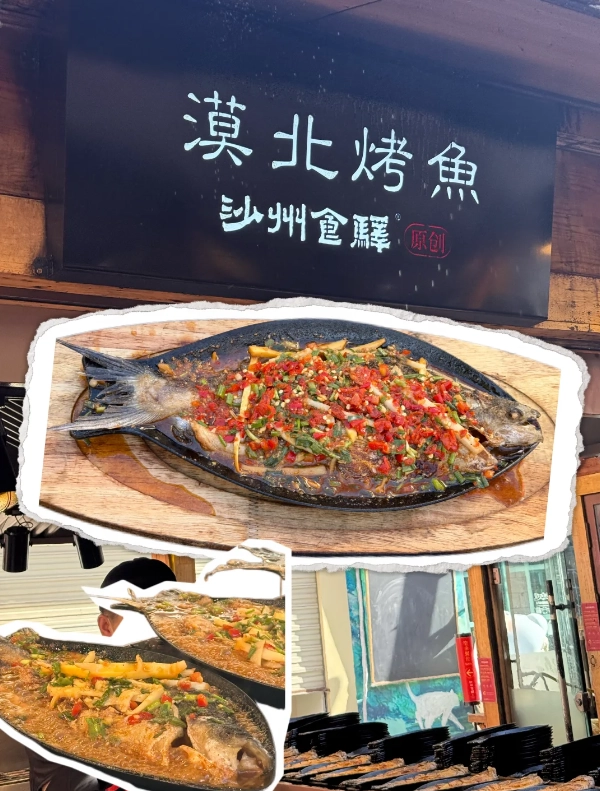
Where to Eat in Dunhuang: Best Restaurants and Markets
Knowing what to eat is half the battle — finding it is the other. Here are my go-to spots, tested on countless tours. Remember: Google Maps is often outdated here. Use AMap (高德地图) with the Chinese names below, or ask your hotel receptionist to write addresses in Chinese.
| Name | Address (AMap search) | Must-Try | Price Range | Opening Hours | Payment |
|---|---|---|---|---|---|
| Shazhou Night Market | 阳关中路 (Yangguang Middle Road) | Lamb skewers, apricot drink, liangpi | 30–80 RMB | 17:00 – 01:00 | Alipay/WeChat, cash |
| Shunzhang Yellow Noodle (顺张黄面馆) | Yangguang Middle Road | Donkey meat yellow noodles | 20–30 RMB | 11:00 – 21:00 | Alipay/WeChat, cash |
| Daji Donkey Meat Noodle (达记驴肉黄面) | Use AMap: 达记驴肉黄面 | Donkey meat yellow noodles | 20–30 RMB | 10:00 – 20:00 (approx) | Alipay/WeChat, cash (usually) |
If you're on a tight schedule, the night market is your best friend. You can sample most dishes in one evening. But if you want a sit-down meal, hit the noodle shops early to avoid the lunch rush — this place fills up by 12:30.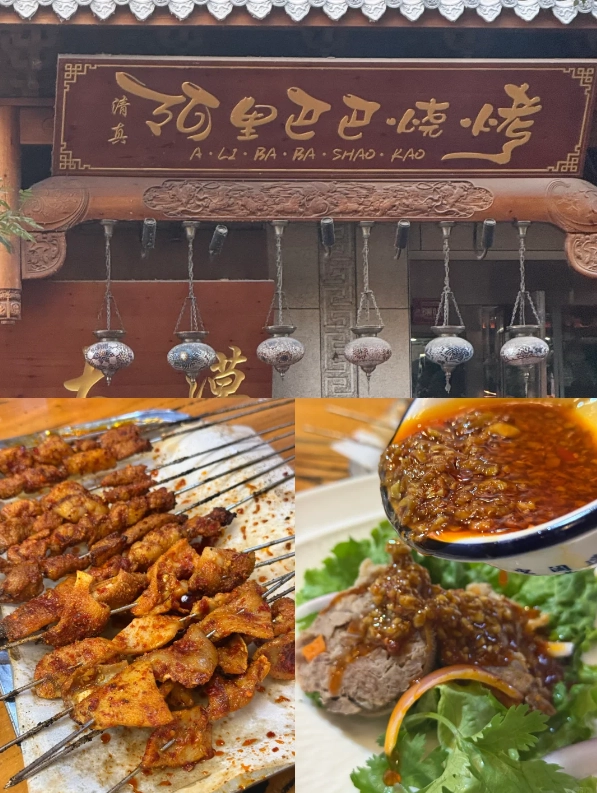
And for your sightseeing needs, book Mogao Caves tickets via Trip.com or Klook — they're foreigner-friendly and save you a queue.
How to Eat in Dunhuang Like a Local?
You've got the list. Now let me teach you how to order without getting cheated or confused.
First, download a translation app. Baidu Translate or Apple Translate are your best friends. Most menus have pictures, but sometimes you need to ask for specifics. Point at the photo and say “这个” (this one).
Second, know the money setup. International credit cards are virtually useless at small restaurants and stalls. You'll need cash (yes, cash) or a Chinese mobile payment system. If you haven't set up Alipay with your international card, please do it before you arrive. Every restaurant accepts Alipay, but almost no place swipes a foreign Visa.
Third, don't be afraid of spice. Dunhuang food leans heavy on cumin, chili, and garlic. If you can't handle heat, say “不要辣” (no spicy) — but be aware that many dishes are pre-mixed. It's easier to pick a milder dish like noodles in broth.
Fourth, check the price before you order. In the night market, each stall should list prices. If they don't, ask “多少钱?” (how much). If the price seems too high, bargain a little — but don't be absurd about it. Locals don't overcharge each other.
And one cultural nudge: Tipping is not expected. Just round up the change if you feel generous.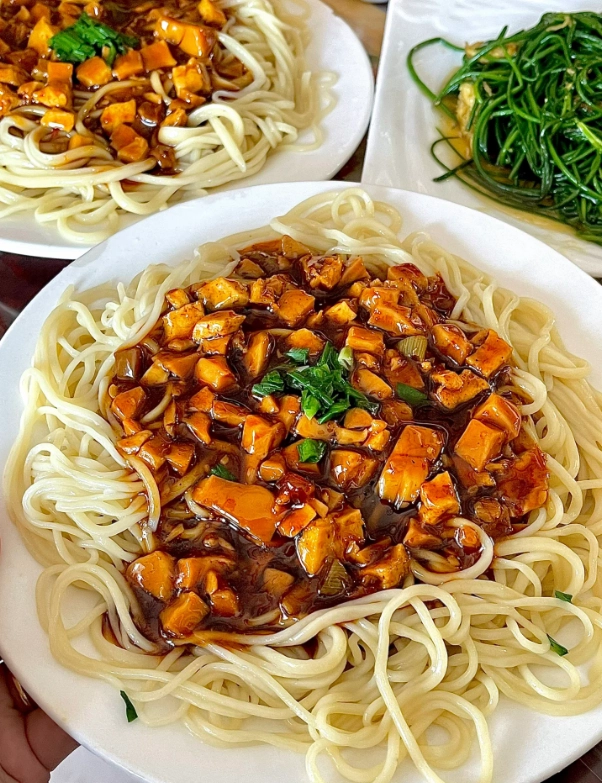
What to Eat in Dunhuang for Vegetarians and Special Diets?
If you're worried about surviving on lamb alone, relax. There are options.
Most noodle shops will make a vegetable version if you ask. For example, ask for 拌黄瓜 (cucumber salad), 炒油麦菜 (stir-fried lettuce), or 西红柿鸡蛋面 (tomato-egg noodles). I always tell my vegetarian clients to look for the green signs that say 清真 (Halal) — those places are less likely to use lard in cooking.
Dessert and drinks are easy: apricot kernel water, dates, and rose cakes are all vegetarian. Just watch out for yogurt drinks that may contain animal rennet.
If you have strict dietary needs, your best bet is to cook for yourself. But honestly, Dunhuang is a friendly place — someone will always be willing to explain what's in a dish if you show them a clearly translated dietary card.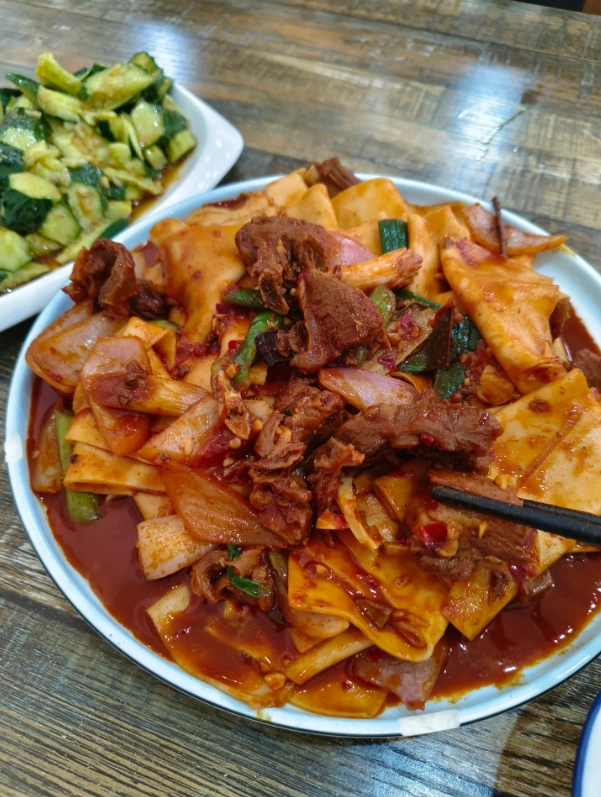
What to Eat in Dunhuang: Avoiding Tourist Traps and Common Mistakes
Here's where I save you from bad experiences. I've seen it all.
- Don't let your taxi driver pick a restaurant. They often get commissions, and you'll end up at an overpriced place with mediocre food. Ask your hotel front desk instead — they have no incentive to trick you.
- Avoid the huge flashy restaurants right at the entrance of the night market. Go two or three blocks deeper. The busy stalls with long lines of locals are where the real gems are.
- Don't fall for the 'very special' sales pitch. If someone aggressively pushes a dish you didn't ask for, just walk away. One time I saw a poor tourist pay 200 RMB for a 'rare caterpillar fungus tea' that was just dried fruit.
- Check your change. Not because people are dishonest, but because they're fast — and a missed zero can ruin your evening.
- Beware of seasonal menu confusion. If you're craving a summer dish in March, it might be made from preserved ingredients and taste off. Stick to what's in season.
FAQs: Eating in Dunhuang
Verified and fact-checked by the editorial team. This content has been fact-checked to ensure informational precision.





Expected more after all the hype. We tried the yellow noodles at a busy place near the market and they were just okay — the sauce had cooled a little and tasted pretty mild. The apricot peel water reminded me of a melted ice pop. Maybe I picked the wrong stalls, but I left feeling underwhelmed. Not the food highlight of my trip.
Pretty solid recommendations overall. The donkey meat yellow noodles were tasty and the noodle texture was great, but the meat portion felt a little small for the price. The apricot peel water was the real standout for me. I’d probably skip the fried oil cakes — a bit too greasy after a long day. Still, a fun food crawl, just not perfect.
The apricot peel water was a lifesaver after hours in the sun — tart, slightly sweet, and so refreshing. I grabbed it from a tiny stall near Shazhou Market. Also tried the cold mianpi with chili oil and peanuts; the crunch and garlic heat made it my favorite bite. This guide pushed me to order local things I normally would skip, and I’m so glad it did.
Decided to follow this list and eat my way through Dunhuang. The lamb vermicelli soup at 7am was the best decision I made — the broth was light but full of cumin and warmth, and the lamb just fell apart. The little fried oil cakes with the sugar pouring out were dangerously good too. I wish I had room for a second bowl. 10/10 for a cold desert morning.
I was skeptical about donkey meat, but the yellow noodles hooked me from the first bite. The noodles were springy and fresh, and the meat had this rich, slow-cooked flavor. We also got a cold plate of sliced donkey meat with chili oil on the side — messy but incredible. Finished with ice-cold apricot peel water and felt ready to hike the dunes again. Don’t leave Dunhuang without trying these.
As a solo traveler, I was intimidated by the huge menus in Dunhuang. This article became my eating plan. The 酿皮子 was cold, spicy, slippery, and so good on a warm afternoon, and the lamb soup with flatbread warmed me up the next morning. The way the article explained each dish made me feel like I knew what I was doing. Highly recommend.
One of the most accurate food lists I've found for a Chinese city. I've eaten in Gansu for years, and the yellow noodles with donkey meat are exactly as described: springy noodles, rich brown sauce, and that subtle earthy flavor. I also appreciated the notes on how locals drink 杏皮水 as a palate cleanser. Everything I tried from the list worked. Five stars.
This article is the reason I fell in love with Dunhuang food. I tried the 胡羊焖饼 because of it and almost cried — the lamb was so tender, the flatbread soaked up every bit of the savory broth. The apricot peel drink was a refreshing break from all the meat. I sent this article to my whole group chat. Absolutely a must-read before you go.
Really useful guide for a first trip to Dunhuang. I followed it at the night market and the standout for me was the apricot peel drink — cold, tangy, not too sweet, perfect after dust from the dunes. The list missed a great local breakfast place I found later, so one star off, but everything it did cover was spot-on.
I read this before flying to Dunhuang. It has some good picks, but I found it a bit too generic. The list said to try donkey meat yellow noodles, so I ordered a plate at a random spot near Shazhou Market — the noodles were chewy and the meat had a smoky, almost sweet sauce, but honestly I was expecting more. It also doesn't mention prices or which stalls are worth your time. Not bad, but I'd want more detail.