 Tao Xu
Quick Food Navigator
Stuck in a food rut in Zhangjiajie? You bet. As a local guide who's spent years eating through this mountain city, I've seen too many tourists survive on instant noodles because they didn't know what to eat. That stops today. This guide dives into the essential Zhangjiajie dishes — from the fiery Sanxia Guo to the earthy Rock Ear — and where to find them. More importantly, I'll show you how to order without speaking Chinese, how to pay without cash, and how to skip the tourist traps. Here's the thing: the best food often hides in the least flashy spots.
No matter if you're here for the towering sandstone pillars or the glass bridge, your taste buds deserve an adventure too. And honestly, you can't leave without trying the local specialty — otherwise, you're missing half the experience.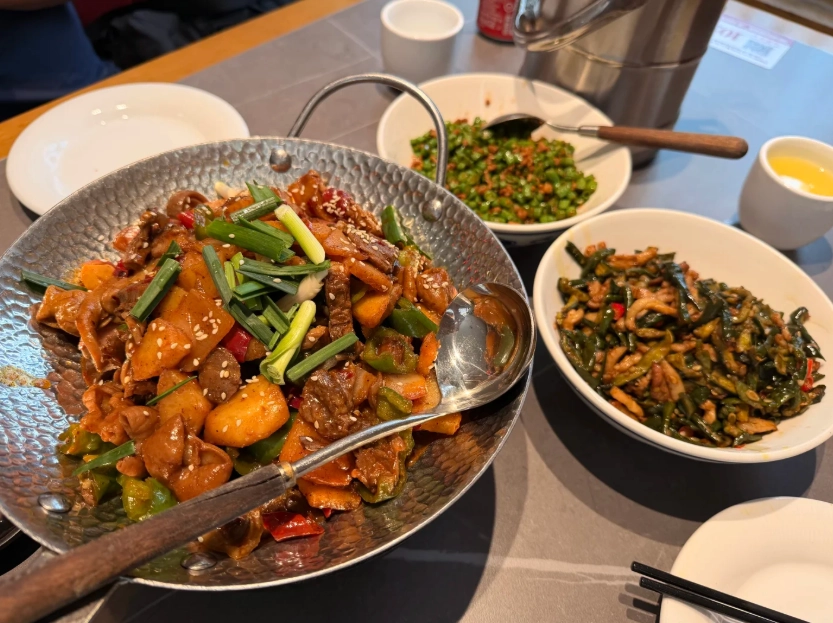
What to Eat in Zhangjiajie: The Must-Try Dishes
Zhangjiajie isn't just about towering peaks — it's also a food haven. The local cuisine is typical Hunan style, known for bold, spicy flavors. But not everything is hot. Here are the seven dishes I make sure every visitor tries.
1. Sanxia Guo (三下锅)
The dish that defines Zhangjiajie is Sanxia Guo. It's a bubbling hotpot of cured pork, tofu, potatoes, and greens, seasoned with fierce dried chilies. The name means 'three pot' because it originally combined three kinds of main ingredients. I always tell my clients to ask for '微辣' (mild) if they're not used to heat — the default is mouth-numbing. For a first taste, head to the food alley on Jiefang Road. Look for a stall that's crowded with locals; that's a good sign. Expect to pay around 30–50 RMB per person.
Pro Tip: The portion is generous — one pot is plenty for two people. Order a side of steamed rice to balance the spice.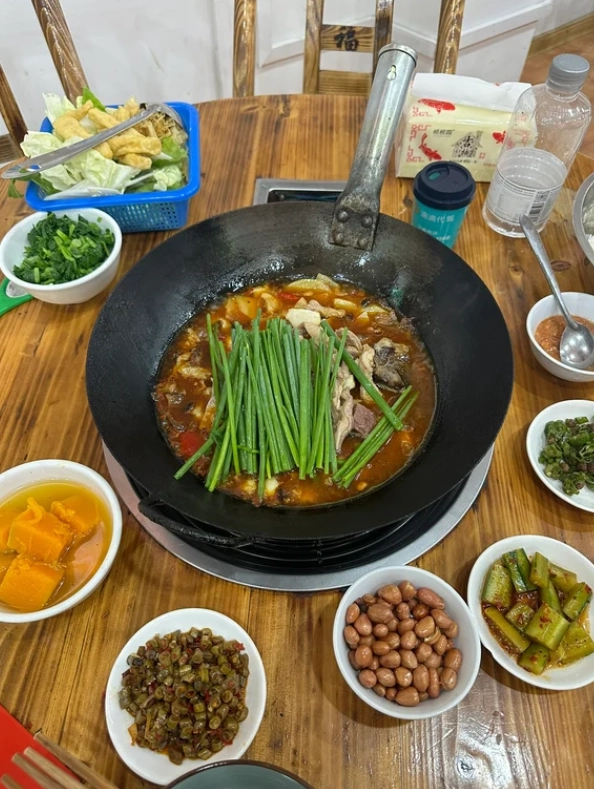
2. Xiangxi Blood Tofu (血豆腐)
Blood tofu is a unique Xiangxi specialty. It's made by mixing fresh pig's blood with tofu, then smoking it over pine branches. The result is a firm, savory cake that's sliced and pan-fried with chili and garlic. It sounds odd, but it's genuinely delicious. You'll find it in most local restaurants. Ask for '血豆腐' (xuè dòufu). If you're vegetarian, skip this one.
I remember the first time I tried it — I was hesitant, but now I always order it when I spot it on a menu. The smokiness is incredible.
3. Rock Ear (岩耳)
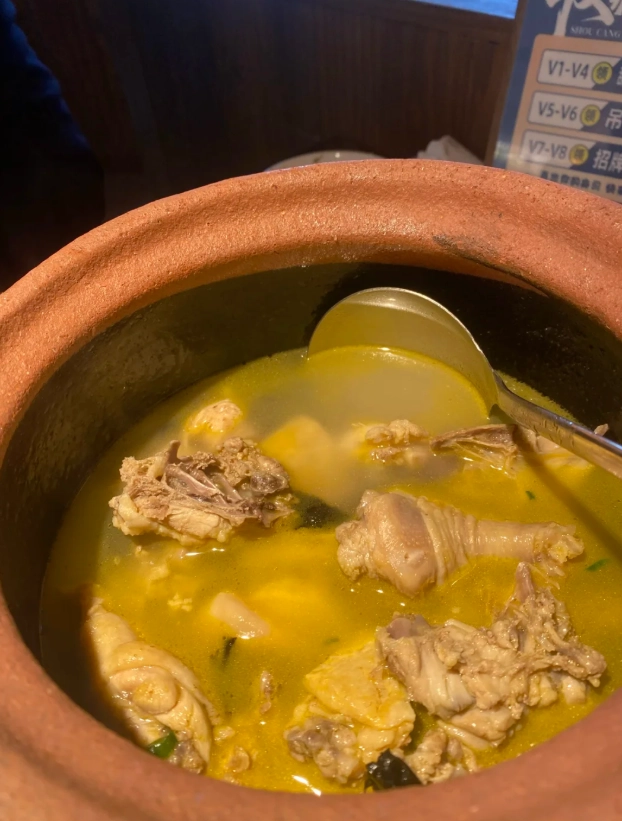
Rock ear is a rare fungus that grows on the cliffs of Zhangjiajie's mountains. It looks like a lumpy black rock, but when soaked, it turns into jelly-like ribbons. Usually served in a clear soup with chicken, it's earthy and slightly slimy. Many restaurants near the national park offer it, but the price can be high — often over 100 RMB per dish. I'd say it's worth trying once for the novelty.
If you're on a budget, skip it and try more common dishes. The texture isn't for everyone, to be honest.
4. Tujia Bacon (土家腊肉)
Smoked bacon is the backbone of Tujia cuisine. The bacon is hung over a fireplace and smoked with wood chips for months. Sliced thinly and stir-fried with green peppers, it's a simple but satisfying dish. Ask for '土家腊肉' (tǔ jiā là ròu). Pair it with a bowl of steaming rice.
This is comfort food for locals. The flavor is intense, so a little goes a long way. I often order it as a shared dish.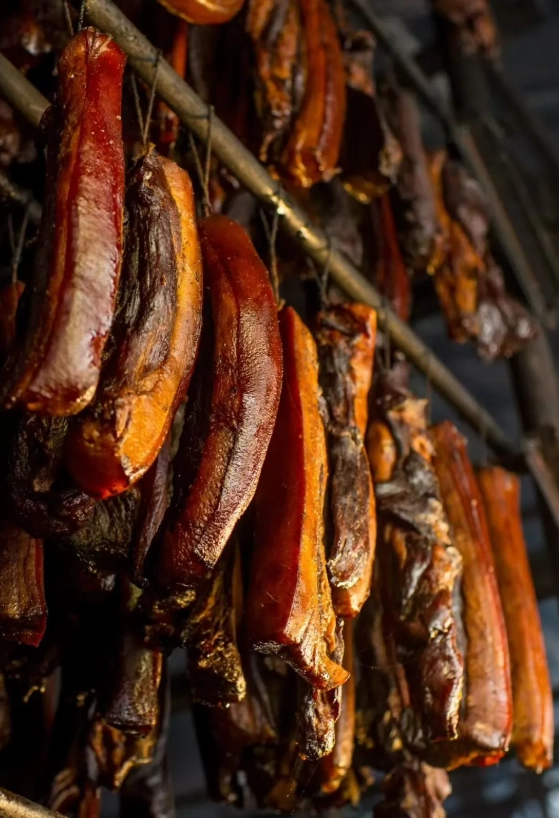
5. Ci Ba (糍粑)
Ci Ba is a chewy rice cake made from glutinous rice. It's often grilled and served with sugar or honey. It's a great snack to keep you going between hikes. You'll see vendors selling them near the national park entrance. Always eat them hot and fresh — they're soft and gooey when warm.
I always grab one before a long walk. They're cheap, filling, and give you an energy boost.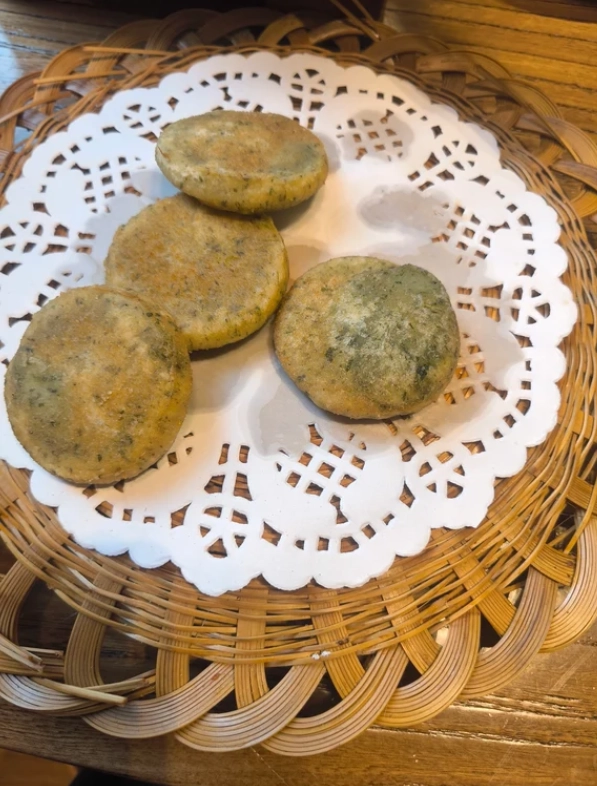
6. Spicy River Fish (香辣溪鱼)
The streams around Zhangjiajie are full of small fish, and locals cook them whole with lots of chili and pickled peppers. The fish is crispy and the sauce is tongue-tingling. A great place to try it is at the night market on Xibu Street.
Be careful with the bones — they're tiny but edible when fried. The dish is meant to be eaten with rice, not alone.
7. Tujia Sour Meat (酸肉)
Sour meat is a fermented dish, made by layering pork with rice flour and letting it sit for months. The result is a tangy, funky flavor that's an acquired taste. Locals love it, but for foreigners, it might be a bit intense. If you're adventurous, try a tiny bite first.
I usually warn my clients: this one isn't for the faint-hearted. But if you enjoy bold flavors, you'll be rewarded.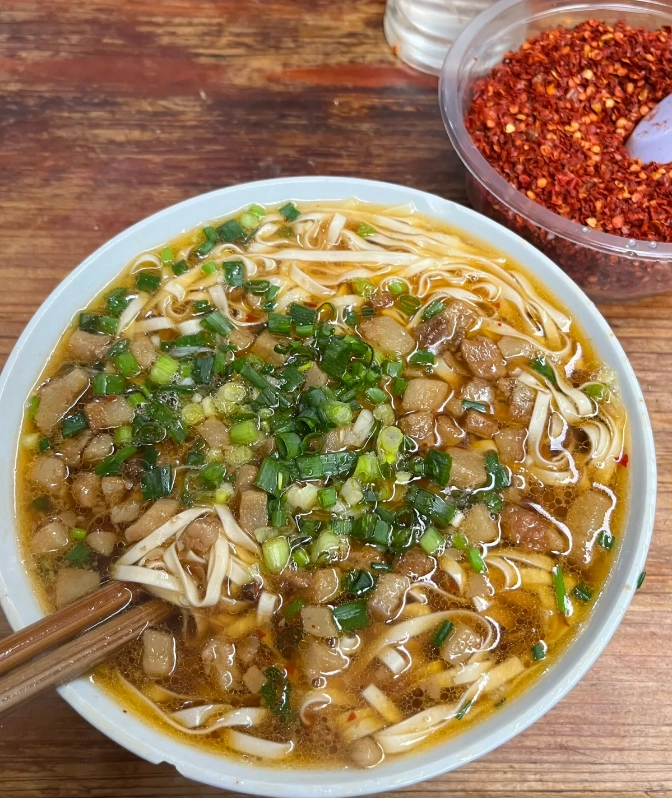
Where to Eat in Zhangjiajie: Best Restaurants & Food Streets
Here are the places I often take my clients to — each offers something different. All these places are within 15 minutes' drive from Wulingyuan scenic area. Use Amap or Apple Maps to find them.
| Name | Specialties | Avg. Price/Person | Best For |
|---|---|---|---|
| Xibu Street (溪布街) | Street snacks, BBQ, cold noodles | 20–80 RMB | First-timers, night food |
| Jiefang Road (解放路) | Sanxia Guo, Tujia bacon | 40–100 RMB | Foodies, local vibe |
| Dayong Mansion (大庸府城) | Traditional Tujia feast, cultural show | 60–150 RMB | Cultural experience, big groups |
For a no-fuss introduction, I recommend starting at Xibu Street. It's a bit touristy, but the variety is unbeatable. If you want a more authentic experience, walk down Jiefang Road, where locals eat. The restaurants here don't have English menus, but they usually have pictures.
Insider Advice: Don't be afraid to ask your hotel staff for restaurant recommendations. They know where the locals go — and it's usually a step above what you'll find on travel blogs.
How to Order and Pay in Zhangjiajie: A Foreigner's Survival Guide
Ordering food in Zhangjiajie can feel intimidating if you don't speak Chinese. But trust me, it’s easier than you think. Here's how to navigate it like a pro.
Payment: Forget Cash — It's All Mobile
Most small restaurants in Zhangjiajie do not accept credit cards or foreign bank cards. They rely entirely on Alipay and WeChat Pay. The good news is you can link your international Visa or Mastercard to these apps before you travel. If you haven't, bring enough cash as backup — some places accept it, but you'll need to nail the exact amount.
Pro Tip: Before you travel, set up Alipay and link your international card. It saves so much hassle — even street vendors accept it.
How to Order Without Chinese
- Look for restaurants with picture menus — many have them.
- If not, use Baidu Translate or Apple Translate to scan the Chinese menu.
- Or simply point at what another table is eating and say '这个' (this).
- For spice control, say '不要辣' (no spicy) or '微辣' (mild).
Booking a Table
For big restaurants, use Dianping (大众点评) to check reviews and reserve. The app is in Chinese, but your hotel front desk can help. Alternatively, just show up early — 5 PM is usually safe.
And if you're planning to book a hotel or a tour, I always recommend using Trip.com or Klook — they have English interfaces and accept international cards.
What to Eat in Zhangjiajie: A 3-Day Food Itinerary
Here's how I'd plan my eating around the sights:
- Day 1 — Arrive & Dive into Local Flavors
Fly into Zhangjiajie Hehua Airport. Head straight to downtown Wulingyuan and check in. Start with a hearty lunch of Sanxia Guo. In the evening, wander down Xibu Street and sample everything — from grilled rabbit to fried ice cream. If you're tired, grab a quick noodle bowl at a local shop. - Day 2 — Park Peaks & Tujia Home Cooking
Spend the morning in Zhangjiajie National Forest Park. Pack a simple snack like ci ba. After the hike, return to Wulingyuan town for a sit-down dinner of smoked bacon and blood tofu at a family-run spot near Jiefang Road. Take your time — you've earned it after all those stairs. - Day 3 — Tianmen Mountain & a Final Feast
Take the world's longest cable car up Tianmen Mountain. Down in the afternoon, treat yourself to a fish dinner at a lake-view restaurant at Baofeng Lake. End the trip with a sweet ci ba dessert.
Remember to adjust the plan based on your energy — I include plenty of breaks, because you'll need them. Between meals, always carry a bottle of water and maybe some snacks for the long walks.
How to Avoid Tourist Traps When Eating in Zhangjiajie
After years of leading tours, I've seen it all. Here are the traps I warn every client about:
- Decline any restaurant recommendation from taxi drivers — they often get kickbacks.
- Always ask for the menu with prices before ordering. If no price is shown, check the total before you pay.
- Avoid restaurants inside the national park — they're overpriced and bland. Walk 15 minutes to nearby town.
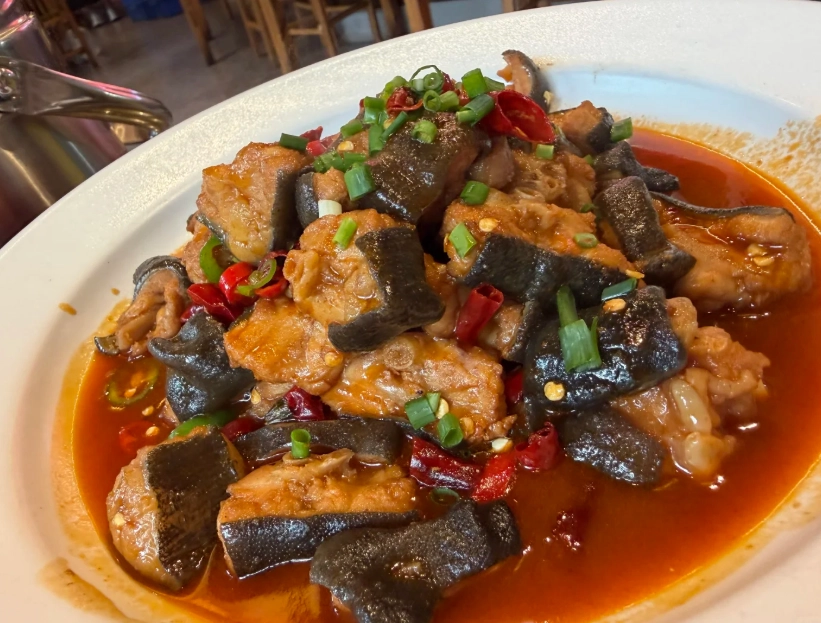
- Don't be tempted by 'wild game' dishes. They're expensive and many are illegal (like Chinese giant salamander).
- Watch out for the 'tea ceremony' scam on the street — you might end up paying a fortune for a cup of tea.
Insider Advice: If a restaurant looks completely empty during peak hours, there's a reason. Follow the crowds — locals know where the food is fresh.
Frequently Asked Questions About Zhangjiajie Food
Verified and fact-checked by the editorial team. This content reflects personal experience and comes from on-the-ground reporting in Zhangjiajie.





No comments yet.