 Tao Xu
Quick Food Navigation
Let's face it: Shenzhen isn't the first place most travelers think of for food. Guangzhou owns the dim sum crown, and Chengdu is the undisputed hotpot king. Shenzhen? It's a neon-soaked modern jungle that many rushed through on the way to Hong Kong.
But I've been living here for over a decade, guiding food-obsessed travelers through its alleys and markets. I've watched them go from skeptical to stuffed in just a few hours. So trust me when I say: Shenzhen's eating scene is a chaotic, delicious fusion of the whole country — you just need a map and a plan.
Here's the unlocked secret: the best food isn't in the glossy malls. It's in the cluttered food courts, the steaming noodle shops tucked under apartment blocks, and the loud, smoky night stalls that only open after 10 PM. In this guide, I'll give you exactly what to eat in Shenzhen — nine dishes I personally order again and again, plus the practical know-how to order, pay, and avoid rookie mistakes.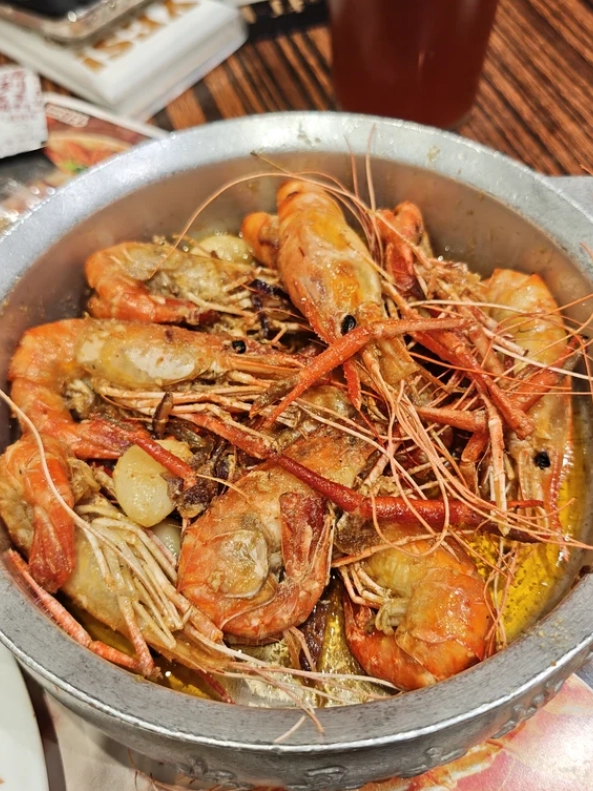
Why Shenzhen's Food Scene is a Hidden Gem
Because Shenzhen is a city of migrants, every province's cuisine has set up camp here. The city didn't have time to develop one native dish, so instead it became a glorious battlefield of flavors: Cantonese dim sum and roast meats, Hunan's obscene heat, Sichuan's numbing spice, and the gentle seafood comforts of Chaozhou. In one evening, you can start with delicate shrimp dumplings, move to a fiery bowl of boiled beef, and finish with sweet ginger milk curd. That's something even Guangzhou can't offer.
I always tell my clients to stop searching for "Shenzhen food" as if it were one thing. Instead, think of this city as a food festival that lasts all year. The density of restaurants here is staggering — about 100,000, which is almost one per 20 residents. And because the local population is young and always online, the scene evolves fast. What was last year's hotspot might be yesterday's news — but that's also what makes it exciting.
The 9 Must-Try Dishes in Shenzhen (Trust Me, I've Eaten Them All)
The key to eating well in Shenzhen is knowing the regional hits and where to find them. I've broken down the nine dishes every food-obsessed traveler should try, each paired with the neighborhood or type of restaurant where you'll find the real deal.
Cantonese Classics You Can't Skip
These are the dishes that made Cantonese cuisine famous worldwide. In Shenzhen, they're done right because many of the chefs come straight from Guangdong tradition.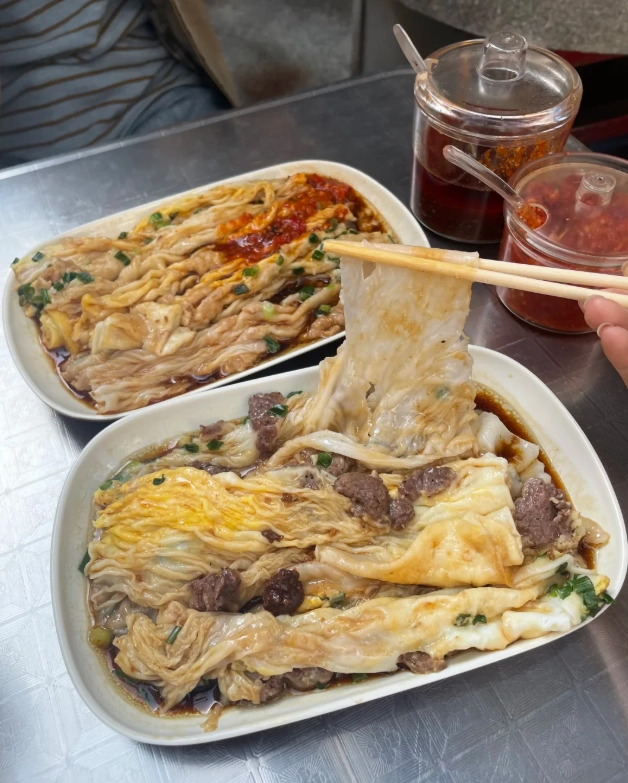
- Cantonese Steamed Rice Rolls (Cheung Fun) — 肠粉
What it is: Silky steamed rice noodle sheets, often filled with shrimp or beef, drizzled with sweet soy sauce. Where to find it: Look for a breakfast spot that only operates from 6 AM to 10 AM. Search "肠粉" (chang fen) on AMap, and pick the one crowded with office workers. Price: 8–12 RMB. Secret tip: Ask for extra pickled chili peppers if you want a kick. - Roast Goose (Siu Nga) — 烧鹅
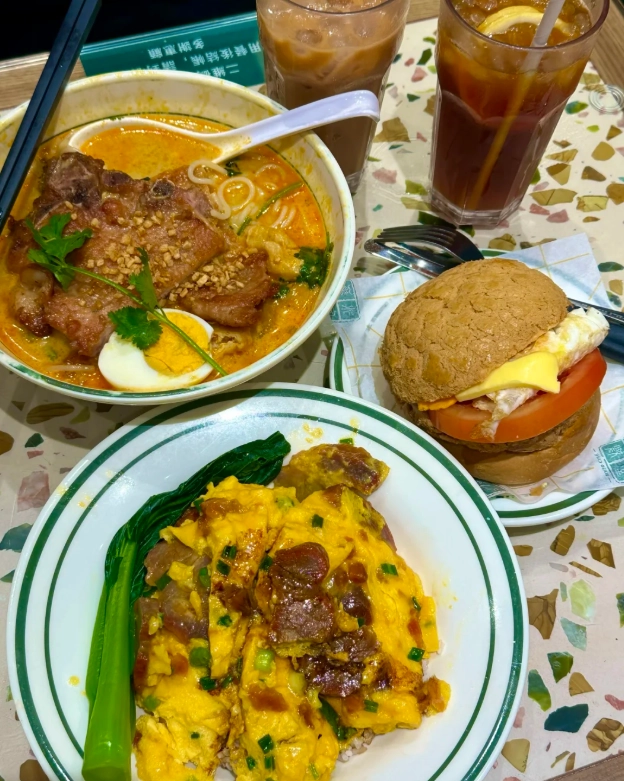
What it is: Crispy-skinned, juicy goose lacquered with sweet roasting glaze. Where to find it: Head to the roasting shops in Huangbeiling or Shuwei Village. Search "烧鹅饭" (siu nga fan) on AMap — the best ones sell out by 1 PM. Price: 35–50 RMB per portion. - Steamed Shrimp Dumplings (Har Gow) — 虾饺
What it is: The superstar of Cantonese dim sum — translucent wrappers filled with fresh crunchy shrimp. Where to find it: For a consistent experience, go to Dian Dou De (点都德), a Guangzhou dim sum chain with multiple outlets in Shenzhen. Search the name on AMap. Price: 30 RMB for 4 pieces. Note: They accept mobile payments only, no international cards.
Seafood & Spice: The Local Fusions
Here's where Shenzhen shows off its migrant energy — cooking styles that fuse with local seafood.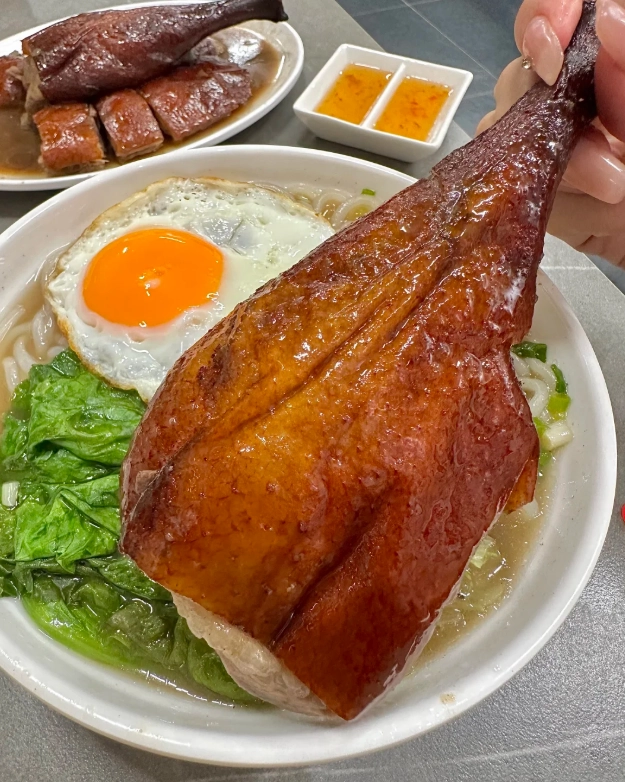
- Claypot Seafood Congee — 砂锅粥
What it is: A bubbling pot of rice porridge swimming with fresh fish or crab. It sounds humble, but it's intensely fragrant. Where to find it: Try the Chaozhou-style congee joints in Shekou, especially around Prince Bay. Search "砂锅粥" on AMap and look for a place that's still busy at midnight. Price: 60–80 RMB for two. - Chaozhou Braised Duck — 潮州卤鸭
What it is: A dark, soy-braised duck that's sweet, salty, and deeply aromatic. Where to find it: Many restaurants in the Chaozhou community cluster near the Luohu port. Search "潮州卤水" (Chao Zhou lu shui) for nearby braised-meat shops. Price: A half duck around 50 RMB. - Sichuan Boiled Beef (Shuizhu Beef) — 水煮牛肉
What it is: Slices of beef smothered in a fiery, oily broth with crispy chilies and numbing Sichuan peppercorns. Where to find it: There's a whole street of Sichuan restaurants in Huaqiangbei. Head to the north side of the tech market and follow the spicy smell. Search "水煮牛肉" on AMap. Price: 45–65 RMB.
Late-Night Cravings & Sweet Endings
When the sun goes down, Shenzhen shifts into barbecue and dessert mode.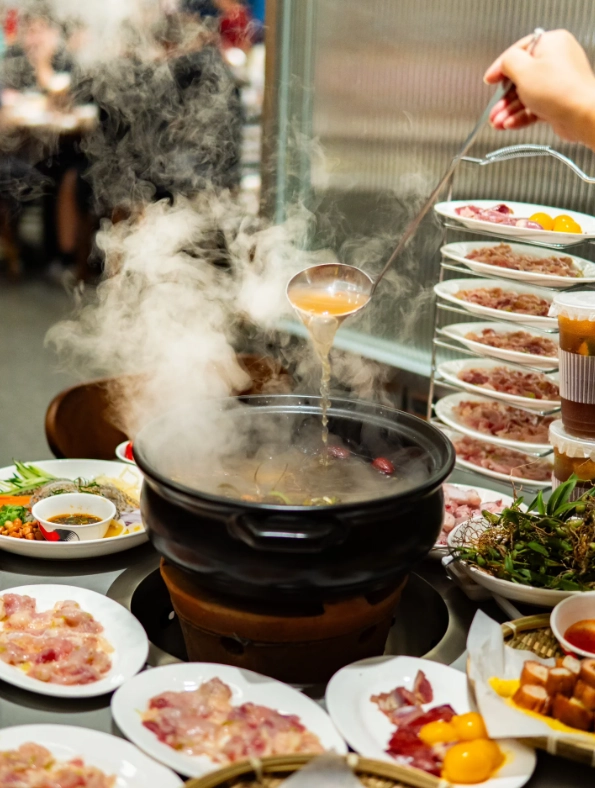
- Hunan Smoked Pork (La Wei) — 湖南腊味
What it is: Richly smoked pork belly stir-fried with green garlic and chilies. Where to find it: Hunt in the Xiangmi Lake area, where many Hunan restaurants cluster. Search "湘菜" (xiang cai) and choose a place with iron pots on the tables. Price: 30–50 RMB per dish. - Grilled Oysters with Garlic — 蒜蓉烤生蚝
What it is: Fresh oysters topped with a mountain of garlic butter, charred over charcoal until sizzling. Where to find it: The night food stalls along Dongmen Old Street, or any outdoor skewer place after dark. Search "烤生蚝" on AMap and go where locals queue. Price: 12–15 RMB per oyster (usually sold in half-dozens). - Sweet Ginger Milk Curd — 姜撞奶
What it is: A warm, silky pudding made by pouring scalded milk into fresh ginger juice. It sets miraculously at the table. Where to find it: Dessert shops like "Zhaoji" (赵记甜品) in Futian district. Search "姜撞奶" on AMap. Price: 15–20 RMB.
Where to Eat: Best Neighborhoods to Hunt for Food
Shenzhen's food map is practically a subway map. Each district has its own personality and cravings. Here's how I plan the day for my hungry clients.
| Neighborhood | Best For | Must-Try | Price Range | Getting There |
|---|---|---|---|---|
| Shekou (蛇口) | Seafood, Western food, ocean air | Claypot congee, grilled oysters | Mid to high | Metro Line 2 to Shekou, taxi from there |
| Dongmen (东门) | Street snacks, cheap eats, chaos | Roast goose, rice rolls, fried milk | Low | Metro Line 1 to Dongmen, Exit A |
| Huaqiangbei (华强北) | Spicy Sichuan & Hunan | Boiled beef, fragrant pot | Low to mid | Metro Line 1 & 2, exits at the market |
| Futian (福田) | Trendy brunch, desserts, craft beer | Ginger milk pudding, dim sum | Mid to high | Metro Line 3 to Futian station |
| Luohu (罗湖) | Old-school Cantonese banquets, street market | Roast goose, braised duck | Mid | Metro Line 1 to Luohu, near the border |
My own guests always start in Dongmen at 9 AM for that insane street-food energy, then jump to Shekou for a lazy seafood lunch, and finish the night in Huaqiangbei for a fiery Sichuan dinner. But let me save you some trouble: avoid Dongmen on weekends — it's shoulder-to-shoulder. If you're short on time, prioritize Shekou and Huaqiangbei.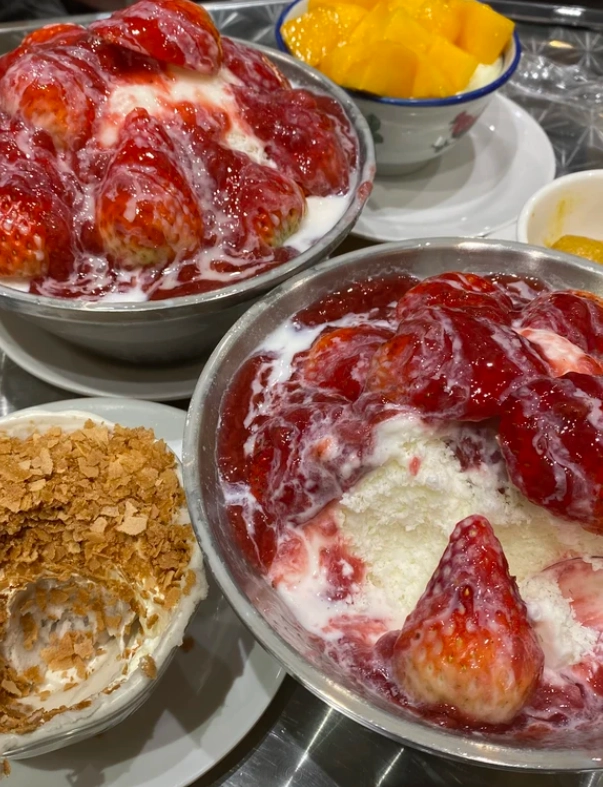
How to Order and Pay Like a Local
Cash is no longer king here — weChat Pay and Alipay are. As a foreign traveler, you can link either app to your international credit card or bank account. I've seen tourists refuse to do this and end up unable to eat at 80% of the places in this guide. So set it up before you arrive — here's a step-by-step:
- Download WeChat (or Alipay) and register with your passport.
- Link your Visa/Mastercard under "Me > Services > Payments" (WeChat) or "My > Bank Cards" (Alipay).
- Test a tiny payment at a 7-Eleven — order a water, see the QR code, and scan with the app.
Now for ordering: most restaurants in Shenzhen accept mobile ordering via QR code on the table. Scan the code, but ensure your app has translation — activate the language setting in WeChat, or use the built-in translate in Apple Maps. I always carry a small translation card with dishes written in Chinese characters — it breaks the ice and gets you better service.
For navigation, forget Google Maps — it's often a ghost town here. I rely on Apple Maps or AMap (yes, it has an English version now). Before you head out, type the Chinese name of your destination (I've listed keywords above). It's non-negotiable for a smooth trip.
And a pro tip: virtually no local joint accepts international credit cards directly. If you see a card reader, they may say it's for local UnionPay only. So prepare for mobile payments, and always carry a hundred RMB in cash as backup for tiny vendors.
Pro Tip: When you arrive at a restaurant, expect to see a QR code for ordering. If you can't figure it out, smile and ask for a paper menu — most places will help, especially if you show them the Chinese characters of the dish.
Also, don't forget to set up a VPN before landing in China if you rely on Google services — Apple Maps and AMap work without one, but you'll need a VPN to access Gmail or social media. And for booking any food tours or experiences, platforms like Trip.com and Klook are reliable and English-friendly.
Common Food Mistakes to Avoid
Even experienced travelers mess up – but you won't. Here are the top traps I see in my tours:
- Mistake 1: Eating in tourist-trap malls. That food court in the big mall? It'll cost double and taste half as good. Walk 10 minutes away from the glitzy towers and you'll find a local canteen (本地食堂) with a plastic tablecloth and honest prices.
- Mistake 2: Ordering too spicy at first. Hunan and Sichuan heat can be brutal. I always tell my clients to request "微辣" (weila, mild) for their first Sichuan dish, then escalate. Once the numbness hits, it's hard to enjoy the flavors.
- Mistake 3: Ignoring the opening hours. Many breakfast shops close by 10 AM, and some night stalls don't appear until 6 PM. If you arrive at noon, you'll find a locked shutter. Check hours on AMap or simply ask the hotel before you go.
- Mistake 4: Paying with cash everywhere. Carry a little cash, but understand that street vendors might not have change. Use WeChat Pay for any amount above 20 RMB.
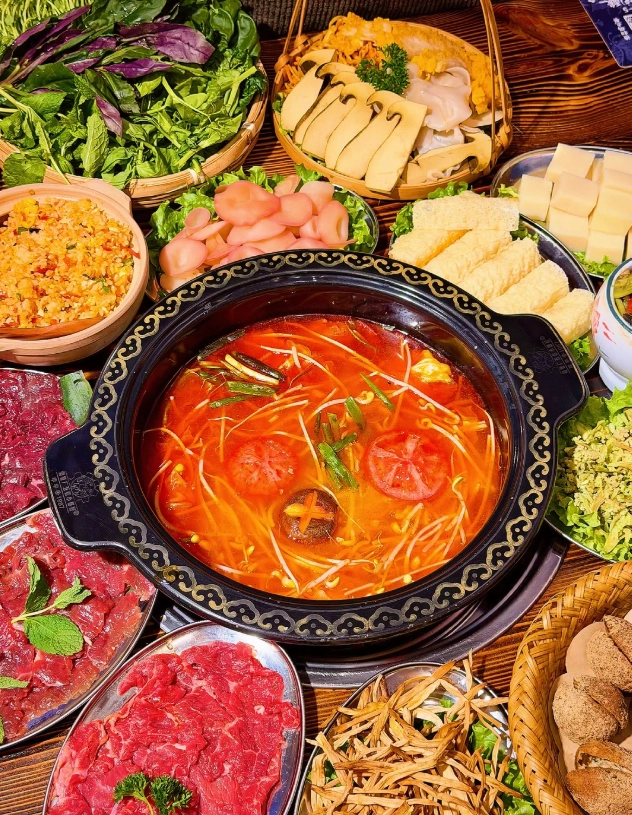
- Mistake 5: Not booking a hotpot table. Popular spots like Haidilao fill up within minutes on weekends. Use the app "Meituan" or ask your hotel concierge to reserve a table for you. Always plan for at least a 30-minute wait.
FAQ: Your Shenzhen Food Questions, Answered
Fact-Check Statement
This content has been fact-checked to ensure informational precision. The neighborhood names, dish names, and general price ranges reflect common knowledge among local food guides, but check live details like opening hours and prices on AMap or the restaurant's official platform before your visit.





No comments yet.