 Yan Zhou
Quick Navigation
I've been taking travelers through Wuzhen for years. And honestly? Most of them leave with average photos. Not because the town isn't beautiful—it's stunning. But because they hit the wrong spots at the wrong time, fighting through selfie sticks and tour groups. I want you to do better. So here's everything I've learned about shooting Wuzhen like a local pro.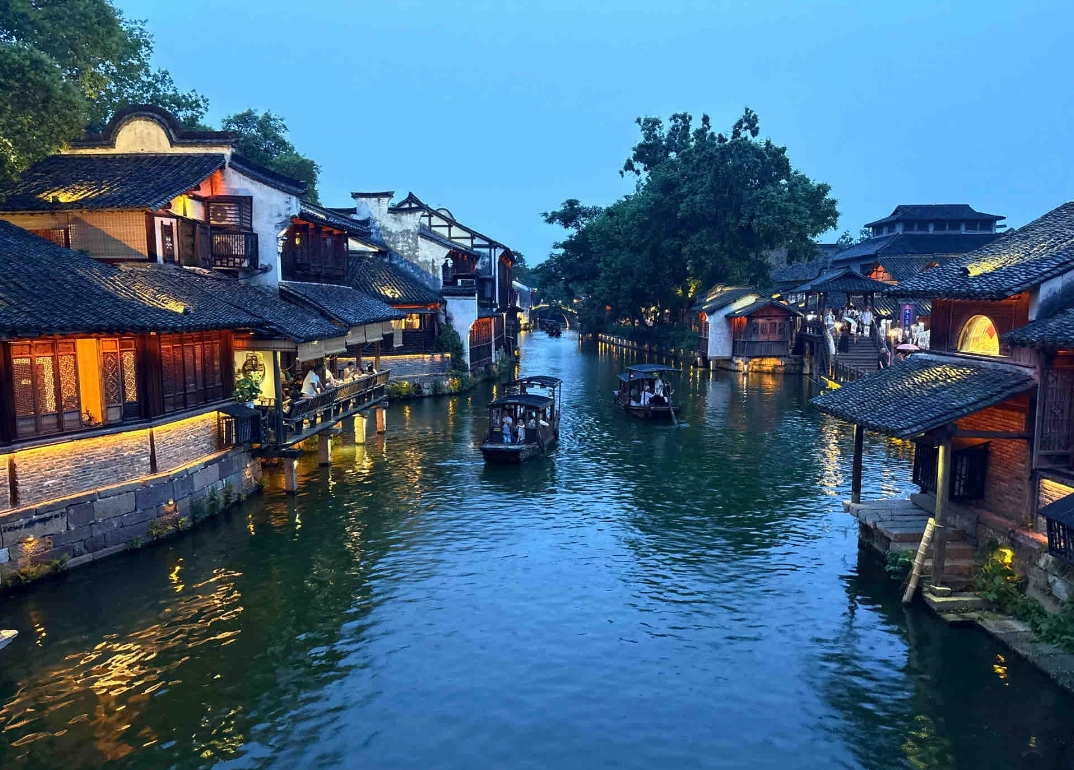
Why Wuzhen is a Photographer's Dream (and Nightmare)
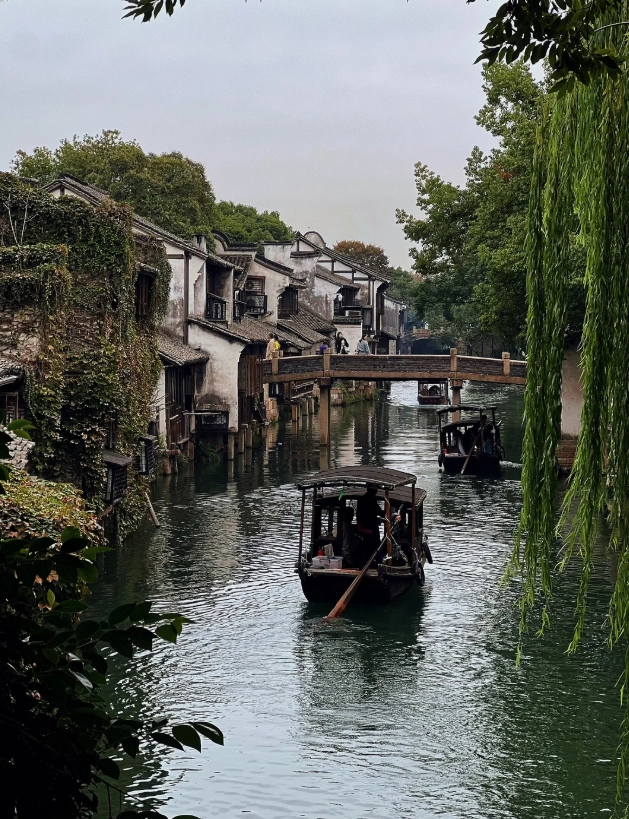
Wuzhen is basically a living postcard—canals, stone bridges, wooden boats, and Ming-Qing architecture. The contrast of dark wood against green water is a goldmine for any photographer. But here's the catch: it's one of the most visited towns in China. Between 10am and 3pm, the bridges are packed, and your frame will be full of strangers. The nightmare is real. But with the right strategy, you can get those empty, misty shots you've seen on Instagram.
The Golden Hour Secret: When to Shoot
The absolute best time is sunrise—about 6:00 to 7:30 AM. The town opens its gates at 7:00 AM (West Gate, or Xizha) and 8:00 AM (East Gate, Dongzha). If you're staying inside the West Scenic Zone (which I highly recommend), you can walk the empty alleyways before the day-trippers arrive. The soft morning light hits the stone walls perfectly. I've shot my best photos then. The second best is the last hour before sunset—4:30 to 5:30 PM in autumn, later in summer. The golden reflections on the water are unreal. What about night? Yes—after 7 PM when the lanterns come on, the canals glow. But it gets crowded for the light show, so stick to side alleys.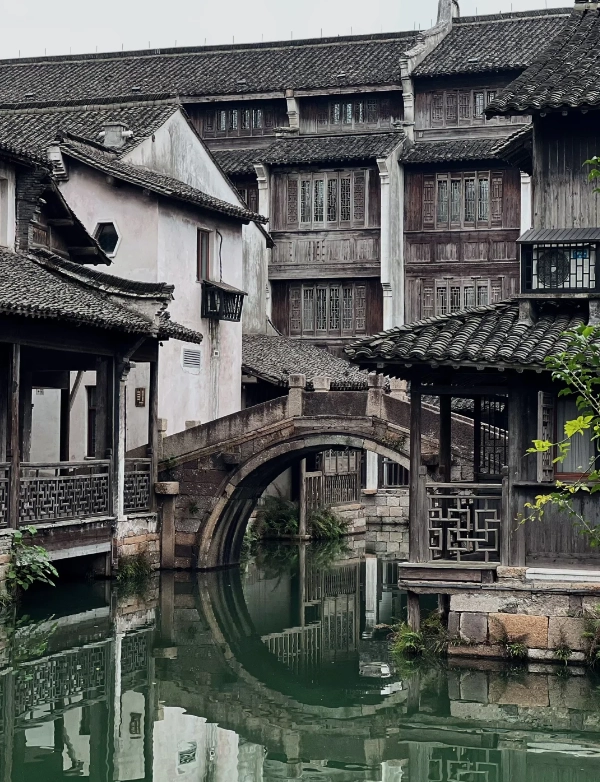
Top Photography Spots in Wuzhen (with Pro Tips)
1. Xizha (West Scenic Zone) – The Classic Canals
This is where 80% of iconic Wuzhen shots are taken—the wide canal with old houses reflected in the water. The best angles are from the small bridges near Zhaoming Academy. Avoid the main dock; walk 50 meters south to a smaller wooden bridge. The crowd disappears, and the view is actually better. Early morning is key. If you shoot from the second floor of a tea house (yes, you need to buy a drink), you get a great elevated perspective.
2. Dongzha (East Scenic Zone) – The Authentic Old Town
Dongzha feels more lived-in, with local residents doing laundry by the river. Great for candid street photography. The wooden corridor by the Hundred Bed Museum offers a natural frame. Watch out for the 2 PM shadow—the south side of the street falls into shade early, so shoot these spots before noon. The entrance fee is 120 CNY (adult), and you can buy tickets on Trip.com with your passport—much easier than the Chinese app.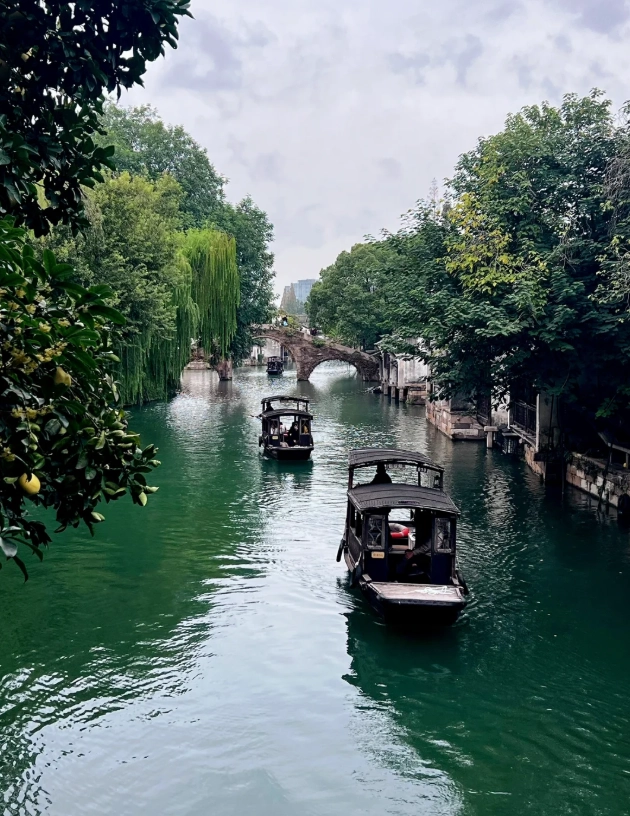
3. The Spinning Wheel at Xizha
You've seen it on every travel blog—the giant wooden water wheel. But most people shoot it head-on. Instead, walk to the stone steps on the east side of the canal. Shoot from low down with the wheel in the foreground and a curved bridge in the back. It adds depth. Best shot: just after sunset, when the sky is deep blue but the lights haven't fully turned on yet (about 5:40 PM in November).
4. The Moon Bridge (Luna Qiao)
A hidden gem near the south end of Xizha. It's a small round arch bridge that frames the canal beautifully. Most tourists walk past it because it's not marked on the main map. Use Google Maps offline—or better, Apple Maps (works better in China). Show your driver the Chinese name: 乌镇西栅月桥. The perfect shot is from the southwest bank, capturing the reflection in still water. No tripod needed if you shoot at f/8 with higher ISO.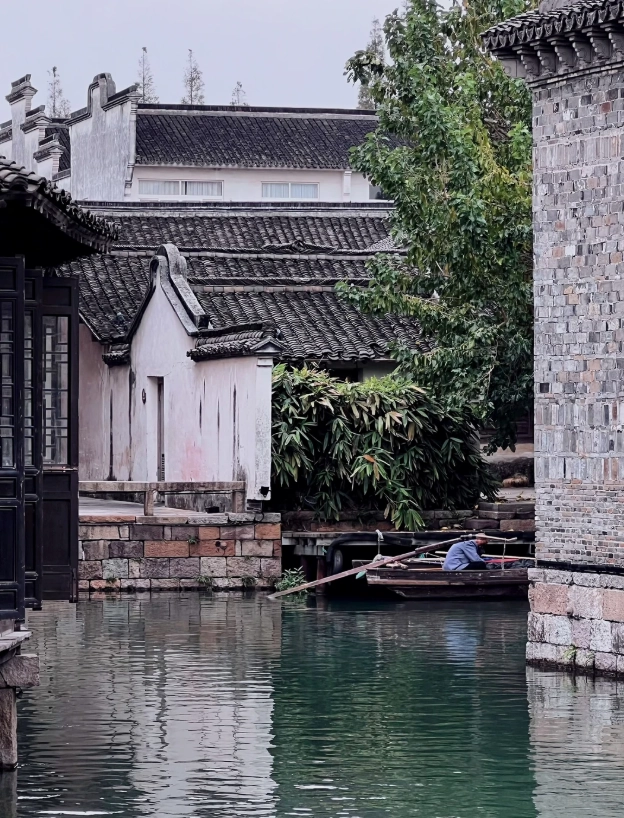
| Spot | Best Time | Crowd Level | Accessibility |
|---|---|---|---|
| Xizha Main Canal | Sunrise 6:30-7:30 | Low | Easy |
| Dongzha Street | Before 11 AM | Medium | Easy |
| Moon Bridge | Sunset 4:30-5:30 | Low | Moderate (stones) |
| Water Wheel | Blue hour 5:30-6:00 | Medium | Easy |
How to Beat the Crowds: Timing & Route
The biggest mistake is starting at Xizha's main entrance after 9 AM. Instead, stay overnight in the scenic area (the only accommodation is official hotels like Tong'an or Jin'ge). You get a free shuttle and early-bird access. My recommended route for photographers:
- 6:30 AM – Walk the western bank of Xizha from south to north (45 minutes, shoot everything).
- 7:30 AM – Grab breakfast at the local noodle shop (cash or WeChat).
- 8:30 AM – Head to Dongzha (10 min shuttle) before the main gates open. Shoot the alleys.
- 11:00 AM – Take a break—crowds arrive. I usually go back to the hotel or find a quiet tea house.
- 4:00 PM – Return to Xizha for sunset and blue hour.
Practical Tips for Foreign Photographers
Yes, you need a VPN. Google Maps is unreliable in China. Download Apple Maps offline or use Baidu Maps (but it's in Chinese). For navigation, I rely on Apple Maps—it surprisingly works well in Wuzhen. Payment: Assume no international credit cards except at major hotels. Link your Alipay to a foreign card before you arrive (it's easy). Most food stalls and ticket booths take Alipay/WeChat but not cash. Booking: Wuzhen requires passport registration for entry tickets. I book on Trip.com to avoid the Chinese app hassle. They'll email you a voucher; show it at the gate. Language: Download Baidu Translate or Apple Translate offline. Most signs are bilingual. But if you get lost, write down your destination in Chinese. I always carry a card: “请问这个景点怎么走?” (How do I get to this spot?). What to bring: A polarizing filter cuts glare on water—huge difference. And a small tripod for night shots—but many bridges ban tripods during busy hours. Use a gorillapod instead.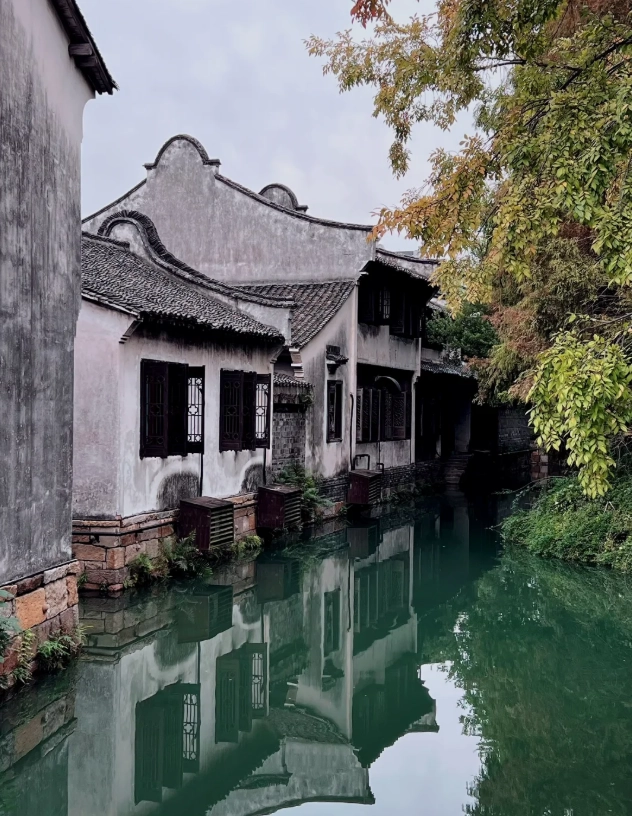
Frequently Asked Questions
I hope this helps you shoot Wuzhen like a pro. It's a photographer's paradise if you get the timing and angles right. One last thing: take time to just sit by the canal with a cup of tea. The best shots often come when you least expect them.





Honestly, I was a bit let down. I followed the advice for the ‘best sunset spot’ on the west side, but when I got there around 4:30 PM, the sun was already blocked by a tall building under construction. The angle they recommended was also kinda cliché—every other tourist was standing there. I tried a few of the ‘hidden alleys’ but they were either closed off or had weird trash bins in the frame. Maybe I just picked a bad day, but my photos came out meh. 3 stars because the time suggestions for the main bridges were okay, just nothing special.
Pretty solid guide overall. I managed to find most of the spots mentioned, and the morning light recommendations worked well. The only downside was that even on a weekday, some of the ‘hidden angles’ were already crowded by 7 AM (a group tour showed up). Still got some nice shots of the bamboo grove near the south exit, but I wish the article had mentioned weekends are brutal. Would give it a 4 – good tips, but manage your expectations on crowds.
Okay, so I’ve been to Wuzhen three times and this article finally helped me nail that perfect reflection shot. The ‘hidden angle’ under the arched bridge on Renmin Road? Genius. I set up my tripod at dawn and got a mirror-like surface with zero tourists. The best time is definitely right after sunrise when the water is still. This content is a lifesaver for anyone serious about composition. Five stars – no hesitation.
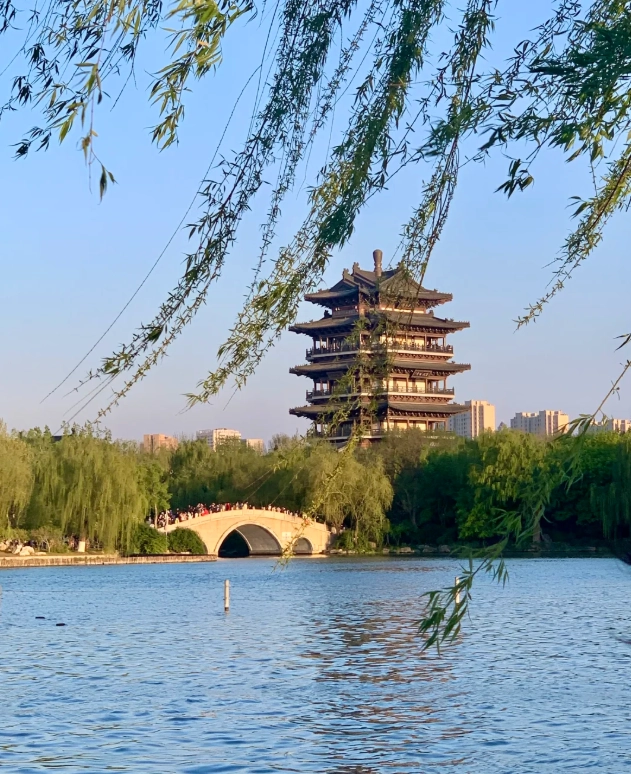
I followed the tips for the ‘hidden bridge view’ near the East Gate and it did not disappoint. The composition with the willow branches framing the stone bridge at dusk was incredible. Only reason I’m giving 5 stars is because the lighting advice was spot-on—I arrived around 4:30 PM and the soft warm tones made all the difference. Felt like I had the whole town to myself for a solid hour. Will definitely come back for the winter mist season!
Absolutely blown away by the hidden gems in Wuzhen! I went at 5:30 AM to catch the sunrise over the canals, and found a tiny alley off Xi Street that no one else seemed to know about. The golden light hitting the old wooden beams was pure magic. Got my best shot of the entire trip there—no crowds, just silence and reflections. If you’re into photography, this article is spot on about timing and those secret angles. 10/10 would recommend.