 Qiang Huang
What's Inside
I've been guiding groups through Jiaxing for over seven years. Let me tell you—most online itineraries will have you rushing through three water towns in two days and missing the soul of this place. I've seen guests collapse from exhaustion after following those plans. So I built this 5 days in Jiaxing itinerary that balances culture, relaxation, and real local life. No stuffing you into tourist buses at 7 AM. Instead, you'll navigate like a local, eat where locals eat, and leave with memories—not blisters.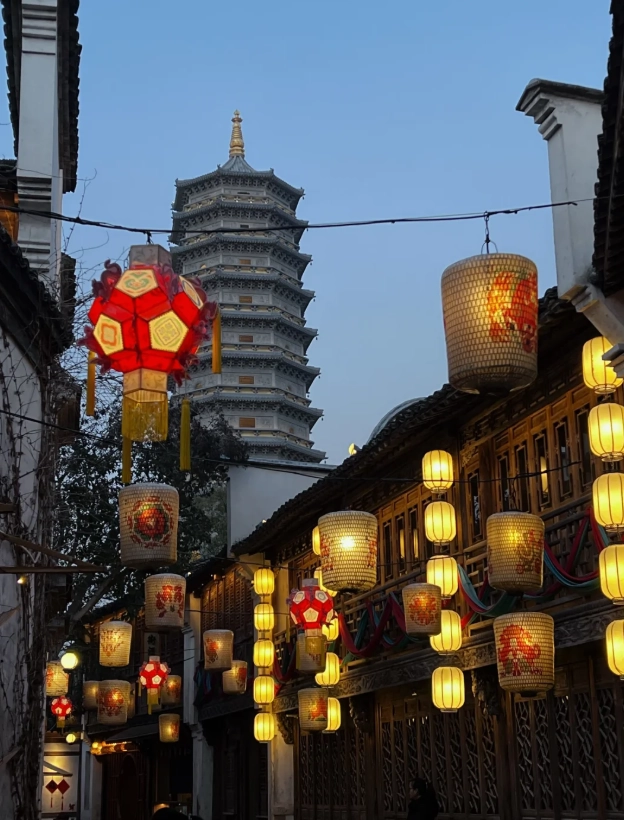
Why Spend 5 Days in Jiaxing?
Jiaxing sits halfway between Shanghai and Hangzhou, yet most travelers skip it. Big mistake. This region gave birth to China's silk industry and some of the most photogenic water towns in the world. With 5 days in Jiaxing, you have enough time to explore two distinct water towns (Wuzhen and Xitang), visit the historic South Lake where the Communist Party was founded, and dive into silk workshops that still use century-old looms. Plus, the food here—oh, the sticky rice rolls and braised pork—are worth the trip alone.
Key advantage: Jiaxing is far less crowded than Suzhou or Hangzhou. You'll actually enjoy walking through ancient alleys without being shoulder-to-shoulder with selfie sticks. And prices for accommodation and food are about 30% lower than in Shanghai.
Day 1: Arrival & South Lake
Getting There and First Impressions
Take the high-speed train from Shanghai Hongqiao to Jiaxing South. It's only 27 minutes and costs around ¥55 (US$8). I always recommend buying tickets on Trip.com using your passport—the app has an English interface. Don't try the official 12306.cn without Chinese reading skills; it's a nightmare. Pro Tip: Download Alipay and link your international credit card before arriving. Most vendors here don't accept cash or international credit cards. Apple Maps works great for navigation; Google Maps will show you wrong bus stops.
From Jiaxing South, take a taxi (about 25 minutes, ¥40) to your hotel. I recommend the Jiaxing Marriott Hotel (address: 599 Garden Road, Nanhu District) for its central location and English-speaking front desk. Or if you're on a budget, Ji Hotel on Zhongshan Road is clean and has reliable Wi-Fi. Both are near South Lake.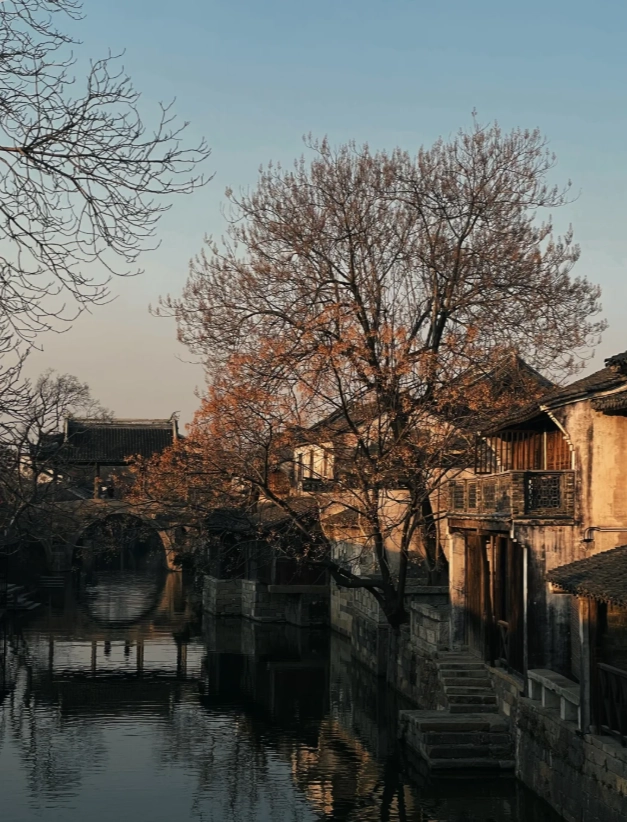
Nanhu Lake – Red Boat & Revolutionary History
After dropping bags, head straight to Nanhu Lake (South Lake). This isn't just a pretty lake—it's where the first National Congress of the Communist Party of China concluded in 1921, aboard a small red boat. The Nanhu Revolutionary Memorial Hall (free entry, but you must book on WeChat mini-program '南湖景区预约' or ask your hotel to do it) is impressive even for non-historians. English audio guides are available.
Hours: 8:00–17:00 (last entry 16:30). Best photo time: arrive before 10 AM when the morning light hits the lake and the crowds haven't arrived. The lake path is wheelchair accessible. Insider tip: the public restroom near the south gate is usually clean; avoid the one near the ticket office—long lines.
Evening Stroll on Yuehe Old Street
Yuehe Old Street (月河历史街区) is a restored canal district that comes alive at night. It's free. Walk the stone bridges, browse the antique shops, and try Jiaxing-style zongzi (sticky rice dumplings) from the stall at the east entrance. My favorite is the pork yolk version—¥8 each. For dinner, go to Old Yuehe Restaurant (address: 188 Yuehe Street). Their braised pork belly with brown sugar (东坡肉) is melt-in-your-mouth. Expect to spend about ¥80 per person. They accept Alipay and WeChat Pay but not international cards. Show this address to your taxi driver: 月河街188号.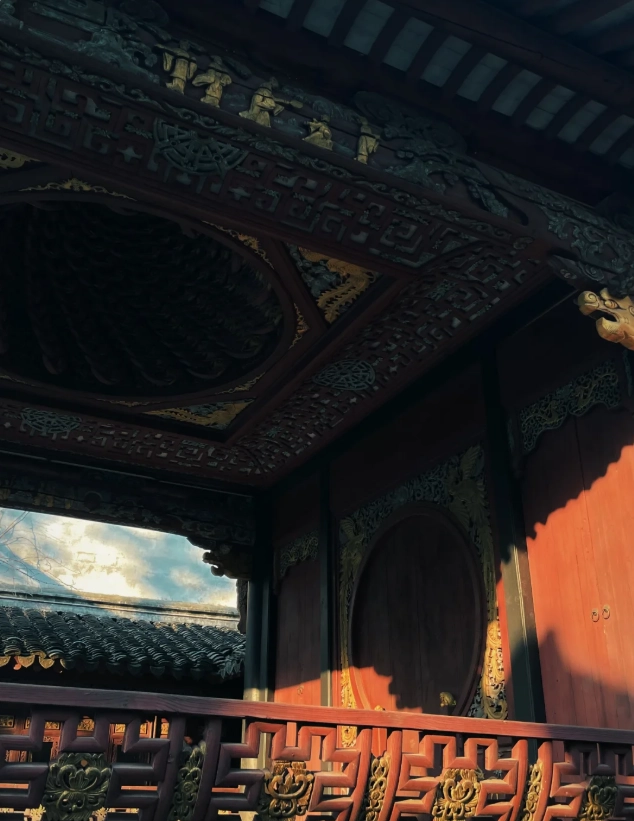
Day 2: Water Town Xitang
Morning Journey to Xitang
Xitang is my personal favorite water town—less commercialized than Wuzhen. From Jiaxing, take bus K152 from Jiaxing North Bus Station (about 1 hour, ¥12). Or hire a Didi for about ¥120. I prefer the bus—it drops you at the west gate. Entrance fee: ¥95 (adult), ¥45 (student with ID). Book on Trip.com or Klook to skip the line. Remember your passport—they scan it at the entrance.
Beware: Google Maps says Xitang is closed on Mondays. That's outdated. It's open every day 8:00–17:00. I've made that mistake myself and arrived to find it open.
Avoiding the Crowds – My Insider Route
Don't start at the main entrance. Enter from the west gate, walk along the northern canal, and you'll have the place almost to yourself until 11 AM. Most tour groups start from the east. Follow this sequence: West Street → Wine Culture Museum → Old Alley (Shitou Alley) → East Street. The Wine Culture Museum (¥20 extra) is worth it—you can taste rice wine made on-site.
Lunch: Qian Bao Xia at 16 East Street. Their steamed whitefish (清蒸白水鱼) is legendary. About ¥60 per person. They have an English picture menu. But be prepared for a 20-minute wait at peak (12:00–13:00). I always call ahead: +86 573 8456 6789, but your hotel can help.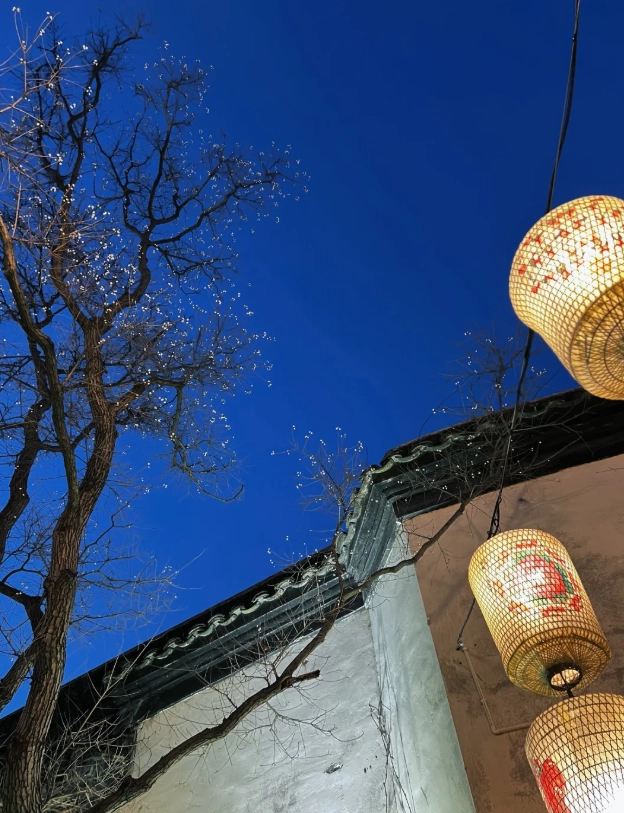
Nightlife & Photography Tips
Xitang is famous for its night views. Stay until after dark (around 18:30 in summer, 17:30 in winter). The red lanterns reflect on the canals—magical. Best photo spot: the bridge near the circular waterwheel. Use a tripod; handheld shots blur in low light. If you want to stay overnight, I recommend Xitang Mingqing Inn (address: 33 North Street). Rooms start at ¥350 in off-season, but book two weeks ahead on Trip.com. The innkeeper speaks basic English. Downside: thin walls—you'll hear neighbors. Earplugs essential.
Transfer to Jiaxing after 8 PM (last bus K152 at 18:30, so take a Didi, about ¥150) unless you're staying overnight.
Day 3: Wuzhen – East & West Zones
Comparing East Gate vs West Gate
Wuzhen has two scenic zones: East Gate (Dongzha) and West Gate (Xizha). Most 5 days in Jiaxing itineraries force you to choose one. I say: do both in one day, but start early. West Gate is larger and more polished—it has the famous night views. East Gate is older and more authentic—fewer tourists in the morning.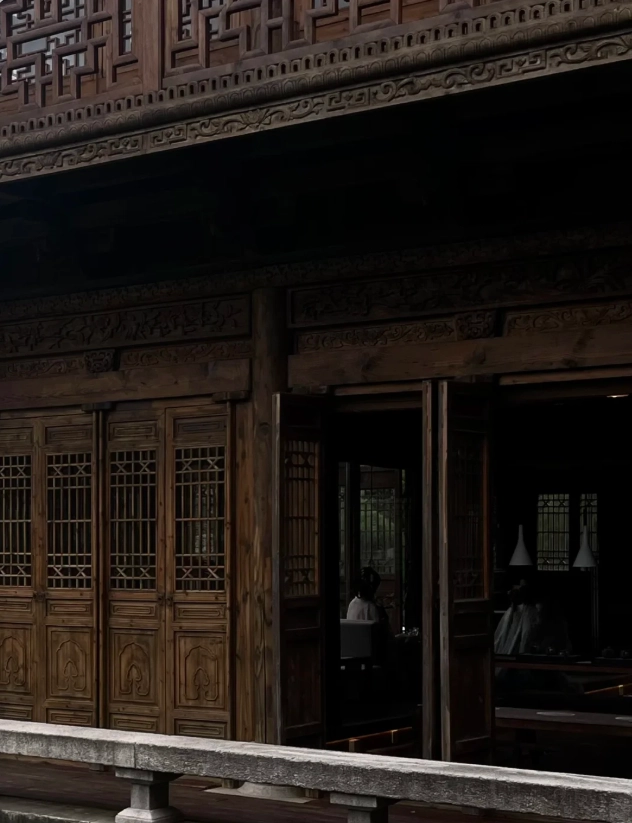
| Feature | East Gate (Dongzha) | West Gate (Xizha) |
|---|---|---|
| Ticket price | ¥110 adult | ¥150 adult |
| Combo ticket | ¥190 (valid for both zones, same day) | |
| Opening hours | 7:00–17:30 | 8:00–22:00 (night view from 17:30) |
| Best time to visit | 7:00–10:00 | 15:00–18:00 then night |
| English-friendly | Limited signs | Some English plaques |
Buy the combo ticket on Trip.com – you'll save ¥70 compared to buying separately. Present your passport QR code at the entrance.
Key Spots You Can't Miss
In East Gate: the Wuzhen Grand Theatre (wooden architecture) and the Hundred-Bed Museum (ancient carved beds). In West Gate: Zhaoming Academy and the Lizhi Bridge. Pro tip for West Gate: take a free boat across the canal at the south dock—the gondolier often sings folk songs. No extra charge, but tip ¥10–20 if they do.
Lunch: Inside West Gate, Shuyuan Restaurant (书院餐厅) serves the best Wuzhen-style braised duck (乌镇酱鸭). About ¥70 per person. Address: 18 West Street. They have a few English menu items. Avoid the food stalls near the entrance—overpriced and bland.
Night View & Return
Stay for the night show in West Gate. Lights turn on at 18:30. The best view is from the White Lotus Tower bridge. After 20:00, most day-trippers leave, and the place becomes peaceful. Then take a Didi back to Jiaxing (about 40 minutes, ¥130). If you're too tired, book a room at Wuzhen Inn inside the West Gate – expensive (¥600+) but you get the entire garden after hours.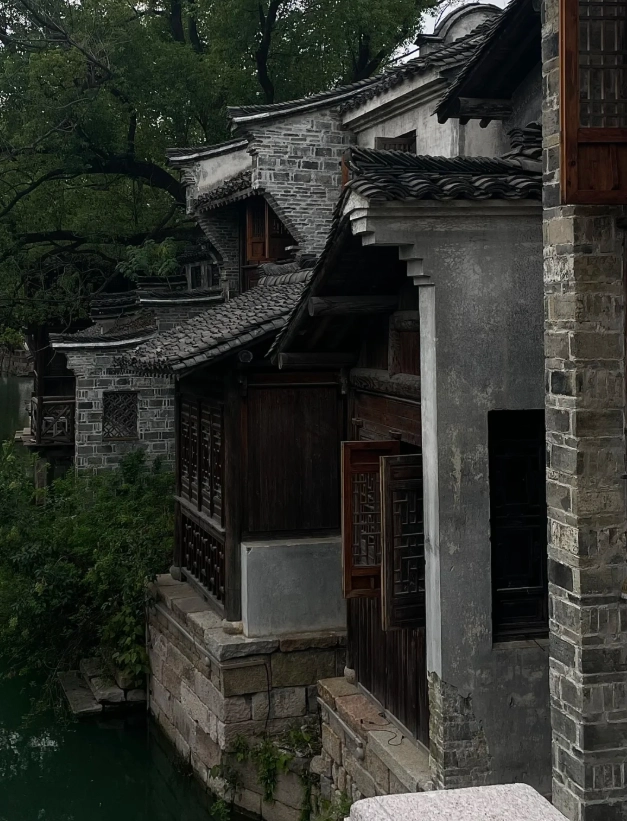
Day 4: Silk Culture & Modern Jiaxing
Silk Museum and Factory Visit
Jiaxing is the silk capital of China. Visit the Silk Museum of Jiaxing at 268 East Ring Road (free entry, open 9:00–16:30, closed Mondays). It's small but fascinating—you'll see the entire process from cocoon to fabric. English descriptions are limited, so download Baidu Translate app for real-time camera translation. Insider advice: ask the staff to let you touch the different silk grades—they'll usually agree.
A 10-minute walk away is Xietong Silk Factory (address: 200 East Ring Road). They offer a free guided tour in Chinese, but you can wander the workshop and see workers unravelling cocoons in hot water. Ethical note: I've checked—they don't use live boiling (cocoons are already empty). You can buy silk scarves and duvet covers at factory prices, about 40% cheaper than tourist shops. Payment: Alipay/WeChat only. Bring cash if possible—some old workers still prefer it.
Jiaxing's Emerging Art District
After lunch (try Xiao Yang Shengjian at 52 West Street – pan-fried pork buns, ¥15 for 8 pieces), head to 798 Art Center Jiaxing (actually called Jiaxing Creative Industry Park, address: 1188 South Lake Road). It's a repurposed textile factory with galleries, coffee shops, and street art. Entry free. The Museum of Contemporary Art inside has rotating exhibitions—¥30 ticket. Great for a rainy afternoon.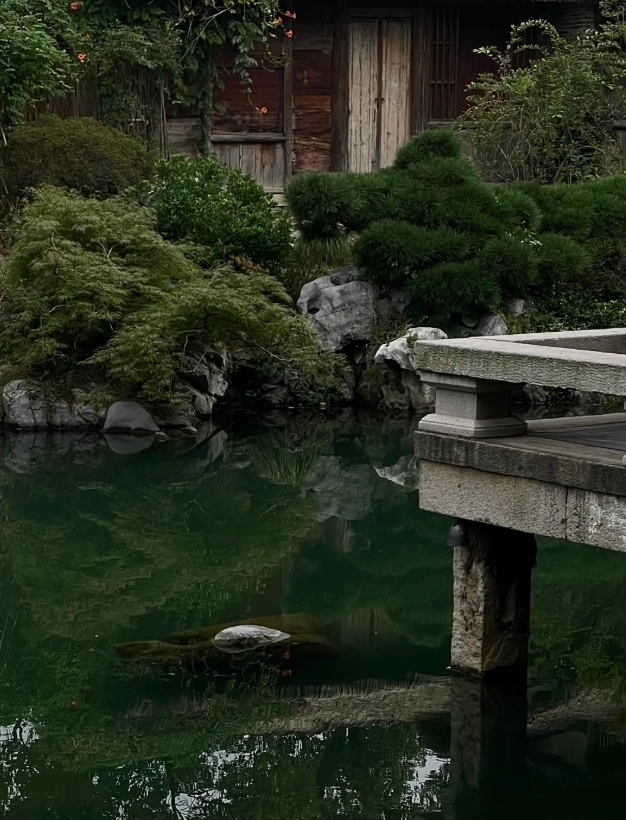
Shopping for Silk Products – What to Buy
For genuine silk, avoid the shops on tourist streets. Go to Jiaxing Silk Trading Center (address: 88 Zhongshan Road). It's a wholesale market—open 9:00–18:00. What to buy: silk pillowcases (¥80–150), silk scarves (¥60–120), and silk quilts (¥600–1200). Bargain hard—start at 60% of the quoted price. Bring your passport for tax-free forms. Most stalls accept Alipay.
Day 5: Relaxation & Departure
Morning Tea at a Traditional Teahouse
Your last morning, experience a Jiaxing-style morning tea. Go to He Feng Cha Guan (和风茶馆, address: 15 South Lake Road). It's a century-old teahouse overlooking Nanhu Lake. Order a pot of Longjing tea (¥68) and a plate of jiaxiang gao (local rice cake, ¥12). Sit by the window—you'll see locals practicing tai chi. The owner speaks a little English. Pro tip: bring a book or just watch the lake for an hour. This is the Jiaxing I love—slow and unhurried.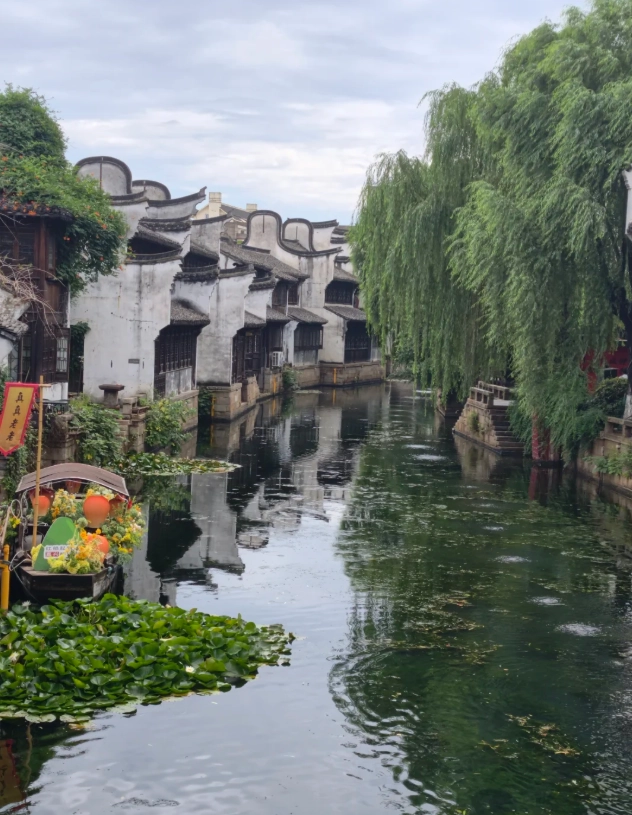
Last-Minute Souvenirs
Before heading to the station, stop at Nanhu Silk Boutique (address: 99 West Street) for last-minute silk items. Their packaging is gift-ready. Or grab some Jiaxing zongzi from the Wuzhen Zongzi chain store at the train station—vacuum-sealed for travel.
Airport/Train Station Transfer Tips
If leaving from Jiaxing South Station (high-speed rail), allow 15 minutes for security. For Shanghai Pudong Airport, take a direct bus from Jiaxing South Bus Station (3 hours, ¥120) or high-speed rail to Shanghai Hongqiao then maglev (total 1.5 hours, ¥150). I prefer the bus—it's cheaper and the luggage hold is spacious.
Practical Tips for Foreign Travelers
Payment: Alipay is king. Link your Visa/Mastercard before the trip. WeChat Pay also works but setup is trickier. Carry a small amount of cash (¥500) for emergencies. Navigation: Apple Maps works flawlessly in Jiaxing. Google Maps shows you in the wrong location. Download AMap (高德地图) in English mode—it's more accurate for bus routes. VPN: Install a reliable VPN like ExpressVPN or Astrill on your phone before coming—China blocks Google, Instagram, Facebook, and WhatsApp. Translation: Apple Translate works offline; Baidu Translate handles Chinese menus better.
Insider Advice: Don't trust the taxi drivers at the train station who claim the meter is broken. Insist on the meter or use Didi app (install before arrival). The ride from Jiaxing South to South Lake should be ¥35–45, not ¥100.
Booking: Most attractions require advance booking with your passport number. Trip.com and Klook are your best friends. Avoid trying to book through WeChat mini-programs unless you read Chinese—they often reject foreign passports mid-process.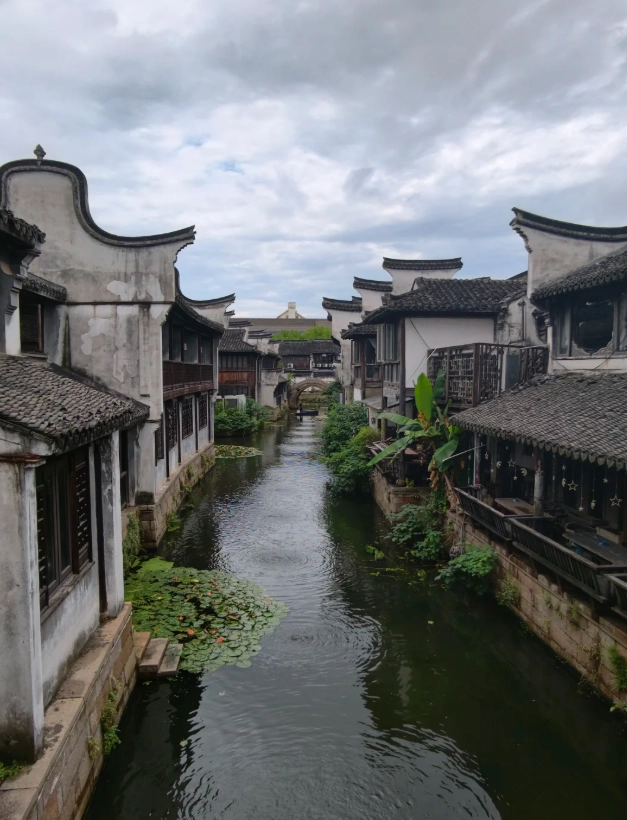
Frequently Asked Questions
Verified and fact-checked by the editorial team. This content has been fact-checked to ensure informational precision.






As someone who’s lived near Jiaxing for years, I was skeptical, but this guide surprised me. It uncovered spots I’d never heard of – like the tiny noodle shop behind the silk museum with the best zongzi in town. The pace is perfect: not too packed, with room for spontaneous detours. I especially appreciated the note about taking the night ferry instead of the day cruise – the lantern reflections on the water were magical. Highly recommended for any traveler wanting depth without gimmicks.
Best travel decision I made in years! This 5-day plan is pure gold for anyone who wants to see the real Jiaxing. The silk route is brilliantly curated – we got to touch raw silk cocoons, watch weavers at work, and even buy a scarf directly from the artisan (fraction of the price in Shanghai). The water town sections felt alive, not just for tourists: kids playing by the bridge, grandmas drying lotus seeds. Every meal suggestion was a winner. Thanks for this gem!
Absolutely loved this guide! I’m a solo traveler and this itinerary made everything so easy. The highlight was the early morning boat ride on the Nanhu Lake – mist rising over the water, ancient willows, and zero crowds. The silk embroidery demo at the museum was mesmerizing. Every recommendation, from the stinky tofu stall to the afternoon tea at a restored courtyard, was spot-on. Already planning to come back with friends. Five stars, no doubt!
A solid 4 from me! The itinerary gave a great foundation, especially the silk history part – the factory tour was fascinating and the cocoon soup at the local canteen was a hidden gem. However, the walking directions in the old town were confusing, and I ended up backtracking a lot. Also, the day 3 market visit felt redundant after day 1. Still, with a few tweaks this would be perfect for first-timers. Recommend it with small reservations.
Honestly, I followed this itinerary for my 5-day trip and felt a bit let down. The water town section was too rushed – we barely had time to enjoy the canals before being shuttled to the next silk museum. Also, some recommended restaurants were overpriced and touristy. The guide has potential but needs better pacing and more local tips. I’d give it a 3 because the silk workshop was genuinely interesting, but overall not what I expected.