 Yan Zhou
Quick Navigation
I’ve been guiding travelers through Jiangnan for over a decade. And every winter, my clients ask the same thing: “Is it worth visiting water towns in the cold?” My answer? Absolutely — especially Jiaxing. The crowds vanish, the canals reflect the grey winter sky in a moody way, and the local food feels even more comforting. But here’s the catch: most foreign tourists mess up their Jiaxing winter itinerary because they don’t account for reduced ferry schedules, closed outdoor sections, or the hassle of digital payments. I’ll fix that right now.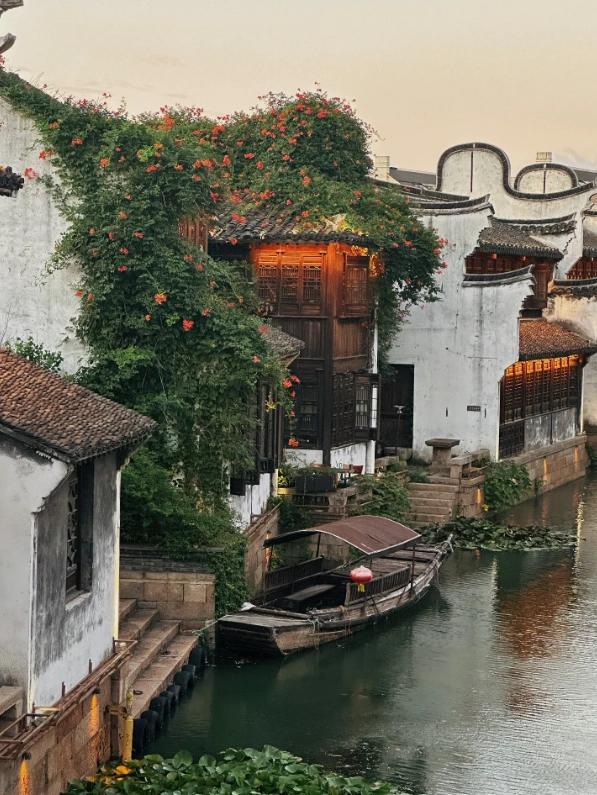
The bottom line: A well-planned 3-day Jiaxing winter itinerary can give you serene water towns, affordable luxury stays, and zero queue times — if you know the tricks. Stick with me.
Why Winter Is the Best Time for Jiaxing
Summer in Jiaxing is a sauna — 35°C with 90% humidity, and every bridge is packed with selfie sticks. Winter (December to February) is the sweet spot. Daytime temperatures hover around 5–10°C — crisp, not bitter. And here’s a fact: Wuzhen and Xitang receive 70% fewer visitors in January compared to October. You’ll have the stone alleys almost to yourself.
Pro Tip: Avoid Chinese New Year week (usually late January or February) — domestic tourism spikes. Check the lunar calendar before booking flights.
But winter also means shorter daylight: sunset around 5 PM. So plan your outdoor activities before 4 PM.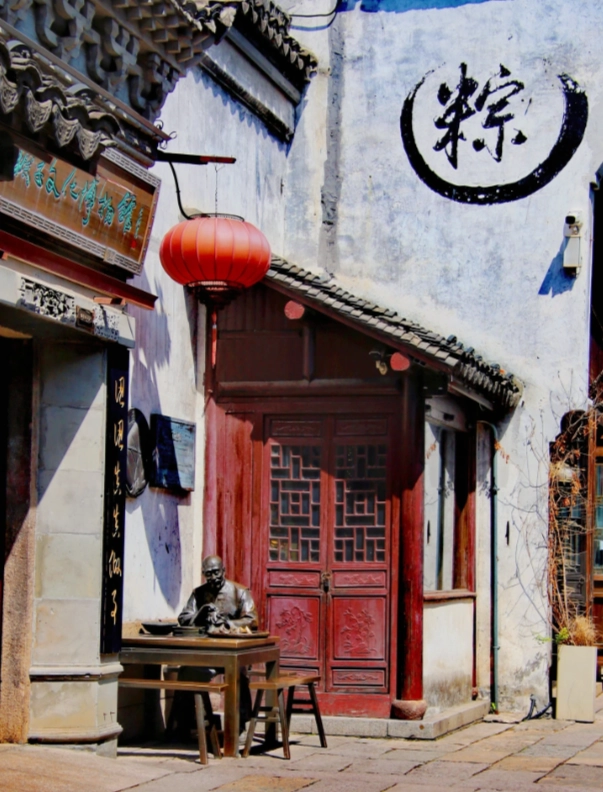
Day 1: Arrival & Wuzhen Evening Magic
Getting to Jiaxing from Shanghai or Hangzhou
Both cities have high-speed trains to Jiaxing South Station. From Shanghai Hongqiao, it’s 30 minutes (¥60). From Hangzhou East, 25 minutes (¥50). Once at Jiaxing South, take a taxi or Didi to Wuzhen (about 40 minutes, ¥120). Important: Google Maps won’t work — use Apple Maps or Trip.com for directions. Show the driver this Chinese address: 乌镇西栅景区 (Xizha Scenic Area, Wuzhen).
Evening in Wuzhen Xizha
I always send my clients to Xizha (West Scenic Area) for the night. The entry ticket is ¥150 (valid for the whole area), and you can buy it on Trip.com or at the gate with passport. In winter, the park is open until 10 PM, but many shops close by 8 PM. The highlight is the illuminated waterways — less crowded than summer twilight. Stroll along the western embankment, find a local snack stall selling “zongzi” (sticky rice dumplings) — they’re warm and filling.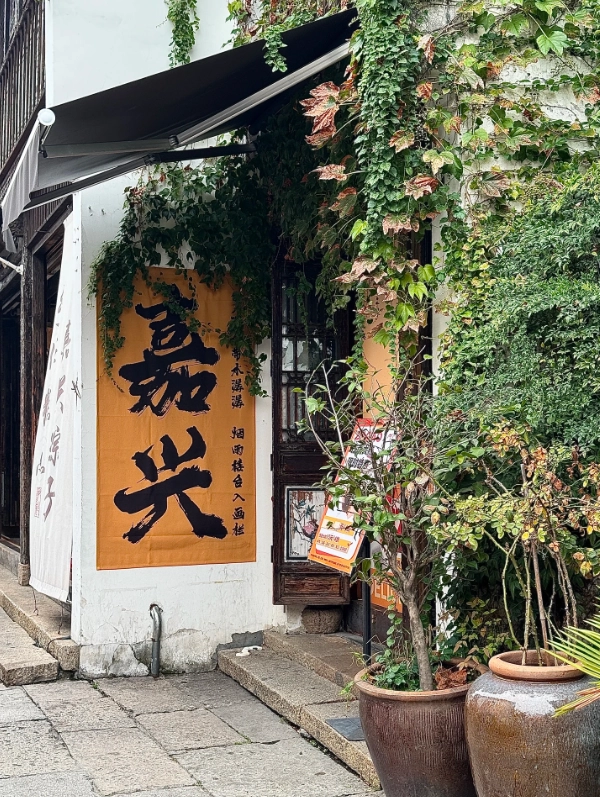
Insider Advice: Skip the fancy dinner restaurants inside Xizha. Instead, walk to the south gate food street (outside the scenic area) for better prices. Try “Wuzhen braised pork” — it’s melt-in-your-mouth. Bring WeChat Pay; cash is rarely accepted in these small eateries.
Accommodation tip: Stay inside Xizha for the full experience. The official guesthouses (like Wuzhen Boutique Inn) offer a 15% discount in winter — book through Trip.com with your passport. Price range: ¥400-800 per night. They provide stable Wi-Fi and heating.
Day 2: Wuzhen Morning + Nanhu Lake
Morning: Wuzhen Dongzha (East Scenic Area)
Wake up early (around 8 AM) and take the free shuttle from Xizha to Dongzha (10 minutes). Dongzha ticket is ¥110, but if you bought the combined ticket for ¥200, you get both. Winter mornings are magical — mist rises from the canals, and the old wooden buildings look like ink paintings. The key spot is the “Bridge within a Bridge” (桥中桥) — best photo around 9 AM when the sun hits the eastern gate.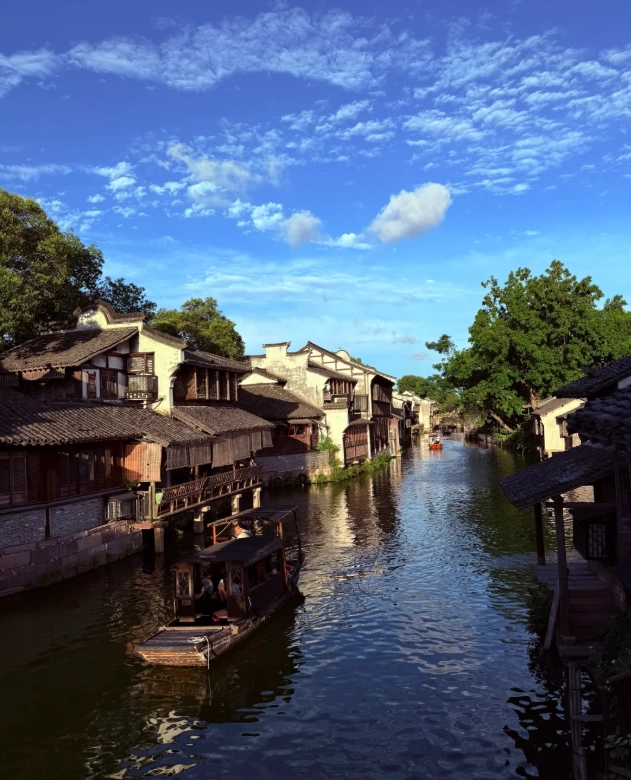
Pro Tip: Most tour groups arrive at Dongzha around 10 AM. So finish your visit by 9:30 AM to avoid the rush. I always tell my clients: “If you see a flag, run.”
Afternoon: Nanhu Lake & Martyrs’ Museum
After lunch, take a taxi from Wuzhen to Jiaxing city center (40 minutes, ¥130). Head to Nanhu Lake (South Lake) — the birthplace of the Communist Party. In winter, the lake is calm, and the small island (with the famous “Nanhu Boat”) is less visited. Entry is free to the lakeside park; the museum costs ¥20. Book tickets on your phone via WeChat (scan QR at entrance) or use passport at the counter. Important: The museum closes at 4:30 PM, so arrive by 2 PM.
If cold winds pick up, escape to Jiaxing Museum (near Nanhu) — free entry, warm, and has excellent English exhibits on the Grand Canal.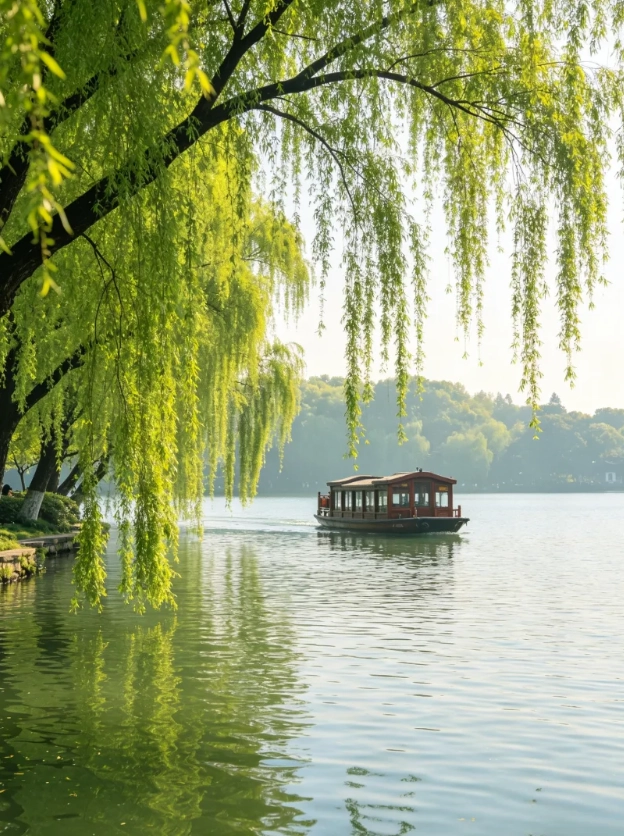
Evening: Moon River Historic Street (月河历史街区)
This is where locals hang out. Yuehe Street is a restored old town area with small bridges, folk art shops, and restaurants. In winter, the street is quieter but still lively enough. Try “Jiaxing eight-treasure rice pudding” at Old Moon River Restaurant (address: 月河街88号) — about ¥30 per person. Keep in mind: most places prefer WeChat Pay, but if you only have cash, some larger restaurants accept it. Better to have a Chinese friend or hotel staff help you top up your Alipay.
Accommodation: Stay at Jiaxing Xinyi International Hotel (¥300-500 in winter) on Zhongshan Road — central, with an English-speaking front desk. Or for boutique feel, Yuehe Inn inside the historic street (¥500-700).
Day 3: Yuehe Street & Optional Xitang
Shopping & Local Breakfast
Spend your last morning exploring Yuehe Street by daylight. The antique market (weekends only) has interesting porcelain and old coins — bargaining is expected. For breakfast, go to Wufang Zhai (五芳斋) on Yuehe Street — their “jiaxiang zongzi” are the best in town. Pay with Alipay.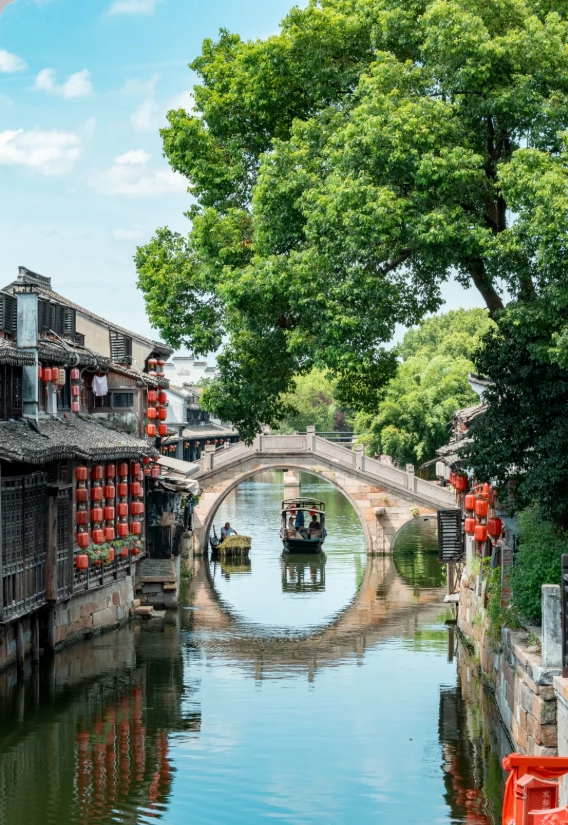
Option: Quick Trip to Xitang (Half Day)
If you have energy, take a Didi to Xitang Water Town (50 minutes from Jiaxing, ¥150). Xitang is famous for its covered corridors — protection from rain and winter chill. Entry ¥95, open 8 AM-5 PM. But warning: Xitang’s winter market is small; many souvenir shops close in low season. I’d only go if you’ve seen Wuzhen already and you’re a huge fan of water towns. Otherwise, return to Shanghai or Hangzhou from Jiaxing South Station (trains every 30 minutes).
Practical Tips for Foreign Travelers
Payment & Connectivity
WeChat Pay and Alipay are must-haves. Most small shops, even water town vendors, only accept QR payments. Set up your international card on WeChat before you arrive — it can be tricky. If stuck, ask your hotel to help top up your account via cash. VPN is essential for Google services; install before you enter China.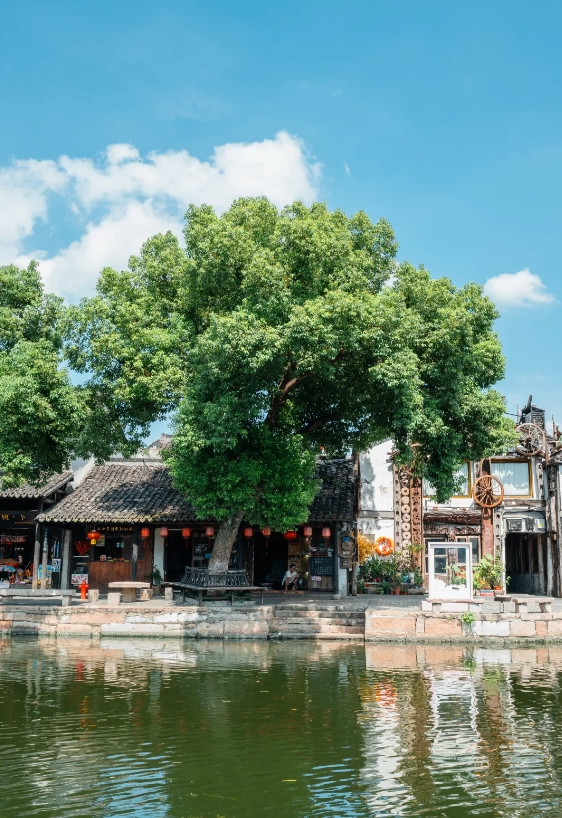
Navigation
As mentioned, Google Maps is unreliable. Use Apple Maps (works decently in cities) or download the “AMap Global” app (高德地图) which has limited English. I always screenshot the Chinese address of my next stop — helpful for taxi drivers.
Ticket Booking
For all scenic spots, always carry your passport — it’s required for entry. Book major attractions (Wuzhen, Xitang) on Trip.com in English to avoid the Chinese-only WeChat mini-programs. You can also buy at the gate, but in winter it’s rarely sold out.
Insider Advice: Some smaller museums (like Nanhu Martyrs Museum) have a free ticket, but you must scan a QR code with WeChat. If you don’t have it set up, the guard will usually let you in after showing your passport — just smile and point to it.
Weather & Packing
January average: 4°C. Pack thermal underwear, a windproof jacket, and comfortable waterproof shoes (water towns have slippery stones). Umbrellas are provided by most hotels, but bring a collapsible one just in case. Indoor heating is common in hotels and modern buildings, but historic guesthouses in Wuzhen may have limited central heating — ask for an electric heater upon check-in.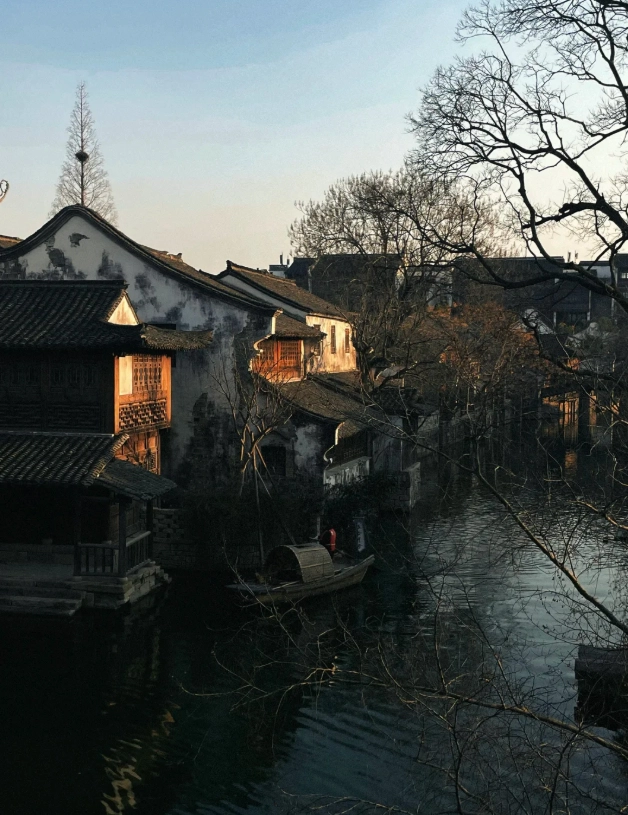





As a photographer, I couldn't have asked for a better setting. The low winter sun creates long shadows and warm light on the stone pathways. I got some of my favorite shots of empty alleyways and a fisherman mending nets under a stone arch. No tourists blocking the frame — it's a dream for anyone who values composition. Don't forget extra layers; the wind off the water bites, but it's totally worth it.
Best decision we made this trip was skipping the summer crowds and coming to Jiaxing in winter. The wooden bridges were frosty in the morning, and the sunrise hitting the old white walls was breathtaking. We stayed overnight at a small guesthouse run by a lovely family — they even heated our room with a traditional stove, which made the whole experience feel authentic and cozy. Highly recommend for anyone seeking a slower pace.
Absolutely magical in winter! We came on a weekday and it felt like we had the entire water town to ourselves. The bare willow branches against the grey sky gave a poetic vibe. I sat in a canal-side cafe sipping hot osmanthus tea for two hours just watching the reflections ripple. No queues, no pushy vendors — just pure peace. Already planning a return trip next January!
A solid 4-star trip! The winter fog over the canals made for some stunning photos, and we had the main bridges almost to ourselves. The only thing keeping it from a 5 is that the guided boat tour felt rushed and the commentary was hard to hear over the engine. The local street food vendor near East Gate was amazing though — those sticky rice rolls saved the day after a chilly morning walk.
We visited Jiaxing in early December, hoping for a quiet water town experience. While the crowds were indeed thin (a big plus!), many of the small restaurants and tea houses along the canals were closed or operating on limited hours. The atmosphere felt more 'abandoned' than 'tranquil' at times. Would recommend double-checking opening times before you go. The old town itself is charming, but the lack of amenities dampened the experience a bit.