 Ling Wu
Quick Navigation — What's Inside
I had just picked up a family of four from Shenzhen. They wanted to go from Hong Kong to Macau in one day. 'Easy,' I thought. 'Just the bridge.' Oh, how wrong I was. The Hong Kong-Zhuhai-Macao Bridge (HZMB) is a marvel – 55 km of sea-crossing wonder. But for a foreign traveler, it's also a maze of shuttle tickets, passport checks, and unexpected cash-only counters.
Here's the truth: You can cross the bridge smoothly if you know the exact steps. Ignore the generic blogs that tell you to 'just take the bus.' I'll show you the real process – including the hiccups that almost made me miss my own schedule.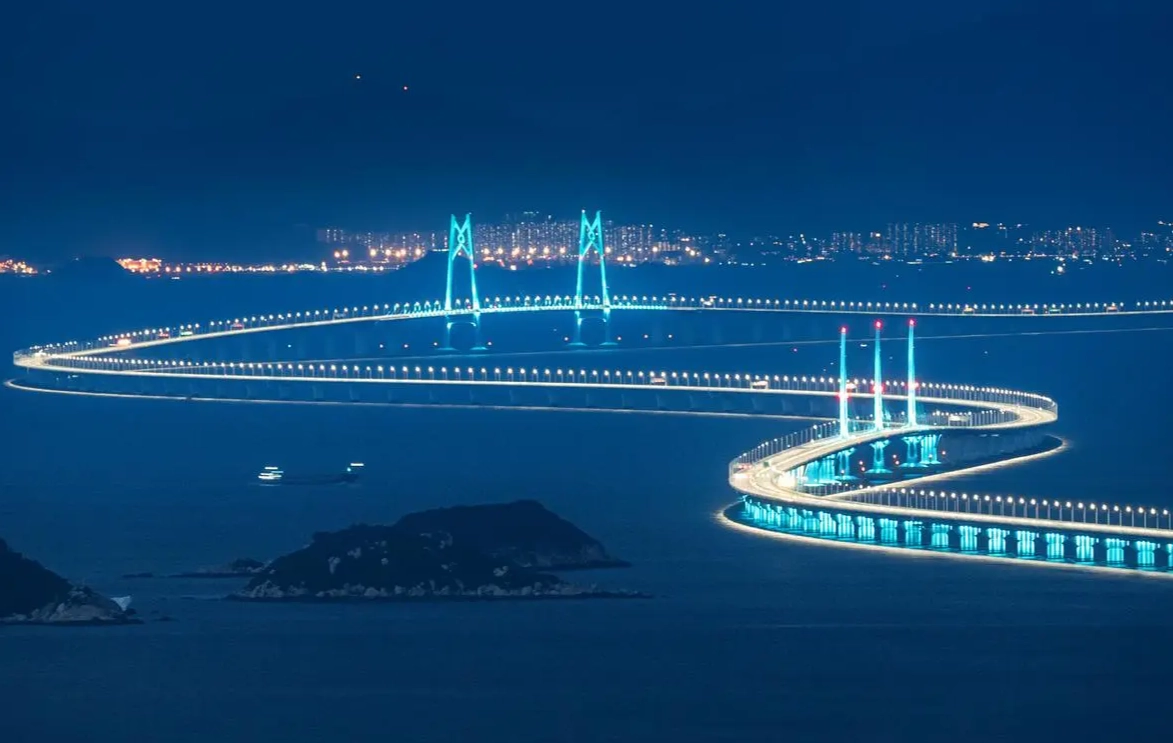
My First Crossing: A Reality Check
I'll be honest – my first time on the HZMB was a mess. I followed online advice and showed up at the Hong Kong Port without a pre-booked shuttle ticket. Big mistake. The queue for walk-up tickets was snaking around the hall, and the lady at the counter told me the next available bus was in 90 minutes. That day, I learned the single most important rule: book your shuttle ticket online beforehand.
The HZMB shuttle – known as the 'Golden Bus' – runs 24/7 between Hong Kong, Zhuhai, and Macau. But here's the catch: you cannot simply show up and board like a city bus. You need a ticket with a designated time slot. And if you're using an international credit card, forget about buying at the counter – they only accept Alipay, WeChat Pay, or Hong Kong's Octopus card. Cash? Sometimes, but only Hong Kong dollars at a bad exchange rate.
Shuttle Bus: The Golden Key
The shuttle is the cheapest and most convenient way for tourists. Let me break it down: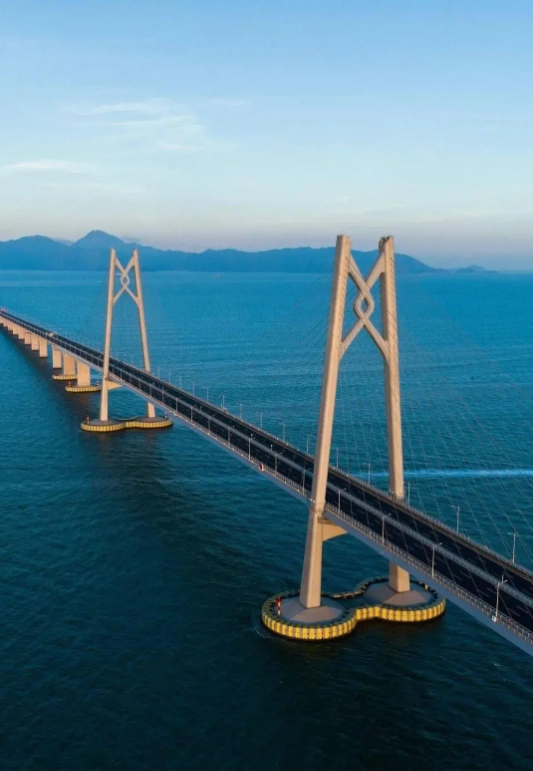
Where to Book
Use Trip.com or Klook. Both have English interfaces and accept international cards. Search for 'HZMB Shuttle Bus' or 'Golden Bus' and pick your route: Hong Kong to Zhuhai (about 40 minutes) or Hong Kong to Macau (about 45 minutes). The price is around 65 HKD (≈8 USD) per person per trip – fixed rate for everyone, no child discount. Yes, super cheap compared to a ferry.
But wait – the booking systems are tricky. You'll need to select a departure time window (e.g., 10:00-11:00). The ticket is valid only for that one-hour block. If you miss it, you lose the money. So plan your journey to the port carefully.
Getting to the Hong Kong Port
Take the MTR to Tung Chung (Exit B), then hop on bus B5 – it's direct to the Hong Kong Port. The bus runs every 10 minutes and takes about 15 minutes. From the port entrance, follow signs to 'Shuttle Bus Departure Hall.' You'll need to scan your passport at the self-service kiosk to get a printed ticket if you booked online. Insider advice: The kiosks can be finicky. If it says 'No Record,' don't panic – just show your booking confirmation email to the staff at the counter. They'll print it manually.
On the Bus
Seats are comfortable but not assigned. You'll pass through immigration before boarding (I'll cover that next). The bus ride itself is smooth – you'll see the cable-stayed bridge and even dolphins if you're lucky. Keep your phone ready, but remember Google Maps doesn't work well in China. Download offline maps or use Apple Maps.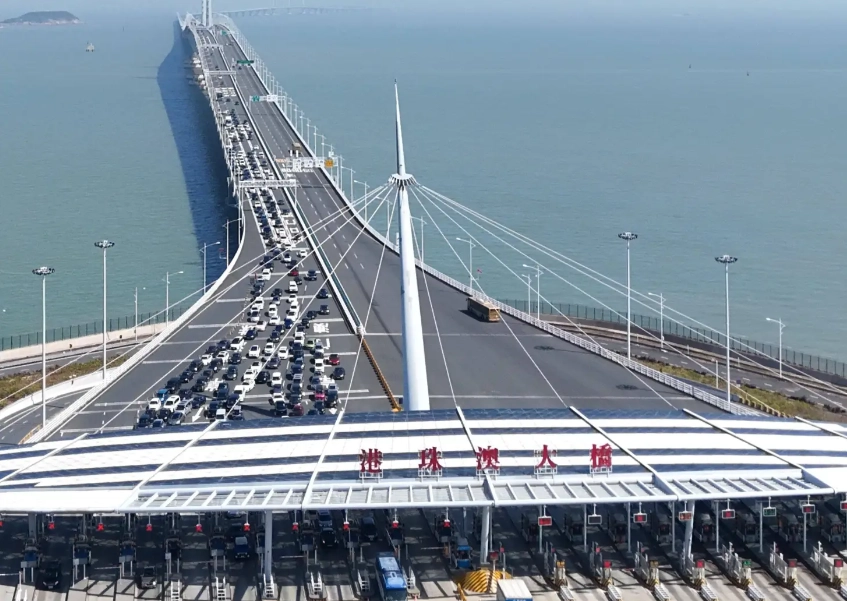
Tolls, Tickets & Payment Nightmare
Let's talk money – because payment methods will frustrate you if you're not prepared.
| Item | Price | Payment Methods | Notes |
|---|---|---|---|
| Shuttle ticket (Hong Kong ⇆ Zhuhai/Macau) | 65 HKD per person | Online: credit card (Trip.com/Klook); Counter: Alipay, WeChat Pay, Octopus (no intl. credit card) | Price fixed; children same price |
| Private car toll (one-way) | 150 RMB for cars | ETC only (Chinese system) or cash at some booths | Foreign plates not allowed without a quota permit – nearly impossible for tourists |
| Coach bus (non-shuttle) | Varies, ~200 HKD | Usually requires Chinese mobile payment | Complicated for foreigners; stick to shuttle |
Critical warning: Do not rely on cash. While the shuttle counter might accept Hong Kong dollars, they may not have change for large bills. And don't even think about using an international credit card at any physical counter – it won't work. Set up Alipay with your foreign card before the trip. It's the only way to pay for taxis, buses, and snacks on the Chinese side.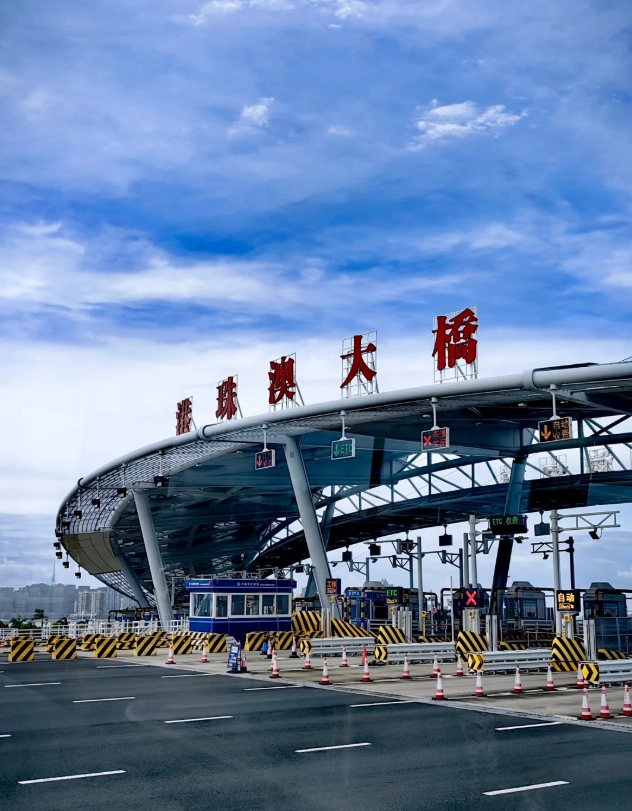
Border Crossing: Clearance & Visa Tips
You'll go through immigration twice – once at the departure port and once at the arrival port. The process is straightforward but more time-consuming than you'd expect.
Visa Requirements
If you're crossing from Hong Kong to Zhuhai (mainland China), you need a valid Chinese visa (unless visa-exempt for short stay under certain programs – check with your embassy). For Hong Kong to Macau, Macau has its own visa policy; many nationalities get visa-free entry for up to 30 days. But if you're going from Hong Kong to Macau and then back into China, you'll need a multiple-entry Chinese visa. I've seen tourists stranded because they only had a single-entry visa.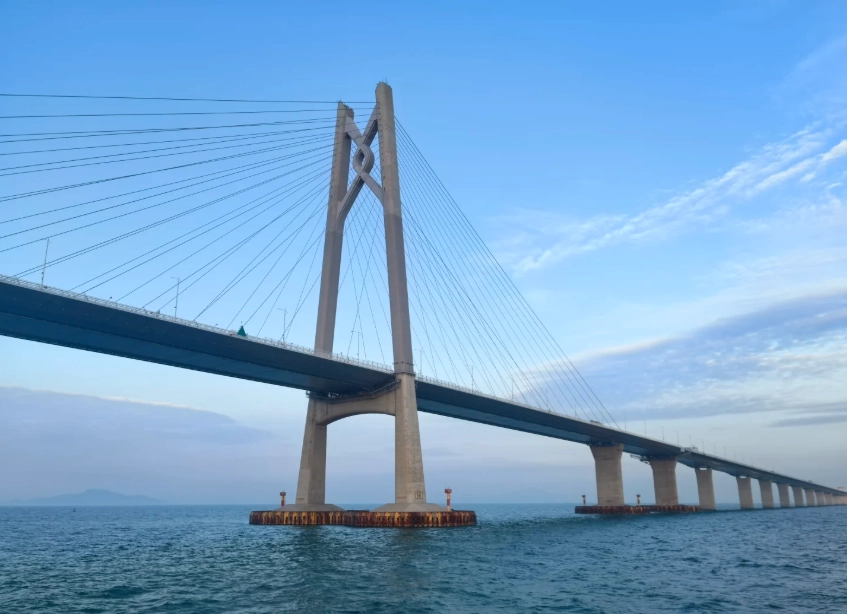
Navigating the Ports
The Hong Kong Port is modern with English signs. You'll first clear Hong Kong immigration (no stamp for same-day return). Then walk to the shuttle bus boarding gate. The Zhuhai Port is much larger – after getting off the bus, you'll go through mainland Chinese immigration. Have your visa and hotel booking ready – the officers may ask questions. Pro tip: The queues can be long, especially on weekends. Avoid Friday evening and Monday morning. I once waited 40 minutes at Zhuhai immigration on a Sunday afternoon.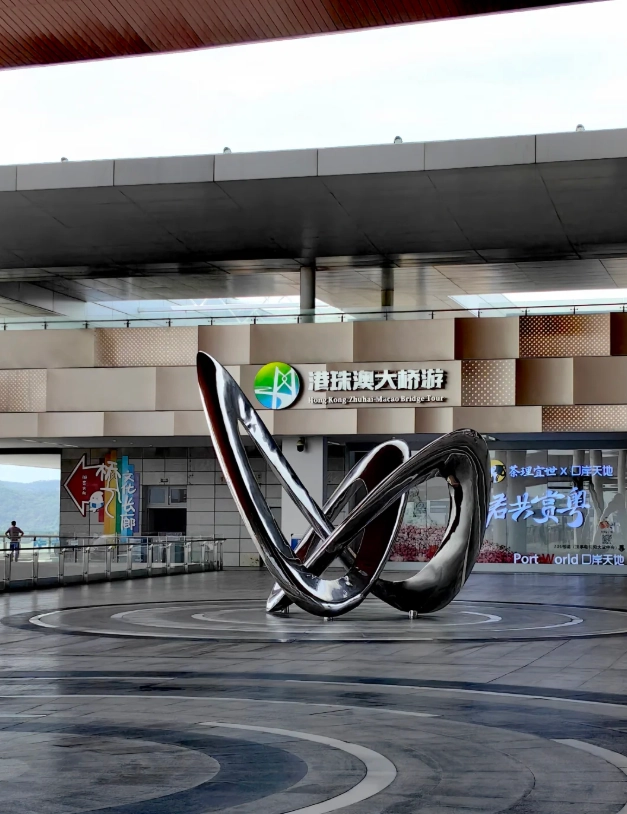
Driving Yourself? Think Twice
I get it – the idea of driving your rental car across the world's longest sea bridge sounds epic. Reality check: foreign rental cars are not allowed on the HZMB without a special permit that's extremely hard to obtain. Even if you rent a car in Hong Kong, you can't cross. The bridge is primarily for shuttle buses, cross-border coaches, and private cars with Guangdong-Hong Kong-Macau license plates. Save yourself the headache – take the shuttle.
FAQs – Your Burning Questions Answered
Verified and fact-checked by the editorial team.





I’ve driven on a lot of bridges, but this one takes the cake. The bus dropped us at the Hong Kong port and the whole immigration+e-ticket system was seamless. Best part: the night view. The bridge lights up like a glowing serpent across the dark sea. Even the tunnel section underwater felt futuristic. Used the HZMB for a day trip to Macau—came back same evening. Life-changing infrastructure.
As a solo traveler, this bridge made my day! I booked the direct bus from Hong Kong port to Macau city center. The onboard screens showed live location on a map, which was cool. The bridge literally feels like you’re flying over water. I even spotted a few dolphins near the artificial islands. Super organized and fast, highly recommend for any traveler in the region.
Honestly, I was excited about the bridge but left a bit disappointed. The shuttle was crowded and the windows were dirty, so the famous views were just blurry smudges. Also the customs at both ends took forever for no reason. Feels like they spent billions on the structure but forgot about basic comfort. If you’re short on time, this is just a glorified bus ride.
Took the cross-border coach from Zhuhai to Hong Kong airport. The bridge is huge and impressive, but the whole experience felt a bit rushed. We were just dropped off at the artificial island customs hall, and the queue was long. Not much signage for first-timers. Still, the actual bridge ride is smooth, just wish the service was more passenger-friendly. Good, but not amazing.
Riding the shuttle bus across the Hong Kong-Zhuhai-Macao Bridge was surreal. The sea was perfectly calm, and the distant islands looked like they were floating. The bridge itself is an engineering marvel—so smooth and wide. I sat by the window the whole 40 minutes and didn’t get bored once. Absolutely worth the trip just for the views.