 Ming Yang
⚡ Quick Navigation — What You'll Learn
I still remember my first time guiding a group into Dukezong Ancient Town. We walked in through the south gate, and within ten minutes three tourists had already asked me where to buy tickets. The truth? There's no ticket for the town itself. That's the kind of confusion I see all the time. After leading dozens of trips here, I've learned exactly what makes or breaks a visit to this 1,300-year-old Tibetan gem in Shangri-La. Let me save you the hassle.
You're coming to Dukezong for the cobblestone alleys, the giant prayer wheel, and that dreamy Tibetan–Naxi architecture. But between the altitude (3,300m), the digital payment puzzle, and the fact that Google Maps is useless here — you need a real plan. Here's everything I wish someone had told me.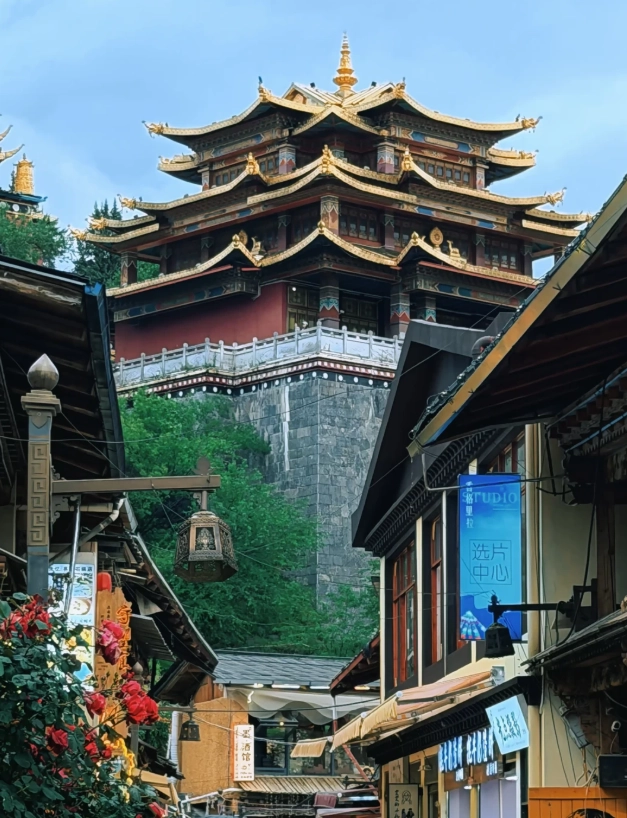
Tickets & Entry: What You Actually Need to Pay
Entering the ancient town itself is free. No gate, no booth. You can walk in anytime. However, a few paid attractions inside require tickets:
- Gui Shan Park (Turtle Mountain Park) — Free. The giant prayer wheel is here. No reservation needed.
- Dukezong Tibetan Cultural Museum — ~30 RMB for adults. Accepts Alipay/WeChat only. Best to bring your passport for registration, though I've never been asked.
- Songzanlin Monastery (a 15-min drive) — 115 RMB (peak season). Book via Trip.com or WeChat mini-program. Pro tip: ask your hotel to help book; the mini-program is in Chinese only.
Most foreign visitors don't realize that cash is rarely accepted at these ticket counters. Always top up your Alipay or WeChat Pay with an international card before arriving. If you're stuck, the tourist info center near the east gate can help, but lines can be slow.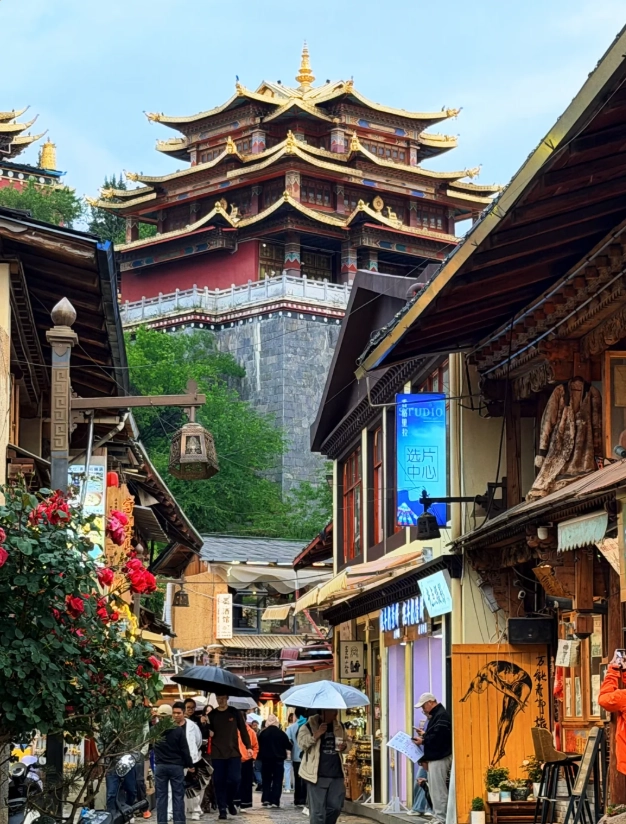
Best Time to Visit Dukezong (Avoid the Crowds)
Most tour groups arrive between 10 AM and 2 PM. The narrow alleys become a river of selfie sticks. If you want that postcard shot of the prayer wheel without a hundred strangers in it, show up at 7:30 AM or after 5 PM. I always tell my clients: “Come for sunrise, then head to the monastery, and return for golden hour.”
Season-wise, October and November offer crisp air and fewer tourists. Summer (June–August) is rainy and crowded. Winter is freezing (below zero at night) but the town looks magical under snow — just prepare for iced roads.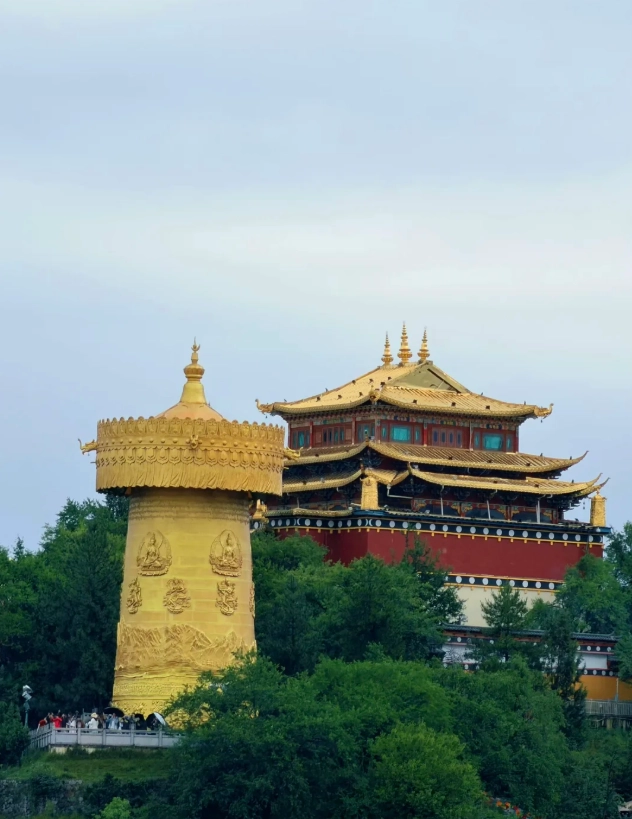
Getting There & Navigation Hacks
Arriving in Shangri-La
By air: Shangri-La Airport (Diqing) has flights from major cities like Kunming, Chengdu, and Lhasa. From the airport, take a taxi (30–40 RMB, ~15 minutes) — show the driver this address: Shangri-La, Dukezong Ancient Town, East Gate. Use Apple Maps or AMap (app name: 高德地图) because Google Maps doesn't work well here.
By bus: Long-distance buses arrive at Shangri-La Bus Station. A taxi to the old town costs about 20 RMB. Don't accept rides from touts offering “tour packages” — they're overpriced.
Navigating Inside
The ancient town is a maze. Roads aren't straight, and street signs are mostly in Chinese. Here's my trick: download AMap (Apple Maps works decently) and save the “Giant Prayer Wheel” as a landmark. It's visible from most spots. If you get lost, just walk uphill — you'll hit the central square eventually.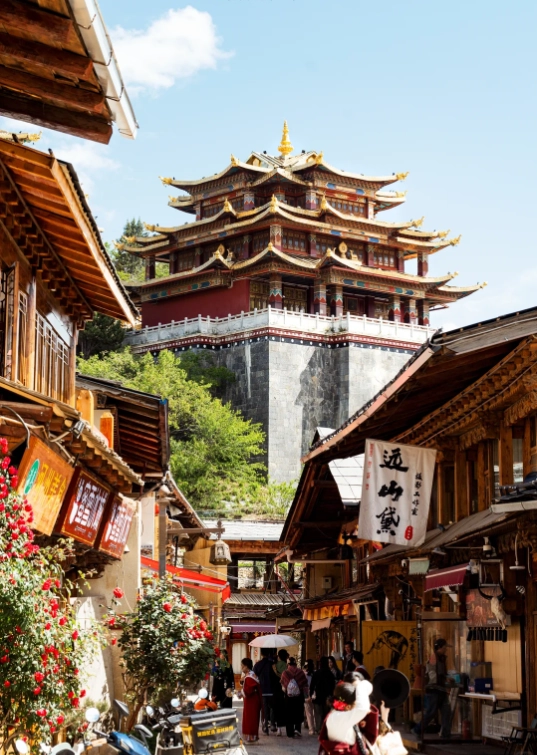
What to See and Do in Dukezong Ancient Town
The Great Prayer Wheel (Monument of Shangri-La)
It's the largest prayer wheel in the world — 21 meters tall, 60 tons. It takes at least 8 people to spin it (you'll join a circle of strangers). Go at sunset: the golden light hits the wheel and the entire valley below. Bring a jacket though; the wind on Turtle Mountain can be brutal.
Wander the Old Streets
Don't just stick to the main drag. Branch into alleyways like “Pipaba Street” (皮匠坡) — fewer shops, more local life. I love the section near the north gate; it's quieter and you'll see elderly Tibetans playing cards on stools. In May 2023, a fire destroyed part of the town, but reconstruction is almost complete. You'll see some new-looking wooden buildings — that's okay, the vibe remains.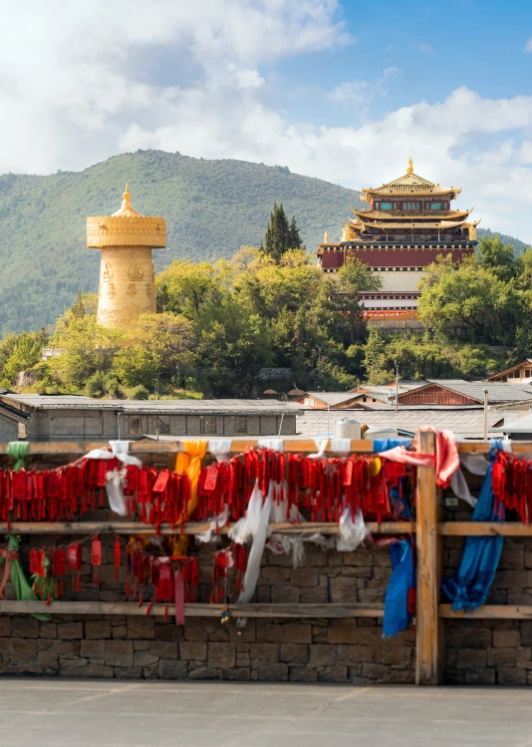
Night View from the City Wall
Around 8 PM, the town lights up. Climb the old city wall section near the east gate (free access) for a panoramic view. It's not crowded and makes for stunning photos.
Where to Eat: Local Dishes I Always Recommend
| Restaurant | Specialty | Price Range | Notes |
|---|---|---|---|
| Tavern on the Rock (石头记) | Yak meat hotpot, Tibetan butter tea | 80–120 RMB per person | English menu available. Popular with foreigners. Accepts WeChat/Alipay only. |
| Liang Fen Sister (凉粉姐) | Liangfen (cold bean jelly), spicy skewers | 15–30 RMB | Street stall. Cash only but cheap. No English. |
| Relaxed Yak Café | Yak burger, Tibetan pizza, coffee | 50–80 RMB | Great for a break. Free WiFi. Credit cards via Alipay. |
My personal must-order: The yak meat hotpot at Tavern on the Rock. I've taken over 20 groups there and never had a complaint. The broth is rich, the meat tender, and they serve it with a side of spicy dipping sauce. Avoid eating at the main square restaurants — they're tourist-trappy and pricier.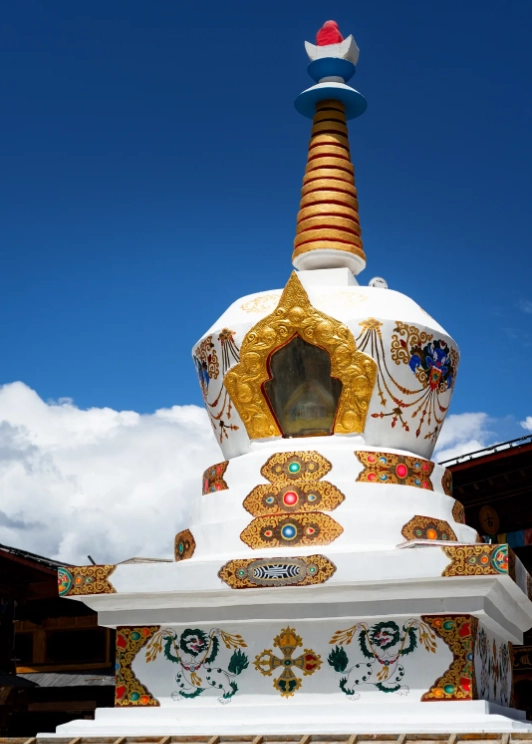
Practical Tips: Payments, Language & WiFi
Payments
Almost no place accepts cash or international credit cards. Before you arrive, set up Alipay (绑国际信用卡) or WeChat Pay. If you're stuck, the bank near the east gate has an ATM that works with foreign cards, but it runs out of cash sometimes.
Internet & VPN
Google, WhatsApp, Instagram, Facebook are blocked in China. Install a VPN before you leave home — I recommend Astrill or ExpressVPN. WiFi in hotels is usually strong, but at the town square, public WiFi is unstable. For offline navigation, download AMap (works without VPN for maps) and the Chinese dictionary app “Pleco”.
Language
English is not widely spoken. Prepare with: “你好” (hello), “谢谢” (thank you), “多少钱” (how much). Use the Baidu Translate app with voice mode — it's better than Google Translate here.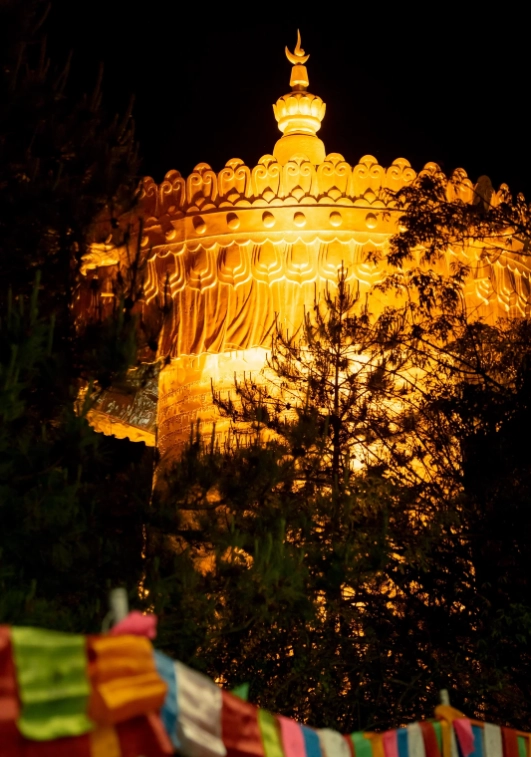
Altitude Sickness
Shangri-La sits at 3,300m. You might feel dizzy or short of breath. Buy a can of oxygen at any pharmacy (~30 RMB). Walk slowly, drink water, and avoid alcohol on your first day. I've seen too many tourists collapse at the prayer wheel stairs.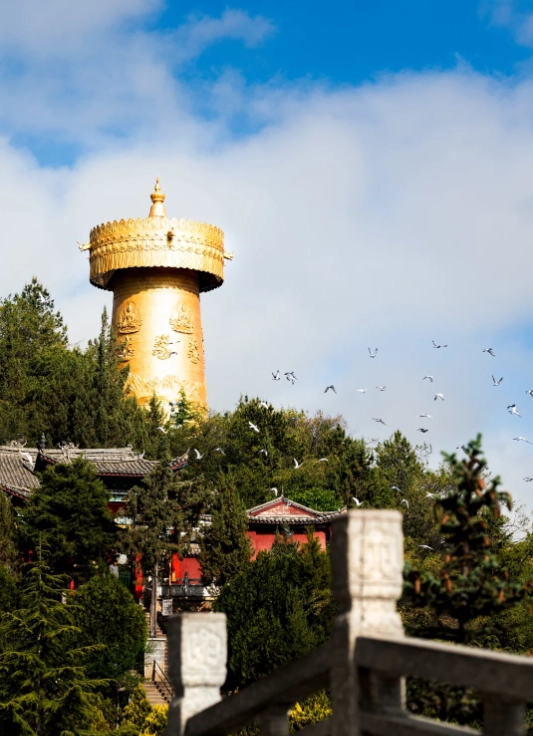





Honestly, I was a bit disappointed. After the 2014 fire, most buildings are rebuilt and feel somewhat artificial. The vibe is too commercial now — every other shop sells the same souvenirs. Also, the entrance fee to the museum seemed steep for what you get. Maybe I expected more authenticity. Would not rush to go back.
Pretty nice ancient town with a lot of character. The old town area is well maintained, but it gets very crowded during the day. Some restaurants seemed overpriced for the portion size. Still, the sunset view from the hill is breathtaking. Good for a day trip, but I wouldn't stay longer than that. Rating 4 out of 5.
Visited Dukezong with my family. The kids enjoyed watching the monks and spinning the prayer wheels. The Tibetan cultural show was fascinating. Shopping here is great — got some unique handmade silver jewelry. Everything felt authentic and not too touristy. A wonderful experience overall.
Stayed here for two nights and loved every minute. The architecture is beautifully preserved despite the fire. Our guesthouse owner gave us great tips on where to eat. The night market has some awesome street food. Only wish we had more time to explore the surrounding areas. Would come back in a heartbeat!
Dukezong is absolutely magical! The ancient streets are so charming, and the giant prayer wheel on the hill is a must-see. We tried yak butter tea and it was surprisingly delicious. The locals are warm and welcoming. Highly recommend visiting in the evening when the lights come on — it's like a fairy tale. Definitely a highlight of our Yunnan trip!
A pretty town with some nice views, but I left feeling a bit underwhelmed. The preserved architecture is lovely, but many buildings are actually just facades for modern guesthouses and souvenir stores. I walked up to the Guishan Park for the panorama—it was okay, not spectacular compared to other spots in Yunnan. The biggest letdown was the noise: construction work was happening on a side street and the drilling ruined the peaceful atmosphere. Decent for an afternoon stroll, but I wouldn't plan a whole day here.
Dukezong is a charming old town, but honestly it felt a bit too commercialized for my taste. Lots of identical souvenir shops blasting pop music, and the cobblestone streets were packed even on a Tuesday. I did enjoy the prayer wheel—huge and spinning it with others was a neat experience—but overall it didn't feel very authentic. Also, some restaurants were overpriced for basic noodle dishes. If you’re passing through it’s worth a quick walk, but I wouldn’t go out of my way.
I loved the food here! Hand-pulled noodles in a spicy beef broth from a little street cart—best meal I had in Shangri-La. The town is beautifully preserved, with colorful shops selling handmade Tibetan jewelry and scarves. I spent hours just sitting in a rooftop café, sipping butter tea and watching the clouds roll over the mountains. The locals are friendly and never pushy about buying. Perfect place to slow down and soak in the culture. Will definitely come back.
Had an amazing time wandering through Dukezong! The ancient town has this magical vibe, especially around sunset when the golden light hits the white pagoda. I joined a free walking tour with a local guide named Tenzin—he explained the history of the Tea Horse Road and pointed out details I would have totally missed. The views from the top of the hill overlooking the old town are breathtaking. Only wish I had booked two nights instead of one; there’s so much to explore. Definitely a must-visit in Yunnan!
The town itself is so photogenic with those winding cobblestone streets and prayer flags flapping in the wind. I visited on a weekday morning and it was surprisingly peaceful—just a few locals and some shopkeepers starting their day. The traditional Tibetan architecture is stunning, especially the wooden carvings on the doors. Got a nice yak butter tea from a tiny family-run stall, and the old lady even showed me how she spins wool. If you’re looking for an authentic, quiet experience away from the tourist crowds, this is it. Highly recommend!