 Jing Song
The short version — jump straight in
- What This Route Actually Is
- Moving Between Shenyang and Jilin Without Losing a Day
- Shenyang: What to Book, What to Skip
- Jilin Province: Changchun, Jilin City, Yanji and Changbai Mountain
- Where to Stay Along the Route
- What to Eat: Dishes I Actually Order
- A 7-Day Itinerary That Leaves Room to Breathe
- Payments, Apps and Passports
- Questions I Get Every Week
Two provinces, four cities, one straight rail line — and almost everyone books it backwards.
Shenyang first, then Changchun, then Jilin City, then Yanji. That order saves you a full day. I have watched travellers run it in reverse and spend six hours on a train they never needed. I have also run this corridor in January cold that kills your phone battery in twenty minutes, and in June rain that turns Changbai Mountain into a white wall.
When people ask me to plan a Shenyang and Jilin tour, the questions are never about scenery. They are about money and logistics. Why did my Visa card get declined at the ticket window. Why won't the museum let me in without a reservation. Why is the train app in Chinese. Those are the real problems. The scenery takes care of itself.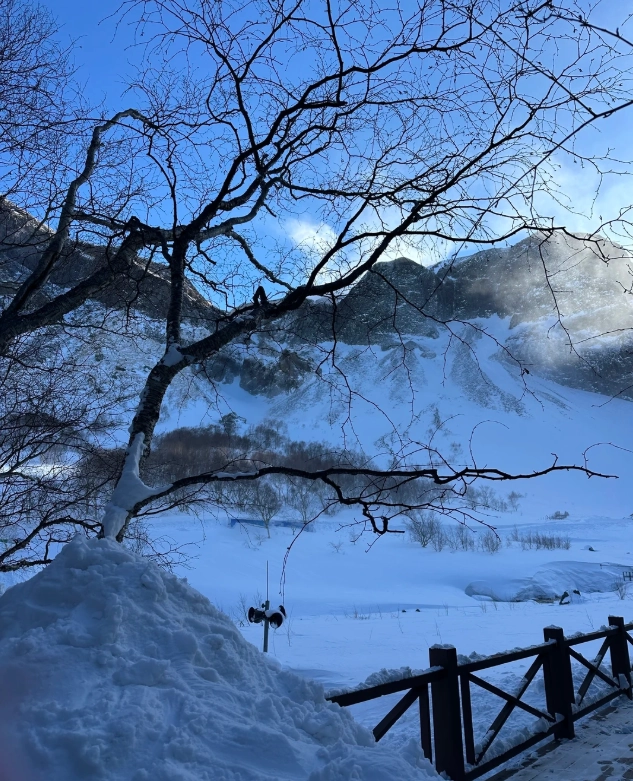
So here is the conclusion up front. Book every timed-entry ticket through Trip.com at least three days ahead, with your passport number typed exactly as printed. Take the high-speed train, never the long-distance bus. And keep Changbai Mountain as the flexible day at the end of your trip, not the fixed day in the middle. Roughly half of the people I take up there never see Heaven Lake because of cloud. If your train tickets are locked to a date the mountain has other plans for, you have paid for a view you cannot have.
Everything else — trains, hotels, food, and the parts I would skip — is below.
What Is the Shenyang and Jilin Tour, Exactly?
The Shenyang and Jilin tour is a northeast China corridor linking Liaoning Province's imperial capital with Jilin Province's winter ice, Korean-Chinese food culture and the volcanic lake sitting on the North Korean border.
It is not a packaged product you buy in one click. It is a line of cities stitched together by the Harbin–Dalian high-speed rail and its branches. The shape that works: two nights Shenyang, one night Changchun, one or two nights Jilin City or Rime Island, one or two nights Yanji, and one or two nights in Erdaobaihe for Changbai Mountain. Seven to nine days total. Under seven and you are on trains more than you are off them.
Two things most English-language itineraries miss. Fly into Shenyang Taoxian International Airport and out of Changchun Longjia or Yanji Chaoyangchuan. An open-jaw ticket removes a full day of backtracking and usually costs about the same. And this is either a winter trip or a summer trip, and the two are almost different routes. Rime ice on the Songhua River only forms in the coldest weeks. Changbai Mountain's alpine meadows are a July and August thing. Pick one and commit to it.
How to Move Between Shenyang and Jilin Without Losing a Day
Every city on this route sits on a high-speed line, so your longest single ride is under three hours — which means you can base yourself in fewer hotels than you think.
Shenyang to Changchun by High-Speed Rail
Shenyang North to Changchun West runs roughly one hour twenty minutes to two hours depending on the service, and trains leave through the morning.
Book on China Railway's official 12306 platform if you are comfortable with a Chinese interface and have already verified your passport, or on Trip.com if you want English and a foreign card. I use both — 12306 for the honest price, Trip.com when I am booking for clients late at night and do not want to fight with identity verification.
Here is the part that trips people up. At the departure gate, foreign passports usually fail the automated scanner. Look for the staffed lane, which is almost always at the far left or far right of the gate bank, and there will be a queue. Give yourself forty minutes before departure. I once watched a family miss their train by four minutes because they joined the wrong line and refused to leave it.
Shenyang Metro Line 2 stops directly under Shenyang North. Follow the signs for the railway station rather than the square — they are not the same exit and the walk is not short.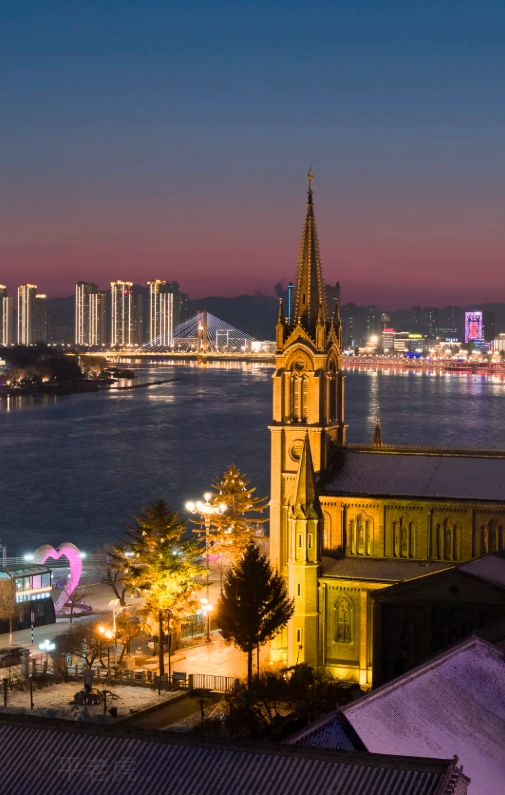
Changchun to Jilin City and Yanji
Changchun to Jilin City is a forty-minute hop. Changchun to Yanji West takes about two and a half hours on the Hunchun line.
Watch the station names carefully. Jilin Station is in Jilin City, not in Changchun, and not a province. If you search Jilin and get a departure from Changchun, that is correct. Morning departures are dense; late evening ones thin out fast.
In heavy snow, high-speed trains in the northeast are surprisingly reliable. The taxi to the station is not. Add twenty minutes to whatever your hotel tells you.
Getting to Changbai Mountain
Changbai Mountain has two practical gateways — the north slope from Erdaobaihe and the west slope from Songjianghe — and choosing the wrong one can add four hours of driving to your trip.
The north slope is the developed one, with the waterfall, the hot springs and the biggest share of shuttle infrastructure. High-speed rail now drops you at Changbaishan Station, which serves this side. The west slope sits closer to Changbaishan Airport and is known for the stairway climb to the crater rim and the alpine meadow. Flying in or out? The west slope saves you a transfer. Arriving by train? Take the north.
Tickets are sold in timed slots, passport required, and the internal shuttle is bundled into the price. There is an extra charge for the final stretch up to the crater rim. Buy through the official mini-program if you can read Chinese, or through Trip.com in English.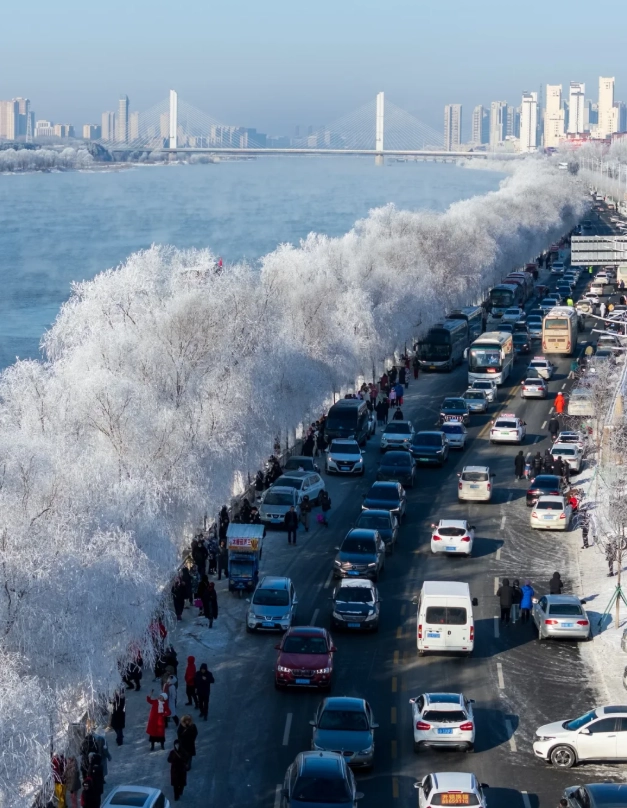
Pro Tip: On the north slope, take the earliest slot you can physically handle and go straight up to Heaven Lake before the cloud builds. I have watched groups arrive at one in the afternoon and photograph a wall of white. Nobody warns you that the lake is a morning animal.
Shenyang: What to Book, What to Skip
Shenyang is the most underrated stop on this route — two unhurried days here beat one rushed day at a famous site somewhere else.
Shenyang Imperial Palace (Mukden Palace)
The Shenyang Imperial Palace holds a UNESCO World Heritage listing as part of the imperial palaces of the Ming and Qing dynasties — a smaller, older sibling of Beijing's Forbidden City, and far more pleasant to walk through.
Address: 171 Shenyang Road, Shenhe District. Opening runs mid-morning to late afternoon, with a shorter window and an earlier last entry in winter. Adult tickets sit in the range of a decent meal for two. Children under about 1.3 metres and very young kids usually enter free, while students and seniors over sixty typically get a discount with documentation. Foreign senior cards are hit and miss — I have watched staff politely decline a European pension card, so do not build your budget around it.
Book ahead. The official WeChat account is Chinese-only and the process is genuinely annoying, and I will not pretend otherwise. Trip.com sells the same ticket in English with passport entry, and the gate scans the passport you booked with. Bring that exact passport. Not a photocopy, not a different family member's.
Go at opening, or accept the crowd. Between mid-morning and early afternoon the courtyards fill with domestic tour groups and their flags, and the noise level doubles. On light: the main hall with the banner poles faces roughly east, so morning is your window. By mid-afternoon you are shooting straight into the sun and every photo looks flat.
Zhang Xueliang's Former Residence and the Bank Museum
The Zhang family complex is worth about ninety minutes if you like twentieth-century history, and it is a short walk from the Imperial Palace.
One combined ticket usually covers the residence and the old bank building next door. The vaults and currency exhibits are the surprise highlight — they explain the money chaos of the 1920s and 1930s better than any placard in the main house, and most visitors walk straight past them.
Many state-run museums in this region close on Mondays. I have watched two separate families get turned away at the gate with luggage in hand. Check the day before, and do not schedule this on a Monday.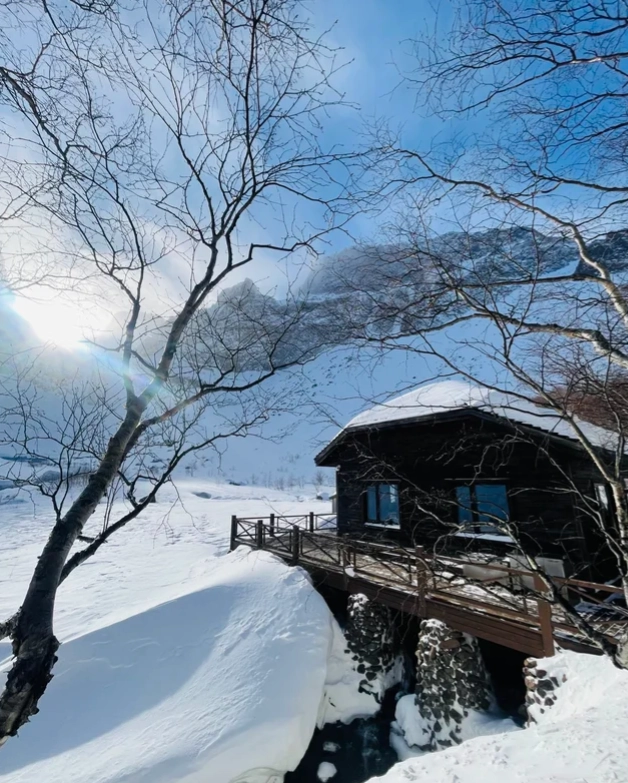
What I'd Skip in Shenyang
Skip Zhongjie as a destination, and skip the themed banquet restaurants clustered near the palace.
Zhongjie is worth twenty minutes at night for the lights. It is a pedestrian street and that is all it is. The food is generic and priced for people who will never come back. Same story with the imperial banquet halls near the palace — beautiful photos, average food, and roughly three times what the same dish costs two streets away.
Go here instead:
- The 1905 Cultural and Creative Park in Tiexi District — a converted factory with small studios and decent coffee. Free to walk in, and almost no foreign visitors.
- The Liaoning Provincial Museum — free with passport registration, closed Mondays, and genuinely strong on bronze work and painting.
- The Sept 18th History Museum — free, passport needed, closed Mondays. Heavy material, well presented, and it will make the Puppet Emperor's Palace in Changchun land much harder.
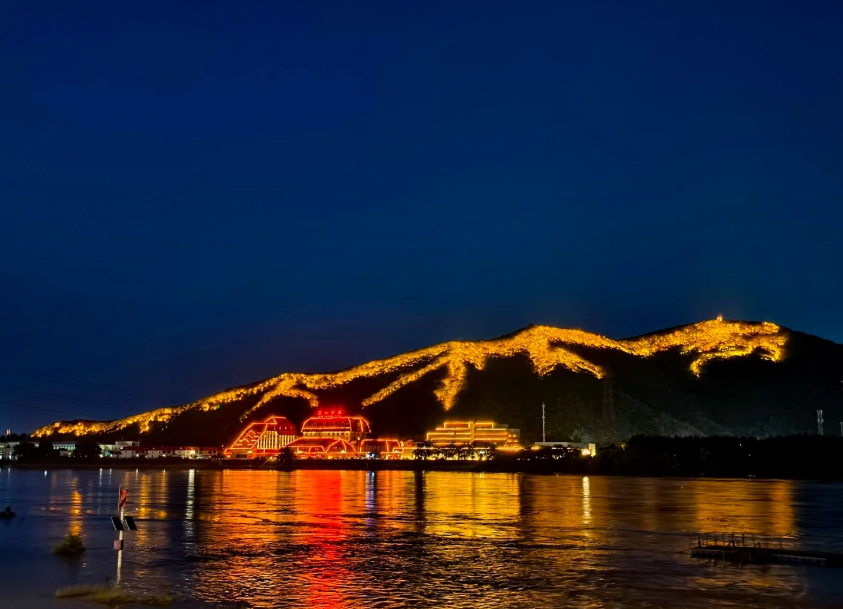
Jilin Province: Changchun, Jilin City, Yanji and Changbai Mountain
Jilin Province is where this trip stops feeling like a city tour and starts feeling like an expedition.
Changchun: The Puppet Emperor's Palace
The Puppet Emperor's Palace in Changchun is the single best historical site in northeast China for understanding the 1930s, and it is nearly empty of Western visitors.
This was the residence and administrative complex of Puyi, the last Qing emperor, installed by the Japanese as a figurehead. It sits in Kuancheng District, a short taxi ride from Changchun Station, with a fare in the low double digits in yuan. Tickets run in the same modest band as the Shenyang palace. Closed Mondays as a rule.
Take the English audio guide if one is available. I am not usually an audio-guide person, but without context this place reads as a series of pleasant rooms. With context it reads as a trap, and the difference is worth the small fee.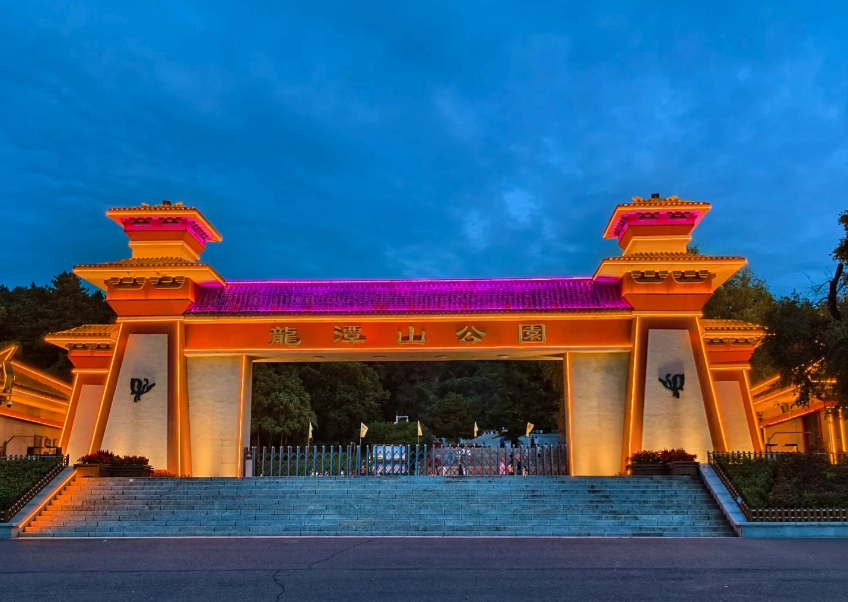
Jilin City and Rime Island
Rime ice on the Songhua River forms best on clear, windless mornings roughly between 6:30 and 9:00, and it is usually gone by mid-morning.
Rime Island, out in Longtan District, is the famous spot — a forty to sixty minute drive from the city centre. Many photographers sleep on the island in farmhouse guesthouses, known locally as nongjiale, so they do not have to leave the city at five in the morning. Entry is modest, in the range of a cheap dinner.
Here is what I tell people who do not want to get up at 4:30. The Songhua River embankment inside Jilin City produces rime too, on the right mornings, and it costs nothing and takes fifteen minutes to reach from most hotels. I have taken perfectly good photographs a short walk from my own room. Check the rime forecast the night before — the city publishes an index and your hotel front desk can look it up — then decide whether the island is worth the drive.
Insider Advice: Rime is a weather event, not a scheduled attraction. If the forecast is poor, do not burn a day on the island. Move on to Yanji early and eat instead.
Yanji: The Best Food Stop on This Route
Yanji is a Korean-Chinese city with bilingual signage and food that beats most of what you will eat in Seoul at a third of the price.
This is the capital of the Yanbian Korean Autonomous Prefecture. Street signs, menus and shopfronts run in Chinese and Korean side by side. Start at the morning market locals call Shuishang Shichang, which opens around dawn and winds down by mid-morning. Ask your hotel for the current location, because market sites do move. Then spend the evening in the streets around Yanbian University, where charcoal barbecue restaurants and cafés run late.
Order the cold buckwheat noodles — icy broth, a little sweet, a little sour, with a boiled egg and sometimes a slice of pear. Order the charcoal-grilled beef, which is marinated on the sweet side, and note that the chili paste arrives separately so you control the heat. If someone hands you rice wine in a bowl, that is makgeolli, and it is about as strong as it tastes, which is to say not very, which is the problem.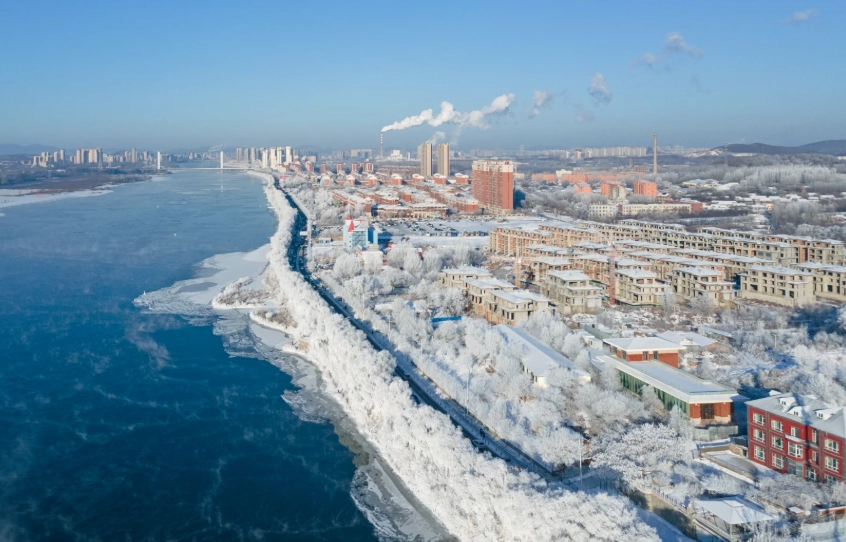
Where to Stay Along the Route
Brand-name international hotels are your safest bet for an English-speaking front desk and stable Wi-Fi, but the budget chains near train stations are perfectly liveable.
| Area | Property Type and Example | Nightly Range in CNY | Best For | Check Before Booking |
|---|---|---|---|---|
| Shenyang, Qingnian Street | International five-star, for example Shangri-La Shenyang | 700 to 1,200 | Couples, first-timers | Confirm the current brand and rate on Trip.com, since Chinese properties rebrand often |
| Shenyang, Shenyang North Station | Budget chains, for example Jinjiang Inn or Hanting branches | 200 to 400 | Solo travellers, early trains | Pick a branch within 500 metres of the station and confirm it has an elevator |
| Changchun, Renmin Square | International four-to-five star, for example Hyatt Regency Changchun | 600 to 1,000 | Comfort, museum access | Ask for a room away from the main road, because traffic noise is real |
| Jilin City, station area | Local business hotels | 250 to 450 | One-night rime stopovers | Confirm a 24-hour front desk if you are leaving at 5 a.m. |
| Rime Island | Farmhouse guesthouses | 150 to 300 including meals | Photographers, winter sunrises | Confirm the heating works and whether the bathroom is shared |
| Yanji, Yanbian University area | Mid-range Chinese chains | 300 to 500 | Food-focused travellers | Confirm walking distance to the barbecue streets, not driving distance |
In every one of these areas, a 24-hour convenience store is usually within a few minutes on foot, which covers water, SIM top-ups and midnight noodles. What is not guaranteed is an English-speaking front desk. If you need help booking something on a Chinese-only mini-program, ask the desk at an international-brand hotel. In my experience they will do it for you, free, in about two minutes.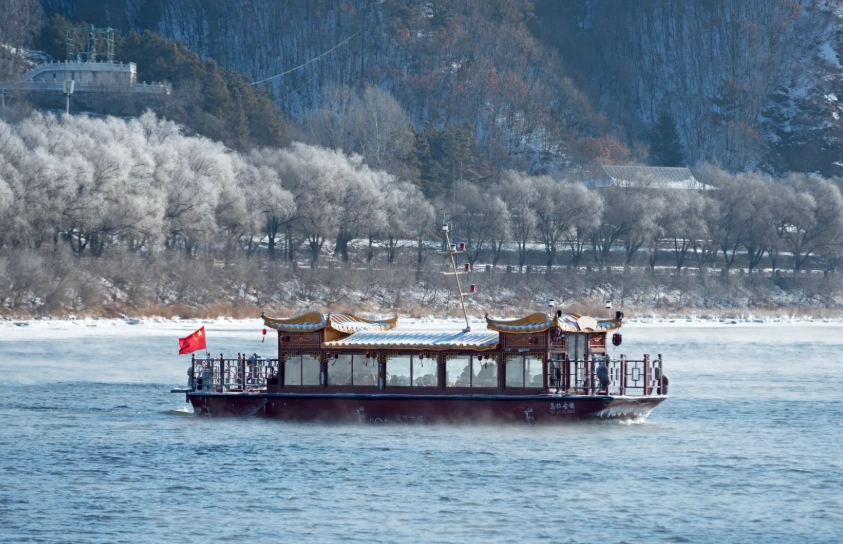
What to Eat: Dishes I Actually Order
Northeast Chinese food is heavy, sour, sweet and enormous — order one dish fewer than you think you need.
- Guo bao rou — pork slices in a sweet-sour glaze, crisp when it lands and soft ten minutes later. Eat it immediately. Every city in the region claims the best version.
- Laobian dumplings in Shenyang — an institution on Zhongjie, touristy but genuinely good, with a queue at dinner. Picture menu available, cards usually accepted at the main branch, and I always order the steamed pork and shrimp.
- Xita Korean Town in Shenyang — the city's Korean-Chinese neighbourhood. Cold noodles, barbecue and small shops. Better at lunch than dinner.
- Guilin Road in Changchun — skewers, fried chicken, milk tea. It only comes alive after seven in the evening.
- Yanji cold noodles and charcoal barbecue — the actual reason to put this city on your route.
On price: a solid sit-down dinner for two in this region lands somewhere between a fast-food meal and a mid-range Western restaurant. A bowl of noodles is cheap enough that you will not bother checking the bill.
On payment: Alipay and WeChat Pay linked to an international card now work in most restaurants. Small family places may only take domestic QR codes or cash. Carry a few hundred yuan and do not assume it will be welcomed warmly, because staff sometimes cannot make change for a large note. English menus are rare outside Yanji and international hotels. A translation app with a camera mode solves this in seconds.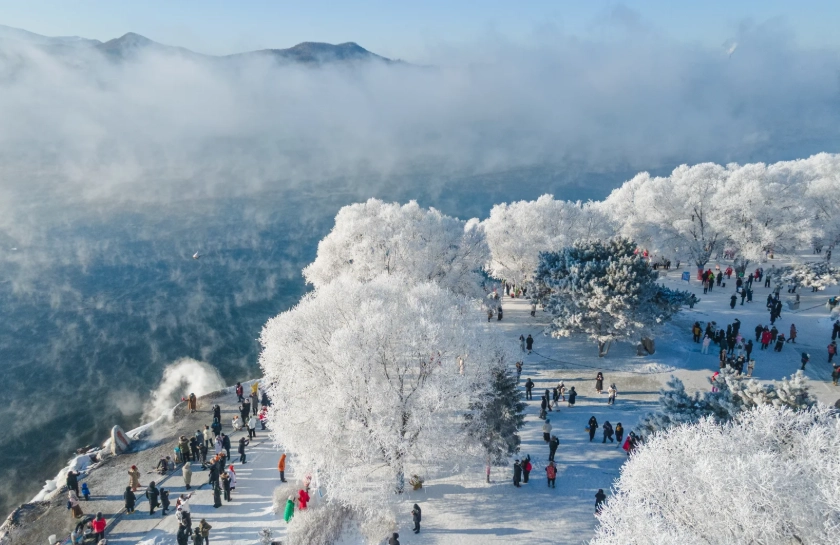
A 7-Day Itinerary That Leaves Room to Breathe
This is a working itinerary, not a checklist — no day requires you to be on a train before breakfast and in a museum after dark.
- Day 1 — Land at Shenyang Taoxian. Metro Line 2 reaches the city; a taxi to the Qingnian Street area takes thirty to forty minutes depending on traffic. Check in, walk Zhongjie at dusk, eat in Xita.
- Day 2 — Imperial Palace at opening. Walk to the Zhang residence, lunch nearby, then the Liaoning Provincial Museum in the afternoon if it is not Monday. Dumplings for dinner.
- Day 3 — Morning train from Shenyang North to Changchun West, about ninety minutes. Drop bags, then the Puppet Emperor's Palace in the afternoon. Guilin Road for dinner.
- Day 4 — Morning train from Changchun to Jilin City, forty minutes. Afternoon along the Songhua River. Sleep in the city, or move out to Rime Island if the forecast is strong.
- Day 5 — Up before dawn for rime. Back in the city by late morning. Afternoon train to Yanji, roughly two hours. Barbecue for dinner.
- Day 6 — Yanji morning market, a long lunch, cafés near the university. Evening train or bus toward Erdaobaihe for Changbai Mountain.
- Day 7 — Changbai Mountain north slope, earliest slot, straight up to Heaven Lake. Fly out from Changbaishan Airport or train back toward Changchun.
Only five days? Cut Changchun and Changbai Mountain, and do Shenyang, Jilin City and Yanji. Got ten? Add a second night in Yanji and a border day toward Tumen or Hunchun. Check current permit rules locally before you build that in, because they change.
Rain, Fog and Minus Twenty-Five: Your Plan B
The northeast does not negotiate with your itinerary, so build the indoor alternatives in before you need them.
For a wet day in Shenyang, the Liaoning Provincial Museum and the Sept 18th History Museum both work, and a long lunch in a mall restaurant complex works even better. For fog on Changbai Mountain, do not force it. The hot springs and the waterfall area still function in poor visibility, and the volcanic ground itself is worth the trip. For extreme cold, the kind where your phone shuts down on the walk between the car and the gate, shorten every outdoor block by half, add a café stop between each one, and buy chemical hand warmers at any convenience store. They cost almost nothing and they save the day.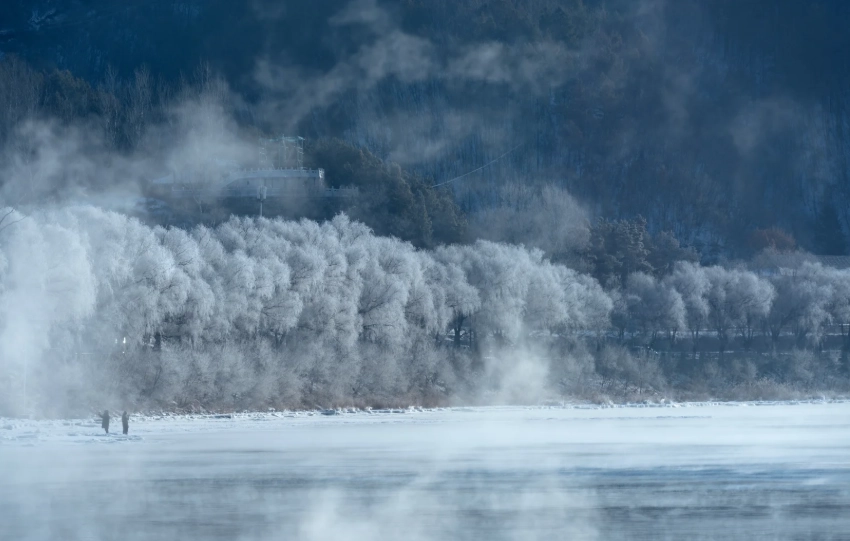
Payments, Apps and Passports: The Boring Stuff That Ruins Trips
Two things decide whether this trip runs smoothly or badly: your payment setup and your passport registration.
Test your payment app on day one with something small. Do not wait until you are standing at a ticket window with a queue behind you. Museum cashiers, small restaurants and rural guesthouses frequently cannot take a foreign card, and cash is legal but occasionally awkward to use.
Google Maps is not reliable in mainland China for navigation. Apple Maps works reasonably well, and Amap, the English-friendly version of Gaode, is what locals actually use. Keep every address saved in Chinese characters on your phone, because you will need to show it to a driver. On that note, DiDi is available in English through the Alipay mini-program and through the standalone app, and it removes the entire problem of explaining your destination out loud.
Carry your passport physically at all times. In China it is your ticket, your ID and your hotel registration document at once. Hotels register you with the local police automatically, and they will ask for it at check-in.
Visa rules for China change frequently, including the transit visa-free schemes and the unilateral visa-free lists. Check the National Immigration Administration before you book anything, and keep a screenshot of the relevant page on your phone, because airline check-in staff sometimes read the rule differently than the border does.
Questions I Get Every Week
Can I do a Shenyang and Jilin tour independently without speaking any Chinese?
Plenty of people do it every winter without a word of Mandarin. The two moments that will hurt are timed-ticket bookings and station counters. Route both through Trip.com, keep your hotel name and address in Chinese characters on your phone, and let an international hotel's front desk handle any Chinese-only mini-program for you. They generally will, and it takes them two minutes.
My card was declined at a ticket window in Changchun. What happened?
Most ticket windows run on domestic payment terminals. Foreign cards work at international hotels, airports and large malls, but a museum cashier has no reason to keep a Visa terminal on the counter. Alipay and WeChat Pay linked to your foreign card fill that gap almost everywhere. Set them up before departure and keep a few hundred yuan in cash for the exceptions.
Is Changbai Mountain worth the trip if Heaven Lake is covered in fog?
I would still go, but go with the right expectation. A large share of visitors never see the lake — it is a mountain, not a museum. The waterfall, the hot springs and the volcanic ground on the north slope stand on their own. If you have flexibility, keep Changbai as the last day of the trip so you can shift it when the forecast turns.
How do I reach Rime Island without joining a tour group?
Take a DiDi or taxi from Jilin City, roughly forty to sixty minutes, and leave the city before 5:30 a.m., or sleep on the island in a farmhouse guesthouse. Check the rime forecast first, though. The river embankment inside Jilin City produces rime on the same mornings with none of the drive, and I have taken plenty of good photographs there.
Should I visit Shenyang and Jilin in winter or summer?
They are two different trips. Winter gives you rime ice, quiet museums and serious cold that limits how long you can stay outside. Summer gives you Changbai Mountain's alpine meadows and long, easy evenings, but no rime and heavier domestic crowds. If rime ice is the reason you are coming, come in the coldest window. If Changbai Mountain is the reason, come in summer.
Verified and fact-checked by the editorial team.
No comments yet.