 Jing Song
Wrong square. Wrong station. Forty minutes to departure.
That was a morning I would rather forget at Shenyang North — a family of four, three suitcases, and a ticket that said Shenyang Station. Different building. Six kilometers away. The taxi queue outside was already twenty minutes deep.
I have booked, rebooked and rescued clients at these stations for years, and I still read the station name twice on every ticket. So here is the Liaoning train station guide I hand over before anyone books anything: which station to pick, how the passport gate really works, and which exit to walk out of.
Short version first. Shenyang North and Shenyang Station are not the same place. Your passport is your ticket, and there is nothing to print. And the one habit that saves the most time is this: screenshot your station name and hotel address in Chinese characters before you leave your hotel Wi-Fi.
Jump to whichever section matches your trip.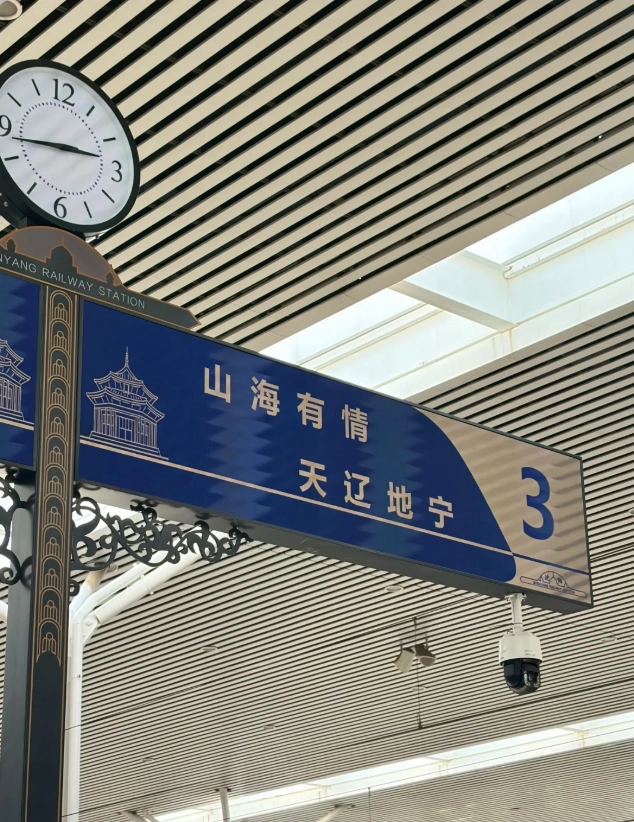
Quick Navigation — Start Where It Hurts
- Liaoning Train Stations at a Glance
- What Is a Liaoning Train Station Guide Actually Telling You?
- How Do You Buy Tickets and Board With a Foreign Passport?
- How Do You Get From the Station to Your Hotel?
- The Mistakes I See Foreigners Make Every Week
- A 24-Hour Shenyang Layover Built Around Shenyang North
- Where to Eat Near the Main Liaoning Stations
- FAQ: Liaoning Train Station Questions I Answer Every Week
Liaoning Train Stations at a Glance
Liaoning sits on the spine of northeast China's rail network. Two high-speed lines do most of the work for visitors. The Harbin–Dalian line runs south through Shenyang, Liaoyang, Anshan, Yingkou and Dalian. The Beijing–Shenyang line drops you into Shenyang North from the capital. A third line, Shenyang–Dandong, heads east toward the North Korean border.
The trains are fine. The names are the problem.
| Station | Chinese Name | City | Main Trains | The Gotcha |
|---|---|---|---|---|
| Shenyang North | 沈阳北站 | Shenyang | High-speed, Beijing and Harbin lines | Two squares, three kilometers apart by road |
| Shenyang Station | 沈阳站 | Shenyang | Conventional plus some high-speed | Not the same as Shenyang North |
| Shenyang South | 沈阳南站 | Shenyang | High-speed only | About 20 kilometers south of downtown |
| Dalian Station | 大连站 | Dalian | Conventional plus some high-speed | Cramped taxi rank, heavy traffic at peak |
| Dalian North | 大连北站 | Dalian | Main high-speed hub for the city | 15 to 20 kilometers north of downtown |
| Dandong Station | 丹东站 | Dandong | Shenyang–Dandong high-speed | Small, Chinese-only announcements |
| Anshan West | 鞍山西站 | Anshan | Harbin–Dalian high-speed | Far from downtown and from Qianshan |
| Yingkou East | 营口东站 | Yingkou | Harbin–Dalian high-speed | Long drive to the beach resorts |
Pro Tip: At Shenyang North, the north square and the south square are roughly three kilometers apart by road. Your DiDi pin defaults to whichever side the app guesses you are standing on. Set the pickup point manually and message your driver before you walk outside. I have watched grown adults sprint between those two squares dragging a suitcase, and the train does not wait.
What Is a Liaoning Train Station Guide Actually Telling You?
Less about trains than you would think. Liaoning's rail system is modern and reliable — the hard part is exits, gates, station names and paperwork. Get those wrong and a two-hour journey turns into a four-hour one.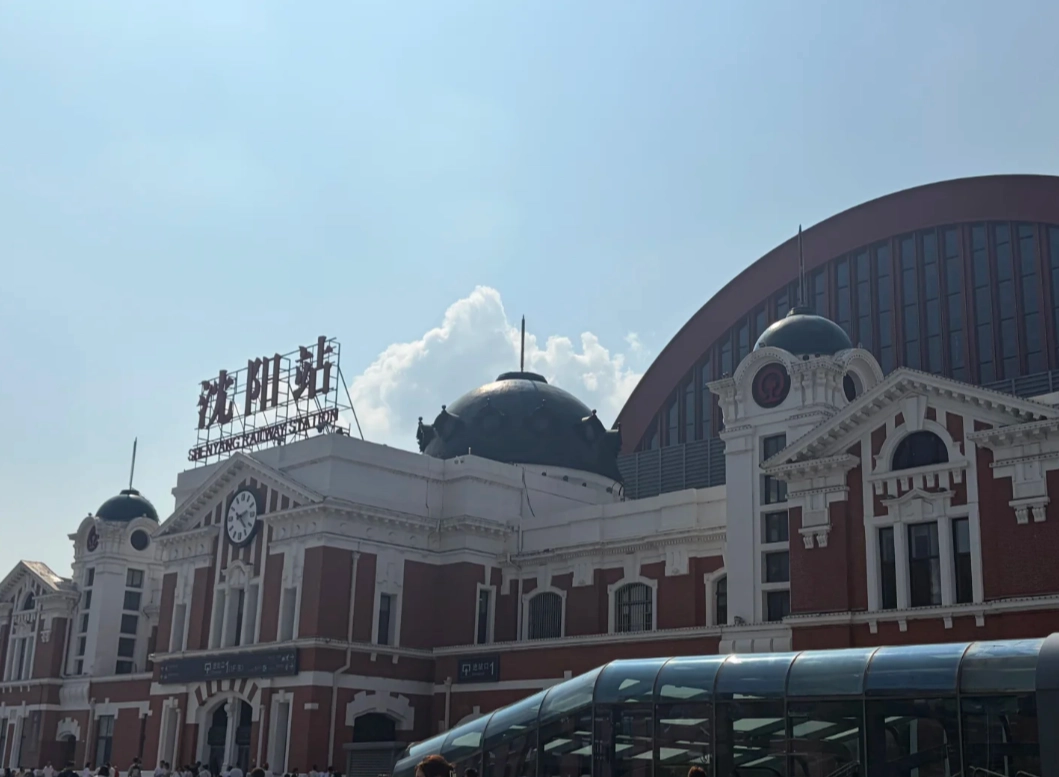
Shenyang North Railway Station
Shenyang North Railway Station is the province's busiest high-speed hub, and it is the one you will almost certainly use. From here it is roughly two and a half to three hours to Beijing Chaoyang, about two hours to Dalian North, and around three hours to Harbin West. The station sits on Beizhan Road in the city's north, and the name you show a driver is 沈阳北站.
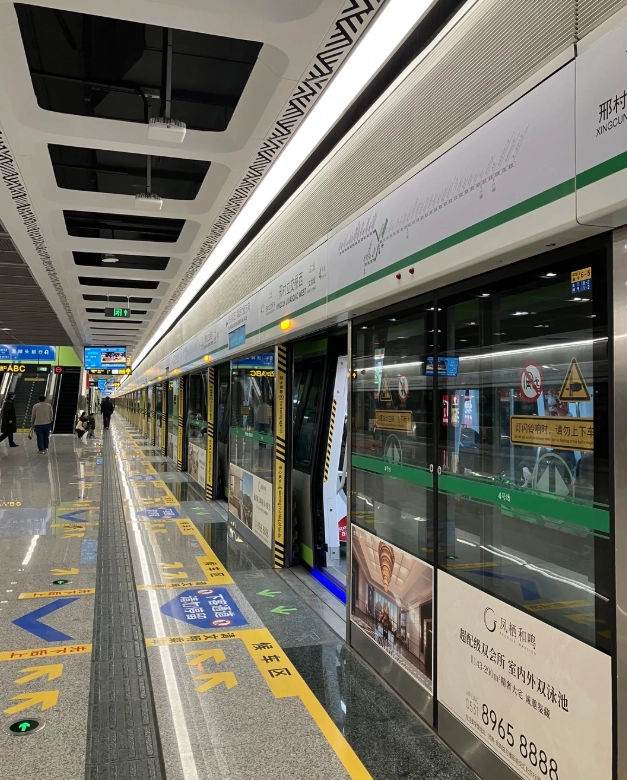
Metro Line 2 runs directly beneath the building. Follow the blue metro signs down from the arrivals level instead of walking out into the square — this is the single fastest way to leave the station area, and most visitors never notice the entrance.
Two things bite people here. The square problem above, and the departure board. Chinese stations sort trains by number, not by destination city. Two trains to Dalian can leave from opposite ends of the same hall ten minutes apart, so read the train number, not the city name.
Shenyang Station vs Shenyang South
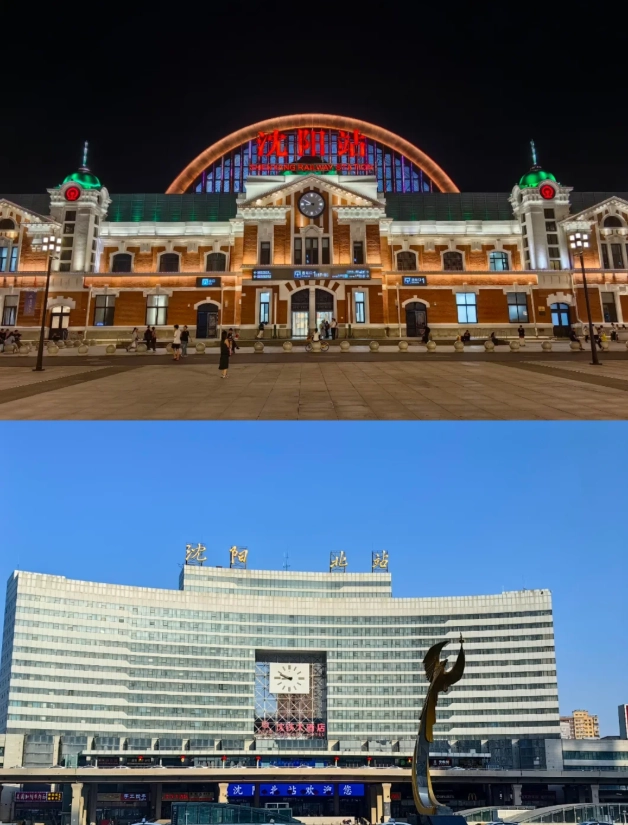
Shenyang Station is the older, handsomer building near Taiyuan Street — and it is not Shenyang North. The red-brick facade dates from the early twentieth century and takes about ten seconds to admire before you get moving. Metro Line 1 stops directly outside at a station called Shenyang Zhan, which is also how you tell taxi drivers apart from the tourists. This is the station I recommend if your hotel is around Taiyuan Street or the Imperial Palace.
Shenyang South Railway Station out in Hunnan District is a different animal: high-speed only, about 20 kilometers south of downtown, thin taxi supply, limited English signage, and almost nothing around it. I only route clients there when their hotel is in Hunnan. Everyone else should pay a little more and book through Shenyang North or Shenyang Station.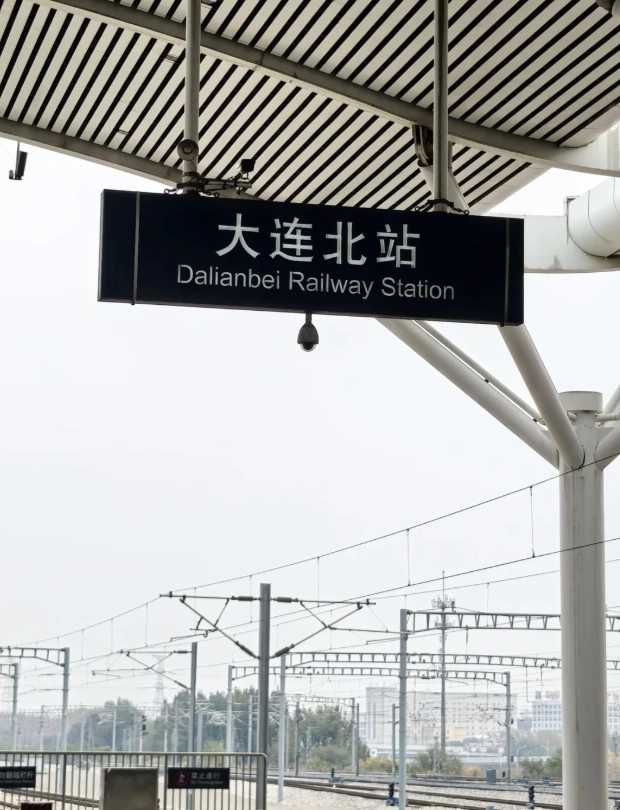
Dalian Station vs Dalian North
Most high-speed trains from Shenyang pull into Dalian North, not Dalian Station, and the two are 15 to 20 kilometers apart. Dalian Station is downtown, a short walk from the Qingniwaqiao shopping streets and Tianjin Street's food stalls, with Metro Line 3 starting right outside. Dalian North is in Ganjingzi District and connects to the city metro network, but the ride into the center takes 35 to 45 minutes in traffic.
Check the characters on your booking. 大连站 and 大连北站 differ by one character and sit at opposite ends of the city. This is the mistake I correct most often, usually by phone, usually while someone is standing in the wrong arrivals hall.
Dandong, Anshan and the Smaller Stops
Smaller Liaoning stations are where English quietly disappears. Dandong Station is a 10 to 12 minute walk from the Yalu River Broken Bridge, and the high-speed run from Shenyang takes about an hour and a half — one of the most rewarding short trips in the province. Anshan West is 15 to 20 kilometers from downtown Anshan, so if Qianshan Mountain is your goal, arrange a car in advance rather than hoping for a taxi at the exit. Yingkou East is a long way from the beach resorts, which surprises people every summer.
At these stations, announcements are usually Chinese-only and staff may not speak English. Have your destination written in Chinese on your phone before you arrive.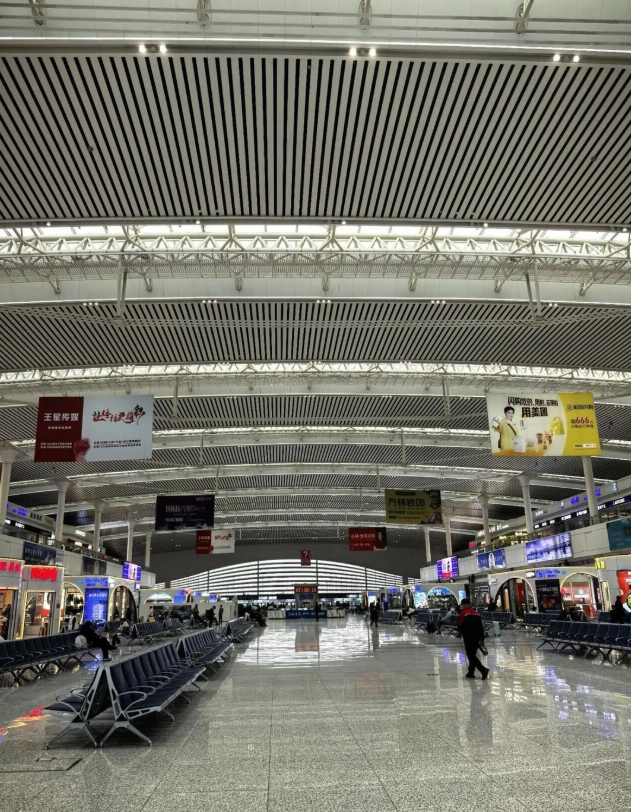
How Do You Buy Tickets and Board With a Foreign Passport?
This is the part that makes people nervous, and honestly it is simpler than it looks once you know which lane to stand in.
Booking Channels That Work With a Foreign Passport
Book through China Railway's own 12306 platform or through Trip.com — not through a random reseller. The official China Railway 12306 platform has an English interface and accepts international cards. Trip.com charges a small service fee but handles passport verification in English, which matters on the days when the 12306 app decides it does not like your name format.
Tickets typically go on sale about 15 days ahead. Around Spring Festival travel and national holiday windows, Shenyang–Dalian seats vanish within minutes of release. Set a reminder and book the moment sales open.
Enter your passport number exactly as printed. One wrong digit and the gate rejects you, which means a detour to the ticket office and a conversation in Mandarin you were not planning to have.
Security and Boarding, Step by Step
- Arrive 45 to 60 minutes early at Shenyang North, Shenyang Station or Dalian North. Thirty minutes is plenty at Dandong or Anshan West.
- Your passport is the ticket. Walk to the staffed lane at the far left or far right of the gate bank, because the automatic gates rarely read foreign passports cleanly.
- Bags go through X-ray. Lighters, flammable liquids and aerosols get confiscated. Power banks with no printed capacity label are sometimes pulled aside, so bring one with the numbers visible on the casing.
- Only ticket holders enter the waiting hall. Find your train number on the big board, note the gate letter, then sit near that gate — the hall is enormous and the walk can take five minutes.
- Boarding gates usually open 15 to 20 minutes before departure and close five minutes before. At intermediate stations the train may stop for only two or three minutes.
- There are no porters. Luggage goes overhead or on the racks at the end of each carriage.
Insider Advice: Station Wi-Fi in China almost always asks for a Chinese mobile number and an SMS code, which makes it useless for most foreign SIMs. Download offline maps, your hotel address in Chinese, and a screenshot of your booking before you walk through the doors.
Pro Tip: Yes, navigating a WeChat mini-program in pure Chinese to reserve a timed entry slot is a nightmare even for me. Do not fight it. Ask your hotel receptionist to book it on their phone, or reserve the same slot on Trip.com in English. It costs a few extra yuan and saves an hour of frustration.
How Do You Get From the Station to Your Hotel?
Here is the honest comparison, with real-world timing rather than optimistic map estimates.
| From | To | Best Option | Time | Est. Cost |
|---|---|---|---|---|
| Shenyang North | Shenyang Imperial Palace | Metro Line 2 to Qingnian Dajie, transfer to Line 1 toward Zhongjie, then walk | 25 to 30 min | 2 to 4 RMB |
| Shenyang North | Taiyuan Street hotels | DiDi or metered taxi | 15 to 20 min | 20 to 28 RMB |
| Shenyang Station | Zhongjie Pedestrian Street | Metro Line 1 direct to Zhongjie | 12 min | 2 to 3 RMB |
| Dalian North | Zhongshan Square | DiDi | 35 to 45 min | 40 to 55 RMB |
| Dalian Station | Tianjin Street food stalls | Walk out the south exit | 10 min | Free |
| Dandong Station | Yalu River Broken Bridge | Walk | 10 to 12 min | Free |
Treat every fare as an estimate. Metered rates in Chinese cities are adjusted periodically, and traffic in Dalian can double a short ride.
Taxis, DiDi and the Metro
Use the marked official taxi rank outside, or open DiDi inside the hall and wait for your driver. Anyone who approaches you in the concourse asking whether you need a taxi is not your friend. The usual script is that the official queue is closed or the meter is broken, followed by a flat price several times the real fare.
Drivers rarely speak English. Show the Chinese address, not the English one, and keep it on screen rather than reading it aloud. Set up Alipay or WeChat Pay with your international card before you land — most drivers now take QR payment only, and cash in small notes is a backup, not a plan.
Metro fares in Shenyang and Dalian run about 2 to 4 RMB. Alipay's transport QR works on most lines; if it fails, the ticket machines accept cash and give change. One warning that costs people real time: Google Maps is unreliable in mainland China. Use Apple Maps or a China-friendly English navigation app instead, and cross-check the Chinese station name against your ticket.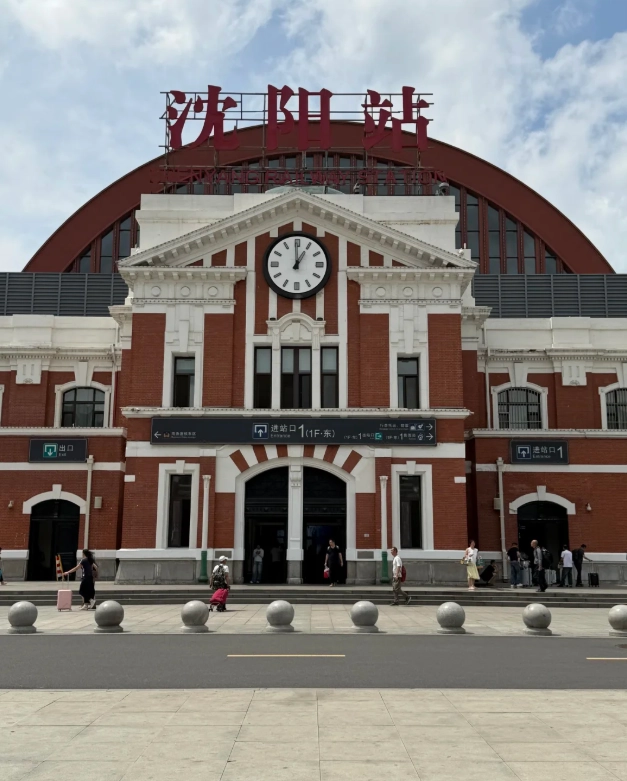
The Mistakes I See Foreigners Make Every Week
- Booking a train from Shenyang Station when the hotel is beside Shenyang North, then discovering the two are six kilometers apart.
- Arriving 20 minutes before departure during a holiday rush. The security line alone can eat 15 minutes.
- Assuming the taxi takes Visa or Mastercard. Set up mobile payment before arrival.
- Standing in the automatic gate queue with a passport in a zipped bag. Use the staffed lane with the passport already in hand.
- Expecting English announcements. Major stations have bilingual signage, but spoken announcements are often Chinese-only.
- Buying a first-class ticket expecting an airport-style lounge. Most Liaoning stations offer only a basic VIP room, and access rules vary by station.
- Forgetting that the Chinese name of your hotel is the only thing a driver can actually use.
Now, the contrarian bit. Almost every guide tells you to take the metro everywhere to save money, and for daytime trips that is right. But if you are arriving at Shenyang North after 21:00 with luggage, I tell clients to take a DiDi instead. Metro service in Shenyang generally winds down between 22:30 and 23:00, the walk from the platform to the street exit with bags is longer than it looks, and the station area empties out fast at night. Twenty-five yuan for a calm arrival beats saving twenty and sprinting for a last train.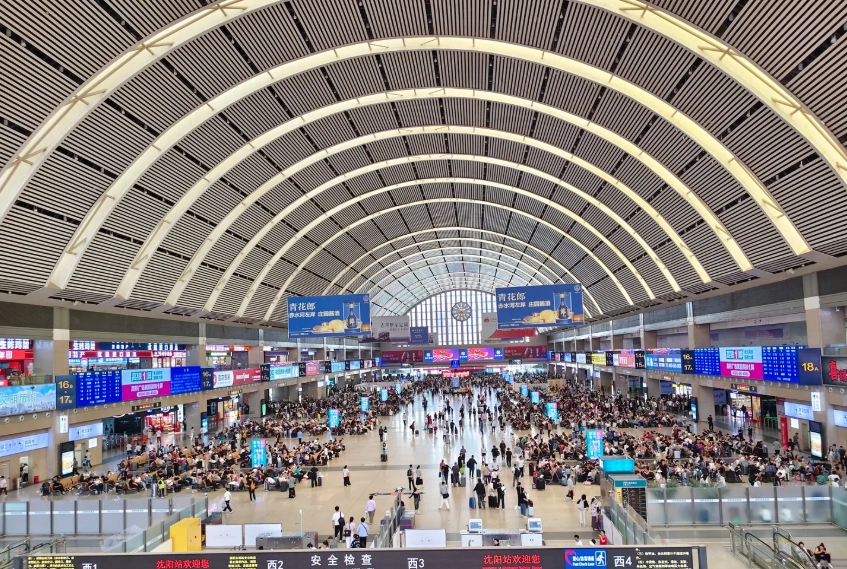
A 24-Hour Shenyang Layover Built Around Shenyang North
Assume you land at Shenyang North at breakfast time and leave the same evening. Here is how I would spend it, with realistic transfer times.
- 08:10 — Drop your bags. Left-luggage counters sit near the station exits, roughly 10 to 20 RMB per bag per day. Keep the paper receipt; you will need it to collect.
- 08:30 — Metro toward the old city. Line 2 south to Qingnian Dajie, transfer to Line 1 eastbound, get off at Zhongjie. About 25 minutes door to door including the transfer.
- 09:00 — Shenyang Imperial Palace. Tickets run roughly 50 to 60 RMB with student and senior discounts, and your passport is the ID for those discounts. The palace is part of UNESCO's World Heritage listing for the imperial palaces of the Ming and Qing dynasties. It is typically closed on Mondays outside public holidays, so confirm before you commit. Bring your passport for the entry check.
- 11:30 — Lunch on Zhongjie. Sit down, rest your feet, and eat slowly. This is a marathon, not a sprint.
- 13:00 — Marshal Zhang's Mansion. A ten-minute walk from the palace, with a completely different atmosphere — a warlord's residence rather than an emperor's. Budget 40 to 60 RMB.
- 15:00 — Back to the palace area or a museum. Here is the non-consensus advice: the tour-group crush at the Imperial Palace hits hard between 10:00 and 14:00. If you can flip your day and visit after 15:00, the courtyards thin out and the light on the yellow roof tiles is far better for photos.
- 17:00 — Shenyang barbecue. This city takes grilled meat seriously. Expect 60 to 100 RMB per person, and expect the bill to be paid by phone.
- 19:30 — Collect bags and head back. Aim to be inside Shenyang North 45 minutes before departure.
Rain or brutal heat? Swap the outdoor blocks for the Liaoning Provincial Museum in Hunnan District, free with a passport and closed Mondays, or the 9.18 Historical Museum, also free and also closed Mondays. Both are indoor, both are serious collections, and both need a reservation slot booked in advance.
Running on three hours of sleep? Cut everything after the palace. Eat, walk the old streets, and go back. Nobody regrets skipping a museum they were too tired to enjoy.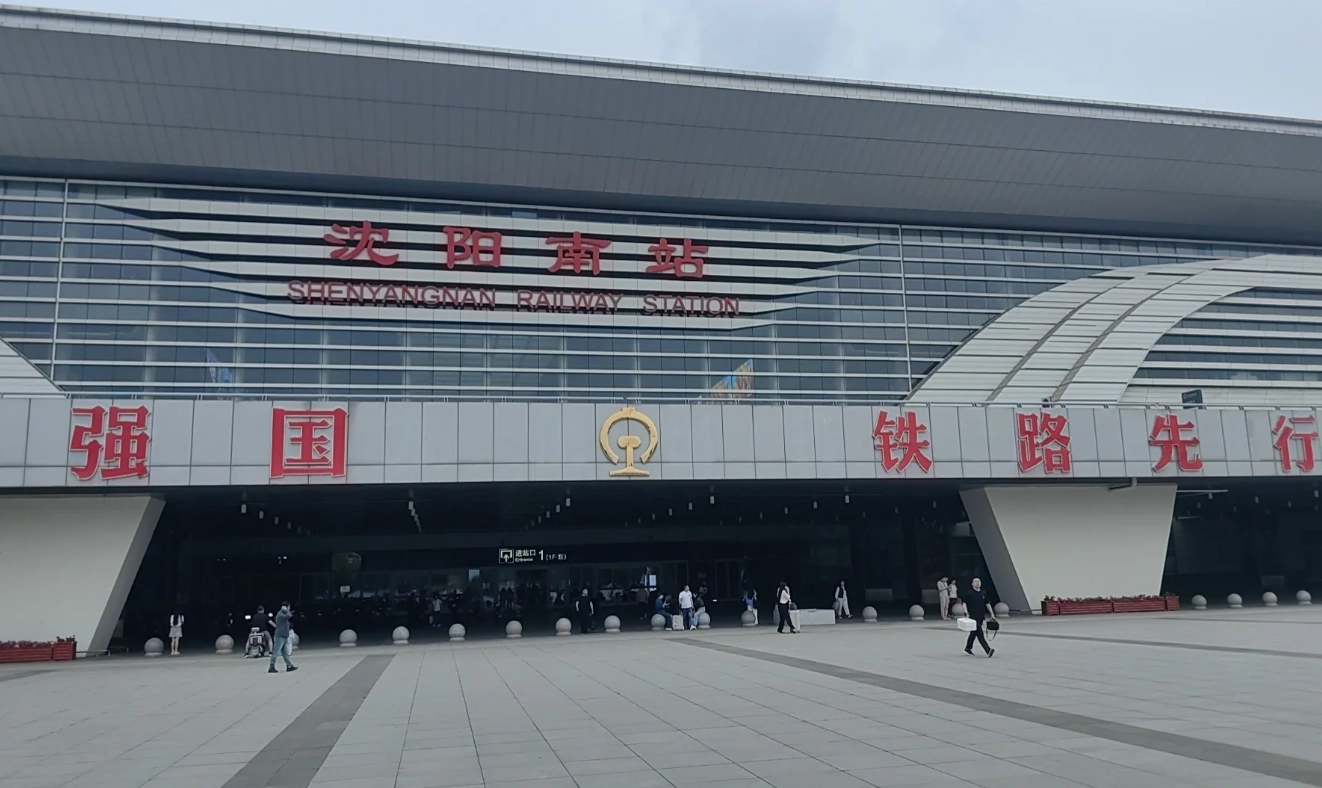
Where to Eat Near the Main Liaoning Stations
Shenyang
Skip the food court inside the station and take the metro two stops. The concourse options near Shenyang North are chain-heavy and overpriced — fried chicken, noodle chains, and instant noodles with free hot water. Fine at midnight, forgettable at noon.
- Lao Bian Dumplings on Zhongjie: the classic Shenyang dumpling house. Expect a 20 to 30 minute wait at peak lunch, roughly 50 to 80 RMB per person for a proper spread, and QR-only payment. No English menu at every branch, but the photo menu is easy enough to point at.
- Lao Siji pulled noodles: a city-wide institution, 15 to 25 RMB a bowl, open late, and the kind of place where you sit, eat and leave. Ask your hotel for the nearest branch.
- Shenyang-style barbecue around Taiyuan Street: order beef ribs and cold noodles. Portions are large; two people ordering three dishes is usually enough.
Dalian
Tianjin Street, a 10-minute walk from the Dalian Station south exit, is where I send clients for seafood. Grilled squid skewers run 10 to 20 RMB, sea urchin is 30 to 60 RMB depending on season, and menzi — a fried starch cake with garlic sauce — is the cheap local snack worth trying once.
Peak hours are 18:00 to 20:30, when the whole street is shoulder to shoulder. Go at 17:00 and you will eat without queuing. Some stalls are cash-only, so carry 50 to 100 RMB in small notes, and confirm the price per item before ordering rather than after.
FAQ: Liaoning Train Station Questions I Answer Every Week
Can I board a Liaoning train with only my passport, or do I need a paper ticket?
Your passport is the ticket. There is nothing to collect at the counter and nothing to print, because the booking is linked to your passport number in the system. The only exception is a reimbursement receipt, which is a separate document entirely. Keep the passport in your hand rather than your backpack at the gate — the staffed lane moves quickly and fumbling costs you your place in a queue that has no patience for it.
Is Shenyang Station or Shenyang North closer to the Imperial Palace?
Shenyang Station wins, and it is not close. It sits roughly 2.5 kilometers from the palace, which is a 10 to 15 RMB taxi or a 20-minute walk. Shenyang North is closer to 4 kilometers and requires a metro ride with a transfer. If you are choosing a station purely for sightseeing convenience, book Shenyang Station. Just make sure your hotel is actually near it, because the two Shenyang stations are frequently confused even by locals giving directions.
What happens if I miss my train?
Go straight to the ticket office rather than the gate. China Railway generally allows one free rebooking to a later train on the same day when seats are available, which is far better than it sounds. If you want a refund instead, the tiers run roughly free beyond eight days before departure, five percent within 48 hours to eight days, ten percent within 24 to 48 hours, and twenty percent inside 24 hours. Confirm the current figures at the counter, because these rules do get adjusted.
Are the drivers who approach me inside the station legitimate?
No. The pattern is predictable: someone walks up in the concourse, says the official taxi queue is closed or the meter is broken, and quotes a flat price. A 20 RMB ride becomes 200. Walk outside to the marked rank or open DiDi in the hall and meet the driver at the pin. If you do take a street taxi, insist on the meter and watch it start at the base fare.
Do I need a VPN to use my phone at Liaoning stations?
For Google, WhatsApp, Instagram and most Western apps, yes — install and test it before you fly, not after you land, because the download itself often requires it. Station Wi-Fi typically demands a Chinese mobile number for SMS verification, so plan on mobile data instead. A tourist SIM from the airport or a travel eSIM is the practical answer. For entry rules and visa-free transit eligibility, the National Immigration Administration publishes the current policy, and it is worth reading before you book flights.
Verified and fact-checked by the editorial team. This content has been fact-checked to ensure informational precision.

No comments yet.