 Qiang Huang
Two hours. That is how long a client of mine stood inside Qufu East railway station, passport in hand, watching her train slide away without her.
She had booked nothing. Not the train. Not the temple. Not the mountain hotel.
Shandong does not reward improvisation. Tickets sell out, cable cars shut down in high wind, and the summit of Mount Tai is genuinely cold at four in the morning. So the Shandong travel tips I hand out now start with the unglamorous stuff — trains, passports, payment apps — long before they get to the sunrise.
If you are worried about high-speed rail bookings, passport-only ticket gates, or whether your Visa card will work in a noodle shop, you are asking exactly the right questions.
Here is the conclusion up front. Shandong's high-speed rail loop — Jinan, Tai'an, Qufu, Qingdao — lets you see four cities in a week with no domestic flight and no overnight bus. Book every train the moment your dates lock, keep your passport in your pocket at all times, and set up Alipay before you board the plane. Do those three things and the province opens up like a door.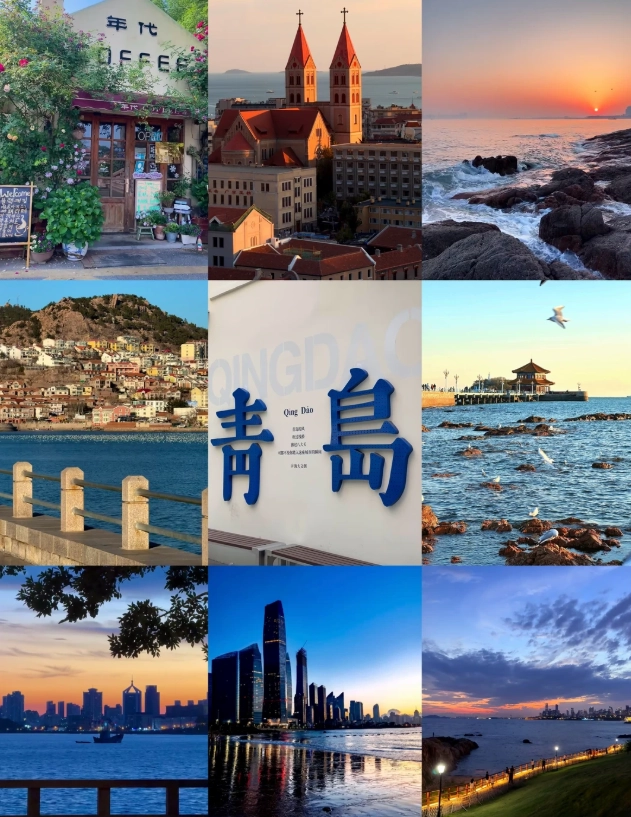
Everything below is the version I actually run with paying clients.
What's in This Guide
- How do you get around Shandong without wasting a day?
- Which order should you visit Shandong's cities in?
- Mount Tai travel tips: tickets, timing and the cable car trap
- Qufu travel tips: the Confucius sites in the right order
- Qingdao travel tips: old town, beer and the beach warning
- What to eat in Shandong and where to eat it
- Where to stay in Shandong: areas, prices and Wi-Fi
- How do you pay, book and navigate in Shandong?
- A 7-day Shandong itinerary with a rainy day backup
- Shandong travel questions I answer every week
How Do You Get Around Shandong Without Wasting a Day?
Shandong's high-speed rail network is the reason this province is easy for foreigners — and it is also where most of them lose an hour they never get back.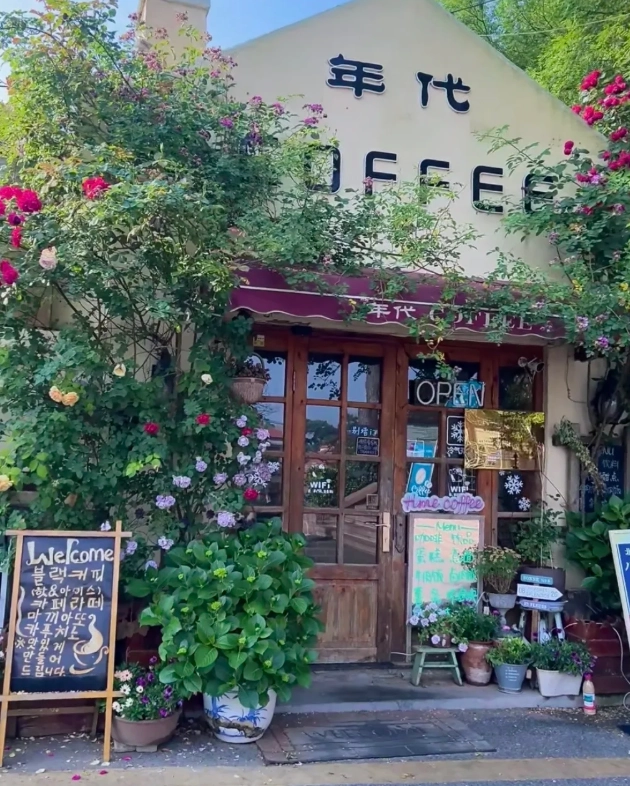
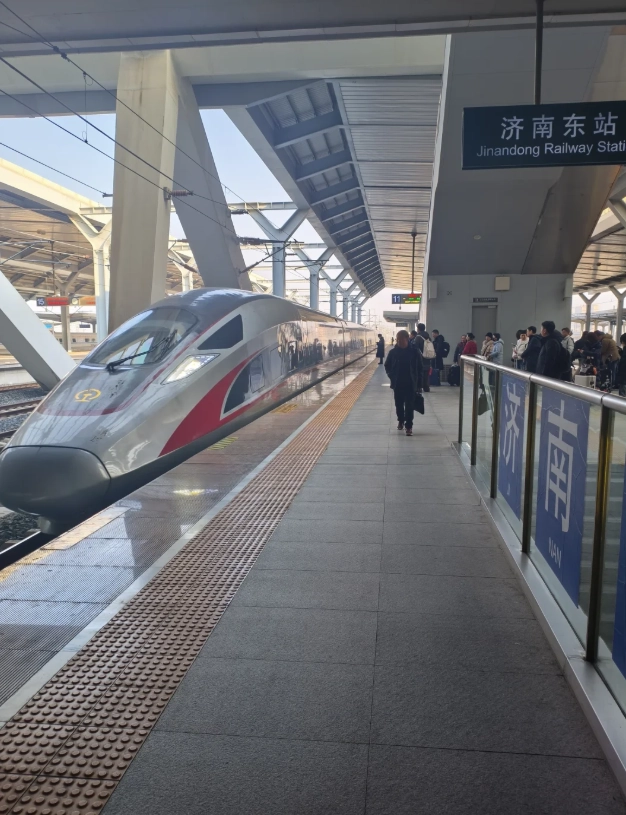
The Beijing–Shanghai line cuts through the west of the province, serving Tai'an and Qufu East. The Jinan–Qingdao line runs east to the coast. Trains leave every twenty to thirty minutes on the busy corridors, they arrive on the minute, and a second-class seat costs a fraction of what the same distance costs in Europe.
The trap is station names, and it is worse than you think. Jinan has three stations: Jinan West, Jinan Station and Jinan East. Almost every high-speed service uses Jinan West, which sits thirty to forty minutes from the spring district by metro or taxi. Tai'an also has two. Tai'an Station is on the high-speed line and about twenty-five minutes from the mountain. Taishan Station is the old conventional-rail stop and much closer to the Red Gate trailhead. Book the wrong one and you add a taxi ride and a lot of stress.
Pro Tip: Before you pay for any train, read the station name in pinyin, not just the Chinese characters. Jinanxi means Jinan West. Taishan is not Tai'an. I have watched travellers sprint between the two Tai'an stations with luggage, and nobody has ever made it.
For booking, use China Railway's official 12306 platform at 12306.cn or the 12306 app, which now has an English interface. Trip.com is the friendlier option if you would rather not wrestle with a Chinese account system, and it sells the same seats for a small service fee. Both require your passport number, and your passport is also your ticket — you tap it at the gate instead of scanning a QR code.
Here is a detail that catches people out. Some automatic gates reject foreign passports entirely. When that happens, do not queue again. Walk to the staffed lane at the far left of the gate bank and hand the passport to an attendant. Budget an extra ten minutes for this on your first train, and arrive at the station thirty-five to forty minutes before departure, because security screening is mandatory and the boarding gates close five minutes before the train leaves.
| Route | Fastest option | Typical travel time | Approx. second-class fare | Notes |
|---|---|---|---|---|
| Jinan to Tai'an | High-speed rail | 20 to 25 minutes | ¥30 to ¥40 | Arrive at Jinan West, not Jinan Station |
| Tai'an to Qufu East | High-speed rail | 25 to 35 minutes | ¥40 to ¥55 | Qufu East is 10 km east of the old town |
| Qufu East to Qingdao | High-speed rail | 2.5 to 3.5 hours | ¥200 to ¥250 | Routing varies; some services detour via Jinan |
| Jinan to Qingdao | High-speed rail | 1 hour 40 to 2 hours 20 | ¥120 to ¥200 | G trains are faster and pricier than D trains |
| Qingdao city to Jiaodong Airport | Metro Line 8 or airport express | 50 to 70 minutes | ¥7 to ¥30 | Check the last train time on AMap before you commit |
Fares shift with train class and departure time, so treat every number in that table as a planning estimate and confirm on the day.
Which Order Should You Visit Shandong's Cities In?
Fly into Jinan and fly out of Qingdao. Doing it the other way round is the single most common planning error I see.
Qingdao Jiaodong International Airport handles far more international routes than Jinan Yaoqiang, and ending your trip on the coast means you finish with seafood and a cold beer instead of a stressed taxi ride to a domestic terminal. The natural loop runs Jinan, then Tai'an, then Qufu, then Qingdao.
The one awkward leg is Qufu East to Qingdao. It is the longest hop in the province, and some services loop back through Jinan, which adds time. If the timetable does not suit you, backtrack to Tai'an or Jinan and pick up a faster coastal train from there.
What I tell people to resist is adding Yantai and Weihai. Both are genuinely lovely, and both will eat two extra days each once you count the transfers. On a seven-day trip, four cities is already ambitious. On a ten-day trip, add Weihai and drop a night in Jinan.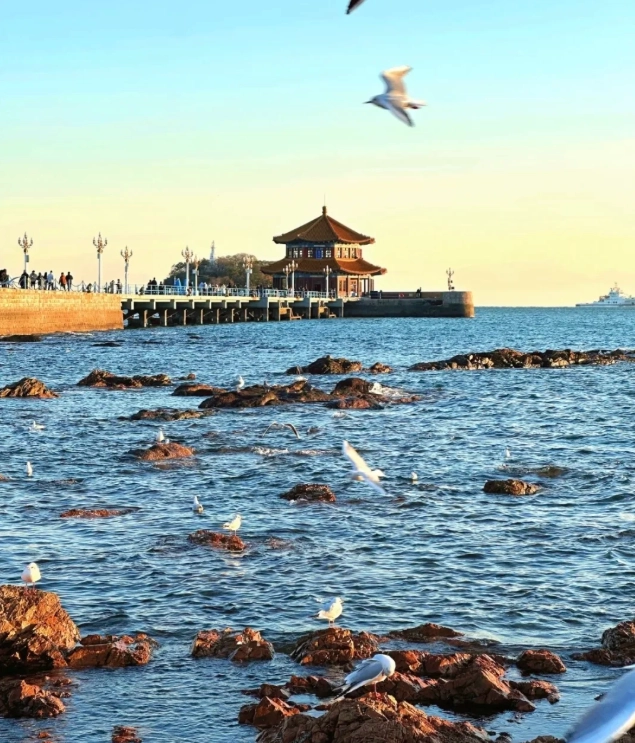
Mount Tai Travel Tips: Tickets, Timing and the Cable Car Trap
Mount Tai carries a UNESCO World Heritage listing, and it earns it — the stone inscriptions along the climb go back well over a thousand years. It is also the most physically demanding thing on most Shandong itineraries, and the place where bad planning hurts the most.
What Time Should You Start Climbing Mount Tai?
Skip the midnight start. Go up in the afternoon, sleep near the summit, and walk down after sunrise — the crowds move the other way.
The midnight hike sounds romantic and mostly is not. You reach the top around three in the morning, in wind and near-freezing temperatures, standing shoulder to shoulder with thousands of people who had the same idea, queuing for a rental coat that smells like everyone who wore it before you. Then you are wrecked for the next day of your trip.
My version: enter at Tianwai Village around one or two in the afternoon, take the shuttle bus to Zhongtianmen, then walk the eighteen bends in the afternoon light. The carved inscriptions on the cliff face to your right catch the sun beautifully at that hour, and you will have whole stretches of stone steps to yourself.
If you are not staying overnight, start at six thirty in the morning. Cable car up, walk the ridge, and be back at the base by early afternoon, ahead of the tour-group surge that arrives after lunch.
One more thing about sunrise. Everyone piles onto Riguang Peak, and the crush is genuinely unpleasant. The ridge path just below Yuhuang Ding faces the same direction with a fraction of the people, and you can actually put your camera down without someone stepping on it.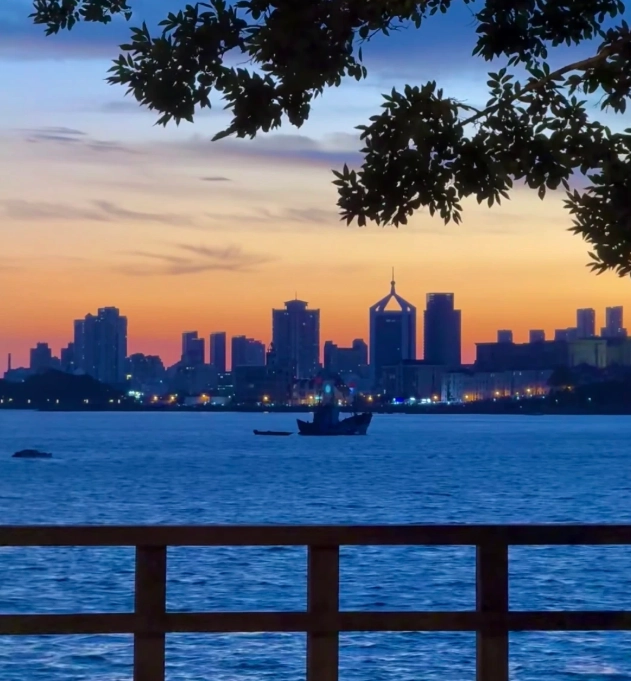
How Much Does Mount Tai Cost and How Do You Book?
Entry runs roughly ¥115 in peak season and slightly less in winter. The cable car is about ¥100 one way, and the shuttle bus to the midway point is around ¥30 to ¥40.
Bring your passport — the ticket is tied to it, and there is no way around that. You can buy at the gate or in advance through Trip.com, which is easier if you do not read Chinese. Confirm the current price on the official scenic-area account or at the gate before you travel, because these numbers do move.
- The cable car stops running in high wind. If it closes, walking down takes two hours or more, so leave a buffer if you have a train to catch.
- The toilet block near Zhongtianmen is the worst on the mountain and the queue peaks mid-morning. Use the facilities at the Red Gate or Tianwai Village before you start.
- The stone steps have been polished smooth by centuries of feet and turn genuinely slippery in rain. Flat soles with grip beat fashion shoes every time.
- Summit hotels are basic and pricey for what they are. Book early, especially around weekends and public holidays.
Qufu Travel Tips: The Confucius Sites in the Right Order
Qufu is a small town that happens to hold one of the most important cultural sites in East Asia: the Temple and Cemetery of Confucius and the Kong Family Mansion, all under a single UNESCO World Heritage listing.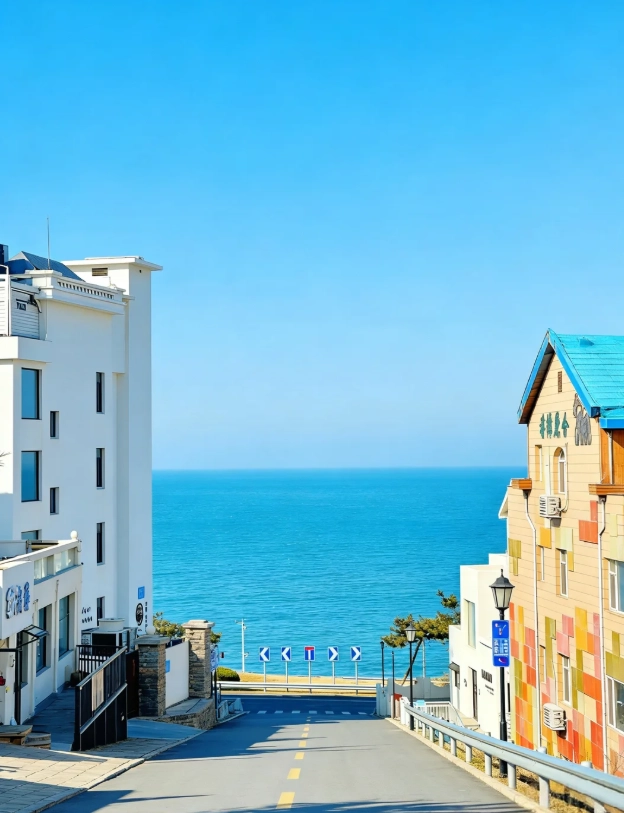
What Is the Best Order for the Three Confucius Sites?
Start at the Cemetery when it opens, then the Mansion, then the Temple — the exact reverse of what most tour groups do.
The Temple and the Kong Family Mansion sit side by side in the old town, five minutes apart on foot. The Cemetery is about one and a half kilometres north, a twenty-minute walk or a short taxi ride. A combined ticket covering all three costs roughly ¥140 to ¥150 and works out cheaper than buying separately. Your passport is required, and the combo is available on Trip.com in English.
Tour buses hit the Temple between nine and eleven thirty in the morning. If you go to the Cemetery first thing, you get the long cypress avenue in mist with almost nobody on it, which is the single most atmospheric moment in Qufu. Then work back through the Mansion and reach the Temple either right at opening or after three in the afternoon.
Where Do You Get the Best Photos in the Confucius Temple?
The Dacheng Hall faces south, so morning light hits the front columns and afternoon light leaves the facade flat and backlit.
I shoot the twenty-eight carved dragon columns on the front terrace between nine and ten in the morning. That is when the relief actually reads in a photograph instead of turning into a grey wall. Come back after two in the afternoon and you will wonder why your pictures look dull.
Getting to Qufu is easy by rail — Qufu East station is about ten kilometres east of the old town, roughly twenty minutes and ¥30 to ¥40 by taxi. A local bus also runs in, but with luggage the taxi is worth every yuan. And if it rains, go to the Confucius Museum. It is modern, air-conditioned, genuinely well done, and free or nearly free with an online reservation.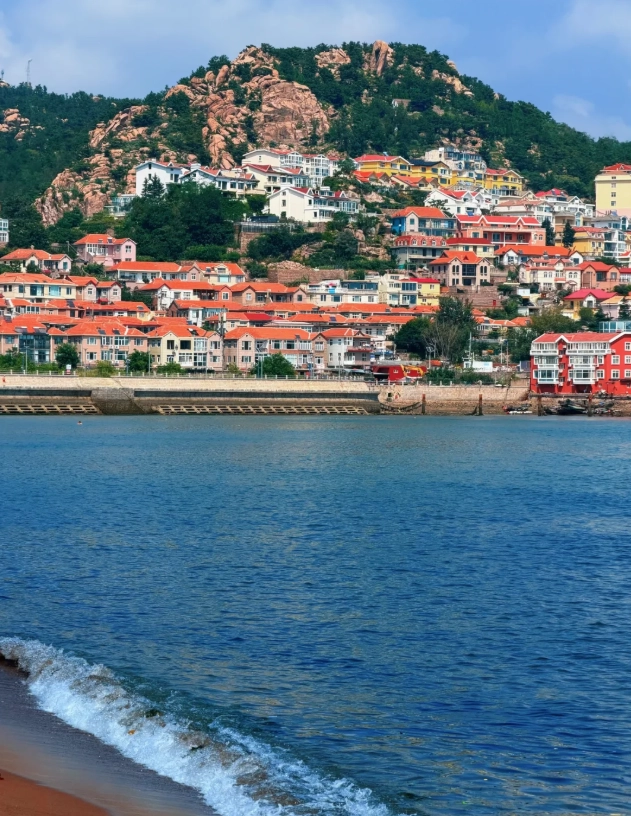
Qingdao Travel Tips: Old Town, Beer and the Beach Warning
The Old Town Walk I Give Every Client
Start at eight thirty in the morning or do not bother — by ten, Zhanqiao Pier is a solid wall of selfie sticks.
The route runs Zhanqiao Pier, free and best at dawn, then uphill to St. Michael's Cathedral, a small admission of about ¥10. Visitors are turned away during Sunday Mass, so check the board at the gate. From there, Signal Hill Park gives you the classic view over the red roofs for a token fee. Then walk west through Badaguan, which is free to wander, though a couple of the villas charge a small entry, and finish at the Second Bathing Beach.
Now the part nobody mentions. The old town is built on hills, with cobblestone lanes that tilt. This is not a flip-flop walk. Clients in flat sandals are miserable by hour two, and the pavement is slick after rain.
For beer, head to the Tsingtao Brewery Museum at 56 Dengzhou Road in Shibei District. Tickets run around ¥60 and include two tasting pours — the unfiltered yuanjiang is the one worth waiting for. Buy on Trip.com rather than at the window, because weekend queues at the on-site counter are brutal. Doors are roughly eight thirty to five thirty, with last entry earlier.
And yes, you should try bagged beer. Corner shops sell draft beer in a plastic bag for a few yuan. Look for the shop with a stainless steel barrel and a queue of locals in slippers, not the one with a neon sign and a straw. Drink it within the hour; it goes flat fast.
Is It Safe to Swim in Qingdao?
Mostly, but late summer pushes jellyfish into the shallow bays, and the red flags are not decorative.
Moon jellyfish stings are painful rather than dangerous, and the bigger risk is the swimmer who ignores the flag and the lifeguard whistle. The water stays cold well into early summer, so the swimming season is short. If you have children, the Second Bathing Beach is calmer and shallower than the First. There are no night lifeguards, so no swimming after dark.
What to Eat in Shandong and Where to Eat It
Shandong is the home of Lu cuisine, one of China's eight great culinary traditions — and plenty of visitors eat none of it because they never leave the snack street.
Start with breakfast in Jinan. Order tianmo, a thick savoury soup with peanuts and vermicelli that tastes nothing like its sweet-sounding name, and pair it with youxuan, a flaky spiral pastry. Total cost is around ¥10 to ¥15. The breakfast stalls around Furong Street wind down by ten in the morning, so go early. The same street at eight in the evening is a tourist corridor selling squid on sticks. It is fine. It is not Jinan.
In Qingdao, eat stir-fried clams with chilli, steamed egg with sea urchin, and paigu mifan, pork ribs over rice, which locals treat as a lunch staple for ¥20 to ¥30. The Taidong night market is the easy entry point for street food.
Lu cuisine proper means braised sea cucumber with scallion, sweet-and-sour carp, and nine-turn intestine. That last one is offal — know that before you order it, not after.
In Qufu, Kong family cuisine is ceremonial and expensive. Order one or two dishes rather than the full banquet; the ritual is the point, not the volume.
- Payment: many small restaurants are QR-code only. A few take cash but will not have change for a ¥100 note.
- Halal: look for the characters for qingzhen on the sign.
- Vegetarian: the character su helps, but vegetable dishes are often cooked with chicken stock. Say bu yao ji tang, no chicken stock, and show the phrase in characters on your phone.
- Reviews: open Dianping and sort by rating with photos. You do not need Chinese to read a star average.
Where to Stay in Shandong: Areas, Prices and Wi-Fi
The biggest accommodation trap in Shandong is not price or quality — it is whether the property is licensed to register foreign guests at all.
Not every hotel in China can legally check in a foreign passport. Small guesthouses sometimes turn people away at the desk after a long train ride, and it is entirely legal for them to do so. Book through Trip.com, which flags properties that accept foreign passports, and message the hotel before you pay to confirm.
| City | Area | Why stay here | Typical nightly range | Best for |
|---|---|---|---|---|
| Qingdao | Old Town, Shinan District | Walk to Zhanqiao Pier and the cathedral | ¥350 to ¥700 | First-timers and photographers |
| Qingdao | May Fourth Square | Chain hotels, metro access, sea views | ¥600 to ¥1,200 | Families and business travellers |
| Tai'an | Near the Red Gate | Start the climb on foot at dawn | ¥200 to ¥450 | Hikers |
| Tai'an | Near Tai'an high-speed station | Easy early departure next morning | ¥180 to ¥400 | Tight itineraries |
| Qufu | Ming-era old town | Walk to the Temple before the gates open | ¥250 to ¥600 | Culture-focused travellers |
| Jinan | Quancheng Road and Baotu Spring | Central, walkable to springs and Daming Lake | ¥300 to ¥800 | Short stopovers |
Two practical notes. Qingdao old-town guesthouses are charming and often occupy converted buildings with no lift and thin walls — ask about the elevator if you are hauling a large suitcase. And hotel Wi-Fi login pages frequently demand a Chinese phone number; ask the front desk to enter theirs, which takes them ten seconds and saves you twenty minutes.
How Do You Pay, Book and Navigate in Shandong?
Which Apps Actually Work in Shandong?
Set up Alipay and WeChat Pay before you fly, because doing it after arrival with hotel Wi-Fi is a headache you can avoid entirely.
Both apps now accept international cards. Add the card, complete passport verification, and test a small payment before you leave home. A small percentage fee applies above a threshold, so pay large hotel bills directly with your physical card instead. Cash is legally accepted everywhere, but in practice some small vendors will refuse it or simply not have change.
For navigation, forget Google Maps — it is unreliable inside mainland China. Apple Maps works well and shows English labels. AMap has an English mode and better public transport data. Whichever you use, screenshot the Chinese-character address before you leave the hotel, because showing a driver a Latin-script address is a coin flip.
Do You Need a VPN in Shandong?
Install it before you land. You cannot reliably download one after arrival, and hotel Wi-Fi sometimes blocks the sites that host them.
Download Apple Translate with the offline Chinese pack as well. It handles menus and taxi conversations without a data connection, which matters more than you expect on a mountain with patchy signal.
A 7-Day Shandong Itinerary With a Rainy Day Backup
This is the pacing I use for clients who want depth without exhaustion. It assumes you land in Jinan and leave from Qingdao.
- Day 1, Jinan. Airport bus or Didi into the city, roughly forty to sixty minutes and around ¥100 to ¥130 by car. Baotu Spring after three in the afternoon, when the crowds thin and the light softens, around ¥40. Walk to Daming Lake at dusk, free. Dinner on Quancheng Road.
- Day 2, Jinan to Tai'an. Morning at Shandong Museum, free and closed Mondays, reserve online, or Qianfo Mountain for around ¥30. Afternoon train to Tai'an, twenty to twenty-five minutes. Check in near the Red Gate and sleep early.
- Day 3, Mount Tai. Shuttle from Tianwai Village to Zhongtianmen, walk the eighteen bends in the afternoon, reach the summit before dark. Sleep at the top.
- Day 4, sunrise and Qufu. Watch sunrise from the ridge below Yuhuang Ding, walk down, then a twenty-five to thirty-five minute train to Qufu East. Afternoon for the Cemetery and the Mansion. Overnight in the old town.
- Day 5, Qufu to Qingdao. Confucius Temple at eight in the morning, then the long train east, roughly three hours. Evening stroll on Zhanqiao Pier with bagged beer.
- Day 6, Qingdao. Old town walk in the morning, brewery museum at midday, Badaguan and the beach in the afternoon, seafood dinner near Taidong.
- Day 7, Qingdao out. Laoshan if you have the energy, or a slow morning and a coffee in the old town. Metro Line 8 or the airport express to Jiaodong International Airport.
Rain backup, in order of preference: the Confucius Museum in Qufu, Shandong Museum in Jinan, and the Tsingtao Brewery Museum plus the Qingdao Municipal Museum on the coast. All are indoors, all are worth the time, and none of them will be ruined by a downpour.
Adjustments worth knowing. Bad knees, skip the eighteen bends and ride the cable car both directions. Extreme heat, shift all walking before ten in the morning or after four in the afternoon. Only five days, drop Tai'an entirely rather than sprinting through it — a rushed Mount Tai is worse than no Mount Tai.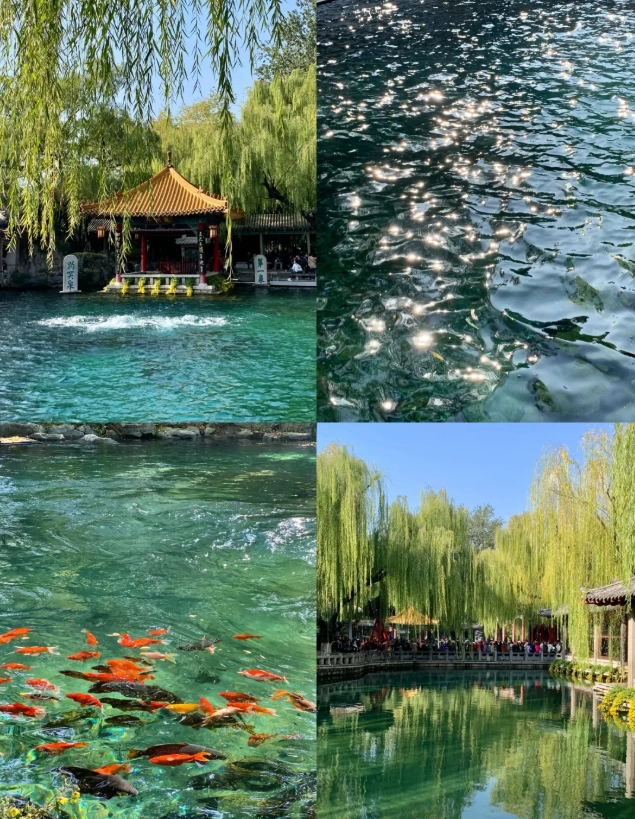
Shandong Travel Questions I Answer Every Week
Verified and fact-checked by the editorial team. Prices, opening hours and transport details in China change frequently — confirm on official channels or on the ground before you travel.
No comments yet.