Shanghai Travel FAQ
What about hotels in smaller cities or rural areas? Any hope for foreigner friendly options?
Tougher, but not impossible. In smaller cities, stick to well-known local chains like Jin Jiang or Vienna Hotel. They have a standardized process and may accept foreign cards. Avoid family-run guesthouses unless you read Chinese reviews confirming foreigner friendliness. Also, carry a printed address in Chinese to show taxi drivers. I helped a client book a Vienna Hotel in Lijiang recently — they took Visa and had one English-speaking staff member. But it required three calls to confirm.
I hear hotels in China often require a deposit in cash — is that true for foreigners?
Yes, it's common. Many hotels, even international chains, may ask for a deposit of 200–500 RMB in cash upon check-in. This is for incidentals. They'll return it at checkout. If you don't have cash, they may put a hold on your credit card, but that hold can take weeks to release. I always keep about $100 equivalent in RMB for deposits. Also, never rely on a debit card — it may not work. Cash is king for deposits.
How important is it to have a hotel with a physical front desk? Can I use Airbnb?
I strongly recommend a front desk for first-time visitors to China. Why? Because you'll need help with taxis, takeout food, and sometimes even minor translation. Airbnbs can be tricky: many require you to meet a host who doesn't speak English, and the WiFi may be locked. If you insist on Airbnb, book a 'Plus' property or one with multiple English reviews. Also confirm they accept passport registration (required by law). Some Airbnb hosts don't know how to register foreigners, which can cause problems with police.
What if the hotel loses my reservation? What's the best backup?
It happens. Chinese hotels sometimes overbook or their system crashes. My protocol: have Trip.com's 24/7 hotline saved (+86-21-34064888) — they can call the hotel directly. As a last resort, walk into any Marriott or Hilton nearby. They almost always have rooms, and they'll match or slightly beat the online price if you're standing at the desk. I've done this three times with clients, and it worked every time.
Do I need to print hotel vouchers? Will digital confirmations work?
Digital works fine. I always keep a screenshot of the booking confirmation on my phone. Hotels in China prefer to see the confirmation number and passport. That said, some smaller hotels might ask for a printed copy if their internet is down. Save a PDF on your phone just in case. Also, ensure your phone has the booking app (Trip.com) installed and logged in — they can look up your reservation there.
I'm on a tight budget — can I still find foreigner friendly hotels in China under $50 a night?
Yes, but you'll need to be strategic. Look at international chains like Ibis or Holiday Inn Express in second-tier cities (e.g., Chengdu, Hangzhou). They usually accept foreign cards and have decent WiFi. Book via Trip.com and filter by 'Credit Card Accepted' — though even that filter isn't 100% accurate. Call ahead. Also consider hostels like 'The Loft' in Shenzhen or 'Captain's Hostel' in Beijing — they're used to backpackers and may accept cards or cash only. Always bring enough RMB.
How can I avoid paying for overweight carry-on?
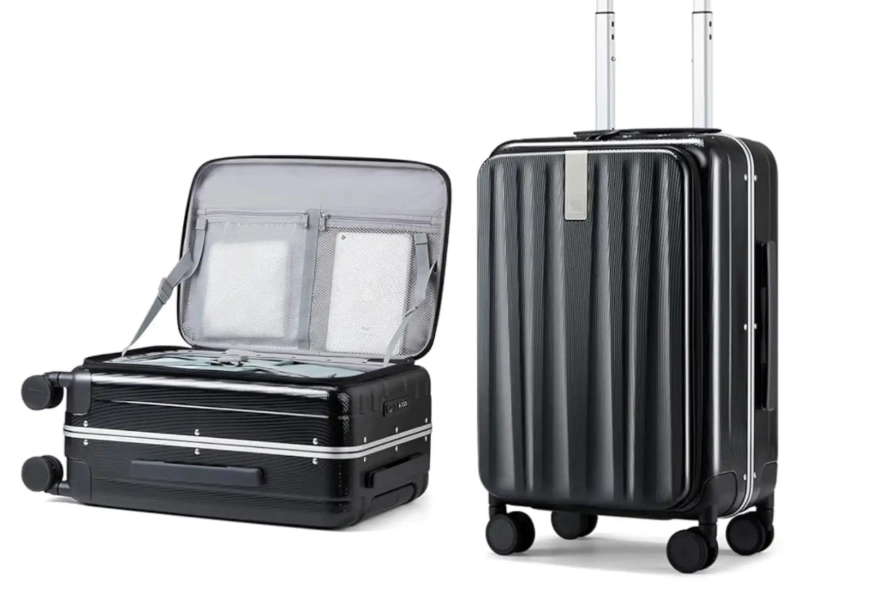
Weigh your bag at home, then weigh it again at the airport before check-in. Most airports have free scales in the luggage area. Also, leave a little room for souvenirs — you'll likely pick up something heavy in China. And remember, the 7 kg limit often includes your personal item on Chinese carriers. So a heavy laptop bag can push you over. Pack your electronics in a backpack that you're willing to check, or keep them in your pockets.
Can I take a power bank on a plane to China?
You must take it in your carry-on — it's banned from checked luggage. The power bank must be clearly marked with capacity. If it's 100Wh or less, you're fine. Between 100-160Wh, you need airline approval. Above 160Wh, no way. I always bring a label maker to put a clear Wh sticker on my power banks to avoid confusion.
Are there different carry-on rules for domestic flights within China?
Yes. On domestic routes, Chinese carriers often allow 7 kg instead of 5 kg, though size stays the same. Budget carriers like Spring Airlines are much stricter — limit 30 x 40 x 50 cm, and they usually weigh right at boarding. If you're flying a train too, note that high-speed rail has no strict size limit, but the overhead racks fit typical luggage.
What if my carry-on is 1 cm over the limit?
You entered the danger zone. Many gate agents will eye it, but some measure. If it's just 1 cm, you may squeeze it in — but don't bet on it. I've seen a 1.5 cm overage lead to a $100 gate check. Always aim for at least 1-2 cm margin. If your bag is full, push the side pockets inward with your knees to compress it before you get to the gate.



Recent Reviews
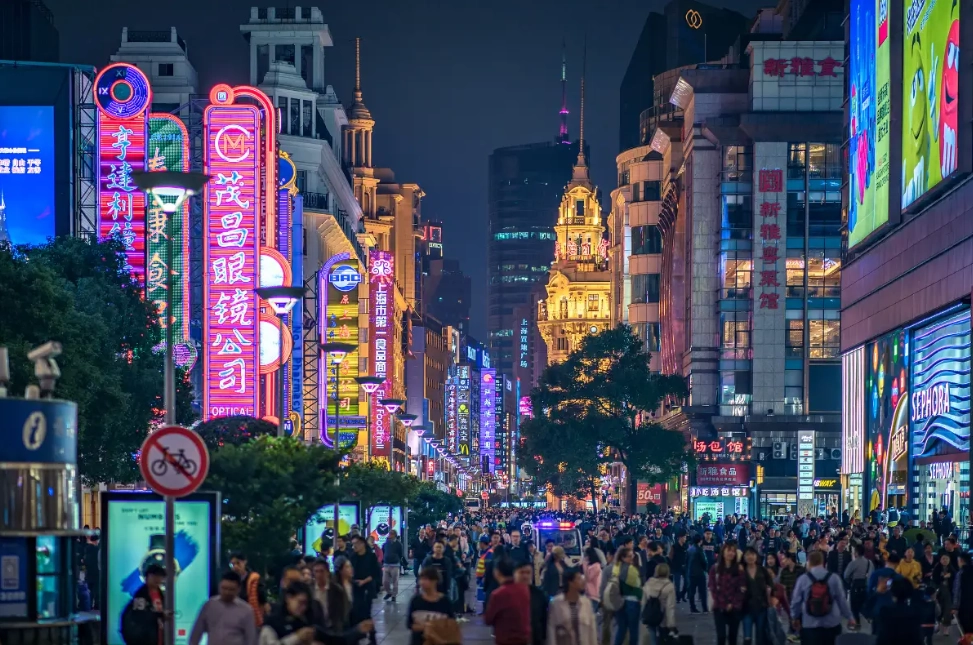
I have traveled all over Asia and Shanghai stands out. The city feels alive 24/7. I loved cycling around the old lanes before they disappear, watching old men play chess under the power lines, then zooming across to Pudong's futuristic towers. The ferry across the Huangpu is maybe the best value in the city. Did I mention the food? Absolute heaven. A 5/5 experience that exceeded every expectation.
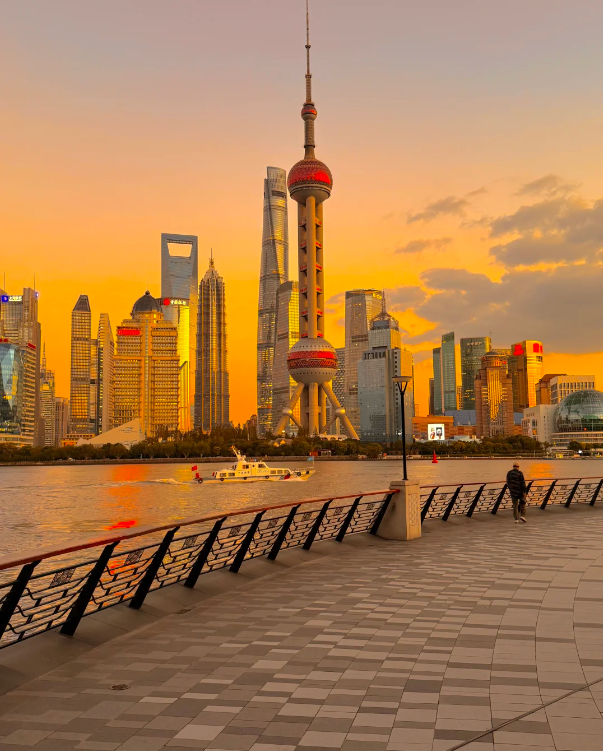
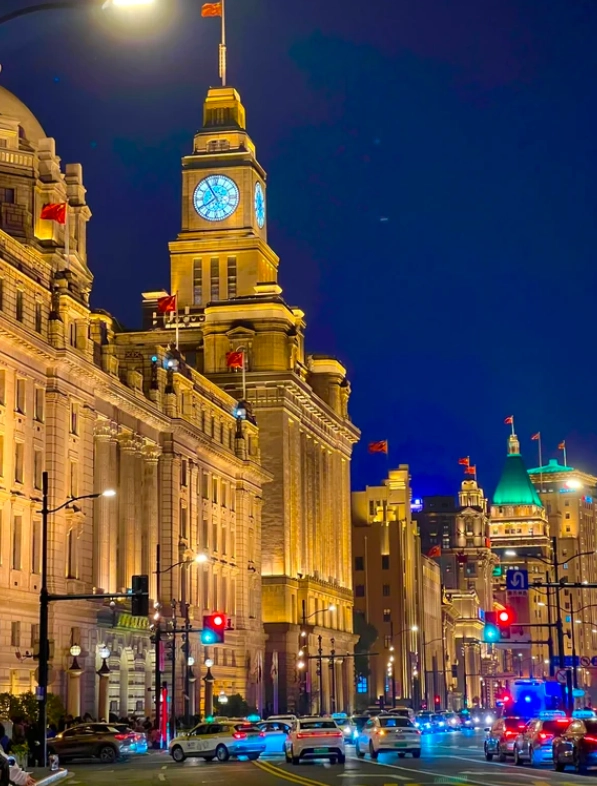
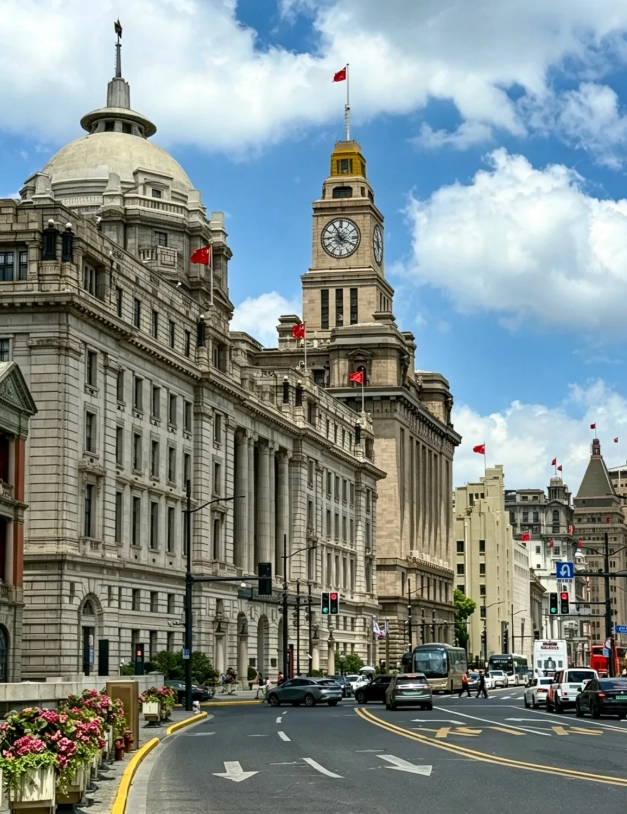
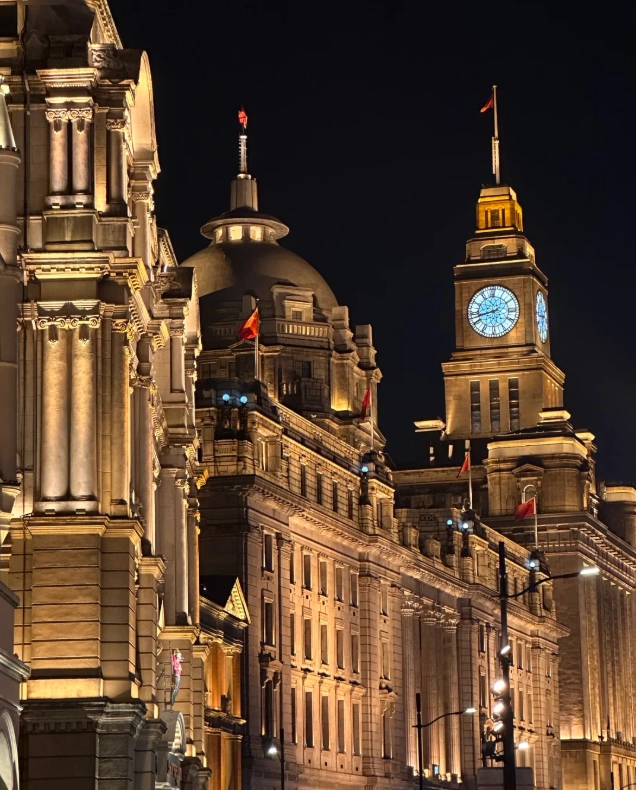
Shanghai is electric! I walked the Bund at sunrise and had the whole riverfront almost to myself—gorgeous. Then spent the day getting lost in the former French Concession with its plane trees and little cafés. Everyone said the English is well-used, which helped, but the city itself is the real show. Great mix of cheap eats and high-end bars. Five stars without hesitation.
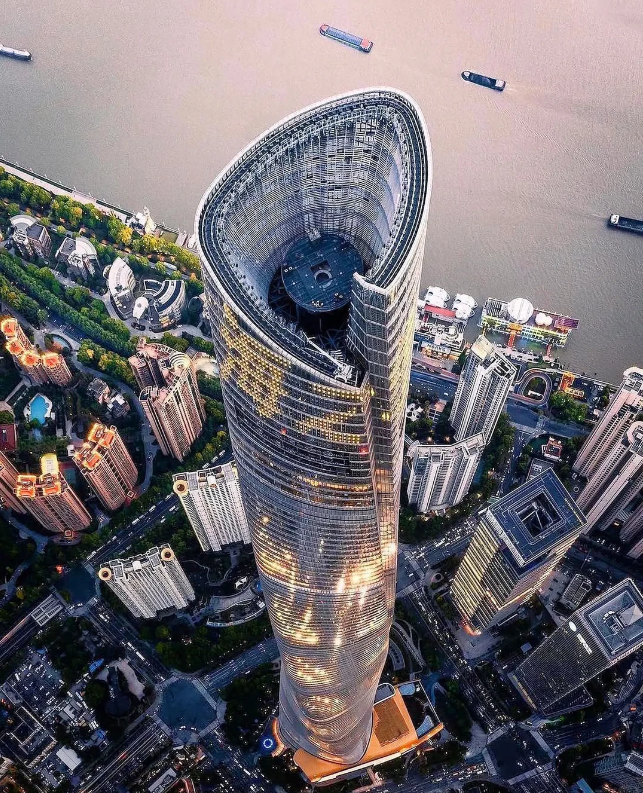
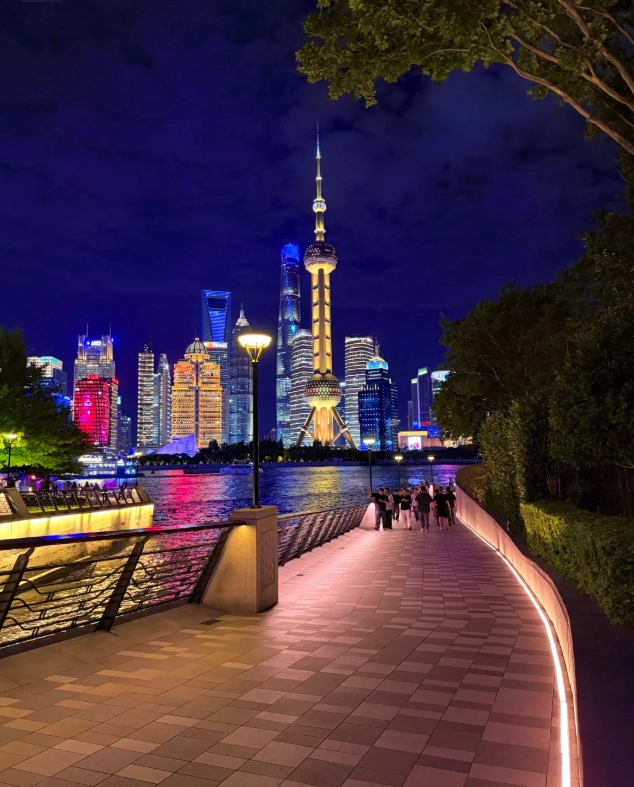
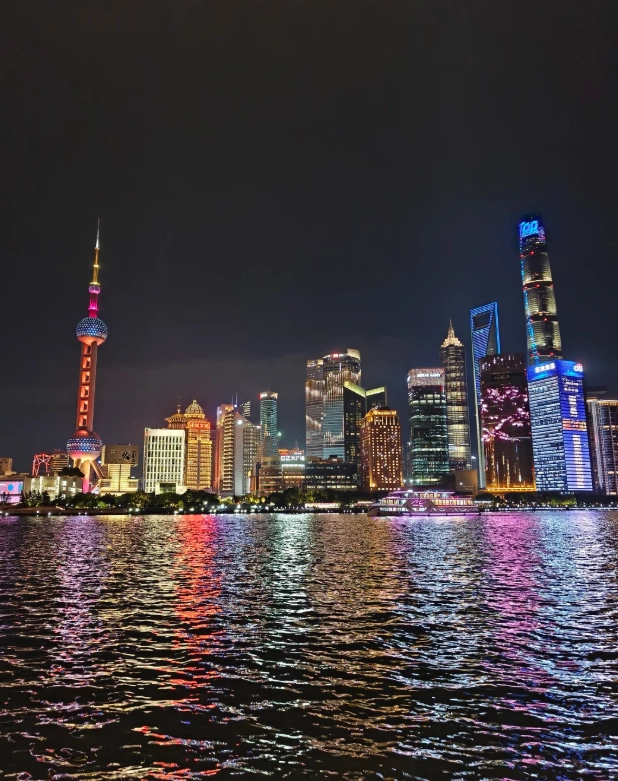
Arrived not knowing what to expect and Shanghai completely knocked me out. The blend of old and new is mesmerizing—one minute you're in a quiet lane house and the next you're staring at purple skyscrapers across the river. The food scene is insane, from street-side scallion pancakes to a memorable dinner overlooking the skyline. Also the subway made it stupid easy to get around. Already planning to return!
Great city with a real energy. The metro is fast and clean, and we ate amazing xiaolongbao at a tiny place in the French Concession. Tried to see the skyline from the observation deck but the queue was insane, so we just walked the Bund instead. It's a lot more modern and busy than I imagined, but the people were friendly and the nightlife is fun. Would come back, just with fewer must-see tourist stops.
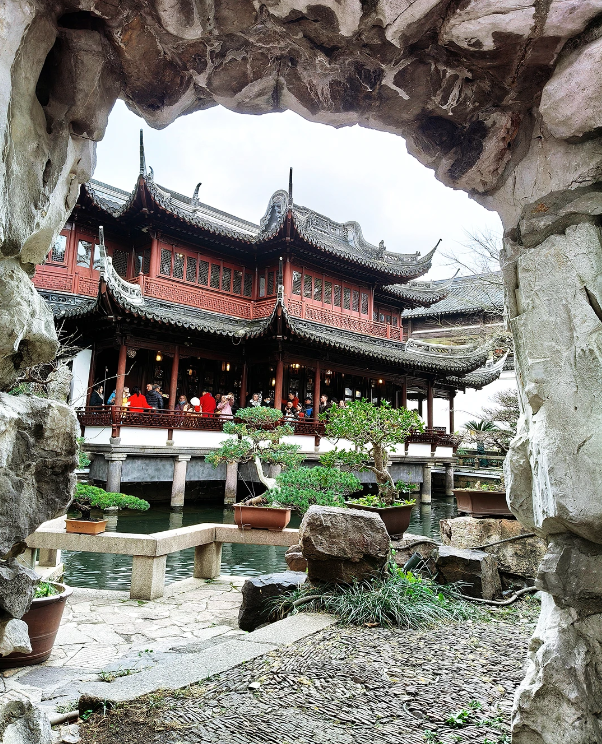
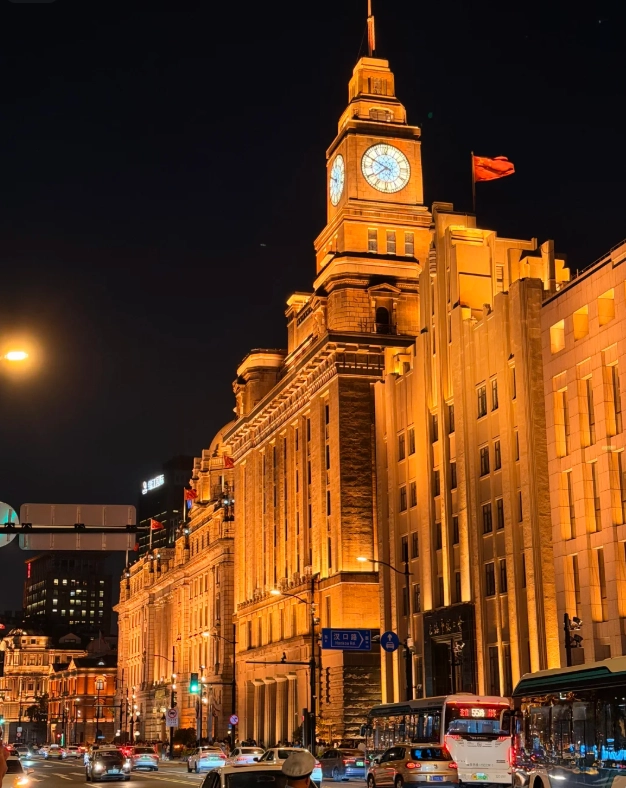
Shanghai was okay but I left a little underwhelmed. The Bund is stunning at night, but during the day it's just a wall of selfie sticks and tour groups. Yu Garden was far too packed to enjoy the details, and the old town felt more like a tourist trap. Food was good, but the smog made it hard to see the skyline on two of our three days. Maybe I caught it at the wrong time, but I expected more magic.
Hands down the most dynamic city I've visited in Asia. From sunrise yoga on the Bund to midnight hotpot in the Old City, every moment felt electric. The contrast between the gleaming Pudong skyline and the old alleyways (nongtang) is pure magic. I also loved how safe I felt walking alone at night as a solo female traveler. Shanghai is a must-see — absolutely five stars.
Leave a Review