 Lei Li
Your WeChat wallet is empty. The taxi driver's POS machine is broken again. And you're staring at a bowl of noodles for 20 yuan without a way to pay. That's the moment you realize — you need cash. I've seen this panic dozens of times with my tour groups. Most foreigners land in China thinking mobile payment will cover everything. But that's a dangerous assumption.
Let me walk you through how to get cash in China — the right way — so you never get stuck in that awkward noodle stand moment.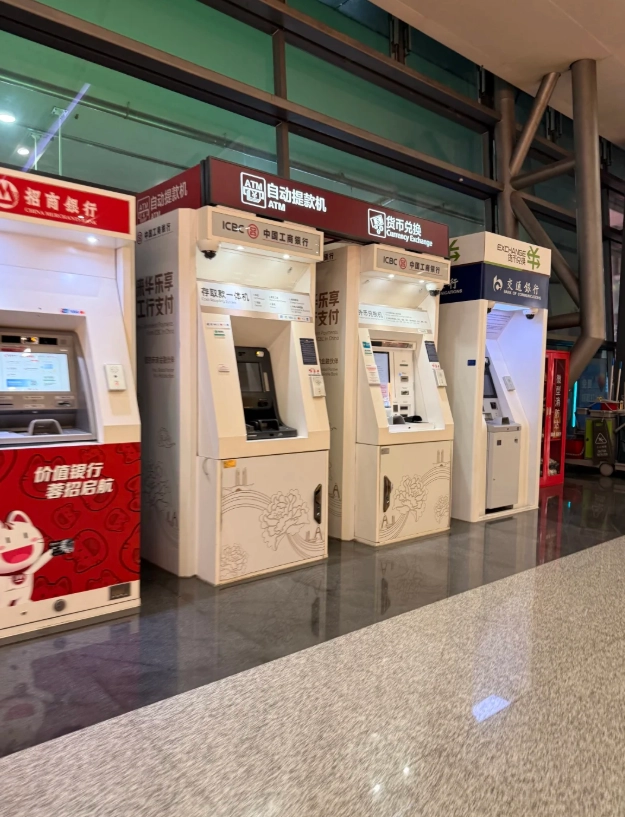
Why You Still Need Cash in China
Alipay and WeChat Pay are everywhere in big cities. But step into a small local restaurant, a street market, or a rural bus — and suddenly you're back in the 20th century. I once watched a group of tourists unable to buy water at a small kiosk near the Great Wall because the vendor only accepted cash or local QR codes that wouldn't work with international cards. Embarrassing, right?
Besides, many attractions (especially those managed by local committees) still require cash for entrance fees or deposits. And if your international card gets declined at an ATM — which happens more often than banks admit — having backup cash is a lifesaver.
Top 5 Ways to Get Cash in China
1. Use ATMs with International Cards
This is the most straightforward method. Walk into any Bank of China, ICBC, or China Merchants Bank branch and look for the ATM with a UnionPay logo plus Visa/Mastercard/Cirrus stickers. Most ATMs in tier-1 cities (Beijing, Shanghai, Guangzhou) accept international cards. But here's the trick — the ATM at the bank's main branch is more reliable than standalone machines on the street.
My go-to address in Beijing: Bank of China Head Office ATM, No. 1 Fuxingmen Nei Dajie (复兴门内大街1号). Open 24/7, but the lobby is only open 9:00-17:00 if you need help. Insert your card, select "English", and choose "Cash Withdrawal". You'll get yuan instantly.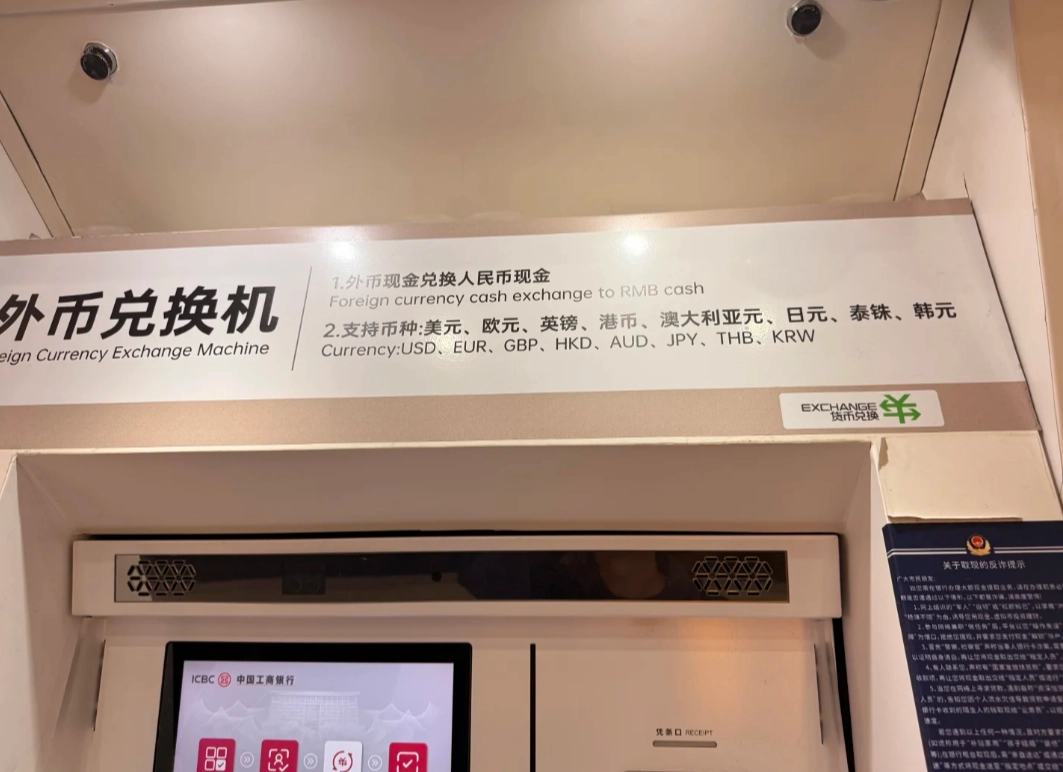
Here's a quick comparison of ATM fees at major Chinese banks for international cards (as of my last check):
| Bank | Fee per withdrawal (approx.) | Withdrawal limit per transaction | Notes |
|---|---|---|---|
| Bank of China | 12-15 CNY | 2,500-5,000 CNY | Most reliable for foreign cards |
| ICBC | 12-18 CNY | 3,000 CNY | Widely available |
| China Merchants Bank | 10-12 CNY | 3,000 CNY | Often has English interface |
| Agricultural Bank of China | 12-15 CNY | 2,500 CNY | Less likely to accept foreign cards |
2. Currency Exchange at Bank Counters
If you have USD, EUR, or other major currencies in cash, you can exchange them at any bank counter. Bring your passport — no exceptions. The exchange rate is better than at hotels or airport kiosks, but it's still about 1-2% below the mid-market rate. I usually recommend exchanging just enough for a few days and using ATMs for the rest.
Where to go: Any large branch of Bank of China. Smaller banks might not have foreign currency on hand. The counter staff might not speak English, so have this written down: "我要兑换人民币" (Wǒ yào duìhuàn rénmínbì — I want to exchange to RMB).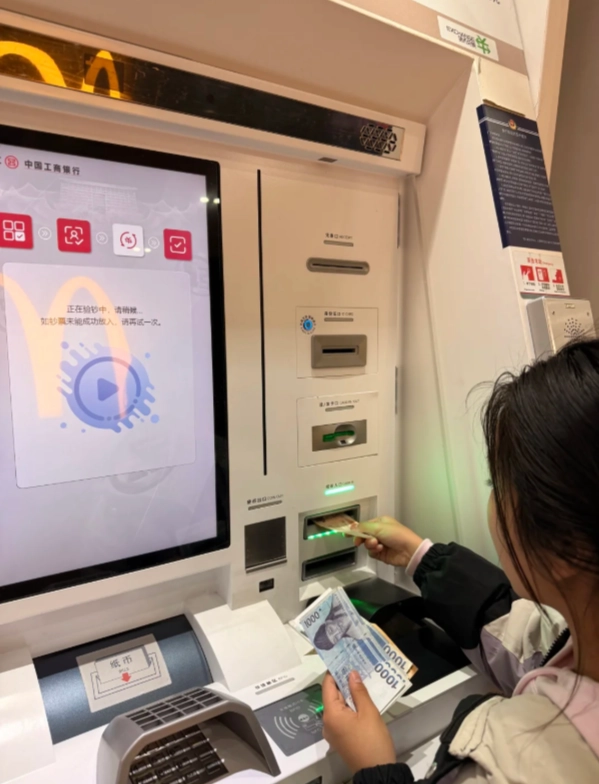
3. Hotel Front Desk (Emergency Only)
Many international chain hotels (Hilton, Marriott, Shangri-La) will exchange small amounts of cash for guests — usually up to $200 equivalent. They typically use a less favorable rate, and they'll ask for your passport. It's a last resort if you arrive late and all banks are closed.
4. Western Union or Money Transfer Services
If you forgot to bring enough cash and your bank card isn't working, you can receive money via Western Union from friends or family. Western Union agents in China are often located inside post offices or certain banks. You'll need your passport and the MTCN number. Pick up cash in yuan. But honestly, this is more hassle than it's worth — I've had tourists waiting 40 minutes for a simple pickup.
5. Bring Cash from Home (within Limits)
The best way to ensure you have cash is to bring it with you. China allows foreigners to bring up to 5,000 USD (or equivalent) in cash without declaring. Above that, you must declare to customs. I always tell my clients to bring $300-500 in small bills (20s and 10s) for emergencies. Keep them in different places — wallet, luggage, money belt.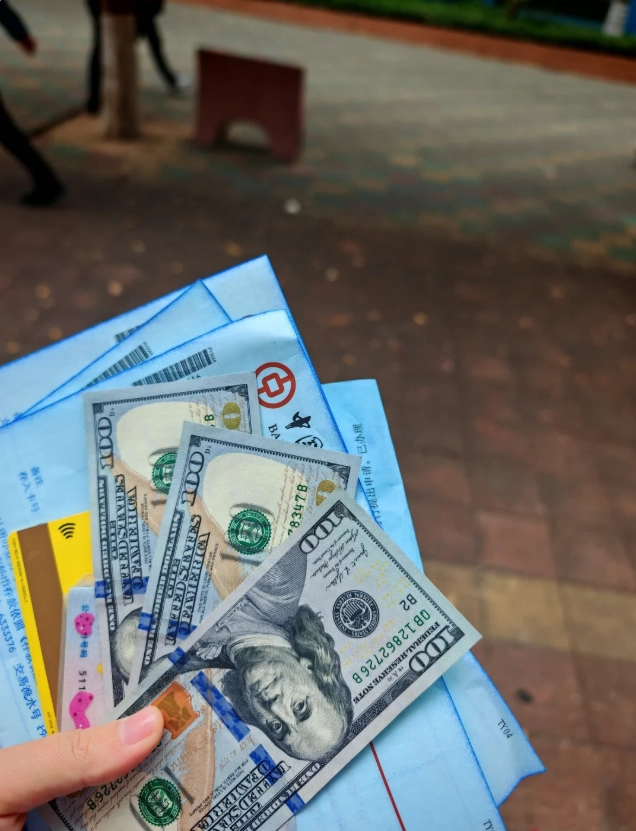
How to Avoid High ATM Fees and Scams
Scams around cash are rare in China, but they exist. One common trick: a taxi driver claims he has no change and asks you to pay with a larger bill — then conveniently "finds" change but gives you less. Always carry small denominations (10 and 20 yuan).
Another hidden cost: your own bank might charge a foreign transaction fee (usually 3%) plus a flat fee per withdrawal. I use a Charles Schwab card that refunds all ATM fees worldwide — a game-changer. Check with your bank before you travel.
One more thing — don't trust currency exchange booths on the street. They're often illegal in China and will shortchange you. Stick to official bank counters or ATMs.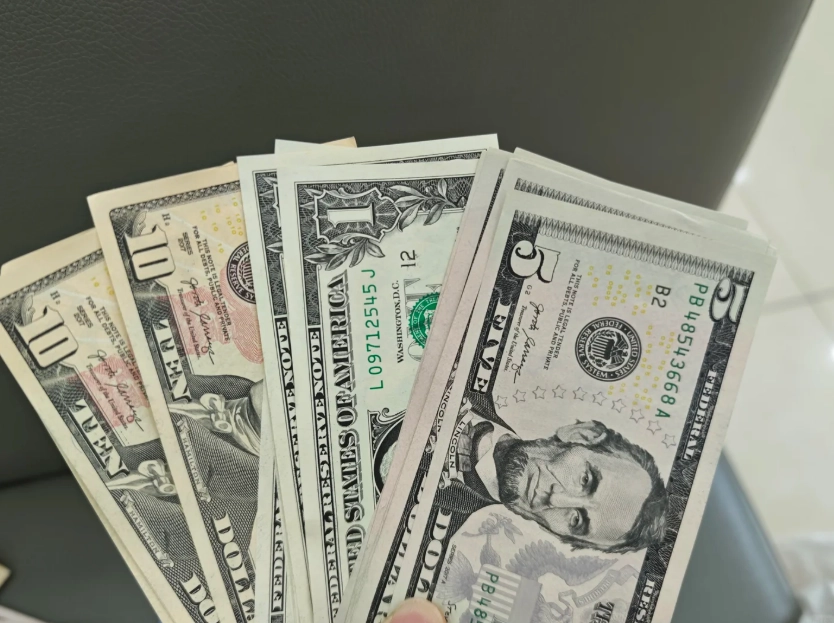
Where Cash is Still King in China
- Traditional markets (e.g., Beijing's Hongqiao Market, Shanghai's Chenghuang Temple Bazaar) — vendors often say "no WeChat" or only accept local Chinese payment apps that you can't activate without a Chinese bank account.
- Small restaurants and street food — many mom-and-pop shops have no card reader. Cash or local QR code only.
- Taxis in smaller cities — they might have a QR code, but it's often linked to a Chinese bank account you can't use. Cash solves it.
- Public toilets — some still charge 1-2 yuan, and they only take coins or small bills.
- Temple donations and incense — cash only.







No comments yet.