 Yan Zhou
📌 Quick Navigation – What You’ll Learn
“I only have a half-day in Suzhou – is Tiger Hill worth it?”
Yes. But only if you know how to dodge the tour bus herds and the scorching midday sun.
I’ve guided dozens of foreign friends here, and I’ve seen too many arrive at the wrong gate, struggle with WeChat booking, and leave feeling rushed. Let me fix that for you.
This Tiger Hill Suzhou half-day tour plan is built from real guiding experience. I’ll give you the exact route, the cheapest ticket method (no Chinese phone number required), and the one trick to see the legendary sword pool without 50 people in your selfie.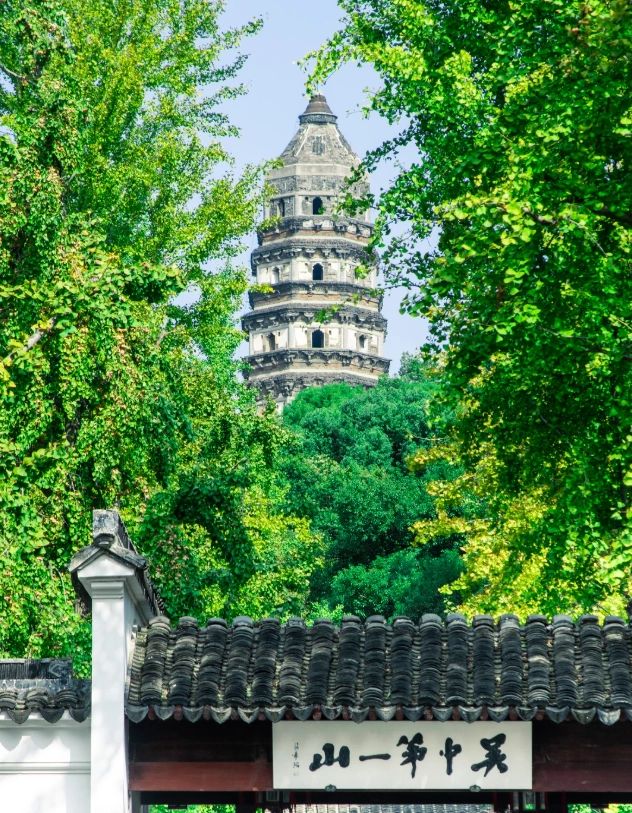
Why Tiger Hill in Half a Day?
Tiger Hill is compact – only about 0.2 square kilometers. Most walking paths loop within a 500-meter radius. Two to three hours is plenty to see the highlights: the leaning Yunyan Pagoda, the Sword Pool, and the exquisite gardens. Half a day gives you a relaxed pace, plus time for tea near the hill.
The Right Time & Gate – Don’t Enter from the South
Timing: Aim for a 8:00–8:30 AM start. The hill opens at 7:30, but the first tour groups roll in around 9:00. By arriving at opening, you get near-empty paths and cooler air. After 10 AM, the sun gets brutal, and the crowds build. I always tell my clients: if you come at noon, you’ll miss the magic.
Gate choice: Most guides tell you to use the South Gate (the main entrance). Don’t. The South Gate leads to a long, sun-exposed walkway. Instead, take a taxi or DiDi to the West Gate (西门). It’s quieter, shadier, and drops you right at the foot of the pagoda hill. Chinese address for taxi: 虎丘西门 (Hǔ Qiū Xī Mén). Show this to your driver.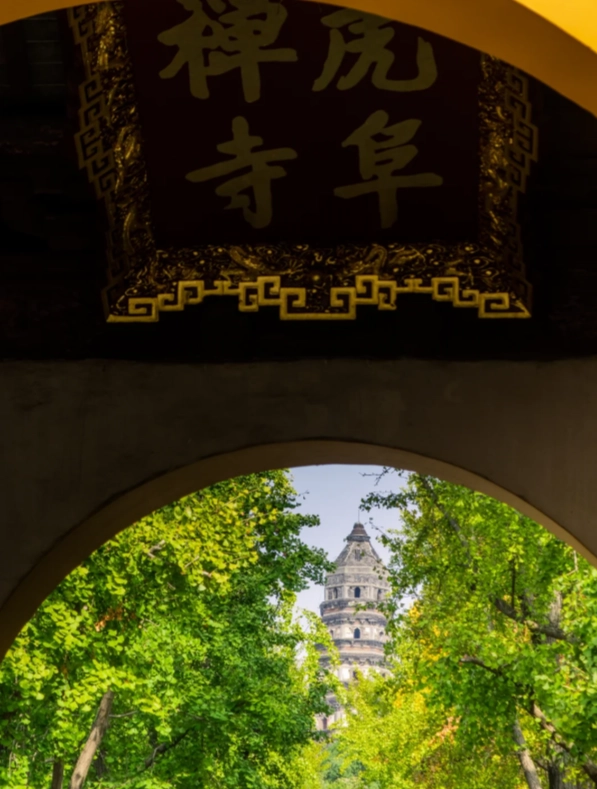
Getting There, Alipay & Tickets
Transport from Suzhou city center
From Gusu District (old town), a DiDi ride costs about 25–35 RMB and takes 20–30 minutes. Bus routes: No. 游1 or 游2 to “Tiger Hill” stop, then walk 5 minutes to the West Gate. Google Maps won’t work – use Apple Maps or Baidu Maps (English interface available). I recommend DiDi for speed.
Tickets & booking
Price: 70 RMB (adult), free for children under 1.4m. Booking required – you must reserve a time slot. The official WeChat mini-program is a hassle for foreigners. Instead, buy via Trip.com or Klook (English, accepts international cards). You’ll receive a QR code – show it at the turnstile. Bring your passport for identity checks.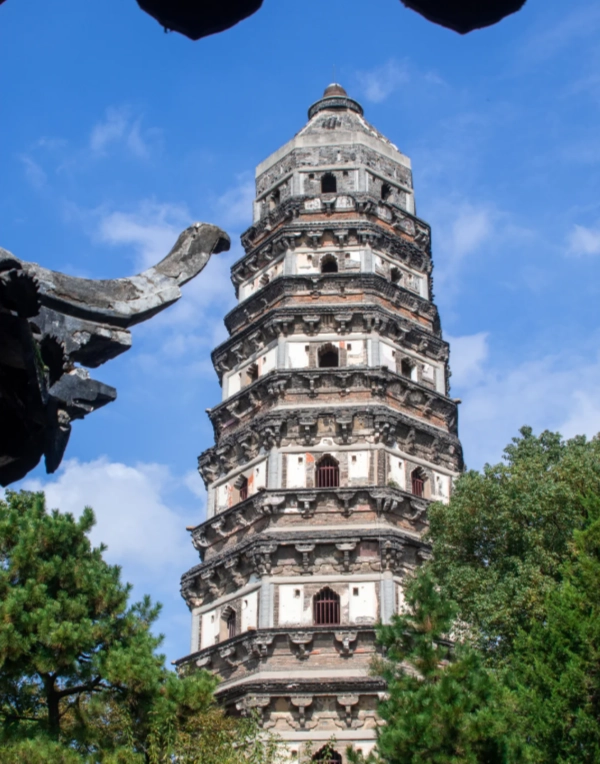
Sample Half-Day Itinerary (3 Hours)
| Time | Activity | Notes |
|---|---|---|
| 8:00 – 8:30 | Arrive at West Gate, enter park | Show pre-booked QR code + passport |
| 8:30 – 9:15 | Walk to Yunyan Pagoda (leaning tower) | Take photos from the east side for best angle |
| 9:15 – 9:45 | Sword Pool (Jian Chi) – head straight there | Crowds arrive after 10; go now for empty shots |
| 9:45 – 10:15 | Explore gardens and small bridges | Dont miss the “Third Spring” near the pagoda |
| 10:15 – 10:45 | Tea break at Lu Yu Spring Teahouse | Try Biluochun tea; cash or Alipay only |
| 10:45 – 11:00 | Exit via West Gate | Easy DiDi pickup zone outside gate |
Adjust for heat or rain: If it’s a scorcher, swap the order: go straight to the Sword Pool first (it’s shaded), then circle back to the pagoda. If it rains, spend more time at the teahouse or visit the small museum inside the park (free with ticket).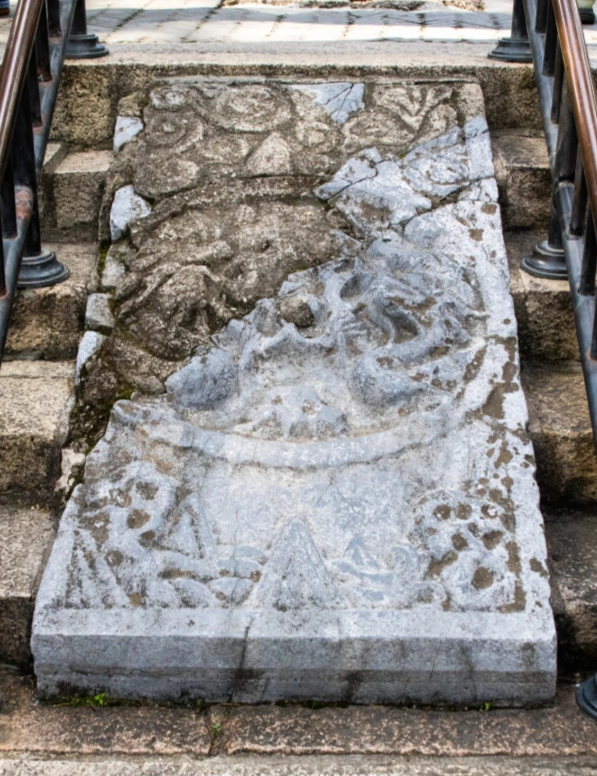
What to See Inside: Must-Stop Spots
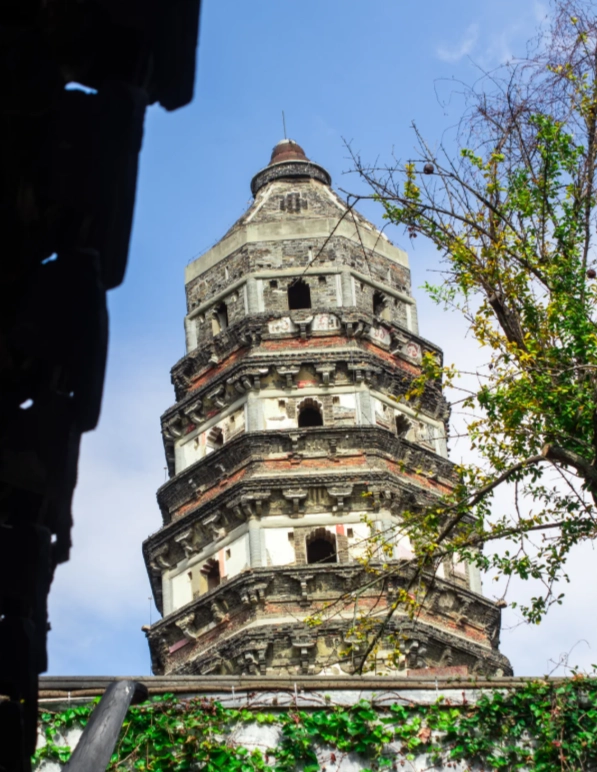
Yunyan Pagoda (云岩寺塔) – The Leaning Tower of Suzhou
This 47-meter pagoda leans about 3 degrees – older and more tilted than Pisa in terms of construction time (it’s from the Five Dynasties, 10th century). You can’t go inside (closed for preservation), but the view from the courtyard is iconic. Best photo spot: the raised platform on the east side, early morning light is golden.
Sword Pool (剑池)
Legend says King Helu of Wu was buried here with 3,000 swords. The pool is deep, green, and surprisingly quiet. Most tour groups rush past it to get to the pagoda, so I always lead my guests here first. The narrow stone path around the pool gives you a mysterious vibe.
Lu Yu Spring (陆羽井)
Named after the “Tea Saint” Lu Yu, this spring is a small well beside a pavilion. Not flashy, but historically significant. The teahouse here serves local Biluochun green tea – delicate and floral. Prices: 30–50 RMB per cup. A nice break spot.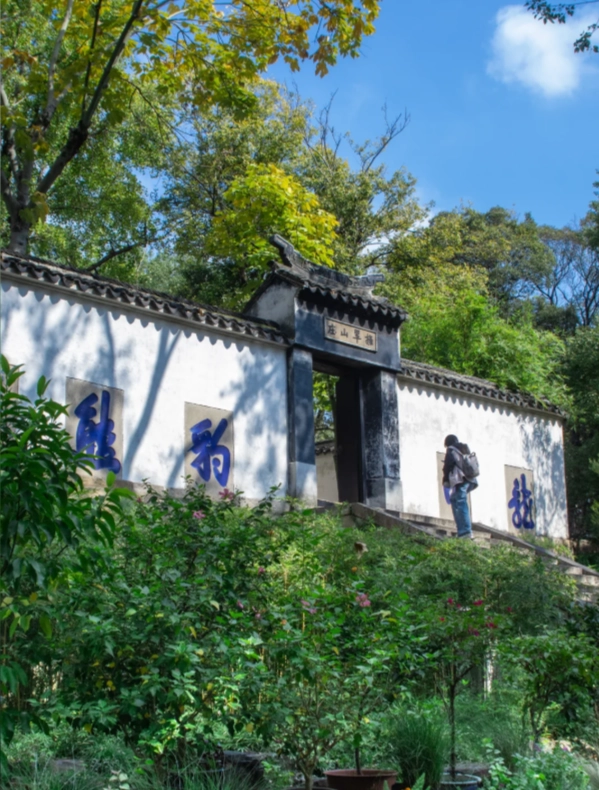
Food & Rest Breaks Nearby
Inside the park, the only food options are overpriced snacks (instant noodles, iced drinks). I’d rather recommend eating after the tour. Right outside the West Gate, there’s a small street with local noodle shops. Try “Tiger Hill Noodles” (虎丘面馆) – their Su-style noodle soup (soup base slightly sweet, topped with braised pork) costs about 20 RMB. Address: 虎丘路117号. They have picture menus, so pointing works. Payment: Alipay or cash.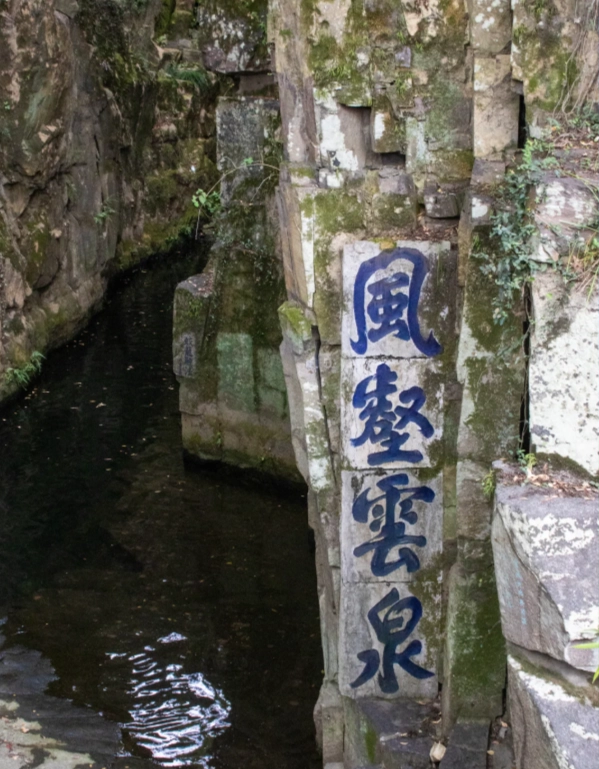
Common Pitfalls Foreigners Face
- Using Google Maps: It’s blocked in China. Download Apple Maps or Baidu Maps before arrival. For DiDi, use the app with an international number – it works fine.
- WeChat mini-program booking: Don’t waste time. Use Trip.com or Klook. I’ve seen tourists stand at the entrance trying to figure out the Chinese interface – just buy online before you come.
- Assuming credit cards are accepted: The ticket counter officially accepts cash, but many vendors inside only take Alipay/WeChat. Keep some small RMB notes for emergencies.
- Arriving by taxi from the South Gate: The South Gate area has a long, sun-exposed walk to the pagoda. Insist on the West Gate – your driver might not understand “West Gate,” so show the Chinese characters (西门) on your phone.
FAQ – Quick Answers
Verified and fact-checked by the editorial team. This content has been fact-checked to ensure informational precision.






I booked this last minute and it ended up being the highlight of my week in Suzhou. The guide was so passionate about the hill, the pagoda, and even the local snacks we tried along the way. The ‘skip the crowds’ part is real—we barely ran into any other tour groups. The afternoon light hitting the mossy rocks was just breathtaking. If you’re looking for a genuine, unhurried experience, this is it.
Best decision of my Suzhou trip. I was worried about the crowds after reading other reviews, but this tour really does take you away from the herd. Our guide shared stories about the hill’s history that you won’t find in any guidebook, and even pointed out a hidden rock carving I’d walked right past. The pace was perfect—enough time to soak in the scenery without feeling rushed. Highly recommend.
Absolutely loved this tour! From the moment we met our guide, the whole vibe was relaxed and personal. We skipped the crowded front gate and entered through a side lane lined with ancient cypress trees—felt like stepping into a painting. The pagoda is crooked and stunning, but the real magic was the monk’s garden where we sat and had fresh jasmine tea. Five stars, would do it again tomorrow.
A solid half-day trip overall. The real highlight was stepping off the tourist trail and seeing the old tea house tucked behind the bamboo grove—our guide pointed it out, and it felt like a secret. The pagoda is impressive, but the climb can be steep. My only small gripe: the meeting point was a bit hard to find. Still, worth it for the views and local stories.
Honestly, it was just okay. The hill itself is pretty, but the 'skip the crowds' promise felt misleading—there were still a ton of people on the main path, especially near the leaning pagoda. Our guide was nice enough but rushed us through the best spots. For the price, I expected a more intimate experience. Maybe go early on a weekday instead?