 Chen Liu
Quick Navigation
- Why Most Foreigners Fail on Their First Trip
- How to Pay and Survive the Digital Maze
- The 3 Best Malls for English Speakers
- Master the Art of Bargaining — Without Speaking Chinese
- How to Avoid Fake Products and Spot Reliable Sellers
- Sample 4-Hour Route for a Stress-Free Visit
- Frequently Asked Questions
I’ve walked foreign clients through Huaqiangbei more times than I can count. One thing I always tell them: leave Google Maps at the door. It’s dead in China. Use Apple Maps or just ask a local. — Here’s the real kicker: most tourists end up in the wrong building. They wander into SEG Electronics Market first, get overwhelmed, and leave empty-handed. But the real gem is Huaqiangbei Electronics World (1-4F). That’s where you actually want to go.
You’ve booked a flight to Shenzhen, cleared your schedule, and you’re ready to buy electronics at wholesale prices. But without a guide, you’ll burn your cash on fakes or leave frustrated. I’ve seen it happen. So let’s cut the fluff and get straight to what works.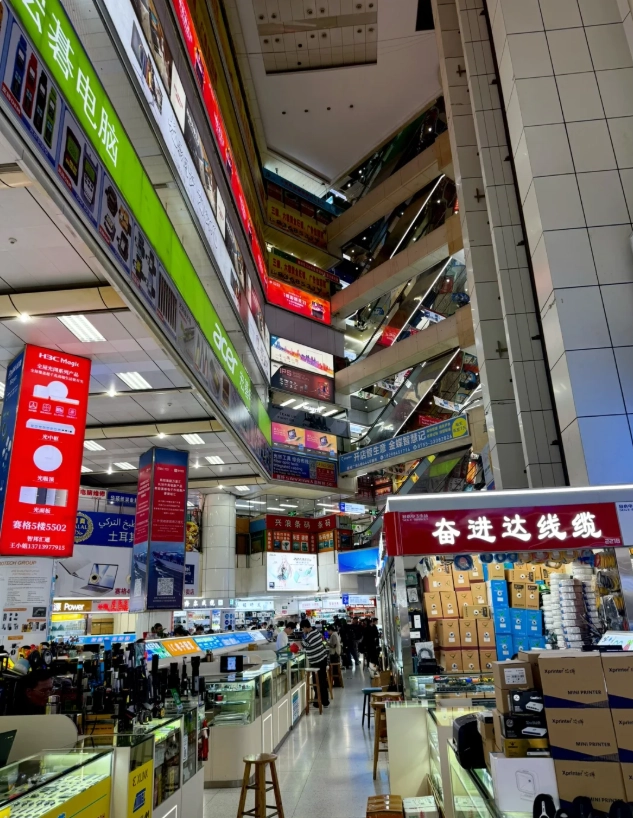
Why Most Foreigners Fail on Their First Huaqiangbei Trip
Three reasons, all avoidable:
1. Wrong mall. SEG Plaza is huge but chaotic and mostly Chinese-only. First-timers get lost and overspend. 2. No bargaining script. You can’t just say “how much” — they’ll quote you double. 3. Payment panic. Most stalls won’t take cash or international credit cards. You’ll need Alipay or WeChat Pay linked to your foreign card.
How to Pay and Survive the Digital Maze
First things first: install Alipay and link your Visa or Mastercard before you leave your hotel. WeChat Pay works too, but Alipay is more international-friendly. Some bigger shops accept international cards, but don’t count on it. Cash? Hardly ever. You’ll be turned away if you try.
Also, get a VPN working on your phone before you arrive. Without it, you can’t access Google, WhatsApp, or Instagram. Download Apple Translate or Baidu Translate for offline use. And remember: Wi-Fi in malls is patchy, so download offline maps (Apple Maps works, or use Maps.me).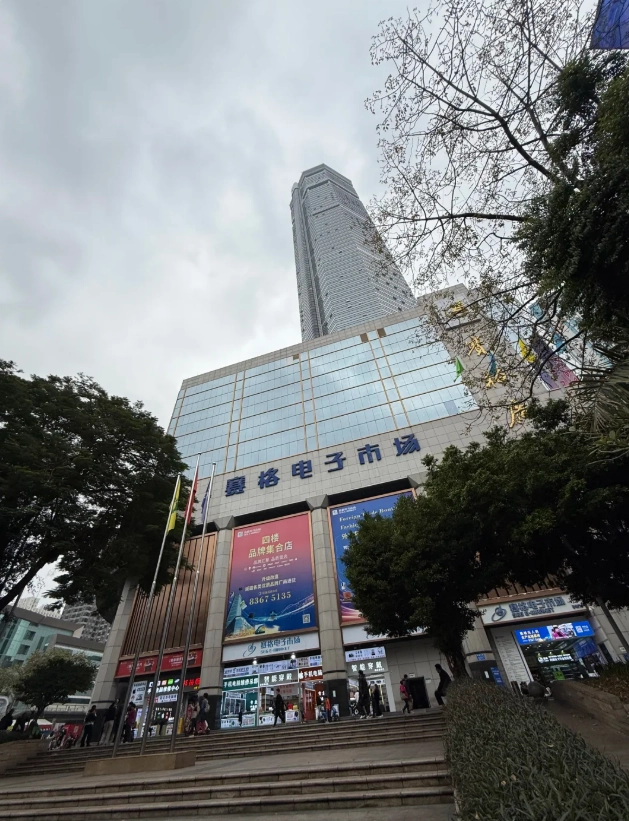
The 3 Best Malls for English Speakers
I’ve divided them by what you’re looking for.
| Mall | Best For | English Friendliness | Address | Payment |
|---|---|---|---|---|
| Huaqiangbei Electronics World | Phones, tablets, accessories | High (some staff speak English) | 1021-1107 Huaqiang North Rd | Alipay/WeChat, some accept cards |
| SEG Electronics Market | Components, cables, wholesale | Low (mostly Chinese speakers) | 1011 Huaqiang North Rd | Alipay/WeChat mostly, cash rarely |
| Longsheng Electronics Market | Laptops, used gear, DIY parts | Medium (signs in English) | 1027 Huaqiang North Rd | Alipay/WeChat, cash possible |
If you only visit one, make it Huaqiangbei Electronics World. It’s less chaotic, has cleaner toilets (I’m serious), and the sellers are used to foreign faces.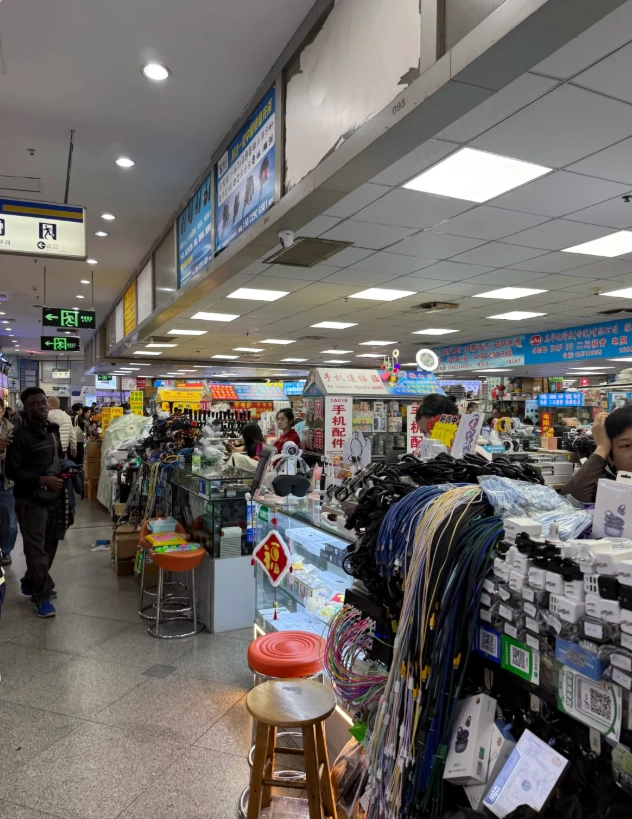
Master the Art of Bargaining — Without Speaking Chinese
Here’s a script that works 90% of the time:
- Seller: “Hello, good price!”
- You (point at item): “How much?” (They’ll say a number. Usually inflated by 50-100%.)
- You: “Too expensive. I come from [your country]. Good price.”
- Seller: “Special price for you.” (Still high.)
- You: “Half.” (Then walk away slowly.)
- Nine times out of ten they’ll call you back. Settle at 40-50% off the initial quote.
How to Avoid Fake Products and Spot Reliable Sellers
Fakes are everywhere. Here’s how to dodge them:
- Check the weight. Counterfeit phones feel lighter. A genuine iPhone 15 Pro weighs about 187g. Ask to hold it.
- Look at the screen. Turn on the device. If the colors look off or there’s light bleed, it’s fake.
- Ask for the original box and receipt. If they can’t produce one, walk away.
- Trust your gut. If the price is too good to be true (like a $100 off retail), it’s a copy.
Stick to stalls that are inside the main buildings rather than street vendors. And never pay by scanning a random QR code — use the mall’s official payment system if available.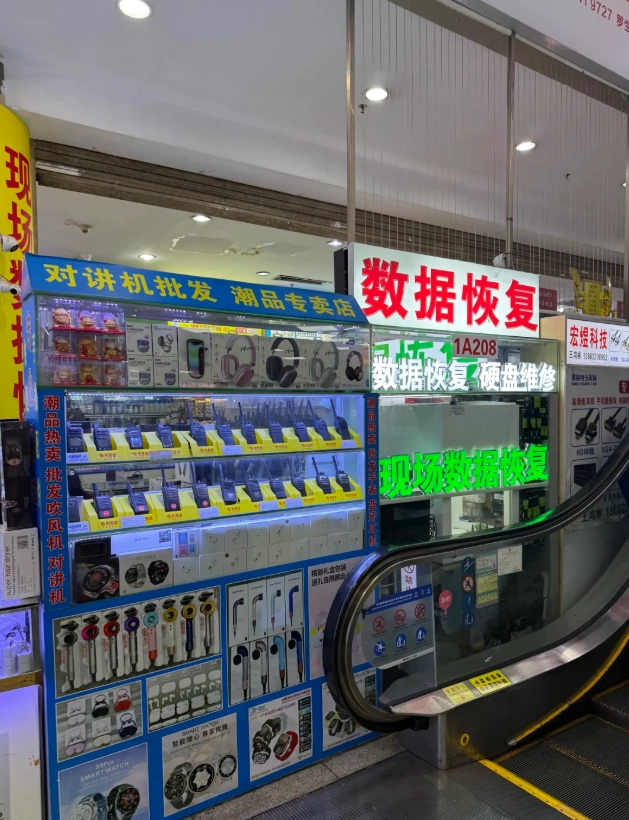
Sample 4-Hour Route for a Stress-Free Visit
Here’s my go-to itinerary for first-timers:
10:00 — Arrive at Huaqiangbei Metro Station (Line 2, Exit A). Walk north for 3 minutes. You’ll see Huaqiangbei Electronics World on your right.
10:15 — Browse floors 2-4. Don’t buy on the first floor; it’s tourist traps. Head upstairs for better deals.
11:30 — Take a break at the bubble tea shop on the ground floor. Cash only? Actually, Alipay works. Order a milk tea (around ¥15).
12:00 — Compare prices between two stalls for the item you want. Use the bargaining script.
1:00 — Lunch at the food court in SEG Plaza (4th floor). Try the handmade noodles — shop workers eat here too.
1:45 — Last round of shopping. Check Longsheng if you need cables or adapters.
2:00 — Exit and grab a taxi back to your hotel. Show the driver this Chinese address: 华强北路1021号. Most metered rides within central Shenzhen cost ¥20-30.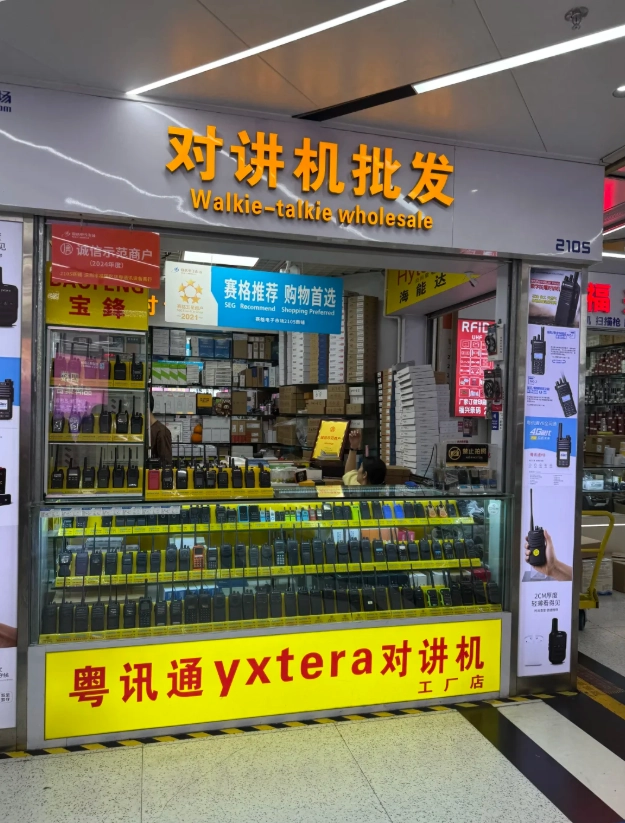





My wife and I used this while shopping for gadget souvenirs. It turned a chaotic market into a fun scavenger hunt. The little cultural tips—like how to accept a business card with both hands—actually impressed a few vendors, and we got free USB cables as a thank-you. The audio links for pronunciation are a nice touch. Highly recommended for any tourist who wants to dive deep.
As a hardware dev visiting for components, I was skeptical about needing a translator guide. But this one is incredibly practical—it includes unit prices, socket types, and even a mini glossary for capacitor specs. I used it at the SEG building and got exactly the parts I needed without playing charades. Totally worth the download. Five stars from a picky engineer.
Absolute game changer. I’m a solo traveler with zero Mandarin, and this guide made Huaqiangbei feel like a normal shopping mall. Walked straight to the DIY drone section, haggled in broken but correct phrases, and walked out with a sweet robot kit. The side notes on which escalators to avoid during peak hours saved me so much sweat. 5 stars, no question.
I bought this as a last-minute read before heading to the electronics market. It helped me find the right floor for phone parts without screaming across counters. The pronunciation guides are actually usable, and the section on avoiding fake components saved me from a bad deal. Only gripe: no info on the newer SEG Plaza food stalls. Still, a solid 4 stars for a pocket-sized translator alternative.
Picked up this guide before my first trip to Huaqiangbei. Honestly, I was a bit let down. The tips about bargaining are decent, but the map references are already outdated—several shops listed have moved or closed. Also, some phrases are too formal; real vendors barely use them. It's okay for a complete newbie, but don't expect it to replace asking locals.