 Qiang Huang
I still remember the first time I led a group to Tiger Hill — we arrived at 10 AM on a Saturday in April. The queue at the south gate snaked for 50 meters under the already scorching sun. My clients, jet-lagged and sweating, were not happy. That day taught me a lesson I've never forgotten: timing is everything at this 2,500-year-old site.
Here's the deal: Tiger Hill (虎丘, Hǔ Qiū) is Suzhou's most iconic historical attraction, famous for the leaning Yunyan Pagoda and stunning gardens. But the best time to visit Tiger Hill Suzhou isn't just about weather — it's about dodging crowds, maximizing photo ops, and saving your sanity. In this guide, I'll share exactly when to go, based on years of firsthand guiding.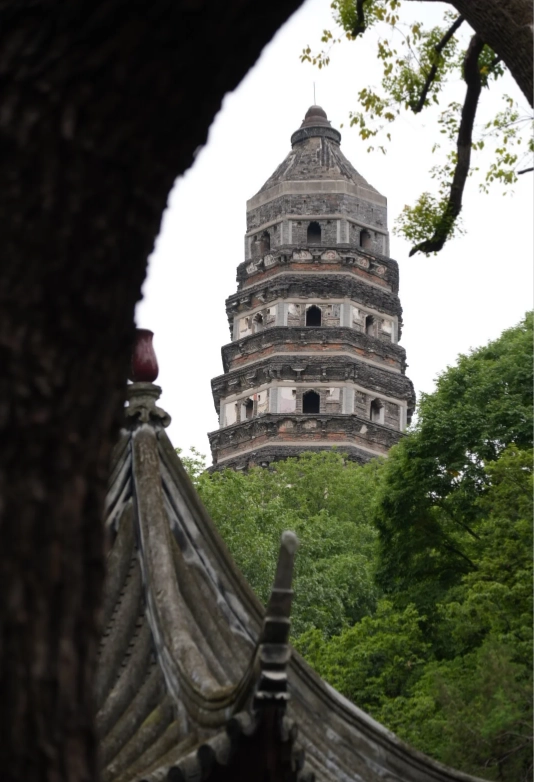
Why Timing Matters at Tiger Hill Suzhou
Tiger Hill pulls in thousands of visitors daily, especially during Chinese holidays and weekends. The site is compact — you can cover it in 2–3 hours at a relaxed pace — but narrow paths and bottlenecks near the pagoda make it feel crowded fast. Add in the fact that many foreign visitors rely on limited payment options and English signage, and you'll want to pick a time when staff are less rushed and more helpful.
Bottom line: Go at the wrong time, and you'll fight selfie sticks and queue for 30 minutes at the restroom. Go at the right time, and you'll almost have the place to yourself.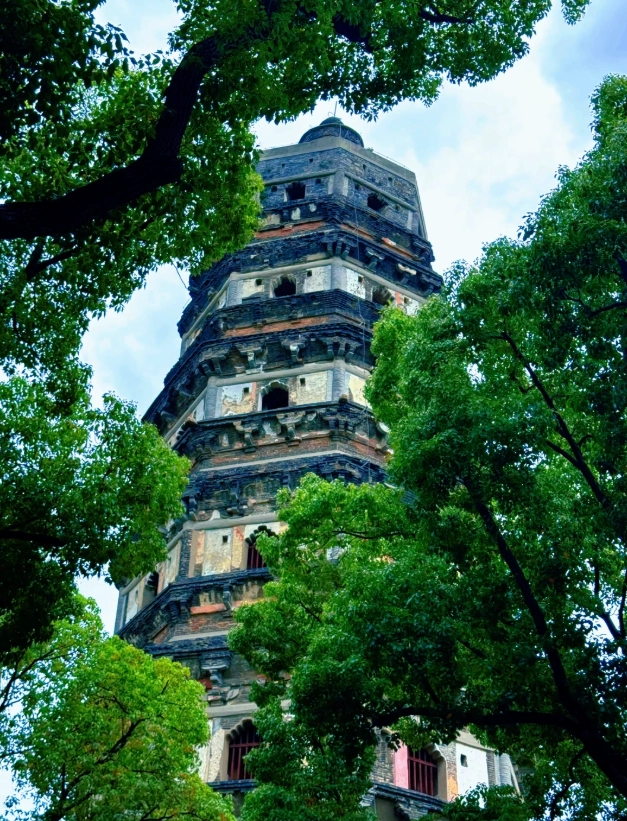
Seasonal Breakdown: Spring, Summer, Autumn, Winter
Spring (March–May) – Cherry Blossoms & Perfect Weather
This is my personal favorite season. March brings plum blossoms, April has cherry blossoms along the eastern slope, and May has azaleas. Temperatures hover between 15–25°C (59–77°F) — ideal for walking up the 200 steps to the pagoda. But here's the catch: spring is peak tourist season, especially during April's Qingming Festival and May's Labor Day week. If you can visit mid-week in late March or early May, you'll hit the sweet spot.
Summer (June–August) – Hot, Humid, but Fewer Crowds?
Summer in Suzhou is brutal. Temperatures often hit 35°C (95°F) with high humidity. Afternoon thunderstorms are common. Surprisingly, summer afternoons are actually less crowded because tour groups avoid the heat. The lotus pond near the Sword Pool blooms in July, which is lovely. But I'd only recommend summer if you're okay with sweat and sudden downpours. Bring an umbrella and a portable fan.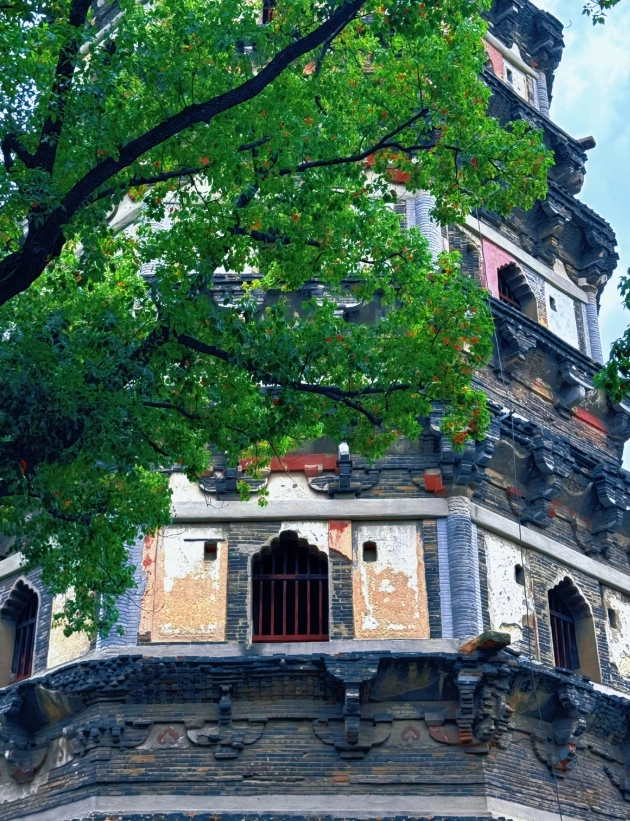
Autumn (September–November) – Golden Leaves & Cool Breezes
If you're torn between spring and autumn, go with autumn. September and October are warm but not hot, and November brings stunning red and yellow foliage around the Huqiu Garden area. The National Day holiday (October 1–7) is a chaos zone — avoid at all costs. Mid-October to early November is the golden window: cool air, fewer crowds, and fantastic light for photography.
Winter (December–February) – Quiet but Chilly
Winter is the low season. Temperatures range from 0–10°C (32–50°F), and the gardens look bare. However, if it snows (rare but magical), the pagoda against white grounds is a photographer's dream. You'll practically have the hill to yourself. The downside? Many tea houses and stalls close early. I only recommend winter for solitude-seekers who don't mind bundling up.
Month-by-Month Guide
Here's a quick reference table I give to my clients. Ratings are based on crowd levels (1 = empty, 5 = packed) and weather comfort (1 = unpleasant, 5 = ideal).
| Month | Crowd Level | Weather Comfort | Must-Know |
|---|---|---|---|
| January | 1 | 2 (cold) | Low season; many facilities limited |
| February | 2 | 2 | Chinese New Year can spike crowds; check lunar calendar |
| March | 3 | 4 | Plum blossoms; spring break crowds on weekends |
| April | 5 | 4 | Cherry blossoms + Qingming holiday = worst crowds |
| May | 4 | 5 | Labor Day holiday first week; afterward nice |
| June | 3 | 3 (humid) | Early summer crowds moderate |
| July | 2 | 2 (hot) | Lotus blooms; afternoons quiet due to heat |
| August | 2 | 2 | Still hot; occasional typhoon rain |
| September | 3 | 4 | Pleasant weather; Mid-Autumn festival events |
| October | 5 | 4 | National Day holiday (Oct 1-7) insane; after mid-month perfect |
| November | 2 | 4 | Best month: autumn colors, cool, few tourists |
| December | 1 | 3 | Cold but peaceful; occasional snow |
Best Time of Day to Visit Tiger Hill Suzhou
Even within a season, the hour you arrive can make or break your trip. Here's my hard-earned experience:
- 8:00–9:00 AM (Opening hour): The absolute best window. Gates open at 7:30 (summer) or 8:00 (winter). I always get my group there right at opening. You'll see the pagoda in soft morning light and hear nothing but birds. By 10 AM, the first bus groups arrive.
- 12:00–2:00 PM (Lunch time): Counter-intuitively, this is also a decent time. Tour groups head out for lunch, so the hill empties for a couple hours. Not as good as morning, but works if you're on a tight schedule.
- 3:00–4:30 PM (Golden light): The afternoon sun hits the pagoda beautifully. But beware: many visitors come after 2 PM to catch the sunset, so it's moderately crowded. Stick to the back paths.
- Avoid 10:00 AM–12:00 PM: That's when all the group tours converge. The main path from the entrance to the pagoda becomes a slow-moving river of people.
Events & Festivals at Tiger Hill: What to Know
Tiger Hill hosts several seasonal events. Some are worth planning around, others are best avoided.
- Spring Flower Fair (March–May): Colorful floral displays, but also extra crowds. If you love flowers, go early.
- Mid-Autumn Lantern Festival (September/October): Evening events with lanterns. Beautiful, but requires a separate ticket and the hill stays open later. Limited English information — check if your hotel can help book.
- New Year's Bell Ringing (January 1): At midnight, the bell at the pagoda is rung 108 times. Very cold but very special. However, access is restricted; only 500 people allowed. Tickets sell out weeks in advance through Chinese platforms.
Practical Tips for Foreign Travelers
Now, let's talk about the stuff that often trips up international visitors. I've seen it all.
Getting There
Address: No. 8 Huqiu Road, Gusu District, Suzhou (苏州市姑苏区虎丘路8号). Show this to your taxi or Didi driver. Google Maps is unreliable in China; use Apple Maps or Amap (高德地图). From Suzhou city center (Guanqian Street area), a Didi ride takes about 20 minutes and costs around 25–35 RMB. Bus routes: 游1, 游2, 32, 146 get you to the south gate — alight at 'Tiger Hill' stop, then walk 5 minutes.
Tickets & Booking
Adult ticket: 70 RMB (about $10 USD) off-peak, 80 RMB during peak seasons (like spring flower fair). Children under 1.4m or 6–18 years old get half price; seniors over 60 get free entry. You must bring your passport — no exceptions. Booking is required on busy days: you can reserve via Trip.com (English interface) or the official WeChat mini-program (Chinese only, painful for foreigners). I strongly suggest asking your hotel front desk to book for you, or using Trip.com. Credit cards are not accepted at the gate — only Alipay, WeChat Pay, or cash (though cash change can be slow).
Payment Inside
The shops and tea houses inside only take Alipay or WeChat Pay. Cash might be turned away. Make sure your payment apps are set up before arriving. If you don't have Chinese mobile payment, bring small bills (10, 20 RMB) but expect difficulty.
Navigation & Internet
As I said, Google Maps won't work. Download Apple Maps offline maps of Suzhou before you go, or use Amap with English mode (limited). You'll need a VPN to access Google, Facebook, etc. Install it before you leave your home country. For translation, Apple Translate or Baidu Translate (works offline) can help.
What to Bring
Comfortable walking shoes (there are steps and slopes). Water — there are few drinking fountains. Sunscreen and a hat in summer. A light jacket in spring/autumn. An umbrella year-round — sudden showers are common. And a portable power bank: you'll use your phone for navigation and payment, and battery drains fast.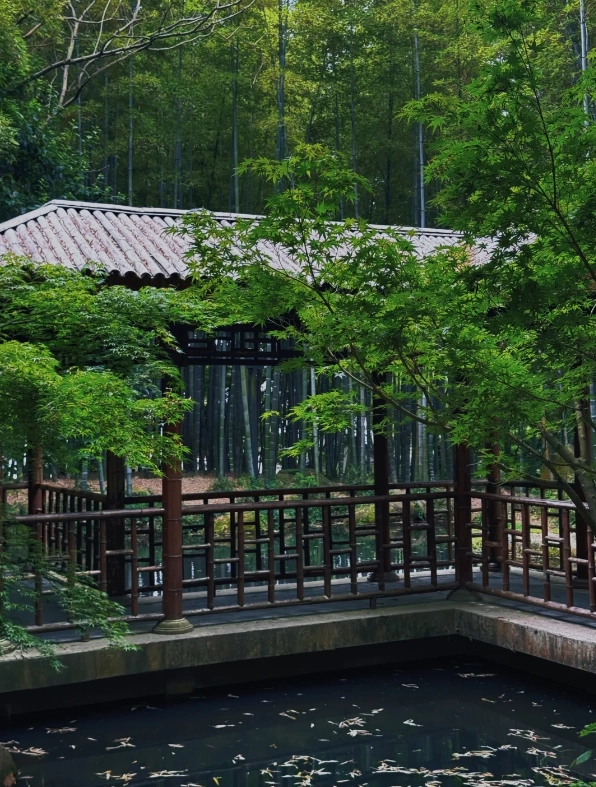
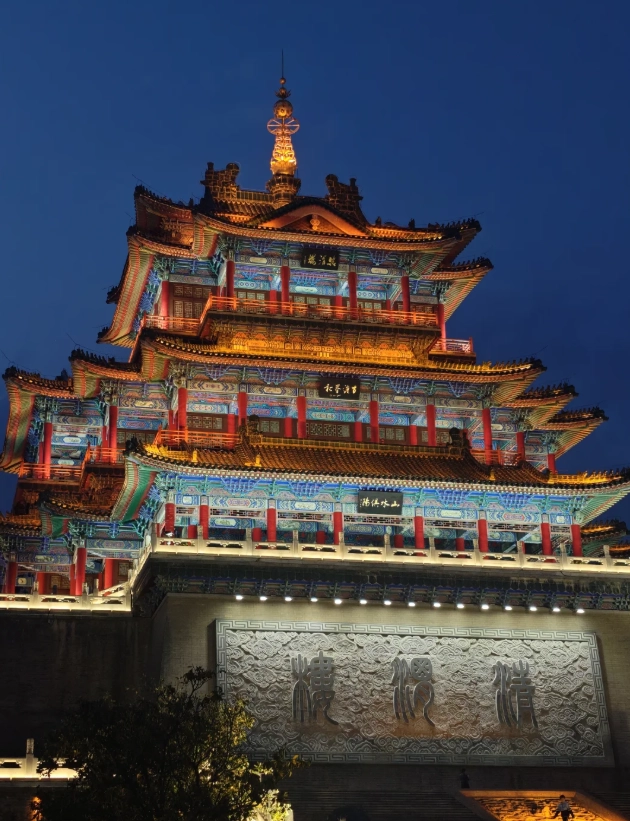
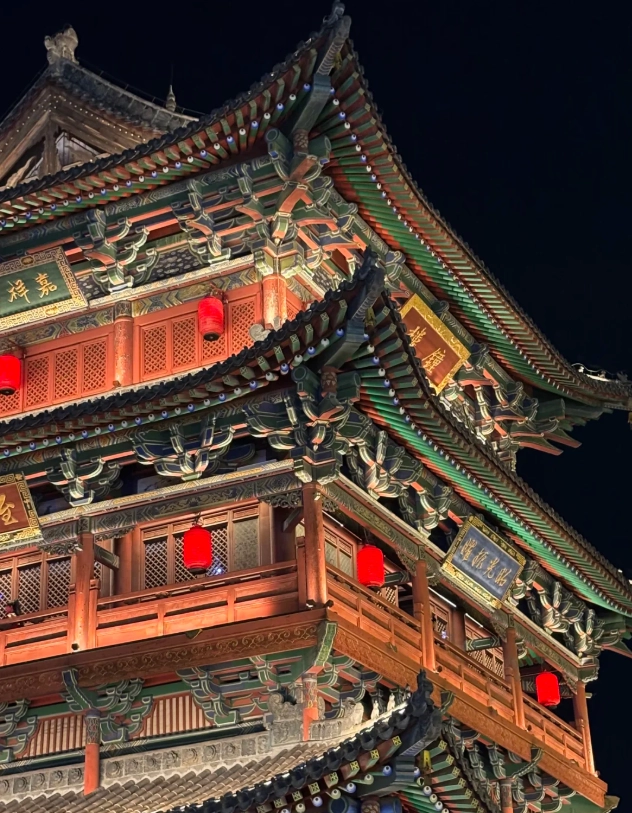






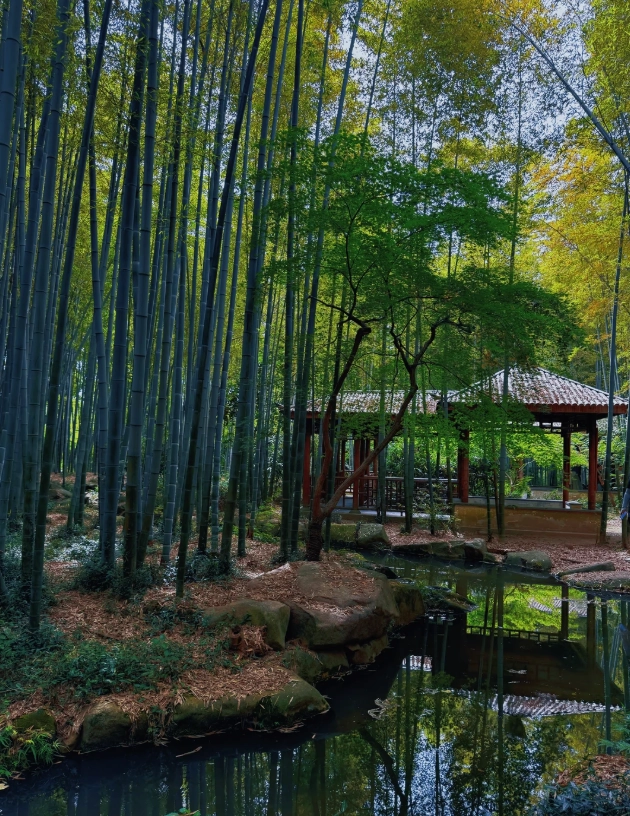
We followed the advice to visit on a Tuesday morning and it was perfect. No queues, peaceful strolls, and the bamboo groves were so serene. The climb is easy and the view from the top over Suzhou is stunning. Also, the tea house near the pagoda serves excellent local green tea. Highly recommend combining with a visit to the nearby Hanshan Temple. Best time? Definitely early weekday.
I'm a history enthusiast and Tiger Hill exceeded expectations. The legends of King Helu's tomb, the sword pool, and the 1000-year-old pagoda are fascinating. I hired an audio guide (30 RMB) which was worth it. Visited in late October around 10am – still manageable crowds. The combination of cultural depth and natural beauty is unbeatable.
Arrived at 6:30am just before sunrise. Absolutely magical. The mist over the pagoda, the birds singing, and barely a dozen people around. I had the entire hilltop to myself for a good 20 minutes. This is the ONLY way to experience Tiger Hill. If you can wake up early, do it. Best views and zero crowds.
Went around 3pm on a weekday in autumn. The golden leaves were lovely and the hill wasn't too packed. The Sword Pool and the leaning pagoda are must-sees. Only downside: some signs are in Chinese only, so I missed a few storytelling spots. But overall a pleasant afternoon.
I visited Tiger Hill last Saturday at 8am based on the 'early morning' tip. Honestly, I still found it quite crowded with tour groups. The pagoda is impressive but the whole experience felt rushed because of the constant stream of people. Maybe the 'best time' advice works better on weekdays. Also, the ticket price (70 RMB) felt steep for what you get. Not bad, but not amazing either.