 Yan Zhou
What’s Inside
I’ve lost count of how many times I’ve led a group through Tongli’s narrow alleys, only to see them exhausted by noon. The water town is gorgeous, but the crowds can kill the charm. — especially if you show up at the wrong hour. Let me save you that headache.
After dozens of trips, I’ve dialed in the absolute best time to visit Tongli Water Town: midweek in late March or early November, arriving before 8:30 AM. That sweet spot gives you empty bridges, cool air, and half the ticket price if you score a weekday discount.
Here’s the nitty-gritty on how to plan.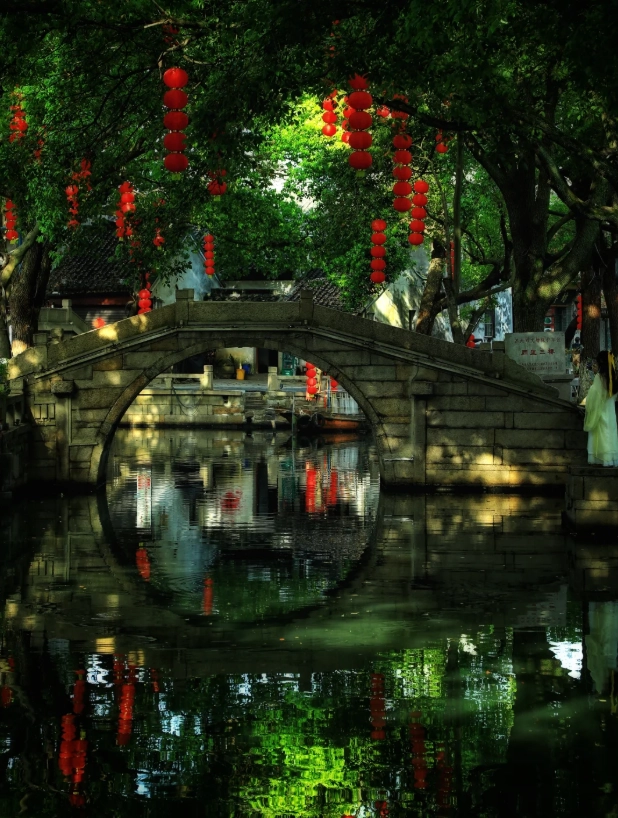
Why Timing Matters More Than You Think
Most visitors lump Tongli into a half-day side trip from Suzhou. They arrive around 10 AM, pile off buses, and suddenly the ancient streets feel like a shopping mall. I’ve watched couples struggle to take a photo without strangers in the frame. That’s avoidable.
The key factors: crowd volume, weather comfort, and even light for photography. Miss the window, and you’re stuck elbowing through tour groups. Hit it right, and you’ll feel like you own the place.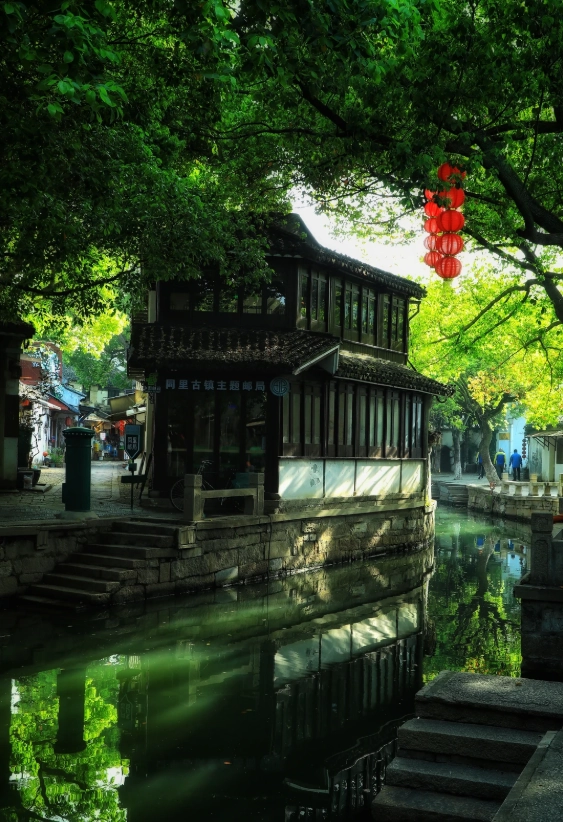
Best Months to Visit Tongli Water Town
Spring (March to May) and autumn (September to November) are the classic choices. But let me break it down further.
| Season | Pros | Cons |
|---|---|---|
| Spring (Mar-May) | Mild temps (15-25°C), blooming flowers, fresh air | April showers possible; late March can still be cool |
| Summer (Jun-Aug) | Lush greenery, lotus flowers | Hot (30-35°C), humid, heavy rain, peak domestic tourism |
| Autumn (Sep-Nov) | Crisp air, golden leaves, fewer crowds after Oct | October Golden Week is insane (avoid Oct 1-7) |
| Winter (Dec-Feb) | Nearly empty, cheapest tickets, unique winter scenes | Cold (0-10°C), some restaurants close early, grey skies |
My personal pick: last two weeks of November. The fall colors peak, temperatures hover around 10-15°C, and the crowds thin out dramatically after National Day. You can walk across the iconic Taiping Bridge without bumping into anyone.
Peak vs. Off-Season: The Real Difference
Let’s talk money and elbow room.
Peak season (April-May, September-October, all weekends): Ticket price is 100 RMB (adult). Queues at the entrance can take 20 minutes. Expect shoulder-to-shoulder on the main paths from 10 AM to 3 PM.
Off-season (weekdays in November, December, January, February except Chinese New Year): Tickets drop to around 80 RMB (sometimes even 50 if you book through Trip.com). You’ll have most sections to yourself. Many small shops close earlier, but the charm of an empty water town is unbeatable.
Weekdays vs weekends matter hugely. I sometimes bring clients on a Tuesday morning, and they can’t believe it’s the same place that was packed on Saturday.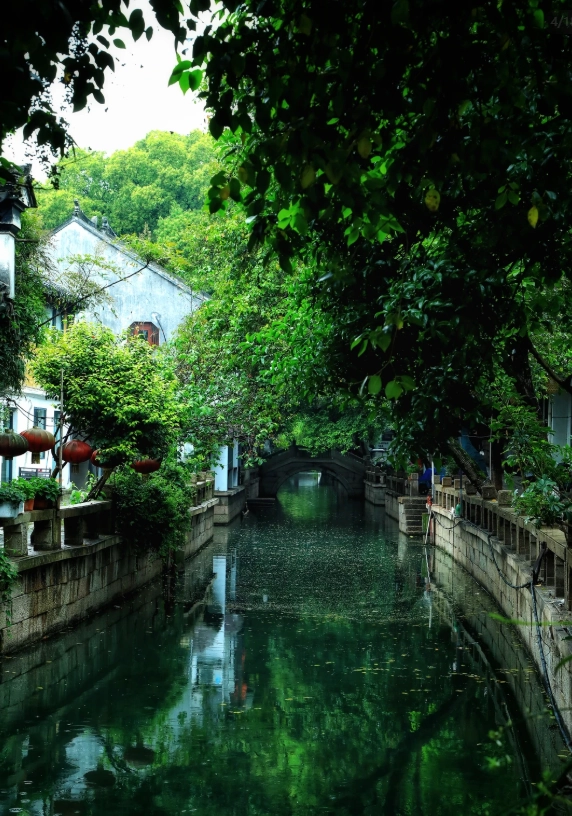
Best Time of Day: Beat the Crowds
Arrive at the gate by 8:00 AM (opening time is usually 7:30). Here’s why:
- 7:30-9:00 AM: Golden hour for photos, cool air, virtually empty streets. Locals are having breakfast; you’ll see life without the tourist filter.
- 9:00-11:00 AM: Tour groups start flooding in. Acceptable but busier.
- 11:00 AM-2:00 PM: Absolute worst. Crowded, hot, and the light is harsh for photos. I always tell my clients to grab lunch outside the town or find a quiet teahouse during this window.
- 2:00-4:00 PM: Moderate crowds, but afternoon light gets warm.
- 4:00 PM onwards: Crowds thin again as day-trippers leave. The sunset light over the canals is magical. Many temples close by 5 PM, but you can still wander.
My trick: come for sunrise, explore until 10:30, then take a long lunch at a local restaurant (try “Tongli Xiaoguan” for braised pork). Return at 3:30 PM for the second half.
Weather & Packing Tips by Season
This isn’t your typical “bring comfortable shoes” advice. Let’s get specific.
Spring: Bring a light waterproof jacket. The canals reflect dampness, and sudden showers are common. Umbrellas sold at the gate are flimsy and overpriced.
Summer: You will sweat. Carry a portable fan and drink lots of water. The deep shade under the eaves helps, but the humidity can be brutal. I always stash electrolyte powder in my bag.
Autumn: Layering is key. Mornings can be 10°C, afternoons 20°C. A thin sweater plus a windbreaker works.
Winter: Thermal underwear and gloves. The canals make it feel colder than the thermometer says. But the misty mornings are worth it.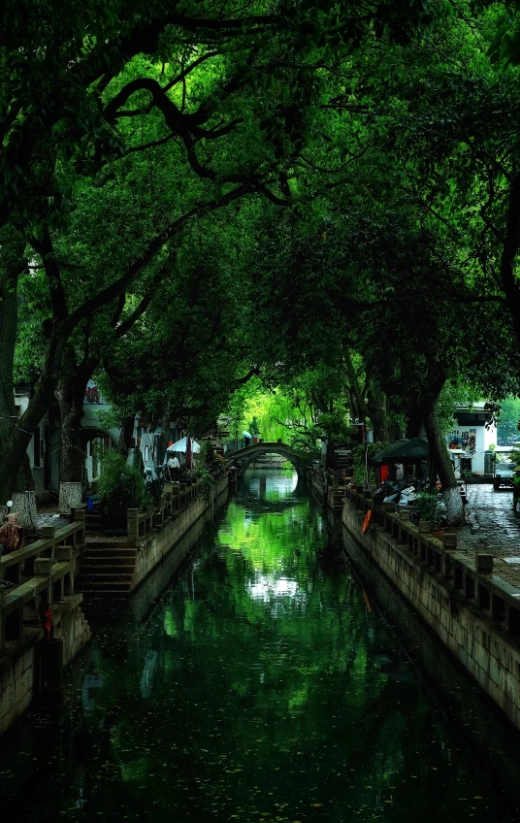
Practical Tips for Foreign Tourists (Based on Real Headaches)
Payments: Forget Cash, Use WeChat or Alipay
I saw a German tourist struggle to buy a bottle of water because the vendor had no change. Almost every shop, ticket booth, and restaurant in Tongli only accepts mobile payments. You need a Chinese bank account to set up WeChat Pay, but you can link a foreign credit card to Alipay. It’s not instant; set it up before you arrive. Some stalls might take cash, but don’t count on it.
Navigation: Google Maps is Useless
Open Apple Maps or use Amap (AutoNavi) in English mode. The address you’ll need to show a taxi driver: “同里古镇景区,苏州市吴江区同里镇”. Most ride-hailing apps (Didi) have an English interface.
How to Get There from Suzhou
Take Metro Line 4 to Tongli Station (40 minutes from Suzhou city center). Then transfer to bus 725 or take a taxi (about 20 RMB, 10 minutes). The gate is a 5-minute walk from the bus stop. I recommend the metro; traffic can be unpredictable.
Booking Tickets
Buy online via Trip.com or Klook to skip the queue. Your passport is required for entry. The ticket includes the main attractions: Tuisi Garden, Pearl Tower, and several small museums. The garden alone is worth it.
Language & VPN
Download Baidu Translate or Apple Translate. Most staff don’t speak English. Also, install a VPN before you come; I like ExpressVPN or NordVPN. Without it, you can’t access Instagram, Google, or even check email.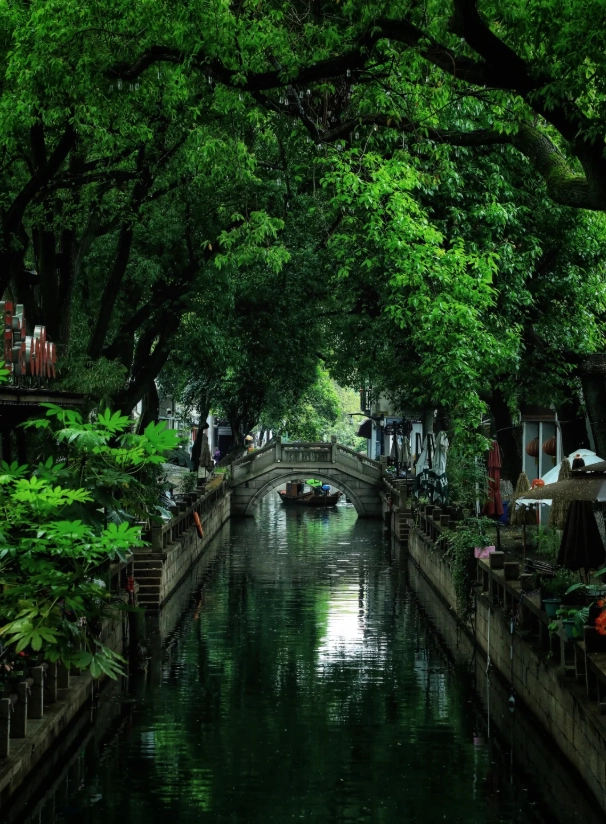
Still Have Questions?
This content has been fact-checked to ensure informational precision.







Best decision we made all year: visiting Tongli on a rainy Tuesday in November. The mist over the canals created this dreamy atmosphere you see in paintings. Hardly any tourists — just locals going about their day. We saved 30% on entrance fees by booking online in advance (as suggested), and the hotel gave us a free upgrade because the place was almost empty. If you want the real, peaceful water town experience without the crowds and at half the cost, come in late autumn on a weekday.
Went during Chinese New Year — total mistake on my part. The article warned about holidays, but I thought it’d be festive. It was just wall-to-wall people, ticket prices higher than normal, and every tea house was packed. I did manage to get some nice photos early morning before the rush, but the overall vibe was stressful. The town itself is gorgeous, no doubt, but I’d only recommend visiting on an off-peak weekday. Lesson learned.
Midweek in March was the sweet spot for us. The plum blossoms were out, the air was crisp, and we practically had the whole water town to ourselves. We followed the advice to arrive before 9 AM and it worked like a charm. Snacks along the main street were affordable and fresh. The only minor downside was that a few restaurants were closed for lunch because it was low season, but we found a lovely family-run spot near the east gate. Great value trip overall!
We went on a Saturday in July and honestly the crowds were a nightmare. Should have checked this article first. The streets were packed shoulder to shoulder, and we spent more time queuing for the boat ride than actually enjoying the scenery. The heat didn’t help either. That said, the architecture and canals are beautiful — I’m sure it’s magical if you come on a quiet day. But for us, the experience was ruined by the sheer number of people. Would not repeat.
Visited in late October on a weekday — absolutely perfect. Almost no one on the little bridges, and the autumn light made the canals glow. We saved a ton because off-peak hotel rates were half the summer price. Highly recommend going right when they open at 8 AM; you’ll have the whole place to yourself for the first hour. My only tip: bring mosquito spray even in fall, they’re still around near the water.