 Yan Zhou
What You’ll Learn
I stood on the windswept cliff, salt spray hitting my face. Was this really worth the long drive? Let me save you the guesswork.
Pingtan Island—known for its rugged coastlines, ancient stone villages, and the magical Blue Tears phenomenon—is a place that divides opinion. Some travelers rave about its untouched beauty. Others complain about wind, crowds, and inconvenient transport. Having guided small groups here and navigated the chaos of Chinese domestic tourism, I’ll give you the straight facts.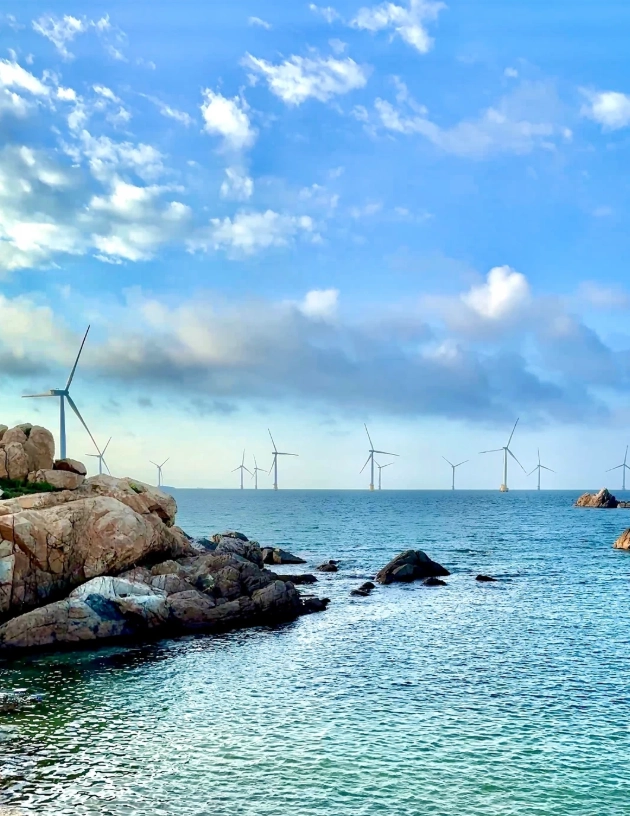
Verdict upfront: Yes, it’s worth visiting—if you time it right, know what to expect, and avoid the peak-season pitfalls. This guide covers everything you need to decide and plan.
What Makes Pingtan Special?
Pingtan Island (平潭岛) is China’s fifth-largest island, located off the coast of Fujian province. It’s famous for three things: the Blue Tears (bioluminescent plankton that glow blue at night), the unique stone houses (built from granite to withstand typhoons), and the massive wind turbines dotting the hills. The landscape is raw: dramatic cliffs, golden beaches, and fishing villages that feel frozen in time.
But here’s the catch—the Blue Tears are unpredictable. They appear most often from April to June, but even then, you need the right water temperature, moonlight, and luck. I’ve taken groups that saw nothing, and others that were left speechless.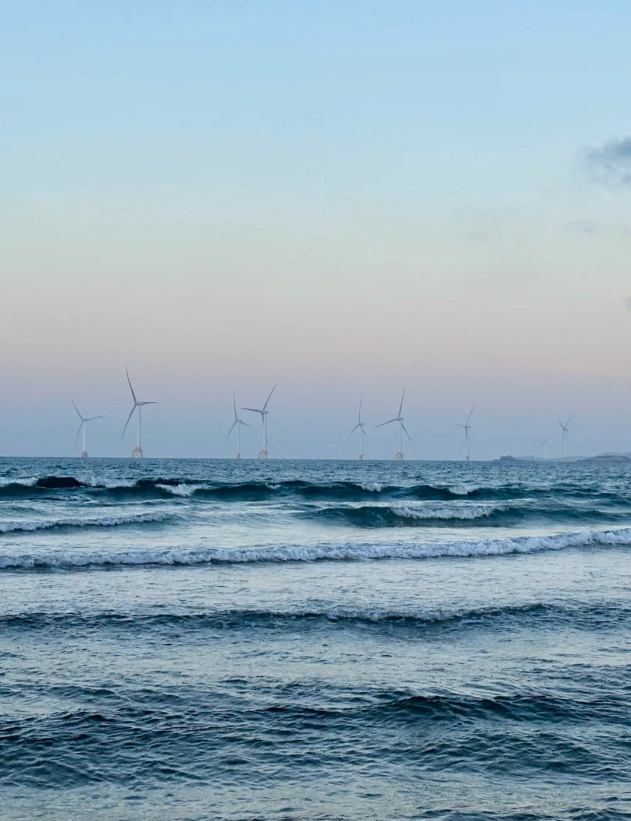
Getting There and Getting Around
How to Reach Pingtan
The most practical way is via high-speed train. Pingtan Station connects to major cities like Fuzhou (about 30 minutes) and Xiamen (about 2 hours). From the station, take a taxi or bus to your hotel. Alternatively, you can fly to Fuzhou Changle International Airport and then take a 2-hour drive or bus.
Address for taxi: 平潭站 (Pingtan Station). Show this to your driver.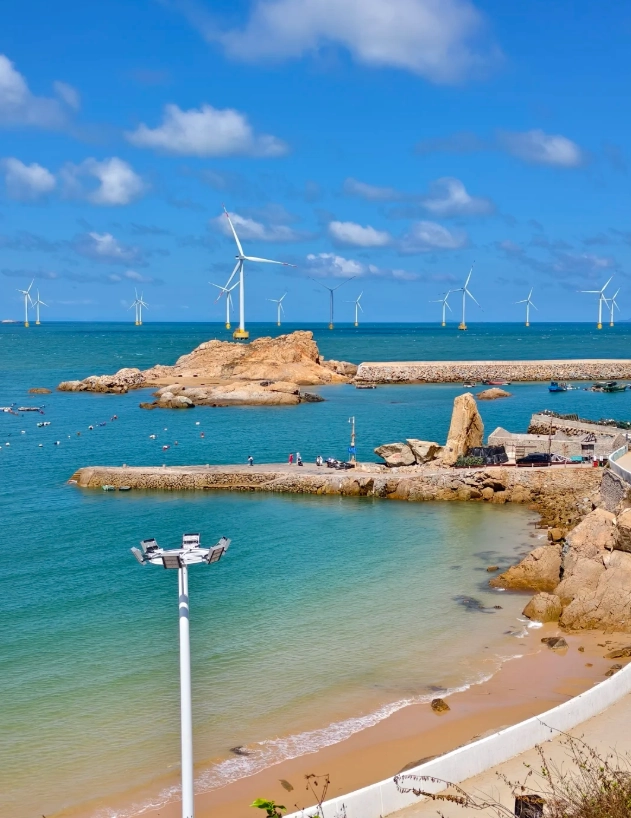
Getting Around the Island
Public buses exist but are infrequent and confusing for non-Chinese speakers. I strongly recommend renting a car with a driver or using ride-hailing apps like Didi (install before you arrive; it works with international SIM cards if you set it up). Google Maps is unreliable in China—use Apple Maps or Baidu Maps (Chinese only). For a day trip, hiring a driver for around ¥400–600 (US$55–85) for 8 hours is common. Negotiate at your hotel.
Pro tip: Always carry the Chinese name of your destination written down. Many drivers don’t speak English.
Best Time to Visit
Avoid Chinese public holidays (May Day, National Day in October) unless you enjoy massive crowds. The best months are April, May, September, and October. Summer (June–August) is hot, humid, and prone to typhoons. Winter is cold and windy, but the crisp air offers clear views.
For Blue Tears, aim for late April to early June. Check local reports on social media (Weibo) or ask your hotel—they know the latest sightings.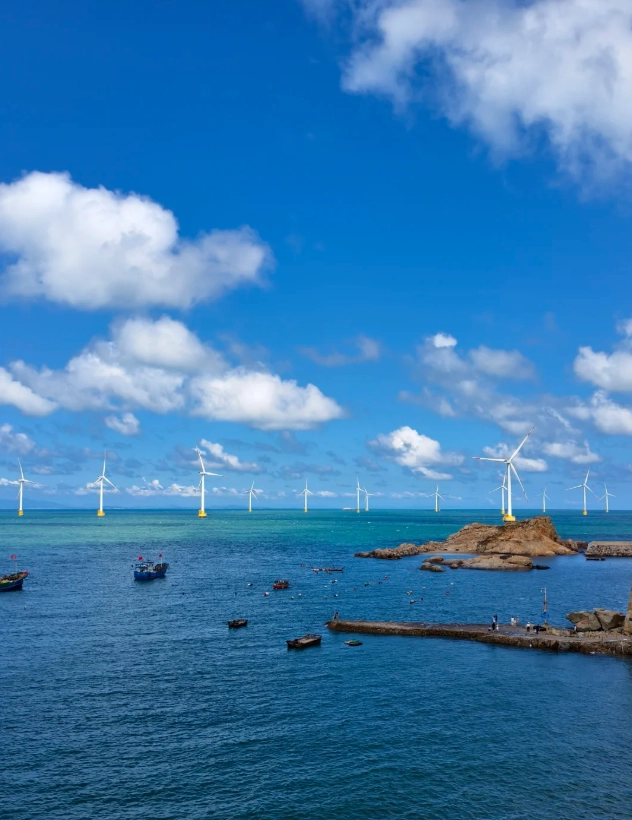
Top Things to Do
1. Chase the Blue Tears
The bioluminescent glow is most visible at Longfengtou Beach (龙凤头沙滩) or Tan’nan Bay (坛南湾). Arrive after sunset, preferably on a moonless night. The beach is free, but parking can be chaotic. Bring a flashlight and wear water shoes—the plankton are harmless, but the rocks can be sharp.
Address: 龙凤头沙滩 (Longfengtou Beach, Pingtan County)
My advice: Don’t expect a guaranteed show. I’ve had clients disappointed, so manage expectations. If you’re flexible, stay two nights to maximize chances.
2. Explore the Stone Villages
The most famous is Beigang Village (北港村), a cluster of traditional stone houses with cafes and art studios. Walk the narrow alleys, photograph the rooftops, and enjoy coffee with an ocean view. Entry is free; it’s about 15 minutes by taxi from the town center.
Address: 北港村 (Beigang Village, Pingtan County)
3. Visit the Cape of the Sea God (海坛天神)
A massive granite formation on the southern coast that resembles a god’s face. It’s a hike—about 30 minutes uphill from the parking lot—but the views are worth it. Entrance is ¥30 (US$4) per person, cash or mobile payment accepted.
Address: 海坛天神 (Haitan Tianshen, Pingtan County)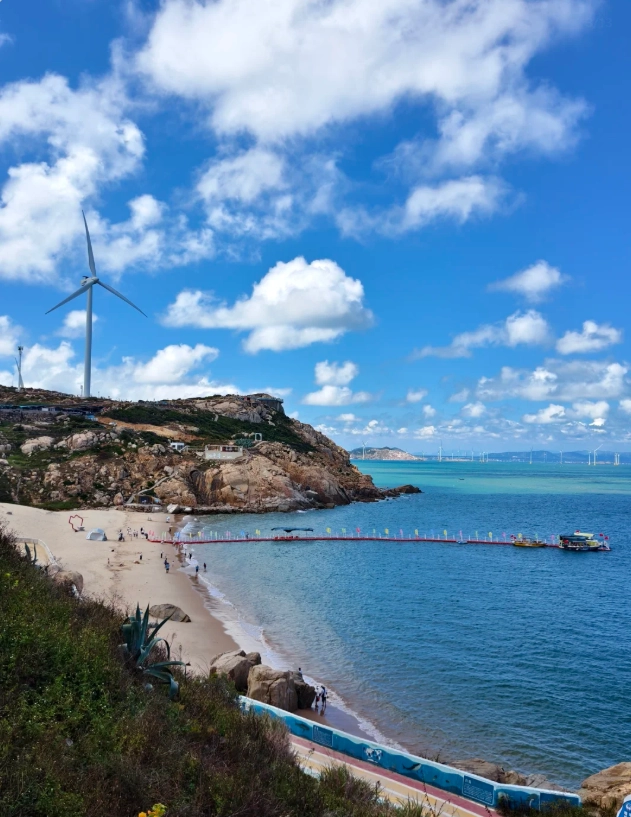
4. Drive the Coastal Road
The Pingtan Island Coastal Highway offers stunning views of wind turbines, cliffs, and beaches. Rent a scooter (¥200/day) or hire a car. Stop at Xianrenjing (仙人井), a sea-eroded cave with azure water— entry ¥40 (US$5.5).
Pro tip: The wind is fierce. Bring a windbreaker even in summer.
5. Sample Fresh Seafood
Head to the Pingtan Seafood Market (平潭海鲜市场) for the catch of the day. Pick your seafood and have it cooked at a nearby restaurant for a small fee. Expect to pay ¥100–150 per person. I recommend the grilled squid and steamed fish. Most stalls accept WeChat Pay/Qiwi, but cash is safer.
Where to Stay
For foreigners, I recommend staying in the town center (平潭县城) or near Longfengtou Beach. Here are three options:
| Hotel Name | Location | Price Range (USD/night) | Notes |
|---|---|---|---|
| Pingtan Island Grand Hotel (平潭海岛大酒店) | Downtown, near bus station | $40–70 | English-friendly front desk, reliable WiFi, elevator |
| Sea View Inn (海景客栈) | Longfengtou Beach area | $30–50 | Family-run, great location for Blue Tears, limited English, cash only |
| Stone House Boutique Hotel (石厝精品民宿) | Beigang Village | $60–100 | Unique architecture, scenic views, often fully booked, book via Trip.com |
Payment: Most hotels accept Alipay and WeChat Pay, but some smaller inns only take cash. Keep ¥500–1000 in small bills.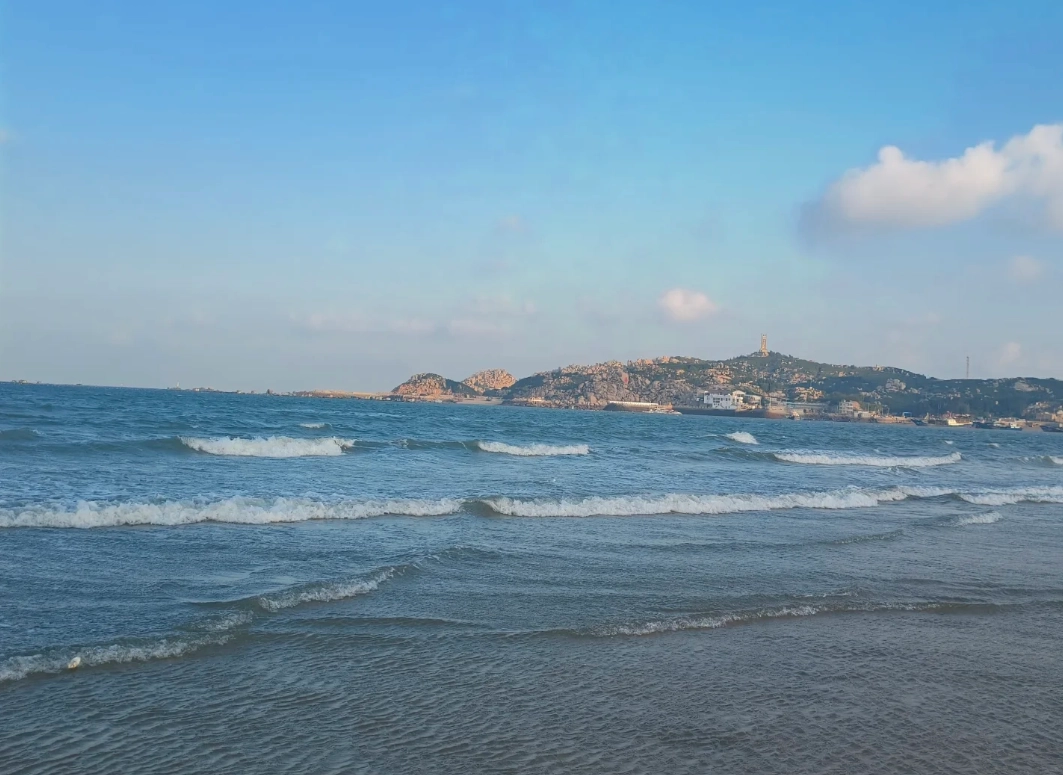
Foreigner-Friendly Tips
- VPN is essential: China blocks Google, Facebook, Instagram, and WhatsApp. Install a reliable VPN (like ExpressVPN or Astrill) on your phone and laptop before arriving.
- Payment: Alipay and WeChat Pay are king. Link your international credit card to Alipay (it supports Visa/Mastercard now). Carry some cash for small vendors.
- Navigating: Forget Google Maps. Use Apple Maps (works reasonably well) or the Chinese app Baidu Maps (but it’s all in Chinese). I always use Apple Maps and supplement with Didi for taxis.
- Booking attractions: Most places like the Cape of the Sea God don’t require advance tickets. But for popular spots during holidays, book via Trip.com or ask your hotel. You’ll need your passport.
- Language barrier: English is not widely spoken. Download a translation app like Baidu Translate or Apple Translate. Prepare phrases in Chinese: “请帮我拍照” (Please take a photo), “多少钱” (How much).
Personal gripe: The ticket booking system for even minor attractions sometimes requires a Chinese ID. If you hit that wall, politely ask staff to help you with your passport—they’ve seen it before but might be slow.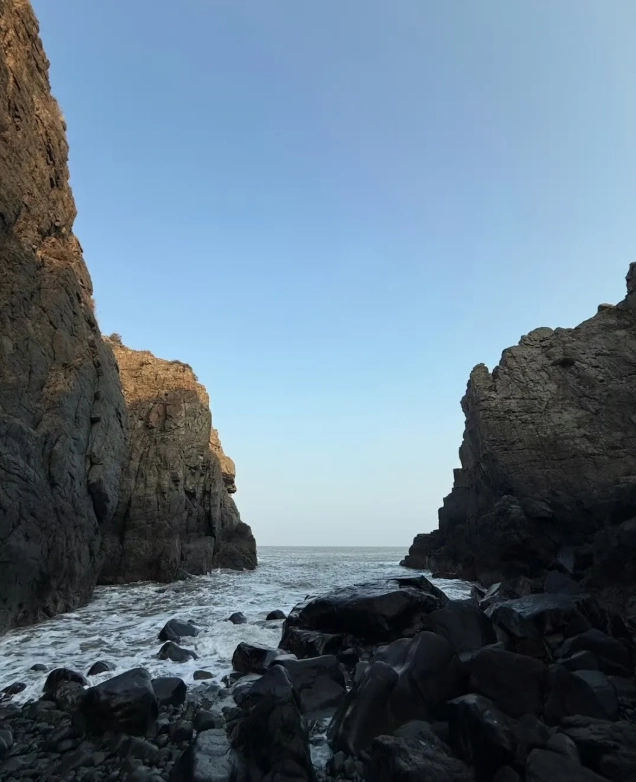








I’ve visited over 30 islands in Asia and Pingtan still surprised me. The landscapes are dramatic — think Jurassic Park meets Portuguese colonial ruins. The lighthouse trail at Dongjia Island is a must. Yes, it’s a bit raw (no fancy resorts) but that’s the charm. The article didn't exaggerate; it's a genuine off-the-beaten-path paradise. Already planning a return trip.
One of the best decisions I made this year. The air is so clean, the pace of life slow, and the locals are genuinely friendly. Stayed in a homestay near the old stone houses and ate freshly caught fish every night. The article’s honest take convinced me to go, and I’m so glad I did. Perfect escape from city noise. Highly recommend renting a scooter.
Absolutely fell in love with Pingtan! The rugged coastline, endless blue skies, and quiet fishing villages felt like a hidden gem. Rode an e-bike from Tanxi Bay to the wind turbines — pure magic. The article nailed it: it’s raw and unpolished, which is exactly what I wanted. Sunset at the boulder beach was unforgettable. 10/10 would come back.
Pretty solid trip overall. The sea stacks and rock formations are unique, and the seafood is fresh. Roads are decent and biking along the coast was fun. Only complaint: the article hyped up the northern leg too much — the view is nice but not life-changing. Still worth a long weekend if you keep expectations in check.
Came here after reading that article. Honestly, I was a bit let down. The beaches are okay but nothing spectacular compared to other islands I've been to in Fujian. The wind is constant and makes it hard to relax. Some spots were overcrowded even in off-season, and the local food options are limited and overpriced. I’d say skip if you’ve seen better coastlines.