Xiamen Travel FAQ
Can I use my US or EU driver's license in Fujian?
Not directly. You'll need an International Driving Permit plus a Chinese temporary license, which often requires an online test at the local vehicle authority. The bureaucracy is heavy, so I don't recommend driving for a short trip. Use Didi or a private driver instead.
What to do in Fujian on a tight 2-day schedule?
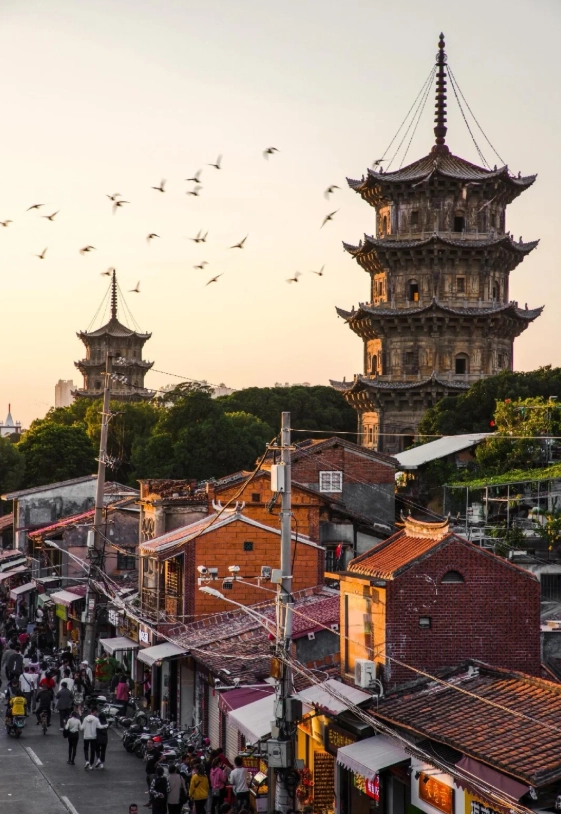
If you only have 48 hours, base yourself in Xiamen. Day one: early ferry to Gulangyu, then wander the island until 3 PM. Take the ferry back and explore the area around Xiamen University. Day two: take the 7:30 AM train to Quanzhou, spend the day in the old town, and return to Xiamen for dinner. Skip the Tulou - they need a full day and are better saved for a second visit.
I booked everything with an online agent; is there anything I can't do with a credit card?
Many street food stalls and local tea shops only accept WeChat Pay or Alipay. Exchange some cash for small purchases, but don't rely on it. Also, public buses in Fuzhou still only accept chip-based IC cards or mobile payment. Use the subway or Didi instead.
Are the steps in Wuyi Mountain accessible for someone with mobility issues?
The entrance area is flat, and there's a battery cart. The path to the bamboo raft is mostly flat, so you can wheelchair it. But the climb up to Tianyou Peak has hundreds of stairs; even I needed a break. Stick to the raft and the lower scenic area for a comfortable experience.
Is Fujian safe for solo female travelers?
Fujian is very safe in the sense of petty crime. Obviously, use normal precautions. The main hazard is getting lost in translation. I always hand solo travelers a Chinese-language map with their accommodation marked. It's a small step that often prevents panic.
I only have one evening in Xiamen. What should I prioritise to eat?
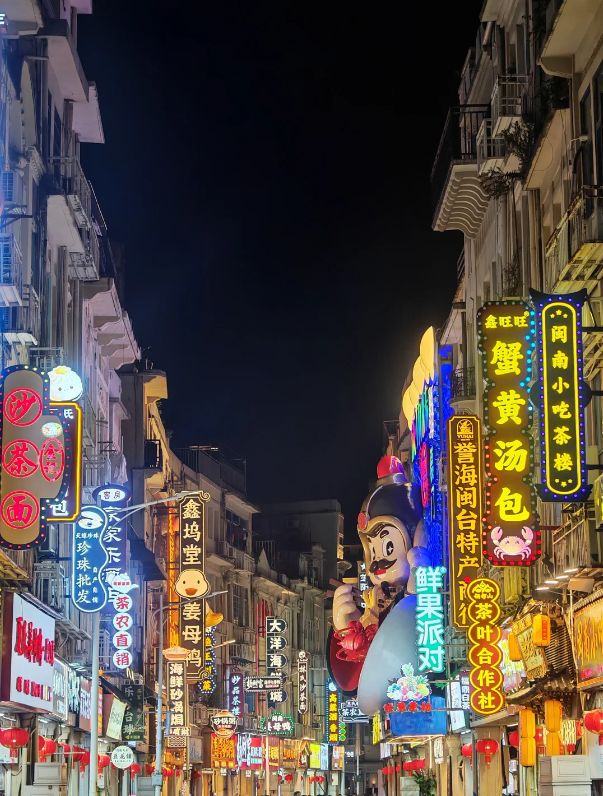
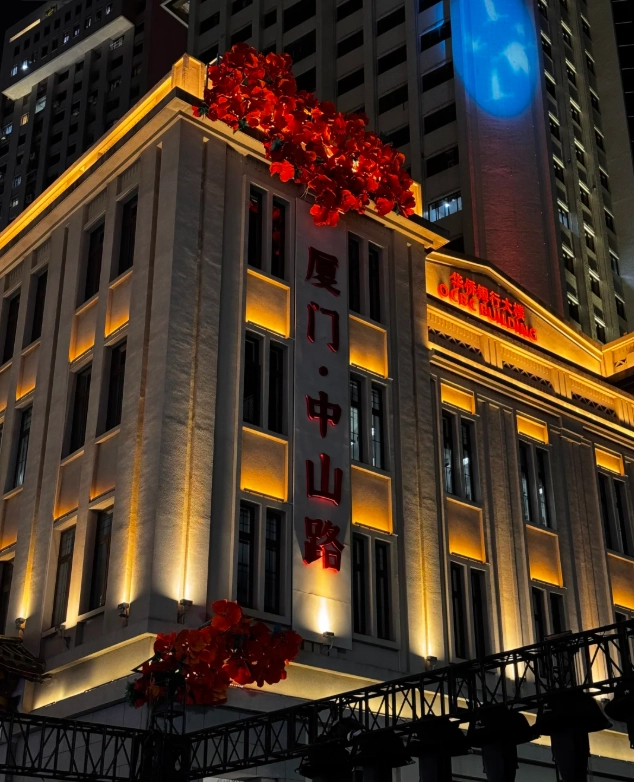
Hit Zhongshan Road. Start with a bowl of sha cha mian at Yue Hua, then walk to Huang Ze He for peanut soup. If you still have room, grab a zongzi to go. That covers the essentials. Don't bother with a sit-down dinner; street food is where the soul lives.
How can I find the best food stalls when I can't read Chinese?
Look for queues of locals, not length. Use Apple Maps to search by the Chinese characters I've provided. Also, trust your nose — if it smells like garlic and sesame, it's probably good. When in doubt, show your phone with a photo of the dish to the vendor.
Are street food stalls in Xiamen safe to eat at?
In my years of taking visitors here, I've never had a serious issue. The turnover is high, so food is fresh. Look for stalls that cook to order and don't have pre-cut ingredients sitting out for hours. Wash down with bottled water.
Is there any food in Xiamen that might be a shock for Western palates?
The notorious sandworm jelly (土笋冻) is a texture shock — it's wobbly and cold. Also, the hot peanut soup looks like a dessert but is served warm with savory sides. Keep an open mind; even my picky guests ended up loving them.
Do I need a visa to visit Fujian?
That depends on your nationality. Most tourists need a tourist visa (L-family visa) from the Chinese embassy. The good news: China has extended its visa-free transit policy to 54 countries – if you're only passing through and stay under 144 hours (like in Xiamen or Fuzhou), you may be eligible. Check the National Immigration Administration website for the latest rules. Always apply through your local Chinese embassy rather than trusting agents.







Recent Reviews
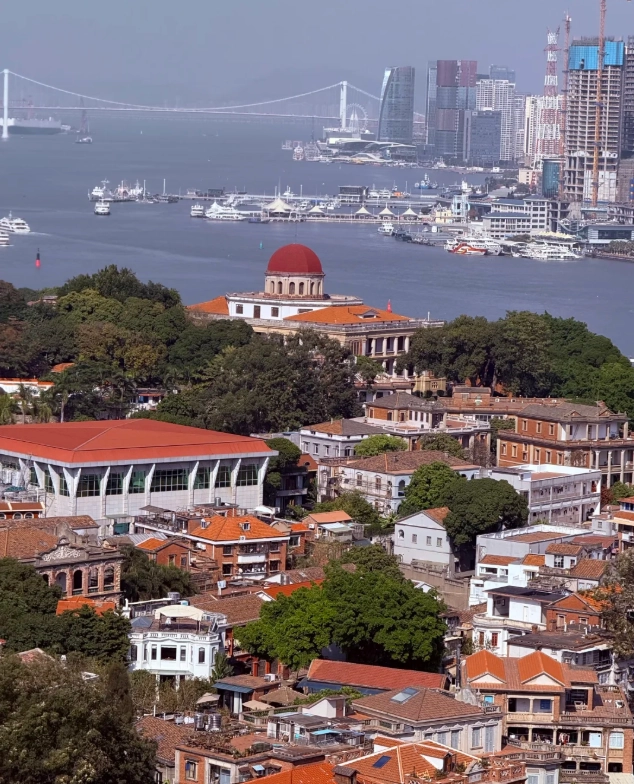
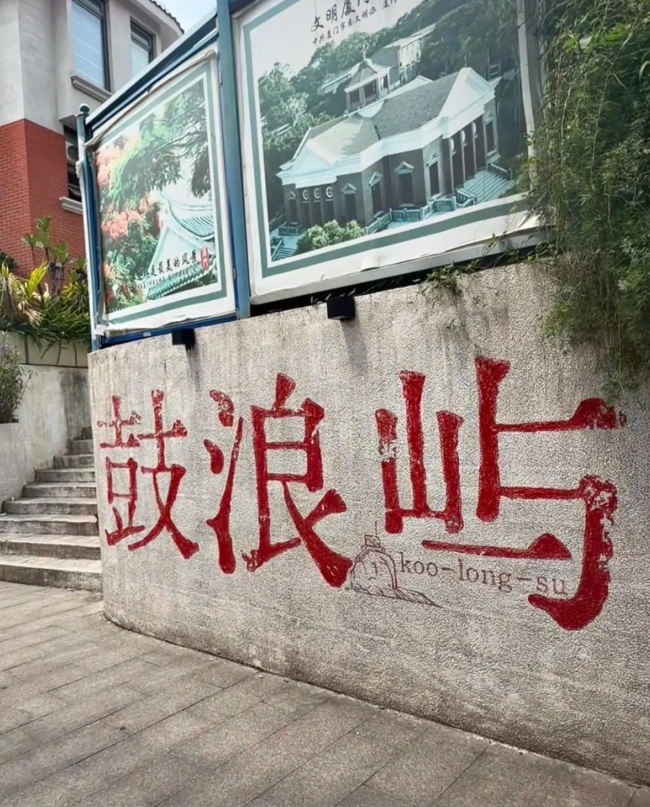
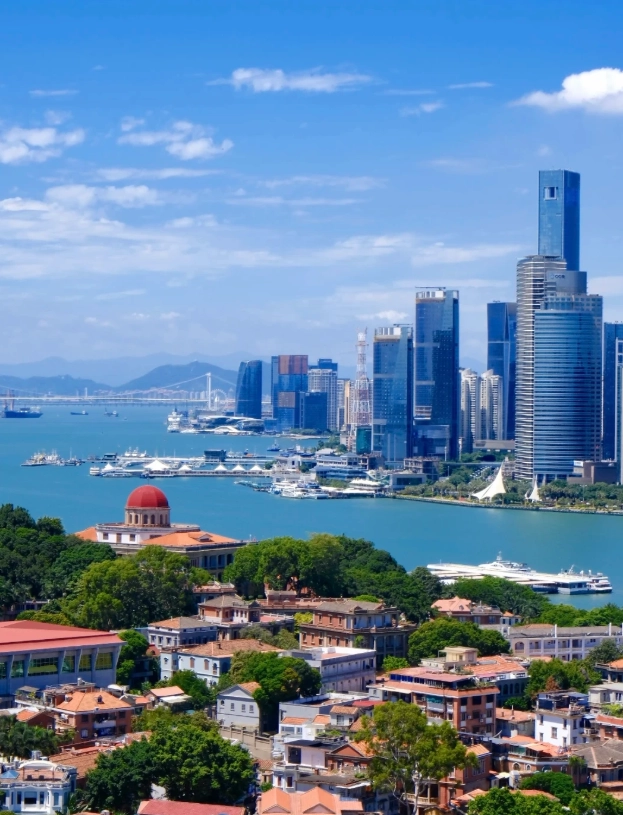
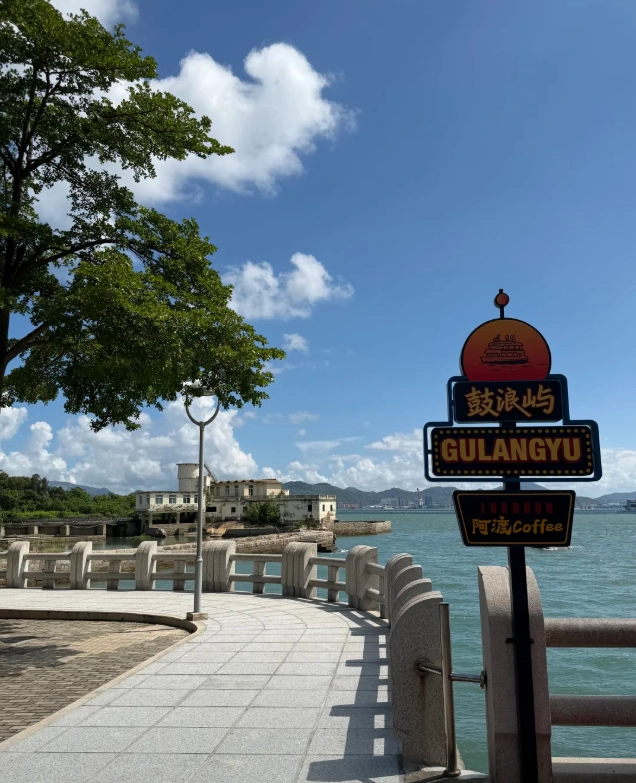
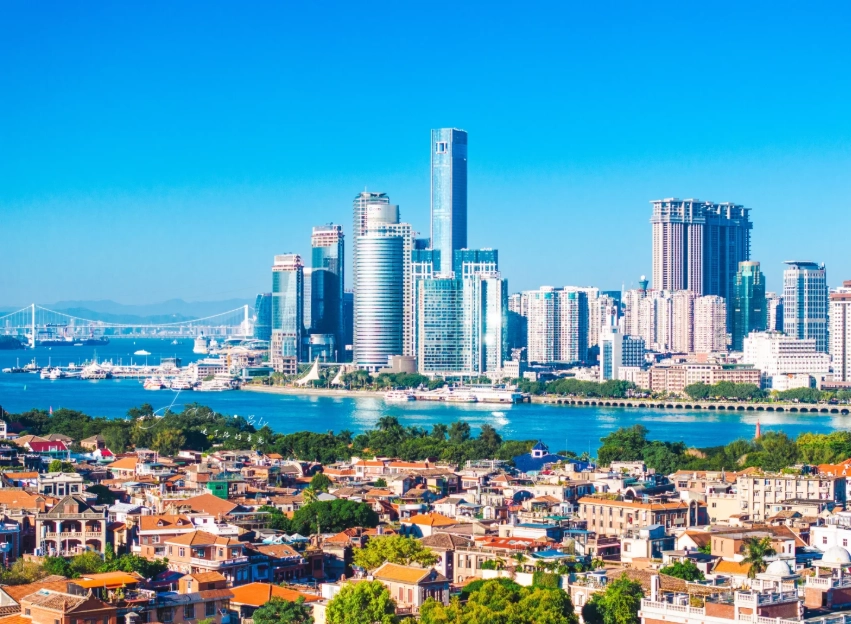
Gulangyu made my whole trip to Xiamen special. I woke up early and caught the first ferry, so by 8am I had the little alleys almost to myself. There were cats sunbathing on windowsills, purple flowers spilling over old villa walls, and a tiny bakery making hot egg tarts fresh. Climbing Sunlight Rock is touristy but the 360-degree view from the top is unreal — you see the Xiamen skyline across the water and the whole island of tiled rooftops. The afternoon crowds came in after I grabbed a cold latte from a restored mansion cafe, so I just watched the chaos from a quiet bench. This is one of my favorite travel memories in years.
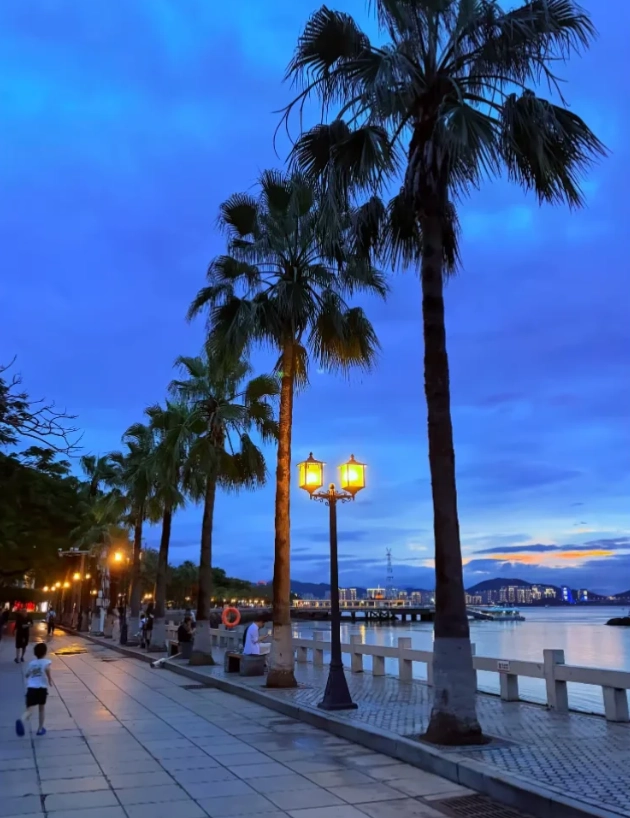
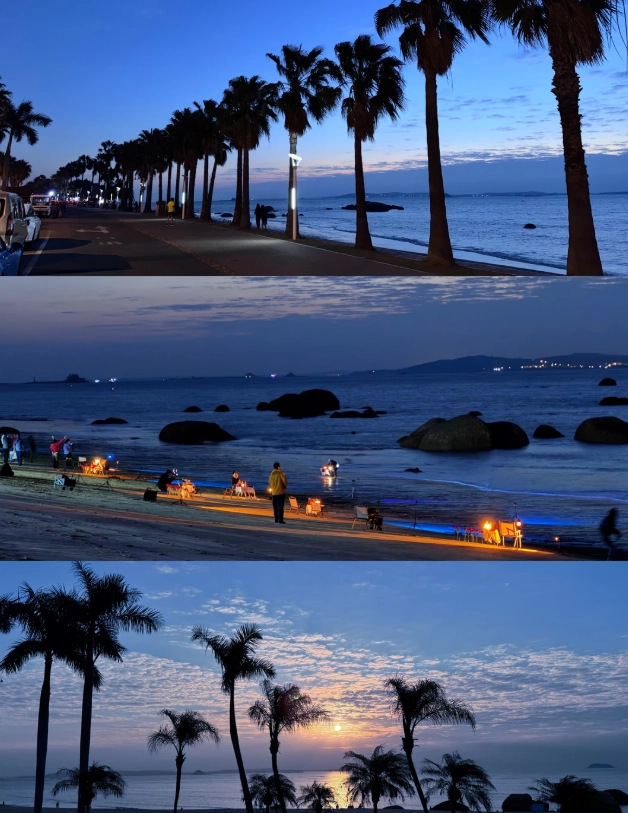
Best decision I made in Xiamen was renting a bike for the day and riding the loop along Huandao Road. Paved flat paths, ocean wind in my face, palm trees dipping every few meters — it’s the kind of city that rewards slow travel. I stopped at a tiny beach food stand, bought a warm coconut, and just watched fishing boats bobbing. The night market near the west side was loud and oily in the best way; I had grilled abalone on a stick for something like 15 yuan. Traffic on the inner city roads is a bit chaotic for biking, but the shoreline route made it worth every second. If you can, skip the group tour and see Xiamen on your own wheels.
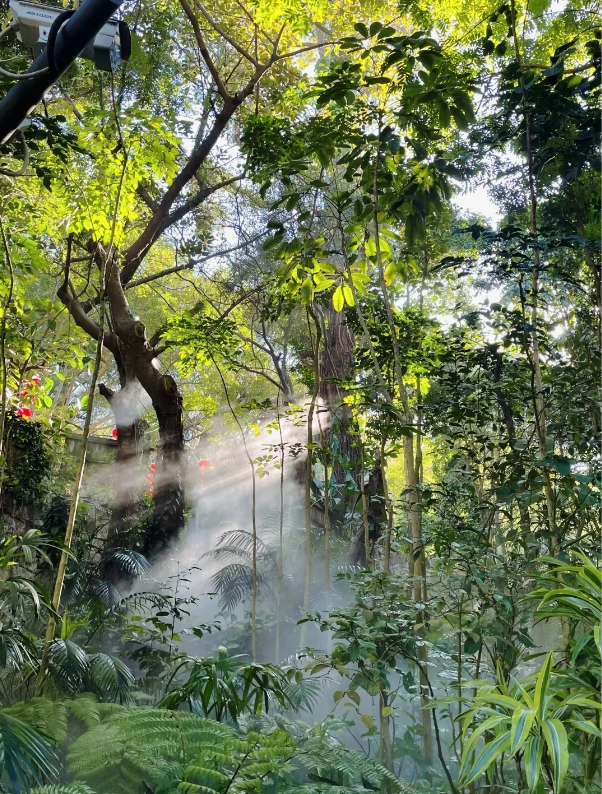
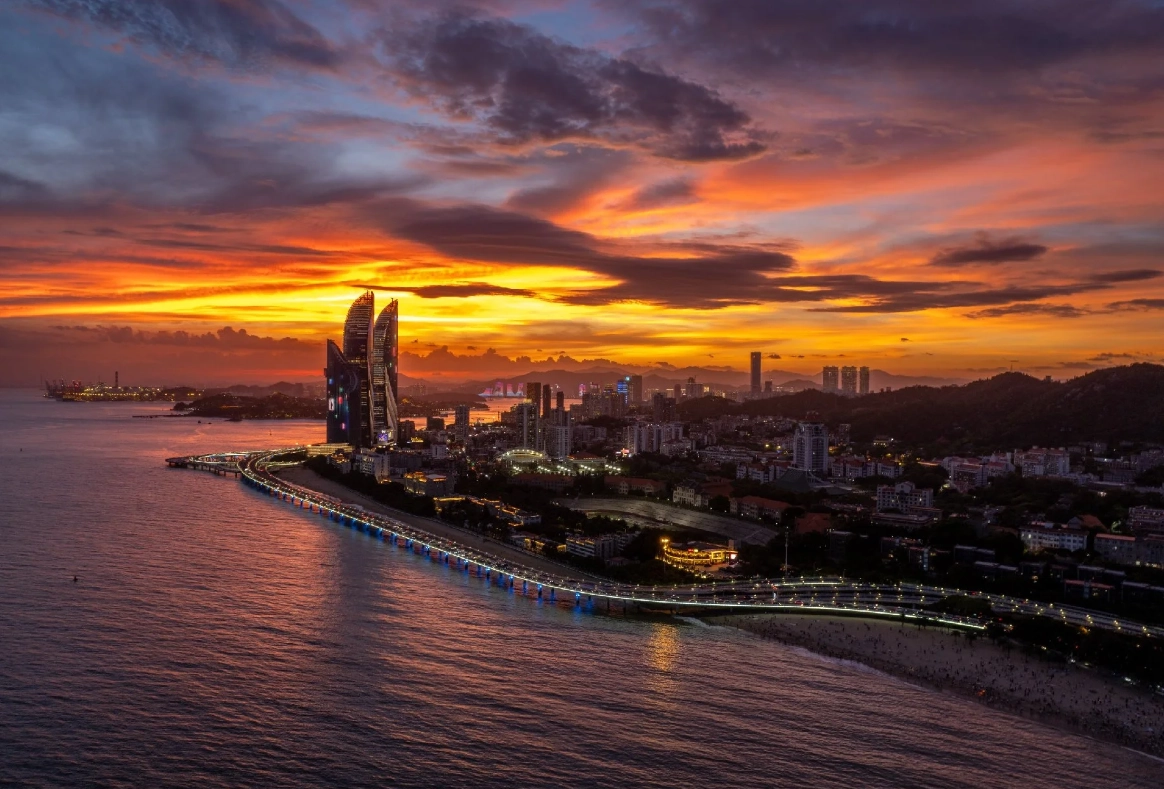
Five days in Xiamen and I’m obsessed. The moment I stepped out of the hotel and smelled that humid sea air, I knew it was going to be a good trip. I love how the city mixes urban life with nature — one afternoon I was in the Wanshi Botanical Garden seeing these incredible cacti, and by sunset I was sitting on the rocks at Bailuzhou watching the bay turn pink. I ate so many local snacks: sha cha noodles with a smoky spicy broth, fried oysters, and all the sweet pineapple cake samples they hand you on every corner. The people were warm, even when my Chinese was clumsy. Xiamen just lives at a slower cadence, and I didn’t want to leave.
Xiamen was a solid trip overall. I spent three days here and really enjoyed the relaxed pace. The campus of Xiamen University is stunning with those red roofs and the sea right behind it, and walking from there down to Baicheng beach is a nice afternoon. The 8 market was fun to wander through, though a lot of the stalls were clearly pitching to tourists. I had an amazing bowl of peanut soup and a spring roll, but some things were overpriced. Taxi ride near the port also took a weird scenic route, which bugged me a little. Still, the city has charm and good food — just not a perfect one.
I really wanted to love Xiamen, but I came away a bit flat. The city is pretty from a distance, the bay and skyline are nice, but the practical side was rough. The ferry to Gulangyu was a chaotic mega-scramble, and the island itself felt like a tourist trap once you got past the first lanes. We stopped for a seafood meal near Zhongshan Road and the clams were gritty, and the waiter tried to upsell us a more expensive fish before we even sat down. The weather was muggy and it rained heavily on the last day. A few old streets have a nice colonial feel, but I wouldn’t rush back.
Hands down one of the best cities I’ve visited in China! The sunset from the top of Sunlight Rock on Gulangyu is absolutely magical—you can see the whole coastline turning gold. Rented a bike and cycled the entire Huandao Road, stopping at little beaches along the way. The street food culture is amazing: try the shacha noodles and the grilled squid! Every local I met was eager to help with directions. Already planning my return trip!
Leave a Review