 Qiang Huang
Quick Navigation — What You’ll Learn
- Why the Master of the Nets Garden Night Tour Is a Must-Do
- Where to Buy Master of the Nets Garden Performance Tickets (Without Getting Scammed)
- Ticket Prices and What They Include
- Best Time to Attend — Avoiding the Crowds and the Heat
- How to Get to the Garden (Navigating Suzhou Like a Local)
- What to Expect Inside the Performance
- Common Mistakes Tourists Make (And How to Avoid Them)
- FAQ — Quick Answers for Real Problems
I've lost count of how many times I've dragged friends to this show. They always thank me after. But buying a Master of the Nets Garden performance ticket as a foreigner? That's where the headache starts. The official WeChat mini-program is all in Chinese, and most third-party sites overcharge. Let me save you the trouble.
Here's the short version — book via Trip.com or Klook, aim for the 8:30 PM slot, and bring cash for snacks inside. Now let's dig into the nitty-gritty.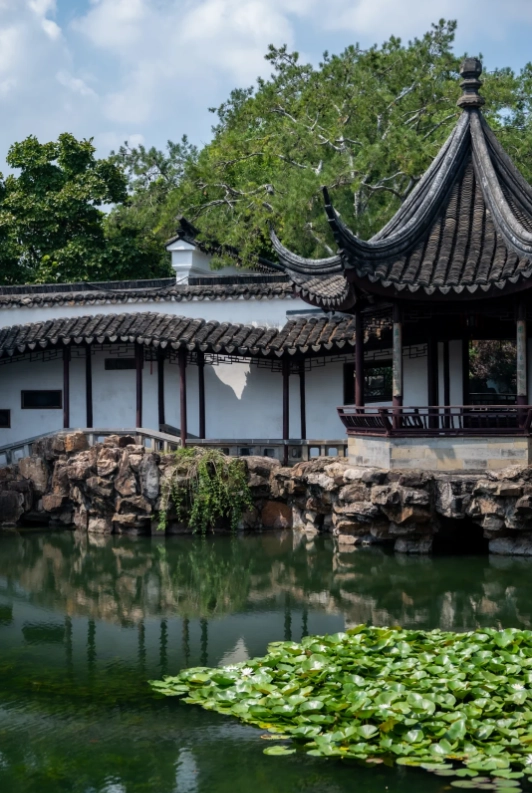
Why the Master of the Nets Garden Night Tour Is a Must-Do
Imagine a Ming Dynasty garden lit by lanterns, with live Kunqu opera, flute solos, and dancers gliding across moonlit pavilions. That's the night show at the Master of the Nets Garden. Unlike daytime visits where you're shuffling behind selfie sticks, the evening performance limits capacity to about 60 people per session. You get intimate vignettes — eight different acts staged in various corners of the garden. Each performance lasts about 5–8 minutes, and the whole loop takes roughly 45 minutes. It's like stepping into a classical Chinese painting that moves.
Most tourists skip Suzhou's night scene entirely. Big mistake. The garden transforms after dark — shadows make the rockeries look more dramatic, and the reflections in the pond double the effect. I've brought architects, history buffs, and even my grandma here. Everyone leaves quiet, in a good way.
Where to Buy Master of the Nets Garden Performance Tickets (Without Getting Scammed)
Don't just show up at the gate. The ticket booth usually sells out by 7 PM, and they rarely speak English. Here's your real options.
Official Channels vs Third-Party Platforms
WeChat Mini-Program (Official): Cheapest (100 RMB), but entirely in Chinese. You need a Chinese bank card or WeChat wallet to pay. For most foreigners, this is a dead end unless a local friend helps.
Trip.com (formerly Ctrip): My go-to for overseas guests. They have an English interface, accept international credit cards, and email you a QR code instantly. Price is slightly higher — around 120–130 RMB — but worth the convenience.
Klook: Similar to Trip.com, also reliable. Sometimes they run promos. I've used both, no issues.
Hotel Concierge: If you're staying at a decent hotel (like the Sheraton Suzhou), ask the front desk. They can book through their internal system. I've done this for clients and it works like a charm — just hand them your passport.
Step-by-Step Booking for Foreigners (via Trip.com)
1. Go to Trip.com and search “Master of the Nets Garden Night Tour”.
2. Select your date. Note: The show runs from March to November only (closed in winter).
3. Choose your session: 19:30, 20:30, or 21:30. I recommend 20:30 — it's less packed and the lighting is perfect.
4. Enter passport details exactly as on your passport. The garden scans your passport at entry.
5. Pay with Visa or Mastercard. You'll get a confirmation email with a QR code. Screenshot it — no need to print.
Pro tip: If you plan to visit during Chinese holidays (Golden Week in October, Labor Day in May), book at least 2 weeks in advance. Tickets vanish fast.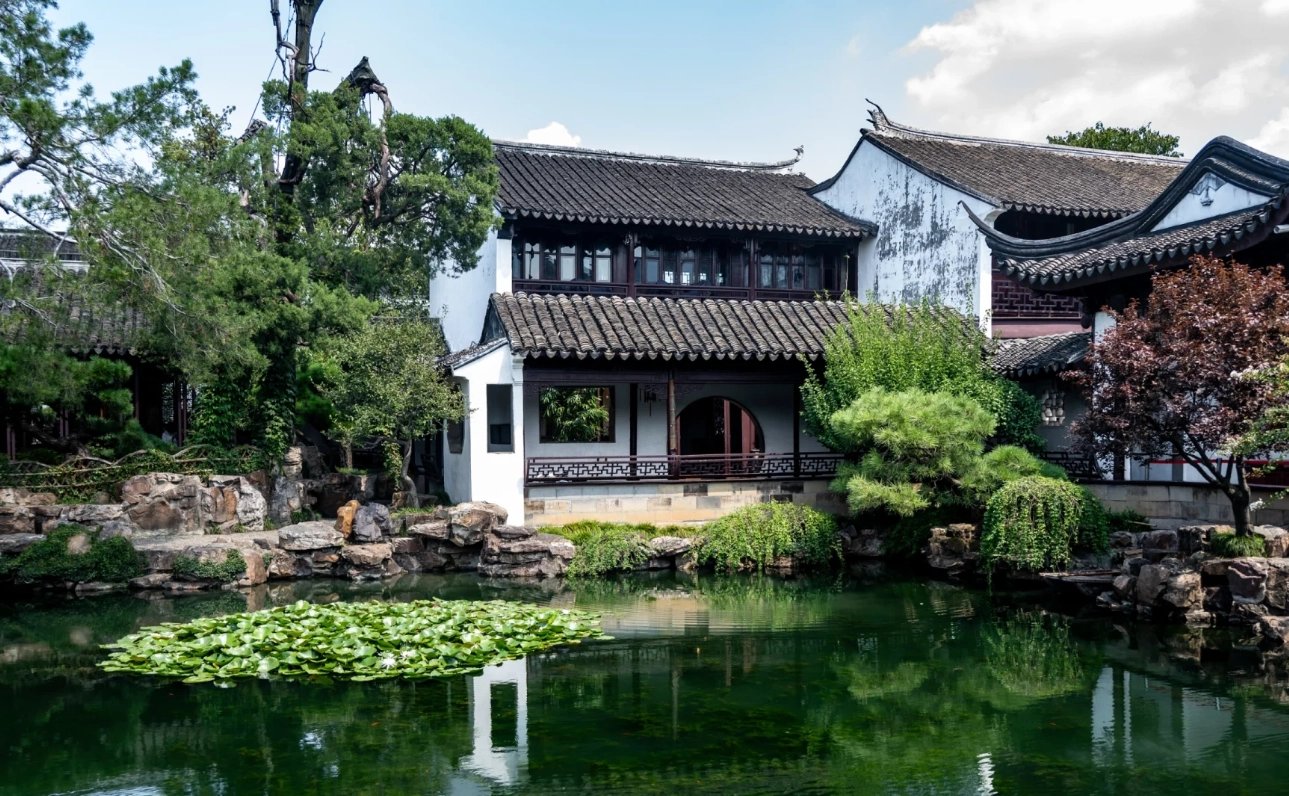
Ticket Prices and What They Include
| Ticket Type | Price (RMB) | Includes | Notes |
|---|---|---|---|
| Standard Adult (Online) | 100 – 130 | Full performance, garden entry | Price varies by platform; no discount for children under 1.2m (free) |
| Senior (70+) | Free | Same as adult | Must show passport; limited availability |
| Student (with valid ID) | ~50 | Same as adult | Only at on-site counter (not online); rarely available |
No, there's no combo ticket with other gardens. The show is standalone. Inside, you can buy tea and snacks (cash or Alipay, no international cards). A small cup of jasmine tea costs 15 RMB — worth it for the atmosphere.
Best Time to Attend — Avoiding the Crowds and the Heat
Summer evenings in Suzhou are muggy. I've seen tourists collapse from heat exhaustion in July. Here's when I go:
April – May & September – October: Ideal weather, less humidity. The garden is in full bloom in spring; autumn leaves add drama.
June – August: Hot but bearable after 8 PM. Bring mosquito repellent (you'll thank me). The garden provides some fans but not enough.
Day of the week: Tuesday through Thursday are quietest. Friday and Saturday get crowded. Sunday is moderate.
Session timing: The 19:30 slot is the most popular — tour groups fill it. The 21:30 slot is the most relaxed but you'll feel rushed at the end (garden closes at 22:00). My sweet spot? 20:30. You get the full experience without the mad rush.
How to Get to the Garden (Navigating Suzhou Like a Local)
Address: 11 Kuojiatou Alley, Daichengqiao Road, Gusu District, Suzhou (苏州市姑苏区带城桥路阔家头巷11号). Show this to your taxi driver in Chinese.
By Metro: Line 1 to Lindun Road Station, exit 4. Walk south about 10 minutes. You'll pass a small street food market on the way — grab a scallion pancake (2 RMB).
By Taxi/Didi: From Suzhou Railway Station, it's about 20–30 minutes (25 RMB). Hammer the driver to drop you at the south gate, not the east gate. The south gate is the main entrance for the night show.
Important navigation tip: Google Maps is useless here. Use Apple Maps or Baidu Maps (Baidu has an English version, trust me). I always tell my clients to pre-load the Chinese address into their phone.
What to Expect Inside the Performance
You'll enter with a small group (about 15–20 people) led by a guide who speaks only Chinese. No worries — the performances are visual. The route winds through the garden, stopping at eight stages:
- Pipa solo — A woman plays a traditional lute under a pine tree. The sound echoes beautifully off the water.
- Kunqu opera excerpt — “The Peony Pavilion” fragment. Even if you don't understand the lyrics, the costumes and movements are mesmerizing.
- Dizi (bamboo flute) — Performed on a small bridge. The melody floats across the pond.
- Dance with fans — Two dancers in Tang dynasty robes. Graceful but brief.
- Shadow puppetry — A short folk tale projected on a screen. Best for kids.
- Classical vocal — A male singer with a high-pitched, almost haunting voice.
- Dance with ribbons — A solo dancer swirling long silk ribbons. Very Instagrammable.
- Finale ensemble — All performers come together in the main hall. Clap loudly — they deserve it.
Each stop is about 5–7 minutes. The whole loop takes around 45 minutes. Afterward, you're free to wander the garden for another 15 minutes before they kick you out. Use that time for photos — most people rush out, so you'll have the spots to yourself.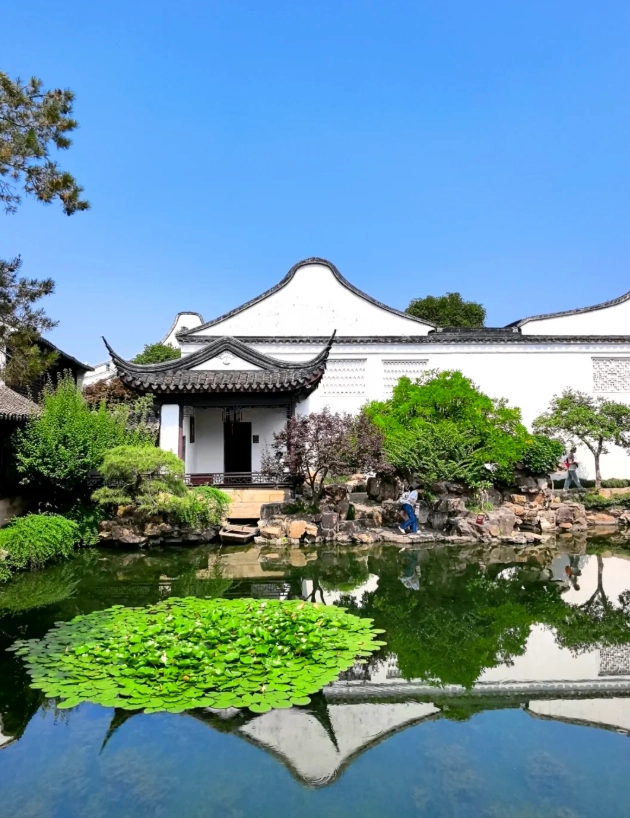
Common Mistakes Tourists Make (And How to Avoid Them)
1. Arriving too early. The garden closes for cleaning between 16:30 and 19:00. Don't show up at 18:00 expecting to get in. I made that mistake once — stood outside for 45 minutes like an idiot.
2. Wearing heels. The paths are uneven cobblestone with small bridges. I've watched three women twist their ankles in one season. Flat shoes only.
3. Forgetting your passport. They will not let you in without the physical passport. No photos, no copies. I keep mine in a zippered pocket.
4. Trying to use credit cards inside. The tea stand only takes cash or Alipay/WeChat. If you haven't set up mobile payment, bring 50 RMB in small bills.
5. Expecting English commentary. The show is entirely in Chinese. But honestly, the music and visuals speak for themselves. If you really want context, read the Wikipedia page for Master of the Nets Garden beforehand.
FAQ — Quick Answers for Real Problems
This content has been fact-checked to ensure informational precision. Verified and fact-checked by the editorial team.
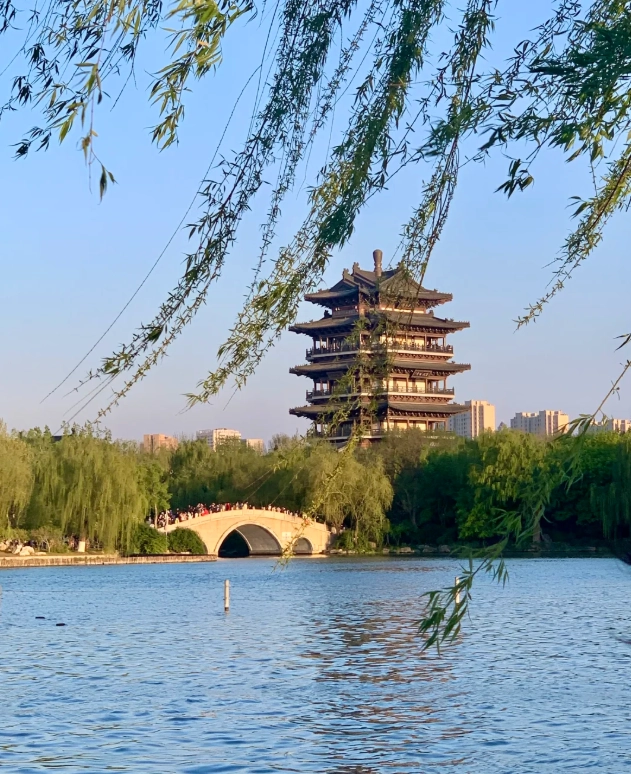





As a photographer, I was worried about people ruining my shots, but the evening performance ticket limits group size to about 15! We went for the 7:30pm show and it was perfect—not crowded at all (maybe because it was a Tuesday?). The reflections on the pond, the lanterns, the actors in costume... I got some of the best photos of my trip. Also, the staff kept groups moving smoothly so no one blocked the view. 5 stars, hands down.
Best decision: I bought the last show (9:30pm start) and practically had the garden to myself. The guide was knowledgeable, the music in the Pavilion of Auspiciousness gave me chills, and the whole experience felt incredibly intimate. No queues, no noise, just pure tranquility. If you're worried about crowds, this is the secret. Absolutely worth every yuan. Book online a week ahead for the late slot!
This was the highlight of our Suzhou trip! We purchased the 8pm performance ticket and arrived 15 minutes early to snag a spot near the front. The small groups (max 20-25) mean you actually get to see the actors up close. The way the garden lights up at night is pure magic. Highly recommend pairing this with the late slot—we walked out at 9:30pm to almost empty streets. 5/5, do not miss!
Got the performance ticket after reading tips to avoid the peak 7pm slot. We went for the 9pm show and it was much better—only about 20 people in our group. The performances (especially the Kunqu opera) were lovely, though I felt the ticket price was a bit steep for what you get. Still, a pleasant evening overall. Pro tip: buy directly from the garden's official mini-program, not third-party sites.
Honestly, the garden itself is beautiful but I made the mistake of going on a Saturday evening. The crowds were insane—felt more like a subway station than a serene garden. Tickets were easy enough to buy online, but no amount of pre-booking can prepare you for the shoulder-to-shoulder shuffle. If you do go, try a weekday or the very last show slot. I wish someone had warned me.