 Yan Zhou
I'll be honest — my first time guiding a group through this garden, I thought I knew all the angles. Then a guest pulled out a phone and got better shots than my DSLR. That stung. Here's the deal: Humble Administrator's Garden is so sprawling that most people walk past the best compositions without noticing. But after dozens of visits and hundreds of rolls of film, I've mapped out exactly where to stand, when to press the shutter, and what to ignore.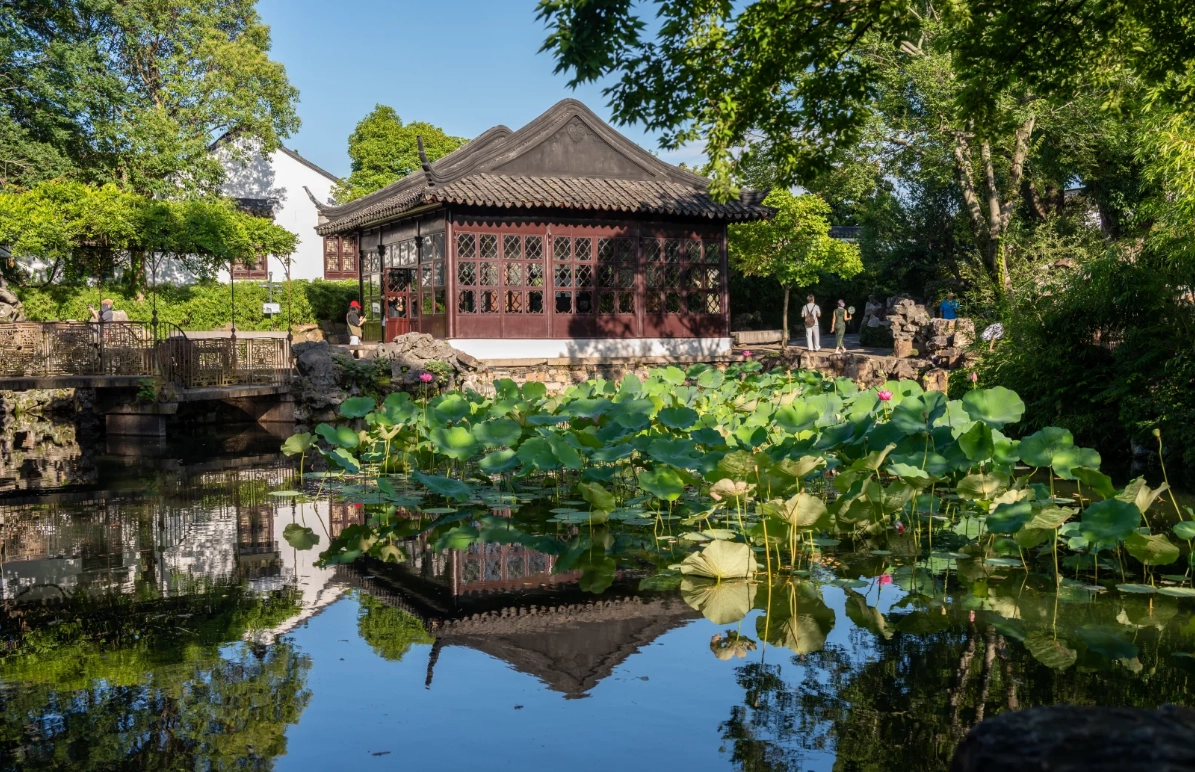
Why Most Travelers Get Mediocre Photos Here
It's not the gear. It's the herd mentality. Everyone enters, turns left, and shoots the same cliché view of the big pavilion. That view is fine, but it's overcrowded by 9 AM. What you're missing: the garden was designed to be experienced in sequence, with visual surprises around every corner. Photographers who rush miss the layered depths — the way a window frame leads your eye to a distant pagoda, or how water mirrors the sky only at certain angles. I always tell my clients: slow down. Park yourself at one spot for 10 minutes. Watch the light change. That's when magic happens.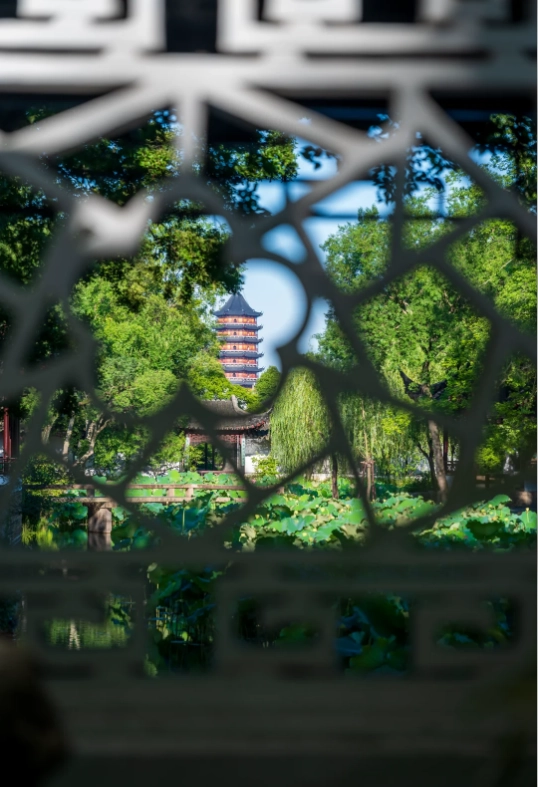
The 5 Essential Photography Spots
Here's where I take every private tour. I'll give you the Chinese name too, so you can show a taxi driver or ask a guard. All coordinates are approximate — the garden is small, but these are easy to find.
1. Waterside Pavilion (远香堂, Yuǎnxiāng Táng)
Best time: 8:00–9:00 AM for reflection shots. Why: This is the main building facing the central pond. Stand on the stone path just east of the pavilion, crouch low, and capture the pavilion mirrored in calm water. By 10 AM, ripples from passing boats ruin the reflection. How to find: From the entrance, walk straight past the rockery, go through the moon gate. You'll see a large hall on your right. That's it. Address to share: 东北街178号 (Dōngběi Jiē 178).
2. Small Flying Rainbow (小飞虹, Xiǎo Fēi Hóng)
Best time: 9:00–10:00 AM for golden light through the corridor. Why: A covered bridge over a narrow channel. The wooden lattice casts intricate shadows — perfect for abstract shots. Position yourself on the west side and shoot toward the east, where the morning sun filters through. Insider tip: Most tourists walk right over it without looking down. The reflection of the bridge in the water is spectacular from the small platform on the south bank. How to find: From the Waterside Pavilion, head west along the covered walkway. You'll cross it in 30 seconds.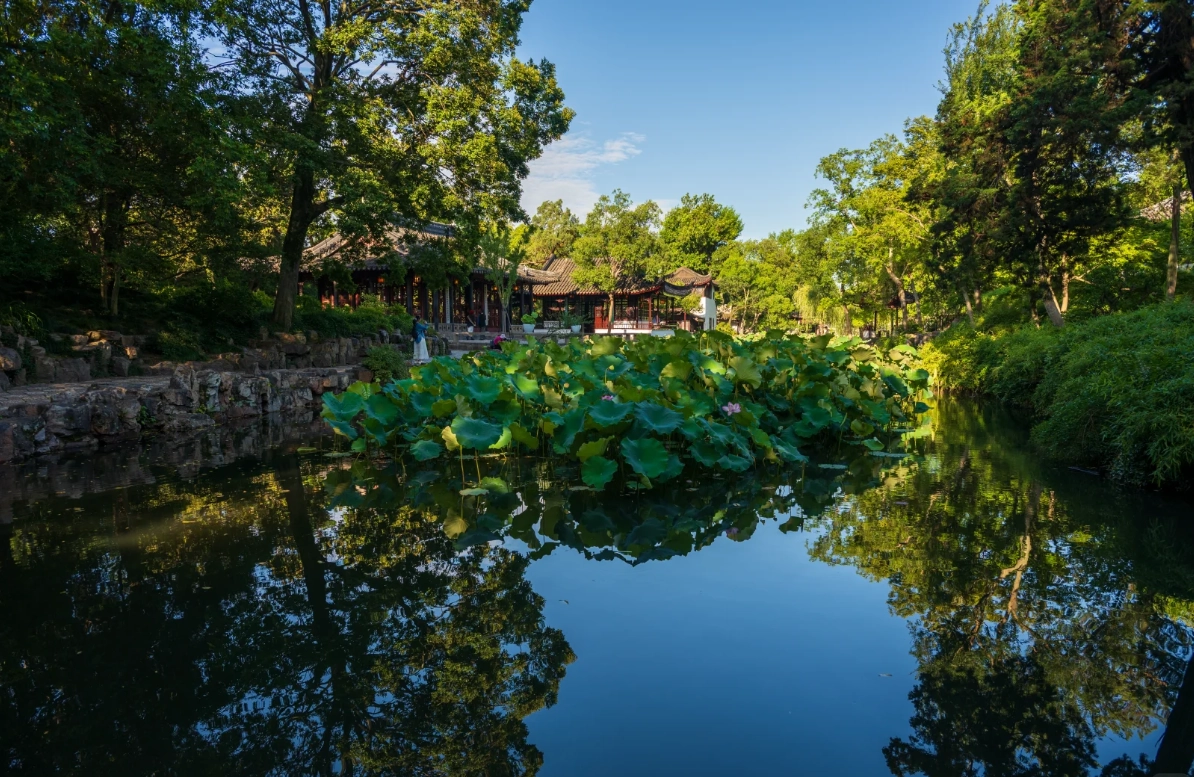
3. Hall of Drifting Fragrance (留听阁, Liú Tīng Gé)
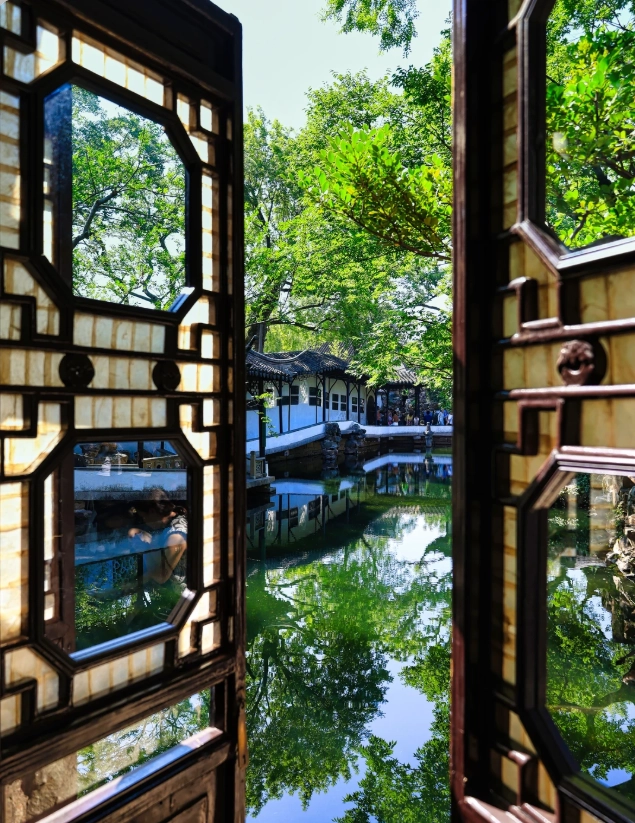
Best time: Late afternoon (3:00–4:00 PM) for warm tones on the wooden carvings. Why: This secluded pavilion is surrounded by lotus ponds in summer. The real photo op is the intricate window lattice — frame the garden through the carved openings. I shot my favorite portrait here by having my subject stand 15 feet away outside the window. How to find: It's at the northern end of the garden, near the exit. Follow the water north until you see a small bridge leading to an island. Cross it.
4. Mountain-View Tower (见山楼, Jiàn Shān Lóu)
Best time: 11:00 AM–12:00 PM (harsh but works for silhouettes). Why: A two-story structure that overlooks the entire garden. Climb to the top floor and shoot downward — you'll capture layered rooftops and winding paths. The light is high noon, so use it for high-contrast black-and-white. How to find: From the Hall of Drifting Fragrance, walk 2 minutes east. You'll see a staircase. It's the tallest building in the garden.
5. Bamboo Grove (竹园, Zhú Yuán)
Best time: Overcast days (any time). Why: A dense cluster of bamboo near the northeastern corner. It's a green tunnel — great for soft portraits. I use a wide aperture to blur the stalks into a dreamy background. How to find: From the Mountain-View Tower, head north until you hit the wall. Follow the wall east — you'll see bamboo.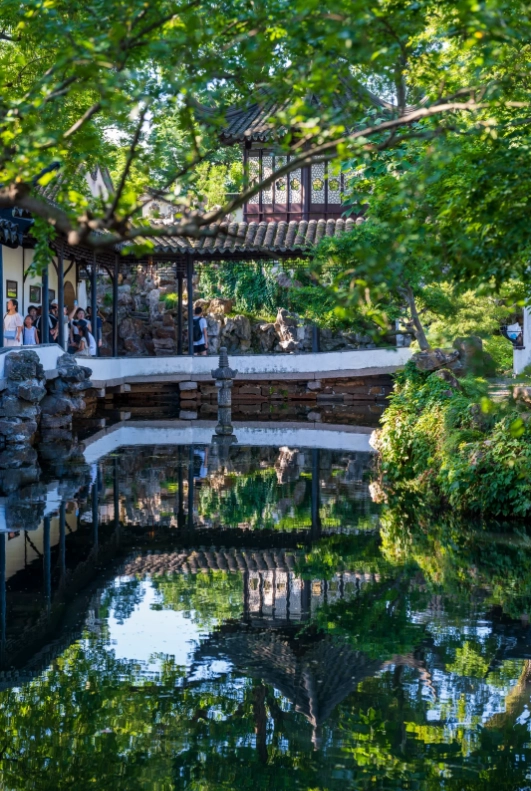
The Golden Hours: When to Shoot
Most guides say "early morning or late afternoon." That's useless without specifics. Here's my exact call:
| Time | Light Quality | Best Spot | Crowd Level |
|---|---|---|---|
| 7:30–8:30 AM | Soft, golden, low angle | Waterside Pavilion & Small Flying Rainbow | Very low (early birds only) |
| 8:30–10:00 AM | Warm, still good for reflections | Small Flying Rainbow & Bamboo Grove | Moderate |
| 10:00 AM–2:00 PM | Harsh, overhead, high contrast | Mountain-View Tower (silhouettes) | Peak (AVOID if possible) |
| 2:00–3:00 PM | Starting to soften | Hall of Drifting Fragrance (interior details) | High but manageable |
| 3:00–5:00 PM | Golden again, warm tones | Hall of Drifting Fragrance & general landscape | Moderate (tour groups leaving) |
| 5:00 PM–close | Blue hour / fading light | Any spot (tripod needed) | Low (last hour is magical) |
If you only have one hour, aim for 7:30–8:30 AM. The light is gentle, and you'll have most pavilions to yourself. I've done this dozens of times — it's worth the early alarm.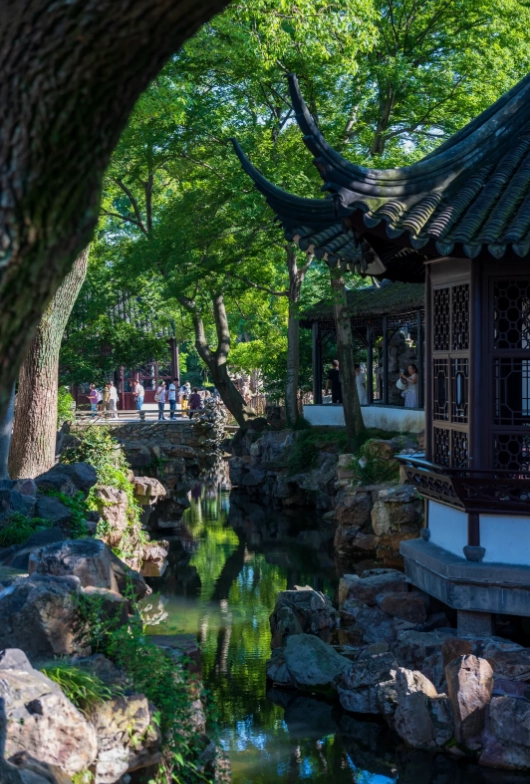
Gear and Settings: What I Use
You don't need a $3000 camera. I've seen incredible photos taken with an iPhone 13 and a small tripod. Here's what matters:
- Lens: A 24-70mm equivalent covers 90% of shots. For the bamboo grove, I switch to a 50mm f/1.8 for bokeh.
- Filter: A polarizer is invaluable for cutting glare on water and enhancing the green of the moss. I use a circular polarizer from K&F Concept — cheap and effective.
- Tripod: Bring a lightweight travel tripod. The garden doesn't allow tripods in some narrow paths (they cause tripping), but you can use them in open areas. I always use a Joby GorillaPod wrapped around a railing for long exposures of the reflection pond.
- Settings: Start with ISO 100, aperture f/8 for landscape, shutter speed 1/125. If you're shooting water reflection, go down to 1/30 with a steady hand or tripod.
How to Navigate the Booking Nightmare (Foreigner Edition)
Let's be real: booking Chinese garden tickets online is a pain for international visitors. The official booking platform is a WeChat mini-program — all in Chinese, no English, and it often rejects foreign passport numbers. Here's how I do it:
- Use Trip.com (search "Humble Administrator's Garden"). They handle passport bookings. I always use this — it's reliable. You'll show the QR code at the entrance.
- Alternative: Klook also sells tickets, but prices are slightly higher. Both are in English and accept credit cards.
- Walk-up? You can buy a ticket at the gate with cash (RMB), but they often sell out during peak season (April–October). Don't risk it.
- Address for taxi: 苏州市姑苏区东北街178号 (178 Dongbei Street, Gusu District, Suzhou). Show the driver that Chinese text. I've had drivers drop me at the wrong gate — confirm they're taking you to the main entrance (正门).
- Hours: 7:30 AM–5:30 PM (March–November), 7:30 AM–5:00 PM (December–February). Last entry 45 minutes before close.
- Payment inside: The gift shop and small tea house accept Alipay/WeChat Pay only. No credit cards. Bring some cash if you want a bottle of water.
Common Mistakes That Ruin Your Shots (and How to Fix Them)
After guiding hundreds of photographers, I see the same errors. Let me save you the frustration.
Mistake 1: Shooting the main hall straight on. Everyone does this and gets a boring symmetrical shot. Instead, shift 10 feet to the left or right to include a foreground tree branch or rock — that gives depth.
Mistake 2: Ignoring the tiny details. The garden has dozens of decorative windows, each framing a different view. I always make my group stop and shoot through one of these round moon gates. It creates a natural vignette.
Mistake 3: Using the wrong white balance. Under heavy tree cover, the green foliage casts a cool tint. I set my camera to "shade" mode (5600K) to warm things up, or shoot raw and fix in post.
Mistake 4: Staying only on the main path. The side paths (e.g., near the bamboo grove) see 80% fewer visitors. I once spent 30 minutes there alone. Explore every branch — you'll be rewarded.
Mistake 5: Forgetting to look up. The ceiling carvings in the Hall of Drifting Fragrance are intricate. I lay down on the floor (yes, really) to get a straight-up shot. It's a crowd stopper.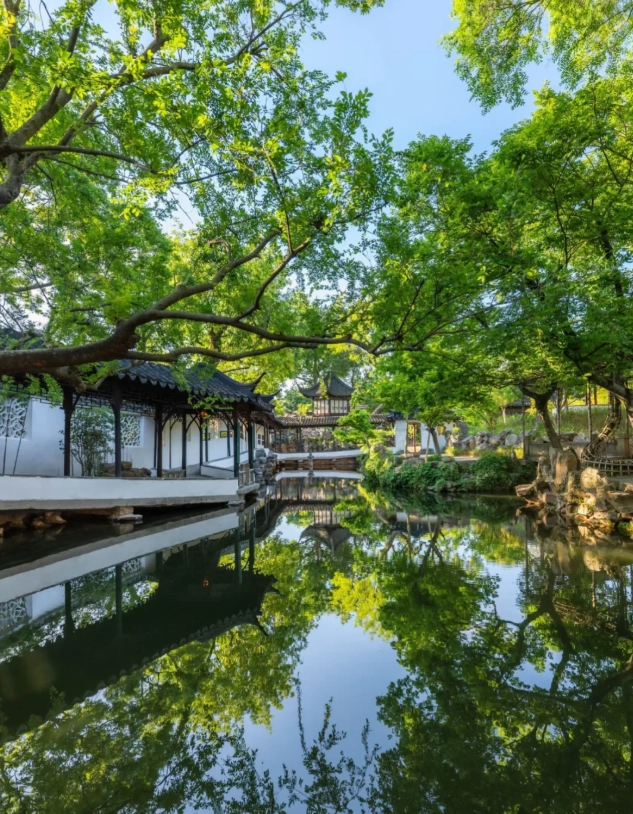
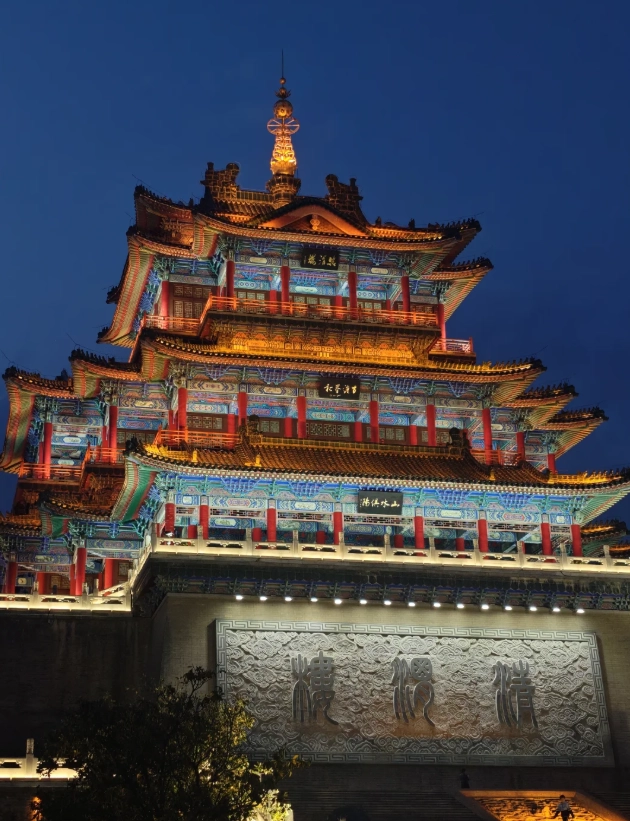
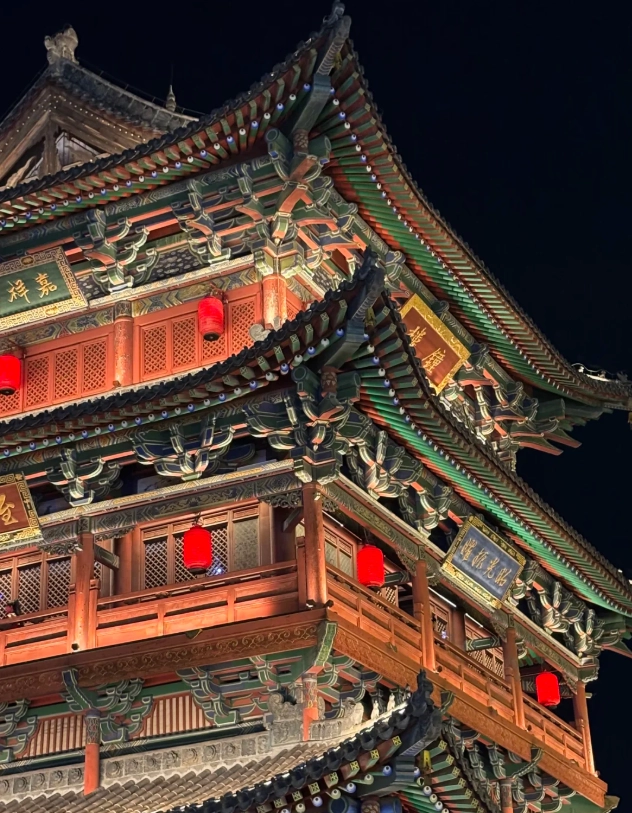
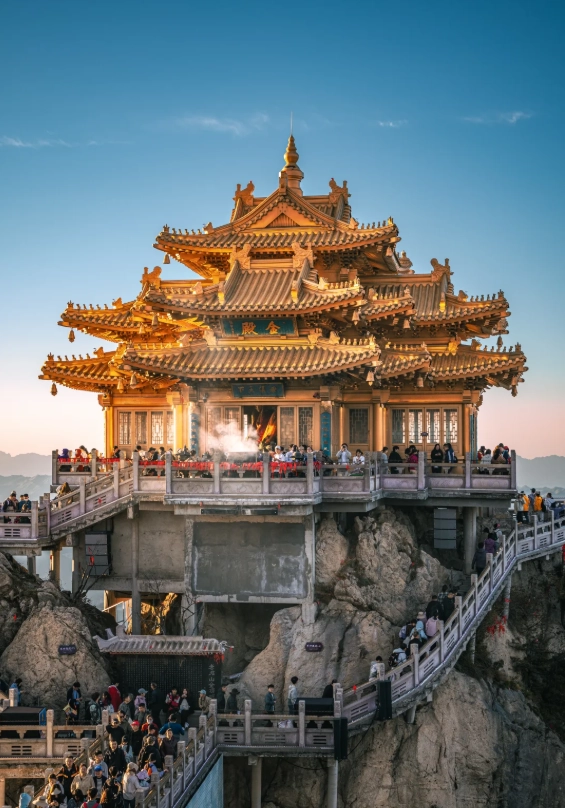





This place is a photographer's paradise! I'm not usually a garden guy but the symmetry and reflections here are unreal. The spot by the 'Small Flying Rainbow' bridge gave me a frame-worthy shot of the pagoda mirrored in the pond. No tripods allowed inside, which was annoying at first, but honestly the natural light is so good you don't need one. Left with 200+ photos. Absolutely worth the entry fee and the early wake-up call. Will come back in autumn for the maple colors!
Hands down the best garden I've photographed in Suzhou. The layering of rockeries, water, and pavilions creates so many framing opportunities. I especially loved the little corridor near the Magnolia Courtyard—the shadows from the lattice windows were dreamy. The only downside was the midday heat (July is brutal), but the shaded walkways saved me. Bring a wide-angle lens and a polarizer; you'll thank me later. 5 stars without hesitation!
Absolutely stunning! Every corner is a composition waiting to happen. I spent four hours here and could have stayed all day. The way the light filters through the bamboo grove at the 'Listening to the Rain' pavilion is pure magic. Got my best shots of the trip right there. Pro tip: arrive right when it opens at 7:30 and head straight to the far west section—you'll have the bridges and reflections all to yourself. Unforgettable experience!
Nice garden overall but not as mind-blowing as the hype. Got some decent reflections of the pagoda in the water, but the lighting was tricky with all the overhanging trees. The staff at the ticket booth were friendly enough. For the price (80 RMB), I'd say it's a fair visit but I'd pick a less busy season if you're serious about photography. The tea house by the rockery was a quiet break though.
Came expecting postcard-perfect shots but left a bit let down. The iconic spots around the lotus pond were lovely early morning, but by 10 AM it was swamped with tour groups and selfie sticks. Felt rushed and cramped. Also, the map they hand out is confusing—missed the small bridge pavilion entirely. Worth it if you go at opening time, but otherwise prepare for crowds and some frustration getting that 'serene' shot.