 Hui Lin
What's inside this guide
I remember the first time I stepped off the bus at Haikou Volcanic Cluster Global Geopark. The air smelled like damp earth and wild ginger. Within five minutes, I was staring into the mouth of a dormant volcano, and I almost forgot I was only 20 minutes from downtown Haikou. This is not your typical city park – it's a UNESCO-listed geological wonder with more than 30 ancient volcanic cones. But if you show up at noon on a weekend without a plan, you'll find yourself shuffling behind a tour group and missing the good stuff. So here's my no-fluff guide on how to visit Haikou Volcanic Cluster Global Geopark like a local who's been there dozens of times.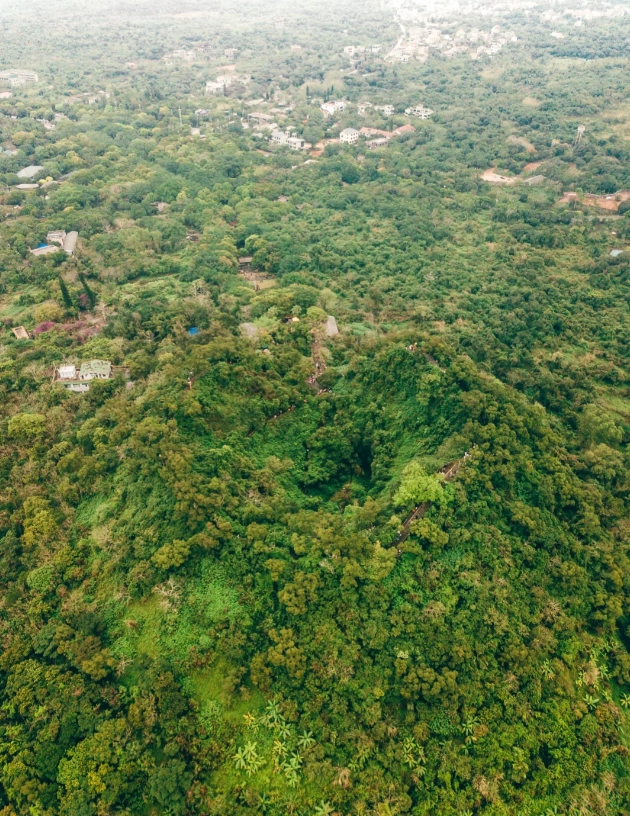
Why Bother Visiting This Geopark?
Most foreign tourists skip it for the beaches. Big mistake. The geopark protects a volcanic landscape that erupted about 10,000 years ago – so fresh that the lava tubes and craters look like they could wake up tomorrow. You'll see rare tropical plants clinging to black basalt, ancient villages built from volcanic stone, and the iconic Fengliu Ridge crater. Plus, it's a solid half-day trip that pairs perfectly with a Haikou food crawl. Don't come expecting theme-park gloss; this is raw nature with a side of geology lesson.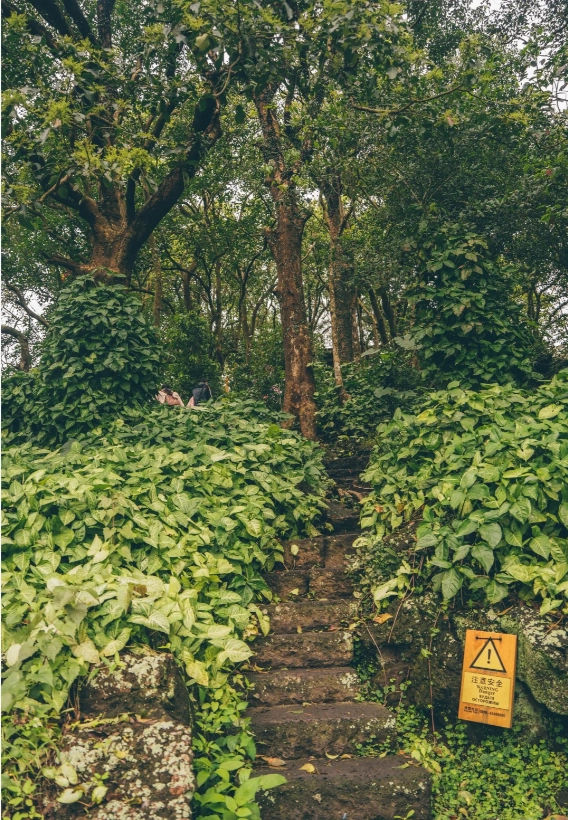
Getting There: Transport Options
Getting to the geopark is straightforward, but each method has its quirks. Here's the breakdown:
| Method | From Downtown Haikou | Time | Cost (RMB) | My Tip |
|---|---|---|---|---|
| Bus (No. 1 or K1) | Depart from Guoxing Avenue, get off at Shishan Village stop | 45–60 min | 5–10 RMB | Best for solo travelers; buses run every 20 min but get crowded on weekends |
| Diditaxi (Uber equivalent) | Anywhere in Haikou | 30–40 min | 50–70 RMB | Use Didi app; avoid hailing taxis on the street – drivers often refuse short trips |
| Car rental | Pick up from Haikou airport or city center | 20–30 min drive | 200+ RMB/day | Handy if you're also visiting nearby villages, but parking near the entrance fills up by 10 am |
I've had the best luck with Didi. Most drivers know the “火山口公园” (huǒshānkǒu gōngyuán) destination. If your driver doesn't speak English, show them the Chinese characters above. And please – double-check that they actually drop you at the main entrance, not a random side gate. Last month a German couple texted me that they ended up at a back road with no ticket booth. Oops.
Tickets, Hours & Reservation
Ticket prices fluctuate slightly depending on the season, so I recommend pulling up WeChat to scan their official mini-program right before you Uber over. As of my last visits, here's the typical pricing:
| Type | Price (RMB) | Notes |
|---|---|---|
| Adult | 60 (peak) / 48 (off-peak) | Peak = weekends, holidays, Chinese New Year |
| Student | 30 with valid ID | International students accepted if ID has photo |
| Senior (60–69) | 30 | Bring passport; over 70 free |
| Child (1.2–1.5 m) | 30 | Under 1.2 m free |
Opening hours: 8:00–17:30 daily (last entry at 17:00). They rarely close, but check their WeChat mini-program (search “火山口公园”) for typhoon or maintenance alerts. No reservation needed for most days, but during Golden Week (May 1–5 and October 1–7) you'll need to book a time slot online – again, through the same mini-program.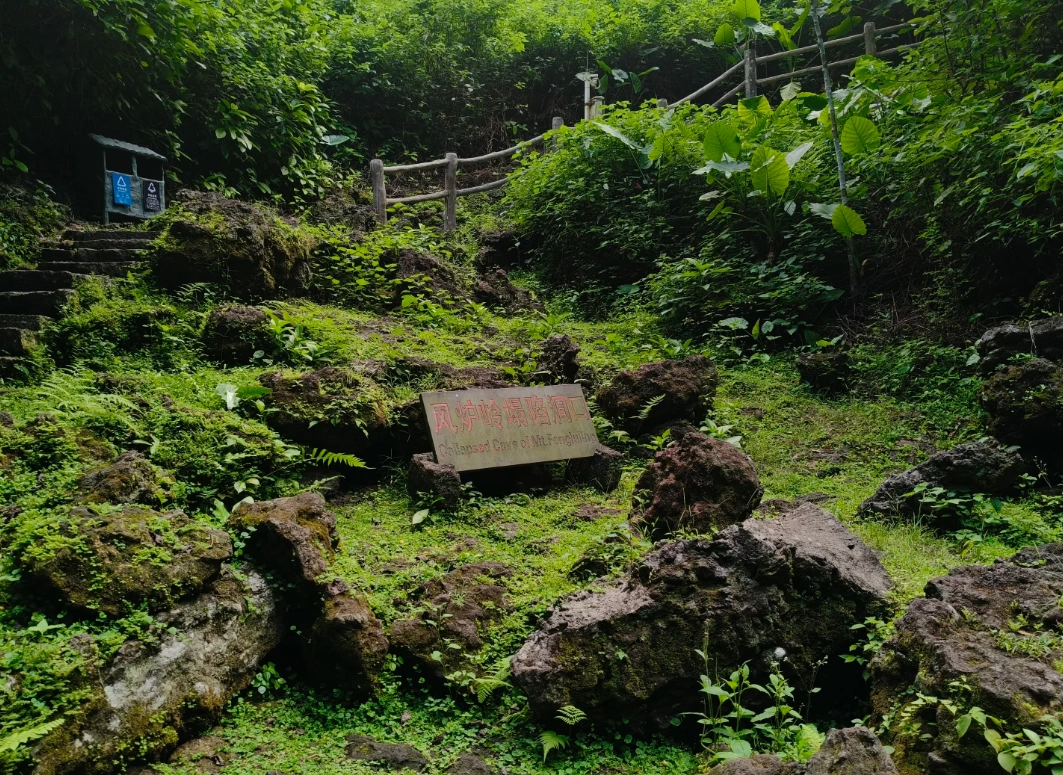
Pro tip from a guide: The ticket window queues can be 15 minutes long on weekends. Buy your ticket on the mini-program in advance, then scan the QR code at the turnstile. You'll bypass the line entirely.
Best Trail Plan for 3–4 Hours
Most people rush straight to the main crater and miss the best parts. Here's the loop I use with my tour groups:
1. Start at the Volcano Museum
Right past the entrance. Spend 15 minutes inside – the exhibits are in Chinese and English, and they explain the types of eruptions that formed this place. Skip the 3D movie (it's cheesy and costs extra).
2. Walk up the “Dragon Stairs” to the Main Crater
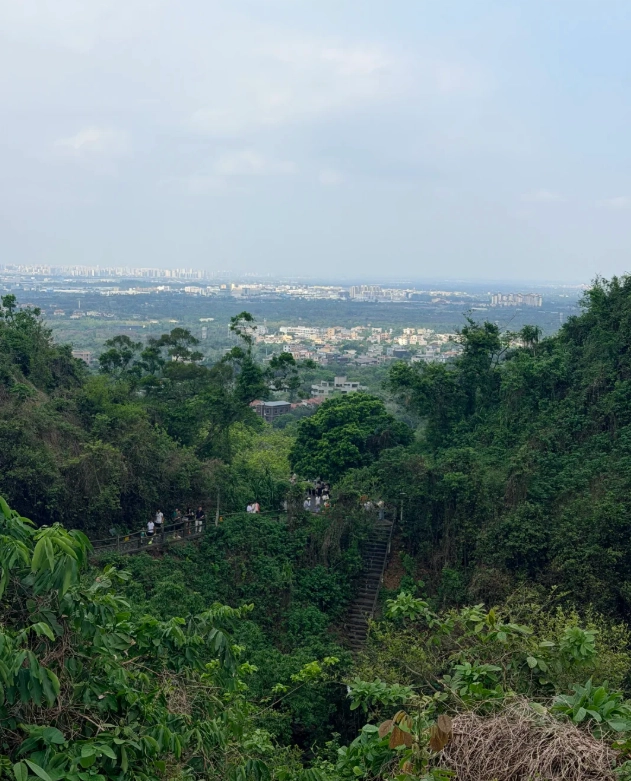
A 300-step stone staircase (steep in places) leading to the rim of Fengliu Ridge crater. Take breaks; the humidity is brutal. At the top, you'll see a perfect bowl-shaped depression covered in green. I always tell my guests: “This is where you imagine the lava spewing 10,000 years ago.” Most tourists take a selfie and walk away. Don't. Walk halfway around the rim – the view of the surrounding farmland and smaller cones is spectacular. Best photo spot: the wooden viewing platform at the northeast corner, 10 meters from the main crater sign.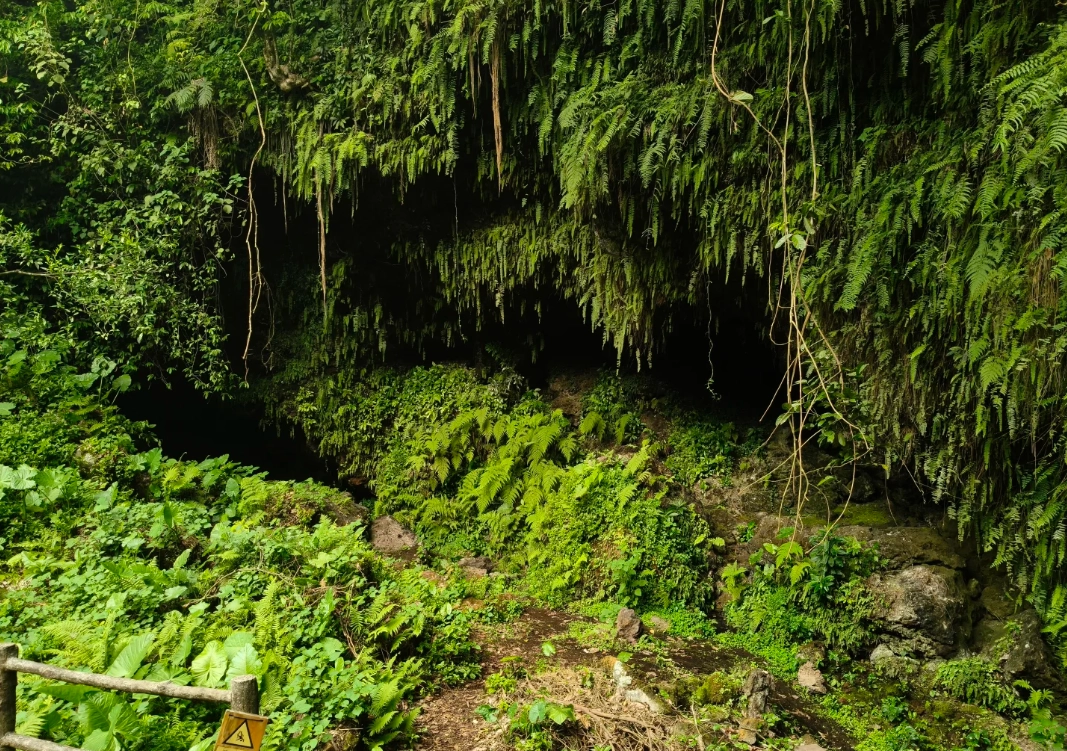
3. Enter the Lava Tube
About 200 meters past the crater, there's a staircase leading into a lava tunnel – a natural tube formed by flowing lava. It's dark, damp, and about 50 meters long. Bring your phone flashlight; the lighting inside is dim. I bring a small headlamp for my groups. The tunnel ends at a stone room where you can feel the temperature drop – locals call it the “natural air conditioner.”
4. Explore the Ancient Villages (Optional)
If you have an extra hour, take the marked path toward Rongtang Village (about 15 minutes walk from the crater). The village is made entirely of black volcanic basalt – houses, walls, even the street. Few tourists go there, and you might encounter an old lady selling freshly picked starfruit. Prices are reasonable (10 RMB for a bag). I always buy some to support the community.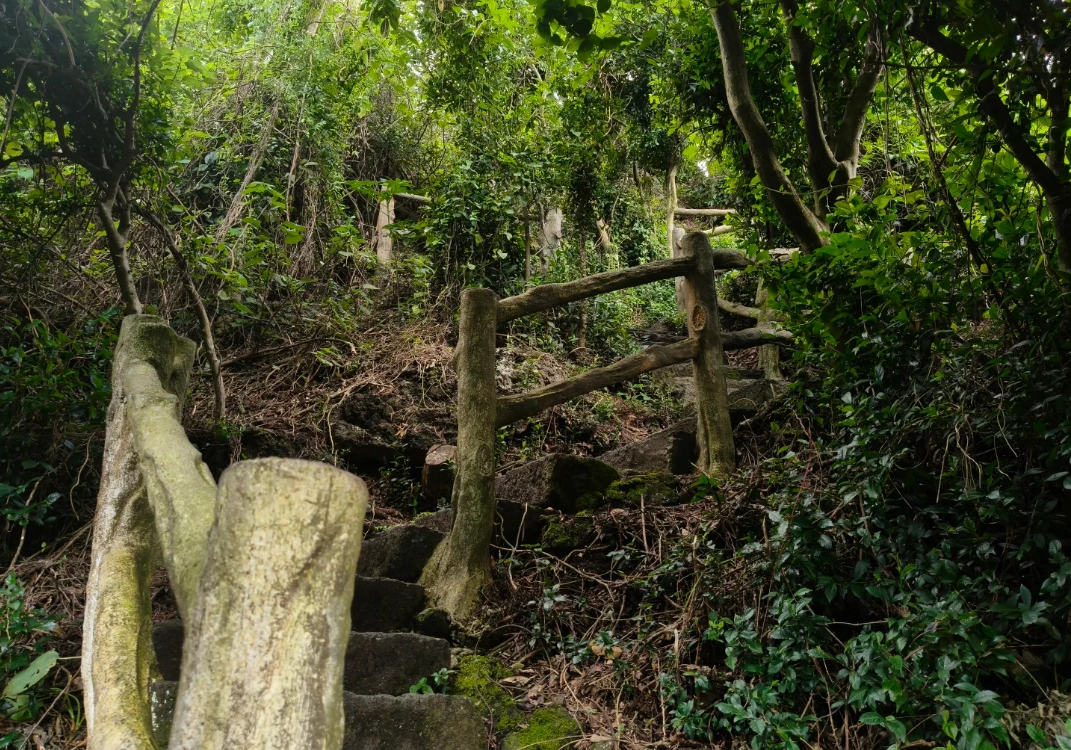
Heads-up: Most maps at the park are outdated or confusing. Download the Amap (Gaode) app on your phone – it works in English and shows you exactly where the trails are. Without it, you might end up walking in circles like I did my first time.
Best Time to Visit
I've been to this park in every season. Here's the honest truth:
- November to March: The sweet spot. Temperatures 18–25°C, low humidity, clear skies. Weekday mornings are nearly empty. I'd choose 8:30–11:30 am.
- April to October: Hot and sticky. If you must go, arrive right at 8:00, leave by 11:00, and hide in an air-conditioned café for the afternoon. Midday sun here feels like standing in a microwave.
- Typhoon season (July–September): The park usually closes when a typhoon warning is issued. Check the weather on Windy.com or the China Typhoon Network before heading out.
I once brought an Italian family in August. By 10 am the dad was dripping sweat and the kids were complaining. We cut the trip short. Don't be that family.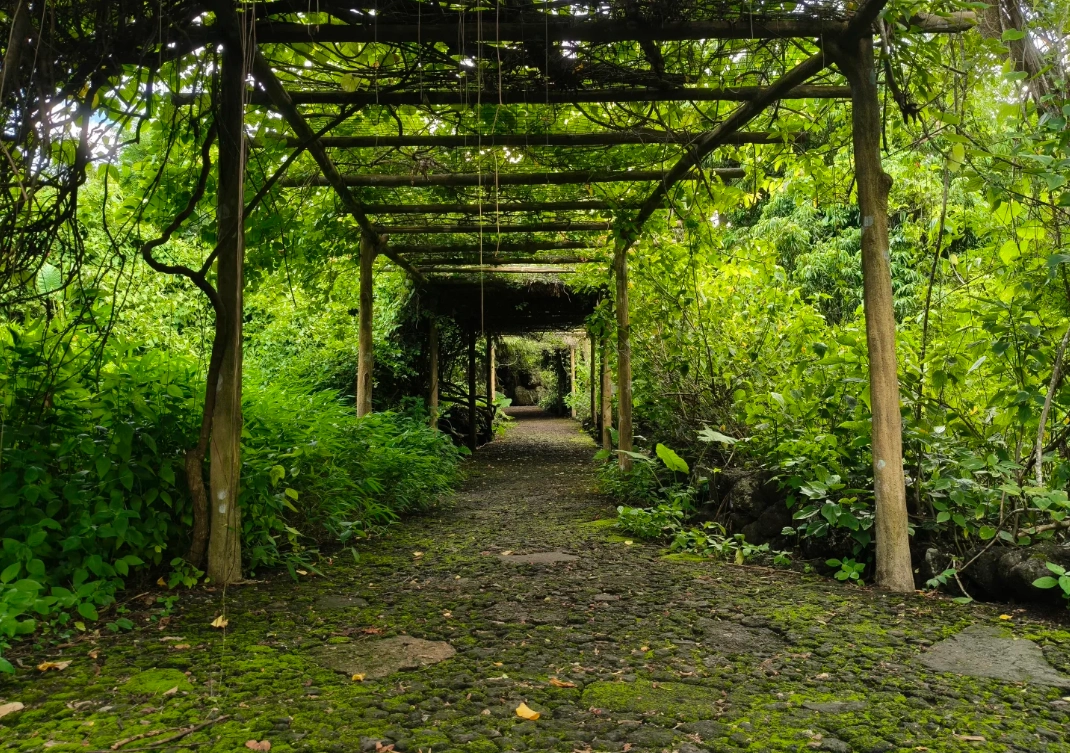
What to Bring & Wear
You'll thank me later:
- Shoes: Closed-toe with good grip. The stones are uneven and can be slippery after rain. No flip-flops.
- Water: At least 1 liter per person. There's one small shop at the entrance and another near the crater, but they mark up bottles to 8 RMB.
- Sun protection: Hat, sunscreen, sunglasses. The UV is strong even on cloudy days.
- Umbrella: For both sun and sudden downpours.
- WeChat Pay or Alipay: The ticket office and snack shops rarely accept cash or credit cards. If you don't have Chinese mobile payment, bring a Chinese friend or ask your hotel to pre-book tickets for you.
Food & Rest Stops
Inside the park, the options are limited: instant noodles, corn, and grilled sausages (around 10–15 RMB). There's a small café near the exit serving decent coffee – the only place in the park that accepts international credit cards (I've used Visa there).
After you exit, drive 10 minutes to Shishan Town. I love Lao Ding Kou Wei Tang, a small eatery that serves a coconut chicken soup (40 RMB per bowl) with chunks of taro. They have an English picture menu – point to the photo of the soup. It's the perfect post-hike meal.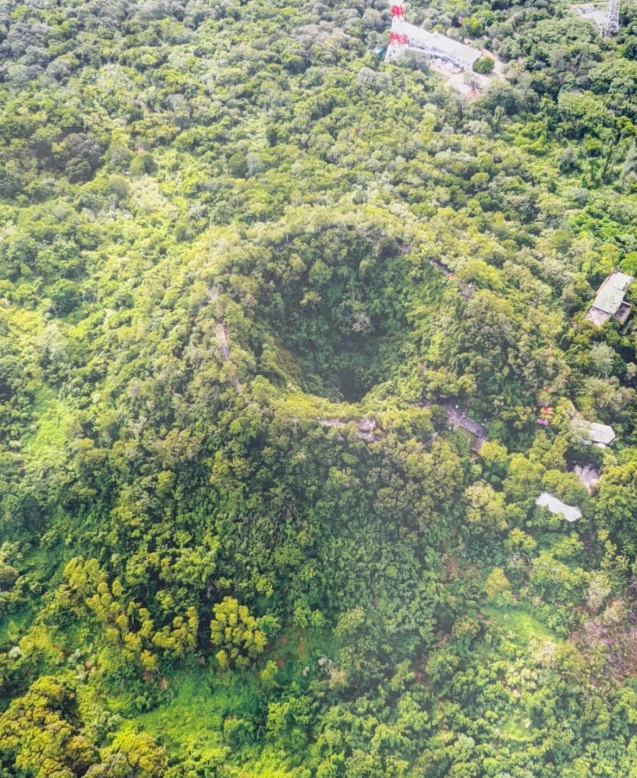
Frequently Asked Questions
 Do I need a guide?
Truth be told, Haikou Volcanic Cluster Global Geopark won't blow you away like Zhangjiajie's sandstone towers. But it's a quiet, authentic slice of Hainan's volcanic past that most tourists overlook. Follow this guide, and you'll see why I keep coming back. Verified and fact-checked by the editorial team.





No comments yet.