 Hong Ma
Let me cut to the chase: if you’re in Haikou with a spare afternoon and you’ve got kids in tow, this park is a solid yes. But if you’re a solo traveler backpacking through Hainan and short on time, you might want to skip it and hit the beaches instead. I’ve brought dozens of groups here over the years — families, couples, even a bunch of honeymooners — and the reactions are always mixed. That’s exactly why I’m writing this: to give you the unvarnished truth so you can decide for yourself.
Quick Navigation
What Makes This Park Different
Unlike the cramped city zoos you find in many Chinese cities, Hainan Tropical Wildlife Park and Botanical Garden is sprawling — we’re talking over 100 hectares of lush, tropical landscape. The park is divided into two main sections: a drive-through safari zone (yes, you can ride in your own car or a park shuttle) and a walking botanical garden. The concept is part zoo, part nature reserve, part education center. What sets it apart? The animals here have more space than in typical concrete enclosures, and the botanical collection includes rare tropical species from Southeast Asia. But — and this is a big but — the park shows its age in places. Some facilities feel stuck in the 90s, and certain animal enclosures could use a facelift. I’d call it a charming time capsule with genuine heart, but not a polished attraction.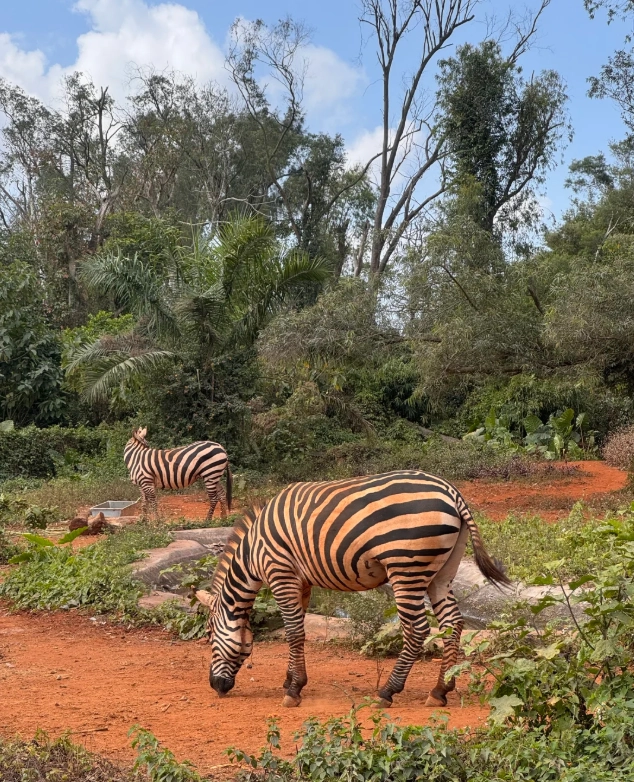
How to Get There (and How Not to)
The park is located in the southern suburb of Haikou, about 30 minutes by car from the city center. If you’re relying on public transport, here’s the deal:
- Bus: Take bus no. 27 or no. 57 from the city center and get off at the park entrance stop. The ride takes about 40 minutes and costs 2-3 RMB. Not all buses have air conditioning, so bring a hat.
- Taxi / DiDi: A ride from downtown Haikou runs around 50-70 RMB depending on traffic. Show the driver: “海南热带野生动物园植物园". Most drivers know it, but it’s safer to have the Chinese name ready on your phone.
- Rental car: If you’re exploring the island, driving is convenient. There’s a large free parking lot at the park (watch out for touts trying to charge you — it’s genuinely free).
My advice: Avoid going during heavy rain — the park’s roads can turn muddy, and the safari section becomes less fun. Also, the bus from city center can be overcrowded on weekends; I’d recommend ride-hailing if you’re with kids.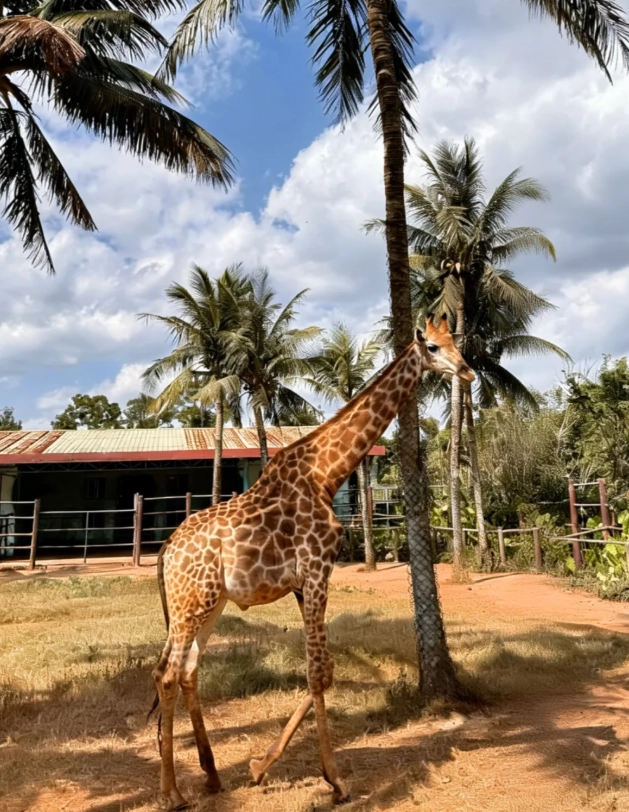
Ticket Prices, Hours, and Booking Tips
Prices fluctuate slightly by season, but here’s a ballpark from my last visits:
| Category | Price (RMB) | Notes |
|---|---|---|
| Adult | ~100 | Peak season (Oct-Feb) may be ~120 |
| Child (1.2-1.4m) | ~50 | Kids under 1.2m free |
| Senior (65+ with ID) | ~50 | Bring passport for age proof |
| Shuttle bus (optional) | ~20 | Recommended if you don’t drive |
Always check their official WeChat mini-program for current prices — they often run promotions (like 10% off for online booking). The park opens at 7:30 AM and closes at 6:00 PM (last entry at 5:00 PM). No advance reservation is required for general admission, but on Chinese public holidays (like National Day Golden Week), buying a ticket online beforehand saves you a queue that can exceed an hour.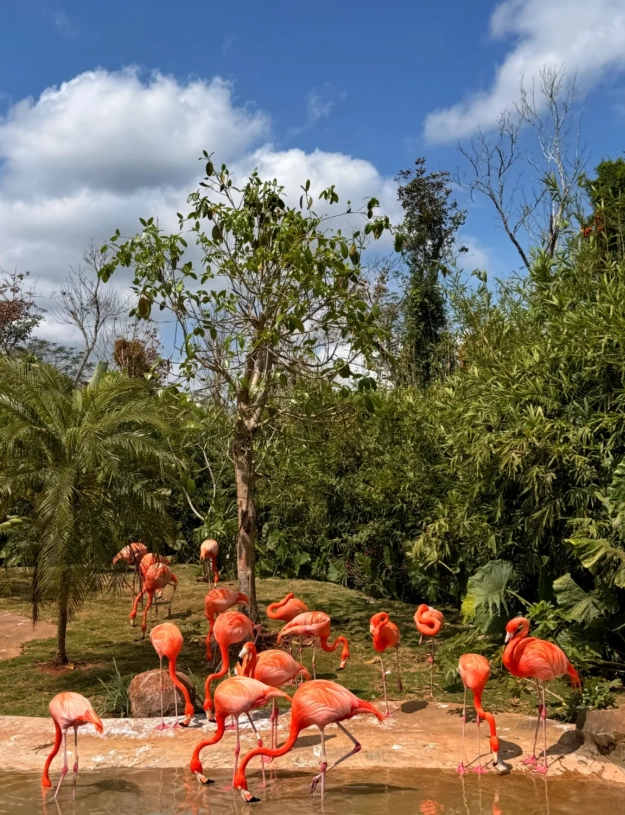
Pro tip: If you’re visiting during summer (June-August), arrive right at 7:30 AM. The animals are most active in the morning before the heat kicks in, and you’ll have the place almost to yourself for the first hour.
The Animals: Stars and Disappointments
The Stars
- White Bengal tigers: The park has a small pride, and they’re genuinely impressive. You can feed them during designated times (extra fee, about 30 RMB).
- Giraffes: The elevated platform lets you get eye-to-eye. The feeding station is popular with kids — a handful of leaves costs 10 RMB and makes for great photos.
- Bird aviary: Walk through a free-flight enclosure with peacocks, cockatoos, and some rare tropical birds. You’ll likely have one land on your shoulder if you’re patient.
- Siberian tigers: They’ve got a spacious pool area. Watching them swim in the heat is oddly satisfying.
The Disappointments
- Elephant exhibit: The enclosure feels small, and the lone elephant often looks bored. Not a highlight.
- Reptile house: Dimly lit and the glass is smudged. Hard to see the snakes and crocs clearly.
- Some cages looking tired: Chain-link fences and concrete floors for some smaller mammals feel dated. The park could use investment here.
I once had a family from Australia ask me why the monkeys seemed lethargic. It’s likely the midday heat, but it points to a general lack of enrichment in some areas. Still, the overall animal diversity is decent for a provincial park.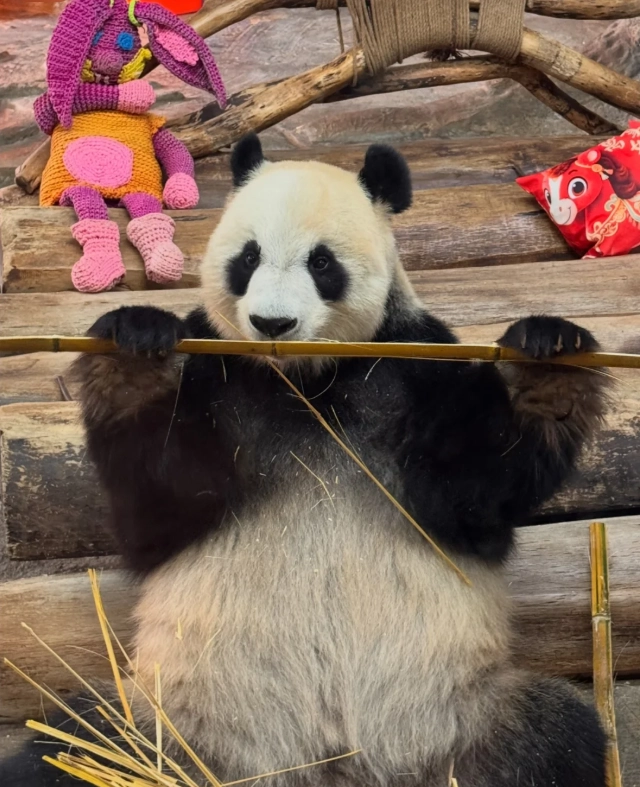
The Botanical Garden: More Than Just Trees
The botanical side is often overlooked by visitors in a rush to see the animals, but it’s worth a stroll. There are labeled paths through themed sections: tropical fruit trees (mango, rambutan, jackfruit), medicinal plants, and a nice orchid greenhouse. The cactus garden is surprisingly photogenic, with towering species from Africa. The downside? Signage is mostly in Chinese only, though plant names often include Latin binomials. If you’re a plant nerd, bring a phone with Google Lens — it helps. Also, mosquitoes are abundant here; wear repellent or you’ll be scratching for days.
Is It Good for Kids?
Absolutely, if you manage expectations. Kids aged 4-12 tend to love the safari drive (they can stick their heads out the window — safely!) and the petting zoo area with goats and rabbits. There’s also a small playground near the restaurant. However, the park lacks baby-changing facilities in many restrooms, and strollers struggle on the gravel paths in the botanical section. I always tell parents: bring a baby carrier, not a stroller. Snack options are limited inside, so pack some crackers and water.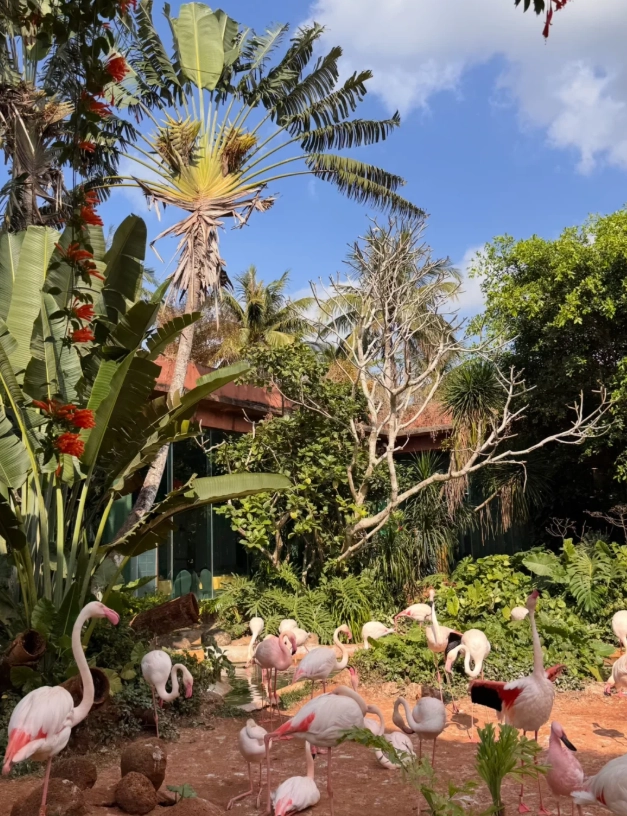
Heads-up: The park’s only restaurant serves mediocre Chinese food (think fried rice and noodles). For better options, leave the park and drive 10 minutes to the town of Longquan, where you’ll find local seafood joints.
Best Time to Visit and Photo Tips
The best months are November through March — cool and dry. Avoid Chinese holidays (May Day, National Day) unless you love crowds. For photos:
- Golden hour: The safari zone faces east, so morning light (7:30-9:30) gives you soft, warm tones on the animals.
- Giraffe feeding: Stand slightly to the side to avoid shadows from the canopy. The best angle is from the elevated platform looking down.
- Orchid greenhouse: Midday overhead light works well here because the roof diffuses sunlight.
- Cactus garden: Late afternoon shadows create striking patterns among the succulents.
Common Mistakes to Avoid
- Going at noon in summer: Animals sleep. People sweat. The heat is brutal. I’ve seen too many tourists wilt by 1 PM.
- Skipping the shuttle: If you don’t drive, the walking distance between safari and botanical sections is about 2 km. The 20 RMB shuttle saves energy.
- Not bringing cash: Some smaller vendors inside only accept cash or WeChat/Alipay. International cards won’t work. There’s no ATM on site, so bring enough RMB.
- Overestimating time: Most visitors finish in 3-4 hours. Don’t plan a full day here — combine it with a nearby outing like the volcanic park or Haikou’s old streets.
- Ignoring the botanical garden: Many guests rush through the animals and miss the peaceful greenery. Give it at least 45 minutes.
FAQ
Verified and fact-checked by the editorial team based on park visits and official mini-program data. Prices and policies are subject to change; always confirm with the park before traveling.








No comments yet.