 Peng Gao
I’ve lost count of how many times I’ve brought groups to Mission Hills Haikou. First-timers usually expect just a golf course with a hotel attached. Then they step off the shuttle and realize—this place is a self-contained universe. Spread over 20 square kilometers in the volcanic countryside of Hainan, Mission Hills blends world-class golf, a sprawling movie-themed park, hot springs straight from the earth, and a handful of resorts that could keep you busy for a week without ever leaving the property. Let me show you what’s worth your time—and what you can skip.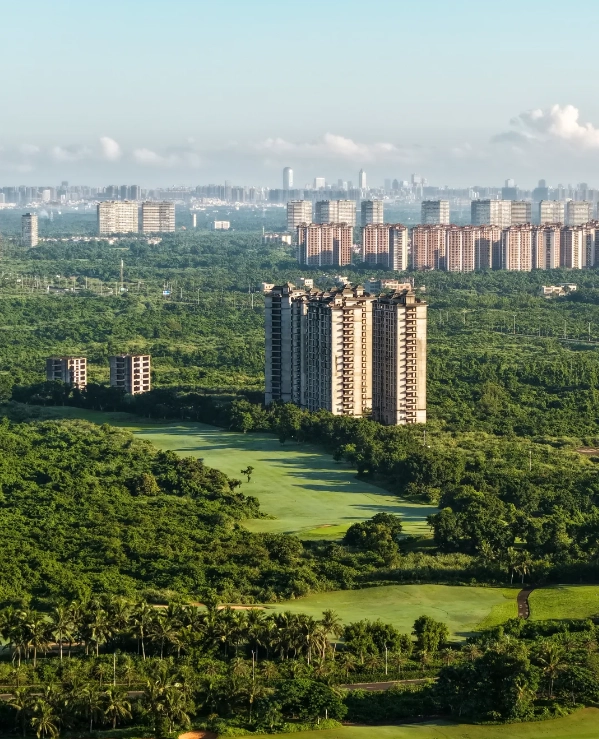
Why Visit Mission Hills Haikou
Most people come for the golf—ten 18-hole courses designed by legends like Greg Norman and Jumbo Ozaki. But even if you don’t swing a club, the resort packs enough variety to justify a two‑ or three‑day side trip from Haikou city center. The Movie Town alone, with its re‑creations of Shanghai street scenes from the 1940s, is a photographer’s dream. And the hot springs? They tap into the same volcanic aquifer that feeds the island’s famous thermal waters. I always tell my guests: “Come for the golf, stay for the volcano baths and the street food.”
Golf Courses: The Real Draw
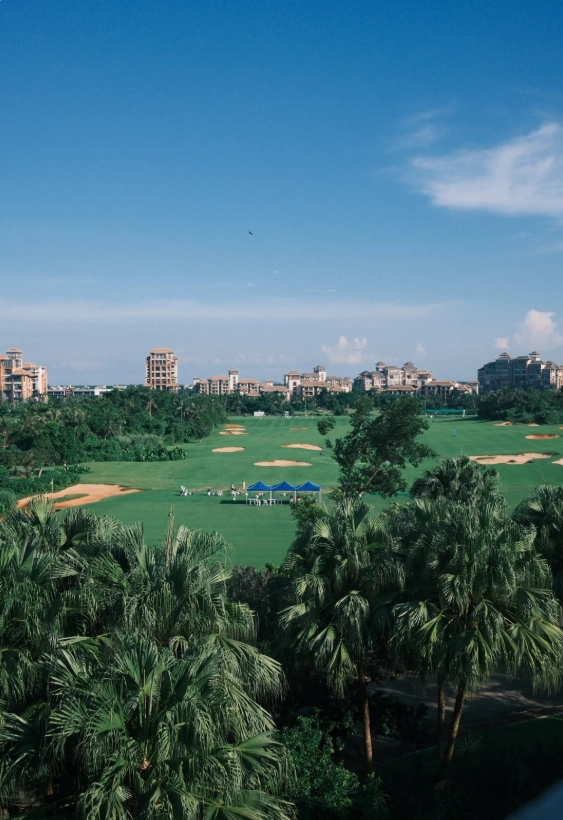
Mission Hills Haikou holds the Guinness World Record for the largest golf facility—ten 18-hole courses, each with a distinct theme. Lava fields, black sand traps, lakes, and tropical vegetation shape every hole. The most popular are Blackstone (host of the World Cup of Golf) and Stone Quarry, but my personal favorite is Sandstone for its dramatic elevation changes.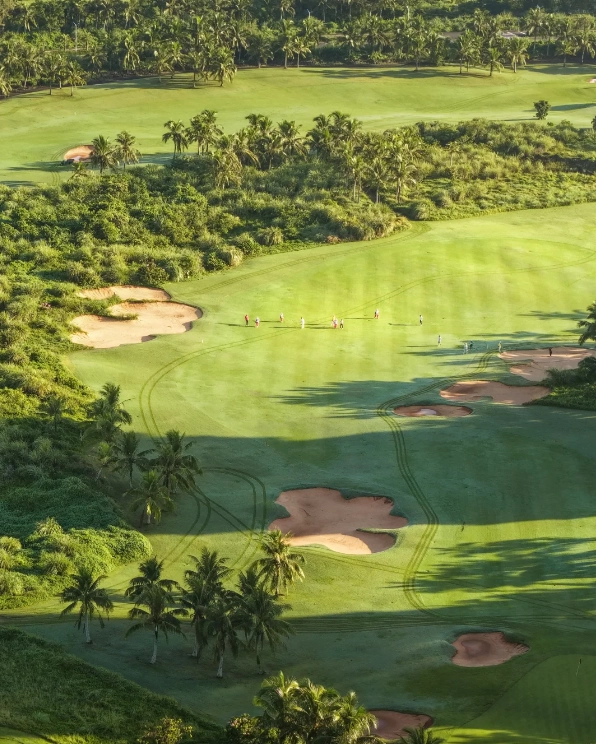
| Course | Designer | Signature Feature |
|---|---|---|
| Blackstone | Greg Norman | Volcanic bunkers, stadium seating around 18th |
| Stone Quarry | Jack Nicklaus | Carved from an old quarry, dramatic cliffs |
| Sandstone | Jumbo Ozaki | Rolling fairways, excellent for mid‑handicappers |
| Lava Fields | Pete Dye | Black lava rock lining fairways, very challenging |
If you’re not a member, book a tee time through the resort’s official WeChat mini-program or concierge. Green fees range from about ¥600 to ¥1,500 depending on the course and season (peak winter prices are higher). Caddies are mandatory and cost around ¥200 per round—they’re excellent and speak basic English. I always ask for Amy; she knows the greens like the back of her hand.
The Movie Town Experience
The Movie Town is a film set turned tourist attraction. Walking through the gates feels like stepping into a time machine. There are three main streets: 1942 Street (recreating wartime Chongqing), Nanyang Street (1920s Southeast Asian architecture), and the newer Beijing Street with old‑school hutongs. Movie buffs will spot sets from Feng Xiaogang’s films.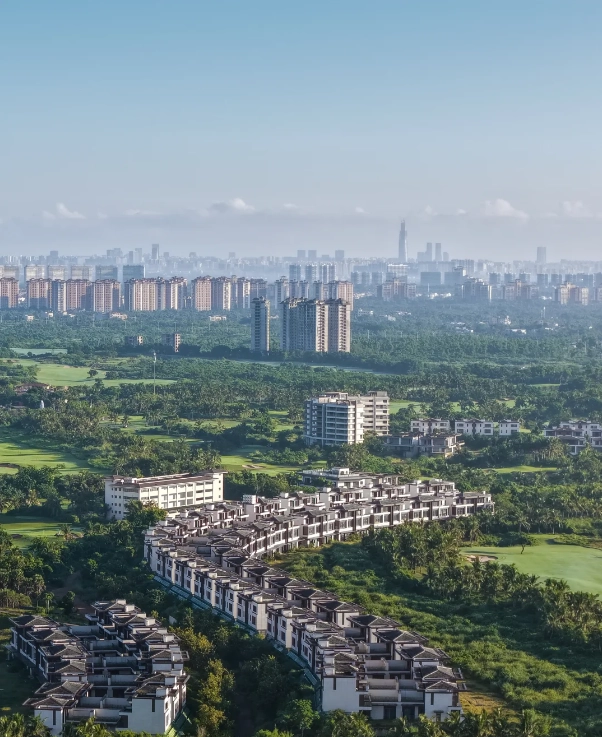
I take my groups early—right when it opens at 9 a.m.—to beat the crowds and the intense midday sun. The ticket is ¥128 for adults, ¥68 for children (1.2–1.4m). You can buy it on site or scan their QR code; I always pre‑purchase through their WeChat mini-program to skip the line. Allow at least three hours to wander, take photos, and catch one of the live shows (kung fu demonstrations and acrobatics happen daily around 11 a.m. and 3 p.m.).
Hot Springs & Spa
After a round of golf or a long walk through the Movie Town, the hot springs are a lifesaver. Mission Hills boasts 168 indoor and outdoor pools fed from the deep volcanic aquifer. Water temperatures range from 25°C to 45°C. Some pools are infused with traditional Chinese herbs, green tea, or coffee—yes, coffee. The “coffee pool” is surprisingly soothing and smells amazing.
Entrance to the hot springs costs about ¥200 for non‑guests; resort guests get access for free or at a discount. The area is open until 11 p.m., and I always recommend going after sunset. The steam rising under the stars is magical, and there’s a small bar serving fresh coconut water. I once spent an hour hopping between the jacuzzi and the cold‑plunge pool—my muscles thanked me the next day.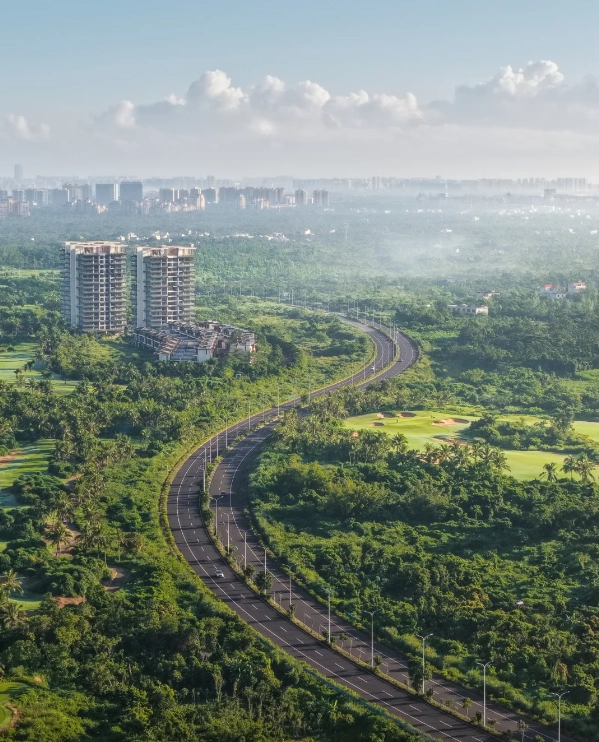
Where to Stay: Best Hotels Inside the Resort
Mission Hills Haikou has five hotels, but two stand out for most travelers. Here’s a quick comparison:
| Hotel | Style | Price per night (approx) | Best for |
|---|---|---|---|
| Mission Hills Resort Haikou | Luxury, Spanish colonial architecture | ¥800 – ¥1,500 | Golfers & couples |
| The ONE Hotel | Modern, budget‑friendly | ¥400 – ¥700 | Families & solo travelers |
The main resort hotel has a huge pool, several restaurants, and direct access to the golf clubhouse. Rooms are spacious with balconies overlooking the fairways. The ONE Hotel is more no‑frills but clean and close to the Movie Town entrance. I usually put budget-conscious groups there.
Book through Trip.com or directly via their official site—often you’ll get a package that includes hot springs and breakfast. Don’t book through third‑party resellers that don’t list the exact property name; I’ve seen confusion with a nearby “Mission Hills Hotel” that’s actually outside the resort.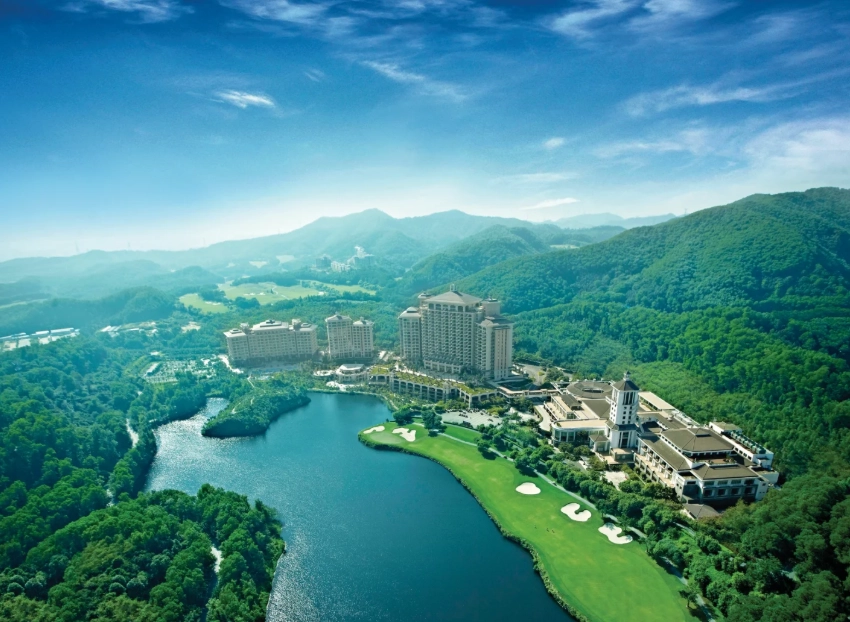
Eating & Drinking Around
Inside the resort, you’ll find a mix of Chinese and Western options. The main buffet at the resort hotel covers everything from Hainanese chicken rice to pasta. For a more local experience, I walk my groups to the Hainanese Chicken Rice shop near the Movie Town entrance (open 11 a.m.–8 p.m.). The chicken is silky, the rice fragrant with pandan—and a plate costs only ¥38. Don’t skip the chili sauce.
If you’re craving something authentic, take a 15‑minute taxi (about ¥20) to the nearby town of Longqiao. There’s a night market with grilled seafood, baozi, and sugarcane juice. I always drag my guests to a stall called “Ah Mei’s” for their grilled squid—it’s smoky and chewy, brushed with a sweet‑spicy glaze. Bring cash; most stalls don’t take cards.
How to Get There & Practical Tips
Mission Hills Haikou is located about 15 km south of Haikou city center. From Haikou Meilan International Airport, a taxi takes roughly 30 minutes and costs around ¥80–¥100. You can also take the K2 bus from the airport to the “Mission Hills” stop—¥5, runs every 20 minutes. The resort runs a complimentary shuttle between Haikou city center (near the Clock Tower) and the property, but you need to reserve a seat 24 hours in advance through their mini-program.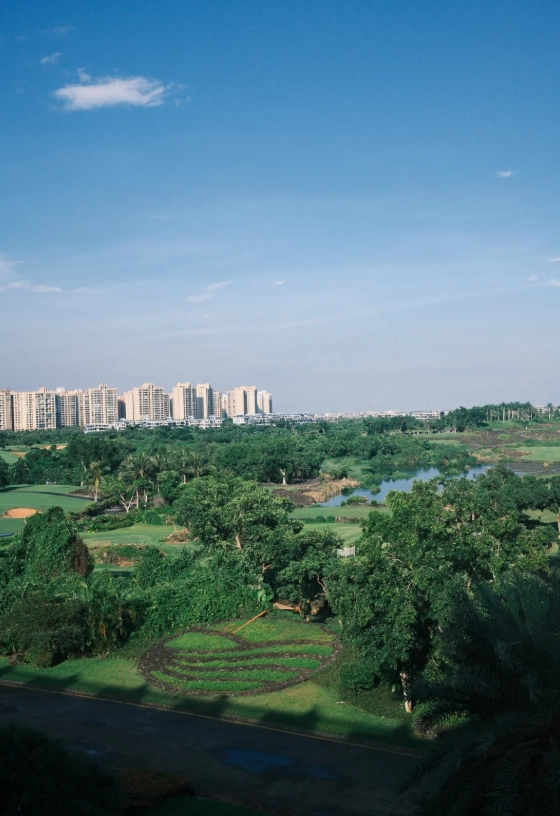
Best time to visit
November to March is peak season—pleasant temperatures (18–25°C), low humidity. Summer (June–September) is hot and rainy; green fees are cheaper but afternoon thunderstorms can disrupt golf. I usually avoid August unless I’m here for the hot springs and indoor activities.
What to bring
- Sunscreen and a hat (the Hainan sun is brutal even in winter).
- Comfortable walking shoes—the resort is huge.
- A light jacket for air-conditioned restaurants and evening strolls.
- Your passport (required for hotel check-in).
Frequently Asked Questions
Verified and fact-checked by the editorial team.





No comments yet.