.jpeg) Jack Zhou
Jack Zhou
What’s Inside This Guide
I’ve led dozens of groups up Tiger Hill. Nine out of ten visitors come back saying, “I wish I’d known that earlier.” So here’s your cheat sheet—written by someone who’s dodged the tour buses and found the quiet corners.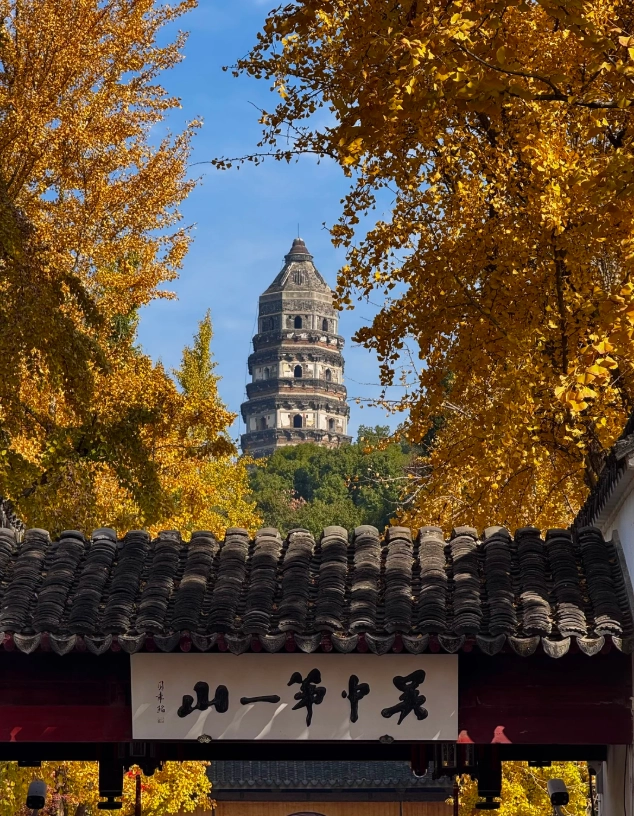
Why Tiger Hill Suzhou Is Worth Your Time
Most people think Suzhou is all about gardens and canals. And yeah, those are amazing. But Tiger Hill? That’s where locals go on weekends. It’s a 36-meter-high hill (yes, tiny by mountain standards) packed with more than 2,500 years of stories. The leaning Yunyan Pagoda has been tilting for over a thousand years—older than Pisa’s tower by a few centuries. And the place is full of legends: the burial site of King Helu, a sword-testing stone, a mysterious “sword pool” that no one has ever drained.
What many English guides skip: This is a forest park as much as a historical site. In spring and autumn, the maple leaves and cherry blossoms create seriously Instagram-worthy tunnels. Most tourists rush straight to the pagoda and miss the beautiful quiet paths along the east side.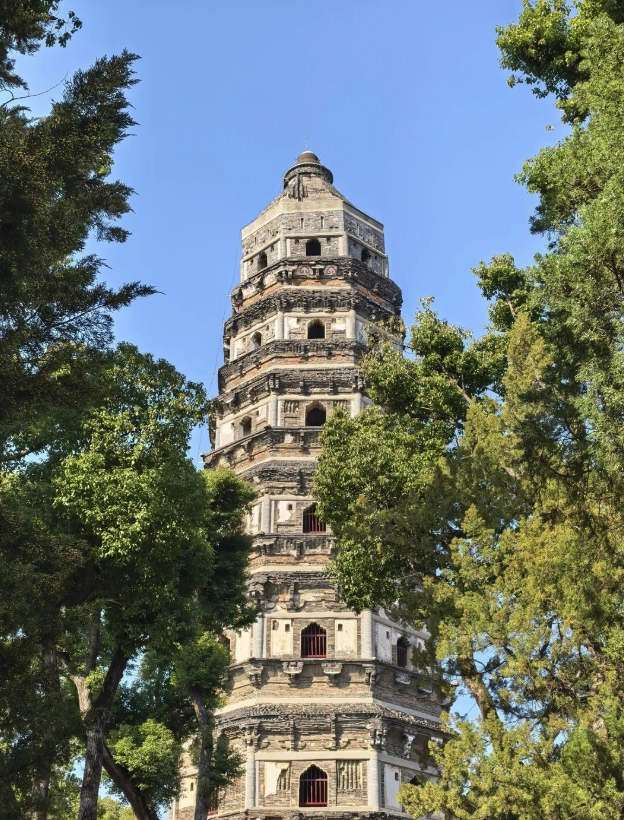
How to Get to Tiger Hill Suzhou
You have four solid options:
| Method | Time | Cost | Notes |
|---|---|---|---|
| Metro Line 1 → Transfer to Bus | 45 mins from city center | ~¥4-6 | Take Line 1 to Leqiao, then bus 游1 or 游2 direct to Tiger Hill. Exit at Huqiu stop. |
| Taxi / Didi | 25 mins | ¥25-40 | Show driver: 虎丘. Rush hour? Add 15 mins. |
| E-bike rental | 35 mins | ~¥10 | Fun if you’re confident in traffic. Park at designated area near south gate. |
| Tour bus from Suzhou Station | ~1 hour incl. waiting | ¥10 | Bus 游1 from station north square. Runs every 20 mins. |
Pro tip: The south gate is the main entrance where ticket offices and the shuttle pick-up point are. The north gate is quieter but you’ll miss the main path.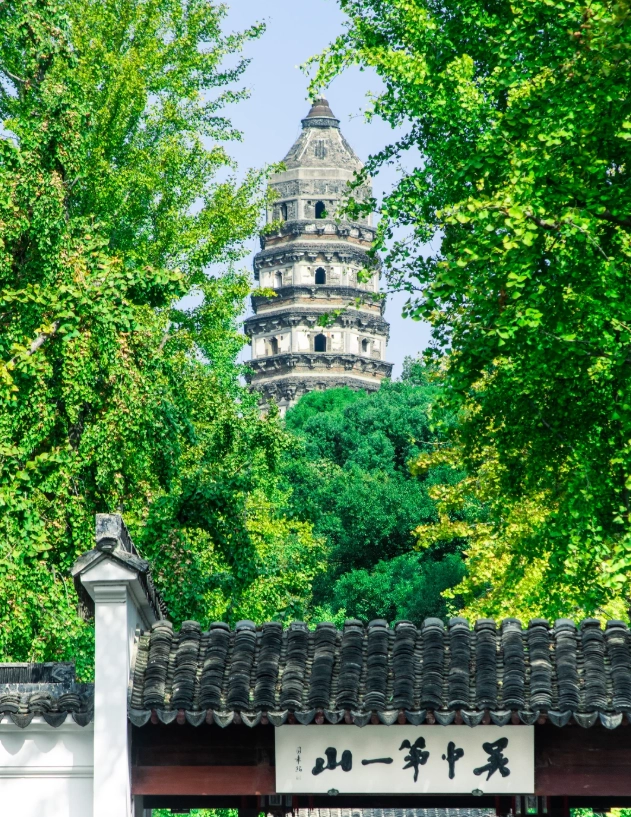
Top 5 Must-See Spots on Tiger Hill (and 1 to Skip)
1. Yunyan Pagoda – The Leaning Wonder
Built in 961 AD, this brick pagoda tilts almost 3 degrees. You can’t go inside (it’s closed to protect the structure), but the view from the base is stunning. Best photo spot: Stand at the ‘Sword Pool’ (Jian Chi) below looking up—the pagoda frames perfectly against the sky. Most people crowd the front; the back side has fewer people and better afternoon light.
2. Sword Pool (Jianchi)
Legend says King Helu was buried here with 3,000 swords. The pool is a narrow channel with massive rocks. The water is black-green and you’ll hear at least one tourist whisper, “Is it bottomless?” My answer: nobody knows. A stone gate seals the tomb at the bottom.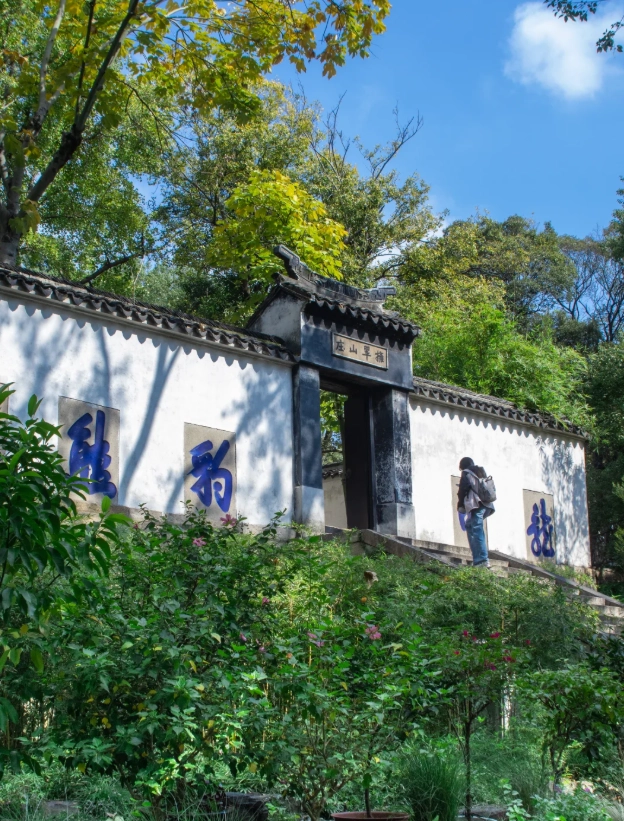
3. Lu Yu Spring
Named after the “Sage of Tea,” this well is one of the top five springs for tea brewing in Chinese history. Today it’s just a clean well, but the surrounding bamboo grove makes a lovely rest stop. I always tell my groups to sit on the stone bench and listen to the wind—it’s the quietest spot on the hill.
4. The ‘Tiger Hill’ Calligraphy Rock
Right near the entrance, a massive rock slab is carved with the characters “虎丘” (Tiger Hill) in the calligraphy of a Ming dynasty scholar. Most people walk right past it. Don’t. It’s one of the best photo spots without a crowd.
5. The Bamboo Path (east side)
After you pass the pagoda, instead of turning back, take the little path on the east that winds through bamboo groves and past crumbling stone pagodas. It leads to the Garden of Seclusion – usually empty even on busy weekends. Perfect for a picnic.
Skip: The “Sword Testing Stone” (it’s just a cracked rock with a story that sounds cooler than it looks). You’ll likely walk past it anyway, but don’t go out of your way.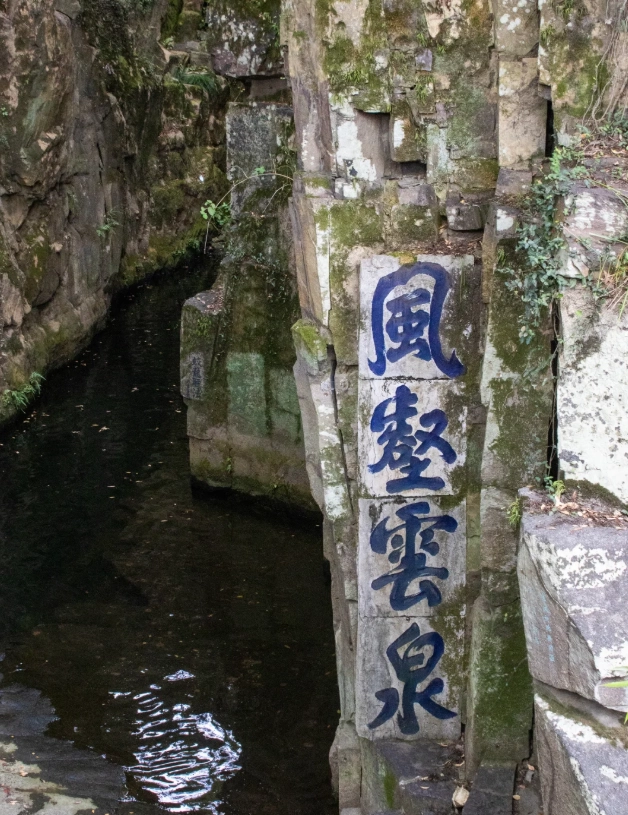
Best Time to Visit Tiger Hill Suzhou
Season matters: Late March to early April – peach and plum blossoms explode. Late November – fiery red maple leaves. Summer is hot and humid; the hill offers shade, but you’ll sweat climbing the steps. Winter is quiet and crisp—bring a coat.
One thing I’ve learned after countless visits: Avoid 10 AM–2 PM on weekends, especially Sundays. That’s when local families and tour groups converge. By 4 PM, it calms down again (but the light gets golden for photos).
Tiger Hill Ticket Prices & Practical Tips
| Category | Price | Notes |
|---|---|---|
| Adult (Peak season Mar–May, Sep–Nov) | ¥80 | Includes all areas except special exhibitions |
| Adult (Off-peak) | ¥60 | Discount applies June–Aug and Dec–Feb |
| Student (with valid ID) | ¥40 | International student IDs accepted at the counter |
| Senior 60+ | Free | Show passport or Chinese ID |
| Child under 1.2m | Free | No ID needed |
How to book: You can buy on-site (credit cards accepted, but cash backup wise). For a hassle-free experience, scan the WeChat mini-program code at the entrance (search “虎丘” in WeChat). No need to pre-book except during national holidays (May Day, National Day) when online booking is mandatory. Prices fluctuate slightly depending on the season, so I recommend pulling up WeChat to scan their official mini-program right before you Uber over.
Shuttle cart inside: ¥20 one-way. Worth it if you have elderly companions or are short on time—it drops you near the pagoda hill base. But I prefer walking; the gentle climb takes 15 minutes and you pass the calligraphy rock.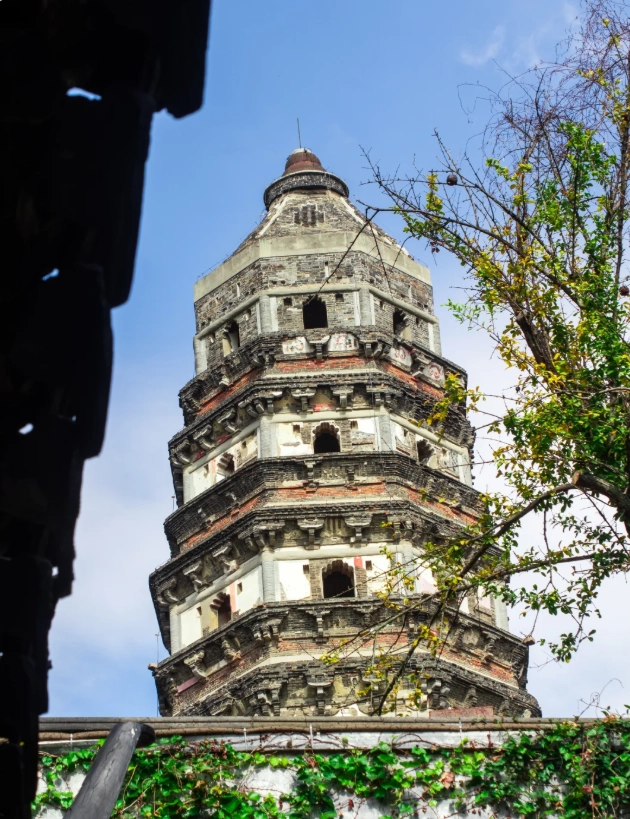
Where to Eat Near Tiger Hill
After exploring, you’ll be hungry. Skip the tourist-trap restaurants directly opposite the south gate. Instead:
- Song He Lou – Huqiu branch: A 5-minute walk east. Famous for squirrel-shaped mandarin fish (sweet-sour) and suzhou-style noodles. About ¥80-120 per person. They have picture menus.
- Lao Hu Qiu Tangmian: Hole-in-the-wall noodle shop right next to the bus stop. Try the ‘braised pork noodles’ for ¥16—locals swear by it. Cash or WeChat only.
- Tea house on the hill: Inside the scenic area, near the Lu Yu Spring. They serve biluochun green tea (local specialty) for ¥35 a pot. Decent for a rest, not for a meal.
My personal recommendation: Grab a shengjianbao (pan-fried pork buns) from a street cart outside the north gate—only ¥2 each, crispy bottom, juicy filling. Best snack on the go.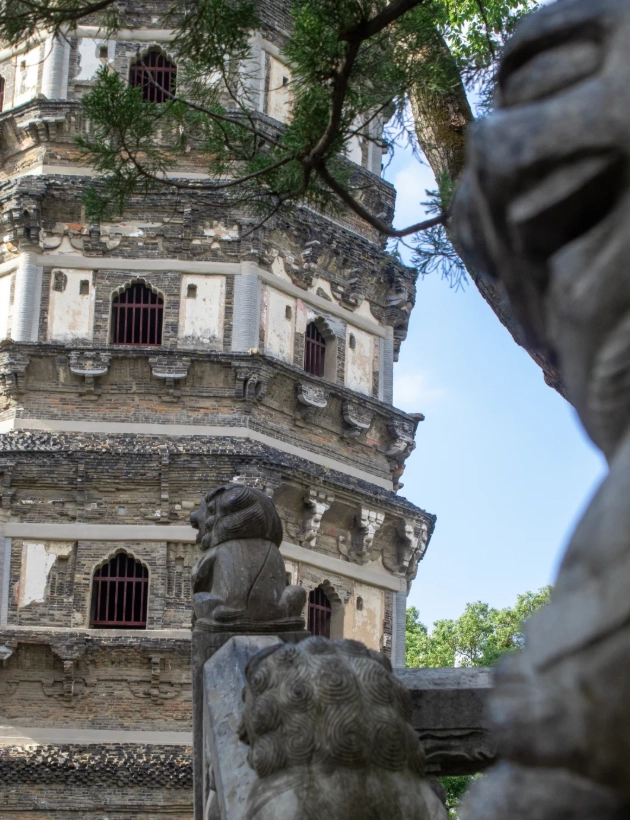
FAQ: Your Tiger Hill Questions Answered
This content has been fact-checked to ensure informational precision. Prices and hours were verified. Always confirm on-site for the latest updates.





No comments yet.