 Ming Yang
Quick Navigation
I’ll be honest: I was skeptical the first time I walked through that unassuming gate on Kuojiatou Alley. Most of Suzhou’s famous gardens are sprawling estates—the kind you need a map and a half day to explore. But the Master of the Nets Garden? It’s tiny. 0.6 hectares. You could probably jog through it in 5 minutes. Yet, after escorting over sixty international groups through these grounds, I can tell you: it’s absolutely worth a visit, if you do it right.
Why? Because this garden distills the essence of a classical Suzhou garden into a compact, intimate space. Every rock, every window, every plant was placed with such precision that you feel like you’re stepping into a living painting. And the night tour? That’s where the magic really happens. Let me break down everything you need to know before you decide.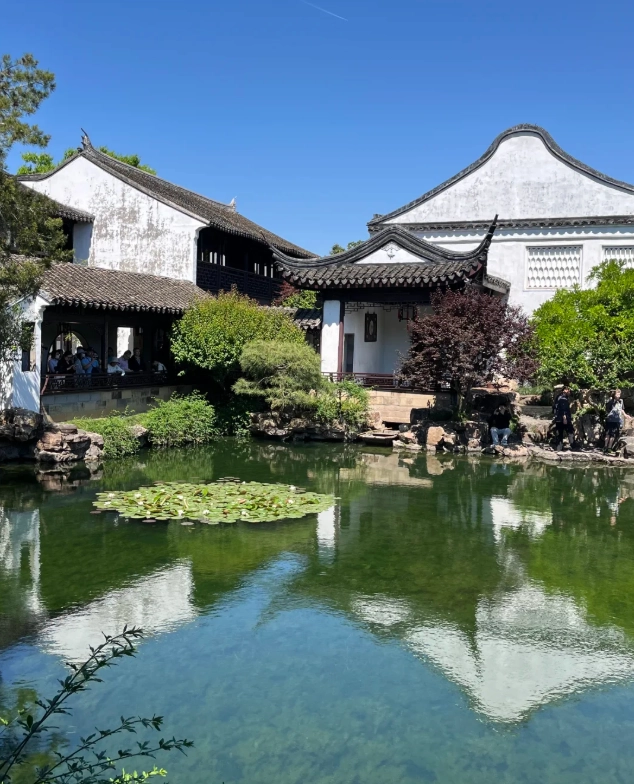
Why This Garden Wins Me Over
Most tourists default to the Humble Administrator’s Garden (Zhuozheng Yuan) because it’s the biggest. And hey, it’s beautiful. But the Master of the Nets Garden (Wangshi Yuan) offers something the big ones can’t: intimacy.
Imagine this: You’re standing on a tiny bridge over a pond that reflects a moon gate. The entire garden is designed so that from any spot you see three different layers—a tree, a pavilion, a stone arrangement. It’s like a 3D puzzle where every angle is a postcard. I’ve had guests cry (yes, cry) because the harmony was so overwhelming.
And the night tour is a whole different beast. From April to October (weather permitting), they light up the garden with lanterns and stage traditional performances—Kunqu opera, flute, dancing, and even a shadow puppet show. It’s not a cheesy tourist trap. The artists are actually excellent. You wander from courtyard to courtyard, each one hosting a different act. The whole thing lasts about an hour, and you feel like you’ve been transported back to the Ming dynasty.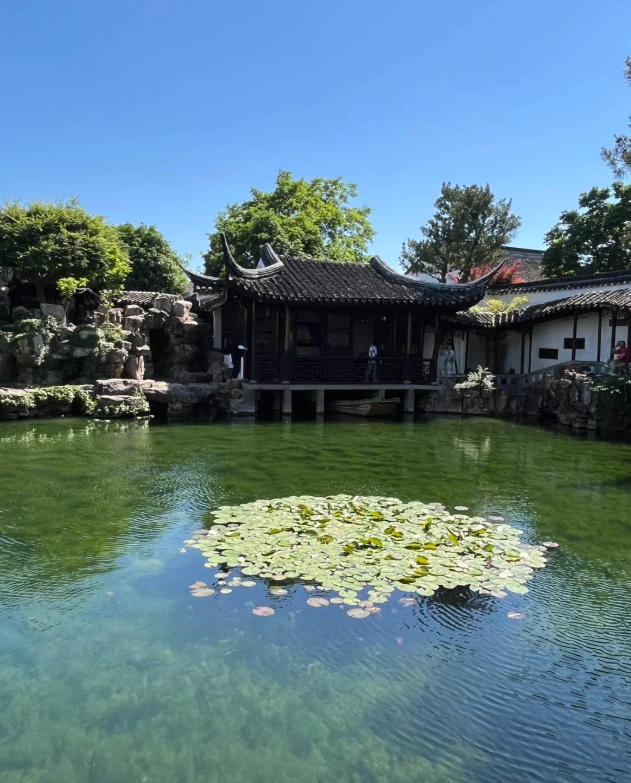
What Makes It Special? Architecture & Design
The garden’s name comes from a story: a fisherman cast his net and caught … well, nothing. But it’s a metaphor for a simple, self-sufficient life. The design reflects that philosophy. Here are the highlights:
- Dianchunyi (Spring in a Chamber Pavilion) – A small pavilion built over water. From here, you can hear the drip of water and the breeze rustling bamboo. It’s the perfect spot for meditation.
- Sheying Tower – Named after a famous calligrapher, this two-story wooden structure has windows that frame the garden like a scroll. Check out the carvings on the window frames—they’re original Ming dynasty work.
- Yuedao Fenglai Pavilion – “Moon arrives with wind.” It faces east, so morning light floods in. But the real show is at night when the moon reflects in the pond.
- The Five-Peak Stone – A towering limestone rockery that mimics a mountain. Walk around it—the texture changes from every side.
One tip: the garden uses “borrowed scenery”—they frame distant trees and buildings outside the garden walls to make the space feel larger. Stand at the door of the main hall and look toward the southeast; you’ll see a pagoda that’s actually part of a different temple a mile away.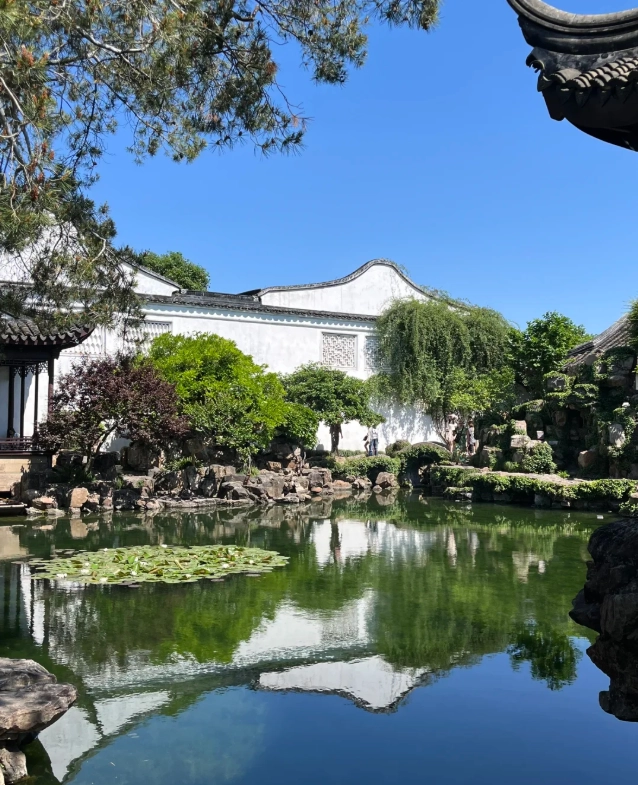
How to Plan Your Visit
Opening Hours & Best Time
| Period | Time |
|---|---|
| Daytime (Mar–Nov) | 07:30–17:30 (last entry 17:00) |
| Daytime (Dec–Feb) | 07:30–17:00 (last entry 16:30) |
| Night Tour (Apr–Oct) | 19:30–22:00 (entry by session; book in advance) |
Best season: Spring (March–May) and autumn (September–November). Summer is hot and humid, and the night tour can be canceled during heavy rain. Winter is peaceful but cold—fewer crowds, and you might have the garden almost to yourself.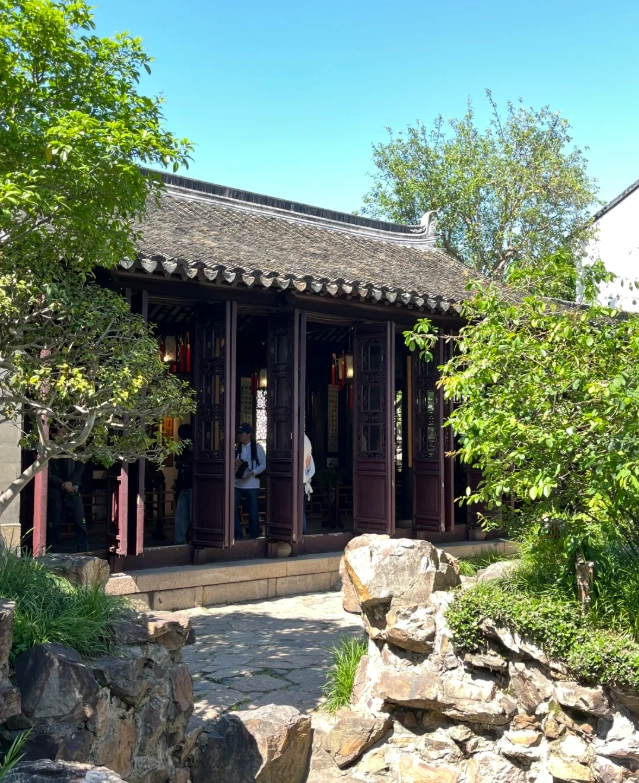
Tickets & Booking
Daytime: around 40 RMB per person. Night tour: around 100 RMB. Students and seniors (over 60) get half price, but you’ll need to show a valid ID. Children under 1.2m are free (but check their official WeChat mini-program for the latest policy, as it sometimes changes).
Important: You must reserve the night tour in advance, especially during Chinese holidays and weekends. You can book via the official Suzhou garden mini-program on WeChat (search for “苏州园林旅游”) or through third-party sites like Trip.com. Walk-ups are rarely accepted because they limit the number of visitors each session to preserve the ambiance.
How to Get There
Address: No. 11 Kuojiatou Alley, Daichengqiao Road, Gusu District, Suzhou.
Subway: Take Line 4 to “South Gate” Station, Exit 4. Then walk east along Shiquan Street for about 10 minutes. You’ll pass some nice little cafés. When you smell roasted chestnuts (there’s a vendor at the corner of Fenghuang Street), you’re almost there.
Bus: Routes 204, 47, 501, or 511 get off at “Master of the Nets Garden” stop. The bus stop is literally 50 meters from the entrance.
Taxi / Didi: From Suzhou Railway Station, it’s about 20 minutes (around 25 RMB). From Suzhou North Station (high-speed rail), allow 40 minutes (about 50 RMB).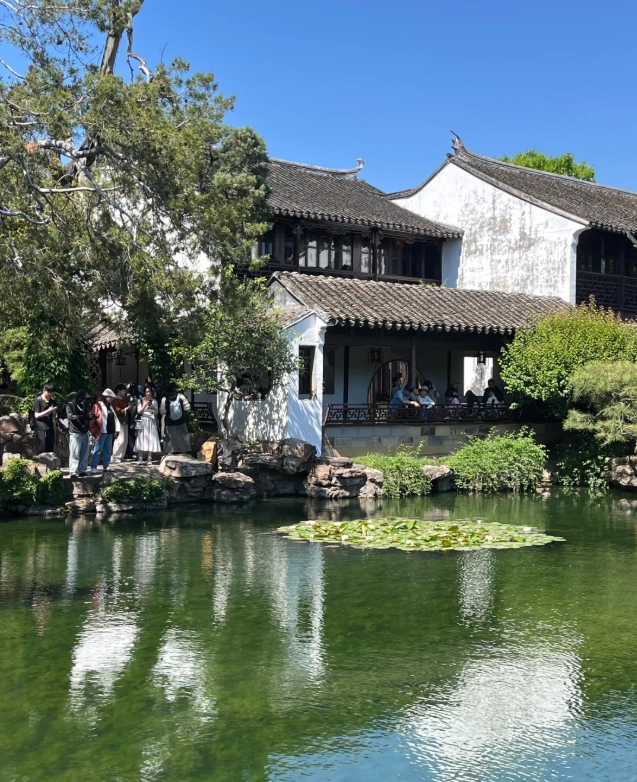
Beat the Crowds & Get Great Photos
I’ll be blunt: the garden gets packed from 10 AM to 3 PM, especially with tour groups. Here’s my personal strategy:
- Go at opening time (07:30). You’ll have nearly an hour of calm before the buses arrive. The morning light is beautiful, and the birds are chorusing.
- Afternoon golden hour (16:00–17:00) is the best for photography—the light goes golden, and the crowds thin out after 15:30.
- Avoid weekends and public holidays like the plague. If you can only go on a weekend, arrive right at opening or join the night tour (which is limited to 200 people per session).
Photo spots most people miss: The reflection in the pond from the tiny “Leading to the Clouds” arch bridge. Shoot toward the main hall; the reflection doubles the beauty. Also, the moon gate at the eastern end—have someone stand in the middle for a classic shot.
One mistake I see daily: Tourists taking pictures of the rockery from the front. Walk around to the back, where a small bamboo grove frames the stones against a white wall. It’s a legendary shot that’s rarely crowded.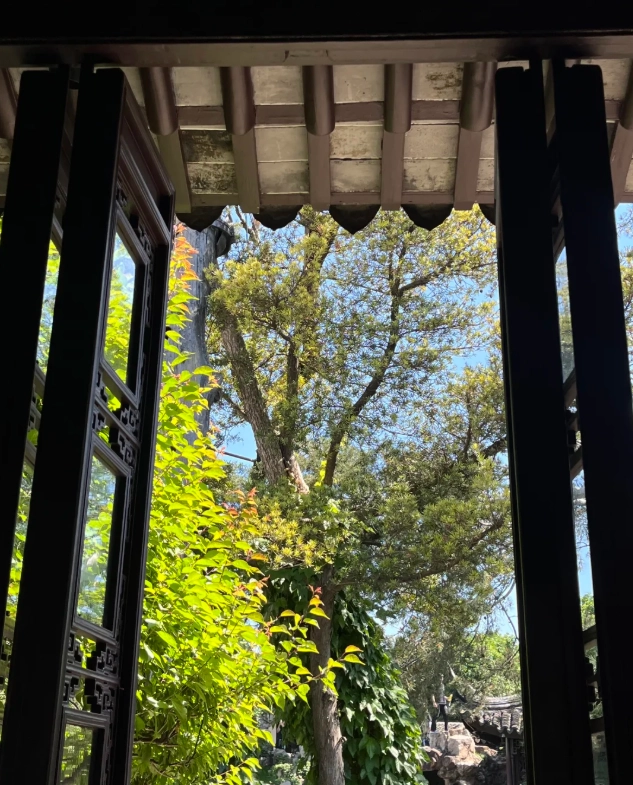
Is It for Families? For Solo Travelers?
Families with kids: If your children are under 8, they might get bored in 30 minutes; there’s no playground. But the night tour with performances keeps them engaged. I once took a 6-year-old who was mesmerized by the shadow puppets. For older kids (10+), it’s a good chance to explain Chinese garden philosophy. Bring snacks and water—there’s no café inside.
Solo travelers: This garden is perfect for you. It’s small enough to explore without feeling lost, and the intimate scale makes it easy to find a quiet corner to sit and journal. I often tell solo guests to bring headphones and listen to traditional Chinese music while walking—it elevates the experience.
Photographers: Bring a wide-angle lens if you can; the courtyards are tight. The best filters are the window lattice shadows. Tripods are allowed during daytime but not at the night tour (space is too crowded).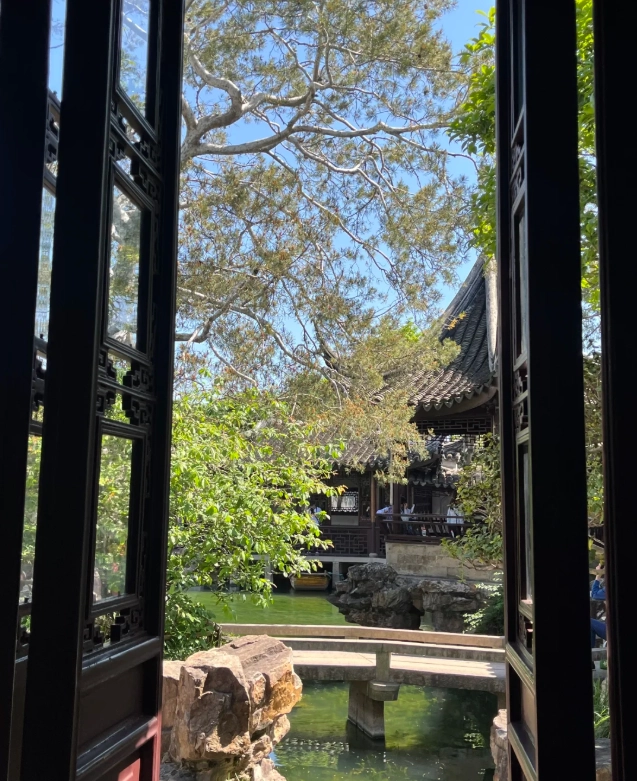





No comments yet.