 Fang Wang
Quick Navigation
I've been leading tours in China for over a decade, and every time I bring a group to Suzhou, someone pulls me aside and whispers: "This is way better than I expected." And they're right. Suzhou isn't just a pit stop from Shanghai—it's a living museum of classical gardens, ancient canals, and silk history. But most itineraries I see online are either outdated or send you to the wrong places at the wrong hours. Let me fix that.
This 3-day plan is built from real experience—what works, what doesn't, and how to dodge the crowds that choke the main sites by 10 AM. We'll cover classic gardens, lesser-known water towns, local food that won't break the bank, and insider hacks for tickets and transport. Ready? Let's go.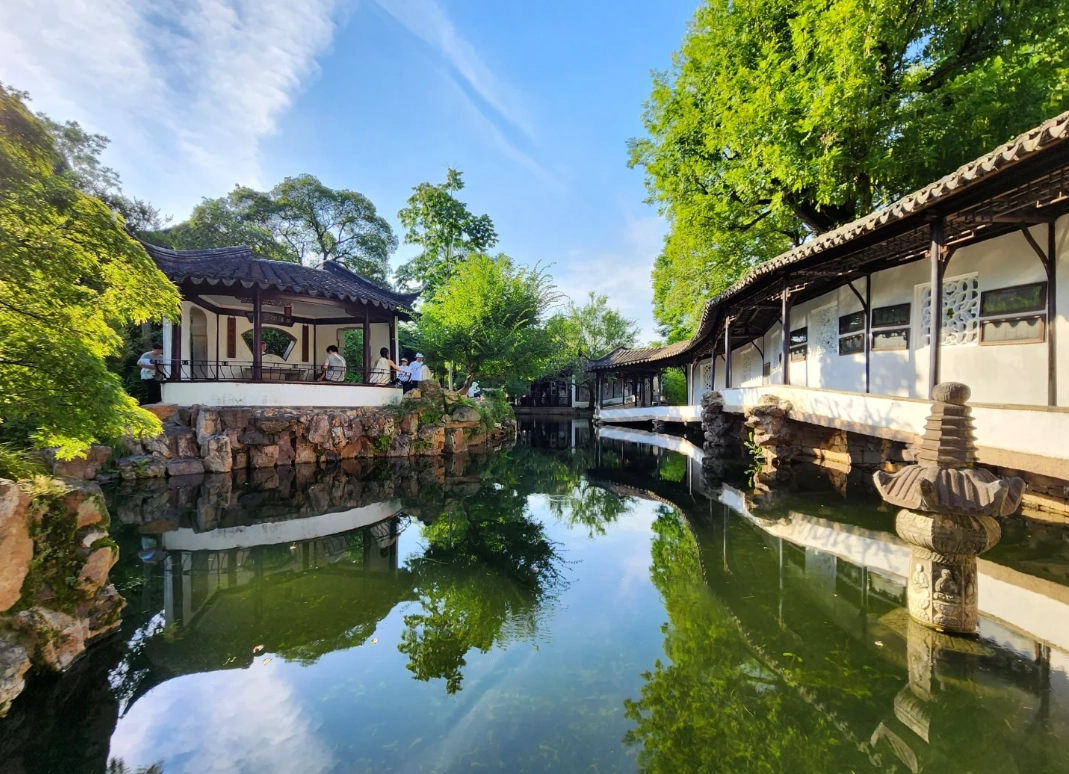
Day 1: Classic Gardens & Water Alleyways
Morning: Humble Administrator's Garden (Zhuozheng Yuan)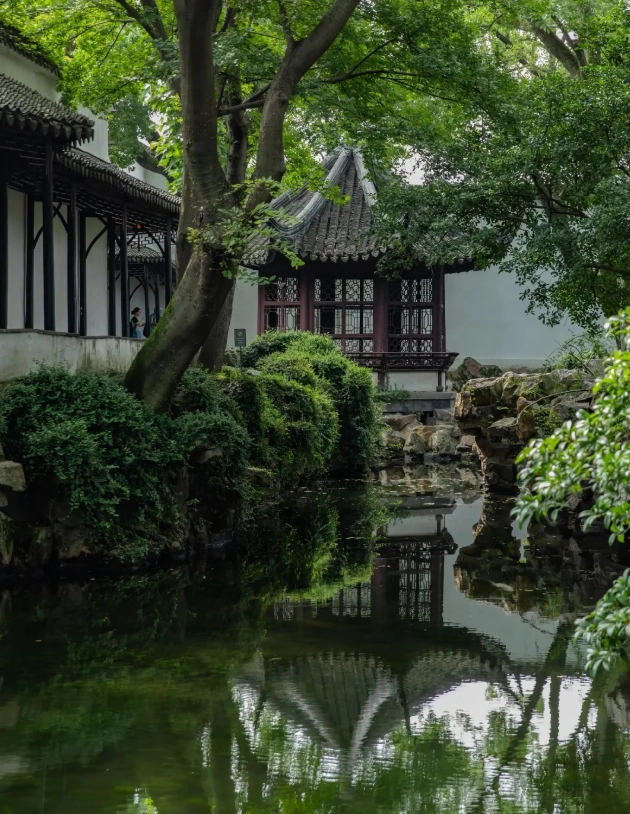
Address: 178 Northeast Street, Gusu District
Opening hours: 7:30 AM – 5:30 PM (last entry 4:30 PM; summer extends to 6 PM)
Tickets: ¥80 for adults (¥40 for students aged 6-18, seniors 60+ with ID). Prices fluctuate slightly depending on the season, so I recommend pulling up WeChat to scan their official mini-program right before you Uber over. No need to book weeks ahead—same-day is usually fine outside national holidays.
I always tell my groups: arrive at 7:30 AM sharp. The garden opens then, and for the first 90 minutes, it's almost empty. You'll hear birds, smell lotus blossoms, and get photos without a dozen tourists in the background. The layout is a maze of pavilions, bridges, and rockeries—don't try to follow a map; just wander. The best photo spot? The small bridge near the Pavilion of Drifting Fragrance, best shot from the east side around 8 AM when the light is soft.
Pro tip: At the ticket office, grab a free paper map. The signal inside can be spotty, and Google Maps doesn't always show the tiny paths.
Midday: Pingjiang Road Historical Street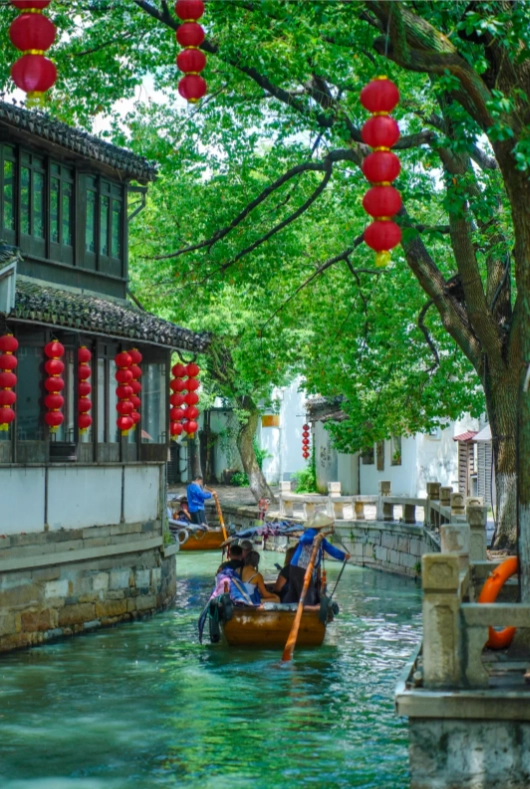
A 10-minute walk south from the garden. This cobblestone lane runs parallel to an ancient canal—think white walls, black tiles, and hanging lanterns. It's touristy, but in a charming way. Duck into Song He Lou (157 Guanqian Road) for lunch. Their squirrel-shaped mandarin fish is famous—sweet and sour, crispy on the outside, tender inside. Expect to pay around ¥120 per person. If that's too pricey, grab shengjian bao (pan-fried pork buns) from a street stall—they're ¥12 for four and just as satisfying.
After lunch, explore the side alleys perpendicular to Pingjiang. Most tourists stick to the main drag, but I've found a little workshop at #29 Cao Huzhou Lane where an old woman embroiders silk fans. She'll show you her work for free and sell a small fan for ¥30. Perfect souvenir.
Afternoon: Master of the Nets Garden (Wangshi Yuan)
Address: 11 Kuojiatou Lane, Gusu District
Opening hours: 7:30 AM – 5:30 PM
Tickets: ¥40 (¥20 for concessions)
This garden is small but perfectly formed—a UNESCO gem often overlooked because tourists rush to the big ones. Go at 3 PM. You'll have it nearly to yourself. The trick: enter from the south gate (most people use the north gate). The central pond reflects the surrounding pavilions like a mirror. I once saw a wedding photoshoot here at 4:30 PM—the golden hour glow was unreal.
From here, walk 15 minutes west to Guanqian Street, Suzhou's main shopping pedestrian street. It's lively at night, but for dinner, I avoid the chain restaurants. Instead, find De Yue Lou (22 Taijian Lane)—another classic Suzhou restaurant. Try biluochun shrimp (tea-infused river shrimp) and beggar's chicken. The wait can be 30 minutes at 7 PM; put your name in, then window-shop nearby.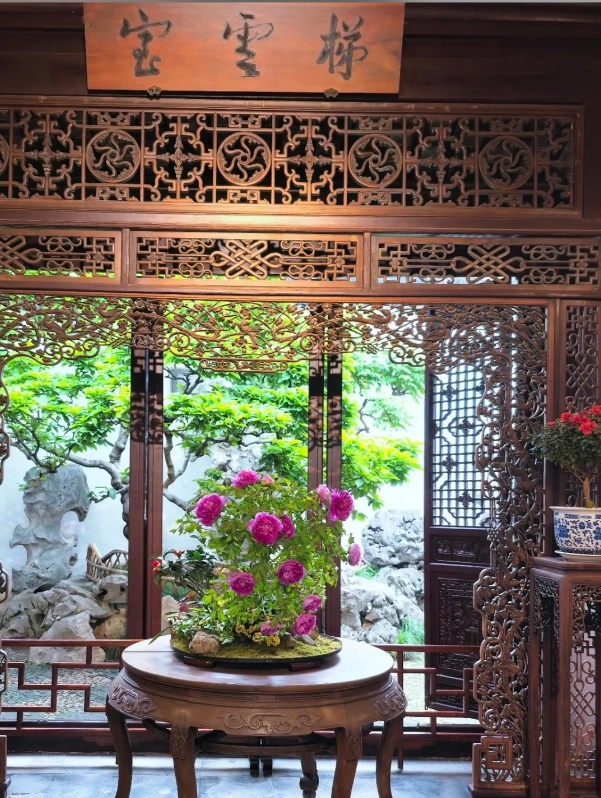
Day 2: Grand Canal & Silk Heritage
Morning: The Grand Canal & Fengqiao Scenic Area
Address: 1 Fengqiao Road, Gusu District (just west of the old city)
Opening hours: 8:00 AM – 5:00 PM
Tickets: ¥25 for the area; boat ride ¥45 extra
The Grand Canal is a UNESCO World Heritage site, and this stretch near Maple Bridge is where you get the full experience without the crowds of the bigger tourist docks. Arrive by 8:30 AM. Take a short boat ride (about 25 minutes) through the narrow canal—your rower will likely sing a Suzhou folk song. Tip: sit on the left side for the best views of the old stone bridges.
After the boat, walk to Hanshan Temple right next door. It's famous for a Tang dynasty poem. Temple ticket: ¥20. The bell tower costs an extra ¥5 to ring—do it once for good luck.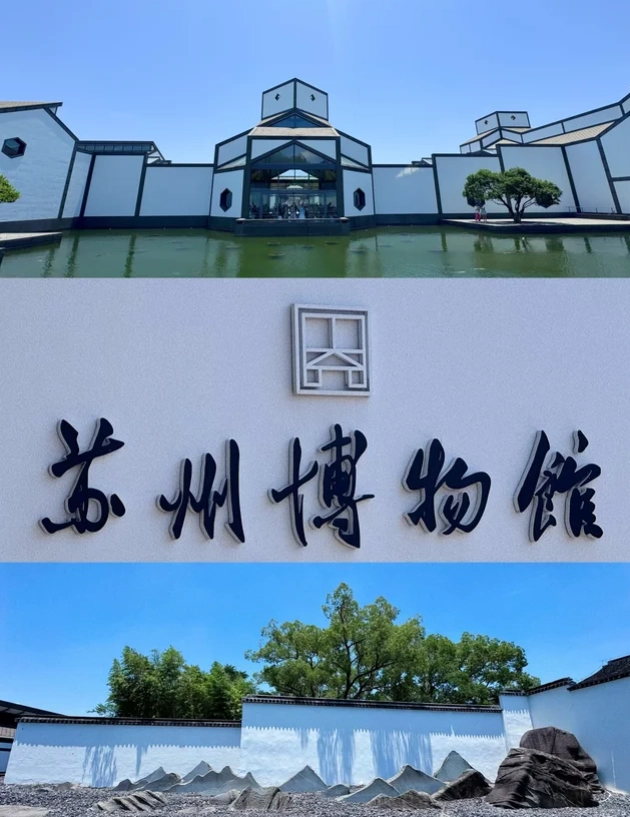
Lunch: Near the Canal
I always stop at Lao Dong Fang Restaurant (99 East Street) a 4-minute walk from the temple. The soy sauce duck is their specialty—sweet, tender, and pairs well with cold beer. Expect ¥50 per person. They have a picture menu, so no Chinese needed.
Afternoon: Suzhou Silk Museum & Embroidery Research Institute
Silk is Suzhou's second claim to fame. The Suzhou Silk Museum (2009 Renmin Road, Gusu District) is free to enter and shows the entire silk-making process from silkworm to loom. Open 9 AM – 5 PM (closed Mon). Plan for one hour.
Then head to the Embroidery Research Institute (1 Wanxiang Road, Wuzhong District) around 3 PM. It's a 20-minute taxi from the museum (¥30). Here, master embroiderers create double-sided silk art—up close, it looks like a photograph. Admission is ¥25. The gift shop sells genuine pieces starting at ¥200; the ones outside for ¥20 are machine-made fakes.
Pro tip: Don't skip this institute. Most English guides mention the museum but not the workshop. It's where you see real artistry, not just historical displays.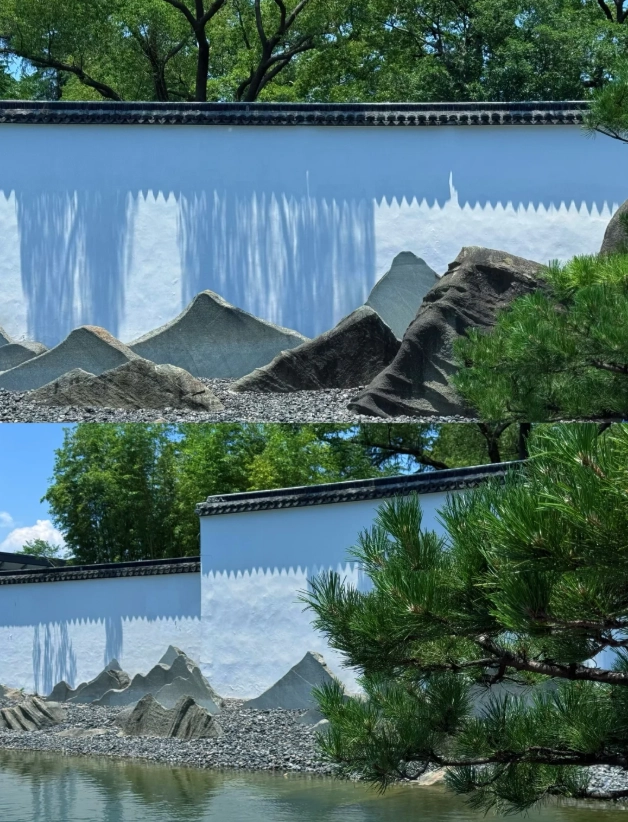
Evening: Shantang Old Street
Shantang Street is a 1.2km canal-side lane that dates back 1,200 years. Come at dusk—the lanterns reflect on the water beautifully. It's less polished than Pingjiang, and that's its charm. Walk from the west end (near the Baimajian Bridge). About halfway down, you'll find Rong Ji Noodles (荣记面馆, 88 Shantang Street) for a quick, cheap bowl of suzhou-style noodles with assorted toppings (¥20). For dessert, grab a sticky rice lotus root from a street seller—slices of steamed lotus root stuffed with glutinous rice and sweet osmanthus syrup.
Day 3: Modern Suzhou & Local Life
Morning: Suzhou Museum (New Wing by I.M. Pei)
Address: 204 Northeast Street, right next to the Humble Administrator's Garden
Opening hours: 9:00 AM – 5:00 PM (last entry 4:00 PM, closed on Mondays)
Tickets: Free, but you must reserve through the official WeChat mini-program '苏州博物馆' (Suzhou Museum). Slots open 7 days ahead and fill up fast. If you can't get one, try walking in at 4:30 PM—they sometimes let people in during the last half hour.
The building itself is a masterpiece of white walls, geometric roof forms, and reflecting pools. Start on the second floor to see the cultural relics (ancient ceramics, calligraphy), then work your way down. The garden-outside is cleverly designed to extend the visual space. I usually spend 2 hours here.
Lunch: Near the Museum
Walk 3 minutes south to Wu Men Ren Jia (123 Northwest Street). Their sweet and spare ribs are sticky and caramelized—I've seen grown-ups lick the plate. About ¥80 per person. They don't take cards, only Alipay/WeChat or cash.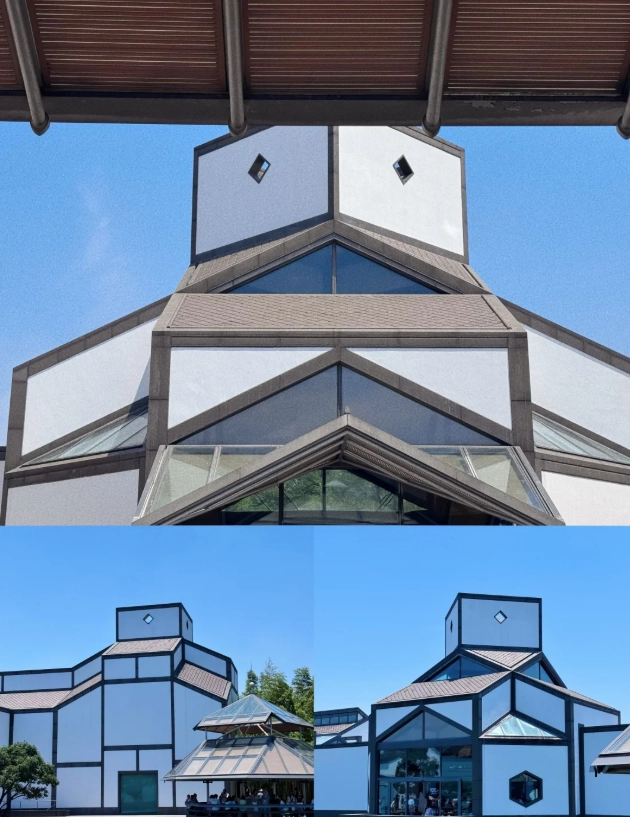
Afternoon: Tiger Hill (Huqiu) – or an alternative
Address: 8 Huqiu Road, Gusu District (about 3 km north of the old city)
Opening hours: 7:30 AM – 5:30 PM
Tickets: ¥80 (¥40 for concessions)
MVP spot: The Leaning Pagoda (the Yunyan Pagoda), which tilts by about 2.5 degrees—older than Pisa. Best photo angle: stand at the bottom of the stairs facing south, shoot up.
Plan B (rainy day): If the weather is bad, skip Tiger Hill and go to Suzhou Pingtan Museum (13 Zhongzhangjia Lane, Pingjiang Road) where you can listen to traditional Suzhou storytelling with instrumental music—it's indoors, cozy, and tickets are ¥50 for a 2-hour session.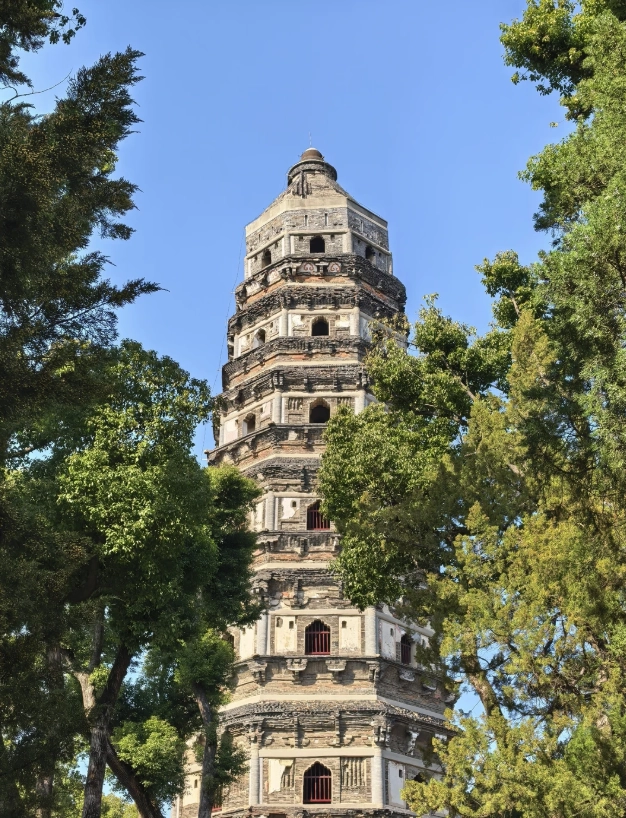
Evening: Guanqian Street Night Market or Jinji Lake
For your last night, you have two choices. Option 1: Return to Guanqian Street for the night market food stalls (try the stinky tofu—it's mild here, not as pungent as in Changsha). Option 2: Take the metro Line 1 to Jinji Lake (Culture & Expo Center Station, exit 2). The lake is surrounded by skyscrapers and the iconic Ferris wheel. The light show on the gate to the east on the hour is a bit cheesy but fun. Have dinner at Lao Suzhou Restaurant (88 Binhe Road) – an unpretentious place with the best squirrel fish in town, ¥120 per person.
Where to Stay in Suzhou
I've tested dozens of hotels. Here's my shortlist:
| Hotel | Area | Best For | Price/Night |
|---|---|---|---|
| Pingjiang Guesthouse | Inside Pingjiang Road | Walking to gardens | ¥400-800 (twin room) |
| Courtyard by Marriott Suzhou | Guanqian Street area | Families, convenience | ¥600-1200 |
| Suzhou Shui Xiang Hostel | Shantang Street | Backpackers, solo | ¥100-200 dorm |
All are within 10 minutes' walk of a metro station. If you're on a budget, the hostel on Shantang is lively and English-friendly.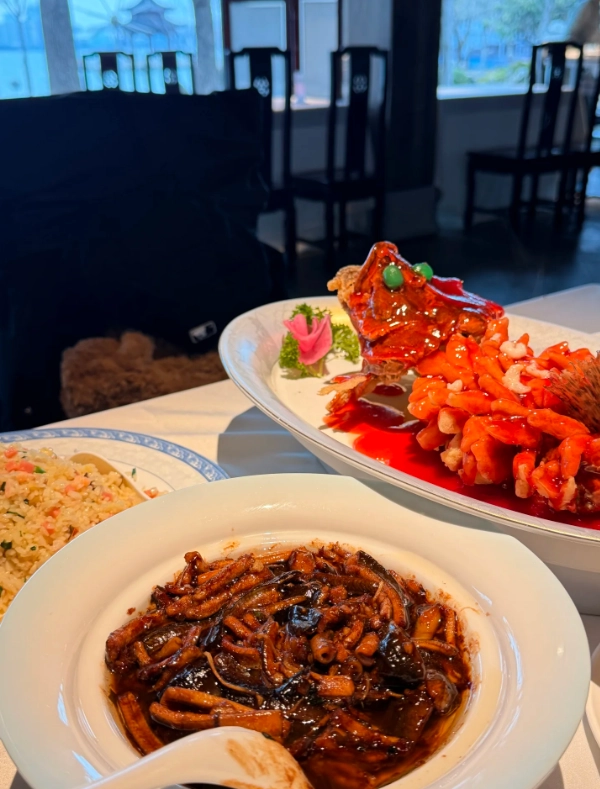
What to Eat: Suzhou Food Guide
- Squirrel-shaped Mandarin Fish – Sweet and sour, check.
- Biluochun Shrimp – River shrimp stir-fried with tea leaves. Light and fragrant.
- Sticky Rice Lotus Root – Street dessert. Must-try.
- Steamed Buns – Get them at Xiao Long Guo on Pingjiang Road; the soup inside is hot, so bite carefully.
Most locals use WeChat Pay or Alipay. Cash is okay but change may be hard. International credit cards? Only at high-end hotels and big malls—carry enough cash for small stalls.
Getting Around Suzhou
Metro: 5 lines (most useful: Line 1 runs east-west through the old town). Single ride ¥2-5. You can buy a ticket at the machine with cash (coins) or via Alipay's 'Shanghai Metro' app (yes, it works for Suzhou too).
Taxi/DiDi: Starting fare ¥13. Within the old city, most rides are ¥15-30. Don't take black cabs at tourist spots—they'll overcharge.
Bike: HelloBike and Meituan bicycles. Scan QR with Alipay, about ¥2 per 30 minutes.
From Shanghai to Suzhou: High-speed train from Shanghai Hongqiao to Suzhou Station (30 minutes, ¥40-50). Avoid Suzhou North station—it's far from the old city. Taxi from Suzhou Station to Pingjiang Road area: ¥20.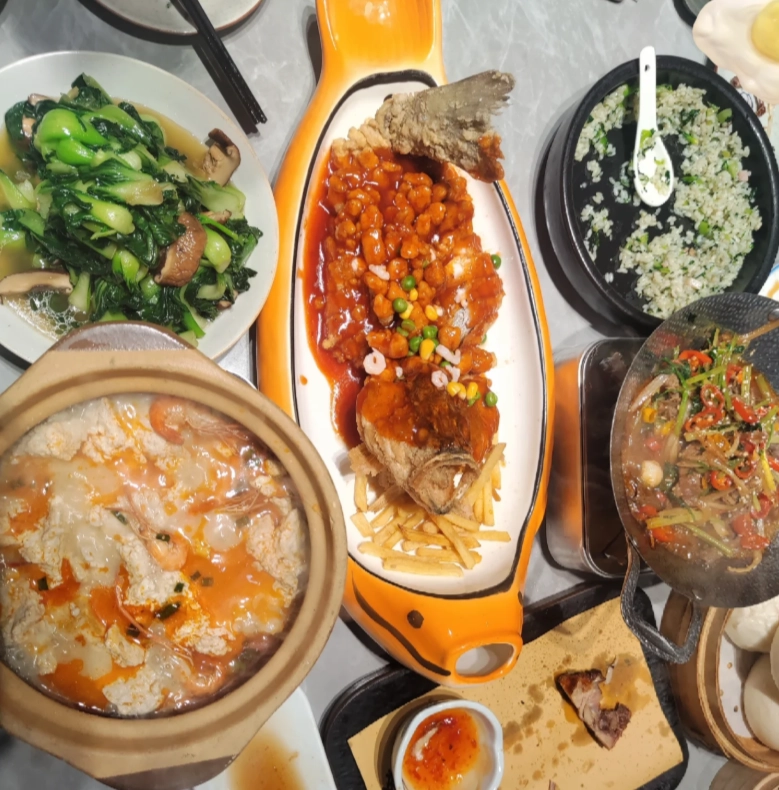
FAQ: Your Questions Answered
Verified and fact-checked by the editorial team.






No comments yet.