.jpeg) Tariq Ma
Tariq Ma
I’ve lost count how many times I’ve walked through the gates of Nanshan Cultural Tourism Zone. As a guide based in Sanya for seven years, I’ve brought everyone from sunburned backpackers to skeptical grandparents. And I get the question every single time: “Is it really worth the entrance fee? Or is it just a giant Buddha cash grab?”
Let me cut the fluff. Yes, it’s worth visiting—if you know what you’re doing. But there are specific times to go, ways to skip the worst crowds, and a few hidden corners that most foreigners walk right past. I’ll give you the unfiltered version.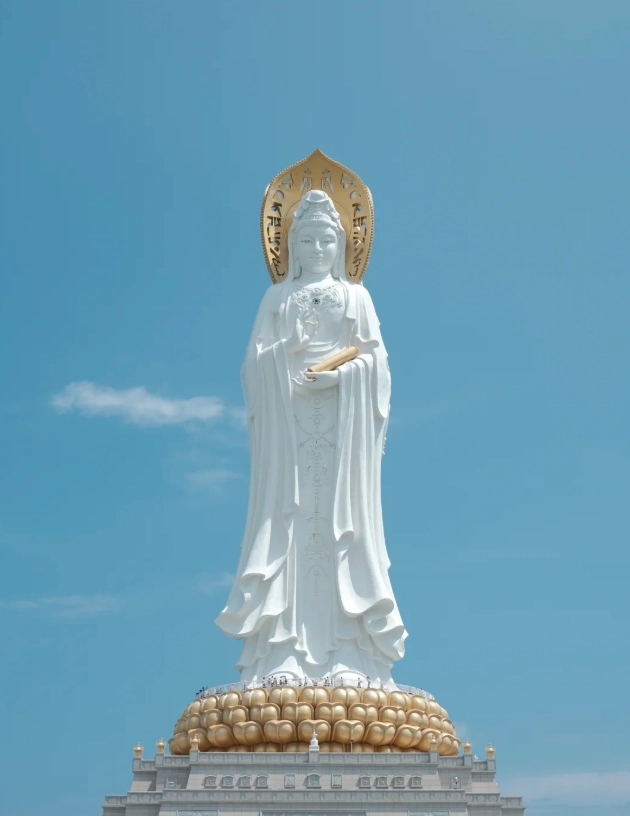
My First Impression: Overhyped or Genuine?
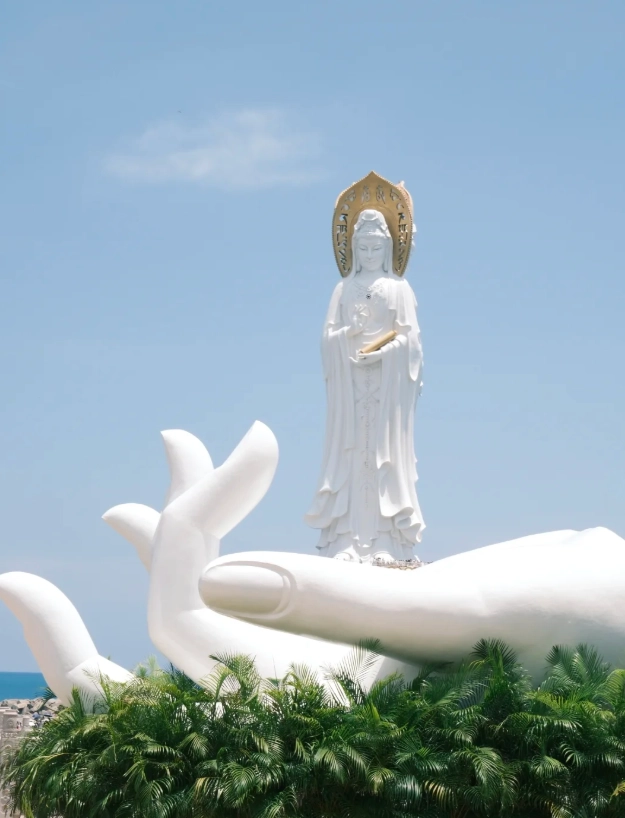
I remember the first time I went—before I worked as a guide. I thought, “Another temple complex, just bigger.” But stepping off the electric cart at the Guan Yin statue area, I actually stopped talking. The scale is ridiculous. The 108-meter three-sided Guanyin stands on the sea, and no photo prepares you for the breeze that hits your face, the smell of salt and incense mixing. It’s genuinely awe-inspiring.
But not everything is perfect. Some areas feel overly commercial—especially the “cultural performances” that are basically souvenir pitches. And the food court? Overpriced and mediocre. I’ll tell you where to eat nearby instead.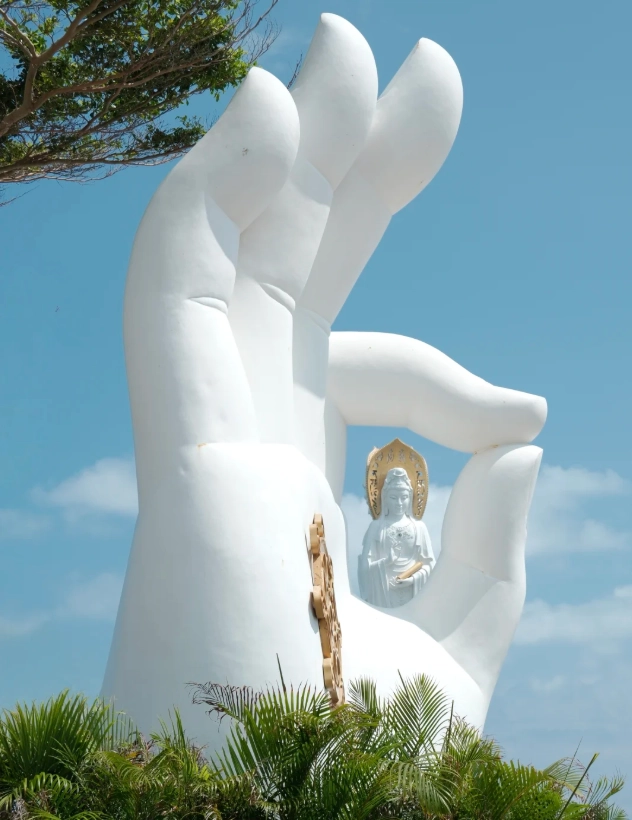
What Makes Nanshan Different from Other Sanya Spots
Most people come to Sanya for beaches and resorts. Nanshan offers a different flavor: Buddhist culture packed into a 50-square-kilometer park. You get:
- The Guanyin Statue – one of the tallest in the world, reachable by a short bridge over the sea. You can even walk around its base (shoes off, no photos inside the temple hall).
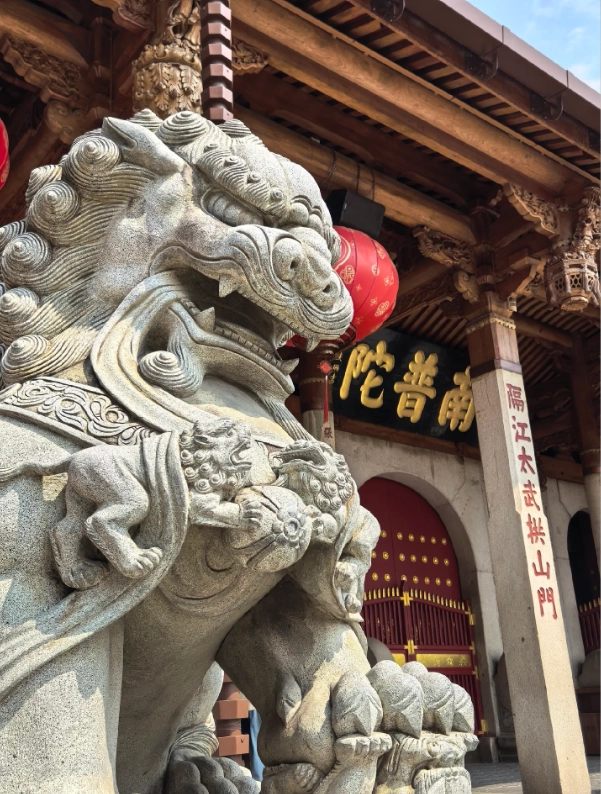
- Nanshan Temple – an active monastery with monks chanting in the mornings (around 9:30 AM if you want to witness).
- Botanical gardens – a surprising highlight, with tropical plants labeled in English.
- The “Extra Large” Peacock Garden – honestly, peacocks roaming free. Kids love it.
Cost & Logistics: Tickets, Transport, and Timing
Let’s talk numbers. I always tell my guests: “Assume prices shift slightly—always double-check on their official WeChat mini-program before you go.” But as of my last trip (April 2024), here’s the ballpark:
| Item | Price (RMB) | Notes |
|---|---|---|
| Standard adult ticket | 129 | Includes entry to most areas except the “Blessing Hall” (extra 20 RMB) |
| Children (1.2–1.4 m) | 70 | Under 1.2 m free |
| Seniors (65+) | 70 | Bring passport for age verification |
| Electric cart inside | 30 | Strongly recommended if you want to cover the entire zone without collapsing |
Getting there: From Sanya city center (Dadonghai area), it’s about a 40-minute taxi ride, around 80–100 RMB. There’s also bus #16 from the city – takes about 1 hour, drops you at the main gate. The bus stop is right outside; look for the big stone arch.
Opening hours: 8:00 AM – 5:00 PM (last entry at 4:30 PM). They start kicking you out around 5:30, so plan accordingly.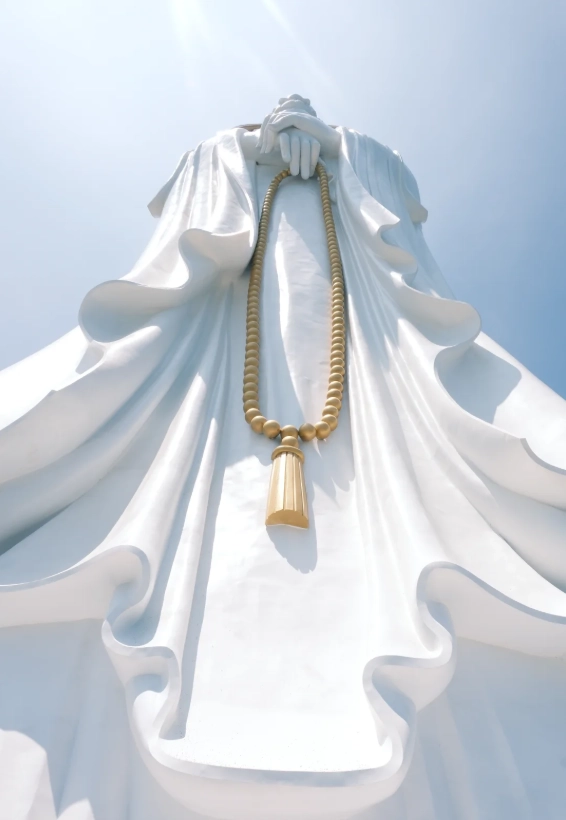
Best Walking Route to Maximize Your Day
Here’s the exact path I take with my groups, refined after years of trial and error:
- Start at the Non-Dual Gate – skip the first set of souvenir stalls. Walk straight to the electric cart station. Buy a cart ticket.
- Ride to Nanshan Temple (10 min). Spend 30–40 minutes here. The main hall has a beautiful jade Buddha. Don’t miss the small garden behind the hall – most tourists rush past, but there’s a peaceful lotus pond with turtles.
- Walk to the Guanyin Statue (about 800 meters along a shaded path). You’ll pass a bridge where you can see the entire statue from afar. Take photos here, not right under it (the angle is better).
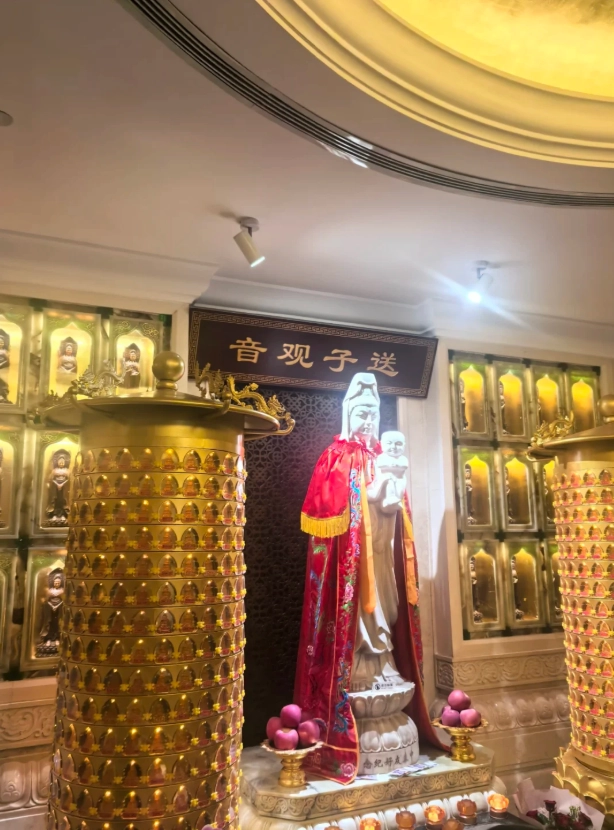
- Circle the statue base – it’s a clockwise walk. You can enter the ground floor hall (free, but you need to put on a blue plastic shoe cover). Inside, there’s a small museum with 108 different Guanyin manifestations.
- Lunch – avoid the main food court. Instead, walk back towards the temple area and find the small vegetarian restaurant called “Nanshan Vegetarian” (look for a wooden sign). The Buddha’s Delight set (48 RMB) is decent and quiet.
- Afternoon: Peacock Garden and Longevity Valley – take the cart to the back of the park. Longevity Valley has a walking trail with hundred-year-old trees and a small waterfall. Great for escaping crowds.
- Exit around 4:30 PM – you’ll have seen 90% of the highlights without rushing.
Hidden Gems Most Tourists Miss
Here’s where the guide experience pays off. Most English-language blogs tell you to see the statue and the temple, then leave. But there are three things I always point out:
- The “Karma Tree” – near the temple, there’s an old banyan tree covered in red ribbons. Locals believe tying a ribbon (available at the nearby shop for 10 RMB) brings good luck. It’s a beautiful photo spot at golden hour.
- The Buddhist Scripture Cave – a small man-made cave behind the temple (follow the signs for “Diamond Sutra”). Inside, the walls are carved with sutras in gold leaf. Free and always empty.
- The Seaside Boardwalk – instead of taking the cart back to the entrance, walk the 1.5 km boardwalk along the coast. You get views of the statue from a distance, and you might spot egrets.
Who Should Skip It (Honest Advice)
I’m not going to pretend everyone loves Nanshan. Skip it if:
- You only have one day in Sanya and prefer beaches (head to Yalong Bay instead).
- You’re easily bored by temple architecture (it’s one of many Buddhist parks in China).
- You have mobility issues – even with the cart, there’s a fair amount of walking on uneven stone paths.
But if you appreciate grand cultural sites and want a semi-spiritual experience without the crowds of the city, it’s worth the trip. Just don’t expect a quiet monastery retreat – it’s a tourist zone, after all.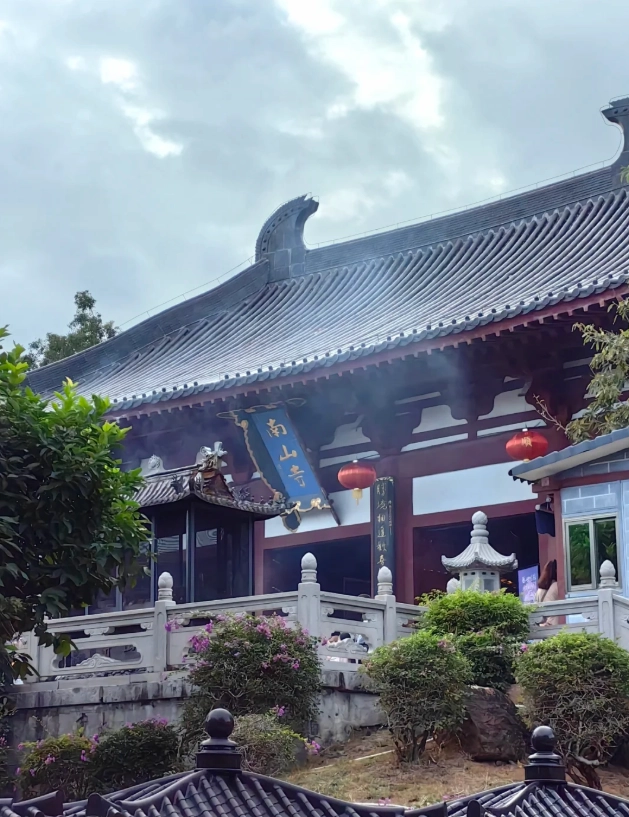
FAQ: Real Questions from Travelers
Verified and fact-checked by the editorial team. This content has been fact-checked to ensure informational precision. Prices and policies may change; always confirm via official channels before your visit.





No comments yet.