.jpeg) Prof. Jian Chen
Prof. Jian Chen
What You'll Find Here
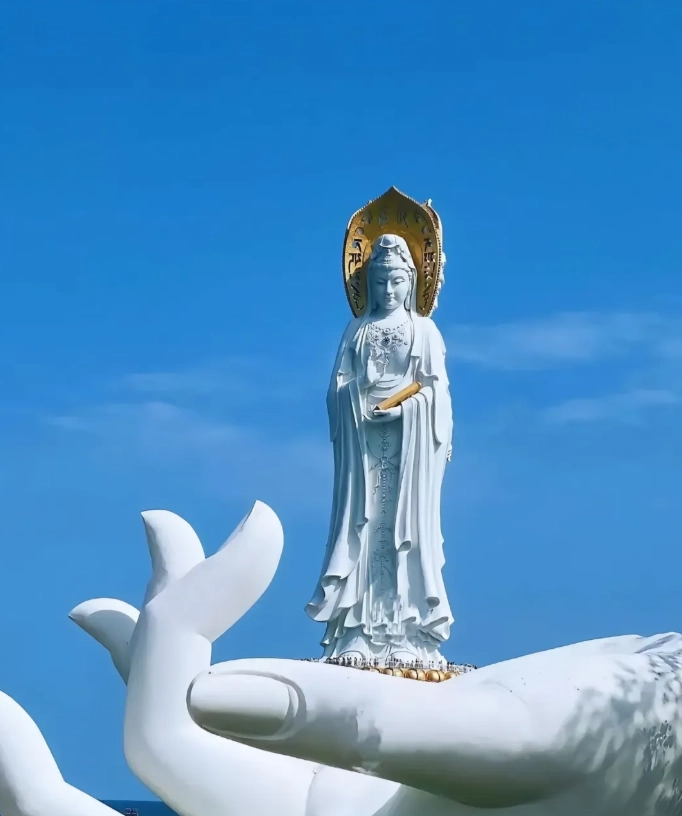
I still remember the first time I walked through the gate of Nanshan Cultural Tourism Zone. The air smelled of incense and sea salt, and then you see it — the 108-meter Guanyin statue rising from the ocean. It's almost surreal. Over the years I've brought hundreds of travelers here, and every single one has that same moment of awe. But here's the thing: most guides won't tell you the best angle to photograph it, or that the temple lunch is actually worth the money. That's what this article is for.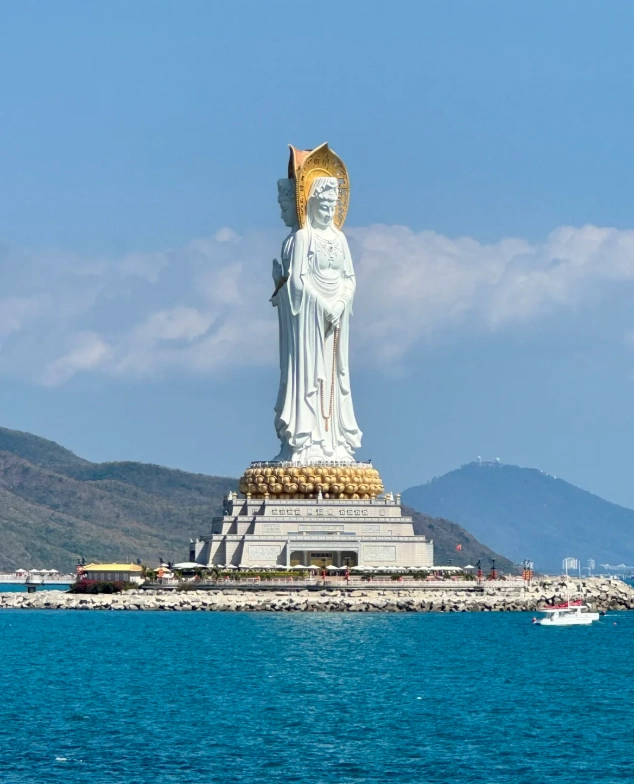
How to Get to Nanshan Cultural Tourism Zone
Located about 40 kilometers west of Sanya city center, Nanshan isn't exactly walkable. But getting there is straightforward.
| Mode | Details | Cost |
|---|---|---|
| Taxi / Ride-hailing | From Sanya city (Dadonghai or Sanya Bay) it's about 45 minutes. Use Didi or Alipay taxi. Show '南山文化旅游区' to driver. | ~100-150 RMB (one way) |
| Bus | Take bus 16 or 25 from Sanya city, get off at Nanshan stop. Buses run every 15-20 minutes. | ~10 RMB |
| Tour Bus | Many hotels offer shuttle or package tours. Ask reception. | Varies |
My tip: If you're with a group, just grab a Didi. The bus is fine, but you'll wait in the heat. And Uber doesn't work here – use Didi or Alipay's ride-hailing.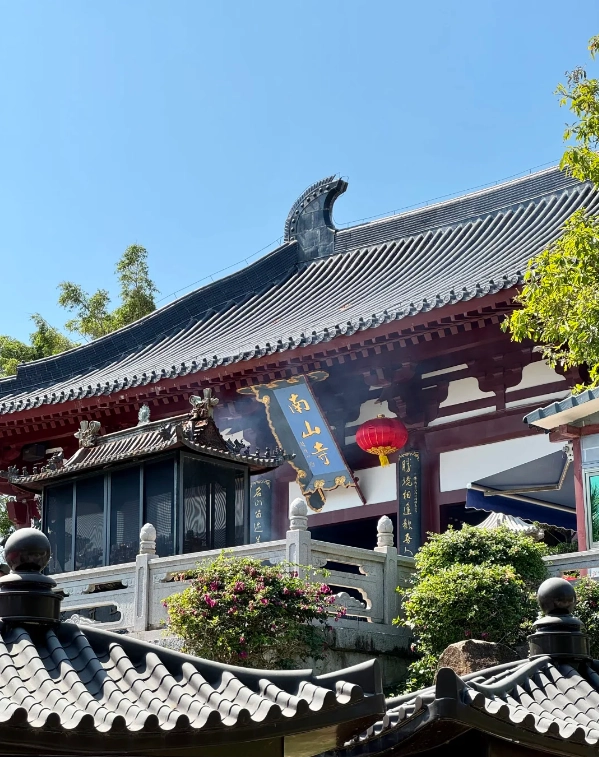
Main Attractions Inside the Zone
The zone is huge – about 50 square kilometers. You can't walk it all. There's a shuttle train (30 RMB per person) that saves your legs. Here's what you absolutely must see:
The 108-Meter Guanyin Statue
This is the star. It's the highest Guanyin statue in the world, standing on an artificial island. You can walk across a bridge to the island and go inside the pedestal (there's a small museum with Buddhist relics). The best photo spot? Walk to the right side of the plaza, near the sea wall, around 4 PM. The sunset light hits the statue perfectly. Avoid noon – harsh shadows and heat.
Nanshan Temple
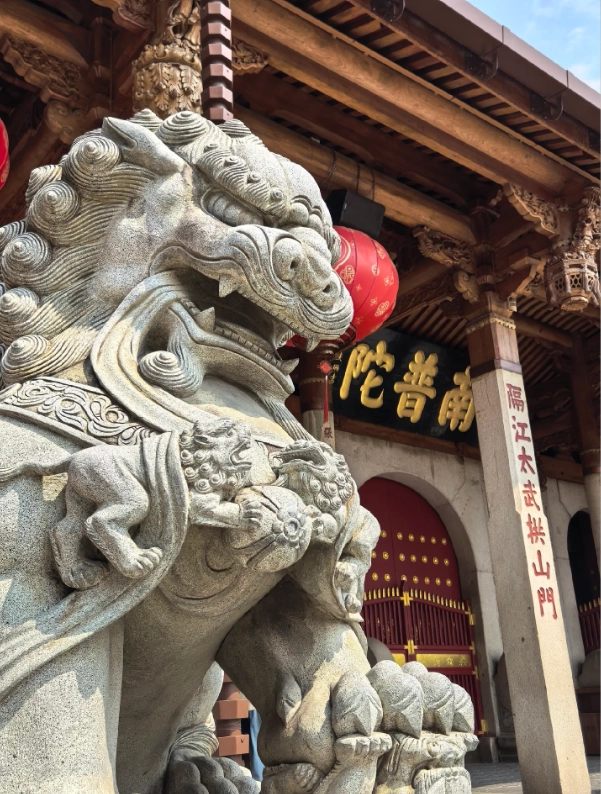
An active Buddhist temple with beautiful gardens and halls. Don't miss the Sarira Tower (contains a finger bone relic of the Buddha). Dress modestly – no shorts above the knee. Inside you'll see monks chanting. It's peaceful, but weekends get crowded. I recommend visiting on a weekday morning.
The Longevity Valley and Bonsai Garden
Less crowded, with winding paths, ancient olive trees, and a giant stone with the Chinese character 'Shou' (longevity). Great for a quiet stroll. There's also a turtle pond – kids love feeding them.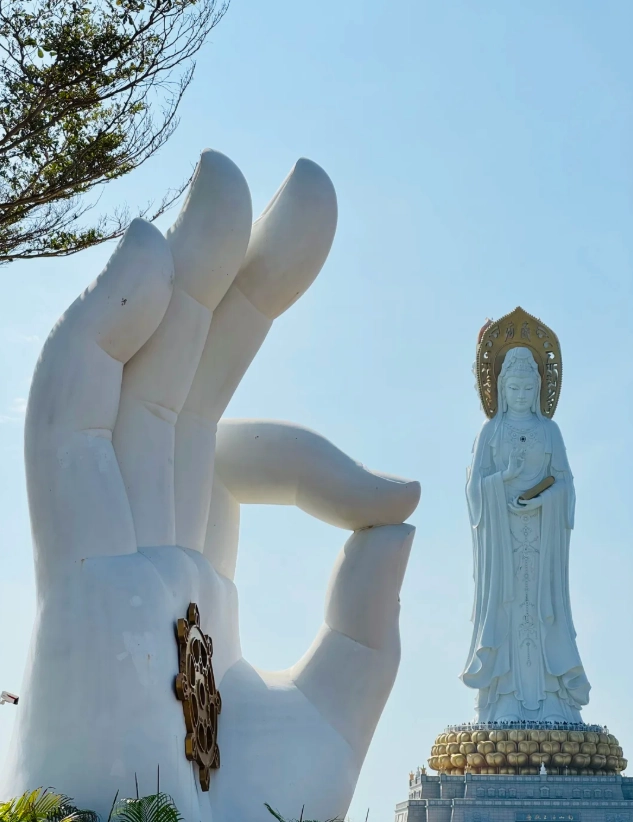
Tickets, Opening Hours & Best Time to Visit
| Item | Details |
|---|---|
| Admission (adult) | ~129 RMB (prices fluctuate seasonally – check the official WeChat mini-program '南山文化旅游区' before you go) |
| Child / Senior | Children under 1.2m free; seniors 70+ free with ID. Others half price. |
| Opening hours | 8:00 – 17:30 (last entry 17:00). Open daily. |
| Suggested visit duration | 4–6 hours. If you want to see everything, plan a full day. |
Best time: November to April is dry and cool. Summer is hot and humid – bring water, sunscreen, and a hat. I've made the mistake of going in July without a hat. Not fun.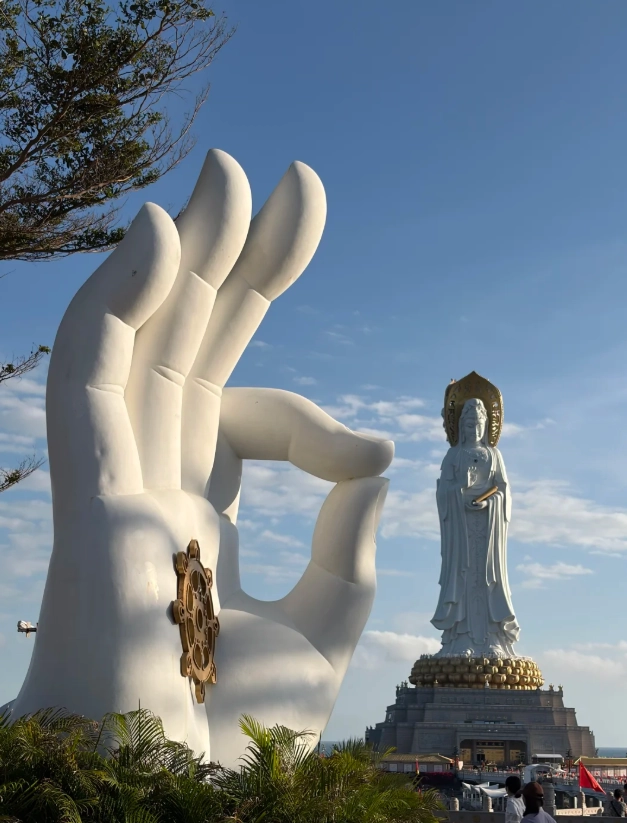
Tips from a Guide: What Most Tourists Miss
- Parking lot trap: If you drive, park in the official lot (20 RMB). Scammers near the entrance will try to sell you 'discount tickets' – they're fake. Buy only at the official booth or WeChat mini-program.
- Ancient banyan tree: Right behind the temple hall, there's a 600-year-old banyan tree covered in red ribbons. Locals tie them for wishes. It's a great photo spot and most tourists rush past it.
- Afternoon winds: The sea breeze picks up around 3 PM. It's refreshing, but hold onto your hat near the Guanyin island – I've seen several fly into the water!
- Electric cart shortcut: The shuttle train doesn't go all the way to the Guanyin pier. You'll need to walk about 500m from the last stop. Wear comfortable shoes.
Frequently Asked Questions
Verified and fact-checked by the editorial team.





No comments yet.