 Ting Chen
What's Inside
I've spent years guiding travelers through Lhasa, and one question keeps popping up: should I stay right next to Sera Monastery or somewhere else? Most people assume closer is better. But here's the catch — Sera sits about 7 km north of the city center in a quiet residential zone. Stay too close, and you'll have amazing morning access to the famous monks' debates but almost zero dinner options. Stay too far, and you'll spend 30 minutes in a taxi each way. I'll break down exactly where to put your head down based on what you value most.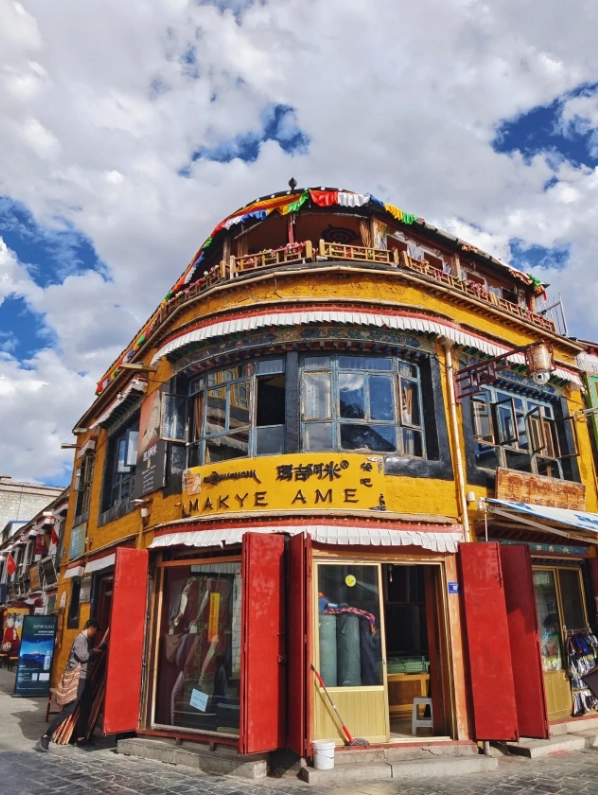
Why Proximity Matters (Or Not)
Sera Monastery is famous for its afternoon debates (usually 3–5 PM), but the morning tranquility is something else. I've had guests who stayed at a guesthouse 200 meters from the entrance and walked over at 7 AM to see the monks start their day — no crowds, just chanting and butter lamp smells. That is worth it.
On the flip side, the area around the monastery has very few restaurants (a couple of noodle shops and a tiny supermarket). At night, it's dead quiet. If you're the type who wants to hit a bar or try Lhasa's famous sweet tea houses, you'll feel stranded. One couple from Germany told me they were bored after two nights and moved to Barkhor Street.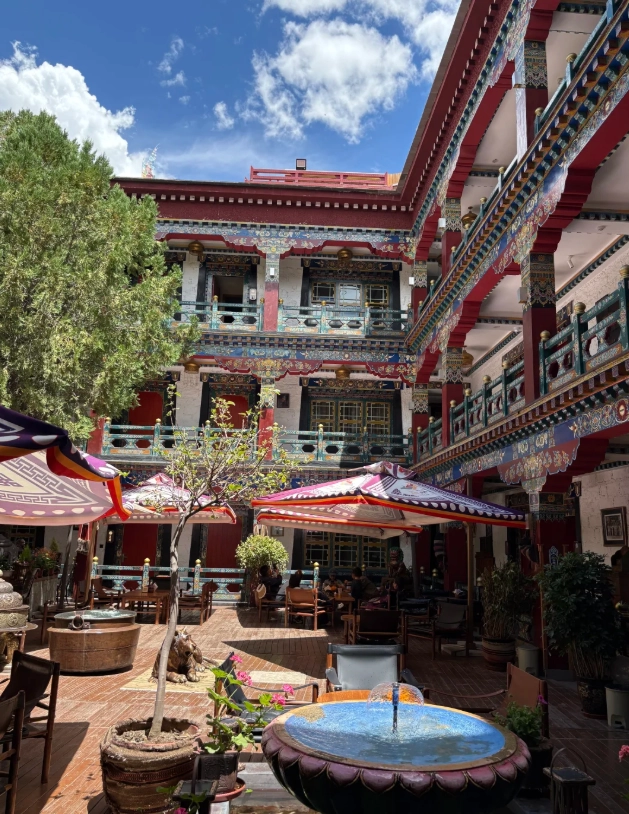
So the real question is: what kind of traveler are you?
- Early bird / monastery fanatic: Stay close.
- Foodie / night owl / first-timer: Stay central or north.
- Family with kids: Go for a hotel with oxygen supply and room service.
5 Best Areas to Stay Near Sera Monastery
1. Sera Monastery Vicinity (Walking Distance)
This is the handful of guesthouses and small hotels literally a stone's throw from the main entrance. You can hear the debate hall from your window. The vibe is very local — roosters crow in the morning, and the air smells of incense.
- Best for: Solo backpackers, photographers, monks-in-training.
- Price: 150–350 CNY per night (low season), 250–500 (high season).
- Catch: Most places are basic — think shared bathrooms, thin walls, no heating (bring your own warm sleeping bag). Wi-Fi is patchy. My American guest once complained the water was lukewarm at 8 AM.
- My pick: Sera Guesthouse — it's the closest, run by a friendly Tibetan family. No English, but they'll smile and point you to the temple.
2. North Lhasa (Sera-Norbulingka Corridor)
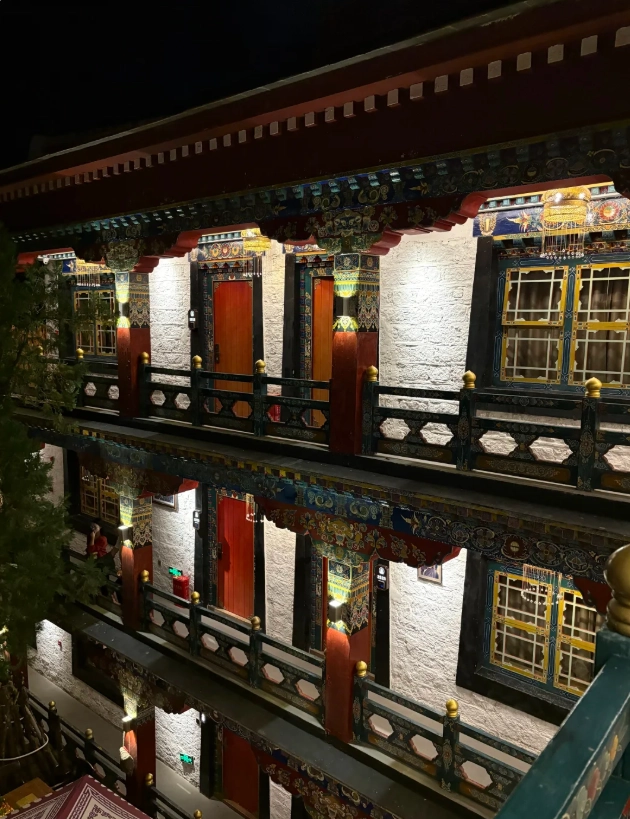
This area lies between Sera Monastery and Norbulingka Park, about a 10-minute taxi ride to either. It's a residential zone with a handful of mid-range hotels, a few local restaurants, and a bus stop. I usually put my clients here because it's quiet at night but not isolated.
- Best for: Couples, small groups, anyone wanting a balance.
- Price: 300–700 CNY.
- Hotels: Tibet Hotel Lhasa (3-star, clean, English-speaking front desk), Lhasa Gangjian Hotel (budget-friendly, but ask for a room with a view of the mountains).
- Note: The Tibet Hotel has a decent restaurant with both Tibetan and Chinese dishes. Their momos (dumplings) are passable.
3. Chengguan District (City Center)
This is Lhasa's downtown — wide streets, shopping, banks, and the Potala Palace views. You'll find international chain hotels, good restaurants, and nightlife (well, as much as Lhasa has). Taxi to Sera takes 20–30 minutes and costs about 30 CNY.
- Best for: Luxury travelers, families, business visitors.
- Price: 800–2000+ CNY.
- Hotels: St. Regis Lhasa (over-the-top service, oxygen-rich rooms), Lhasa Marriott Resort (great for kids, has a pool).
- Warning: The St. Regis is fancy but feels disconnected from local life. If you want authenticity, this isn't it.
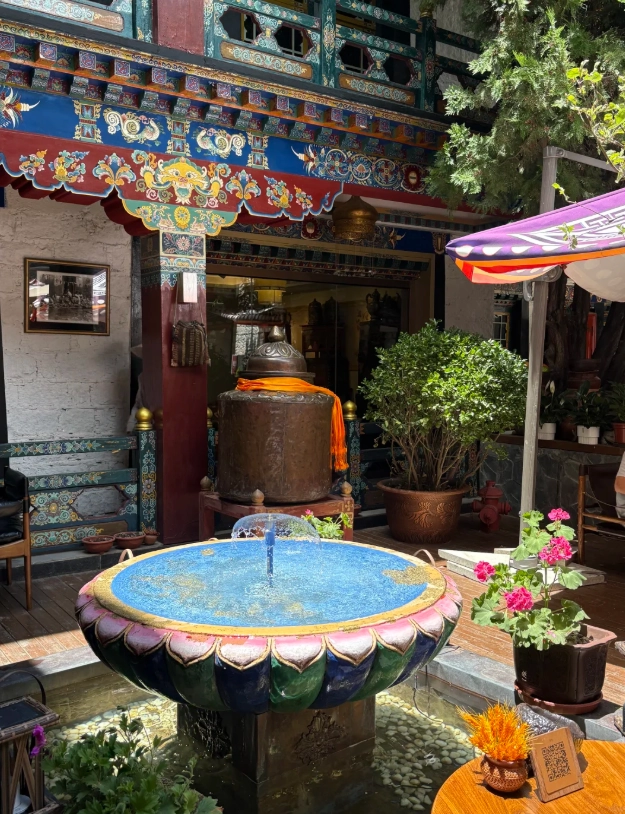
4. Barkhor Street Area (Old Town)
Right around the Jokhang Temple, this is Lhasa's historic heart — cobblestone alleys, endless souvenir stalls, and the most atmospheric guesthouses. To get to Sera, you'll need to taxi or take bus 24 (30 minutes). But the trade-off is you're immersed in Tibetan culture 24/7.
- Best for: Culture vultures, solo travelers, Instagrammers.
- Price: 250–800 CNY.
- Hotels: House of Shambhala (boutique, rooftop with Potala view), Barkhor Mansion (traditional Tibetan furniture, but stairs only — not for those with altitude issues).
- Insider tip: Book a room at least two weeks in advance during peak season (May–October). I've seen travelers sleep in lobby because they didn't reserve.
5. Western Suburbs (Near Norbulingka)
This area is greener, with wider roads and fewer crowds. It's close to Norbulingka (the Dalai Lama's summer palace) and the Tibet Museum. Sera is about 15 minutes by taxi.
- Best for: Families, long-stay travelers, those needing oxygen and comfort.
- Price: 500–1200 CNY.
- Hotels: Lhasa Hotel (formerly Holiday Inn — reliable, good breakfast), Lhasa Paradise International Hotel (5-star, huge rooms, but far from everything).
- My experience: Lhasa Hotel has a great laundry service and a small garden. Good for decompressing after a long day.
Detailed Hotel Recommendations
| Hotel | Area | Price Range (CNY) | Walking to Sera | Best For |
|---|---|---|---|---|
| Sera Guesthouse | Sera Vicinity | 150–500 | 5 min | Budget backpackers, monks |
| Tibet Hotel Lhasa | North Lhasa | 350–700 | 10 min taxi | Couples, small groups |
| St. Regis Lhasa | City Center | 1200–2500 | 20 min taxi | Luxury, business |
| House of Shambhala | Barkhor Street | 400–800 | 25 min taxi | Culture lovers, solo |
| Lhasa Hotel | Western Suburbs | 500–1000 | 15 min taxi | Families, long stays |
How to Get from Your Stay to Sera
Taxi: The easiest. From city center, hail any taxi and say "Sera Si". Most drivers know. Cost: 20–35 CNY. Time: 15–30 min depending on traffic. Pro tip: Avoid 6–7 PM when monks finish debates — taxis are scarce.
Bus: Line 24 runs from Barkhor Street to Sera. Fare: 1 CNY. But the bus is often packed, and you might stand the whole way. I only recommend if you're on a shoestring budget.
Walking: Only if you're staying in the vicinity. From North Lhasa, it's a 45-minute walk along a busy road — not pleasant at high altitude.
Insider Booking Tips
- Book early for peak season (May–October). Prices double and availability drops. I remember a group from Australia who couldn't find any room near Sera in July and had to stay at a hostel 40 minutes away.
- Check for oxygen supply. Many mid-range and luxury hotels offer in-room oxygen. It's a lifesaver if you can't sleep due to altitude.
- Bring a universal plug adapter. Chinese sockets (two flat pins) are standard. Some hotels have USB ports, but don't count on it.
- Wi-Fi is not always reliable. Even in nice hotels, the Wi-Fi can slow to a crawl when everyone's online. Download offline maps before you come.
- English is not widely spoken. In guesthouses, almost zero. In hotels like St. Regis or Tibet Hotel Lhasa, the front desk will manage. I always tell my clients to download a translation app like Pleco.
- Payment: Most hotels accept Alipay/WeChat Pay and cash. International credit cards work only at high-end places. Carry enough cash (CNY) for smaller guesthouses.
Frequently Asked Questions
Verified and fact-checked by the editorial team.





No comments yet.