 Ting Chen
Picture this: you saved up for months, flew across the planet, and your 8-year-old is now lying in a hotel bed, dizzy and crying. That was the Thompsons from Canada last spring. I’d been guiding in Tibet for nine years by then, and I still couldn't prevent it — because their online research had ignored the biggest elephant in the room: altitude. So here’s my no-fluff take: most things to do in Tibet with kids require careful altitude management and a flexible mindset. You can still have an epic family trip, but you need to do it right.
Now, let me save you the pain. I’ve personally escorted dozens of families through Lhasa, Shigatse, and beyond. I’ve learned which spots make kids’ eyes light up, which ones turn them into cranky mountain monsters, and how to plan a day that doesn’t feel like a forced march. In this guide, I’ll walk you through the 7 best things to do in Tibet with kids, plus the nitty-gritty on permits, payments, navigation, and all the stuff I wish every parent knew before flying to 3,650 meters.
Is Tibet Actually Good for Kids? Let’s Talk Honestly
If you’re reading this, you’re probably wondering, “Is Tibet even suitable for children?” The honest answer is: yes, but not for all kids — and not in the way you might expect. Tibet’s high altitudes (Lhasa sits at 3,650 meters) are the #1 concern. I’ve seen kids between 6 and 12 adapt much faster than their parents, but I’ve also seen teenagers hit the wall hard. The trick is to plan rest days and choose activities that don’t demand intense physical exertion, especially in the first 2–3 days.
Another common concern is the remote location and limited medical facilities. Lhasa has decent hospitals with oxygen supplies, but that shouldn’t be your safety net. It’s better to prepare seriously: get a medical consult before traveling, bring children’s acetazolamide (Diamox) if prescribed, and always have a pulse oximeter handy.
But here’s the thing — kids who are above ~4 years old and don’t have chronic conditions often love Tibet’s novelty: yaks, prayer flags, mountains that touch the sky, and a culture so different from anything at home. I’ve had kids cry because they didn’t want to leave.
Parent’s note: If you’re traveling with a toddler or baby, I’d strongly suggest you wait until they’re at least 4–5 years old. High altitude is riskier for small children, and most doctors advise against infants. Always get a pediatrician’s sign-off before you book.
The 7 Best Things to Do in Tibet with Kids (From a Local Guide’s Notebook)
I’ve broken down the absolute best things to do in Tibet with kids into 7 experiences that I’ve repeatedly seen succeed with families. Each one includes location, cost, booking method, and the little secrets that make it work.
1. Potala Palace: See It at First Light, Skip the Long Staircase with Young Kids
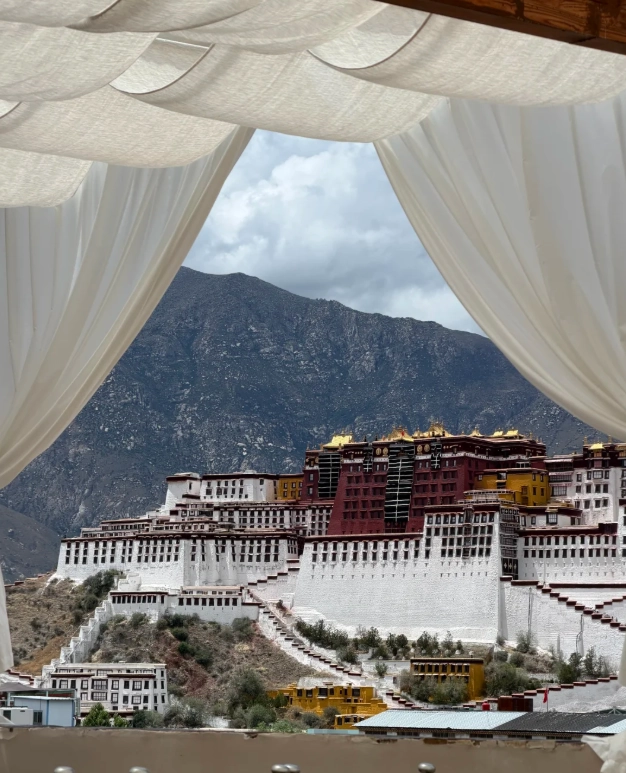
Potala Palace is the postcard image of Tibet, but the interior involves a serious uphill climb and hundreds of narrow steps. Many parents bring their kids inside and regret it halfway up. My rule: if your kids are under 8 or unfit, view the palace from the outside — especially from the Chagpo Ri viewpoint across the street — and save the interior visit for older kids or for yourself. That’s not a cop-out; it’s called smart parenting.
Details you need:
- Location: 35 Beijing Middle Road, Lhasa
- Opening hours: 9:00–14:00 (time slots strictly enforced, closed Mon. in winter sometimes)
- Tickets: Peak (May–Oct) ~200 RMB, off-peak ~100 RMB. Kids under 1.2m often free. Foreigners must book with a licensed agency (no self-booking).
- Time to budget: If you only do the outside, 1–1.5 hours is plenty, including a walk around the kora.
- Best time: early morning before tour groups arrive, around 8:30–9:30 AM. The light paints the white walls golden.
Pro tip: For the famous viewpoint photo, head to Chagpo Ri hill (about 15 minutes walk from the entrance). It’s a gentle slope, and even little legs can make it. Your kids will love counting the prayer flags on the way up.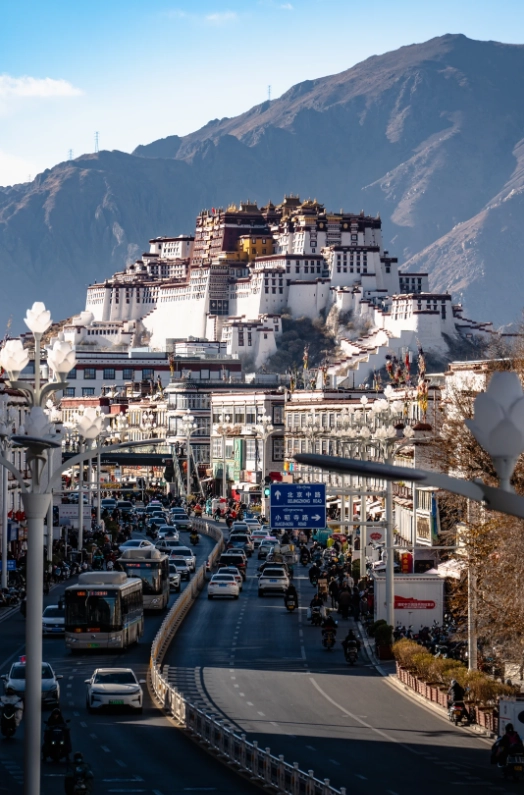
2. Barkhor Street and Jokhang Temple: A Living Cultural Safari
Barkhor Street is a circular pilgrim path around Jokhang Temple, and it’s the best place in Tibet to let kids experience real Tibetan life without a museum feel. Pilgrims prostrate, yak butter lamps flicker, and vendors sell everything from prayer wheels to toy masks. It’s chaotic, colorful, and completely kid-enticing.
What I do with every family: I give each child a small task — “count the brass prayer wheels” or “find a white yak.” That simple trick turns a walk into a treasure hunt. The Jokhang Temple itself is worth a peek, but the crowds and queue can be overwhelming for small children. My advice: walk the kora first, then decide if you want to get in.
- Location: Barkhor Street, Chengguan District, Lhasa
- Opening: Temple 9:00–17:00; street always open
- Temple tickets: 85 RMB (adults), 35 RMB for kids under 1.2m? (actually kids under 6 usually free, but check)
- Best time: morning 8–11 AM for pilgrims, or late afternoon for softer light and fewer crowds.
- Watch out: It’s easy to get busy in the narrow alleys. Hold hands with little ones and set a meeting spot in case you get separated.
Pro Tip: Bring small RMB bills — many vendors don’t have card machines, and kids love buying their own souvenir prayer flags (usually 5–10 RMB).
3. Norbulingka: Tibet’s Summer Palace Has Room to Run
Norbulingka is the Dalai Lama’s summer residence, and its vast gardens and gentle paths make it a fantastic open-air playground. It’s one of my favorite things to do in Tibet with kids because it’s flat, has plenty of trees (scarce in Lhasa), and provides a calm escape from the city’s intensity.
The complex includes several palaces, but you don’t need to enter every one. Kids will love the peaceful lakeside, the peacocks (yes, real peacocks roam the grounds!), and the huge lawns perfect for a picnic.
- Location: 22 Luobulinka Road, Lhasa
- Hours: 9:00–18:00 (May–Oct), 9:30–17:30 (Nov–Apr)
- Ticket: 80 RMB peak, 60 RMB off-peak. Kids under 1.2m free.
- Suggested time: 2–3 hours
- Arrival: 10 min walk from Lhasa Bus Station, or taxi ~10 RMB from center
I always pack a kite in my day bag. The open lawns at Norbulingka are one of the few places in Lhasa where wind allows kite flying. Your kids will thank you.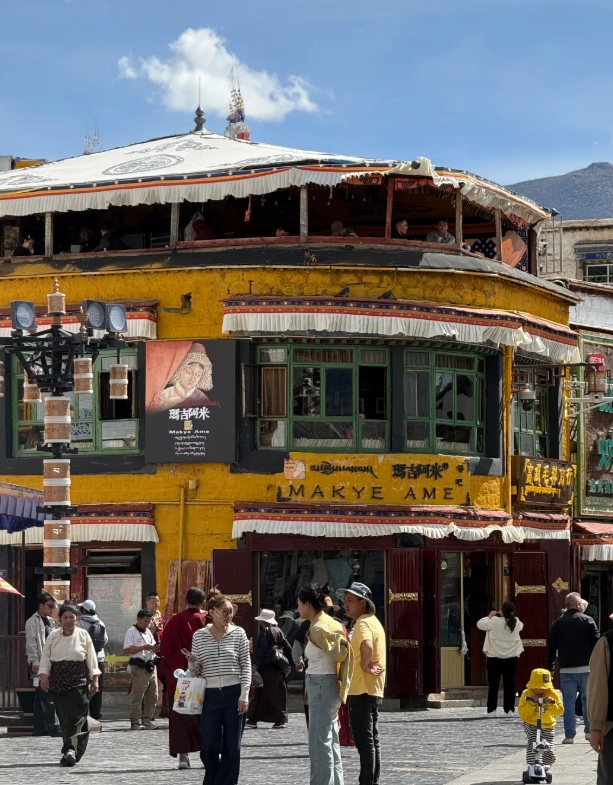
4. Sera Monastery’s Monk Debates: Oddly Fascinating for Kids
Sera Monastery’s afternoon monk debates are one of the most theatrical religious ceremonies in Tibet —and kids are often glued to the spectacle. Monks clap, jump, and shout their arguments in a dynamic display. It’s not a show, but it feels like one, and children don’t need to understand Tibetan to be captivated by the energy.
Make sure you explain before arriving: “They’re arguing about Buddhist philosophy.” Keep your camera steady — the flapping robes and hand claps make great photo moments (but no flash inside prayer halls).
- Location: 15 Sera Road, Chengguan District, Lhasa
- Debate time: around 3–5 PM daily, but confirm locally
- Ticket: 50 RMB (adults), kids under 1.2m free
- Taxi from center: ~20–25 RMB or take bus 6
- Best time: 2:30 PM to see the debates start
Insider advice: Sit near the cyprus trees on the east side of the courtyard — you’ll be in the shade and have a front-row view. But don’t sit too close; monks move quickly and sometimes leap backward.
5. Tibetan Family Visit and Authentic Sweet Tea
Visiting a local Tibetan family is a unique privilege that many tour agencies offer, and it’s genuinely an eye-opener for children. You’ll step into a real home, see how a butter tea churn works, and maybe even try making a tsampa ball. This isn’t a money-grab tourist trap I’d avoid — it’s a glimpse into a culture that values hospitality above all.
In my experience, kids react amazingly when they see Tibetan kids their own age. Watching them bond over a game of marbles or a borrowed toy breaks all language barriers. I always ask the family if they have children and whether my visitors can share a snack with them. It’s the single most memorable “thing to do in Tibet with kids” for many families I’ve guided.
How to organize: Any reputable travel agency (book through your agent or a local guide like me) can arrange a home visit. Prices vary, but expect to pay around 200–300 RMB per family for a 1–2 hour visit, which often includes snacks and a small gift for the host.
- Best locations: Typical families in Lhasa’s old town or nearby villages like Lhundrub (1 hour drive)
- What to bring: A small gift from your home country (postcards, stickers, or candy) — it’s well received.
- Important: Always ask before taking photos, especially of people. Kids are usually fine, adults may be reserved.
6. Tibet Natural Science Museum: The Rainy-Day Hero
If the weather turns sour (or you need a midday rest), the Tibet Natural Science Museum is a modern, interactive sanctuary that kids actually love. I know “museum” sounds like a bore, but this one has dinosaur bones from the region, a simulated earthquake zone, and a hands-on geology section where children can touch real rocks and fossils.
It’s also a quiet place to catch your breath at high altitude — the building is completely oxygenated (they pump extra O2 into the air system), and you can sit on a bench without climbing stairs. Perfect for a family that needs a slower-paced afternoon.
- Location: 12 Beijing Middle Road (near the Potala Palace)
- Hours: 10:00–17:00, closed Mondays
- Ticket: Free (some temporary exhibitions may charge)
- Suggested time: 1.5–2 hours
- Special note: It’s one of the few buildings in Lhasa with modern restrooms and an elevator.
My tip: arrive before 11 AM to beat school groups. There’s a small cafe with decent coffee and snacks — the only place in Lhasa where you can get a decent cappuccino for kids.
7. Overnight at Yambajing (Yangbajing) Hot Springs: A Reward After a Week
If you have the time (and the kids have adapted to the altitude), an overnight trip to Yangbajing is a brilliant reward. The hot springs sit in a stunning valley, and the pools are warm, soothing, and utterly safe for children. There’s also a small geothermal power plant you can visit (the kids can see steam shooting from the ground).
I usually recommend this as a day trip from Lhasa (about 90 minutes by car) or an overnight stay. The altitude is a bit lower than Lhasa (around 4,300 m at the springs? Actually it's about 4,300 m for the pass, but the town is ~4,200 m — check oxygen availability). For kids, I’d only do this on day 5+ of the trip, after acclimatization.
- Location: Yangbajing, Damxung County, about 87 km north of Lhasa
- Ways to get there: Rent a car with driver (most common, costs ~600–800 RMB round trip) or join a small tour group.
- Hot spring ticket: ~120 RMB per adult, kids under 1.2m free. Bring your own swimsuits and towels.
- Best time: year-round, but the scener is spectacular in late spring and autumn.
But a word of caution: this place is extremely popular with locals. On weekends, expect crowds. Go on a weekday, and be ready for changing rooms that might not meet Western standards. It’s still an experience I highly recommend, but package it with patience.
How to Plan a Kid-Friendly Tibet Itinerary That Actually Works
The #1 mistake I see in my clients’ initial plans? Trying to cram in too much. A good itinerary for families includes rest days and backup plans. Here’s a realistic framework that I give to every family before they book.
Start with 3–4 days in Lhasa only. That’s the minimum to acclimatize and see the highlights. You can extend to 7 days if you include Shigatse and Yamdrok Lake. For older kids (10+), you might add a trip to the Everest Base Camp tent area, but only if they’ve handled the altitude well.
Day-by-Day Plan for 5 Days in Tibet with Kids
| Day | Morning | Afternoon |
|---|---|---|
| 1 | Arrive Lhasa, rest, hydrate | Easy walk around Barkhor Street (beginner kora) |
| 2 | Potala Palace (outside + viewpoint) | Norbulingka (fountain, picnic) |
| 3 | Sera Monastery debates | Tibet Natural Science Museum |
| 4 | Day trip to Yamdrok Lake | Return Lhasa, free evening |
| 5 | Visit a Tibetan family | Depart or extend |
If you have more time, add a two-day trip to Shigatse to see Tashilhunpo Monastery, but keep it optional. The train ride there (about 3 hours) is scenic and easy for kids.
Plan B for bad weather: In Lhasa, keep the Natural Science Museum and indoor cafes in your pocket. If rain hits in the afternoon, you can also take refuge in the old Tangka painting studio near Barkhor — it’s a small workshop where artists paint on canvas, and kids can watch.
What to Know Before You Book Things to Do in Tibet with Kids (Permits, Payments, Navigation)
This is where the real headaches hide — and where I catch most of my clients by surprise. Remember, Tibet is a special region for foreign visitors, and you must follow strict administrative rules. Let me break it down:
Permits: The Non-Negotiable Paper (or Digital) Chase
Every international tourist (except Chinese nationals) needs a Tibet Travel Permit, plus a Foreign Affairs Office permit for Lhasa and a Military Permit for areas beyond Lhasa (like Everest or Nagqu). You cannot obtain these on your own — you must book through a licensed travel agency, which will apply on your behalf. The process usually takes about 7–10 days before your arrival, so always book at least two weeks ahead.
Most agencies bundle permits with your tour package. If you only need the permit, you can buy it separately (costs around 200–400 RMB depending on the agency). Always carry photocopies of your passport and China visa with you while exploring.
For official reference on entry requirements, check the [National Immigration Administration’s English page](https://www.nia.gov.cn) for the latest updates on visa policies and travel permits. (Note: the site is mostly in Chinese; use your browser translate.)
Money and Payments: How to Not Look Like a Caveman
China is essentially cashless, and Tibet is no different. However, international travelers often face a chicken-and-egg problem: their foreign credit cards don’t work with WeChat Pay or Alipay unless they’re linked.
My golden rule: Set up Alipay and connect it to your international VISA or Mastercard BEFORE you board the plane. This is the #1 thing to do that will save you hours. Once you’re in Lhasa, you can also withdraw Chinese yuan (RMB) from ATMs at local bank branches, but ATM lines can be long.
Many small vendors and temples only accept cash, so always carry 300–500 RMB in small notes for entry tips, water, and snacks. Change money at your hotel or at the Bank of China in Lhasa (bring your passport).
Important: Google Maps doesn’t work properly in China. I advise all my clients to download Apple Maps (which works well) or use AMap (also known as Gaode Maps). For English, Apple Maps is your best friend. To show taxi drivers an address, use the local address in Chinese characters — I always provide a bilingual card for you to carry.
Insider Advice: The official Tibetan tourism board maintains a website (in English) for trip planning: [tibet.gov.cn](https://www.tibet.gov.cn). It’s a reliable source for official notices, though you’ll need a VPN to access it from outside China.
Altitude Sickness: Don’t Panic, But Don’t Ignore It
Children can get altitude sickness too. Symptoms include headache, fatigue, nausea, and dizziness. The best medicine is hydration, rest, and slow acclimatization. I always carry a portable oxygen canister (available at pharmacies in Lhasa for about 20–30 RMB) — it’s a quick fix for a morning headache.
If your child has a fever or persistent vomiting, don’t hesitate to visit the Lhasa People’s Hospital (near Jokhang Temple). The staff see altitude tourists every day and are experienced with acute cases.
FAQ: Common Questions About Tibet with Kids
This content has been fact-checked to ensure informational precision.





No comments yet.