 Wei Zhang
Quick Look – What You’ll Find Below
I’ve lost count of how many times I’ve driven the winding road from Lhasa to Namtso Lake with a carload of excited travelers. And every single time, the same question pops up: “Where should we sleep?” It’s not a simple answer. The lake sits at 4,718 meters, the facilities are basic, and the weather can turn on a dime. But after years of trial and error (and a few freezing nights I’d rather forget), I’ve got a solid handle on what works.
Let me save you the rookie mistakes. Here’s the honest, no-fluff guide to picking your base near Namtso Lake.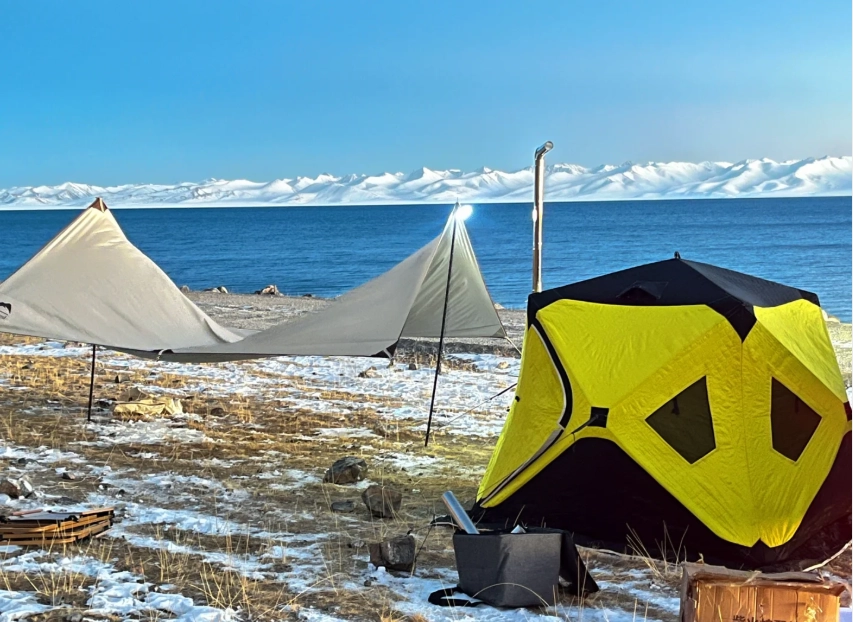
Best Areas to Stay Near Namtso Lake
There are really three main zones to consider. Each has its trade-offs. I’ll break them down so you can match your style.
1. Inside the Scenic Area (Lakeside Tents & Guesthouses)
This is the most popular choice – you literally sleep a stone’s throw from the turquoise water. The standard option here is the Namtso Lake Tent Camp (a collection of fixed canvas tents with shared facilities) and a few simple guesthouses run by local Tibetans. Pros: Unbeatable sunrise views, you’re first in line for the morning light. Cons: Cold – and I mean freezing at night even in summer. Bathrooms are basic pit toilets, and hot water is a luxury that runs out fast. Also, altitude here is 4,718m, so sleep can be rough.
2. Damxung County (Dangxiong Town)
About a 1-hour drive from the lake entrance (35 km), Damxung is a small county seat with a handful of budget hotels and guesthouses. It sits at 4,200m, slightly lower than the lake. Pros: Much warmer (relatively), better facilities – real beds, private bathrooms, and reliable electricity. You can find decent restaurants serving Tibetan and Chinese food. Cons: You lose the “lake at your doorstep” magic, and you’ll need to drive back in the morning (entrance ticket is valid for multiple entries, but it’s a hassle).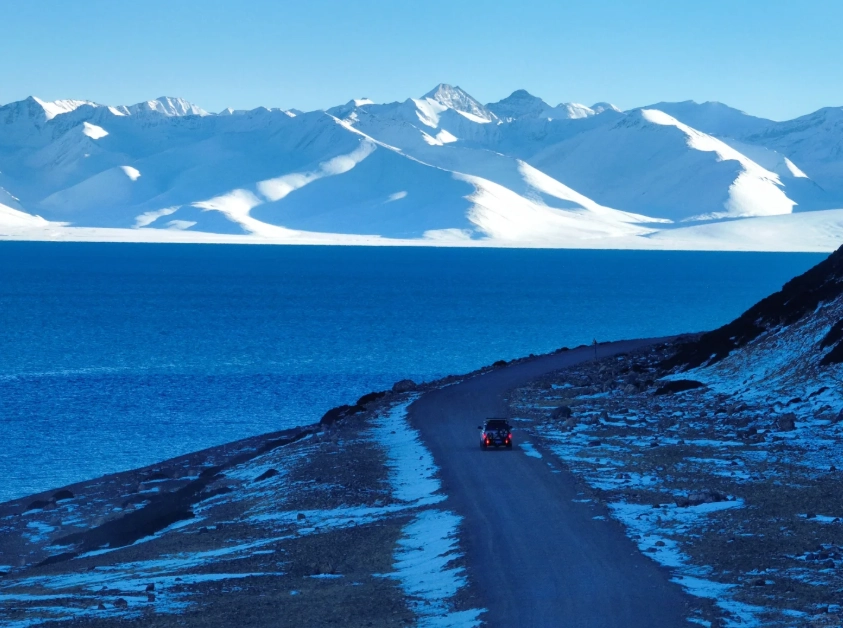
3. Baingoin County (Bange County)
Further northwest, about 2 hours from the lake, Baingoin is even lower (4,000m) and offers a few more amenities. It’s a good backup if Damxung is full. Pros: Quieter, more authentic Tibetan town feel, some guesthouses with decent heating. Cons: Far from the lake, limited dining choices, and you’ll spend more time on the road.
Top Accommodation Options Near Namtso Lake
Here’s a quick comparison table of the most common places I’ve personally used or inspected. Prices are rough estimates – they fluctuate wildly by season.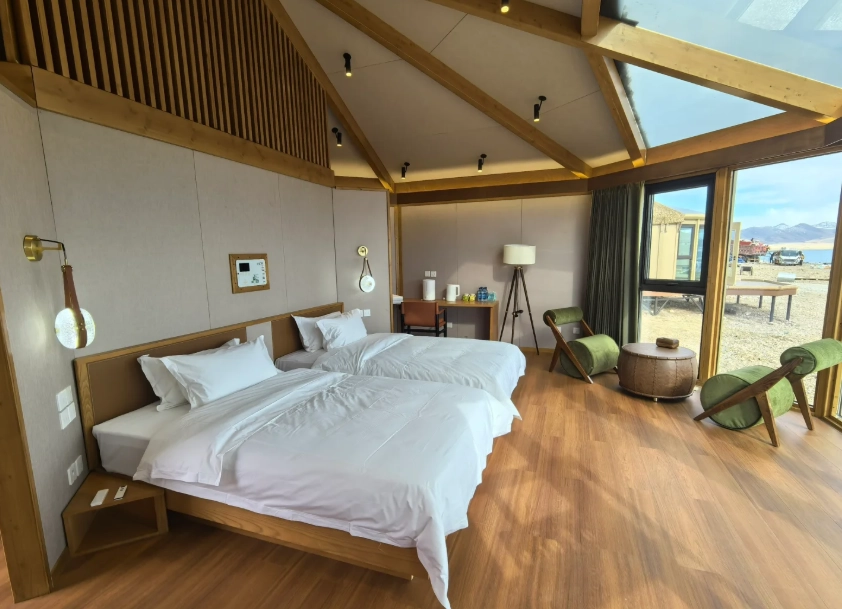
| Property Name | Location | Type | Price Range (CNY/night) | Key Features |
|---|---|---|---|---|
| Namtso Lake Tent Camp | Lakeside (inside scenic area) | Canvas tent (shared bathroom) | 150 – 300 | Closest to lake, basic, cold, communal dining |
| Lake View Guesthouse | Lakeside (near Tashi Dor) | Private room (shared bathroom) | 200 – 400 | Slightly warmer, limited hot water, simple Tibetan meals |
| Damxung Hotel | Damxung town center | Standard hotel (private bathroom) | 250 – 500 | Heating, hot water (scheduled), restaurant, Wi-Fi spotty |
| Tibet Home Guesthouse | Damxung, near bus station | Guesthouse (private/shared) | 180 – 350 | Friendly host, good local food, no heating in all rooms |
| Baingoin County Inn | Baingoin main street | Budget hotel (private bathroom) | 200 – 400 | Warmer, quiet, limited English, reliable power |
Fair warning: Don’t expect luxury anywhere here. Even the “hotels” in Damxung have thin walls and occasional power cuts. I always tell my groups to bring a warm sleeping bag liner – it’s a game changer.
What to Expect: Amenities, Connectivity & Prices
Heating & Cold Reality
Lakeside tents have no heating – just thick blankets. Temperatures drop below 5°C even in July. Damxung hotels usually have electric heaters or radiators, but they often get turned off from midnight to 6am to save power. Pro tip: bring a hot water bottle (you can fill it at the restaurant) and thermal underwear.
Showers & Toilets
At the lake, forget about a hot shower unless you’re in a rare upgraded pod. Most tents offer a bucket of hot water if you ask. In Damxung, showers are available but often only during set hours (e.g., 7-10pm). Toilets are a mix of squat and western – carry your own TP and hand sanitizer.
Electricity & Wi-Fi
Lakeside: limited to a few hours in the evening (generator). Damxung: 24/7 but may dip. Wi-Fi exists but is slow – enough for WhatsApp text but not video. I usually advise downloading offline maps (Maps.me) before leaving Lhasa.
Food
Lakeside: simple Tibetan noodle soup, yak butter tea, and maybe some instant noodles. Damxung: a handful of restaurants serving stir-fries, momos, and rice. Prices are higher than Lhasa (expect 30-50 CNY for a dish). Vegetarian options exist but are limited.
Price Seasonality
June to September is peak. Prices double from the low season (November to March). Many tent camps close entirely from November to April due to snow. Always book ahead in summer – walk-ins can end up sleeping in a car.
How to Get to Your Accommodation from Lhasa
Most travelers start from Lhasa. Here’s the realistic transport picture:
- Private car / tour: 3-4 hours to the lake (about 250 km). Road is paved but bumpy in sections. You’ll pass through Damxung on the way. I recommend hiring a driver through your hotel or a reputable agency (don’t bargain too hard on safety).
- Public bus: There’s a daily bus from Lhasa to Damxung (departs around 8am from the northern bus station, ~70 CNY). From Damxung, you can catch a shared minivan to the lake (additional 40 CNY). This takes longer but is cheap.
- Self-drive: Possible if you have experience on high-altitude mountain roads. Rent a 4x4 from Lhasa – sedans can struggle on the final gravel stretch near the lake.
Heads-up: The last 10 km before the lake are unpaved and rough. I’ve seen taxis bottom out. If you’re driving, take it slow.





No comments yet.