 Ming Yang
Quick Navigation
Landing in Lhasa after two days of bumpy flights, I watched a first-timer get scammed by a taxi driver promising a 'shortcut' into the Potala Palace. That's when I realized — most travelers arrive here totally unprepared.
You've probably read the same generic lists of 'top things to do in Tibet' that tell you to visit temples and take photos. But they miss the practical stuff: how to book tickets, which payments work, and how to dodge the crowds.
So here's my real deal: after leading dozens of trips in Tibet, I'm giving you the top things to do in Tibet — the ones that actually live up to the hype. This isn't a fluff piece. You'll get exact steps, honest warnings, and the local secrets that make your trip smooth. Let's dive in.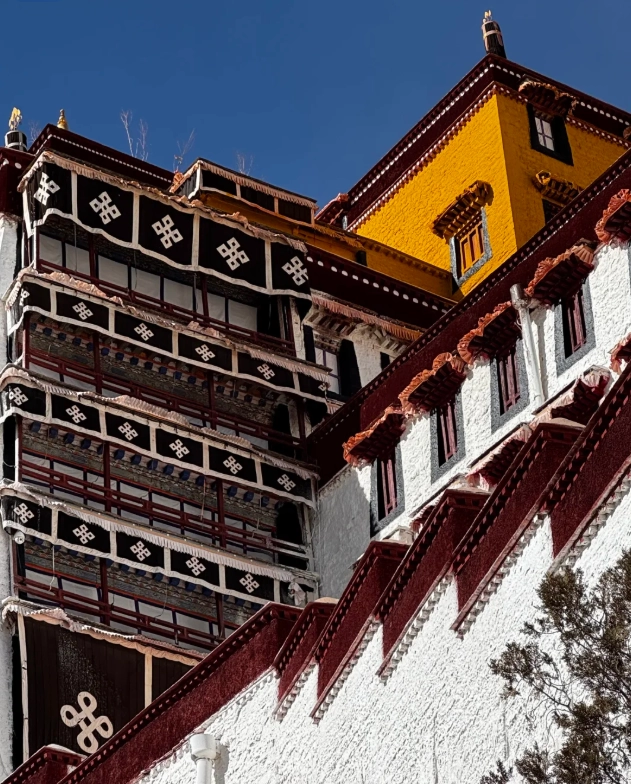
Why Trust a Local Guide?
After leading small-group tours across Tibet for six years, I've dealt with everything from altitude sickness to lost passports. I know which temples actually let you into the inner sanctum, and which viewpoints are overrated. This guide comes from real experience, not a quick Google search.
The 7 Top Things to Do in Tibet
These are the experiences that genuinely stand out, after dozens of trips. I've listed them in order of my personal preference — but also practical to combine.
1. Visit the Potala Palace — Without the Chaos
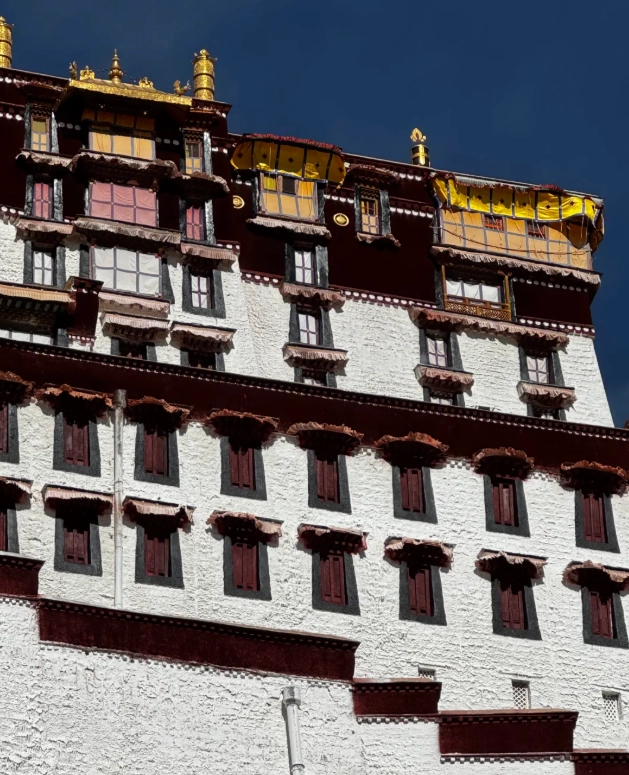
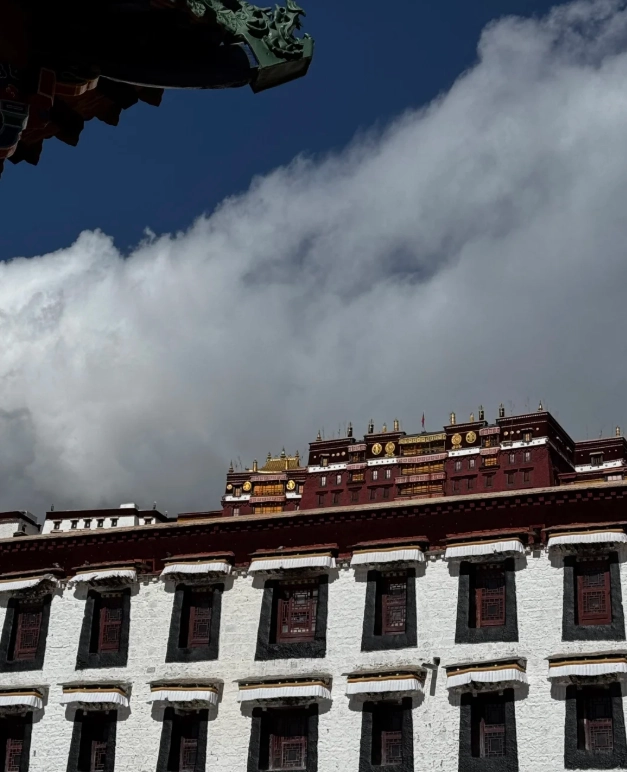
The Potala Palace is the crown jewel of Lhasa, and with proper planning you can enjoy it without feeling like a sardine. As a UNESCO World Heritage Site, it draws thousands of visitors daily, but here's how I get my groups in:
- Address: 35 Beijing Middle Road, Lhasa 850000
- Opening hours: 9:00 AM – 4:00 PM (winter 11:00 AM – 4:00 PM, but always check)
- Tickets: 200 RMB in peak season (May–Oct), 100 RMB in low season. Discounts for children and seniors are rare for foreign tourists.
- Reservation: You MUST book a time slot in advance via the official WeChat mini-program (in Chinese) or a trusted agency like Trip.com. Your passport number is required.
From Barkhor Street, it's a 15-minute walk uphill. Taxis from the city center cost about 15 RMB. I always tell my clients to arrive 45 minutes early for security checks. The east gate is usually less crowded than the south entrance.
Inside, you'll need 2-3 hours. The sheer amount of golden stupas and ancient murals is overwhelming. But remember: no photos inside the Red Palace. Security enforces this strictly.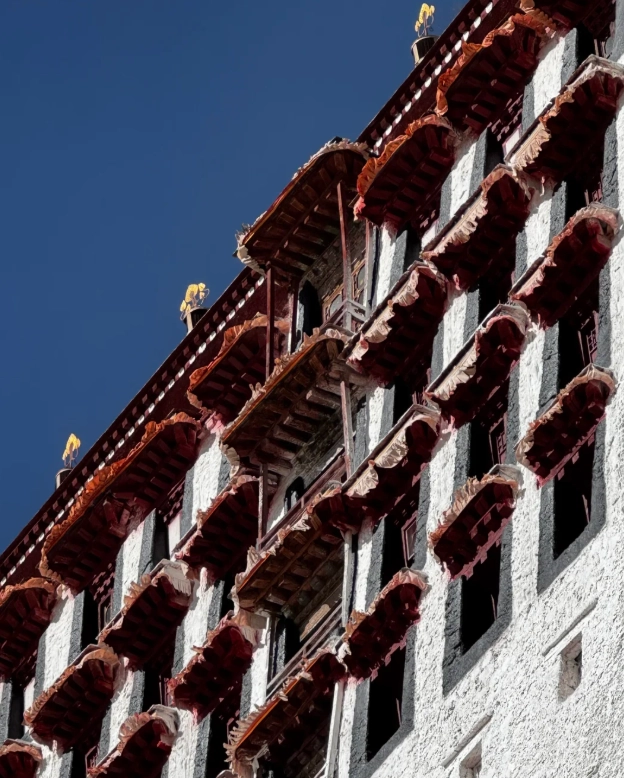
Pro Tip: The best light for photos is early morning from the square in front of the palace. By noon, the sun is harsh and crowds are at their worst. I once saw a traveler nearly pass out from the heat in July — bring water and a hat.
2. Walk the Barkhor Circuit and Visit the Jokhang Temple
The Barkhor Circuit is where you'll see real Tibetan life up close — and it's completely free. This ancient pilgrimage route surrounds the Jokhang Temple, spinning prayer wheels and prostrating pilgrims create a scene that feels centuries old.
- Jokhang Temple ticket: 85 RMB per person; no online booking needed, just bring your passport.
- Address: Barkhor Street, Lhasa
- Best time: Arrive at 8:00 AM to join the locals' kora (circumambulation) and catch soft morning light.
- Time needed: 1-2 hours for the temple, plus another hour to browse the stalls.
The street is pedestrian-only, but you'll be surrounded by vendors selling turquoise, prayer flags, and butter tea. Be careful with your belongings — pickpockets thrive in crowds, though it's far from dangerous.
For photos, head to the Jokhang rooftop terrace at 10 AM; you'll get an insane view of the Potala Palace in the distance.
3. Watch the Monks Debate at Sera Monastery
The monk debates at Sera Monastery are a spectacular mix of logic and slapstick — and they happen every afternoon except Sundays. This is one of the most photogenic spots in Tibet, but you need to know when to go.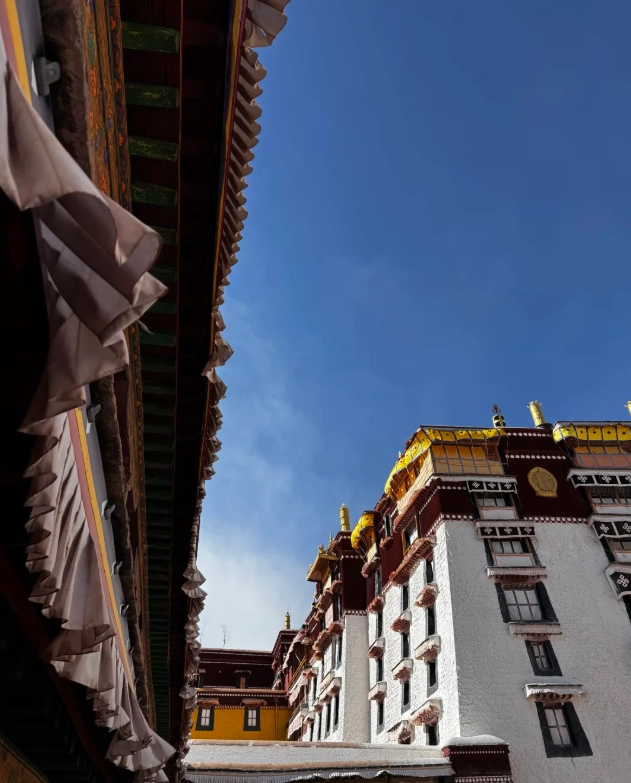
- Ticket: 50 RMB; bring passport for ID check.
- Debate session: Usually 3:00 PM – 5:00 PM in the Shading Tree courtyard.
- Getting there: Take bus 22 or 24 from Lhasa city center to Sera (20 minutes). A taxi costs about 20 RMB.
- Pro Tip: The debates are most lively around 3:30 PM. Grab a seat near the trees for shade.
While you're there, wander up to the surrounding hills for a panoramic view of the monastery rooftops — most tourists miss this because they leave right after the debates.
4. Chase the Sunrise at Everest Base Camp
Standing at Mount Everest Base Camp in Tibet is an achievement that makes all the long drives worth it — but summer crowds can ruin the vibe. Here's reality:
- Permits: You need a special Alien Travel Permit (beyond the Tibet Travel Permit). This is usually arranged by a tour agency.
- Getting there: It's a 2-day round trip from Lhasa, with an overnight at Lhatse or Tingri. The drive takes 8-10 hours each way.
- Stay: Basic guesthouses at Rongbuk Monastery or luxurious tents at the EBC camp. In winter, the guesthouses close, so plan accordingly.
- Cost: Entrance fee is 180 RMB, plus 160 RMB for each vehicle (plus driver). Add accommodation and food, and a one-way trip costs at least 600 RMB per person.
I always recommend going in May or October for clear skies. The base camp itself is a flat stretch of rocks and prayer flags — the real magic is the view of the north face at sunrise.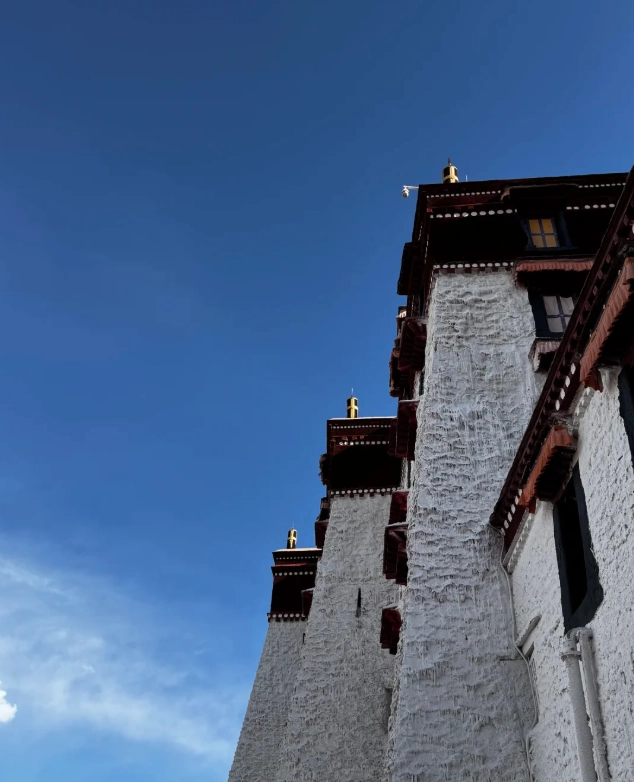
Insider Advice: Don't book a flight to the tiny Shigatse airport just to "save time." The road from Lhasa has stunning landscapes that you'll remember just as much as Everest.
5. Marvel at the Colors of Yamdrok Lake
Yamdrok Lake is one of the three holiest lakes in Tibet, and its turquoise water will make you question your own eyes. It's a half-day trip from Lhasa, perfect for a break from monastery fatigue.
- Location: About 110 km from Lhasa; 2-hour drive via the G318 highway.
- Ticket: 60 RMB for the viewpoint at the summit; you can also drive down to the lake shore for free (though some sections have local fees, usually 30 RMB).
- Best time: 10 AM – 2 PM, when the sky reflects in the water. After 3 PM, clouds often roll in.
- Activities: You can walk along the shore, have a picnic, or visit nearby Tibet's largest hydropower station (only the dam is visible).
Most group tours stop at the top viewpoint for 15 minutes and leave. I always change the itinerary to take the winding road down to the lake's inlet — you'll likely have the entire beach to yourself.
6. Sleep Overnight at a Tibetan Family Homestay
A homestay in a traditional Tibetan stone house is the only way to taste authentic butter tea, tsampa, and hospitality. Many travelers skip this because they think it's inconvenient, but services like Airbnb and local agencies make it easy.
- Location: Look for homestays in villages like Nyima (near Lhasa) or around Lake Namtso.
- Price: 150-400 RMB per night including breakfast and one dinner.
- Booking: Use Airbnb, or ask a local tour guide to arrange it. Many families only speak Tibetan, so get a translator app ready.
- Experience: You'll drink salty yak butter tea, learn to make dumplings (momos), and possibly join a impromptu dance in the farmyard.
I always warn travelers: The toilet is an outhouse, and the shower might be a bucket. But the warmth of the host family more than makes up for it.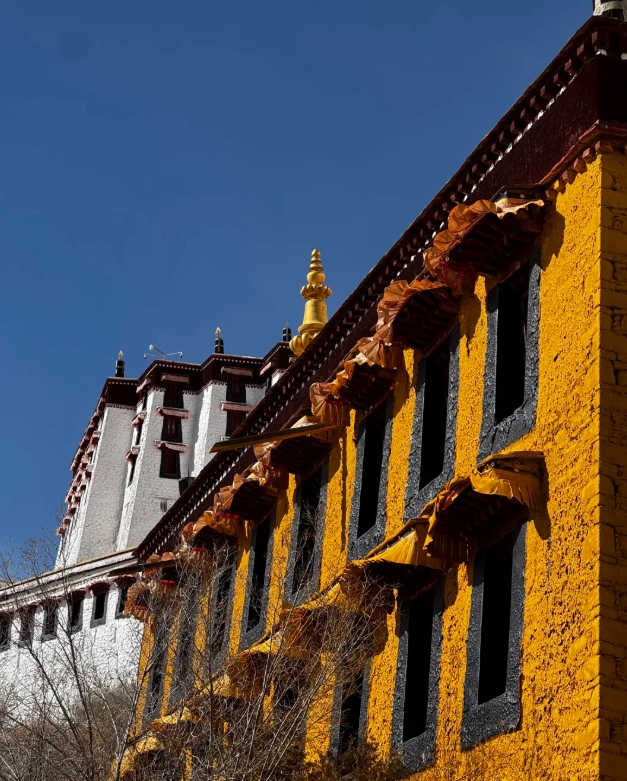
7. Catch the Golden Hour at Namtso Lake
Namtso Lake at sunrise is a spiritual experience that takes your breath away — literally, if you're not acclimatized. This huge salt lake sits at 4,718 meters above sea level, so you need a few days in Tibet first.
- Getting there: 4-hour drive from Lhasa via the G109 highway. Most people stay overnight in a guesthouse near the lake.
- Ticket: 120 RMB, plus an eco-bus from the entrance to the lakeside (120 RMB round trip).
- Best time: Sunrise (around 7:30 AM in summer, 8:30 AM in winter) or sunset. The light catches the snow-capped Nyenchen Tanglha range.
- Watch out: The wind is brutal. Bring a down jacket and a scarf that covers your face.
Insider Advice: Stay overnight in one of the lakeside guesthouses (they have heated beds and decent food). Then wake up for the sunrise — you'll have the entire lake almost to yourself because day-trippers haven't arrived yet.
How to Plan Your Tibet Itinerary Like a Pro
For most travelers, 5 days in Tibet is enough to cover these top things comfortably. Here's my go-to plan:
Day 1: Arrive in Lhasa, rest and acclimatize. Visit Barkhor Street in the late afternoon (free).
Day 2: Potala Palace in the morning (book midday slot to avoid rush), then Jokhang Temple in the afternoon.
Day 3: Day trip to Yamdrok Lake (leaves at 8 AM, back by 5 PM) or visit Sera Monastery if you prefer culture over lakes.
Day 4: Drive to Namtso Lake, sleep overnight there.
Day 5: Drive back to Lhasa, fly out or extend to Everest Base Camp.
If you have more time, add a 3-day loop to Everest Base Camp starting from Day 6. But don't try to squeeze it into less than 7 days unless you love being in a vehicle.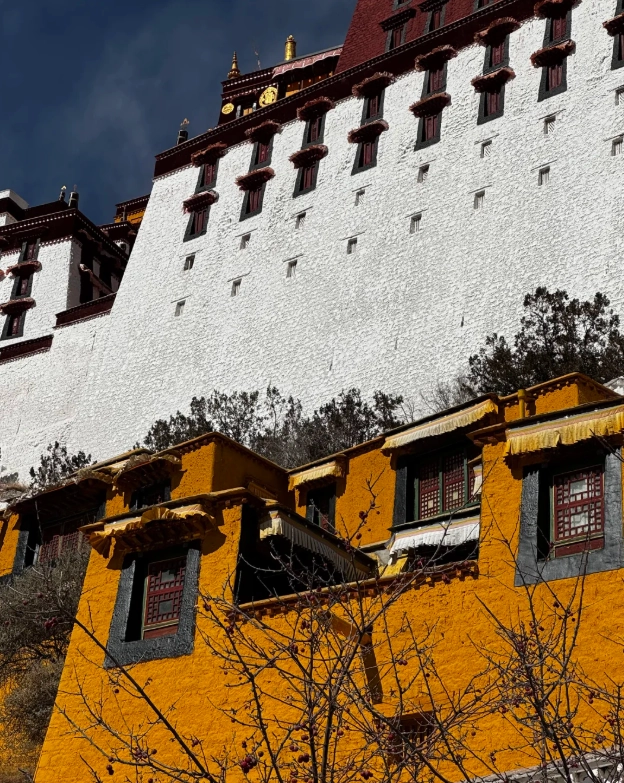
Getting to Lhasa is an adventure in itself. Here's how the options stack up:
| Mode | Duration | Cost (approx) | Best for |
|---|---|---|---|
| Flight | 1.5h from Kathmandu, 3-4h from major Chinese cities | 800-2000 RMB one-way | Those short on time |
| Train | 2 days from Beijing, 20h from Xining | 500-1500 RMB for hard sleeper | Budget travelers who want slow acclimatization |
| Self-drive | 3-7 days depending on route | Variable, permits needed | Adventurous groups |
What You Need to Know Before You Go: Permits, Altitude & Money
Do You Need a Tibet Travel Permit?
Yes, all foreign nationals need a Tibet Travel Permit (TTP) in addition to a valid Chinese visa. The TTP is issued by the Tibet Tourism Bureau, and you must apply through a registered tour agency. Excitingly, you don't need to arrange it yourself — your hotel or tour guide can do it, but you'll need to send a scan of your passport and visa at least 20 days before arrival. The National Immigration Administration provides official visa information.
Dealing with Altitude Sickness
The biggest cause of a ruined Tibet trip is underestimating the altitude. Lhasa sits at 3,650 meters, and it's easy to get headaches, nausea, and insomnia. My advice: stay in Lhasa for at least two nights before doing longer drives. Drink plenty of water, avoid alcohol, and consider taking acetazolamide (Diamox) — but consult your doctor first. If you feel severe symptoms, descend immediately. Many group tours carry portable oxygen tanks, but I recommend bringing a pulse oximeter to monitor your oxygen levels.
Money and Payments
International credit cards are rarely accepted even in top hotels. You'll need a Chinese mobile payment setup: Alipay or WeChat Pay, linked to a foreign card. But they may refuse your foreign card at times. To be safe, carry enough RMB cash for daily purchases. The Bank of China in Lhasa can change USD and EUR, but the rate is poor. I always tell my clients to bring 1,000 RMB in cash for backup.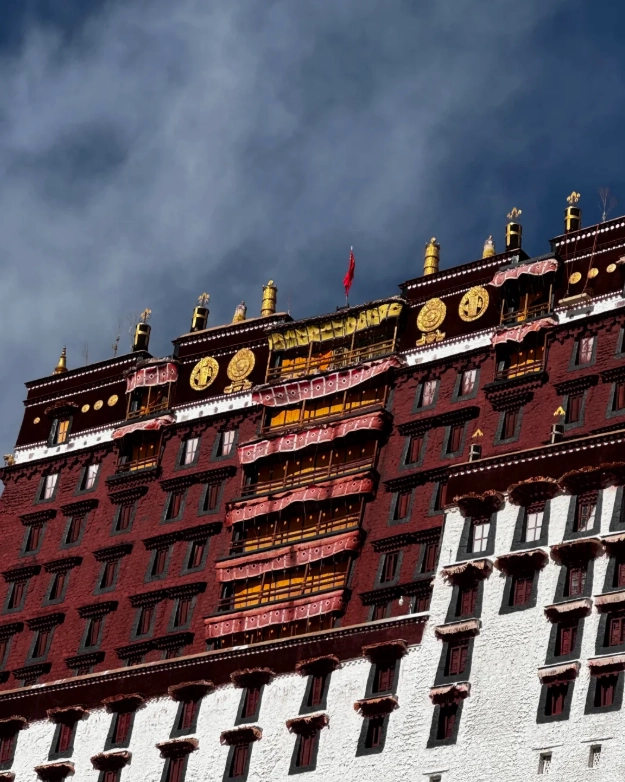
Getting Around
Google Maps doesn't work reliably in China, so download AMap or Apple Maps before you arrive. For English maps, Apple Maps actually uses AMap data and is usable. Use Didi (the Chinese Uber) for taxis — make sure to enter your destination in Chinese or show the address to the driver. Many drivers don't speak English. For train travel, use the official Chinese Railways portal 12306.
Insider Tips to Save Money & Avoid Crowds
Here are my hard-earned tips:
- Book morning slots for the Potala — afternoon visits often get rushed by staff.
- Hire a local guide for at least one day — they can skip ticket lines and explain hidden symbolism.
- Use WeChat Pay with a foreign credit card — many places won't take cash. Set it up before you land.
- Avoid the "tourist menu" — eat at places where locals eat; it's cheaper and more authentic.
- Pack a down jacket even in summer — Tibet's altitude makes temperature drop dramatically after sunset.
Frequently Asked Questions About Visiting Tibet
Verified and fact-checked by the editorial team.





No comments yet.