 Ming Yang
Jump Straight to What Matters
Let me paint you a picture. I’m standing on the roof of the Jokhang Temple, wind slapping my cheeks, watching a sea of pilgrims prostrate on the cold stone below. Smoke from juniper incense curls around golden roofs. A traveler next to me whispers: “Is Tibet worth visiting?” I’ve answered that question hundreds of times. The short answer: yes, but not for the reasons you think.
Here’s the catch — most foreign visitors focus on the Potala Palace and the big tourist circuit. They book a 5-day tour, sleep in hotels, and never see the real Tibet. They leave disappointed, nursing headaches from altitude, and post “meh” reviews online. That’s not the Tibet I know. I’ve lived here for 12 years, leading small groups into corners the brochures ignore. So let me give you the truth, the numbers, and the secrets — without fluff.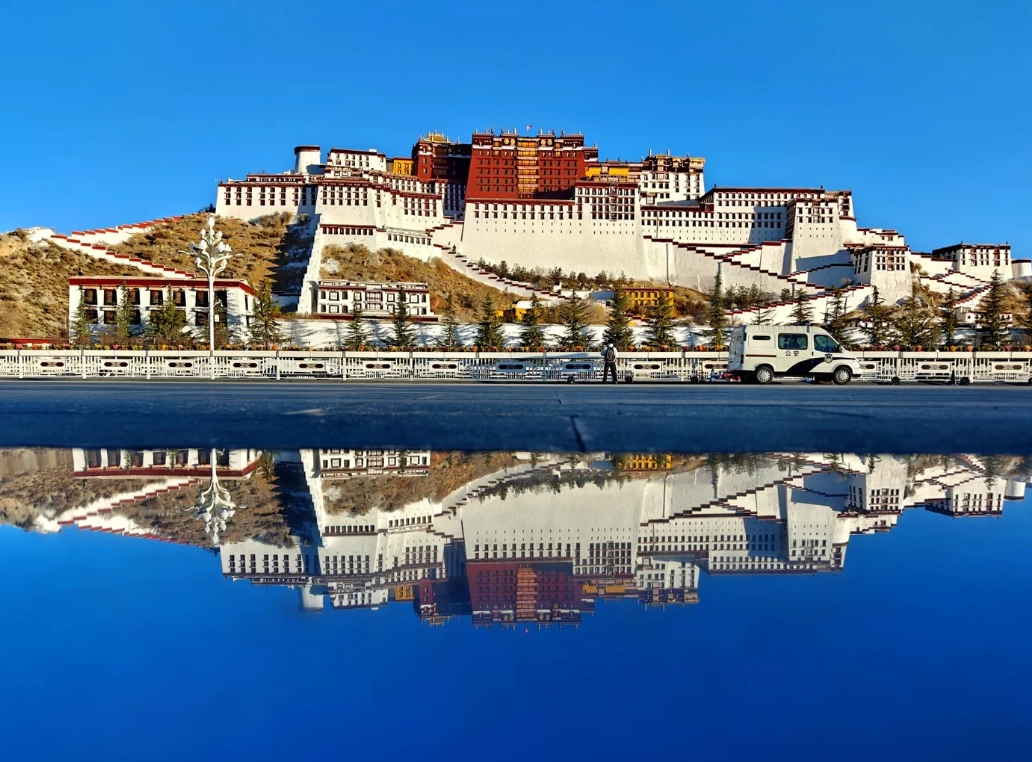
What Makes Tibet Unforgettable
Tibet is not a place you visit; it’s a place that rearranges something inside you. When I first arrived in Lhasa, the sky was so close and blue it hurt my eyes. The air smelled of butter lamps and pine smoke. You’ll hear the low drone of chanting monks mixed with the clack of prayer wheels. It’s a sensory overload in the best way.
But the beauty isn’t just visual. It’s the feeling of walking the Barkhor at dawn, circling the Jokhang with thousands of locals — grandmothers spinning prayer wheels, young monks with shaved heads, and the old men selling yak butter. Nobody rushes. Nobody pushes. The pulse of the city moves on ancient rhythm.
And the landscape? I’ve led treks to Everest Base Camp, but my favorite moment is always the quiet, mineral-blue shine of Lhalu Wetland a few kilometers from the city. Or the turquoise explosion of Yamdrok Lake — you’ll gasp from the mountain pass, and then gasp again when you realize the color is real.
Pro Tip: If you only have time for one extra destination outside Lhasa, choose Yamdrok Lake. Skip the rushed day trip from Lhasa (6 hours round-trip) and instead camp overnight if you have a tour that allows it. The stars there are so thick they look like spilled milk.
Then there’s the cultural layer. Tibetan Buddhism permeates everything — the prayer flags fluttering on mountain passes, the carved mani stones, the smell of incense in every courtyard. You don’t need to be spiritual to be moved by the devotion. I’ve watched hard-nosed business travelers get emotional during a monastery debate at Sera Monastery.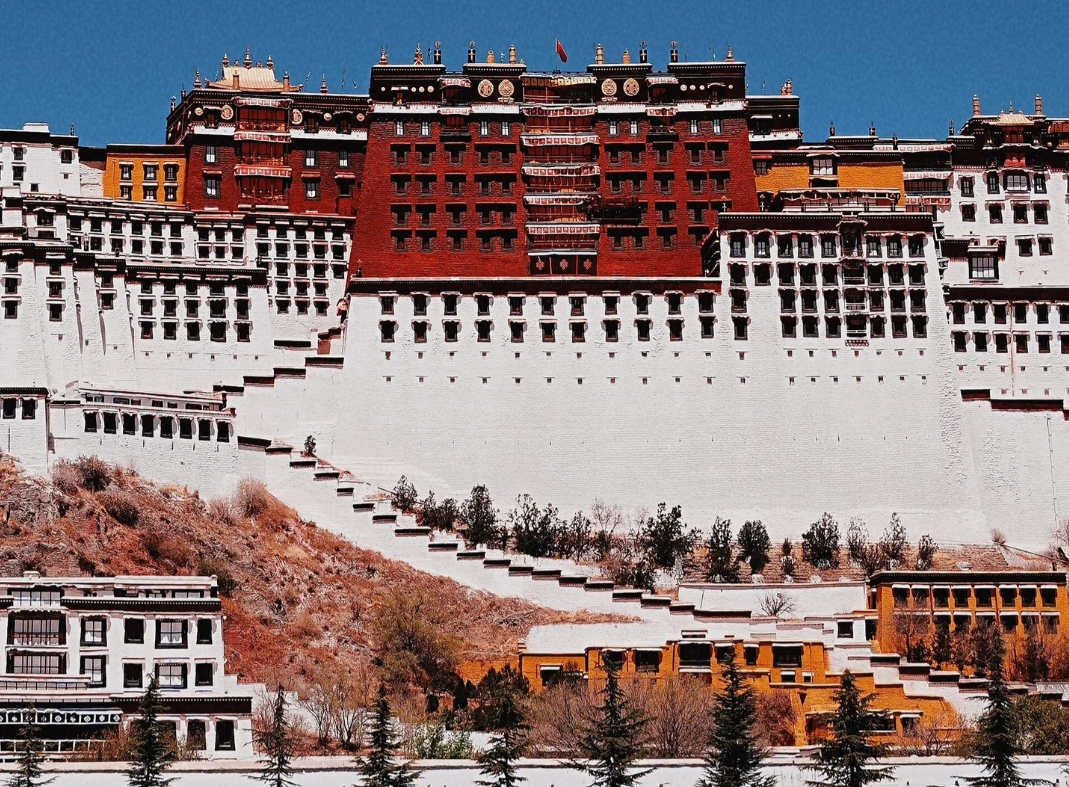
The Brutal Truths: 5 Challenges You Can't Ignore
1. Altitude sickness does not discriminate. I've seen 25-year-old athletes cry from headaches while 70-year-old grandmothers stroll up stairs. The thin air hits everyone differently. Lhasa sits at 3,650 meters — that's higher than any European alpine peak. You'll feel breathless, tired, and possibly nauseous for the first 48 hours.
2. Foreign tourists must join an organized tour. Unlike most of China, Tibet has rules: you can't travel independently. You need a Tibet Travel Permit, and the easiest way to get it is through a licensed tour agency. This isn't a scam — it's the law. I'll break down permits in the next section.
3. The internet is restricted. You'll find that Facebook, Google, and Instagram are all blocked. Even my personal cell signal drops in remote valleys. You'll need to install a reliable VPN before you land, or accept a digital detox. (I recommend accepting it gracefully — you'll be too busy looking at mountains anyway.)
4. It's not a budget destination. Flights to Lhasa are pricey, hotels cost more than in Chengdu, and the famous train from Chengdu takes 36 hours. Expect to spend at least $150 per day for a decent tour package. But don't let that scare you — there are ways to shave costs.
5. The weather is extreme. Even in July, snow can fall on mountain passes. The sun is brutal (you'll sunburn at high altitude), and the night temperatures drop sharply. Pack layers, high-SPF sunscreen, and lip balm with SPF too.
These challenges aren't reasons to skip Tibet. They're reasons to prepare properly. Every seasoned traveler I've guided says the effort is rewarded a thousand times over.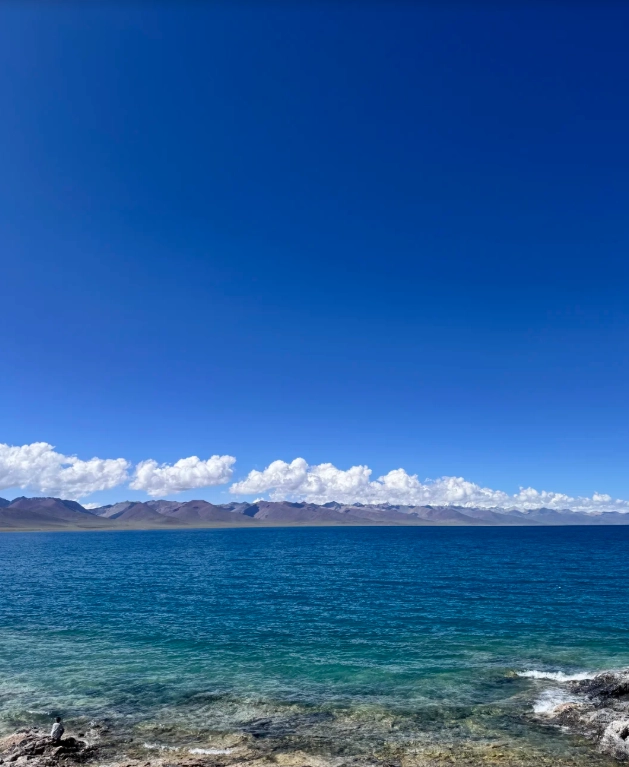
How Much Does a Tibet Trip Actually Cost?
Let's talk money, because this is where most online forums mislead you. I've seen backpackers claim Tibet can be done on $50/day. That's almost impossible for a foreigner in the tourist season. Here's what I've observed from real travelers in my groups:
| Travel Style | Daily Cost (per person) | What's Included |
|---|---|---|
| Budget tour | $150–$220 | Hostel or guesthouse, basic meals, shared minibus, permit fees |
| Comfort tour | $250–$400 | 3-star hotel, private car, most meals, activities |
| Luxury tour | $500+ | Boutique hotels, private guide, all meals, special experiences |
On top of that, factor in your flight to Lhasa. From Chengdu, a one-way ticket costs ¥1,200–¥2,500 (~$170–$350). The famous Qinghai-Tibet train takes 36 hours but costs ¥700–¥1,000 for a hard sleeper — a bucket-list experience in itself. Entry tickets are relatively cheap: the Potala Palace is ¥200 in peak season, Jokhang Temple ¥85, and most monasteries under ¥80. Always bring your passport — you'll need it for entrance.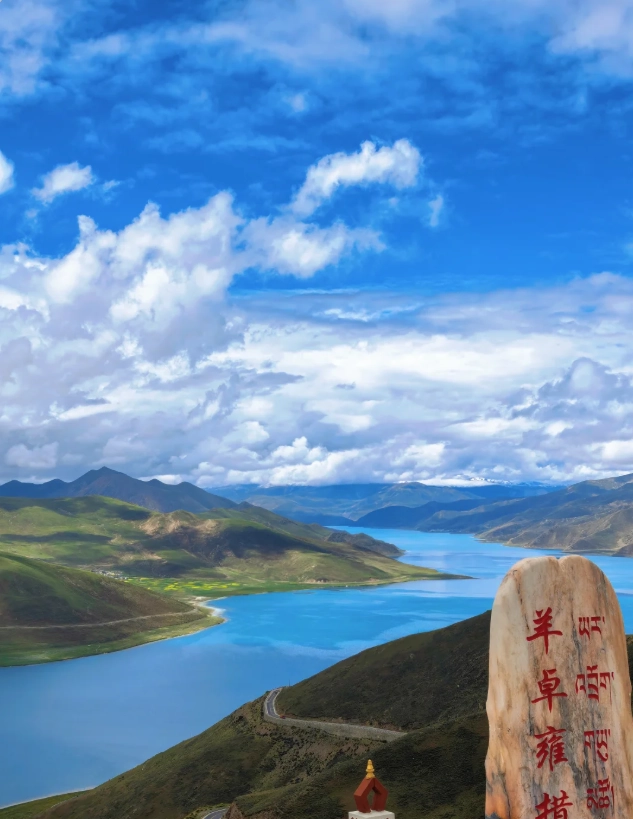
Permits vs. Restrictions: What Foreigners Must Know Before Booking
Here's the bureaucratic reality: you cannot simply buy a flight ticket and wander in. Since January 2023, China has updated its guidelines—the National Immigration Administration administers entry, and for Tibet, you need a Tibet Travel Permit (TTP). This is different from your Chinese visa.
To get the permit, you must go through a registered tour agency. They handle the paperwork, and it takes about a week. The permit costs roughly ¥100–¥200, but it's usually bundled into your tour package. You'll also need the permit to buy train or plane tickets to Lhasa, so make sure your agency arranges those too.
For sensitive border areas like Everest Base Camp or Ali, you'll need additional permits. Your agency will tell you what's required. I've seen people get turned back at checkpoints because they thought their regular permit sufficed. Don't be that traveler.
Insider Advice: Many agencies will promise you same-day permits for a premium. Avoid them. Legitimate processing takes 2–3 working days at minimum. If an agency uses your passport without your physical presence, that's a red flag. Do your due diligence.
Also note: you must travel with a guide in Tibet, but the guide doesn't hover around. Most professional guides let you explore freely within the area, then accompany you for major sites. Your permit and guide are tied to your itinerary, so tell the agency your exact dates when you apply.
Altitude Sickness: What Every Foreigner Needs to Know (and What I Tell My Clients)
I hate seeing travelers lose three days to bedridden headaches. Here's the gritty truth about altitude sickness:
Symptoms usually start 6–12 hours after arrival. You'll feel dizzy, nauseous, and often develop a headache that won't respond to painkillers. This is normal. Your body needs time to produce more red blood cells.
The key is to slow down. On day one in Lhasa, put your bag in the hotel and take a short stroll. Don't climb stairs quickly. Drink water every 20 minutes, even if you're not thirsty. Eat more carbohydrates — they help with oxygen utilization.
Many doctors recommend taking Diamox (Acetazolamide), a preventive altitude medication. You'll need a prescription from your home doctor, but it's a game-changer. I always tell clients to start it a day before flying to Lhasa and continue for 3 days. It sends a mild diuretic effect, so stay hydrated.
Avoid alcohol for the first 48 hours. I've seen a single glass of beer trigger pulmonary edema in an unacclimatized traveler. Seriously. Don't risk it.
If you're flying directly into Lhasa from sea level, you'll feel it. If you arrive overland from Kathmandu or by train from Chengdu, you'll have more gradual elevation, which helps. The train is slower but gives your body hours to adjust — at high elevation passes, you're only going 4,000+ meters, but for short periods.
Expect to be fully functional by day 3. If symptoms worsen, your guide will insist you descend to lower altitude. It's not failure; it's biology.
The Perfect Tibet Itinerary for 7–9 Days (My Go-To Plan)
Based on years of guiding, here's a realistic itinerary that balances acclimatization, cultural immersion, and breathtaking landscapes. Adjust distances based on your physical comfort.
Day 1: Arrive in Lhasa — Check in and Nap
Your first afternoon is non-negotiable: rest. Fly into Lhasa Airport (you'll likely fly from Chengdu or Kathmandu), take a pre-arranged hotel shuttle, and don't plan anything else. Your hotel should be in the old town near the Jokhang. Sleep, drink water, and have a light dinner. I recommend the sweet tea house next to your hotel. Avoid showering — the hot water increases blood flow and makes altitude sickness worse. I know it sounds strange, but I've seen it cause problems.
Day 2: Barkhor Market and Jokhang Temple
Start with the Barkhor circuit at 8 a.m., before the crowds. The inner circumambulation path is lined with shops selling prayer flags, conch shells, and amulet boxes. I always tell my groups to walk the circle clockwise — it's the Tibetan way. After two laps, enter the Jokhang Temple (bring your passport and permit). The interior is a maze of gold and incense, with a famous statue of Jowo Buddha. Allow 2–3 hours.
Lunch: at a local makye ame (sweet tea restaurant) near the entrance. Order thukpa (noodle soup) and a large pot of sweet tea. You'll need the calories.
Afternoon: Visit the Tibet Museum (free and quiet) to gain context, or take it easy back at the hotel. Don't plan a heavy afternoon.
Day 3: Potala Palace and Sera Monastery
Book your Potala Palace ticket a day early online or through your hotel. Entrance is timed, and you'll get a 20-minute slot. The palace is a steep climb — take it super slow, stop at every landing. The interior is astonishing, but photography isn't allowed. Give yourself 2 hours.
After lunch, head to Sera Monastery (~15 min by taxi from Lhasa center). The famous monks' debate starts around 3 p.m., and it's a spectacle. The intellectual intensity is incredible to watch, even if you don't understand Tibetan. Stay for an hour.
Dinner: Look for a restaurant serving yak sha (dry yak meat) and momomos (dumplings). Your guide can recommend one.
Day 4: Yamdrok Lake and Kampala Pass
This is a full-day excursion that will steal your breath — twice. Drive 2 hours south along the Yarlung Tsangpo River. At the Kampala Pass (4,700m), you'll get the first glimpse of Yamdrok Lake. The lake shifts from turquoise to sapphire depending on clouds. You'll picnic on the shore, watch nomads with yaks, and soak in the silence.
Return to Lhasa for sunset. This day is worth every hour of bumpy road.
Day 5: Norbulingka and Local Life
Norbulingka (“Summer Palace”) is a free-spirited alternative to the crowded Potala. It was the Dalai Lama's summer residence, now a sprawling park with beautiful gardens and small palaces. Afternoon: I've started taking a secret detour to the Lhalu Wetland — it's a local hidden spot with wooden planks and tons of birds. Bring your camera.
Dinner: at a family-run tourist restaurant you need a reservation for; ask your guide to book a spot for momos with yam chips.
Day 6 (Optional): Everest Base Camp (4 days)
If you have 12+ days, add Everest. But if you’re short on time, I suggest heading to the nearby Samye Monastery (the oldest in Tibet) or the Yarlung Valley for rustic villages.
Day 7–9: If you're not doing Everest, use these days to explore either the Ganden Monastery (an hour’s drive) or the Tidrol Nunnery. Then fly home.
Where to Stay in Lhasa: My Handpicked Neighborhoods
Lhasa isn’t huge, but choosing the right base matters for comfort and convenience. Here’s my honest comparison:
| Neighborhood | Pros | Cons | Price (per night) | Best For |
|---|---|---|---|---|
| Barkhor / Old Town | Right next to Jokhang, endless charm, easy to stroll | Noisy at dawn when pilgrims arrive, narrow streets | $60–$120 for boutique hotels | First-timers, culture lovers |
| Sera Monastery Area | Quiet, local feel, cheaper | 15-min taxi to center, less nightlife | $40–$80 | Budget travelers, nature fans |
| Near Potala North Gate | Convenient for palace, newer hotels | Less atmosphere, farther from old town | $80–$150 | Business travelers, short stays |
My personal pick: stay in the Barkhor. Waking up at sunrise and joining the circumambulation is a memory you won't forget. Just request a room away from Jokhang Square to avoid early-morning noise.
In terms of facilities: don't expect Western luxury. Most hotels in Lhasa now have hot showers and reliable Wi-Fi (especially if you have a VPN). Hotels usually have a kettle and in-room oxygen for an extra fee. Ask before booking.
How to Eat Like a Local in Tibet
Tibetan food isn't as famous as Sichuan or Cantonese, but it's deeply satisfying, especially when you're frozen.
Must-try dishes:
- Momos — steamed or fried dumplings, usually stuffed with yak or vegetables. A plate costs ¥30–50.
- Thukpa — a hearty noodle soup with chunks of meat and cabbage. Perfect for altitude.
- Sweet tea — boiled with black tea, salt, and yak butter. I know butter tea sounds weird, but after two days you'll crave it. Sweet tea (sugared) is more palatable for beginners.
- Yak sha — dried or curried yak meat. It's lean and rich, though tougher than beef.
- Tsampa — roasted barley flour, mixed into a doughy paste with tea. My clients either love it or fear it. Try a spoonful.
Where to find them? Most restaurants in the Barkhor and around Jokhang serve these. I always send my guests to a small place called “Makye Ame” (meaning “Mother’s Kitchen”) on Barkhor Street. It’s touristy but still authentic — they have an English menu and accept WeChat Pay and Alipay. If you want to go local, walk into any place that’s packed with Tibetans — the food is usually better.
Payment: Most places don't accept credit cards. Do what the locals do: use WeChat Pay or Alipay. If you haven't linked your international card yet, download the apps now and set it up. You won't regret it.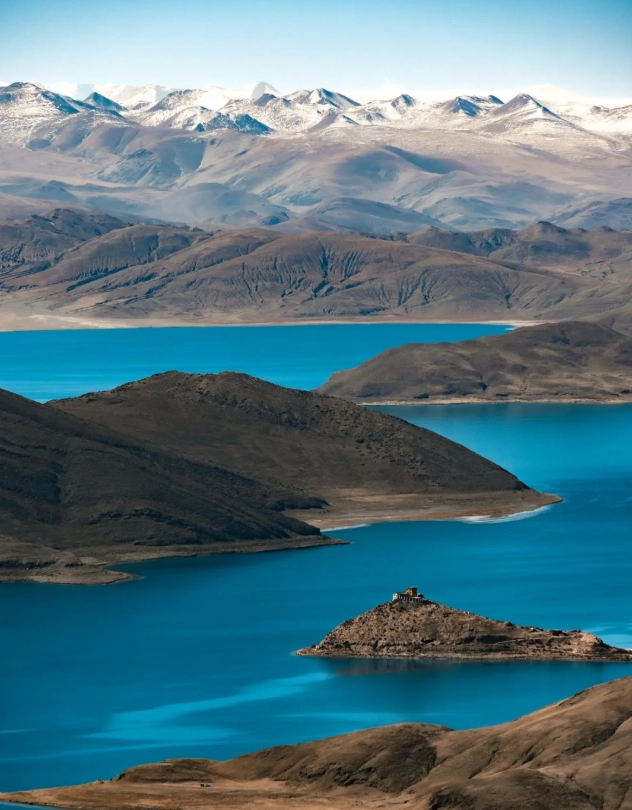
FAQ: Your Most Pinching Questions About Visiting Tibet
Final Verdict: Is Tibet Worth Visiting in Your Lifetime?
Yes. And I don't say that just because I live here. Tibet offers an experience that no other place on Earth can replicate — the combination of otherworldly geography, ancient Buddhist culture, and the humbling thin air stays with you. But it's not a relaxing beach holiday. It's a demanding, mind-altering journey that rewards travelers who respect its pace.
If you can manage the permits, the altitude, and the cost, you'll leave Tibet with memories that outshine every other trip before it. And that's not a cliché — it's a fact I've seen verified on hundreds of faces.
So yes, Tibet is worth visiting, but go with your eyes open and your itinerary light.
This content has been fact-checked to ensure informational precision.





No comments yet.