 Ting Chen
Jump to the Good Part
- The 7-Day Tibet Itinerary (Short Version)
- What to Do in Lhasa (Your First 48 Hours)
- Beyond Lhasa: Everest Base Camp and Yamdrok Lake
- Tibet Travel Permits: How to Sort Them Without the Headache
- Getting Around Tibet: Taxis, Buses, and Private Drivers
- Where to Stay in Tibet (and How to Choose)
- What to Eat in Tibet (Surprisingly Delicious)
- My Insider Secrets for Avoiding Crowds
- Your Burning Questions About What to Do in Tibet
Your heart pounds harder than the prayer wheels turning in the morning sun. You finally made it to Lhasa — but standing in front of the Potala Palace, you realize your phone can't load a single map. Most guides won't tell you that planning Tibet is like nothing else. If you're searching for what to do in Tibet, you've probably seen endless lists of monasteries and lakes. Here's the catch: the real challenges are permits, altitude, and logistics. I've been guiding travelers across the plateau for years, and I've seen too many brilliant itineraries collapse because someone forgot to book a permit or tried to climb 13,000 feet too fast. So here's the golden rule: get your Tibet Travel Permit at least two weeks early, and give yourself a full day in Lhasa to adjust. Do that, and the rest of this guide will help you see the Tibet that changed me forever.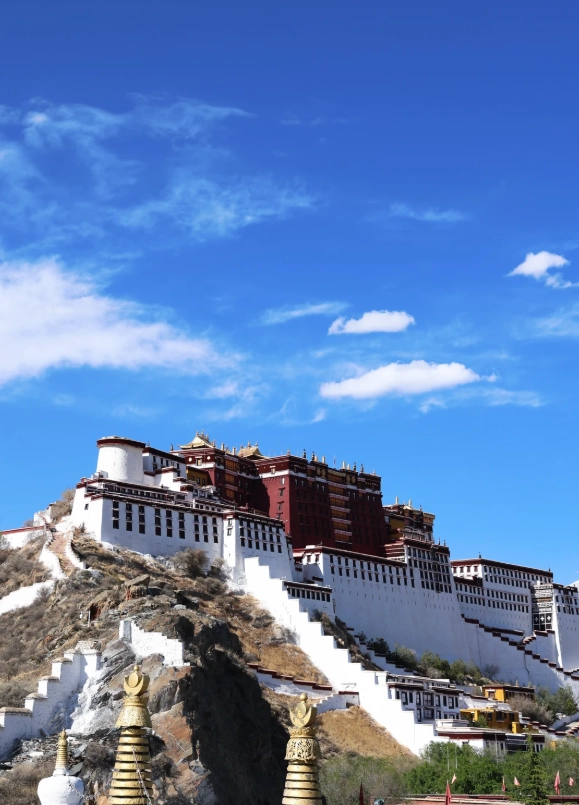
The 7-Day Tibet Itinerary (Short Version)
I'm going to give you a day-by-day blueprint that works for most first-timers. It packs the essential highlights without turning you into a human pretzel. You'll cover Lhasa, one serene lake, and Everest Base Camp. If you only have 5 days, cut day 7 and skip the last descent — but read the whole thing first, because some of these days need more time than they seem.
| Day | Route | Highlights | Travel Time | Sleep |
|---|---|---|---|---|
| 1 | Arrive Lhasa | Rest, acclimatize, light walk around Barkhor | - | Lhasa |
| 2 | Lhasa | Potala Palace, Jokhang Temple, Barkhor Street | - | Lhasa |
| 3 | Lhasa | Drepung Monastery or Sera Monastery (debate) | - | Lhasa |
| 4 | Lhasa to Shigatse | Yamdrok Lake, Karola Glacier | 5-6 hrs by car | Shigatse |
| 5 | Shigatse to Rongbuk | Tashilhunpo Monastery, drive to EBC | 6-7 hrs by car | Rongbuk or Tingri |
| 6 | Everest Base Camp | Sunrise at EBC, return to Shigatse or Lhasa | 8-9 hrs back | Shigatse |
| 7 | Fly home or continue | Flexible buffer | - | - |
This itinerary assumes you're flying into Lhasa Gonggar Airport. If you're coming overland from Nepal, you'll need extra days for the permit and the drive. Also, the driving times are realistic estimates with two stops for bathroom breaks and a lunch break. Google Maps hates this region, so I always use the driver's local knowledge and a GPS app like AMap. More on that in the transport section below.
Now, let me save you from a common mistake: don't book your Everest Base Camp tour as a one-day cram from Lhasa. You'll spend 12 hours in a van and have high-altitude headaches with zero fun. Spread it over two days, which is what I've done above.
What to Do in Lhasa (Your First 48 Hours)
Lhasa sits at 3,650 meters. That's higher than most of Colorado. Even if you're physically fit, you'll feel the air thinning. So forget the fast sightseeing pace. Your body needs time to adapt. Here's how to make the first two days count without triggering altitude sickness.
Potala Palace: Book This Before Anything Else
The Potala Palace is not a walk-in attraction. Everyone, including foreigners, must book a timed ticket in advance. For foreign tourists, the easiest way is to book through a licensed tour agency (your hotel can usually arrange it), or use Trip.com if you want a DIY experience. You'll need your passport number. The palace sits well above the city, and the climb from the entrance to the Red Palace involves 300+ steps — that's brutal at altitude. I always tell my clients to take it slow, breath through the nose, and bring a small water bottle.
- Ticket price: roughly 200 RMB in peak season, 100 RMB in winter. Expect changes.
- Opening hours: 09:00–17:00, but the last entry is often 14:30. Confirmed times vary.
- Your passport is required for the real-name ticket check.
- Pro tip: visit on a clear morning. The white walls glow, and you'll have the best photos before the afternoon clouds roll in.
The palace has been on the UNESCO World Heritage list since 1994 (see official listing at whc.unesco.org).
Jokhang Temple and Barkhor Street
Jokhang Temple is the spiritual heart of Tibet, and Barkhor Street is the bustling pilgrim route that circles it. Unlike the Potala, this place is alive with locals. You'll see pilgrims prostrating on the warm stones, and the smell of juniper incense fills the air. Tickets cost around 85 RMB, and the temple opens around 08:00. I recommend arriving before 08:30 — that's when the crowd of locals is thick but the tour groups haven't flooded in yet. Walk clockwise around Barkhor, but don't stop dead in the middle of the path — locals will bump into you and mutter something. I got scolded once for taking a selfie right in the thoroughfare.
For a quiet lunch, drop into one of the small sweet-tea houses off the side alleys. You'll see plastic tables and a big silver thermos. A cup of sweet tea costs two or three yuan. It's the best energy booster before tackling the steps of any monastery.
Drepung or Sera: Pick One
If you only have one extra day in Lhasa, choose Sera Monastery for its famous debating monks. The debates start around 14:00 in the courtyard, and they're like nothing you've seen — slapping hands, loud claps, and theatrical moves. It's completely safe and fascinating. Drepung Monastery is bigger and more ruin-like, but it requires a steep walk up a hillside. Both cost about 50–60 RMB. Sera is closer to the city, so it's easier to combine with a mid-day siesta.
I've taken dozens of clients to Sera, and the best spot to watch the debates is from the raised stone benches. Don't stand right in front of the monks — they don't like it. And remember to bring cash; the ticket booth uses a very old system that sometimes rejects cards.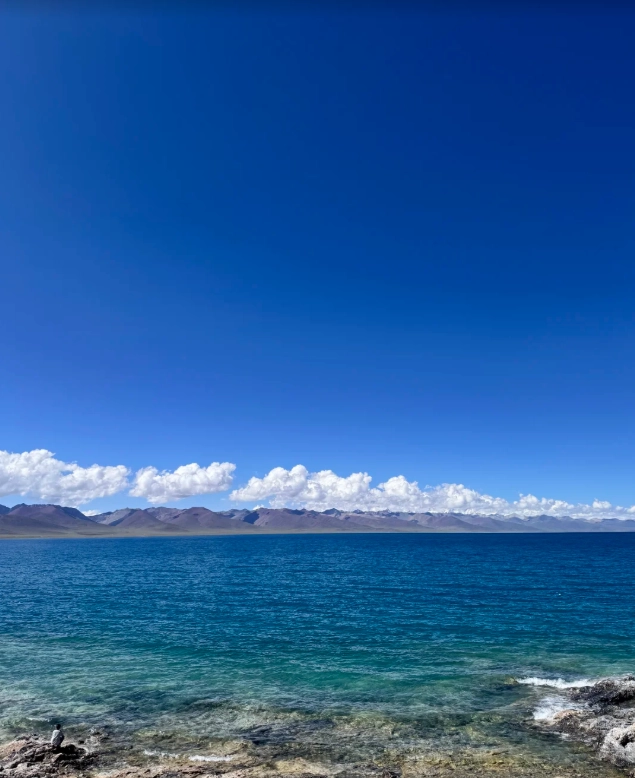
Beyond Lhasa: Everest Base Camp and Yamdrok Lake
Once you've conquered Lhasa, it's time to stretch your legs. The two most iconic destinations are Yamdrok Lake and Everest Base Camp (EBC). Both are high, windy, and absolutely worth the journey.
Yamdrok Lake (Yamdrok Yumtso)
Yamdrok Lake is a turquoise gem that sits at 4,440 meters. Most tours head there on the way to Shigatse. It's a two-hour drive from Lhasa over the Khamba La pass. When you first see the lake from the viewpoint, you'll think it's painted. But the wind at the pass is brutal — expect it to rip your hat off. The lake itself is often visited via a small fishing village at the bottom, but that detour adds an hour. If you're on a schedule, just do the viewpoint and the kora (pilgrim path) for thirty minutes. There's no real ticket for the lake itself, but you might pay a small parking fee at the viewpoint.
Insider advice: the best photos are taken in the early morning when the water is mirror-calm. By noon, the wind picks up and the surface becomes rippled.
Everest Base Camp (Rongbuk Monastery)
Everest Base Camp is not just a name — it's a real spot with a tent village, a riverside trail, and the closest view of the world's highest peak. To get here, you need the Aliens' Travel Permit (a separate paper beyond the Tibet Travel Permit) and a border pass. Your tour company handles this, but confirm twice that your passport details are correct. The drive from Shigatse to EBC takes about 6–7 hours, including a stop at the Gawula Pass where you first see the Himalayan range. The last section on a gravel road rattles your bones. Bring a neck pillow.
- Entry to EBC: around 180 RMB per person, plus a 320-RMB per vehicle surcharge (split among passengers).
- Overnight at Rongbuk Guesthouse: basic rooms, thin walls, but unforgettable sunrise.
- Best time to be at the base camp: before 08:00 for the clearest view.
- Warning: the altitude at Rongbuk is 5,150 meters. Even if you feel okay in Lhasa, you'll sleep badly here. I always suggest carrying a portable pulse oximeter and having your guide's emergency number at hand.
If the weather is terrible (which happens even in summer), have a Plan B: Tashilhunpo Monastery in Shigatse. It's the seat of the Panchen Lama and has a stunning gold-roofed mausoleum. Spend extra time there instead of a cloudy EBC trip.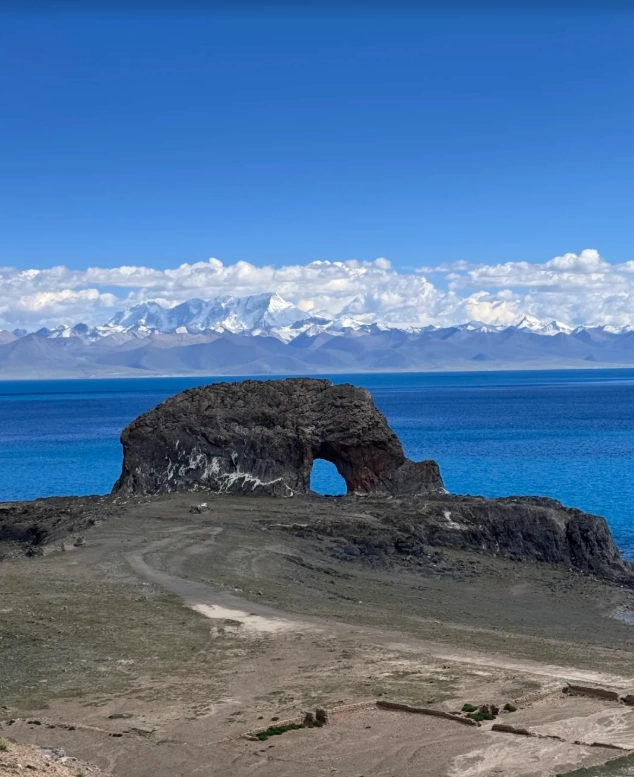
Tibet Travel Permits: How to Sort Them Without the Headache
Let me get blunt: you cannot travel independently in Tibet as a foreigner. The Chinese government requires foreign visitors to join a tour or be organized by a licensed travel agency. This isn't a suggestion — it's a rule. Here's what you'll need:
- Tibet Travel Permit (obtained by your agency once they have your passport scan and flight/train details). It allows you to move around central Tibet.
- Alien Travel Permit (for areas like Everest, Ali, and other border zones). Your agency applies for this along with the TTP.
- Military permit for certain areas near Nepal border — again, your agency handles this.
The key is timing. The Tibet Tourism Bureau (TTB) needs at least two weeks to process your documents. If you're arriving in high season (May–October), give it three weeks. I've had clients who assumed they could wing it, and they ended up stuck in Chengdu for a week. So start the process as soon as you book your flights.
For official visa rules, always check the latest from the National Immigration Administration or your nearest Chinese embassy. Don't rely on random forum posts — rules change.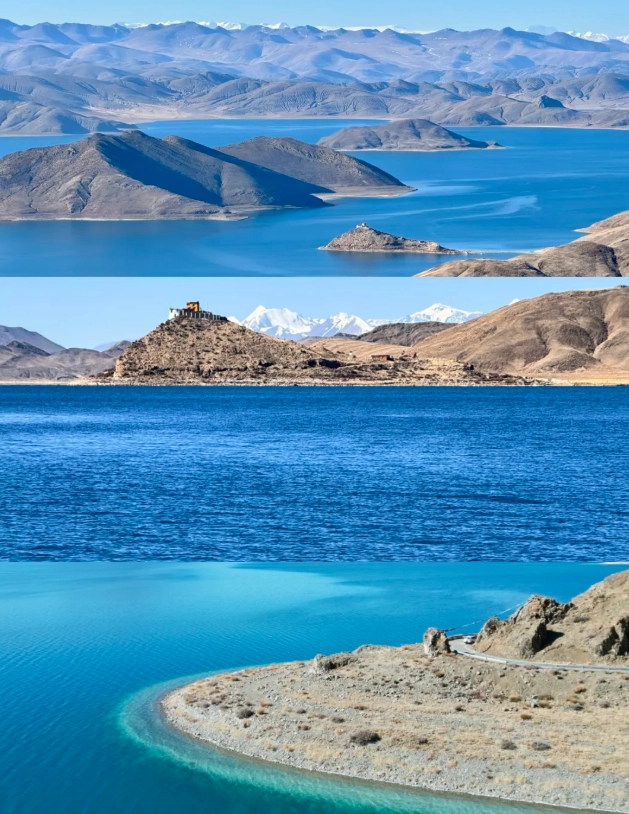
Getting Around Tibet: Taxis, Buses, and Private Drivers
As a foreigner, you'll almost always be in a private vehicle arranged by your agency. But if you're on a DIY-but-with-agency tour, you might have flexibility. Here's the lowdown on the three main ways:
| Method | Best For | Cost Range | Drawbacks |
|---|---|---|---|
| Private car + driver | Custom flexibility, comfort | 800–1200 RMB/day | Most expensive |
| Minibus for small group | Budget travelers | 500–800 RMB/day per person (shared) | Less stops |
| Local bus | Short hops (Lhasa to Tsurphu) | 30–60 RMB | Complicated, no reserved seats, infrequent |
I always recommend private car for the long EBC run. You can stop for photos at places like Karola Glacier, which is a 20-minute detour that's totally worth it. Buses will pass you by.
Most drivers speak only basic English. Write down your destination in Chinese characters — your hotel reception can do this for you. And don't rely on Google Maps; it's inaccurate in Tibet. Use Apple Maps or download AMap (高德地图) and use its English feature. Also, bring a physical map as backup, because cell coverage disappears in the high passes.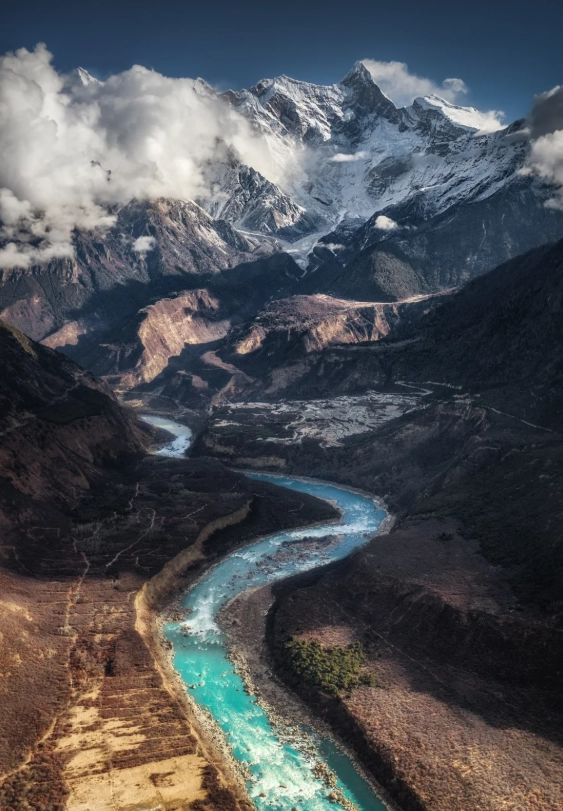
Where to Stay in Tibet (and How to Choose)
Lhasa has a huge range — from luxury hotels with oxygen to budget backpacker hostels. Outside Lhasa, options shrink fast. Here's what I'd pick for different styles:
| Hotel/Area | Highlights | Price (peak) | Best For | Key Facility |
|---|---|---|---|---|
| Lhasa: Stone House Inn (Chenguang) | Courtyard vibe, near Barkhor | 500–800 RMB | Couples and culture lovers | Good Wi-Fi, helpful English-speaking staff |
| Lhasa: Yak Hotel | Classic backpacker hangout | 150–300 RMB | Solo budget travelers | Oxygen supply, luggage storage |
| Shigatse: Tashi Palge Hotel | Close to Tashilhunpo | 300–500 RMB | Families | Elevator, stable heating |
| Rongbuk: Guesthouse | Basic, next to monastery | 200–400 RMB | EBC adventure seekers | Restaurant, shared bathrooms |
If you're even slightly worried about altitude, choose a hotel in Lhasa with oxygen piped into the room. Some luxury places charge extra for that, but it's worth every cent. For example, the Stone House Inn has portable oxygen canisters you can borrow—no extra fee. Always check if the hotel has a lift—your third-floor room might feel like a mountain climb at 3,650 meters.
Book at least two weeks ahead for high season. I've seen travelers show up without a hotel and end up paying double for a room in a place with no hot water.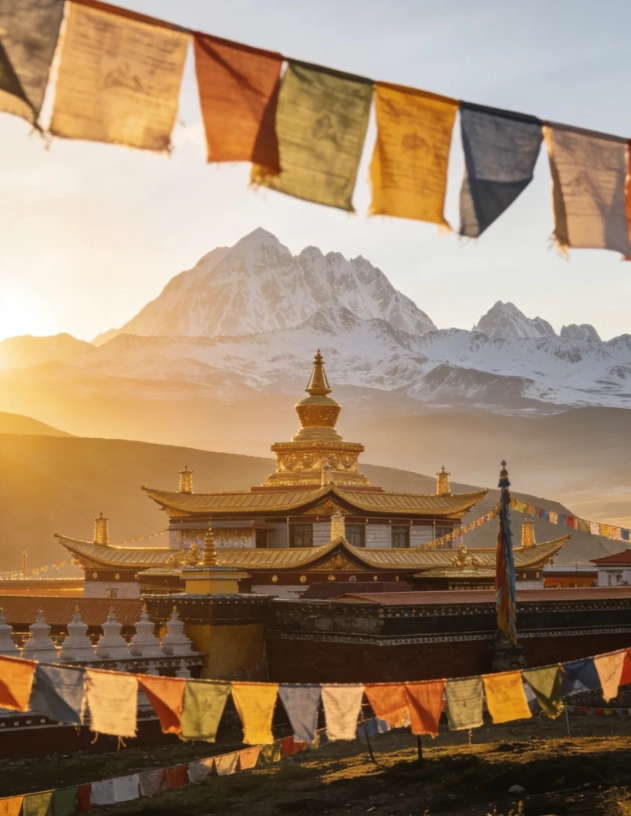
What to Eat in Tibet (Surprisingly Delicious)
People expect bland boiled food in Tibet, but that's wrong. Tibetan food is hearty, warming, and surprisingly varied. Here are the local classics you must try:
- Tsampa (roasted barley flour) — often mixed into tea. It's like a savory oatmeal you roll into balls.
- Momos (dumplings) — usually filled with yak meat or vegetables. The pot-sticker style from Lhasa is my favorite.
- Sweet Tea (cha ngamo) — a soul-warming, milky, sweet drink. Different from the salty butter tea.
- Fried Tibetan pancake with honey — you'll find it at street stalls in Barkhor.
- Yak meat stew (with potatoes and seasoning) — best eaten at a small local restaurant in Shigatse.
For a reliable first meal in Lhasa, head to 'Sera Monastery canteen' near Sera. Locals line up for the vegetable momos and clear soup. It costs about 30 RMB and it's a real expedition. But remember: many authentic places only take cash or local mobile payment. Bring some yuan notes for meals outside your hotel.
I always tell my clients to try the 'Tibetan pizza' at a tiny shop called 'Tibet Family' near the Potala's south side. It's not actually pizza — it's a thick crispy flatbread covered with yak meat and cheese, baked in a stone oven. It's my guilty pleasure.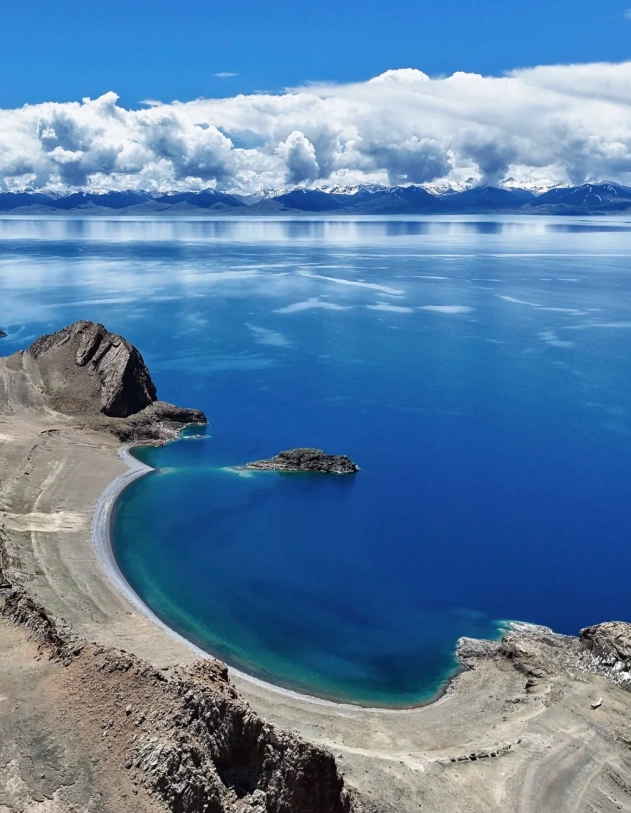
My Insider Secrets for Avoiding Crowds
Tourist crowds are the single most annoying thing about Tibet's famous sights. But you can outsmart them with a few simple moves:
Start Lhasa Sightseeing at 8:30, Not 10:00
All big tour groups start around 10:00. If you arrive at the Jokhang Temple at 8:00, you'll have the first light and thin crowds. Same goes for the Potala Palace — your ticket slot might be fixed, but you can choose the earliest available time. When I visit, I book the 09:00 slot and breeze through the corridors before the group mayhem.
Skip Sera on Mondays
Monks hold their weekly market and debate schedules might change. It's not a rule written online, but many monasteries have a 'rest day' for monks. Always confirm with your hotel the day before. I made this mistake with a family in June and we arrived to a sleepy courtyard.
Visit EBC in September or October
Monsoon clouds from the Indian Ocean obscure Everest almost all summer. September and October offer clearer skies. If you can shift your trip to late September, you'll see the mountain clearly. Also, avoid Chinese national holidays (early October, May 1st week) when domestic tourists flood the sites.
Use the 'Back Door' at Barkhor
Instead of entering Barkhor from the main east entrance, walk through the alley behind the Jokhang's west wall. It's a winding lane with local shops selling prayer flags and hand-hammered copper bowls. You'll skip the massive crowd by the entrance and find cheaper souvenirs.
Also, here's a confession: the much-hyped 'High Altitude Tea House' tour is a tourist trap. The sweet tea there costs three times the normal price and the cakes are stale. Go to the mom-and-pop place two streets north instead.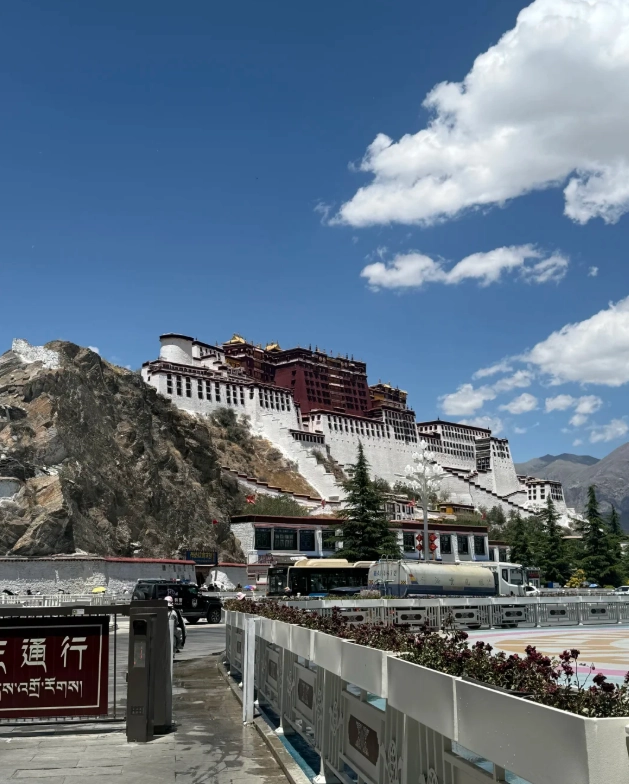
Your Burning Questions About What to Do in Tibet
Verified and fact-checked by the editorial team.





No comments yet.