 Hong Ma
Two steps in, someone shoves a lamb skewer at your face. It's 6 PM, the smoke stings your eyes, and you haven't even checked your map yet. — That's the Muslim Quarter for most first-timers. Total sensory overload.
I've walked this maze more times than I can count, and I still get lost between Beiyuanmen and Dapiyuan. But here's the thing: this isn't just a tourist street. It's a living, breathing food corridor that's been feeding Xi'an's Hui community for over a thousand years. When you book a muslim quarter xian food tour, you're not paying for a walking Wikipedia—you're paying for someone who knows which stall uses fresh lamb and which one reheats yesterday's leftovers.
The single most important thing to know before you go: avoid arriving between 6 PM and 8:30 PM on weekends. That's when domestic tour groups descend, and you'll spend more time queuing than chewing. Shoot for 4:30 PM on a weekday—the light is golden, the vendors are setting up, and you can actually hear yourself think.
Also, bring your passport. Some sit-down restaurants now require ID for dine-in during peak hours. And load Alipay or WeChat Pay with an international card beforehand—many stalls don't accept cash, and almost none take foreign credit cards directly.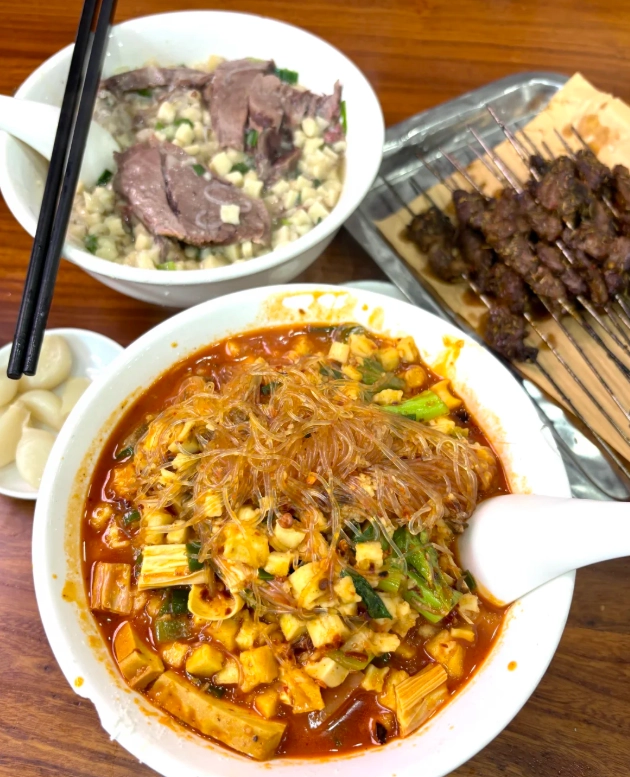
What's Inside My Pocket Guide
What Is a Muslim Quarter Xi'an Food Tour, Really?
Forget the glossy brochures—a proper Muslim Quarter food tour is a 2-4 hour guided walk through the backstreets of the Hui district, centered around Beiyuanmen Street and the lanes branching off it. You're not just eating; you're learning why this community's cooking tastes the way it does.
The area is anchored by the Great Mosque, a stunning blend of Islamic and Chinese architecture that's been standing since the Tang Dynasty. The mosque itself isn't a food stop, but it's the cultural heartbeat of the neighborhood. Entry is free for Muslims; non-Muslim visitors pay a small fee—I recall it being around 25 RMB, but confirm at the gate because policies shift seasonally. Address: Huajue Lane, off Beiyuanmen. Most days it's open from early morning until around 7 PM, but prayer times can restrict access.
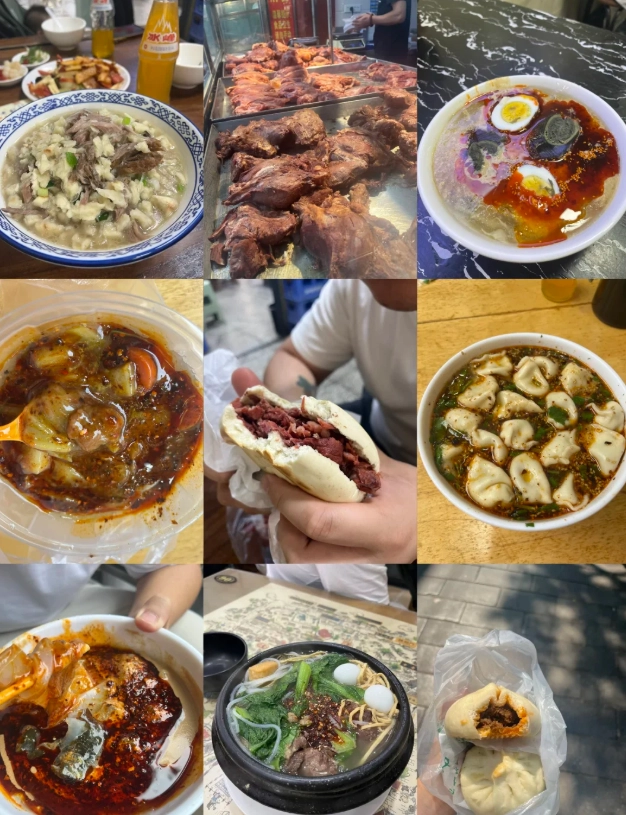
The food, though—that's the main event. The Hui community here is famous for its lamb and beef preparations, hand-pulled noodles, and a style of bread called yangrou paomo that you break into tiny pieces yourself before the broth is poured over.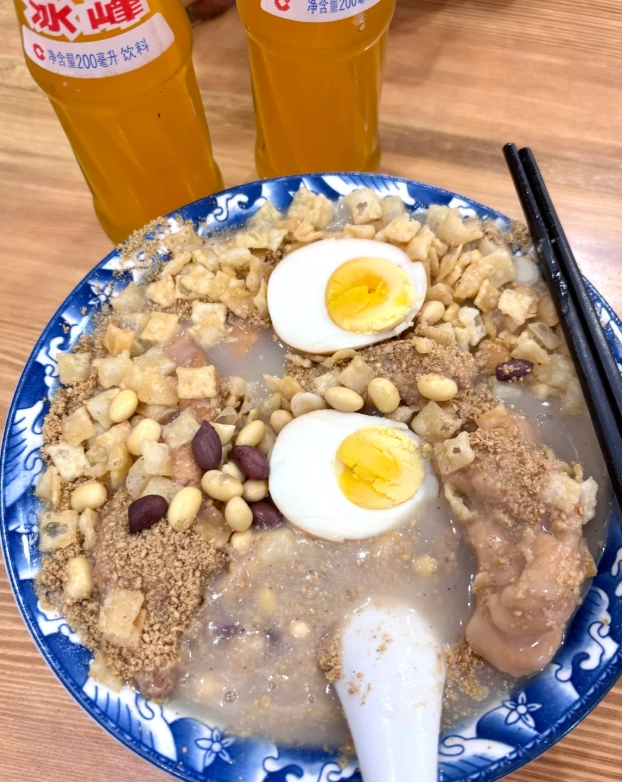
Pro Tip: Don't wear your favorite white sneakers. The cobblestones get slick with grease and pomegranate juice by mid-evening. I learned this the hard way on my third visit.
How to Choose a Food Tour That Isn't a Tourist Trap
The best food tours cap their group size at 6-8 people and include at least one sit-down stop where you cook something yourself or watch a noodle-pulling demo. If a tour promises “15 tastings in 2 hours,” run the other way—that's a factory line, not an experience.
Here's what to look for:
- Language matters: A guide who speaks English is great, but one who speaks English AND can translate the vendor's stories is gold. Ask upfront if the tour includes a local Hui guide or just a Mandarin speaker.
- Payment clarity: Reputable tours include all food costs. Cheap ones make you pay per tasting. Confirm before booking.
- Timing window: The best tours start around 4 PM or 5 PM—early enough to catch the lunch crowd thinning out, late enough that dinner stalls are in full swing.
- Meeting point: A specific, findable location like “exit B of Zhonglou Metro Station” is a green flag. “We'll WhatsApp you” is a red flag.
I've seen travelers get roped into “free” walking tours that end with a hard sell for overpriced tea sets. You get what you pay for. Budget 200-400 RMB per person for a legit small-group tour. Book through Trip.com or Klook if you want English-language support and a clear cancellation policy—those platforms are easier for foreign cards than WeChat mini-programs.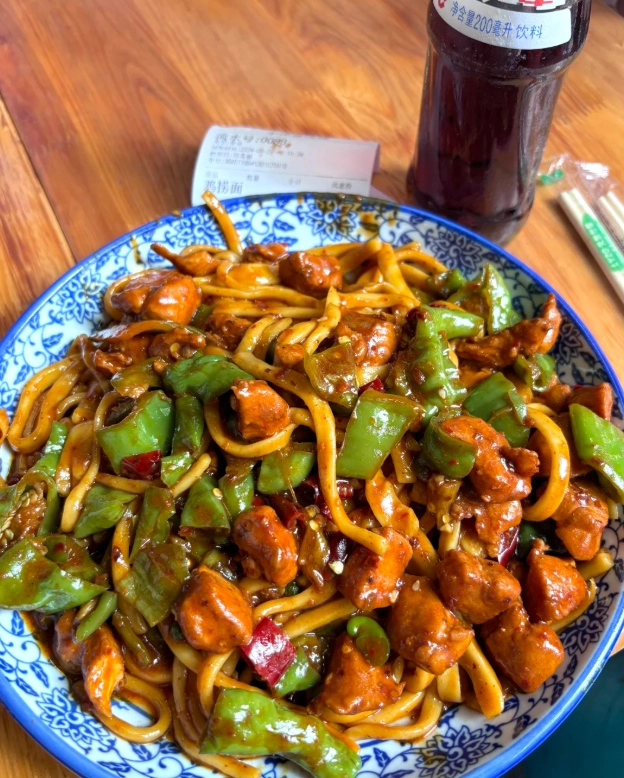
What to Eat in the Muslim Quarter: My Personal Hit List
Skip the first three stalls you see on Beiyuanmen—they're the highest-rent spots and often the lowest-quality food. Walk two minutes deeper into the side lanes, where the locals actually eat.
My Go-To Stalls and What to Order
Lao Sun Jia Yangrou Paomo (老孙家羊肉泡馍) — This is a Xi'an institution. You break the flatbread into the broth yourself; the smaller you crumble, the better it tastes. It's messy, it's hands-on, and it's worth it. Address is on Beiyuanmen, but the exact storefront number shifts with renovations—look for the bright green sign. A bowl runs about 35-45 RMB. They open around 10 AM and close when the broth runs out, usually mid-evening. No English menu, but there are photos on the wall. Point and you're fine.
Lamb skewers at any stall with a charcoal grill — You'll smell them before you see them. Cumin, chili, and sizzling fat. Most stalls charge 3-5 RMB per skewer. My rule: if the skewers haven't been pre-cooked and sitting in a pile, you're at the right place. If they're reheating, walk on.
Roujiamo (肉夹馍) — the Chinese “burger” — The best ones use hand-chopped pork belly or beef, stuffed into a flaky, wheat bun. A proper one drips juice down your wrist. Prices hover around 10-15 RMB. There's a stall near the Great Mosque entrance that I always hit—it's tiny, no seating, just a window. Cash or Alipay only.
Biangbiang noodles — Wide, long, belt-like noodles doused in chili oil and vinegar. The name comes from the sound the noodles make when slapped against the counter. You'll find them at several sit-down restaurants. One I frequent is tucked behind the main drag; it has English picture menus and accepts WeChat Pay. Expect 20-30 RMB per bowl.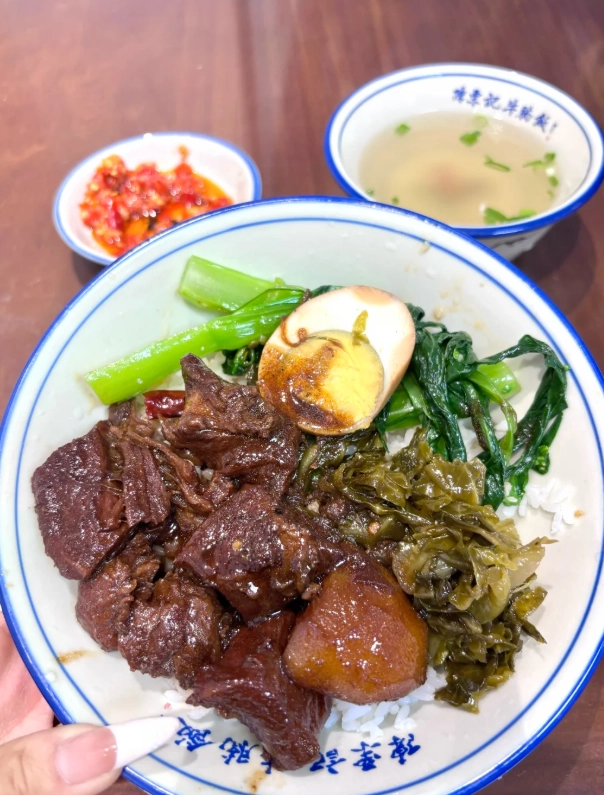
What to Drink
Pomegranate juice is the unofficial beverage of the Muslim Quarter. Fresh-pressed, tart, and everywhere. A cup costs 10-15 RMB. Watch them squeeze it in front of you—if it's coming from a jug, keep walking.
Avoid the neon-colored “fruit teas” sold near the main entrance. They're mostly sugar water. Your tastebuds will thank you.
| Food Item | Est. Price (RMB) | Where to Find It | Dietary Note |
|---|---|---|---|
| Yangrou paomo | 35-45 | Lao Sun Jia, Beiyuanmen | Halal, contains gluten |
| Lamb skewers | 3-5 per skewer | Charcoal grills throughout side lanes | Halal, not vegetarian |
| Roujiamo | 10-15 | Near Great Mosque entrance | Halal (beef) or pork—ask first |
| Biangbiang noodles | 20-30 | Sit-down spots off main drag | Halal, contains gluten |
| Pomegranate juice | 10-15 | Street carts everywhere | Vegan |
Best Time to Visit & How to Dodge the Crowds
Here's the non-consensus take: most guides tell you to go at night for the atmosphere, but I've watched too many travelers get elbowed in the ribs and spill their noodles. The secret window is 4:00-5:30 PM. The lunch crowd is gone, the dinner rush hasn't started, and the vendors are relaxed enough to chat.
Ramadan changes everything. During the fasting month, many stalls stay closed during the day and the whole quarter shifts to a post-sunset frenzy. If you're visiting then, plan to eat after 8 PM. I've seen the street absolutely packed at 9 PM during Ramadan—it's an experience, but not a peaceful one.
Weather-wise, summer afternoons are brutal. The narrow lanes trap heat, and the smell of grilled meat gets intense. Spring or autumn mornings are far more pleasant if you're sensitive to smoke.
Insider Advice: Enter from the west side, near the Great Mosque, rather than the main Beiyuanmen arch on the east. You'll skip the initial tourist crush and start with the quieter, more authentic stalls.
DIY vs Guided: Which Makes More Sense for You?
If you have dietary restrictions (vegetarian, gluten-free, nut allergies), a guided tour earns its money tenfold. Your guide can explain to vendors exactly what you can't eat—something Google Translate will fumble.
DIY is doable if you're adventurous and comfortable with pointing and smiling. But you'll miss the backstory: why the paomo bread is broken by hand, why certain stalls close early on Fridays, which alley has the best lamb. For first-timers, a 3-hour guided tour is worth the investment. For repeat visitors, DIY lets you follow your nose.
You can book guided tours through Trip.com, Klook, or your hotel concierge. Expect 250-400 RMB per person for a small-group English tour that includes food. Check the cancellation policy—some require 24-hour notice.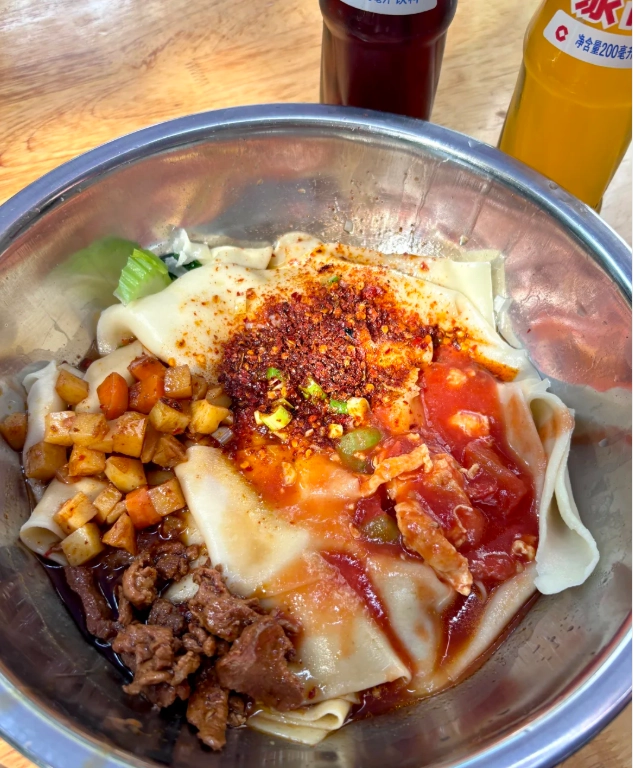
FAQ: Real Questions from Real Travelers
Can I use my international credit card at food stalls?
Almost never. Set up Alipay or WeChat Pay with your foreign card before you arrive. If you're stuck without mobile payment, a few larger restaurants accept cash, but many small vendors don't have change for a 100 RMB note. Break your bills at a convenience store first.
Is the Muslim Quarter safe for solo female travelers?
The area is generally very safe—it's crowded and well-lit. The bigger risk is pickpockets in the tight evening crowds. Keep your phone zipped in a front pocket and don't wave it around while taking photos. I've never felt threatened there, but I keep my wits about me after dark.
How do I handle dietary restrictions on a food tour?
Tell your guide at the booking stage, not on the day. Vegetarian options exist—think noodle dishes, vegetable skewers, and bread—but the scene is heavily meat-focused. Gluten-free is trickier; the staple carb is wheat bread and noodles. If you have a severe allergy, consider a private tour so the guide can fully customize the route without slowing down a group.
What if it rains during my tour?
The Muslim Quarter doesn't shut down for rain—vendors just pull tarps over their stalls. Wear a raincoat rather than carrying an umbrella; the lanes get too narrow for open umbrellas during peak times. Some sit-down restaurants have covered seating, but the best food is standing at a stall. Embrace the mess.
Do I need to tip my food tour guide?
Tipping isn't customary in China, but for private tours, a small tip (20-50 RMB) for excellent service is appreciated. Group tours typically don't expect tips. If you're unsure, ask the tour operator when booking.
Verified and fact-checked by the editorial team.


No comments yet.