 Jian Zhao
What's in this field guide
My first night in a Gobi desert camp wasn't luxury. It was me, a leaking air mattress, and a camel spider the size of my hand. That was fifteen years ago. Since then I've slept in over a dozen desert camps along the Silk Road—some worth every yuan, some a total scam. Here's the no-nonsense version.
Silk road desert camping has exploded in popularity, and for good reason. But the gap between "glamping" photos on Instagram and reality is wider than the Taklamakan. Below I'll show you how to book a luxury camp that actually delivers—hot water, real beds, and stars that make you forget your phone—without getting stuck in a tourist trap.
The single most important tip? Unless you are physically fit and heat-tolerant, skip July and August. I've watched fit hikers wilt by 10 a.m. in Dunhuang. Late September is the sweet spot—warm days, cool nights, and far fewer people.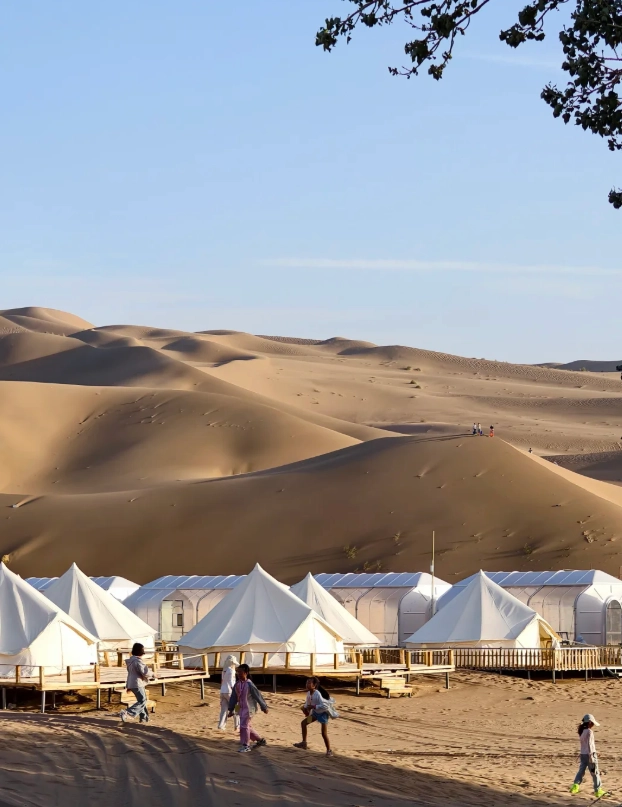
What Makes a Luxury Camp Actually Luxury?
Forget the word "luxury" on booking sites. In the Gobi, it means three things: a private bathroom with consistent hot water, a solid raised bed with real linen, and a camp that limits guest numbers. Everything else is decoration.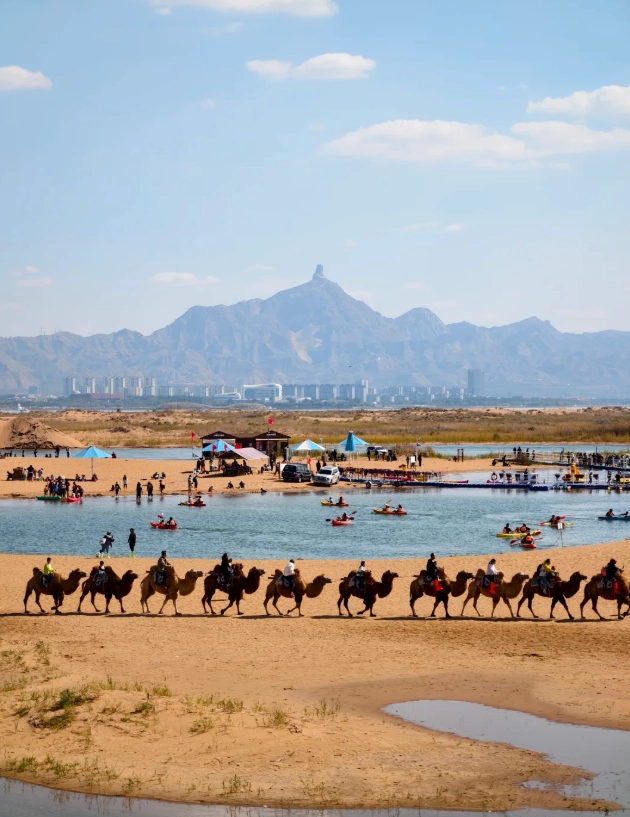
A private bathroom or it's not luxury
The non-negotiable upgrade is a private bathroom—specifically one with a propane-powered hot water system that works after sunset. Many camps advertise "private facilities" but share a single tank. Ask the camp manager directly: "Does each tent have its own water heater, and is there a backup?" If they hesitate, walk away.
The bed matters more than the tent fabric
Raised platforms with thick mattresses are the real luxury signal in Silk Road desert camping. I once stayed at a camp near Dunhuang where the "bed" was a foam mat on hard sand. Woke up feeling like I'd been kicked by a horse. Now I always request a photo of the actual bed setup before paying.
Where to Pitch Your Luxury Camp in the Gobi
Not all desert is equal. Here are the three areas I actually recommend to clients, based on access, scenery, and how well the camps manage waste and noise.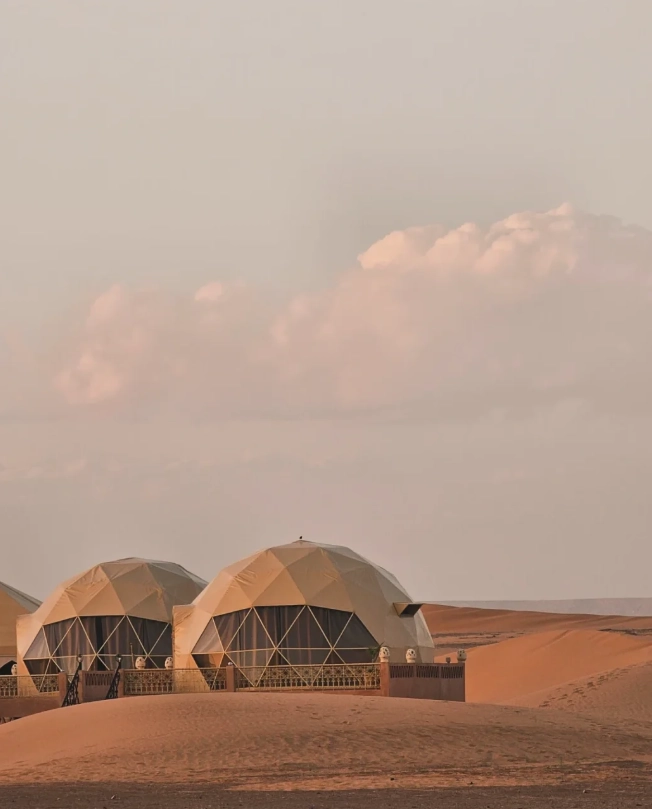
| Location | Best For | Typical Price Range (per night) | Access & Verdict |
|---|---|---|---|
| Dunhuang, Gansu (Mingsha Mountain area) | First-timers, families, photographers | ¥1,200–2,500 | 20 min by taxi from Dunhuang city. Closest to Crescent Lake. Most camps here are well-regulated. Book via Trip.com. |
| Minqin, Gansu (Tengger Desert edge) | Solitude seekers, budget-conscious luxury | ¥800–1,800 | 2.5 hrs drive from Wuwei. Quieter, fewer tourists. Some camps lack reliable hot water—verify first. |
| Taklamakan Desert, Xinjiang (near Kashgar) | Adventurous couples, off-grid experience | ¥2,000–4,000 | 3 hrs from Kashgar, mostly dirt road. Raw beauty but limited English. Go with a tour operator. |
Dunhuang is the safest bet for a first silk road desert camping trip. The camps there have learned to cater to foreign guests—English-speaking managers are common, and many accept Alipay with international cards linked. Just note: Google Maps is useless here. Download AMap Global or use Apple Maps, and screenshot the Chinese address to show your driver.
Pro Tip: The best light for photos in Dunhuang's dunes is 30 minutes before sunset. I always tell my clients to skip the crowded Mingsha Mountain main gate and instead walk 10 minutes west along the perimeter fence—fewer footprints, better angles.
How to Book a Silk Road Desert Camp as a Foreigner
This is where most travelers stumble. Chinese booking apps like Meituan and Fliggy are almost entirely in Chinese and require a Chinese ID or a complicated passport verification. Here's the workaround.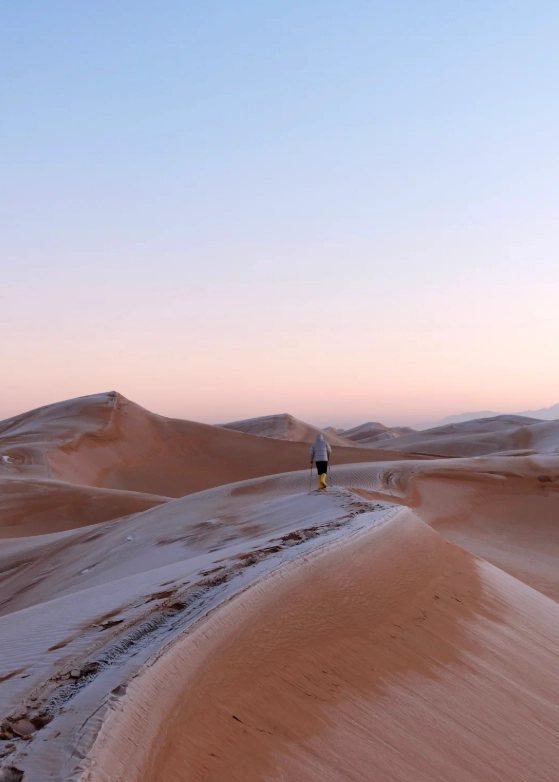
Use Trip.com and pay with a foreign card
Trip.com is your most reliable platform for booking a luxury desert camp near Dunhuang—it lists several camps with English descriptions and accepts international credit cards. Klook also works for some packages. Avoid paying deposits via WeChat direct transfer unless you've confirmed the camp is a registered business; scams exist.
Confirm the passport policy before you book
All camps in China must register foreign guests with the local police, but some smaller camps don't have the system set up. Always ask: "Can you register foreign passports?" Get it in writing via the booking platform's chat. I've had clients turned away at check-in because the camp wasn't licensed for foreigners.
What to Expect on the Ground, Night by Night
A typical two-night stay at a Dunhuang luxury camp runs like this. Use it to plan your own timing.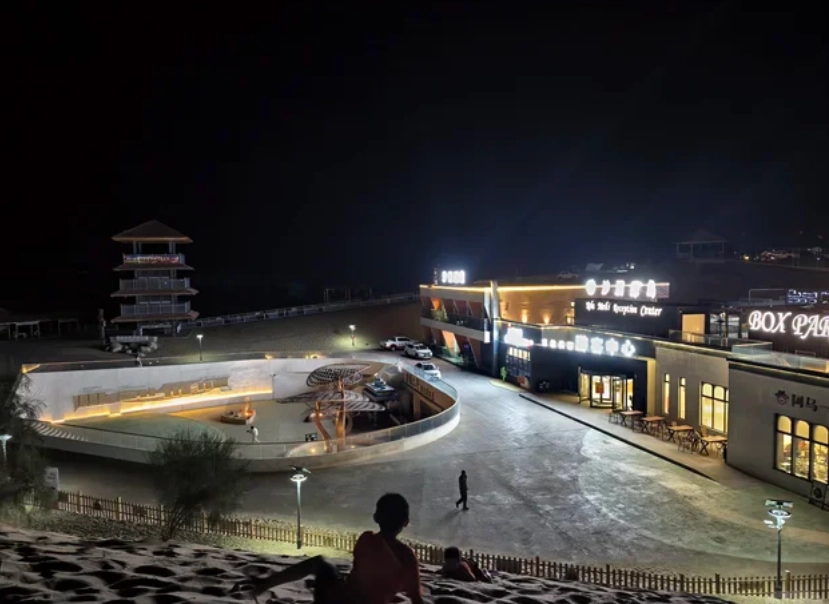
Arrival and sunset
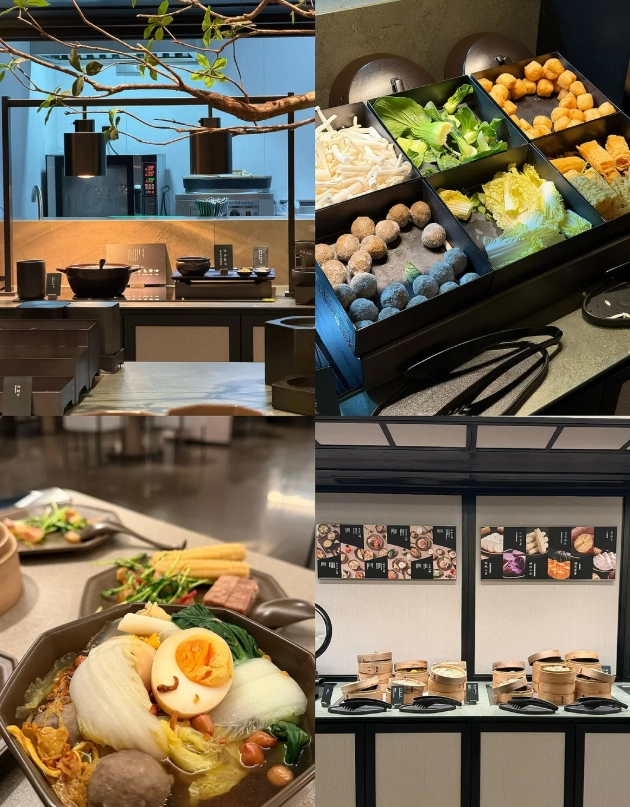
Most camps offer free pickup from Dunhuang city around 4 p.m.—take it, because finding the camp entrance yourself in the dark is a nightmare. You'll arrive with time to drop bags, take a shower, and walk to a nearby dune for sunset. Dinner is usually a simple buffet or hotpot, served from 6:30 p.m.
Night sky and sleep
The camp generator usually shuts off around 11 p.m., so charge your devices before then. Bring a small power bank. The silence is profound. If you're a light sleeper, pack earplugs—desert wind can flap tent fabric all night. And yes, the stars are worth staying up for.
FAQ About Silk Road Desert Luxury Camping
Verified and fact-checked by the editorial team. This content has been fact-checked to ensure informational precision.
No comments yet.