A diverse coastal province known as the birthplace of Confucius, home to the sacred Mount Tai, the Yellow River Delta, and historic coastal cities like Qingdao and Yantai.
Shandong Travel FAQ
Can I tap a foreign credit card directly on the Qingdao Metro gates?
Not reliably, and I would not build a plan around it. Physical Visa, Mastercard and Amex cards do not work at the turnstiles, and most ticket machines reject them too. The workaround is Alipay: link your card, open the Transport section, activate the city QR code, and scan that at the gate. Do it on hotel Wi-Fi the night before, because activation occasionally needs an SMS to your home number and station signal is unreliable.
Is the Jinan metro actually useful for sightseeing?
Barely, and I would rather you know that now than after you have walked two kilometres from a station with nothing around it. Jinan's lines were built for commuters and rail connections. Ride Line 2 to Jinan Railway Station North, then take a Didi for 10 to 15 minutes to the Baotu Spring area. It costs around 12 to 15 yuan and saves you a hot, pointless walk.
I land at Qingdao Jiaodong Airport at 11pm — can I still reach the city by metro?
Possibly, but check the last-train board at the station rather than assuming. Metro services generally stop between roughly 22:00 and 23:00, and each line has its own final departure. If you miss it, use the official taxi rank or hail a Didi through Alipay — expect a metered fare well over 100 yuan and 45 to 60 minutes to the old town. Ignore anyone approaching you inside the terminal offering a ride.
Do I need a VPN just to use the metro and buy tickets?
Not for Alipay, which works fine on Chinese networks, but you will want one for Google Maps, Gmail and Instagram. Install the VPN before you fly, because downloading it after arrival is the part people get stuck on. Pair it with a translation app that has the offline Chinese pack — WeChat mini-programs for metro and scenic-area bookings are Chinese-only, and if the interface defeats you, hand your phone to your hotel receptionist and let them tap through it.
Are the Qingdao and Jinan metros manageable with a stroller or a wheelchair?
Newer lines are genuinely good — lifts down to platform level and full-height platform screen doors. Older interchange stations are patchier, and a handful of exits are stairs only. Look for the lift symbol on the concourse exit map before you commit to a direction, and remember the gap between train and platform can be wider than you expect. Station staff will help if you ask, though English is limited.
Are these free attractions open during winter in Shandong?
Most are open year-round, but expect colder weather and fewer crowds. The beach areas in Qingdao, like Zhanqiao, can be windy and misty in winter. Jinan's springs actually steam in winter, creating a magical atmosphere. Just bring a heavy jacket and waterproof boots.
Do I need to book any free spots in advance?
Generally no, but some municipal museums that are free require a reservation with your passport. For the outdoor spots listed here, you can just show up. However, during national holidays (first week of October), even free spots can get crowded. I suggest going early or skipping the holiday chaos entirely.
Can I use my credit card at these free locations?
For the attractions themselves, no payment is needed. But if you want to grab a drink or snack nearby, cash is still accepted everywhere, while international credit cards work at major hotels and some restaurants. Always carry a small amount of cash as backup. Mobile payment with Alipay or WeChat Pay is your best friend.
Which city has better free things to do, Qingdao or Jinan?
It depends on your taste. Qingdao offers coastal charm and European architecture, perfect for a leisurely seaside day. Jinan has a more traditional Chinese vibe with springs and courtyards. I always suggest spending two days in each if time allows. Both cities have enough free spots to satisfy a week of exploration.
How can I stay safe while visiting these free attractions as a foreigner?
These areas are safe and heavily policed. Still, keep an eye on your belongings in crowded markets and avoid walking alone late at night along quieter parts of the coast. Also, watch for pickpockets on public transport—the same as any big city. Always have your passport or a copy on you, as police may ask to see it.






Recent Reviews
Qufu was a deeply moving place — walking through the Confucius Temple with those thousand-year-old cypress trees felt like stepping back in time. The Kong Family Mansion was fascinating too. Then I went to Tai'erzhuang Ancient Town, and the canals, bridges, and lanterns at dusk were like a painting. Everything was well preserved, easy to explore, and completely worth the trip. A perfect few days in Shandong.
Shandong cuisine is seriously underrated! I came for the sights but stayed for the food. The scallion pancakes, sweet and sour carp, and braised sea cucumber were all incredible. Even a tiny street stall in Jinan served the best dumplings of my life. Huge portions, bold flavors, and genuinely warm hospitality. I'm still dreaming about those meals and can't wait to return.
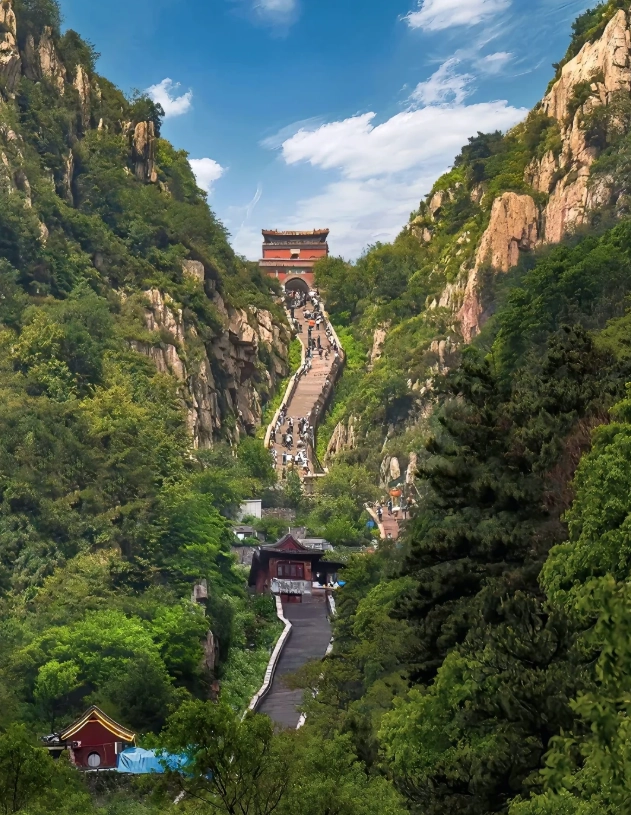
Climbing Mount Tai at sunrise was absolutely life-changing. The stone steps nearly killed my legs, but standing above the clouds as the sky turned gold made every second worth it. You could feel the history in the carvings and old temples along the way. Shandong surprised me in the best way. I'd go back in a heartbeat.
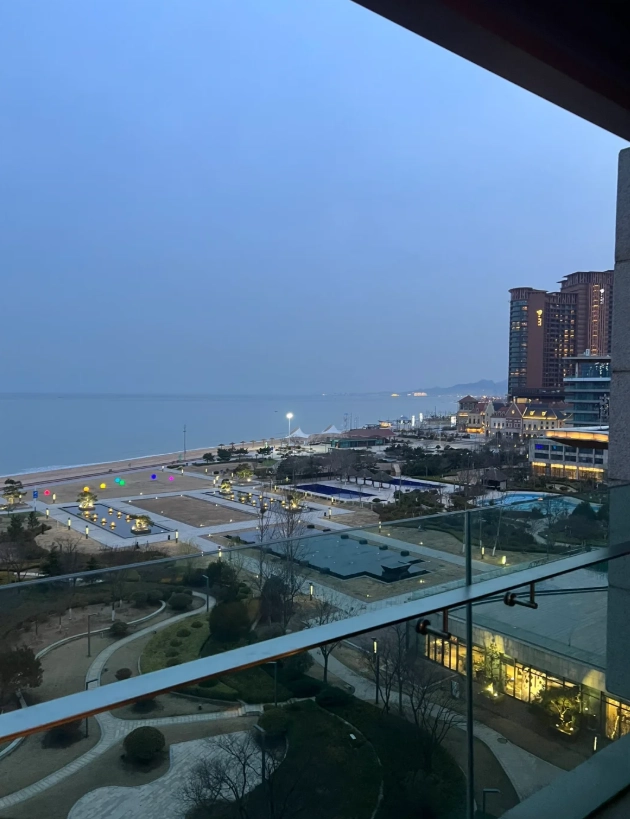
Spent a week traveling along Shandong's coast and really enjoyed it. Qingdao's beer culture and old German buildings were fun, and Yantai had this relaxed seaside vibe that made me want to stay longer. Fresh seafood was everywhere and delicious. Only reason not giving full marks: getting around was tricky at times, with limited English on buses and some station signs. But overall a solid 4-star trip.
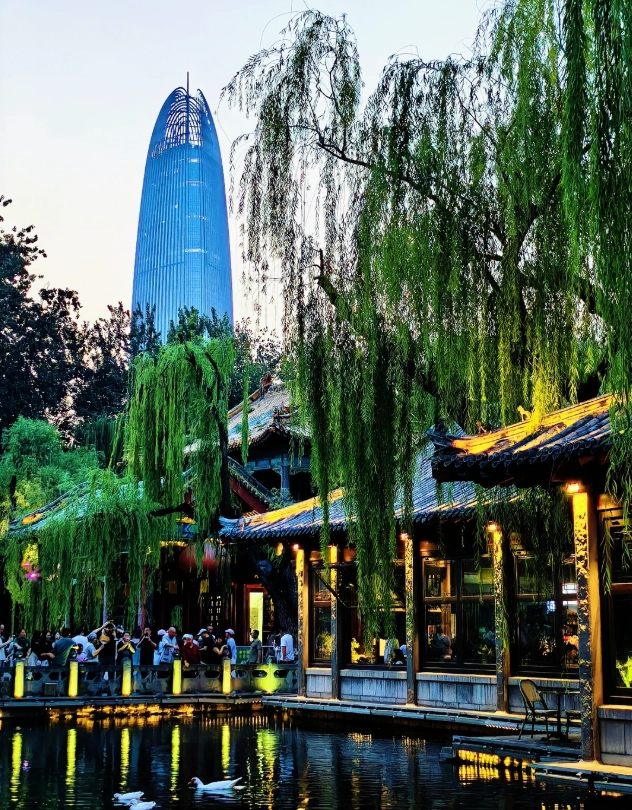
I really wanted to love Shandong, and parts of it were beautiful, but too many spots felt overcrowded and rushed. Baotu Spring in Jinan was more like a mob scene than a peaceful park, and Qufu's Confucius Temple was packed with tour groups shouting over each other. The food was decent, but one restaurant in Jinan gave us attitude when we asked about the menu. It's not all bad, but I left feeling a bit let down by the experience.
The Great Wall of Qi is a hidden gem. It's not as crowded as the sections near Beijing, and the rugged mountain scenery is stunning. We spent a whole day hiking a remote stretch near Jinan, and the sense of solitude was incredible. The stone watchtowers are crumbling but that's what makes it feel authentic. If you want a real adventure off the beaten path, this is it. Can't recommend enough!
Leave a Review