 Gang Zheng
Quick Scan — Where Do You Want to Sleep?
- The Reality Check Nobody Gives You
- Where to Stay in Jilin Province
- Best Hotels in Jilin: My Working Shortlist
- How Do I Book a Hotel in Jilin as a Foreigner?
- What Should You Check Before You Pay?
- Winter Traps That Have Cost Me Money
- Only 24 Hours in Jilin City? My Plan
- FAQ: Questions Travelers Actually Ask Me
Minus twenty-two outside. My gloves were in the room. And the room sat above a noodle shop.
That was the night I stopped trusting map pins in Jilin. A client had booked what the listing called a riverside hotel in Jilin City, based on a photo of a frozen river. Beautiful shot. Wrong building. No English sign, and a receptionist who had never once registered a foreign passport.
Booking the best hotels in Jilin is not the hard part. Doing it from another country — with a foreign credit card, a booking page that keeps asking for a Chinese ID number, and Google Maps quietly lying to you — is where good trips fall apart.
So here is the conclusion first: base yourself in Changchun if you are moving by high-speed rail, in Jilin City if you came for winter rime and river mornings, and inside the Changbaishan resort cluster if you are skiing. Before you pay anyone, send one message: "Can you register a foreign guest?" If the reply is vague, keep scrolling.
Everything else — the shortlist, the price bands, and the traps I have already paid for — is below.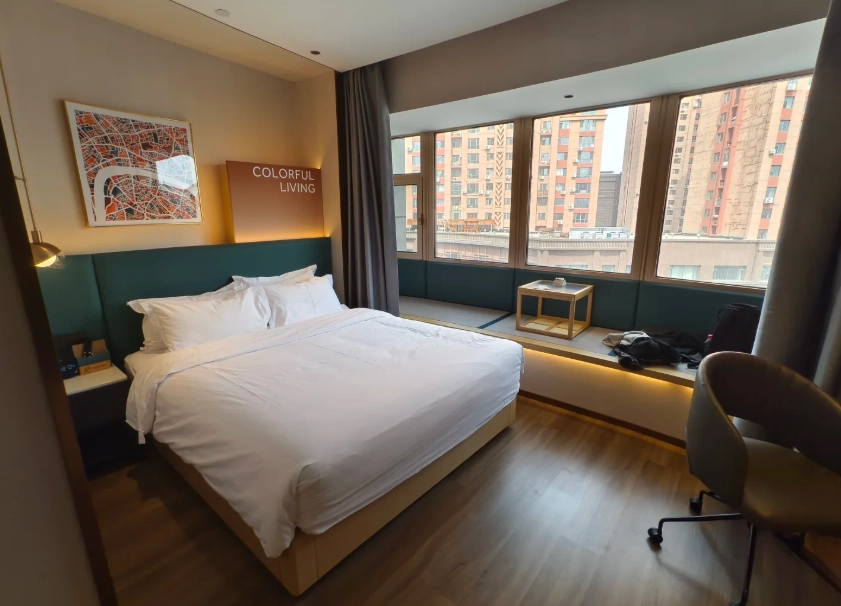
Jilin Hotels: The Reality Check Nobody Gives You
Plenty of Chinese hotels will happily take your money and only then discover they cannot legally register your passport. This is the biggest booking mistake I see, and it has nothing to do with stars or price.
Hotels in China are required to report foreign guests to the local police as part of the stay registration system, and the rules are published by the National Immigration Administration. City hotels handle it in two minutes at check-in. Small family inns, farm stays and anything advertising itself as a "guesthouse" often do not have the setup at all. I have watched a couple stand in a snowy courtyard with their luggage, being politely turned away.
Pro Tip: Ask about foreign guest registration before you pay, not after. Screenshot the answer. In smaller Jilin towns this single question saves entire evenings.
Then there is money. International branded hotels will swipe your Visa or Mastercard. Most domestic mid-range and budget properties will not, and cash is technically accepted but the front desk may not have change for a 100 RMB note at 11pm. Alipay and WeChat Pay both accept foreign cards now, and that is the setup I tell every client to build before landing. A refundable deposit of roughly 200 to 500 RMB at check-in is normal — pay it by phone if you can.
Heating deserves its own warning. Northern China's official heating season runs from late October into early April, and when it is on, rooms often sit around 26°C with sealed windows. Sleep in a T-shirt, pack a light humidifier if your throat is sensitive, and ask whether the radiator can be turned down. In shoulder weeks, confirm the heat is actually switched on — I have checked into a cold room in a hotel that assumed everyone would ask.
Wi-Fi is rarely the problem. Google is. Install a VPN before you fly, and put Apple Translate or Baidu Translate on your home screen for the front-desk conversations you are definitely going to have.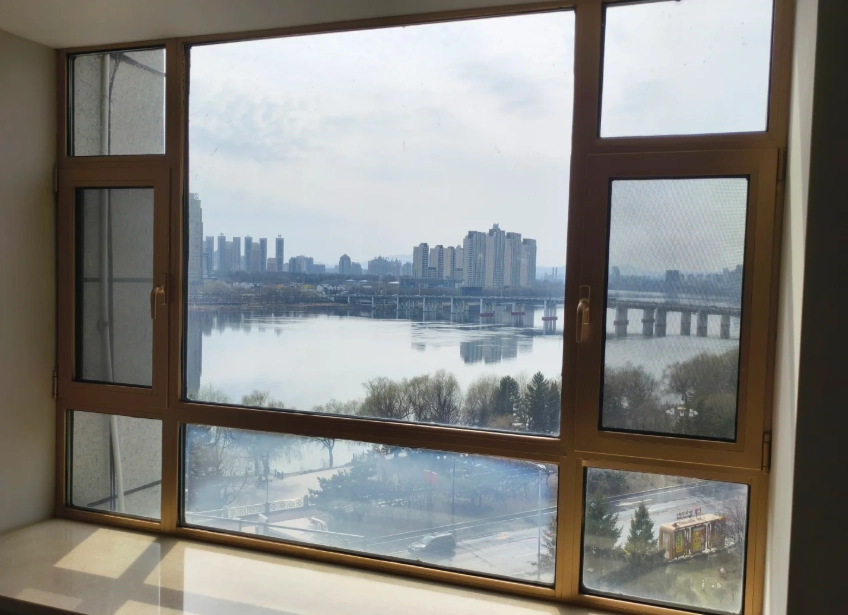
Where to Stay in Jilin Province: Pick Your Base First
Jilin Province is not a single destination, and the distance between its highlights is what ruins most first itineraries. Choose one base per leg, not one hotel for the whole trip.
| Base | Best For | Getting There | Typical Nightly Rate (RMB) |
|---|---|---|---|
| Changchun | First night off the plane, business, rail connections | Longjia International Airport, roughly 30 to 40 minutes by taxi into the center | 300–1,400 |
| Jilin City | Winter rime, river walks, cheap food streets | Roughly 40 to 50 minutes by high-speed train from Changchun | 200–800 |
| Changbaishan Resort | Skiing, families, hot springs | Roughly 30 to 40 minutes by car from Changbaishan Airport, with resort shuttles | 700–4,000 |
| Erdaobaihe Town | North Slope access, budget base | Around 15 minutes by taxi from Changbaishan rail station | 200–600 |
| Yanji | Korean-Chinese food, border-region day trips | High-speed rail from Changchun, several hours | 250–700 |
Changchun: the rail hub, and where I put first-night arrivals
If your trip involves trains, Changchun is the base that saves you the most time. It has the airport, the biggest hotel inventory, and the connections that reach Jilin City, Yanji and the Changbaishan line. Trains are booked on the official China Railway 12306 platform or through an English-language booking app — either way you scan your passport at the gate, so keep it in your pocket, not in your suitcase.
One honest warning: hotels clustered right around the station are convenient and loud. I move clients two or three metro stops away for the same money and a quieter night.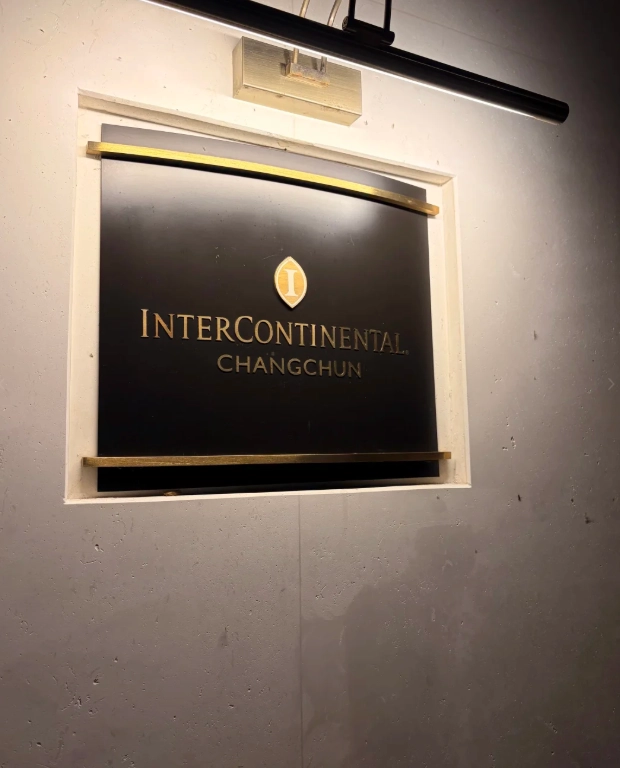
Jilin City: rime, river, and no international luxury
Jilin City has no international five-star, and pretending otherwise wastes your search time. What it does have is riverfront four-stars and dependable midscale chains, and the only thing that really matters is which side of the Songhua River you wake up on.
Book the riverfront if your mornings are about the rime and the embankment walk. Book near the railway station if you are leaving early. Avoid the cheapest rooms in the old commercial district: no elevator, street-facing windows, and "river view" listings that face a construction site. Read photo reviews from the past month, never the hotel's own gallery.
Changbaishan: resort cluster or Erdaobaihe town?
The Wanda Changbaishan resort cluster and Erdaobaihe town serve two completely different trips. The resort is a self-contained bubble — slopes, hot springs, restaurants, shops — and it sits on the western side, a drive away from the classic scenic gates. Erdaobaihe is the town at the North Slope entrance, and it is where you sleep if the crater lake is the whole point of your trip.
That distinction matters more than any star rating, because the summit road closes when the wind picks up, sometimes by mid-morning. Sleeping in town buys you an early start and a real chance. Sleeping at the resort buys you a better bed and a shorter ski queue.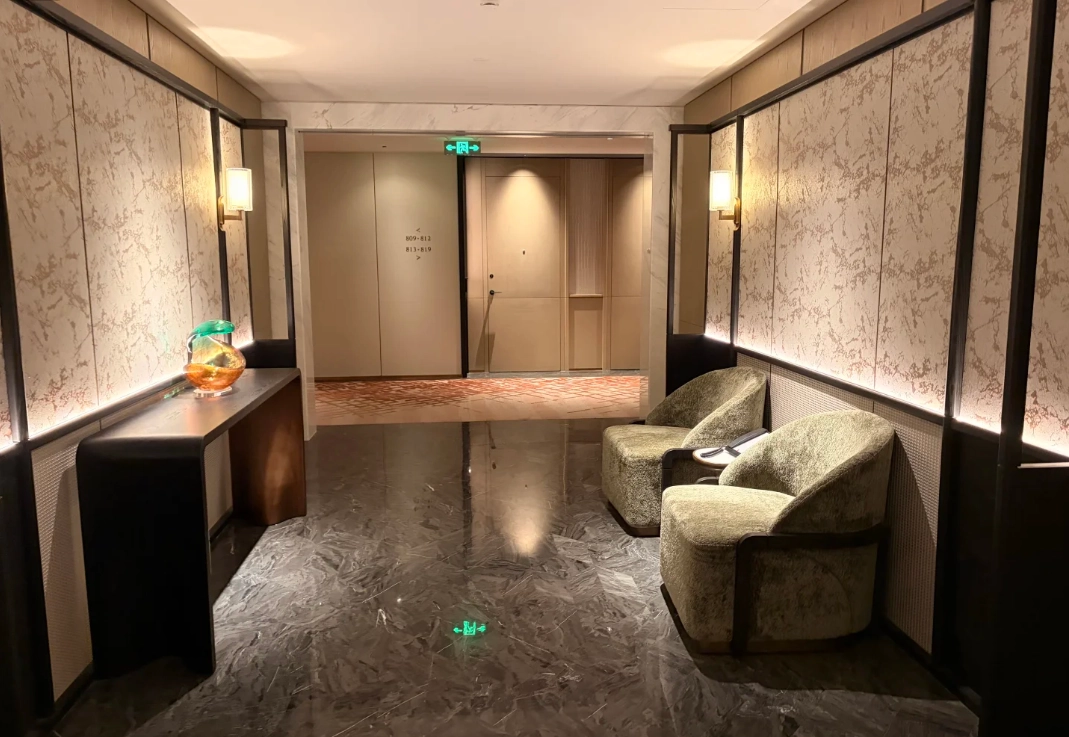
Yanji, Tonghua and Ji'an: the stops most itineraries skip
Yanji is worth a night or two purely for the food — Korean-Chinese barbecue, cold noodles and a bilingual street scene that feels nothing like the rest of the province. Further south, near Ji'an, the capital cities and tombs of the ancient Koguryo kingdom hold a UNESCO World Heritage listing. Hotel choice there is thin, so Tonghua is the practical base and you drive out to the sites.
Best Hotels in Jilin: My Working Shortlist
I list districts and landmarks rather than street numbers on purpose. Chinese addresses get mangled by translation, and the version printed on your booking confirmation is the one a driver can actually use. Rates below are realistic bands, not fixed prices — ski peak and Spring Festival can double them overnight.
| Hotel | Area & Landmark | Est. Nightly Rate (RMB) | Best For |
|---|---|---|---|
| Park Hyatt Changbaishan | Resort cluster, ski-in and ski-out | 2,000–4,000 in ski peak | Couples, quiet splurge |
| Hyatt Regency Changbaishan | Resort cluster, a few minutes from the lifts | 1,200–2,500 | Skiers who want a pool and a spa |
| Sheraton Changbaishan Resort | Resort cluster, near the commercial street | 1,000–2,000 | Groups, apres-ski dinners |
| Holiday Inn Resort Changbaishan | Resort cluster, family wing | 700–1,400 | Families with kids in ski school |
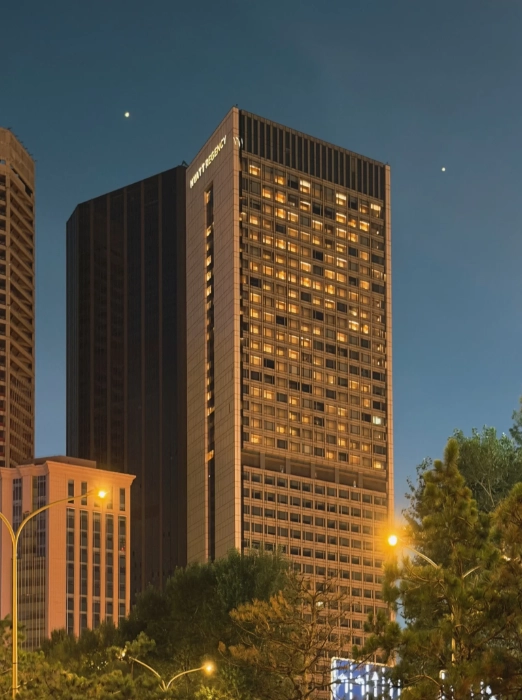
| Hyatt Regency Changchun | Central Changchun, walkable to the shopping core | 800–1,400 | Business, first night, English front desk |
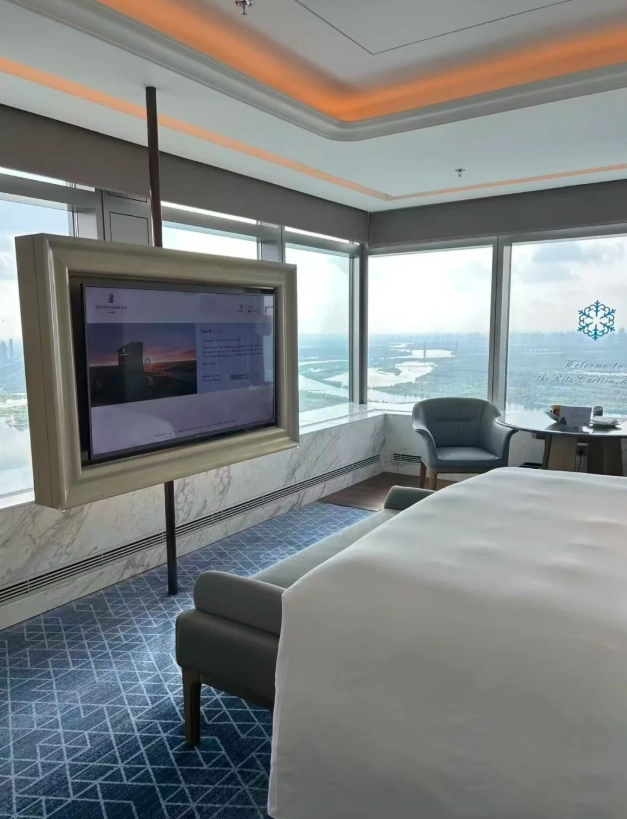
| Shangri-La Changchun | Chaoyang District, near Nanhu Park | 700–1,300 | Couples, longer stays |
| Atour, Ji Hotel or Hampton by Hilton | Multiple locations across Changchun and Jilin City | 300–600 | Solo travelers, clean and predictable |
| Wusong Island farm stays | Hantun and Zengtong villages, Wula Street area | 200–500 | Rime photographers, one or two nights |
Changbaishan: what each resort hotel actually feels like
The Park Hyatt is the one I book when a client says "I don't want to see another human before breakfast." It is also the most expensive, and in the off-season the whole cluster can feel half-asleep, with restaurants running reduced hours. That is not a defect, just a fact — check what is open before you commit to three nights in the snow.
Holiday Inn Resort is where I send families, and it is not a downgrade. Bigger rooms, shorter walks to the ski school meeting point, and you are not paying a premium for ski-in access your eight-year-old will never use. For a couple who skis hard and wants a spa at the end of it, Hyatt Regency hits the sweet spot.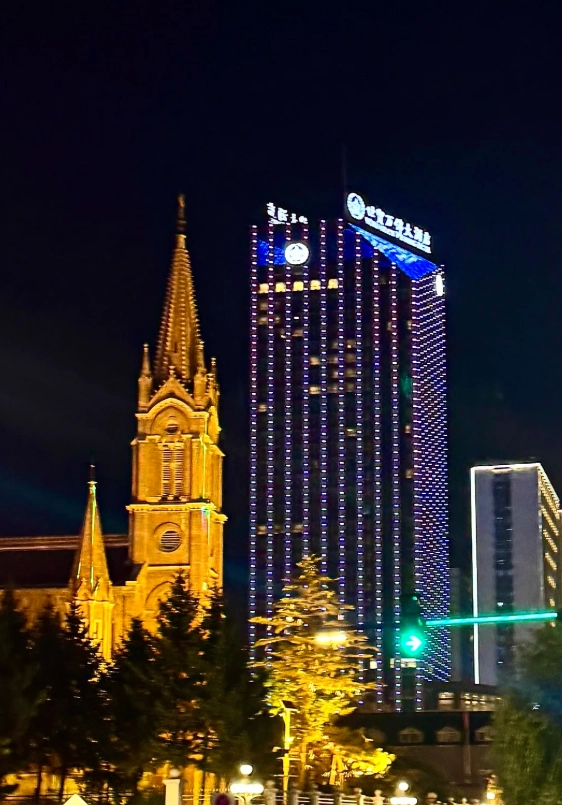
Changchun: where I put clients off the train
Both the Hyatt Regency and the Shangri-La give you what actually matters on arrival: a front desk that speaks English, Wi-Fi that holds a video call, and a breakfast that runs late. Shangri-La sits close enough to Nanhu Park for a jet-lagged morning walk.
For budget-conscious travelers I point people at Atour and Ji Hotel. Small rooms, excellent beds, no pool, and a breakfast of congee and steamed buns that you will learn to love. If you need a photo menu, ask — most staff will pull one up on their phone.
Jilin City: what I book and what I skip
Pick the riverfront for atmosphere, pick the station area for logistics, and skip anything advertising a view without recent guest photos. Midscale chains here are a genuine bargain — you are paying a third of Changchun prices for a warm room and a five-minute walk to the embankment.
One detail nobody mentions: ask whether your room faces the road or the courtyard. Winter traffic on ice is loud, and the difference in sleep quality is real.
Wusong Island homestays: cheap, atmospheric, risky
Staying on the island means you are shooting rime at sunrise while the tour buses are still crossing the bridge. That is the entire argument, and it is a good one. The trade-off is a heated brick platform bed, a shared bathroom in the cheaper rooms, and hot water that sometimes runs on a schedule.
Ask two questions before booking: is the hot water available around the clock, and does the room have its own heater rather than relying on the building's. Then ask about foreign guest registration. Many village hosts can handle it. Some genuinely cannot, and they will tell you honestly if you ask early.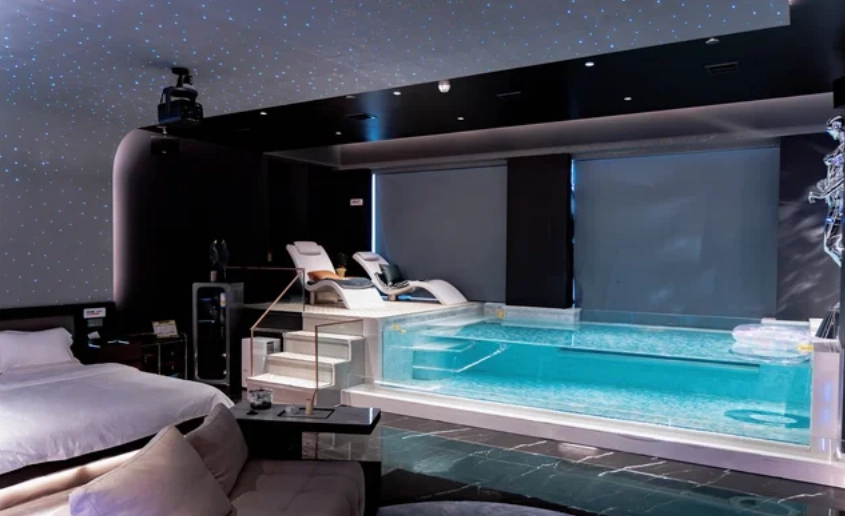
How Do I Book a Hotel in Jilin as a Foreigner?
The simplest working route is an international booking platform plus one direct message to the hotel. Everything else is detail.
- Book on Trip.com or Klook if you want English, an international card and a free-cancellation filter. Both show the Chinese-character address you can show a taxi driver.
- Ctrip is the same company as Trip.com but Chinese-facing — useful for last-minute domestic rates, painful without Chinese.
- Message the property before paying and ask about foreign guest registration, English at the front desk, and whether breakfast is included.
- Expect to hand over your passport at check-in. It will be scanned or photographed. That is normal and required.
- Book trains separately through 12306 or an English app. You need your passport number, and you scan the passport itself at the gate.
- Keep the registration slip your hotel gives you. Some properties ask for it when you check in somewhere else.
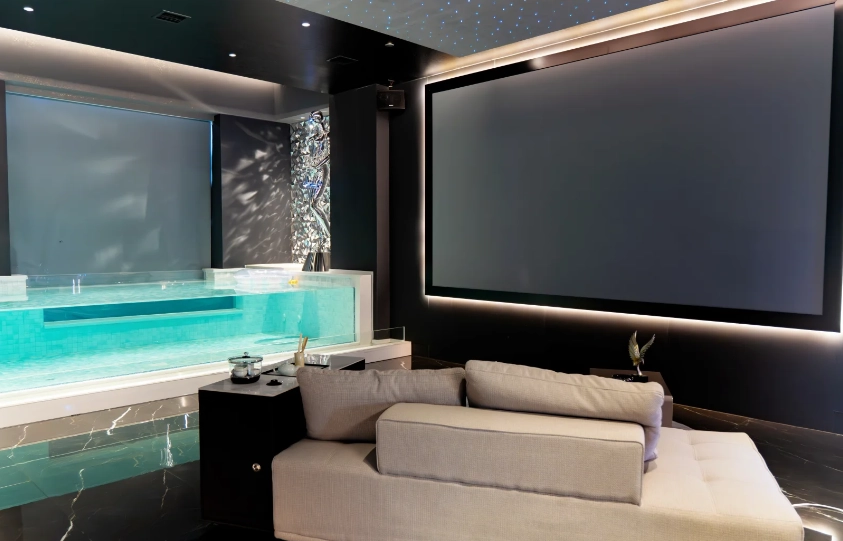
Insider Advice: Yes, navigating a WeChat mini-program in pure Chinese to book a scenic-area ticket is a nightmare even for me. Do not fight it. Hand your phone to the hotel front desk and ask them to do it — I do this most weeks, and it takes them ninety seconds.
What Should You Check Before You Pay for a Jilin Hotel?
Five minutes of checking beats a sleepless night at minus twenty. This is the list I run through with every client.
- Heating type — underfloor, radiator or split air conditioning. Ask whether the room is warm at night, not whether the hotel has heating.
- Hot water hours. If the answer is "mostly," book elsewhere.
- Elevator. Older Jilin buildings often have none, and you will be carrying luggage up stairs in boots.
- Window orientation — road side or courtyard side, and whether the windows open at all.
- Walking minutes to the nearest convenience store and to the metro or bus stop, measured honestly rather than optimistically.
- Breakfast included or not, and the serving window. Many kitchens close sharply at 9am.
- Cancellation terms during rime season and ski peak. A lot of these rates are non-refundable.
- Luggage storage after checkout. Almost every hotel in China offers it free, but confirm if you have a late train.

Winter Traps That Have Cost Me Money
Rime is weather, not a schedule. It needs cold, moisture and still air at the same time. Hotels on Wusong Island will sell you a room for a night when nothing forms at all, and nobody will mention it. Check the local rime forecast the day before, keep your plans flexible, and treat any two-night booking as a gamble you are willing to lose.
Heating overshoots. A sealed room at 26°C sounds luxurious until you wake up at 3am with a dry throat. Crack a window if it opens, drink more water than you think you need, and pack one T-shirt.
The summit road closes. Heaven Lake is frequently invisible behind cloud or shut by wind, and the decision is made that morning, not the night before. Ask your hotel to check the scenic area's official notice before you commit to the drive.
Only 24 Hours in Jilin City? My Plan
Assume you arrive the night before and leave the following evening. Here is how I would spend it.
05:30 — Taxi from your hotel toward Hantun and the Wusong Island crossing. Budget roughly an hour and around 100 to 150 RMB one way. Use the ride-hailing app rather than a driver waving at you at the station, and agree the fare before you get in if you do take a street taxi.
06:45 — On the island. This is the coldest and most photogenic window. Rime is thickest right around sunrise and starts burning off by mid-morning. Keep your spare camera battery inside your jacket; at these temperatures they die fast.
09:00 — Back across, then breakfast in the city. A bowl of hot wonton soup or beef noodles costs very little and resets your core temperature.
10:30 — Beishan Park. Temples, a frozen lake and locals dancing in the cold. Free entry, and an easy ninety minutes at a slow pace.
12:30 — Lunch. Jilin does braised pork with pickled cabbage extremely well, and the city's Korean-Chinese kitchens are excellent value. Expect photo menus in most places, and bring your translation app for the rest.
14:00 — Songhua River embankment walk. The river does not fully freeze here because of the dam upstream, and that is exactly why the rime exists. Late afternoon light on the water is the best of the day.
15:30 — Plan B for brutal weather. The Jilin City Museum and its meteorite collection is warm, cheap and quiet; the 1976 meteorite shower dropped one of the largest stony meteorites ever recovered, and it is right there in the hall.
17:00 — Hot pot or barbecue, then sleep early. You will be up before dawn again if the forecast looks good.
If you are not a morning person, flip the day: walk the river at dusk instead and accept that you may not see rime. That is the honest trade, and I would rather you know it now than find out at the ferry dock.
FAQ: Questions Travelers Actually Ask Me
Can foreign tourists stay anywhere in Jilin?
In practice, no. Any licensed hotel can register you, but many small inns, farm stays and older guesthouses will refuse a foreign passport, usually because they have never done the paperwork. Bigger hotels in Changchun and Jilin City almost never refuse. If you want a village homestay near Changbaishan or on Wusong Island, message first and treat a slow, vague reply as a no.
Do hotels in Jilin accept international credit cards?
International brands and upper-tier city hotels will. Most domestic mid-range and budget properties will not swipe a foreign card at all, and some will tell you they take cash while having no change. Set up Alipay or WeChat Pay with your card before you arrive, and keep a few hundred RMB in small notes as backup. It is the single most useful thing you can do before flying.
Should I stay inside the Changbaishan resort or in Erdaobaihe town?
Decide what you came for. If Heaven Lake is the goal, sleep in Erdaobaihe — the North Slope gate is minutes away and the summit road often closes by mid-morning, so proximity is worth more than thread count. If you are skiing, stay in the resort cluster and stop worrying about the lake. Trying to do both from one hotel is how people end up spending four hours a day in a car.
How far ahead should I book for rime season or ski peak?
For Wusong Island rooms, three to six weeks out is sensible, because there are only so many beds in those two villages. For the Changbaishan resort during Spring Festival, think two months, and expect non-refundable terms. My honest advice for rime: book a flexible city hotel as your anchor and add one island night at short notice once the forecast looks right.
What if my hotel cannot register my passport when I arrive?
Do not argue at the desk — it is not a policy the receptionist can bend. Ask them to call the local police station for guidance, and if that goes nowhere, move to a larger hotel nearby. This is exactly why I tell clients to book their first night in a city hotel with an English-speaking front desk, and save the village stays for later in the trip.
Verified and fact-checked by the editorial team. Rates, opening hours and transport details shift with the season and with local conditions, so confirm directly with the property or the official booking channel before you pay.





No comments yet.