 Wei Zhang
Pandas, Buddhas, and alpine lakes – that's Sichuan in three words. I've guided dozens of travelers through this province, and every time someone asks me 'what's the must see in Sichuan?' I say the same thing: it's not one place, it's a handful that beat the hype. Here's the catch – most visitors underestimate the distances and overestimate their stamina. You can't 'do' Sichuan in 48 hours. But you can hit these 7 spots with the right game plan.
What's Inside This Guide
- Why These 7 Spots Are the True Must Sees in Sichuan
- Chengdu Panda Base – Visit Before the Pandas Nap
- Leshan Giant Buddha – A 71-Meter Marvel
- Mount Emei – Sacred Peaks and Sunrise
- Jiuzhaigou Valley – Nature's Masterpiece
- Huanglong – Terraced Pools Like a Waterfall of Jade
- Daocheng Yading – The High-Altitude Pilgrimage
- Dujiangyan – Ancient Irrigation, Modern Genius
- How to Plan Your Sichuan Itinerary Without Overheating?
- What Do First-Timers Need to Know About Paying and Booking?
- Frequently Asked Questions (FAQ)
Why These 7 Spots Are the True Must Sees in Sichuan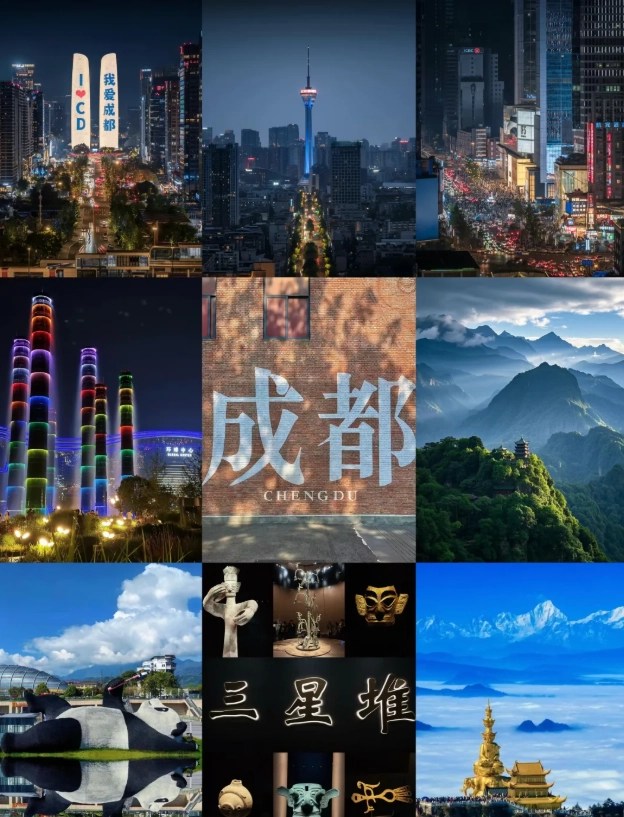
I've spent years guiding first-timers around Sichuan, and these 7 places consistently leave them speechless. They mix culture, history, and raw nature in a way no other province can match. Yes, there are dozens of beautiful valleys and temples, but these are the ones that justify the travel time. Each one has a quirk that sets it apart – from a giant panda munching bamboo at arm's length to a Buddha so big it took a century to carve. And I'll be honest – some are crowded, some are expensive, but all are worth seeing at least once in your life.
Chengdu Panda Base – Visit Before the Pandas Nap
The Chengdu Research Base of Giant Panda Breeding is the number one must see in Sichuan, and for good reason. But here's the thing – pandas are most active in the early morning. They eat bamboo for hours, then sleep most of the afternoon. So my golden rule: arrive by 7:30 AM, right when gates open. You'll see pandas munching, playing, and even fighting – without a wall of tourists. By 10 AM, the crowds swarm, and the pandas are already starting to zone out.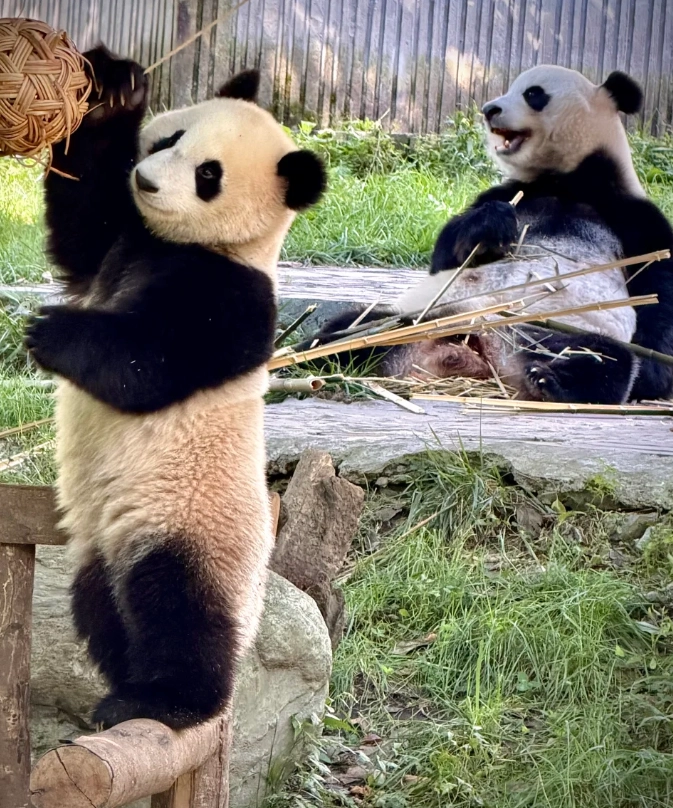
Getting there is easy: take Metro Line 3 to Panda Avenue Station (Exit B), then it's a 15-minute walk or a 2-yuan bus ride to the gate. If you're using a ride-hailing app, just show the driver “成都大熊猫繁育研究基地”. The base is open daily from 7:30 to 18:00, with last entry at 17:00. Tickets cost around 55 yuan for adults, and you should book online at least a day in advance. Foreign passports are accepted on the official WeChat mini-program, but if that feels like a hassle, use Trip.com to skip the language barrier.
Now, let me save you some pain: skip the internal electric car. Yes, it's 10 yuan, but the queue can eat 30 minutes. The walking path is shaded and takes you right past the enclosures anyway. Plus, you'll get closer to the juvenile pandas in the “Panda Cubs” area. I always tell my guests to wear comfortable shoes and carry a small fan – summer here is sticky. And don't waste money on the gift shop at the exit; the same keychains are cheaper at the museum café.
Leshan Giant Buddha – A 71-Meter Marvel
Carved into a cliff where the Min and Dadu rivers meet, the Leshan Giant Buddha is the largest stone Buddha in the world. Watching the river swirl below from the Buddha's toes is genuinely humbling. Most visitors take the observation deck at the top, but I'll let you in on a secret: the best views are from the boat on the river. The boat tour (around 70 yuan) gives you a full 30-minute ride with postcard-perfect angles and no climbing. The front entrance ticket is 80 yuan if you want to walk the cliff stairway – which is worth doing once, but be prepared for switchbacks and crowds on weekends.
To get there from Chengdu, you have two solid options: take a bullet train from East Station to Leshan (about 1 hour, 54 yuan) and then a 20-yuan taxi to the site. Or book a direct day tour from a reputable operator – I've used this route many times, and it's a stress-free way to see the Buddha if you're short on time. The site opens at 8:00 and closes at 18:00 in summer, but I'd get there by 8:30 if you want the cliff path mostly to yourself.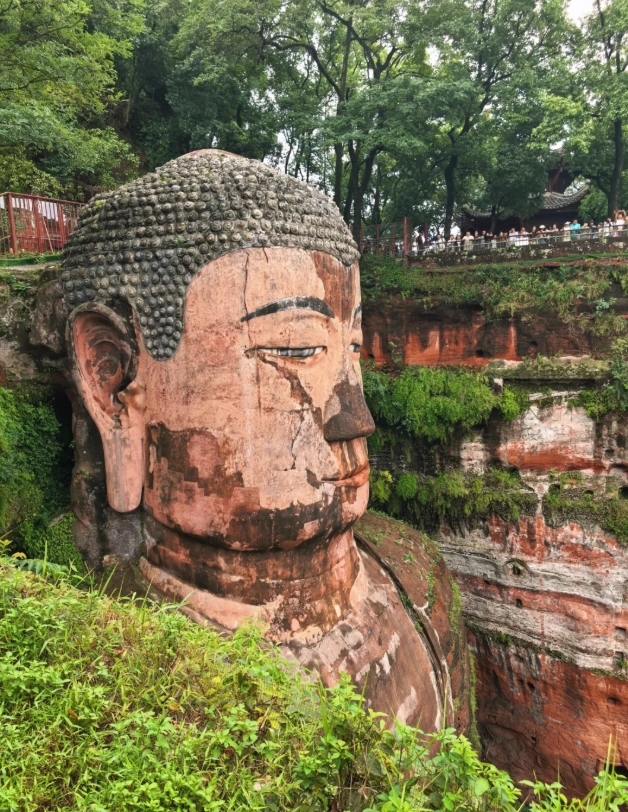
Here's my insider advice: don't bother climbing down to the Buddha's feet if the queue takes more than an hour.
Just stand at the top and admire the engineering – you'll get a great photo and save your knees. If you're carrying any valuables, use the free lockers near the entrance, as pickpockets are known to work the crowded stairways.
Mount Emei – Sacred Peaks and Sunrise
Mount Emei is one of China's four sacred Buddhist mountains, and the hike to the Golden Summit feels like a pilgrimage even if you're not religious. You can take a cable car up to the summit from the halfway point, but the truly adventurous walk the ancient path, which takes 2-3 days. For most travelers, I recommend a two-day itinerary: stay overnight at a monastery guesthouse, wake up before dawn, and watch the sunrise from the Golden Summit. The sea of clouds that rolls out beneath you is one of those “you have to see it to believe it” moments.
Tickets are steep – entrance is around 185 yuan, and the summit cable car costs an additional 65 yuan each way. But here's the catch: you'll also need a bus ticket (90 yuan round trip) to get from the base to the cable car station, because private cars aren't allowed up the mountain. The whole package adds up, but it's worth it for the experience. You can reach Mount Emei by train from Chengdu South Station to Emeishan Station (1.5 hours, 65 yuan), then transfer to a local bus.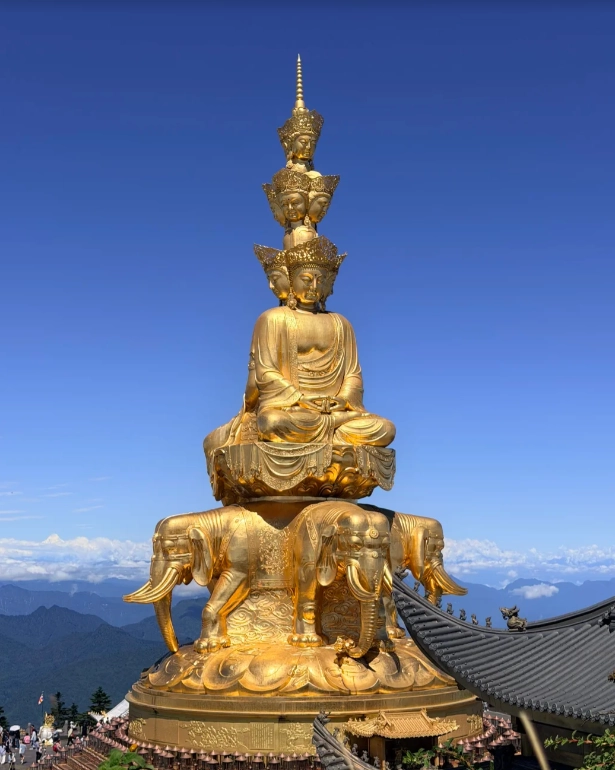
If you're planning to do the sunrise, book your monastery bed at least a week in advance – 12306 only handles trains, but for accommodation, use a hotel booking app like Booking.com or Agoda, which work reliably in China. And don't forget: the summit is 3,077 meters high, so altitude sickness is a real risk. Ascend slowly, drink plenty of water, and skip alcohol the night before.
Jiuzhaigou Valley – Nature's Masterpiece
Jiuzhaigou is the crown jewel of Sichuan's natural wonders, a valley of turquoise lakes, lush forests, and snowy peaks that feels like a painting come to life. It's a UNESCO World Heritage Site, and once you stand by the shore of Five Flower Lake, you'll understand why. But fair warning: Jiuzhaigou is far from Chengdu – a 3-hour flight or an 8-hour bus ride (plus a 1-hour transfer). If you have only a week in Sichuan, I'd still say it's worth the travel, but only if you can spare at least 3 days for the round trip.
The park is massive, so you'll need to use the internal shuttle bus (90 yuan) to hop between the main stops. My strategy is to take the shuttle directly to the highest point, Primeval Forest, and work your way down on foot. The boardwalks are well-marked, and this way you'll be walking with the crowds, not against them. Ticket price is 169 yuan in peak season, plus the mandatory shuttle fee. Foreigners can book through the official WeChat mini-program, but it's all in Chinese – I'd suggest using Klook or Trip.com to avoid the hassle.
Pro tip: enter the park by 8 AM. The light is clean for photographs, and you'll get the iconic Mirror Lake reflection without hundreds of people in the frame. Also, the park is at 2,000+ meters; bring a light jacket even in summer, as the temperature drops suddenly in the shade. And for the love of all things sensible, eat a proper breakfast before you go in – the in-park food is overpriced and mediocre.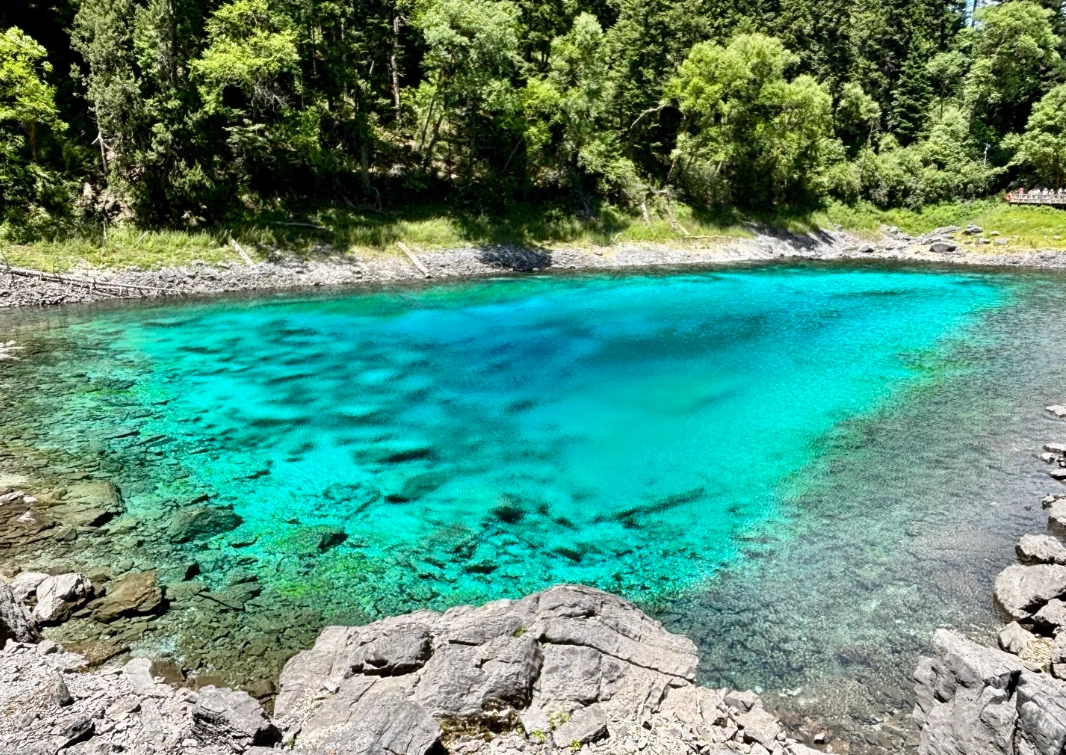
Huanglong – Terraced Pools Like a Waterfall of Jade
About 100 kilometers from Jiuzhaigou, Huanglong's colorful pools are so surreal that some tourists think they're artificially dyed. Created by calcium carbonate deposits, these terraced pools shimmer in shades of green, yellow, and blue. The site is smaller than Jiuzhaigou, so a half-day is enough. The entrance fee is around 170 yuan in high season, plus a cable car (80 yuan one way) if you want to skip the steep initial climb.
I'll be straight with you: Huanglong is physically demanding. The main attraction, the Five Color Pond, is at 3,500 meters. Unless you're a hardcore hiker, take the cable car up, then walk the 2.5-kilometer boardwalk down. This route is easier on your lungs and lets you see the pools from above. If you feel dizzy or short of breath, sit down and tell a staff member – there are oxygen canisters for sale at the entrance, and they genuinely help.
Getting to Huanglong: from Jiuzhaigou, it's a 2-hour drive on winding mountain roads. Most travelers combine the two sites on a 3-4 day tour. I've seen too many people try to do both in one day from a base in Songpan – that's a mistake. The distance is deceptive, and altitude sickness hits hard when you rush. Give yourself a night in the Zhangzha area to acclimatize.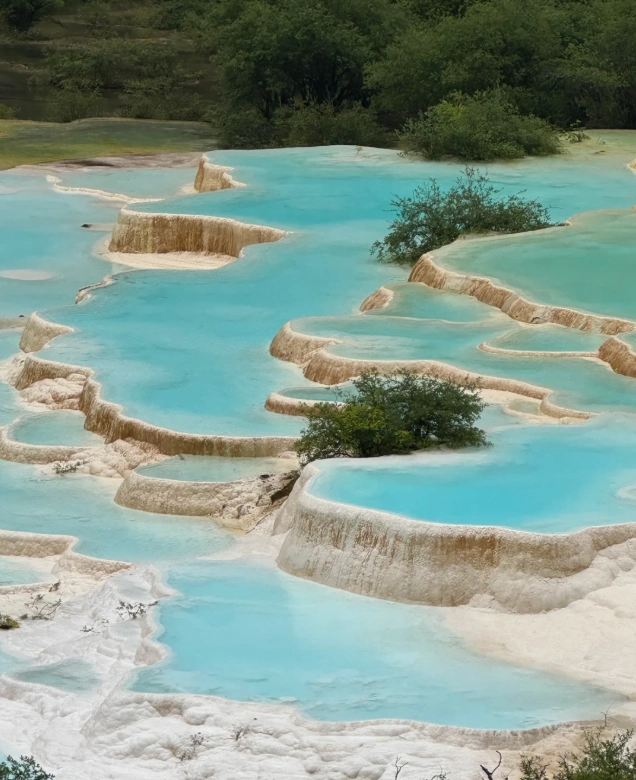
Daocheng Yading – The High-Altitude Pilgrimage
If you're chasing remote, spiritual landscapes, Daocheng Yading delivers – but it demands respect for its altitude. Called the “Last Shangri-La” by some, this national reserve sits at 4,000 meters and features three sacred peaks that are worshipped by Tibetans. The trek to Milk Lake and Five Colored Lake is long (about 10 kilometers round trip) but the views are unforgettable. It's not for everyone – I've had clients who loved it and others who developed severe altitude sickness within an hour.
To get here, you'll need to fly into Daocheng Yading Airport (one of the world's highest at 4,411 meters) – that's a shortcut from Chengdu, but the rapid altitude change is jarring. Alternatively, take a bus ride that snakes through the mountains, which takes 2 days but helps with acclimatization. Entrance costs around 266 yuan, including the shuttle bus from the tourist center to the trailhead. The park is open from 7:00 to 18:00, but the last shuttle back leaves at 17:00 – don't miss it, or you'll be walking miles in the dark at altitude.
I always tell my groups to carry a small portable oxygen canister, even if they think they don't need it. The pharmacy in Daocheng town sells them for about 30 yuan, and they're a lifesaver. Also, water – you'll lose more fluids than you expect in the dry mountain air. And please, for the sake of your trip, don't drink alcohol the night before you hike. I've seen it ruin too many people.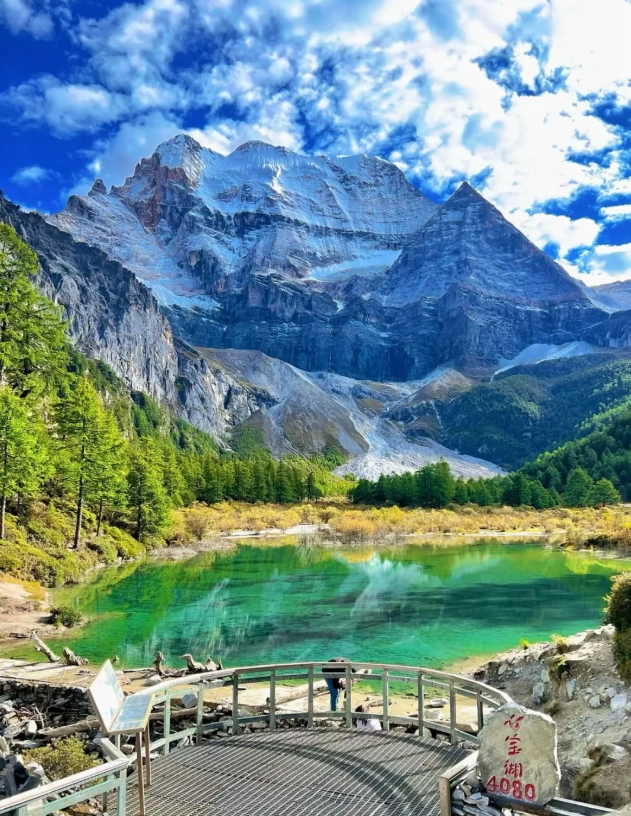
Dujiangyan – Ancient Irrigation, Modern Genius
Built in 256 BC, the Dujiangyan irrigation system is a masterpiece of engineering that still waters the Chengdu Plain today. It's a UNESCO World Heritage Site, and it's astonishingly clever – no dam, just a cleverly carved channel that divides the river and controls floods naturally. Walking across the Anlan Suspension Bridge and watching the water rush through the Fish Mouth is something every traveler should witness.
Getting there is straightforward: from Chengdu, take the high-speed train to Lidu Station from Xipu Station (30 minutes, 10 yuan), then a 15-minute walk to the site. The entrance ticket is 80 yuan, and the site opens at 8:00. You can easily explore it in 2-3 hours. I recommend hiring a guide at the entrance – the story of Li Bing and his son is fascinating but hard to grasp from just looking at rocks. The guides charge about 150 yuan for an hour, and you'll leave with a new appreciation for ancient Chinese hydrology.
One thing that surprised me my first time: the site is incredibly lush and green, with lovely paths along the water. It's a great spot for a relaxing morning away from the city rush. If you have extra time, the nearby Qingcheng Mountains offer more Taoist temples and a cable car ride through misty peaks.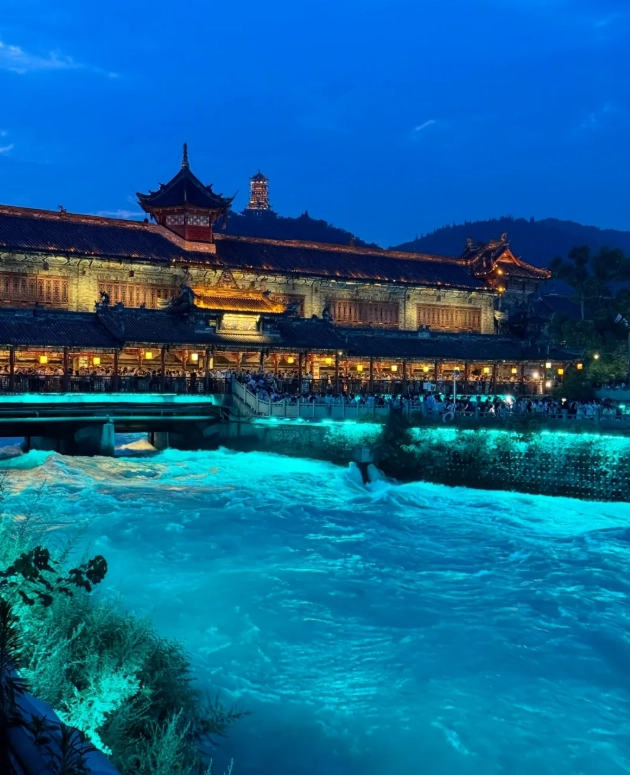
How to Plan Your Sichuan Itinerary Without Overheating?
Let's be realistic: you can't see everything in Sichuan in one week, so you need to choose based on your interests. If you love nature and don't mind long buses, prioritize Jiuzhaigou, Huanglong, and maybe Daocheng Yading. If you're into culture, stick to Chengdu, Leshan, and Dujiangyan. Here's a sample 7-day loop that I actually use with my clients:
| Day | Destination | Travel Time | Focus |
|---|---|---|---|
| 1 | Chengdu | – | Panda Base + teahouse |
| 2 | Leshan | 1h train | Giant Buddha |
| 3 | Mount Emei | 1h train | Sunrise summit |
| 4 | Back to Chengdu | 2h train | Rest or city food tour |
| 5 | Jiuzhaigou | 1h flight | Arrive + relax |
| 6 | Jiuzhaigou | – | Full day park |
| 7 | Huanglong + fly back | 2h drive | Half-day Huanglong |
If you have 10-14 days, add Daocheng Yading (fly from Chengdu to Daocheng, then access the park). But be warned, the high altitude there is no joke. I always tell my clients to book flights early – the small planes fill up fast.
For weather, avoid July-August if you can. It's the rainy season, and floods sometimes close Jiuzhaigou. The best months are April-June and September-October. The scenery is gorgeous in those windows, and it's not too crowded. Winter has a magical frozen look but many mountain roads can be icy.
What Do First-Timers Need to Know About Paying and Booking?
The biggest shock for many visitors is that cash is rarely accepted anywhere, and international credit cards are even rarer. The good news is that you can download Alipay or WeChat Pay and link your foreign bank card. Both work with most international Visa and Mastercard, but you need to set them up before you arrive, as the verification process can take a few days. Once connected, you can scan QR codes at every shop, temple, and even street stall.
For attraction tickets, I recommend using Trip.com or Klook. They have English interfaces and accept credit cards, and they'll send you a QR code that you scan at the entrance with your passport. WeChat remains a headache because the mini-programs are in Chinese and often require a Chinese phone number for SMS verification – though you can occasionally get around it with a VPN. But trust me, it's easier to use Trip.com.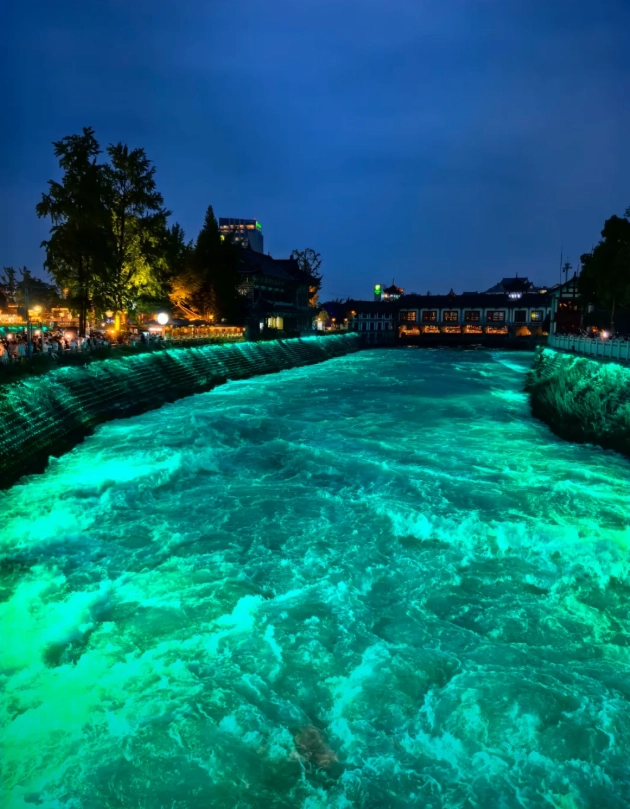
Also, download the APP 高德地图 (AMap Global) – it has an English mode and works with GPS in China. Google Maps is blocky and often wrong in this part of the world. I can't stress this enough: having a reliable map app saves you from getting hopelessly lost. And since almost everyone uses ride-hailing, set up DiDi (China's Uber) inside Alipay – you can even select “English” and have the driver called to your pickup point.
For visa information, always check the latest rules from the National Immigration Administration before you travel. Most tourist visas for China are valid for 30 days, and you'll need to register your hotel address within 24 hours of arrival – your hotel will usually do this for you.
Frequently Asked Questions (FAQ)
Verified and fact-checked by the editorial team.





No comments yet.