 Qiang Huang
Let me paint the scene. It's 8 PM on Zhongshan Road, neon signs reflecting off wet sidewalks. A tourist points at a bowl of 土笋冻 and asks, "Is this a dessert?" I grin, hand him a spoon with garlic soy sauce. His face cycles through confusion, disgust, then surprise. By the second bite, he's hooked. That's Xiamen — a city that doesn't just feed you, it tests you.
Figuring out what to eat in Xiamen isn't about scrolling Instagram for pretty plates. It's about knowing that the best 沙茶面 hides in a cramped alley behind a tobacco shop, that your phone's payment app is your real ticket to the food scene, and that the most touristy street in the city still somehow serves the best peanut soup.
After years of dragging visitors through these streets, here's my bold summary: Skip any restaurant with a bilingual menu out front and a staff member waving a laminated card. Follow the locals — they know the queue that's worth it. Below, I'll break down 12 dishes you can't miss, where to find them, and how to navigate the chaos without losing your appetite.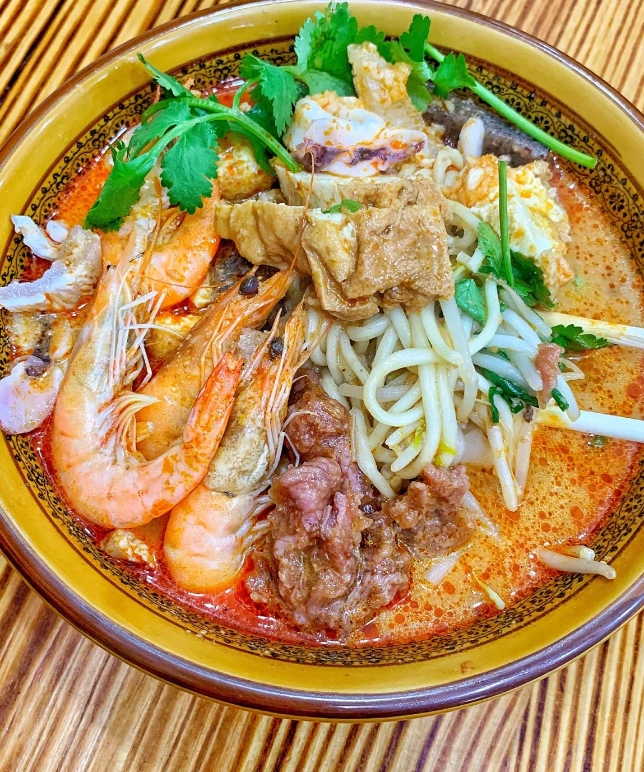
What to Eat in Xiamen: 12 Dishes You Can't Miss
This list is based on what I actually order when I'm off duty. I've left out the overly touristy stuff like shark fin soup — you don't need that.
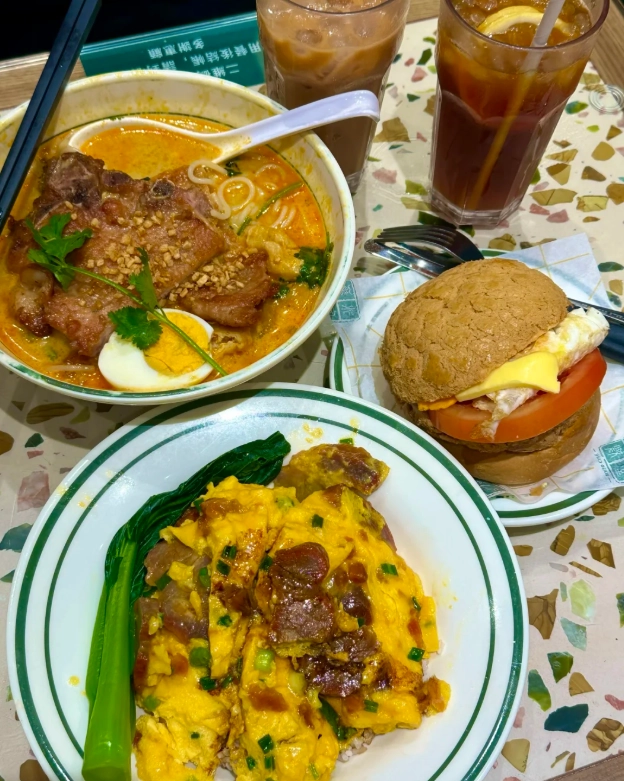
- Sha Cha Mian (沙茶面) — The crown jewel of Xiamen food. A rich, slightly sweet peanut broth with your choice of shrimp, tofu, or pork. I always ask for extra fried garlic. Try it at Yue Hua Sha Cha Mian (later in the list).
- Oyster Omelet (海蛎煎) — A gooey starch-egg pancake studded with plump oysters, served with sweet chili sauce. The edges must be crisp.
- Sandworm Jelly (土笋冻) — A gelatinous disc made from a marine worm, served cold with garlic soy sauce, mustard, and cilantro. Weird but addictive.
- Peanut Soup (花生汤) — A warm, milky soup made with slow-cooked peanuts. Often served with a fried dough stick. It's breakfast gold.
- Braised Pork Zongzi (烧肉粽) — A pyramid-shaped sticky rice dumpling stuffed with braised pork, mushrooms, and dried shrimp, often served with sweet paste.
- Bo Bo (薄饼) — A thin crepe wrapped around a tangy filling of vegetables, peanuts, and sometimes seafood. Think of it as Xiamen's burrito.
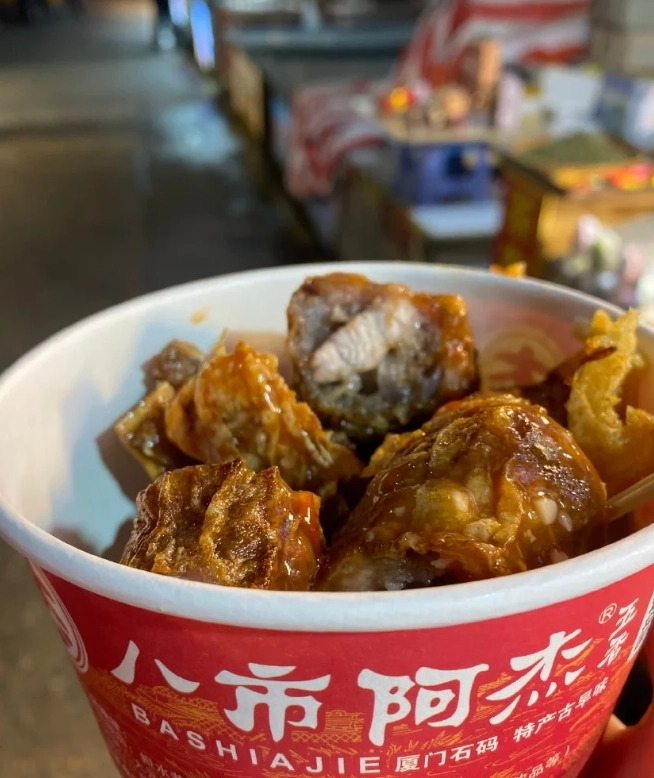
- Mian Xian Hu (面线糊) — A slurp-worthy soup made with thin wheat noodles in a thick, silky broth. Perfect for a rainy day.
- Ginger Duck (姜母鸭) — A fragrant hot pot loaded with ginger and tender duck, cooked at your table. The broth is a healer.
- Sour Bamboo Shoot Noodles (酸笋面) — A sour, spicy noodle soup with preserved bamboo shoots. It's an acquired taste, but locals love it.
- Oyster Vermicelli (海蛎面线) — A comforting bowl of fine noodles in a seafood broth, topped with small oysters and fried shallots.
- Fried Five-Spice Roll (炸五香) — A crispy, bean-curd wrap filled with minced pork, water chestnuts, and five-spice powder. Great as a snack.
- Peanut Ice Cream Roll (花生冰淇淋卷) — A dessert that sounds odd but works: shaved peanut candy wrapped around ice cream and cilantro. Trust me.
How to Eat Like a Local in Xiamen: Payment, Maps, and Ordering
Now let's get practical. This is where most tourists hit a wall.
Payment: Your Phone Is Your Wallet
Mobile payment is the norm, and cash is often turned away. Before you arrive, make sure Alipay or WeChat Pay is set up with your international card. It takes 15 minutes with a passport. For small stalls, you'll see a QR code at the counter — scan it, enter the amount (the vendor usually knows it), and pay. If you're stuck, ask a young person to help; they're used to it.
Maps: Ditch Google Maps
Google Maps is a nightmare in China — it will lead you to closed doors. Download Apple Maps (it uses Amap data) and search in Chinese characters. For example, type “月华沙茶面” instead of the romanized name. If you're taking a taxi, show the driver the Chinese characters on your phone.
Ordering: Point, Smile, and Repeat
Pointing at someone else's bowl is a legitimate strategy. Most local eateries don't have English menus. Some have picture menus — those are your best friends. If there's no menu, look at what the person next to you is eating and point. You can ask for "bu la" (不辣) if you don't want spice. For sit-down places, you might be handed a paper slip and a pencil to tick off your choices.
Pro Tip: If you have dietary restrictions or allergies, write them on your phone in Chinese and show it to the waiter. It's the most reliable way.
Where Should I Eat in Xiamen? My Top Picks
These are the exact places I bring my own friends to. They're all walkable from Zhongshan Road or a short taxi ride away.
| Restaurant | Must-Order | How to Find It | Est. Price | Payment | Note |
|---|---|---|---|---|---|
| Yue Hua Sha Cha Mian | Sha Cha Mian | Search “月华沙茶面” in Apple Maps | 20–40 RMB | Alipay/WeChat only | Go before 1 PM to avoid the rush |
| Huang Ze He Peanut Soup | Peanut Soup | Search “黄则和花生汤” in Apple Maps | 10–20 RMB | Alipay; cash at some counters | Long queues on weekends |
| 1980 Zongzi | Braised Pork Zongzi | Search “1980烧肉粽” in Apple Maps | 15–25 RMB | Alipay/WeChat only | Try it with the sweet paste |
| Jia Wei Zai Tian | Mian Xian Hu | Search “佳味再添” in Apple Maps | 10–30 RMB | Alipay/WeChat | Great for a quick breakfast |
| A Ji Zai | Coconut Pie | Search “阿吉仔” in Apple Maps | 15–30 RMB | Alipay/WeChat | Good for gifts |
My personal go-to is the Yue Hua sha cha mian — the broth is richer than the ones closer to the tourist core. At Huang Ze He, order the peanut soup with a fried dough stick; it’s a classic combo that still gets me every time.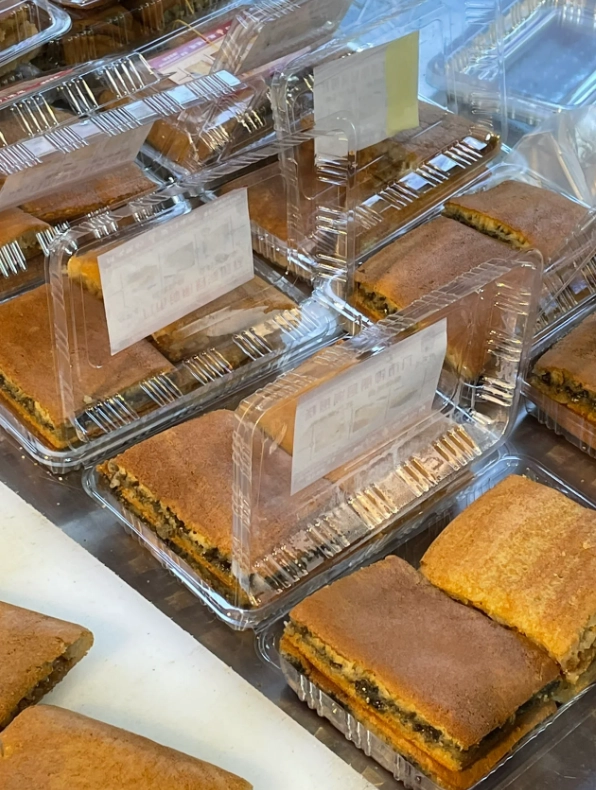
Prefer a guided experience? You can find a handful of reputable Xiamen food tours on Trip.com and Klook.
A Quick 3-Hour Food Crawl on Zhongshan Road
- Start at Huang Ze He for peanut soup and fried dough (20 min).
- Walk two blocks to Yue Hua for a small bowl of sha cha mian (30 min).
- Grab a zongzi from 1980 to eat while strolling (15 min).
- Finish with sandworm jelly from a street cart near the altar (20 min).
This route is about 1.5 km of walking, and you'll get a full taste of the city without missing a beat.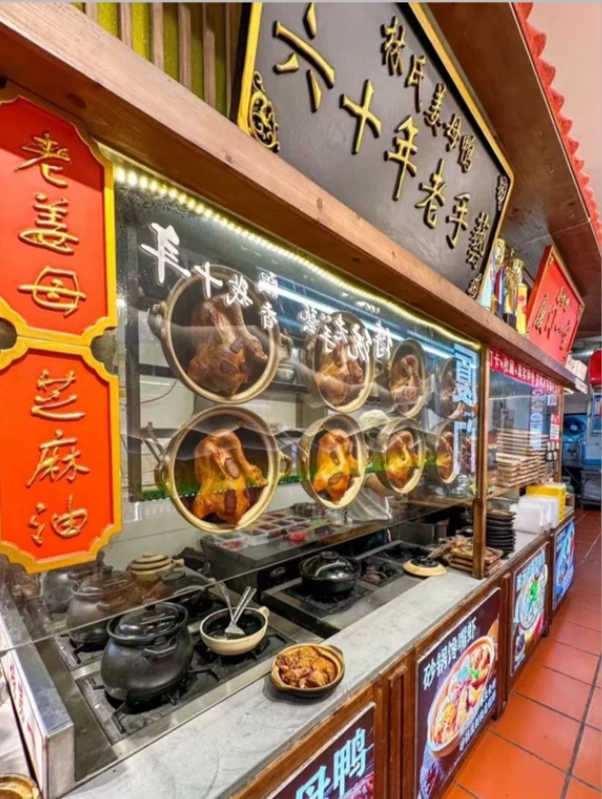
What to Eat in Xiamen If You're Vegetarian or Vegan?
Xiamen is surprisingly friendly for vegetarians — you just have to avoid the seafood broths. Here are my go-to veggie picks:
- Peanut Soup (花生汤) — naturally vegan, made with just peanuts and sugar.
- Bo Bo (薄饼) — ask for "jian dan" (no meat/seafood). The vegetable filling is already the classic version.
- Stir-fried vegetables (炒时蔬) — almost every restaurant has a seasonal vegetable dish.
- Fried Five-Spice Rolls — check if they have a vegetarian version, sometimes stuffed with mushrooms.
- Rice noodles (炒米粉) — ask for "su" (vegetarian).
For strict vegans, be careful with broths that use pork bone or seafood stock. Don't be afraid to show the phrase "我是素食者" (I'm vegetarian) on your phone.
How to Avoid Tourist Traps and Eat Where Locals Eat?
The biggest red flag is a restaurant with a giant English menu and a caller at the door yelling "Very good, very good!" That's a trap. Here's how to spot the real deal:
- Locals-only queues. If a line is composed of office workers and students, join it.
- The menu is handwritten in Chinese and has no prices. That means it's cheap and authentic.
- They serve a single dish, not a 50-page menu.
- It closes by 2 PM because they sell out.
Another trap: the seafood markets around the ferry to Gulangyu. They can be overpriced. If you want seafood, go to a local restaurant where you pick the live fish and watch it cooked.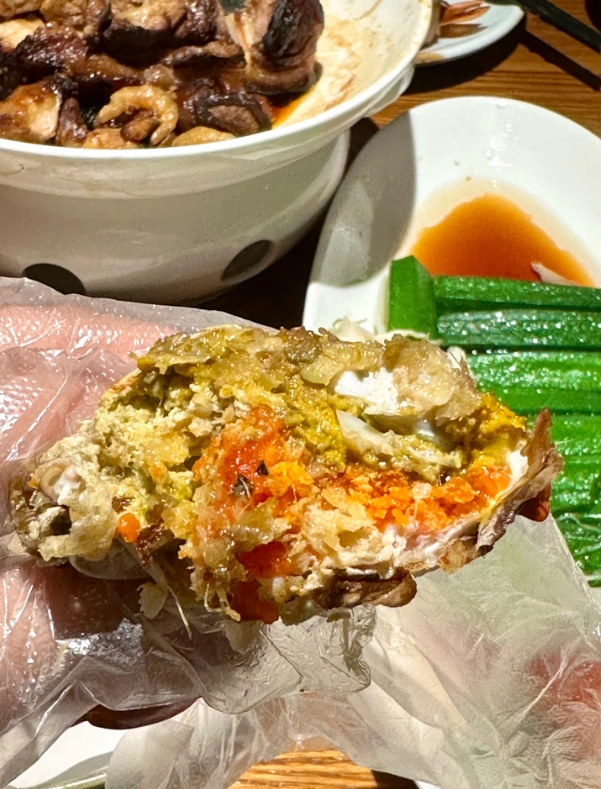
Insider Advice: When you see a stall with people sitting on tiny plastic stools, that's a good sign. The stools are for tourists too — just go for it.
FAQs About Eating in Xiamen
Verified and fact-checked by the editorial team.






No comments yet.