 Qiang Huang
What You'll Discover (Quick Navigation)
I've lost count of how many Canadian groups I've shopped with in Shanghai. They all arrive with the same expectations — legendary bargaining, glittering malls, and easy credit-card swiping. Then reality kicks in when the first cashier asks, "Alipay or WeChat Pay?" and points to a QR code. This guide is everything I wish my Canadian clients knew before we stepped out of the hotel lobby.
What Are the Best Shopping Streets and Markets in Shanghai?
Shanghai offers a diverse set of shopping zones, each with its own personality and price range. Here are the five areas I most frequently take my Canadian clients, along with exact Metro tips and the addresses you'll need to hand to a taxi driver.
Nanjing Road Pedestrian Street
Nanjing Road's East section is the city's most iconic—and most crowded—shopping strip. Take Metro Line 2/10 to Nanjing East Road Station and you'll surface directly onto the pedestrian walkway. For a more relaxed entry, use People's Square Station on Line 1/2/8 and walk east. The first major stop here is the Shanghai No. 1 Department Store, which is excellent for Chinese tea and silk. Deeper into the street, you'll find global luxury flagships at the Plaza 66 complex, but pay attention: many of these high-end shops do accept international cards. Show your taxi driver the Chinese address: 南京东路步行街.
Huaihai Road (Middle Huaihai Road)
Huaihai Road is Shanghai's haute couture corridor, with a mix of global brands and local designer labels. I know most tour guides put Nanjing Road first, but if you're serious about clothing, I'd start with Huaihai Road — it's less chaotic and offers a better selection of mid-range to high-end brands. Take Line 1 or 10 to South Huangpi Road Station, and you'll be surrounded by shopping malls like Shanghai Times Square and K11. The Chinese address is 淮海中路.
Yu Garden Bazaar
Yu Garden Bazaar is where you'll find Chinese trinkets, pearls, silk, and tea — but you must bargain hard. Take Line 10 to Yuyuan Garden Station, Exit 1, walk five minutes through the old town. The bazaar is a maze of narrow alleys, so put on comfortable shoes. My rule of thumb: start at one-third of the asking price and walk away if you don't get a fair counter-offer. The Chinese address is 豫园商城.
Tianzifang
Tianzifang is an artsy labyrinth of boutiques, galleries, and craft workshops tucked inside Shikumen residences. Get off at Dapuqiao Station on Line 9, Exit 1, and follow the signs. It's charming, but the lanes are narrow and it gets packed on weekends. Go on a weekday morning if you actually want to browse without bumping elbows. The Chinese address is 田子坊.
Xintiandi
Xintiandi is where you go for a stylish walk and high-end window-shopping, rather than serious bargains. Located on Line 10 or 13 at Xintiandi Station, the area is split into a north and south block. You'll find international designer flagships, trendy home decor stores, and several art galleries. It's also one of the few places in Shanghai where you can pay with an international card easily. The Chinese address is 新天地.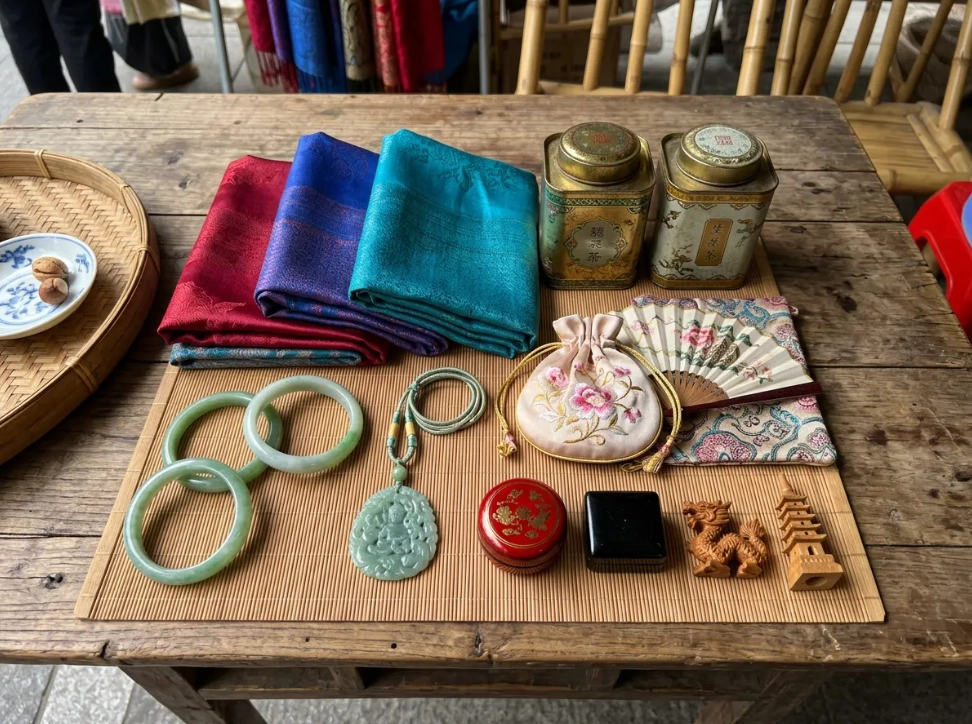
Here's a quick comparison to help you decide:
| Shopping Area | Best For | Metro Station & Exit | Typical Opening Hours | Price Range |
|---|---|---|---|---|
| Nanjing Road | Souvenirs, flagship stores, street food | Line 2/10, Nanjing East Rd | 10:00–22:00 (pedestrian street always open) | Free to luxury |
| Huaihai Road | Mid-to-high-end fashion | Line 1/10, South Huangpi Rd | 10:00–22:00 | Mid to high |
| Yu Garden Bazaar | Silk, pearls, tea, trinkets | Line 10, Yuyuan Garden, Exit 1 | 09:00–21:00 | Bargainable |
| Tianzifang | Arts, crafts, boutiques | Line 9, Dapuqiao, Exit 1 | 10:00–21:00 (stalls vary) | Mid |
| Xintiandi | International brands, design | Line 10/13, Xintiandi | 10:00–23:00 | High |
How to Pay for Shopping in Shanghai as a Canadian Tourist?
You may have heard that China is a cashless society — and it's true for daily transactions. But with the right setup, you can use your Canadian phone to pay for almost everything. Here's the exact playbook I give every client.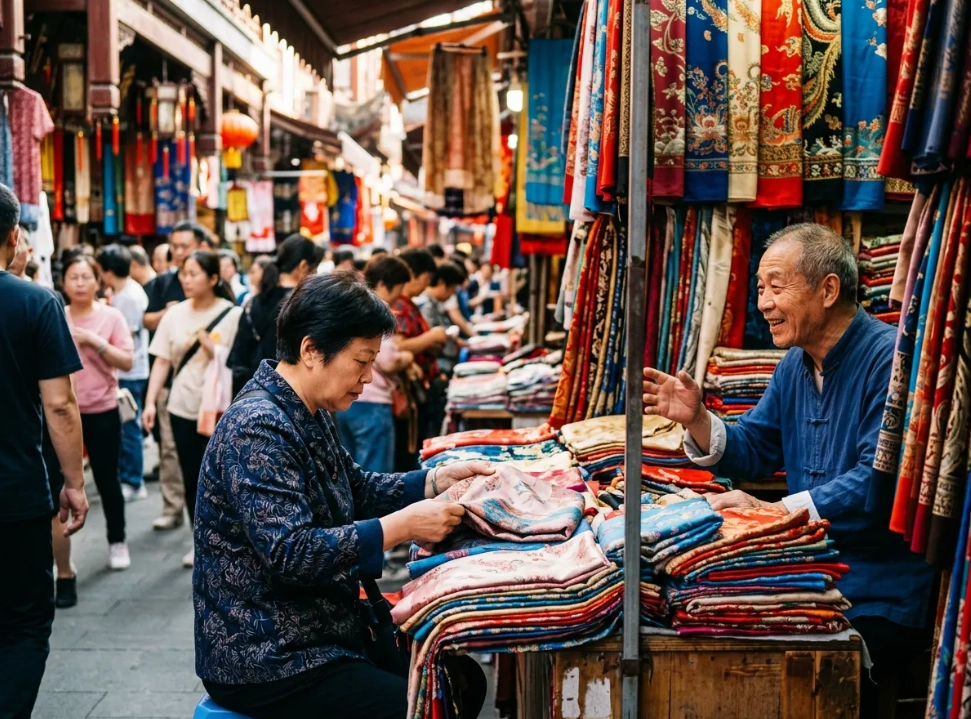
Set Up Alipay or WeChat Pay Before You Arrive
Alipay is the easiest mobile wallet for a Canadian tourist to get working in Shanghai. Download the app, register with your email, and add your Canadian Visa or Mastercard. Here are the steps I walk every client through:
- Download Alipay from the App Store or Google Play.
- Register using your Canadian mobile number or email.
- Tap 'Cards' in the profile menu and add your Visa or Mastercard.
- Complete identity verification with your passport — the whole process takes about 10 minutes.
Once verified, you can make payments by scanning QR codes. WeChat Pay is similar, but I always tell Canadians to start with Alipay because its international version has better English support and a cleaner setup. My last group got it working in under 15 minutes.
What About Cash and Credit Cards?
Cash is still accepted in most Shanghai shops, but the change rate can be disappointing, and many vendors run out of small bills. I recommend carrying a small backup of 200–300 RMB for tiny street stalls that may not have QR code compatibility. As for international cards — Visa and Mastercard are only welcomed at major malls, luxury hotels, and certain Western chain restaurants. If you see a store with a 'UnionPay' logo, that's not your card. So your phone truly becomes your wallet.
Using Your Phone for Payment in Stores
To pay, open Alipay and tap the 'Pay' button to scan the merchant's QR code. You can also show your own screen with a unique QR code for the cashier to scan. For transactions over 100 yuan, you might be asked to enter your Alipay PIN or verify with your fingerprint. Don't worry if the screen is in Chinese — you can switch the app language to English in the settings. Here's a clever trick: most vendors ring up the amount on their register, so you can confirm the total before scanning. Always double-check the amount before tapping confirm.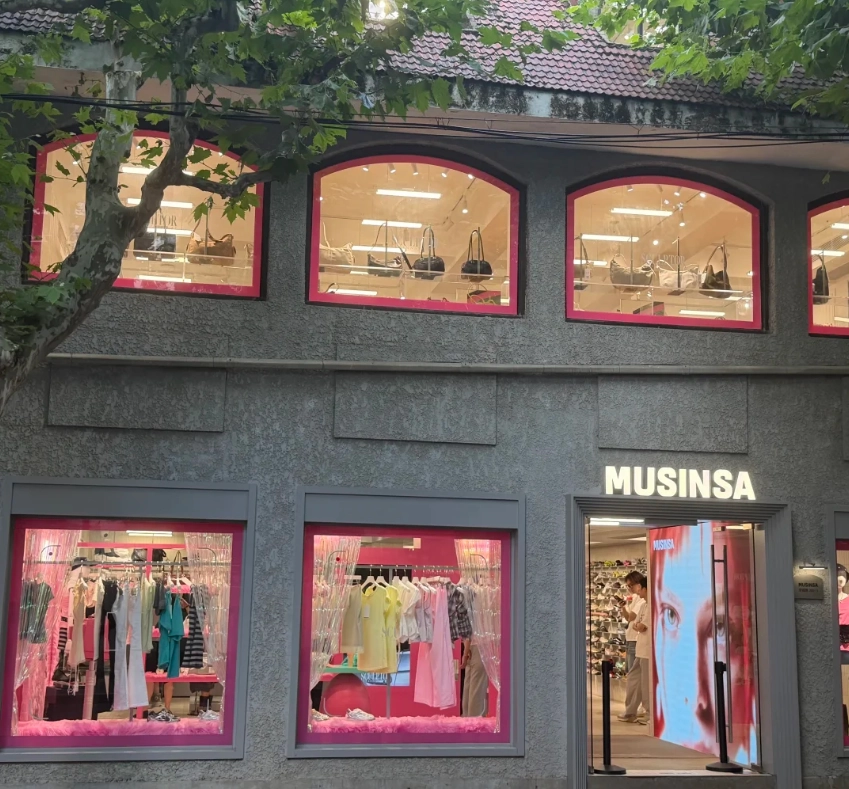
Pro Tip: Never scan a QR code that isn't the official store's payment code. Some scammers on the street will try to slip you a personal payment QR code. Stick to the check-out counter and you'll be fine.
How to Get a Tax Refund on Your Shanghai Shopping?
The Chinese tourist tax refund scheme can save you around 11% on your purchases — if you know how to navigate it. Here's the step-by-step system I tell my Canadian clients to follow.
Which Stores Offer Tax Refunds?
Only stores that display the 'Tax Refund for Overseas Visitors' logo are eligible. Most large department stores, like the ones in the shopping areas above, participate. When you're at the checkout, ask the staff for a tax refund invoice (退税发票) and let them know you're a tourist. You'll need to show your passport, and the store will keep a record of your purchase. The minimum single-store spend is typically 500 RMB, so save your big-ticket items for a purchase at one store if possible.
Step-by-Step Refund Process
The refund process starts in the airport customs hall, not in the city. I always tell my clients to arrive 4-5 hours before their flight if they plan to claim a refund, especially at Pudong Airport.
- Keep the purchased items, tax refund invoices, and your passport together in your carry-on or easily accessible bag.
- At the airport, go to the customs office for tax refund. Do not check your items in — the customs officer needs to physically inspect them.
- After they stamp your documents, proceed to the tax refund service counter or self-service kiosk.
- Choose cash (in RMB) or credit to your card. The refund usually takes about 2-3 weeks if you choose the card option; cash is instant but comes in Chinese yuan.
Key Documents You Must Keep
Keep the original tax refund invoice and your purchase receipt together — you'll need both for the inspection. Also, remember that the refund is only available for goods taken out of China within 90 days of purchase. If you're planning to travel to other Chinese cities after your shopping spree, keep the items ready to show customs at your departure airport.
Shopping in Shanghai: Insider Tips to Avoid Common Tourist Traps
Here are the most common traps I warn my Canadian groups about:
- The first price is never the real price
- Fake silk and tea from street stalls
- Gray-market electronics
- Unauthorized street tours that funnel you to commission shops
Now let's break these down in detail.
Bargaining: The First Price Is a Starting Point
At tourist markets like Yu Garden, the price drops by 30-50% if you are willing to walk away. Start at one-third of the asking price, and let the vendor make a counter-offer. If you're not satisfied, simply thank them and leave — they'll often call you back. This is one of the few places in China where you can still bargain, so use it to your advantage.
Quality Checks: Don't Fall for Fake Silk, Tea or Electronics
Real silk burns into a bead that crumbles; rayon burns into a hard black bead. Ask the vendor for a small thread to test. For tea, buy from government-run shops like the Shanghai Tea Company, not from street stalls that overcharge. For electronics, never buy from back-alley stores — purchase only from official retailers like Suning or Gome. And remember, antique jade is almost always a tourist trap.
Getting Around: Public Transport vs. Taxi
Use the Metro between shopping zones during peak hours — taxis can sit in traffic for 20 minutes on a 2-km ride. My favorite route is from East Nanjing Road to Huaihai Road: take Line 2 one stop to People's Square, then switch to Line 1 and ride two stops to South Huangpi Road. The entire journey is about 15 minutes. If you use a taxi, the fare will be around 15-20 RMB, but always have the Chinese address ready. For ride-hailing, set up the Didi app and connect Alipay to your payment methods. And do not use Google Maps — it's unreliable. Apple Maps uses local data and works well; you can also download AMap (Gaode) and set it to English. Have a VPN installed before you land so you can access these mapping apps.
A Smart Half-Day Shopping Itinerary in Shanghai
If you've only got one afternoon for a shopping blitz, here's the exact schedule I'd suggest. It mixes the iconic with the local, and includes a mid-day break so you don't crash.
- 09:00 — Start at the Bund. Snap photos by the river, then walk west into Nanjing Road.
- 09:45 — Hit Nanjing Road. Browse the Shanghai No. 1 Department Store for silk and tea, then walk toward Huaihai Road.
- 11:30 — Change scenery. Take the Metro or a short taxi ride to Huaihai Road. This is where you'll find curated fashion.
- 12:30 — Lunch break. Grab a quick meal at a local xiaolongbao shop (I've hidden some favorites below).
- 14:00 — Afternoon at Huaihai Road. Explore the malls and boutiques. If you still have energy, head to Tianzifang by taxi (roughly 20 minutes without traffic).
- 17:30 — Wind down at Xintiandi. Enjoy a slow evening browse, then have dinner at one of the many international fusion restaurants.
If it rains, skip Tianzifang and spend extra time at the indoor malls around Huaihai Road. The K11 shopping mall and the nearby IAPM are connected to the subway, so you stay dry the whole time.
Insider Advice: Don't try to squeeze Yu Garden into a half-day itinerary. The bazaar deserves a morning alone, or you'll end up rushing through both it and Nanjing Road. On a single afternoon, pick two zones max.
Frequently Asked Questions About Shanghai Shopping for Canadians
This content has been fact-checked by a long-time local Shanghai tour guide to ensure informational precision. While prices and policies can change, all recommendations have been verified with current local sources and tested experiences.





No comments yet.