Yu Garden Overview
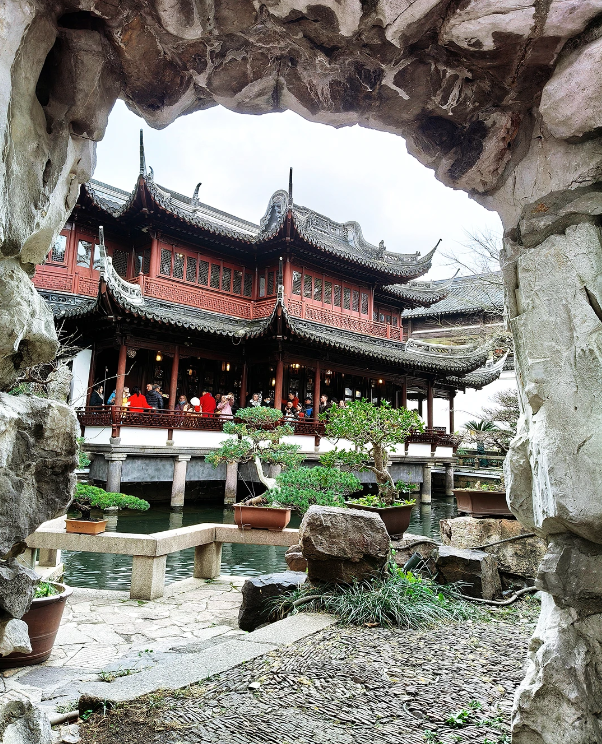
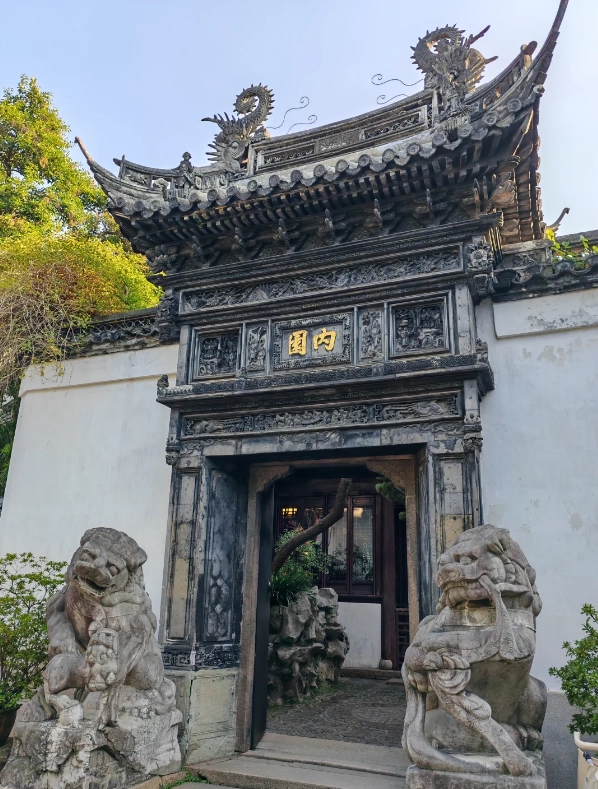
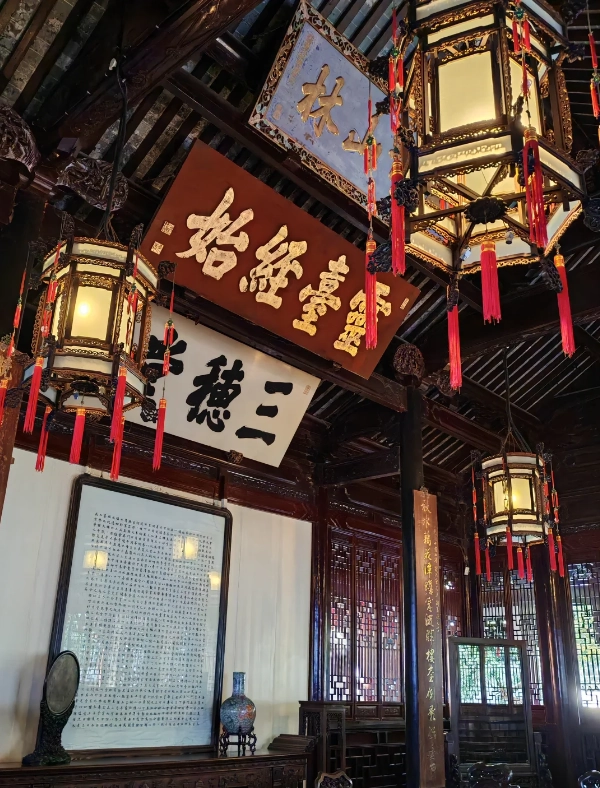
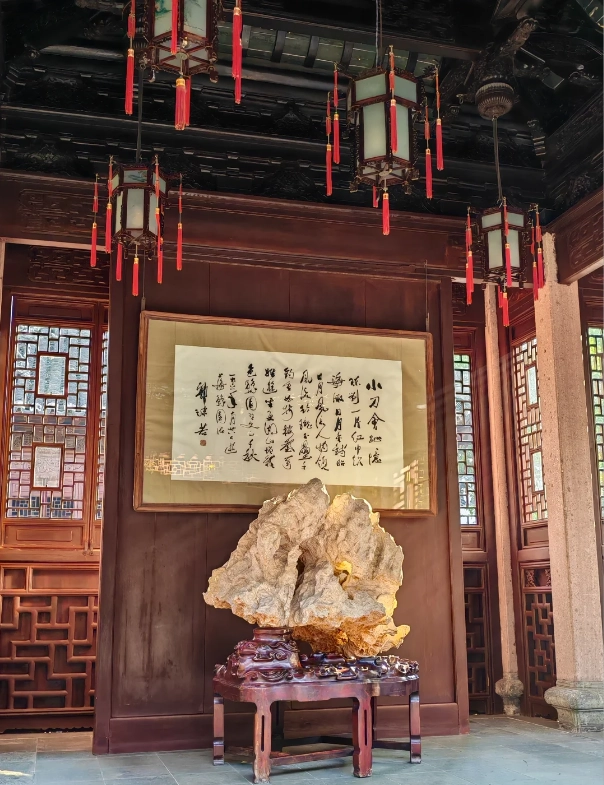
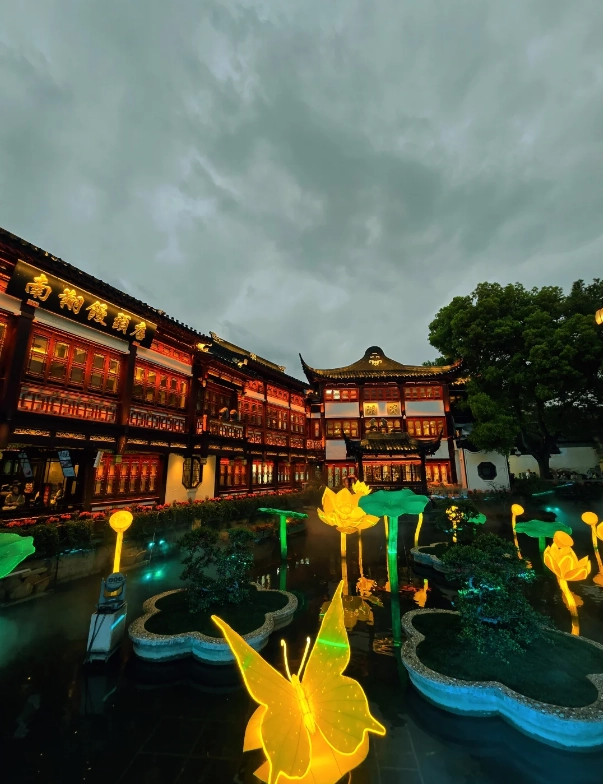
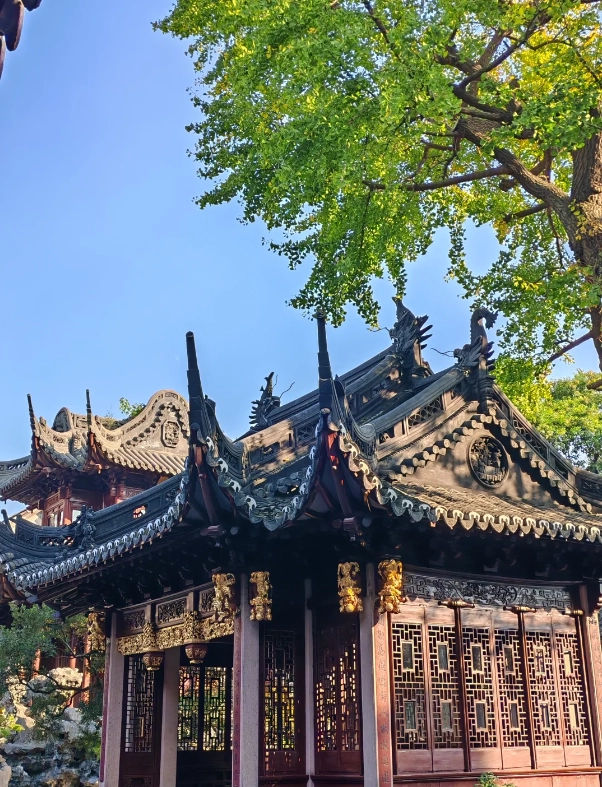
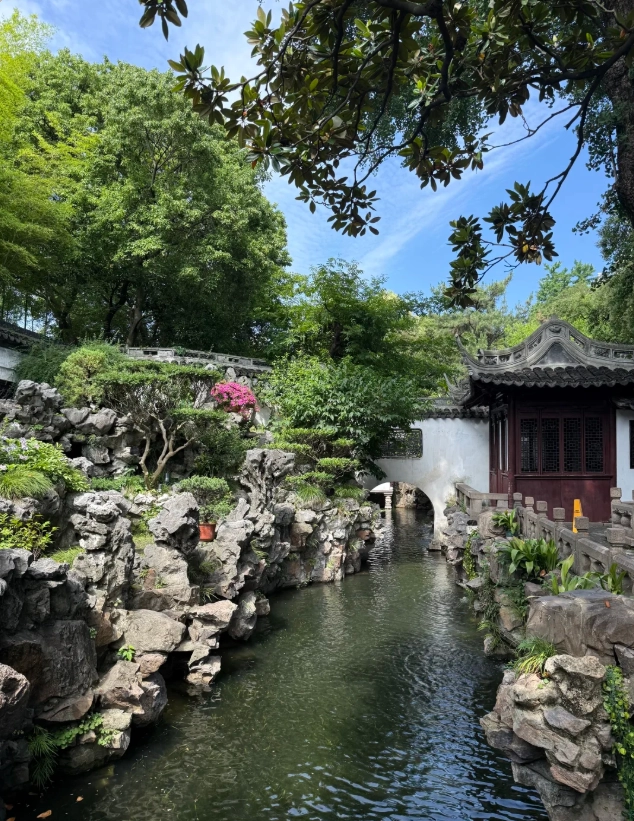
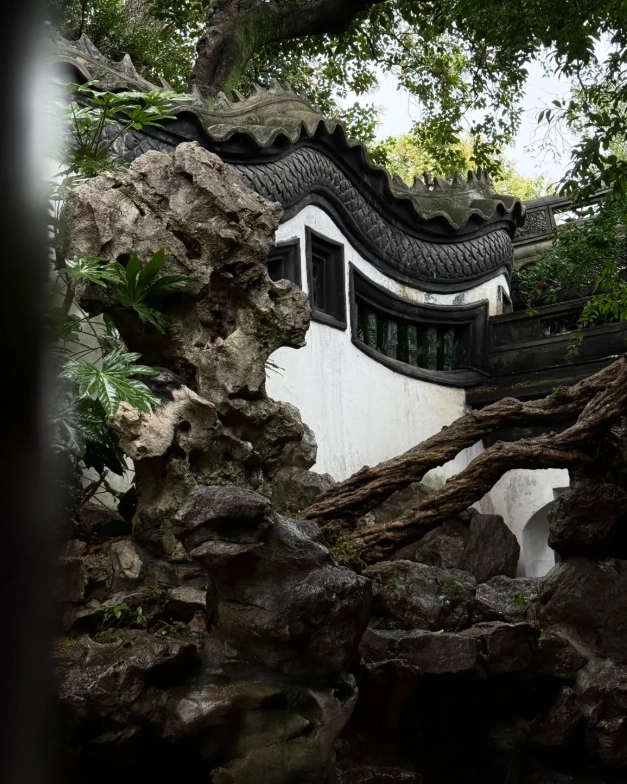
A classical Chinese garden built during the Ming Dynasty, featuring exquisite pavilions, rockeries, and ponds.
Yu Garden Opening Hours & Tickets
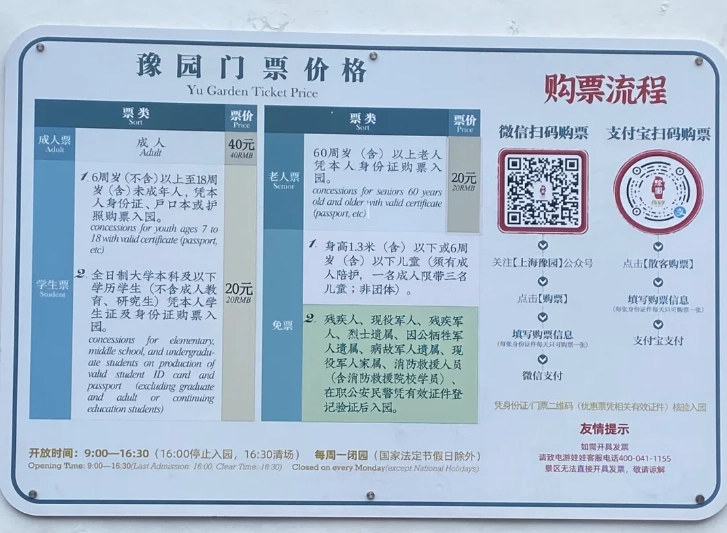
- 09:00-16:30 (Last entry 16:00)
- Best season: Spring for blooming flowers
- Ticket note:
40 RMB (peak season), 30 RMB (off-season)
Essential Yu Garden Visitor Information
- Enquiries: +86 21 6328 3249
- Restrooms
- Gift shop
- Teahouse
How to Get to Yu Garden
Metro Line 10 to Yuyuan Garden Station.
Yu Garden Travel Safety & Advice
Dial 120 for medical emergencies.
Yu Garden Travel FAQ
Do I need to book Yu Garden Shanghai tickets in advance, and can I use a foreign credit card?
Yes, advance booking is required, and your passport number is mandatory. Use Trip.com or Klook—they accept foreign cards and send a QR code for entry. You can't pay with cash at the ticket office, and most international cards are declined on the Chinese booking site. So use a platform that handles it for you.
How long do I need to visit Yu Garden Shanghai without feeling rushed?
Plan for 2.5 to 3 hours, including the bazaar. The garden itself takes about 1.5 hours if you walk slowly and take photos. Add another hour for the bazaar and a meal. If you're doing a city tour, combine it with the City God Temple and the Bund—both are within a 20-minute walk.
Is Yu Garden Shanghai worth visiting if I'm not interested in history?
Even if history isn't your thing, the garden is an escape from Shanghai's skyscrapers. The rockeries, koi ponds, and winding corridors make for stunning photographs. And the adjacent bazaar is a feast of street food and quirky souvenirs. I've brought teens who enjoyed it more than they expected—they loved the soup dumplings.
What's the best way to get to Yu Garden Shanghai from Pudong Airport?
Take Metro Line 2 (about 70 minutes) and transfer to Line 10 at East Nanjing Road station. It costs around 8 RMB and takes 1.5 hours. A taxi costs roughly 180 RMB and takes 45 minutes depending on traffic. I always tell my clients to take the metro during peak hours—the taxi can get stuck for ages.
Is Yu Garden accessible for wheelchair users?
Mostly no. The garden has many stairs, narrow bridges, and uneven stone paths. Only the main courtyard is wheelchair-friendly. You'll need someone to help lift over low thresholds.
Can I use my international credit card to buy tickets?
No. Only cash or Chinese mobile payment (Alipay/WeChat Pay). If you don't have those, bring exactly 40 RMB for the ticket. No ATMs inside the garden; the nearest ATM is at the Bank of China on Fuyou Road, 5 minutes walk.
Are there English audio guides?
Not officially. The on-site audio guide is Chinese-only. I recommend downloading the free "Yu Garden" audio tour on the izi.travel app before you go—it's good enough and works offline.
How long should I spend at Yu Garden overall?
For the garden alone: 40–60 minutes. If you include the surrounding bazaar and City God Temple, budget 2–3 hours. But avoid the bazaar between 1–3 PM—it's a wall of people.
Is Yu Garden worth it during Chinese national holidays?
Honestly, no. The garden becomes a human sardine can. If you're stuck in Shanghai during Golden Week, skip the garden and visit the quieter Guyi Garden in the suburbs instead. Or come another day.
Can I visit Yu Garden on a rainy day? Is it still worth it?
Rain improves the atmosphere – the glazed tiles shine, and the mossy rocks look more vibrant. But the narrow corridors get slippery and crowded as people take shelter. If it's a light drizzle, go for it. If it's pouring, wait for a break. The garden has limited covered walkways, so you'll get wet. Bring an umbrella.













Recent Reviews
Visited on a drizzly afternoon and it was surprisingly magical. The rain made the mossy rocks and tiled roofs glisten, and there were way fewer people around. I sat under the eaves of the Hall of Heralding Spring for a while, just listening to the raindrops. Downsides: a few sections were closed for renovation, and the cobblestones got slippery. Still, it was a serene escape from the city chaos. 4 stars for the mood, minus one for the closures.
Honestly, I was a bit let down. Yu Garden is famous but it felt overly commercialized – every corner has a vendor trying to sell you something. The garden itself is pretty but not as well-maintained as I expected; some pavilions had peeling paint and the ponds looked murky. Entrance fee is reasonable but the constant pushing in the narrow pathways ruined the atmosphere. Might be worth a quick look if you're nearby, but I wouldn't go out of my way.
Lovely garden with a lot of character, but be prepared for crowds. I visited on a Tuesday morning and it was still packed with tour groups. The layout is charming – tiny bridges, hidden courtyards, and elegant halls – but you have to shuffle along with the flow. Also, some of the souvenir shops inside felt a bit overpriced. Overall a solid 4-star experience; just go early or on a weekday if you can.
Came for the garden, stayed for the food! The surrounding bazaar is a paradise for snack lovers. I tried the xiaolongbao (soup dumplings) at a small stall near the Nine Zigzag Bridge – they were bursting with flavor. Also grabbed some candied hawthorn skewers and a box of traditional pastries. The garden itself is beautiful, but honestly the culinary adventure made my visit unforgettable. Highly recommend coming hungry!
Yu Garden is absolutely stunning! The classical Chinese architecture, intricate rockeries, and peaceful koi ponds transported me to another era. I spent hours wandering through the pavilions and taking hundreds of photos. The tea house in the corner is a must-visit – the jasmine tea was fragrant and the view over the pond was perfect. Definitely a 5-star experience for anyone who loves history and beauty.
Leave a Review