How to Get to Tianzifang: Skip the Metro, Do This Instead
Struggling to find the fastest route to Tianzifang? Here's exactly how to get there without getting lost or overpaying – metro, taxi, bus, and insider tips from a local guide.
Read story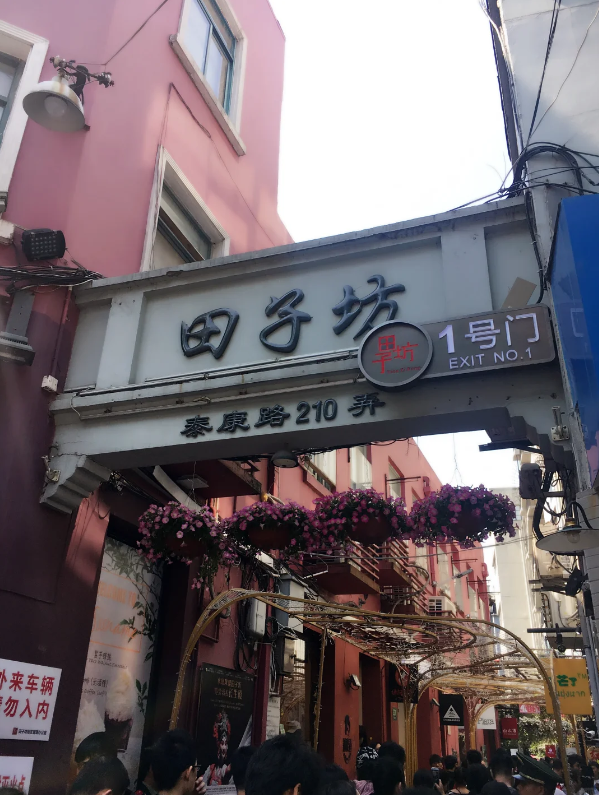
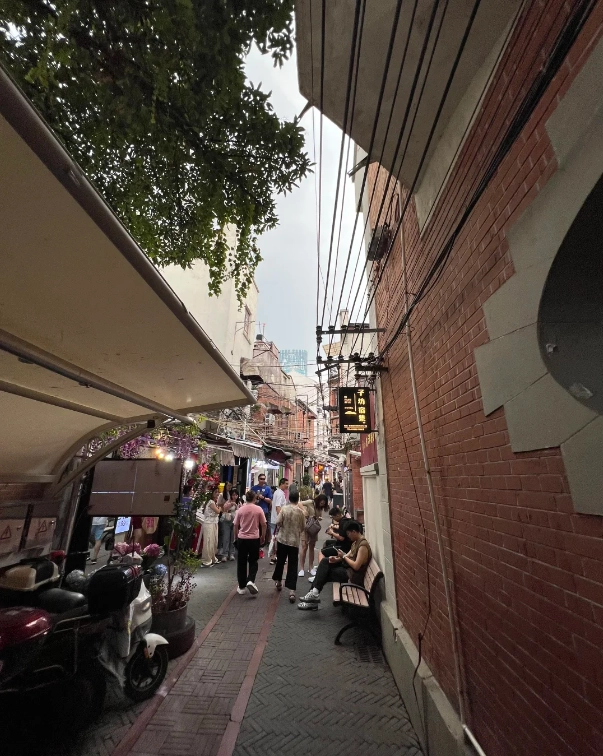
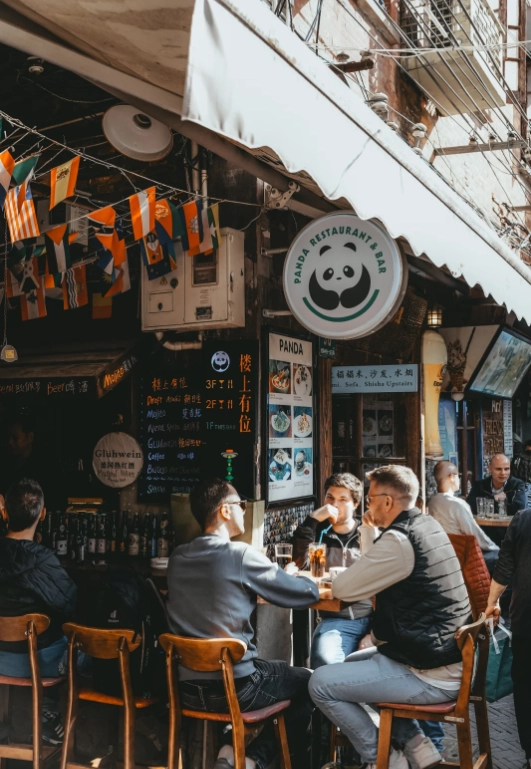
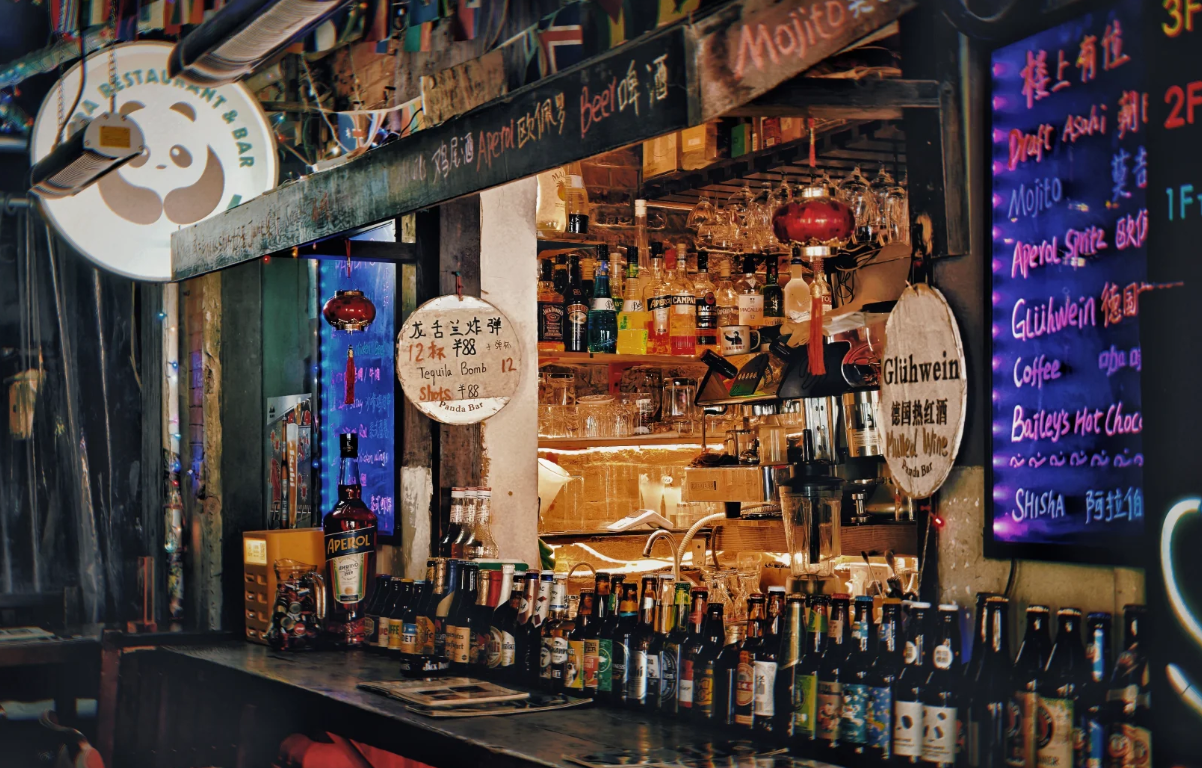
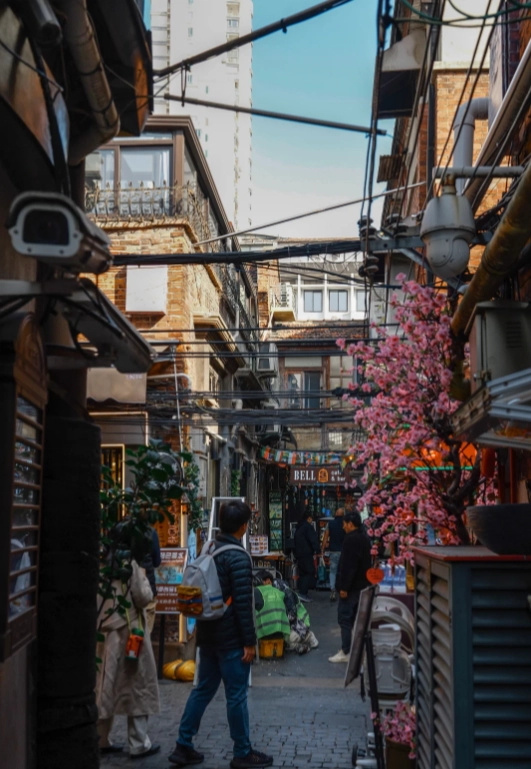
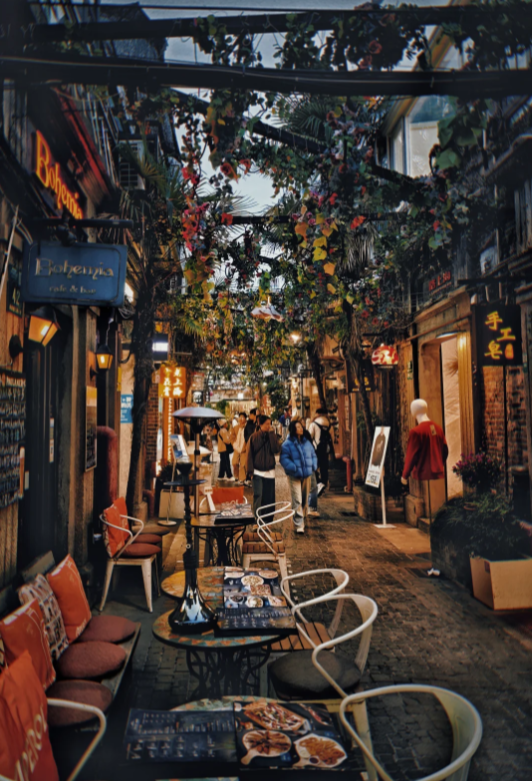
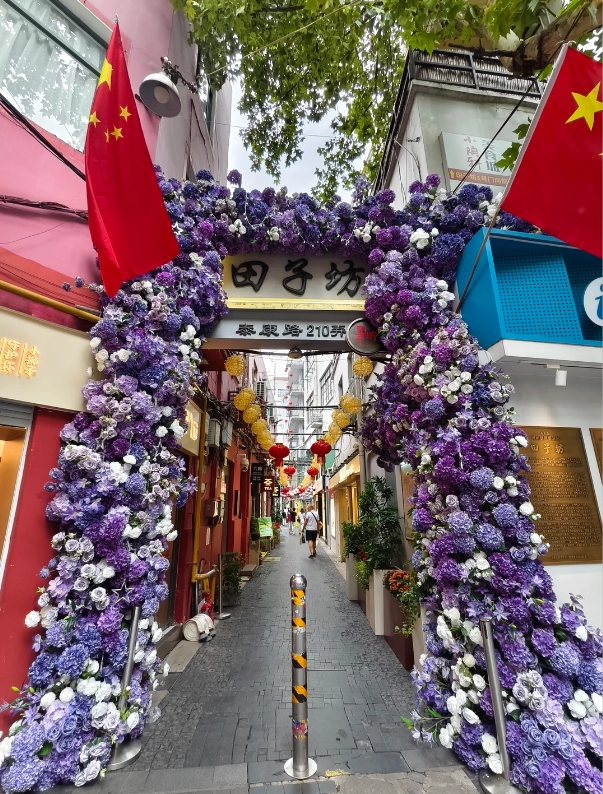
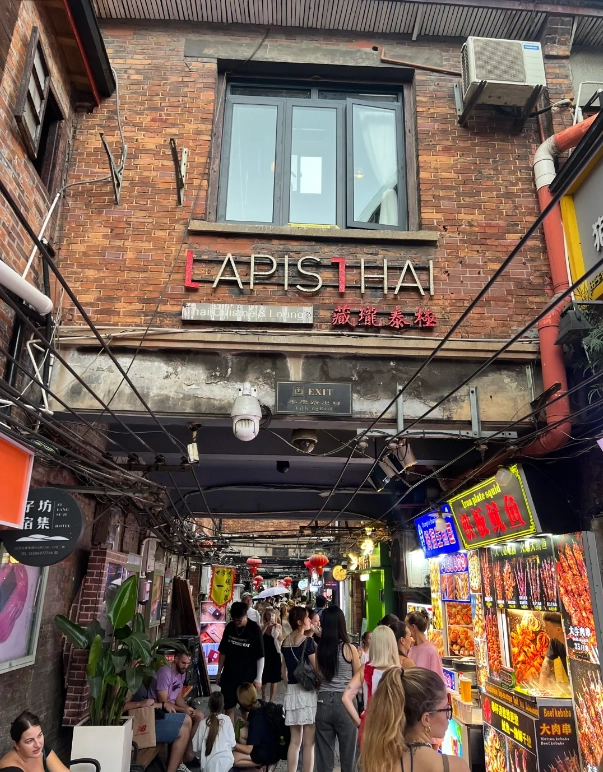
Struggling to find the fastest route to Tianzifang? Here's exactly how to get there without getting lost or overpaying – metro, taxi, bus, and insider tips from a local guide.
Read story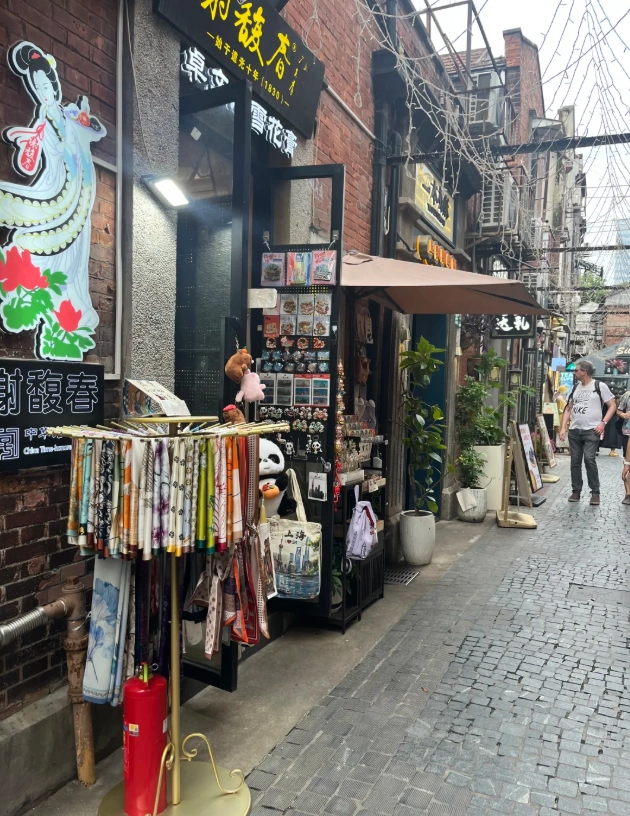
Wondering when to visit Tianzifang to avoid the worst crowds and scorching sun? I've led dozens of tours here — the answer is not what most guides tell you. Read on for the exact hours, insider hacks, and a backup plan for rainy days.
Read story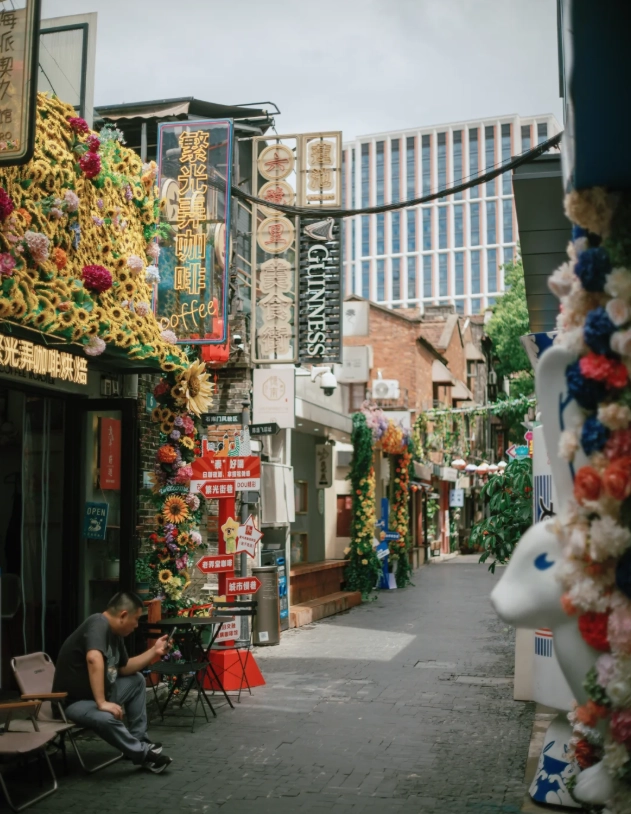
Do you need Tianzifang tickets? I've been guiding here for years—here's the truth about entry fees, how to skip the line, and what you actually should pay for.
Read story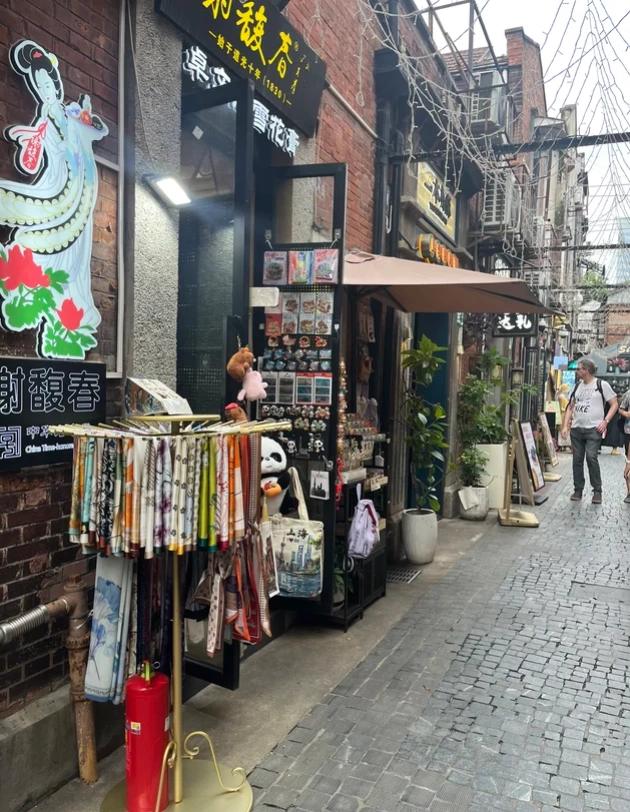
Struggling to capture Tianzifang without crowds? Discover the exact locations, golden hours, and local tricks I use to get frame-worthy photos. Avoid tourist traps, find hidden alleys, and master lighting in this Shanghai lane.
Read story
Last updated: 2026-04
On-site notes & editorial review
Online booking may be required
Can be crowded on weekends.

Looking for the perfect place to stay near Tianzifang? This guide breaks down the best areas, from the trendy French Concession to quiet lanes, with specific hotel recommendations, pros and cons, and insider tips for a truly local Shanghai experience.
 City Park
 Lifestyle & Dining
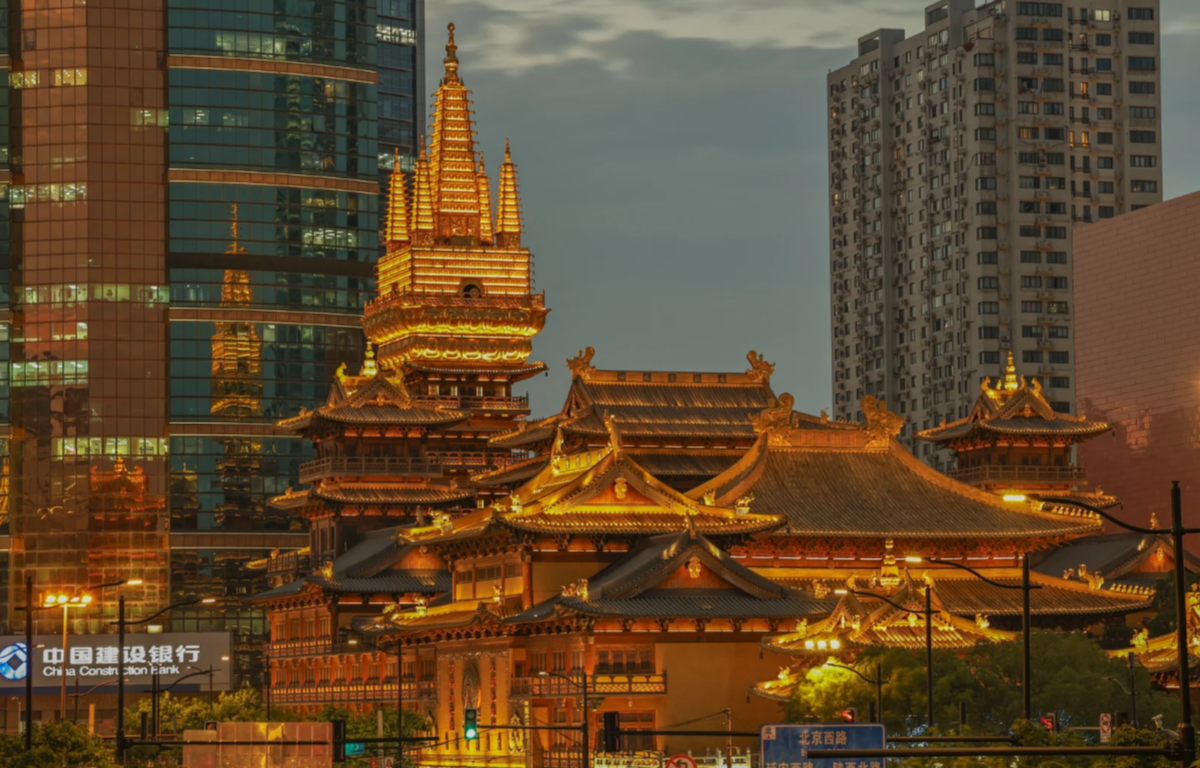 Buddhist Temple
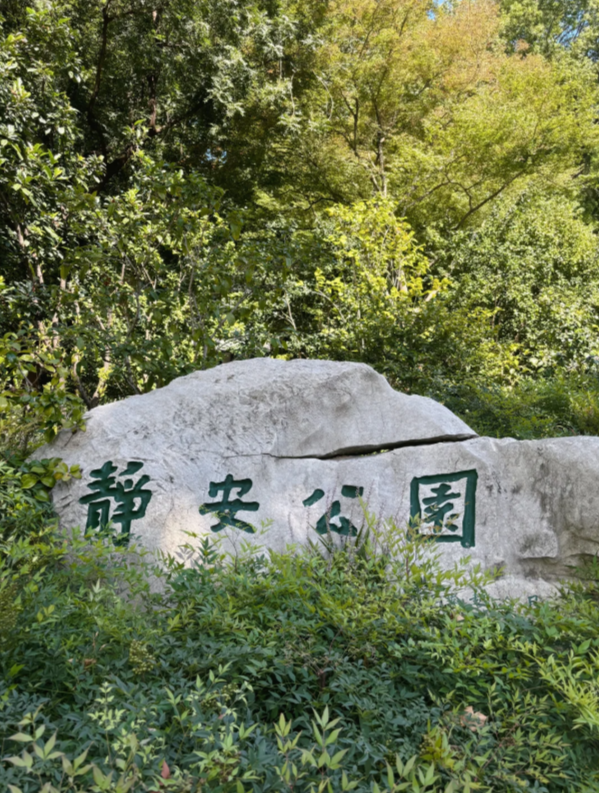 City Park
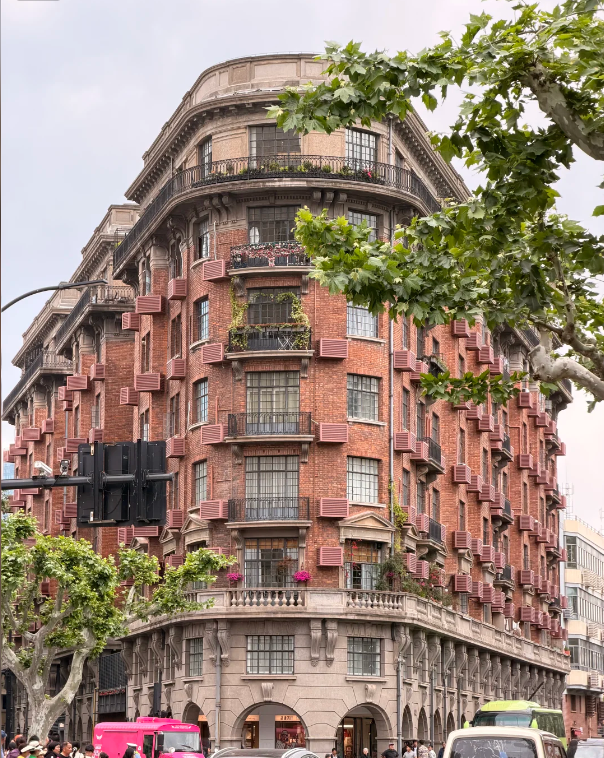 Historic Street
 City Center
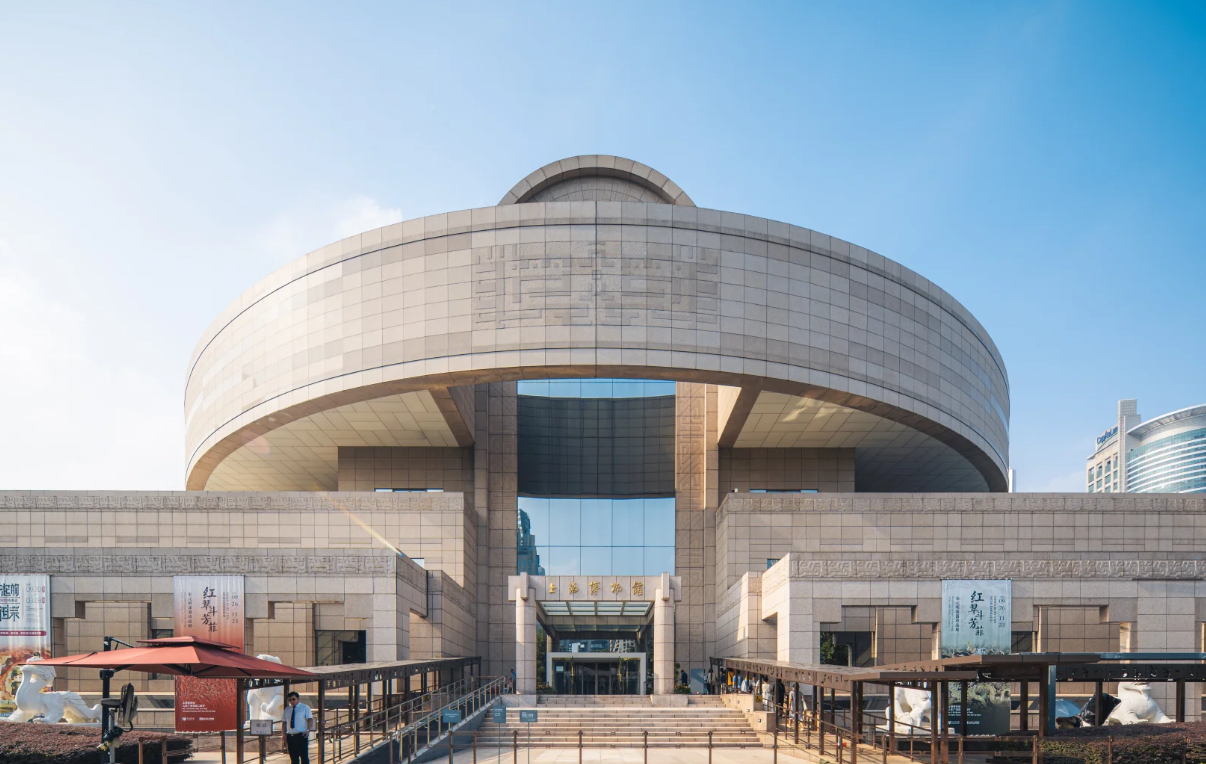 Cultural Treasure
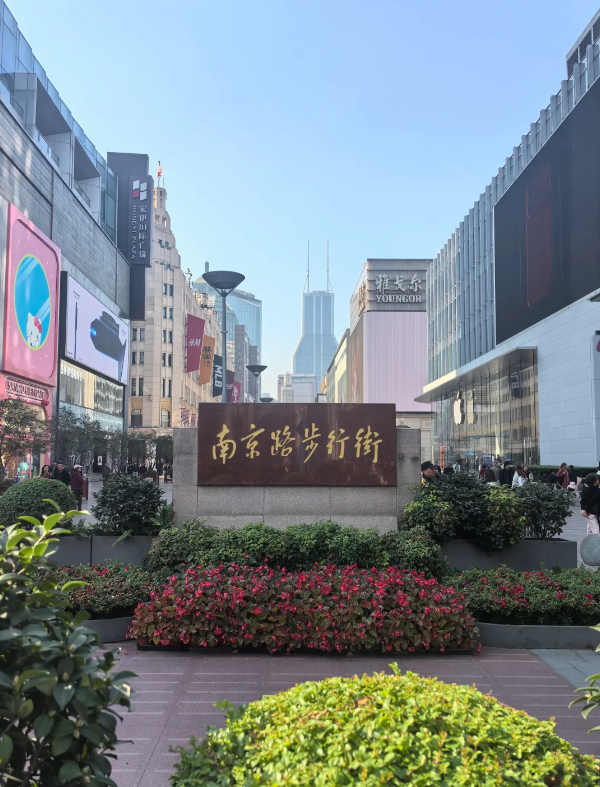 Shopping Hub
Recent Reviews
This place is an absolute gem for anyone who appreciates local art and craftsmanship. I spent hours browsing galleries and boutiques, talking to artists about their work. Bought a beautiful hand-painted silk scarf and some original prints. The atmosphere is buzzing with creativity—feels like a living museum. Definitely a must-visit if you want something more authentic than the usual tourist spots.
Tianzifang is a great spot for foodies—I ate my way through the alleyways! The shengjianbao from a tiny stall were incredible, and I found a hidden bar that served the best craft beer. Yes, it's touristy and crowded, but that's part of the energy. Just be prepared to negotiate personal space and watch your wallet. Would give it 4 stars for the authentic street food experience alone.
Honestly, I was a bit disappointed by Tianzifang. It's basically a tourist trap dressed up in old Shanghai charm. Most shops sell the same overpriced trinkets, and the food is mediocre at best. I got a skewer that was cold and a drink that cost triple what it should. The alleys are so packed you can barely move. If you've seen one renovated lane, you've seen them all. Not worth the hype.
Tianzifang is a fun place to explore if you like hunting for unique souvenirs and handmade crafts. I found some really cool ceramics and vintage pins. My only complaint? It gets insanely crowded on weekends—feels like you're shuffling through a human river. Still, the vibe is lively and the little food stalls are worth the squeeze. Would recommend going early in the morning.
Absolutely loved wandering through Tianzifang! The narrow alleyways are packed with character—every turn reveals another quirky shop or stunning piece of street art. Grabbed a coffee at a tiny rooftop café and just watched the chaos below. Perfect spot for photographers and people who enjoy getting lost in a maze. Will definitely come back next time I'm in Shanghai!
Leave a Review