 Hua Sun
What You Will Learn
- Why Shopping in Harbin Is More Than a Souvenir Run
- The Best Places for Shopping in Harbin
- What to Buy in Harbin (And What to Skip)
- How to Pay Without a Chinese Bank Card
- Getting to Shopping Areas Without Getting Lost
- Haggling Rules You Need to Know
- Shopping in Harbin on a Budget
- FAQs About Shopping in Harbin
Let me guess — you've already read a dozen 'shopping in Harbin' listicles that tell you to buy a Russian doll and call it a day. Here's the thing: Harbin's shopping game is way more interesting than that, and I've seen travelers waste money on tourist-trap wool hats. Shopping in Harbin isn't just about Central Street — it's about knowing when to turn left into a hidden alley, which mall has a tax-refund counter, and why the first price you see is never the final answer. I'll walk you through the exact spots I take my own friends when they visit.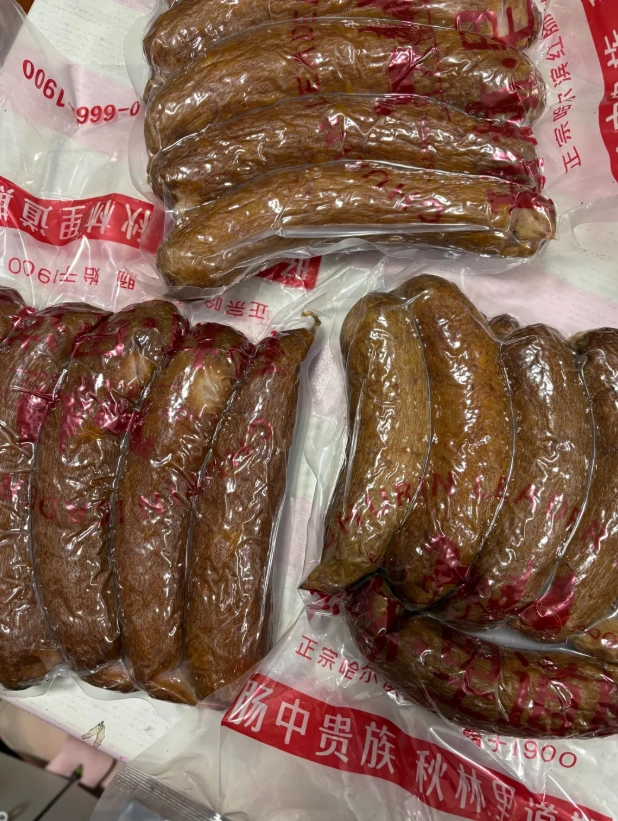
Why Shopping in Harbin Is More Than a Souvenir Run
Harbin's economy is built around cold weather, Russian trade, and a strong local identity. That's why the city has a completely different rhythm of stores than Beijing or Shanghai. During the winter, many shopping streets transform into a crowded, steaming tunnel of fur coats, hot soy milk, and neon lights. But between the obvious tourist shops, there are state-operated specialty stores, local food boutiques, and underground bazaars that most foreigners never find.
I always say that the best approach to shopping in Harbin is to treat it like a cultural exploration, not a shopping spree. Each major shopping zone tells you a story about the city. Central Street shows you Harbin's colonial past. Hongbo Square shows you the post-industrial struggle and rebirth. Wanda Plaza shows you the modern, Chinese middle-class lifestyle. When you see it that way, even a pair of cheap earmuffs becomes a memory.
Pro Tip: Do not buy the first fur hat you see on Central Street. The same hat costs half as much in the underground passageways that connect the street to the metro. I'll show you how to get there in a minute.
The Best Places for Shopping in Harbin
Harbin has four main shopping zones that matter for a foreign visitor. Each one has a different vibe and a different payment system. I will break them down so you can plan your route without getting exhausted or lost.
Central Street: The Walkable Epicenter
Central Street (Zhongyang Dajie) is a 1.4-kilometer pedestrian street in the Daoli district, and it's the first thing you should see for shopping in Harbin. The street is lined with restored European buildings from the early 20th century, and every single one has a shop on the ground floor. You'll find everything from Russian souvenirs to local craft shops, plus a lot of borderline tourist traps. The street is always open, but most shops operate from 9:30 a.m. to 9:30 p.m. during summer, and slightly shorter hours in winter. The nearest metro station is 'Zhongyang Dajie' on Line 2. If you're coming by taxi, tell the driver 'Zhongyang Dajie' and you'll be dropped at one of the southern entrances.
My advice: skip the first block in front of the modern fountain. Prices are the highest there and the crowd is the densest. Walk toward the Flood Control Monument at the far north end. That's where the more interesting shops and a better mix of local shoppers are. The classic 'Madier' ice cream shop is near the northern end too. You'll see a long line — yes, it's worth standing in it. The ice cream is soft, sweet, and does not melt as fast as you'd expect in -20°C.
The Underground Bazaar Beneath Central Street
Hidden under Central Street is a warren of underground shops selling winter gear, knock-off sneakers, and handmade crafts. Locals call the passages 'dixia' (underground) and they connect the street to the metro. To find the entrance, look for the stairs near the central bus stop or ask any security guard. Inside, you'll see dozens of small booths packed together — some with signs in Chinese only. If you need a cheap pair of gloves, a wool scarf, or a furry hat, this is the place to negotiate. The quality varies, but the prices are often 50% lower than the street-level shops. Payment is almost always via WeChat or Alipay; I have spotted a few booths taking cash, but do not rely on it. Bring your phone with mobile payment ready.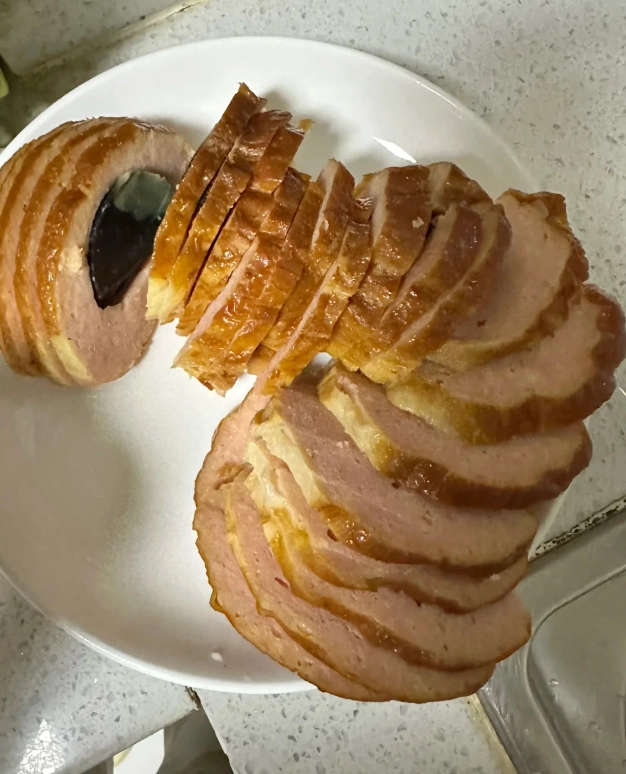
Hongbo Century Plaza: Where Locals Go
Hongbo Century Plaza (Hongbo Shiji Guangchang) is a massive shopping complex in Nangang District, not far from the city's main railway station. It's less photogenic but very real — the kind of place where Harbin residents go to buy school uniforms, basic clothing, and camping equipment. The address is around the intersection of Xizhuan Street and Hongbo Street. Take metro Line 1 to 'Hongbo Square' and follow the signs for Exit 5. The shopping area includes a department store, several arcades, and a supermarket. The supermarket downstairs is a goldmine for food gifts: Harbin red sausage, dried berries, vacuum-packed pickled vegetables, and Russian biscuits. You can pay with a foreign card at the department store, but the market stalls around the plaza prefer mobile payment. I always tell clients to bring their passport here because the supermarket has a tax-refund service fine? Actually for tax refund, you need to fill forms in the mall's service counter. Ask for 'tax refund' and they may point you to the office on the fifth floor — or they may not know the English term. Better to show them this Chinese phrase: '我想办理离境退税' (I want to process departure tax refund).
Wanda Plaza: The Modern Escape
Wanda Plaza in Daoli is the best option when the cold gets painful or when you want international brands inside a heated mall. There are actually two Wanda Plazas in Harbin — one in the city center and one in the Qunli area. The most convenient one for tourists is the 'Wanda Plaza' on Aihua Street, about 20 minutes by taxi from Central Street. It has a movie theater, an indoor ice rink, clothing stores, and a food court with local and national chains. Unlike smaller shops, this mall accepts international credit cards at many checkout counters, though mobile payment is still faster. If you're traveling with kids, this is the place to let them burn energy while you shop for shoes and electronics. The mall follows standard mall hours, roughly 10 a.m. to 10 p.m.
| Place | District | Best For | Tax-Refund Desk |
|---|---|---|---|
| Central Street | Daoli | Tourists, souvenirs, photos | No (but some Big stores have) |
| Underground Bazaar | Daoli | Winter gear, haggling | No |
| Hongbo Century Plaza | Nangang | Local clothing, food supermarket | Yes (ask at service center) |
| Wanda Plaza | Daoli | International brands, indoor dining | Yes (at customer service) |
What to Buy in Harbin (And What to Skip)
Harbin's signature products lean heavily on Russian influence and cold-weather practicality. In the next few paragraphs, I'll give you a curated list of what I consider worth your luggage space. Remember, you are going to have to carry these things through your flight — so keep that in mind before buying five kilograms of red sausage.
- Russian Matryoshka Dolls — These are fun, but almost all are made in China. If you love them, buy the smallest hand-painted set at the underground bazaar for around 50 RMB. Wait, 50 RMB is a low estimate; if the shopkeeper says 100, start at 40. Do not spend more than 100 RMB on a small set.
- Harbin Red Sausage (Hongchang) — This smoky, slightly garlicky pork sausage is the official taste of Harbin. Look for the 'Qiulin' brand at the Hongbo supermarket or any big grocery store. Prices vary, but a 500g stick costs about 30–50 RMB in a supermarket. Avoid buying from random street vendors; the quality is inconsistent and you'll pay twice as much.
- Fur Hats and Winter Accessories — You will see tons of stores selling rabbit fur hats, fox fur earmuffs, and sheepskin gloves. I always tell my clients: buy these in the underground, not on Central Street. The same hat that costs 150 RMB on the surface can be 70 RMB underground. Haggling is expected. Check the lining carefully — some cheap hats are made from synthetic fibers that look bad after a week.
- Amber and Russian Jewelry — If you like amber, there are several shops on Central Street selling Baltic amber. The prices can be high, and authenticity is a concern. Only buy from a store that displays a certificate in English and lets you take a clear photo of the stone. I have seen fake amber that turned out to be resin.
- Madier Ice Cream — Not a souvenir you can pack, but an experience. The original Madier store on Central Street sells ice cream on fresh bread, which sounds gross but is actually amazing. Eat it on the spot.
- Local Paper-cuts (Jianzhi) — The Chinese folk art of paper cutting has a unique Northeastern twist. You can find small framed works near the Flood Control Monument. They are light and make great gifts. Hard to find in the West, so this is a smart buy.
What to skip: the 'Russian caviar' being sold in plastic boxes at souvenir stalls. It's not even from Russia, and it's not safe to eat after traveling without refrigeration. Also skip the cheap 'jade' trinkets; almost none of it is real jade.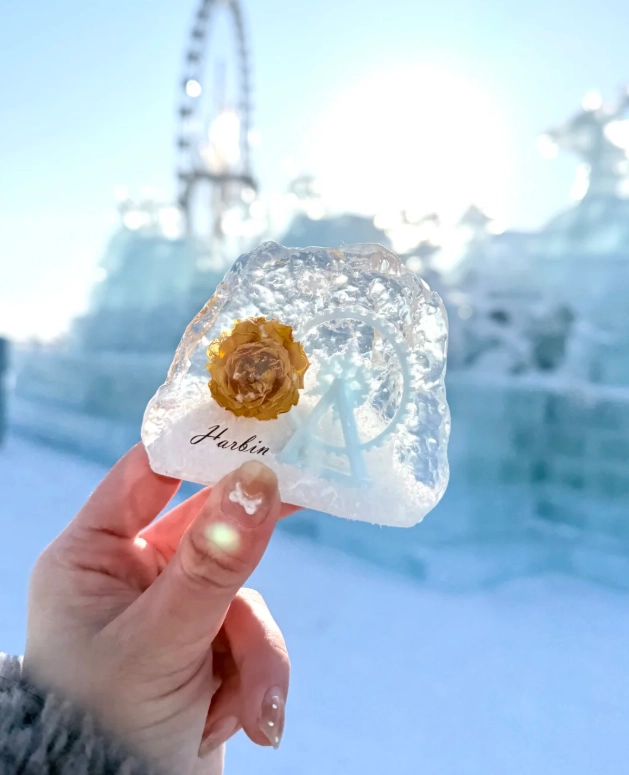
How to Pay Without a Chinese Bank Card
The most common problem I hear from tourists is that their credit card does not work at small Harbin shops. The simple answer is that China has jumped to a cashless society, and Harbin is no exception. Unlike Beijing, where some tourist shops accept Visa, many tiny Harbin stores have zero card payment terminals. They expect you to scan a QR code with your phone.
Before you arrive, set up Alipay and link your international Visa or Mastercard in the app. Once you're in China, go to the 'Scan' feature and pay using QR codes. Same works with WeChat Pay if you have it set up. In China, Alipay works with foreign cards at most hawker stalls and underground booths. If you only have cash, you can still buy things, but you'll get change in Chinese coins — not many shops want to handle cash anymore. If you try to pay with a 100 RMB note, the owner might say 'no change' and ask you to pay by phone. So keep small bills if you use cash.
For tax refunds on shopping in Harbin, here's the drill: when you buy something at a retailer that displays the 'Tax Refund' logo, ask the cashier for the invoice and show your passport. The retailer will give you a receipt and fill out a tax refund form. Bring that document with you to Harbin Taiping Airport and go to the customs office before check-in. You'll receive a refund of roughly 10% of the purchase price, minus fees. The whole process can take 30 minutes, so arrive at the airport 3 hours early. Note: not every shop provides tax refunds. Only stores registered with the government will do it.
Insider Advice: At many large malls, the tax-refund desk is on the top floor or in the customer service lounge. Do not wait until you're at the airport to realize the store did not give you the right form. Always ask: 'I need a tax refund invoice.' Relying on your phone with a translation app is okay, but the phrase above works well.
Getting to Shopping Areas Without Getting Lost
Google Maps is notoriously unreliable in China, and Harbin is no exception. The mapping data is outdated, and many street names are missing. Instead, I recommend using Apple Maps or the Chinese app Amap (Gaode). Apple Maps has an English interface and works surprisingly well for walking directions. For taxi drivers, the best approach is to show them the Chinese address or the name of the shopping center. Take a screenshot of the place on your map, then zoom out so the driver can see the main roads. Do not expect the driver to understand 'Central Street' in English; say 'Zhongyang Dajie' with a hard 'j' sound.
If you want to choose your own route, use the metro. Harbin's metro system has a line that connects the railway station, Central Street, and many shopping areas. Line 2 directly serves Central Street. Hongbo Square is on Line 1. A single ride costs about 3–5 RMB depending on distance. You can buy tickets at the self-service machine; the machines accept cash and now even some foreign chip cards, but the interface is in Chinese. Again, use Apple Maps to figure out which exit to take. Many crosswalks and signs in Harbin have English subtitles, particularly near metro stations.
For a taxi or ride-hailing, download Didi's international app before you arrive. Didi works in Harbin and lets you pay with a foreign card. You type your destination in Chinese or English; the app will auto-translate. In cold weather, do not waste 10 minutes hailing a cab on the street. Use Didi to call one while you stand inside the mall. Always check the license plate before getting in.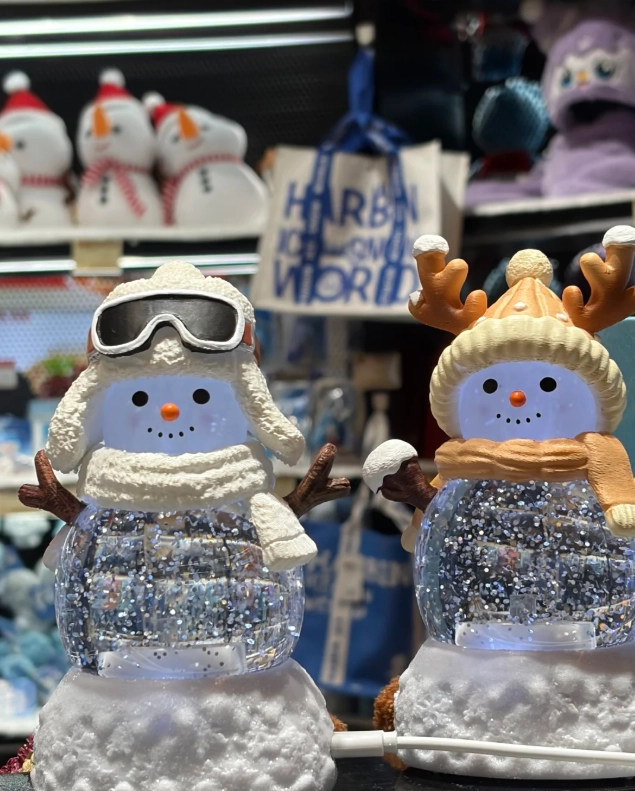
Haggling Rules You Need to Know
Haggling in Harbin is not as aggressive as in Southeast Asia, but it's still expected in certain places. In the underground markets and at tourist stalls on Central Street, the first price is often 50–100% higher than the seller's real target. If you show interest, the seller will watch your reaction. I have seen travelers pay 200 RMB for a hat that I later bought for 80 RMB with the same material. The secret is to be polite but firm.
Here are the rules I repeat to every guest:
- Do not haggle in department stores or Wanda-style malls. The price tags are fixed.
- Start by offering 30–40% of the seller's first price, then slowly move up.
- Use your phone to calculate the exchange rate and show it to the seller. This works well because they can see you're serious.
- If you are buying multiple items, ask for a 'zu jian' — a bundled discount. Sellers love moving multiple items at once.
- Never insult the seller or walk away angrily. If you cannot agree, smile and say 'xie xie' and move on. Often they will call you back with a better price.
The safest place to practice haggling is at the underground market under Central Street. The booths are small, the owners are experienced, and there is zero pressure. You can walk away and come back later; no one will give you a hard time. Just remember to bring your own shopping vocabulary: 'tai gui le' (too expensive) and 'pian yi dian' (make it cheaper).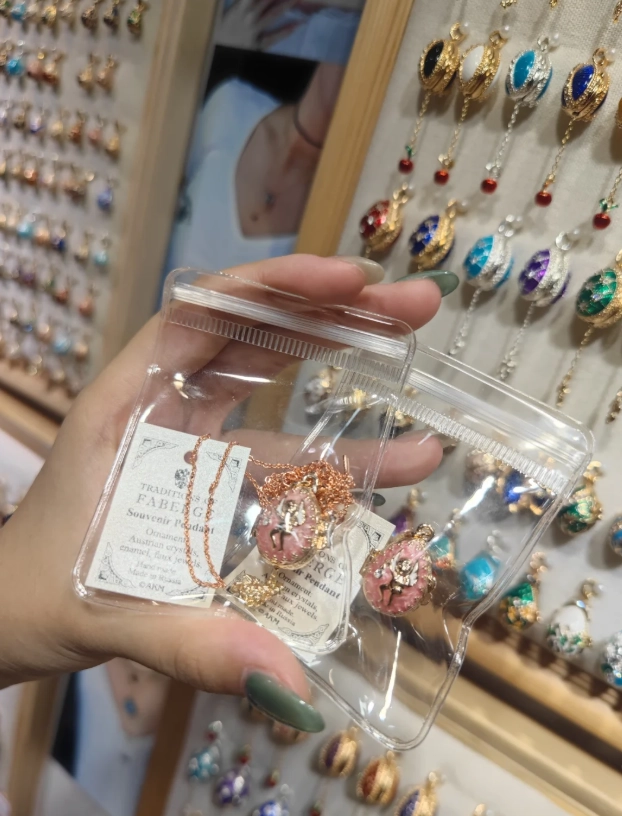
Shopping in Harbin on a Budget
You do not need to spend a lot of money to enjoy shopping in Harbin. The city is honestly cheaper than many other Chinese tourist destinations. For every expensive shop, there is an affordable local alternative. One of my favorite tricks is to shop for snacks at the supermarket inside Hongbo Plaza or at a neighborhood 'Linka' chain store. You can buy a whole box of Russian wafer cookies for less than 15 RMB. That would cost triple in a tourist shop.
If you are buying winter gear, buy it at the start of your trip so you can use it during your stay. The underground market is the most budget-friendly place for gloves and hats. Do not buy a heavy winter coat at Central Street; the quality is hit or miss and the mark-up is huge. Instead, go to a dedicated outdoor store called 'Sanfo' or 'Decathlon' — Harbin has a Decathlon, so search Apple Maps for the nearest one. Their prices are transparent, and Decathlon also gives tax refund paperwork if you ask.
Another budget trick: use 'group-buying' apps like Meituan or Dianping to find food deals while you shop. Many shopping centers have restaurants that offer discounts if you buy through the app. You can combine a hot lunch with your shopping trip for less than 30 RMB. If you want to avoid the apps, just walk to any local noodle shop near the mall; the prices are half of what you'd pay on Central Street.
FAQs About Shopping in Harbin
Verified and fact-checked by the editorial team.
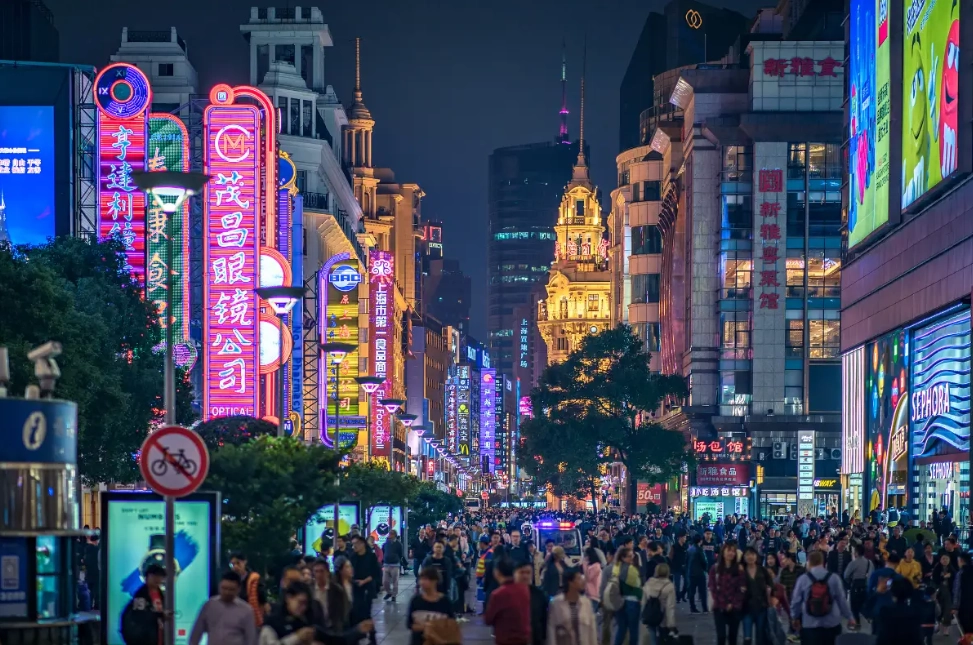





I wanted to love this article because I also think Central Street is a tourist trap. But the underground shopping area near Hongbo Square did not do it for me. It was crowded, stuffy, and honestly confusing. Every stall seemed to sell the same Russian dolls, mass-produced key chains, and puffer jackets. Prices were slightly lower than the tourist spots, so it wasn't a total loss, but I would not make a special trip. Maybe I picked the wrong entrance; the other areas in the article might be better.
This is a handy guide, though not perfect. I made it to the Guoma underground area and to the mall in Qunli. Guoma has amazing prices if you are ready to bargain, but it is cramped and loud, and the same phone cases appear every few stalls. Qunli felt cleaner and easier, yet you could find that shopping experience in any Chinese city. The article would be stronger with a few exact station names or opening times. Still, it beats the Central Street crowd, and I found a nice wool scarf.
Traveling with a teenager is usually a disaster, but this article saved the trip. My daughter wanted cute stationery, sticker books, and little accessories. The tip about the student shopping area near the university on Xuefu Road was brilliant. We ended up in a tiny three-floor mall packed with stationery and fashion jewelry. We spent less than 150 yuan, ate candied hawthorns on the street, and my daughter declared it better than the Ice Festival. That never happens.
I'm still in Harbin and this guide has been my cheat code. Hongbo Underground is a maze of fluorescent lights and spinning clothes racks, but once I got a feel for it I ended up with a wool coat for 220 yuan and a pair of sheepskin mittens. The locals were patient with my terrible Chinese; one stall owner even walked me to the exit when I got lost. The author is spot on: Central Street is for photos, not buying. This is where you go to actually shop.
Really glad I read this before my trip. My husband and I were about to waste money on the usual Zhongyang Street souvenir stalls, but this article sent us to the Daowai block around Jingyu Street. The streets are a little crumbling, but the tiny antique and second-hand shops are full of enamel mugs, old coins, and weird Soviet-era trinkets. I haggled a wooden box from 120 to 60 yuan and the seller threw in an old banknote. It felt like treasure hunting, not shopping. Exactly what I was looking for.