 Jing Song
Minus 27. That was my phone screen at 6:40 AM on the Songhua River bank in Jilin City. My client's camera battery died in four minutes flat — mine survived the morning because it spent the night tucked against my chest inside my jacket.
Jilin rewards timing far more than it rewards gear. That is the part almost every itinerary skips.
Assembling a Jilin travel guide that genuinely works for foreign visitors is a logistics problem, not a scenery problem. The mountains are free. The friction is not — international cards that stall at ticket counters, reservation systems that live inside a Chinese-language mini-program, and shuttle buses that leave on schedule whether or not you are aboard.
Most people land in Changchun, sprint straight to Changbai Mountain, and skip the three stops that made the trip memorable.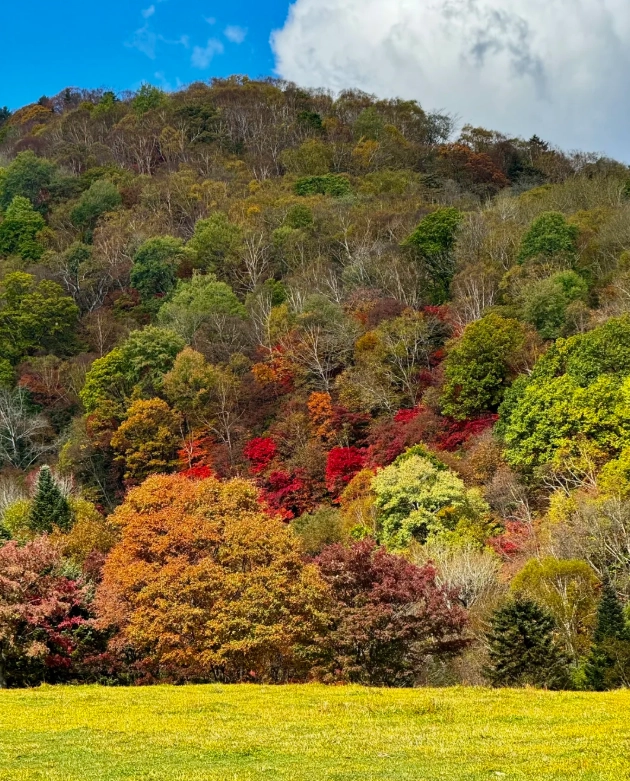
So here is the decision that shapes everything else: lock in your Changbai Mountain entry slot and shuttle ticket before you book flights, and check Jilin City's daily rime ice forecast before you book hotels. Those two calls decide the shape of the whole trip. Everything after that can be adjusted on the ground.
My Pocket Plan — Tap Any Line to Jump
- What Is Jilin Province Actually Like?
- How to Get to Jilin: Flights, Rail, and the Taxi Trap
- Changchun: Two Days, Not One
- Changbai Mountain: The Part Everyone Gets Wrong
- Jilin City and the Rime Ice: Timing Beats Gear
- Yanji: The Food Detour Worth Taking
- A Realistic Six-Day Jilin Itinerary
- Where to Stay in Jilin Province
- What to Eat in Jilin Province
- How to Pay, Navigate, and Book as a Foreigner
- Questions I Get Asked Every Single Winter
What Is Jilin Province Actually Like?
Jilin Province is three separate trips wearing one name. Changchun is the flat, wide, surprisingly cosmopolitan capital. Jilin City sits forty minutes east on the Songhua River and exists, in winter, for one thing. Yanbian Korean Autonomous Prefecture in the southeast eats, signs, and sounds like a different country. And Changbai Mountain hangs off the far corner, pressed against the North Korean border.
Foreign travelers usually discover this province through exactly one photograph — the crater lake at the summit — and then plan a trip around it without realizing the distances involved.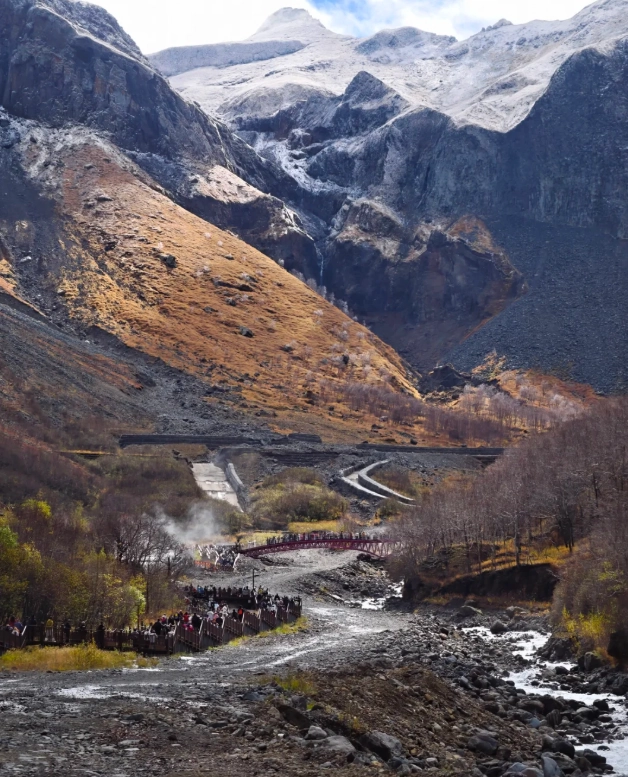
The Naming Trap That Ruins Bookings
If you type "Jilin" into a Chinese train app, you will get Jilin City, not the province. That is fine when you are travelling Changchun to Jilin City. It is a problem when you assume a ticket to "Jilin" gets you near Changbai Mountain. It does not. Changbai Mountain's gateway towns are Erdaobaihe on the north side and Songjianghe on the west side, and neither of them is called Jilin anything.
Same confusion applies to airports. Changchun Longjia serves the capital. Yanji Chaoyangchuan serves the Korean autonomous prefecture. Changbaishan Airport sits up in the mountains and runs a thinner, more seasonal schedule. Always read the three-letter code, not the city name.
How to Get to Jilin: Flights, Rail, and the Taxi Trap
High-speed rail is the spine of any Jilin trip, and the province is smaller than it looks on a map. Changchun is the hub. Almost every route you need radiates from there.
| Route | Best Option | Rough Time | Approx. Cost | What Matters |
|---|---|---|---|---|
| Longjia Airport to Changchun center | DiDi or metered taxi | 45–60 min | 100–150 CNY | Ignore anyone approaching you inside arrivals |
| Changchun to Jilin City | High-speed rail | 40 min | 30–45 CNY | Departures roughly every 30–60 min |
| Changchun to Yanji | High-speed rail | 2.5–3.5 h | 150–220 CNY | Book early for window seats in winter |
| Yanji to Erdaobaihe | Private car or train | 2.5–3 h | 400–700 CNY by car | Confirm rail service on 12306 the week you travel |
| Erdaobaihe to North Slope gate | Hotel shuttle or taxi | 30–40 min | 30–80 CNY | Shuttle inclusion depends on your ticket bundle |
Booking Trains With a Passport
China Railway's official English booking site, 12306, accepts passports, but the verification step is where people give up. Enter your name exactly as printed on the passport photo page, including middle names, and expect a short verification wait before your first ticket goes through.
If that process stalls, Trip.com sells the same seats with a markup and handles passport data cleanly. Either way, at the station use the staffed manual gate. The automatic gates read Chinese ID cards and will not open for a passport no matter how many times you press it against the glass.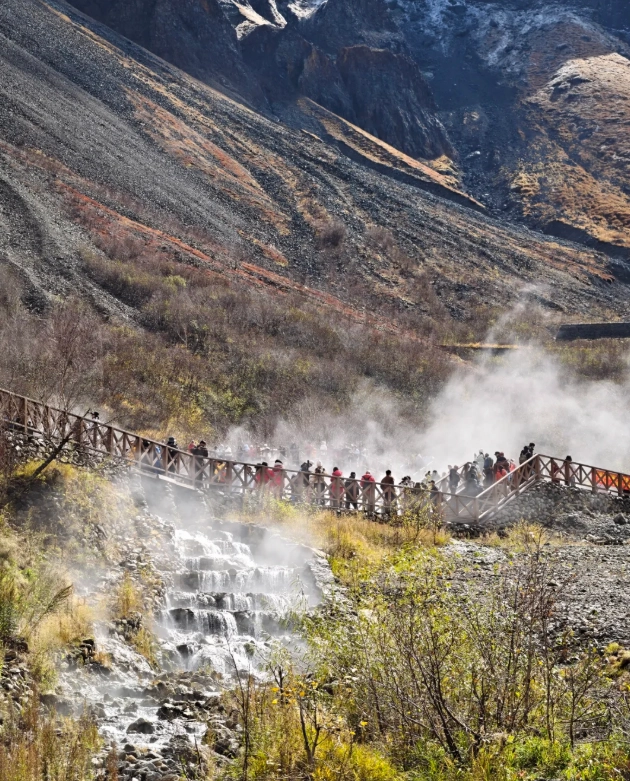
Pro Tip: At Changchun Longjia arrivals, walk past the men asking "taxi? taxi?" and go to the official rank outside, or open DiDi inside the terminal while you wait for your bag. The unofficial offers are not dangerous, just expensive, and the price is agreed before you understand the distance.
Changchun: Two Days, Not One
Two days is the right amount of Changchun. One day is a mistake, and three is generous. The city is not pretty in a postcard way. It is wide, green in summer, brutally cold in winter, and it hides two genuinely heavy historical sites plus the best cafe scene in the northeast.
The Puppet Manchukuo Palace
This is the reason to give Changchun a full day, and it is not a comfortable visit. The complex at 5 Guangfu North Road in Kuancheng District was the residence and office of Puyi, the last Qing emperor, installed by Japanese occupiers as a puppet head of state. The rooms are preserved, the corridors are cramped, and the English audio guide is worth the extra fee because almost nothing on site is translated.
Budget two to two and a half hours. Adult tickets sit in the roughly 70 CNY band with student and senior discounts against ID. Bring your passport — it is your ticket identity, and the counter will not accept a photo on your phone. I have watched three separate travelers get turned away for that. Winter mornings here are quiet and the light through the frosted windows is excellent. Closed days shift around public holidays, so confirm the current schedule before you build your day around it.
Jingyuetan and the Local Weekend
Jingyuetan is where Changchun residents actually go on a Sunday, and it is a genuine half-day. It is a forest park wrapped around a lake, roughly 40 minutes by DiDi from the city center for around 40 to 60 CNY. Summer means rented bikes and pedal boats. Winter means a snow play area and locals who are visibly better at ice skating than you are.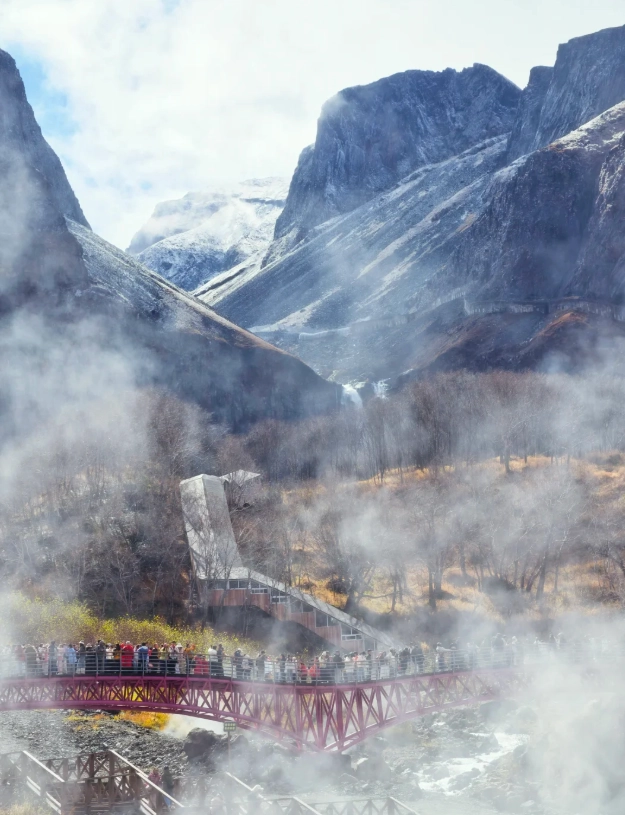
Where Changchun Locals Actually Eat
Guilin Road is the food street, and Zhe You Shan on Hongqi Street is the indoor food mountain that locals send visitors to. Zhe You Shan is built as a fake hillside village stacked with small restaurants and stalls. It is genuinely fun and genuinely crowded. Go before 6 PM or accept a queue.
- Skewers at street stalls run roughly 3–8 CNY each; a full tray for two people lands around 60–100 CNY
- Northeast-style Korean barbecue averages 60–120 CNY per person with drinks
- Almost every stall takes Alipay or WeChat Pay; cash works but you may need small notes
- International credit cards are effectively unusable outside international hotels
If you only have 24 hours in Changchun: drop your bags, take a DiDi straight to the Puppet Manchukuo Palace for a two-hour visit, then walk Culture Square in the late afternoon when the light softens. Eat dinner on Guilin Road around 6:30 PM. Save Jingyuetan for a return trip — it is a half-day commitment and it will eat the time you need for the palace.
Changbai Mountain: The Part Everyone Gets Wrong
Changbai Mountain is not one entrance, and choosing the wrong slope costs you an entire day of driving. There are three tourist approaches, each with its own gateway town and its own personality.
| Slope | Gateway Town | Best For | Drive From Gateway | Notes |
|---|---|---|---|---|
| North Slope | Erdaobaihe | First-timers | 30–40 min | Fastest access to the crater lake, biggest crowds |
| West Slope | Songjianghe | Resort stays and families | 40–50 min | Longer stair climb to the lake rim, better hotels nearby |
| South Slope | Changbai County | Return visitors | 1–1.5 h | Seasonal closures are common, verify before booking |
Tickets, Passports, and the Mini-Program Problem
The mountain runs on timed, real-name entry, and the booking flow is the single hardest part of a Jilin trip. You need your passport number, your entry date, and a slot. Yes, navigating the WeChat mini-program in pure Chinese to reserve this is a nightmare even for me. Do not fight it alone — either book through Trip.com, which is built for foreign passports, or hand your passport to your hotel front desk the night before and let them do it.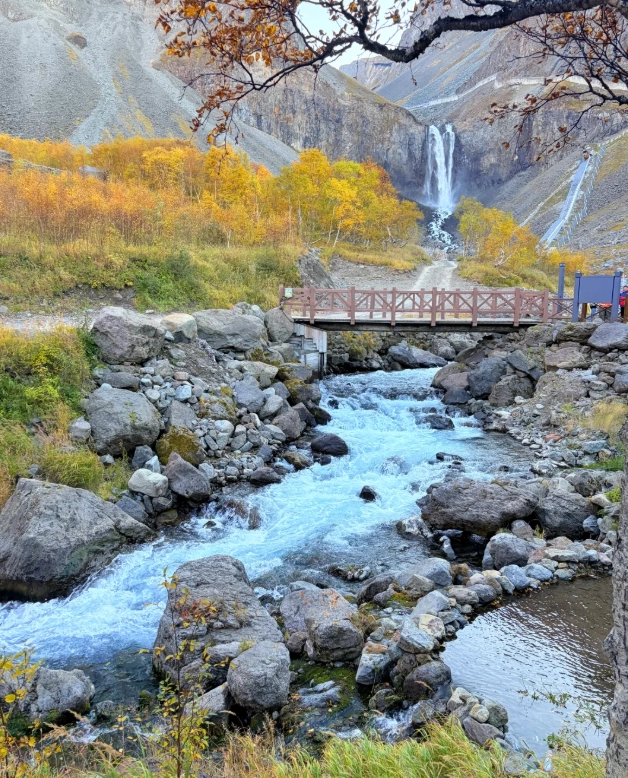
Budget for a combined cost covering entrance plus the mandatory internal shuttle bus, with a separate fee for the small vehicle that climbs the final stretch to the crater lake. Rates shift with season and policy, so treat any number you read online as a starting estimate and confirm on the official channel the day before.
Heavenly Lake Visibility and the Jeep Ride
The crater lake is hidden by cloud or fog on a large share of days, and no ticket guarantees you will see it. I tell every client the same thing: take the first shuttle up. Conditions at 8 AM are consistently better than at 11 AM, when the valley warms and the cloud builds.
The final climb is a winding switchback road in a small vehicle. If you get motion sick, take something before you board, not after. And when the summit road closes for wind, staff announce it at the gate — not on any English website. That is why you build a spare day into the plan.
Insider Advice: This is a border area. The marked viewpoints are the only places you should be pointing a camera, and drones are prohibited. There are signs in Chinese and English, and they are not decorative. Follow them without debate.
Jilin City and the Rime Ice: Timing Beats Gear
Rime ice is not weather you find. It is weather you schedule around. It forms on the riverside trees only when a cold, clear night follows a humid day, and the crystals are usually gone by mid-morning as the sun hits the branches.
The single most useful tool is the city's own daily rime ice forecast, published through local channels and mirrored by most hotels. A high star rating means go. A low one means sleep in and take the afternoon train instead.
- Free viewing: the Songhua River embankment in the city center, near the riverside Catholic church — walkable, no ticket, and the classic shot
- Wusong Island: roughly an hour by car in Longtan District, small entrance fee, and dramatically better trees
- Best window: roughly 6:30 to 9:30 AM; by 10 AM the magic is falling off the branches
- What actually hurts: your feet on the ice and the wind off the water, not your jacket
Here is the non-consensus part. Most guides tell you to book a Wusong Island tour. I usually tell people to sleep in Jilin City, walk the embankment at dawn for free, and only pay for the island if the forecast is strong. If the forecast is weak, the island is a two-hour round trip for bare trees. I have made that drive for nothing, and it stings.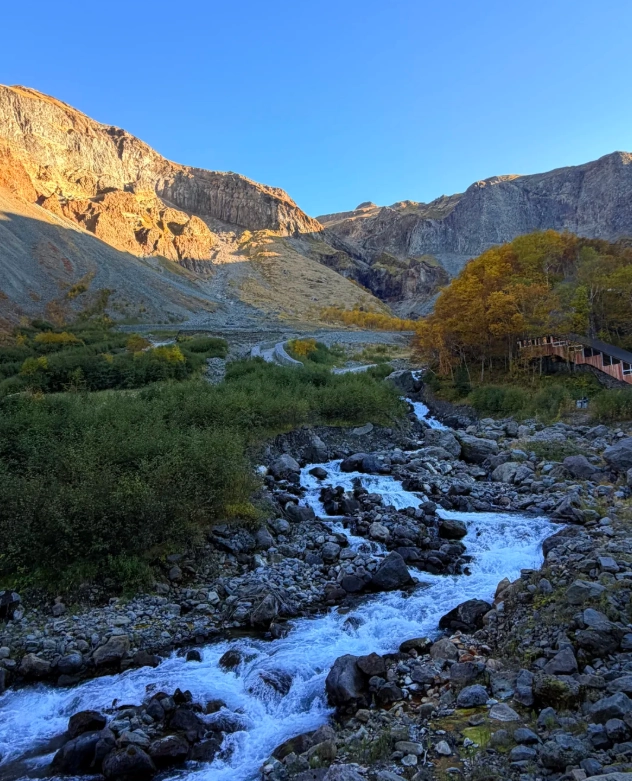
Yanji: The Food Detour Worth Taking
Yanji is the best eating city in the province, and most foreign itineraries skip it entirely. Street signs are bilingual in Chinese and Korean, the barbecue culture is serious, and the cold noodles are the reason people come back.
The Water Market at Dawn
Yanji's Water Market opens early and effectively shuts down by late morning. Go hungry. Rice cakes, blood sausage, pickles, and hot soup are all sold from stalls for a few yuan each. Bring small notes or have Alipay ready. This is a working market, not a staged attraction, and vendors are moving fast.
Korean-Chinese Barbecue and Cold Noodles
Cold noodles here run roughly 15–25 CNY and barbecue averages 60–100 CNY per person. I will not name a specific grill house, because the good ones change every couple of years and the famous ones get lazy. Instead, use this filter: walk the streets near Yanbian University at dinner time and pick the place with the longest line of locals under 30. That method has never failed me.
The lit wall opposite the university gate is worth a look at dusk when the signs come on. It is a photo stop, not a destination.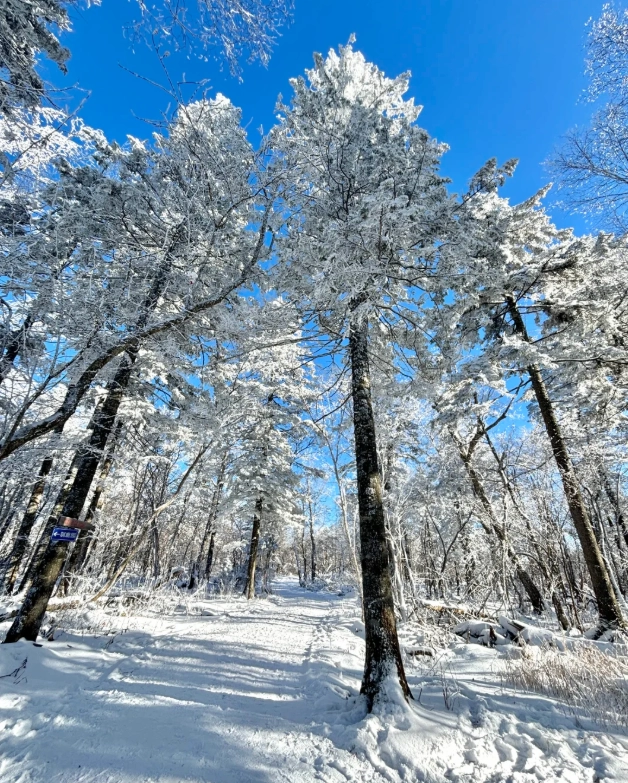
Day Trip to Tumen
Tumen is under 30 minutes by train from Yanji and gives you a genuine border view. You can see across the Tumen River into North Korea. Keep your camera pointed at the landscape and the bridges, not at anything that looks official. Hunchun, further east, works as a longer alternative.
A Realistic Six-Day Jilin Itinerary
This route is built around one hard constraint: rime ice only appears in the early morning, and Changbai Mountain entry slots sell out. Everything else flexes.
Day 1 — Land in Changchun and Do Almost Nothing
Fly into Longjia, take a DiDi to your hotel, eat near Guilin Road, and sleep. Jet lag plus a night arrival plus a puppet palace visit is how people ruin day two. If you land before 2 PM, squeeze in Culture Square and a coffee.
Day 2 — Changchun Proper
Puppet Manchukuo Palace in the morning for two hours, lunch nearby, then Jingyuetan in the afternoon if you have the energy. Dinner at Zhe You Shan or Guilin Road. Taxi between the two main stops runs 20 to 30 minutes depending on traffic — in rush hour, take the metro instead.
Day 3 — Train to Jilin City
Forty minutes on the high-speed line. Check in, walk the Songhua River embankment in the afternoon, eat dinner, and sleep early. You are waking at 6 AM tomorrow.
Day 4 — Rime Ice at Dawn, Then East to Yanji
Out the door by 6:15 AM. River embankment if the forecast is weak, Wusong Island if it is strong. Back for breakfast and a hot shower, then the afternoon train toward Yanji. Evening: barbecue near Yanbian University.
Day 5 — Yanji Morning, Transfer to Erdaobaihe
Water Market at opening, then a mid-morning transfer to Erdaobaihe, two and a half to three hours by private car. Afternoon is deliberately empty. Hot springs, a long dinner, and an early night.
Day 6 — Changbai Mountain, Full Day
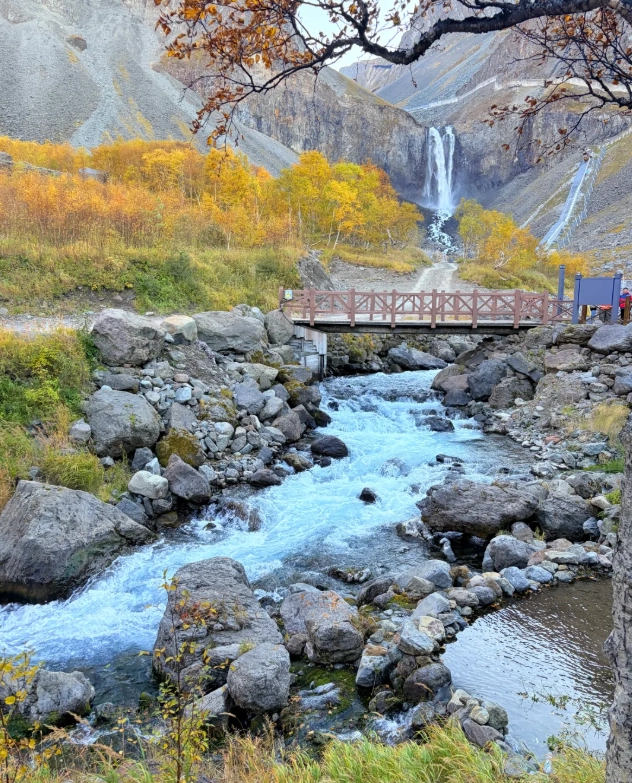
First shuttle up. North Slope. If the summit road closes for wind, the waterfall and the underground forest on the same slope stay open far more often, so the day is rarely wasted. Evening flight out from Changbaishan Airport, or a night in Erdaobaihe before returning.
Rain or blizzard Plan B: In Changchun, the Jilin Provincial Museum is free, requires a passport, and closes on Mondays. In Yanji, the cafe district near the university handles a wet afternoon easily. In Erdaobaihe, the hot springs are the answer, and honestly the better choice in heavy snow.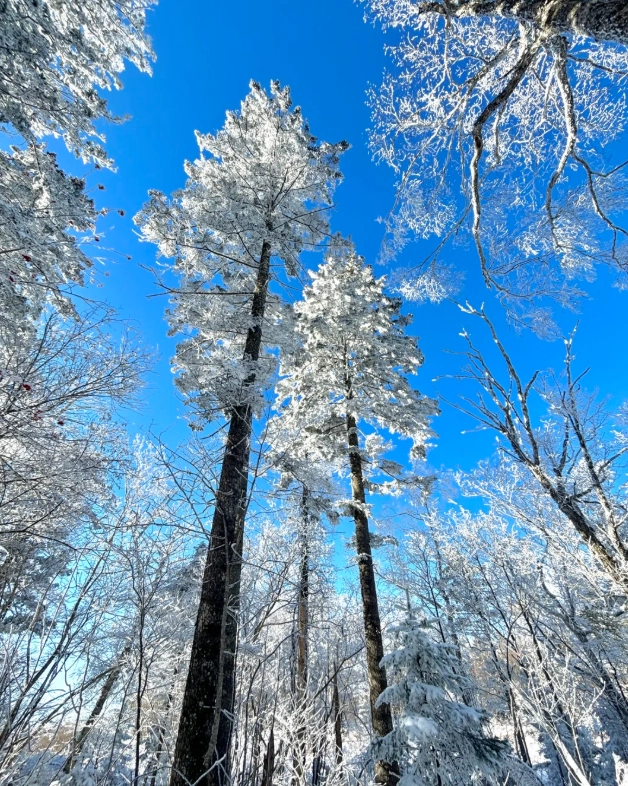
If You Have Two Extra Days: Ji'an and the Koguryo Tombs
Ji'an, down on the Yalu River border, holds the UNESCO World Heritage listing for the capital cities and tombs of the ancient Koguryo Kingdom. Almost no foreign tourists go. If you care about history more than photographs, this is the detour that separates your trip from everyone else's.
Where to Stay in Jilin Province
Book by city function, not by brand loyalty. In Changchun you want central access. In Jilin City you want a river view for the dawn walk. In Erdaobaihe you want proximity to the gate. Property names and rates shift constantly, so confirm the current address inside your booking app before you commit.
| Hotel or Chain | City and Area | Approx. Nightly Rate | Best For | Practical Note |
|---|---|---|---|---|
| Shangri-La Hotel Changchun | Changchun, Chaoyang District | 900–1,500 CNY | Couples and business travelers | Reliable English front desk and international card acceptance |
| Atour Hotel | Multiple branches, all three cities | 350–600 CNY | Solo travelers and couples | Clean design rooms, stable Wi-Fi, limited English |
| Ji Hotel and Hanting | All three cities | 200–380 CNY | Budget-conscious short stays | Some branches hesitate over foreign guests, call ahead |
| Erdaobaihe guesthouses | Baihe town, North Slope | 200–500 CNY, higher in peak winter | Changbai Mountain early starts | Confirm luggage storage and shuttle to the gate |
| Yanji city-center business hotels | Yanji, near Yanbian University | 250–500 CNY | Food-focused travelers | Walkable to the barbecue streets and the Water Market |
Two things worth knowing. First, rates spike hard during Chinese New Year and the peak rime ice weeks, so book three to four weeks out. Second, all hotels register your passport with local police on check-in — that is standard procedure, not a red flag.
What to Eat in Jilin Province
Northeast Chinese cooking is heavier, sourer, and sweeter than what you get in Beijing or Shanghai, and Jilin adds a full Korean-Chinese layer on top.
- Guo bao rou — crisp pork in a sharp sweet-sour glaze. Eat it within ten minutes of arrival or it goes soft
- Korean cold noodles — iced broth, chewy buckwheat noodles, often served with a slice of pear. Best in Yanji
- Stone pot bibimbap — crackling rice, mixed at the table. Order it and wait sixty seconds before stirring
- Frozen pears — a winter street snack. Soak in cold water, bite a hole, and suck the juice out
- Ginseng chicken soup — a Fusong County specialty, and the best thing to eat after a cold mountain day
Vegetarian travelers will find it workable but not effortless. Buddhist restaurants and Korean vegetable dishes are your safest bets, and asking for "no meat" in a translation app is more reliable than saying it out loud. Halal options exist around mosque districts in Changchun.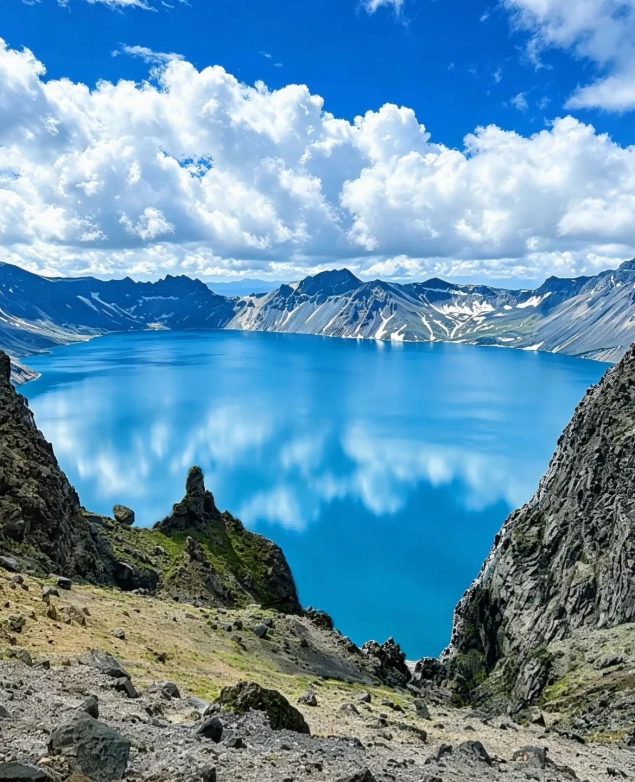
How to Pay, Navigate, and Book as a Foreigner
Set up Alipay with your international card before you fly, not after you land. It works at nearly every stall, taxi, and ticket counter in the province, and it is the single biggest quality-of-life upgrade for a China trip. WeChat Pay works too, but Alipay's foreign-card onboarding is smoother.
- Cash backup: carry 300–500 CNY in small notes for rural taxi drivers and older market vendors
- Cards: international credit cards work at international hotels and almost nowhere else
- Navigation: Google Maps is unreliable inside China. Apple Maps works reasonably well, and Amap handles Chinese addresses best
- Addresses: ask your hotel to write your destination in Chinese on a card. Showing a driver an English address on your phone is a coin flip
- Internet: install a VPN before you arrive. Once you are inside, the download pages are blocked
- Translation: Apple Translate and Baidu Translate both handle camera-based menu translation
For entry rules, visa-free schemes, and transit policies, treat the National Immigration Administration as the only source worth trusting. Policies shift, and secondhand blog posts go stale fast.
Questions I Get Asked Every Single Winter
Can you actually see Heavenly Lake in winter, or does weather shut it down?
The lake does not close. Access does. On a large share of days the summit road shuts for wind or the crater is buried in fog. Take the first shuttle up, because conditions at 8 AM beat conditions at 11 AM almost every time. If the road closes, the announcement happens at the gate rather than online, so build a spare day and keep the waterfall and underground forest on the same slope as your fallback.
Do foreign travelers need a guide or special permit for Jilin Province?
No permit is required for Changchun, Jilin City, Yanji, or the standard Changbai Mountain tourist zones. What you need is a valid Chinese visa or an entry that fits a current visa-free scheme. One real restriction: Changbai Mountain borders North Korea, the marked viewpoints are the only places for photography, and drones are banned outright. The signs are there for a reason.
Is Alipay reliable in small Jilin towns, or should I carry cash?
Alipay linked to an international card covers the overwhelming majority of places you will want to spend money, including small restaurants and taxis. The exceptions are rural taxi drivers, older market vendors, and a handful of ticket windows. Keep a few hundred yuan in small notes and you will never be stuck. Do not count on a physical international credit card outside hotels.
What is the biggest mistake people make chasing the rime ice?
They book the wrong night and the wrong base. Rime ice needs a cold clear night plus river moisture, and it burns off by mid-morning. Trying to do it as a day trip from Changchun is the classic error — you arrive around 10 AM and photograph bare branches. Sleep in Jilin City, check the daily forecast, and set an alarm for 6 AM.
Is Yanji worth the detour if I only have a week?
For food, yes, without hesitation. It is the strongest eating city in the province and the bilingual signage makes it easier to navigate than most of northeast China. For scenery, it is a supporting act rather than the headline. Give it one full evening and one morning at the Water Market, then move on toward the mountain.
Verified and fact-checked by the editorial team. This content has been fact-checked to ensure informational precision, and pricing, schedules, and reservation policies in China change frequently — confirm current details through official channels or your hotel before travelling.






No comments yet.