 Yan Zhou
Where this route actually goes
Two missed trains. One sunburnt forehead. A client who still texts me about the mackerel dumplings.
That was my first Shandong loop, and it fell apart because I built it the way every English blog told me to. I have since booked the best Shandong itinerary for families, solo hikers, and one very determined 74-year-old who wanted to stand on Mount Tai's summit at dawn. What follows is the version that survived all of them.
Here is the conclusion before you scroll a single line further. Shandong is a straight line, not a circle. Land in Qingdao, ride west through Jinan and Tai'an, finish in Qufu, and fly home out of Jinan. Do it in that order and you spend under four hours total on trains. Do it as a day-trip circle out of one base and you will burn that much time on platforms alone. Book the long legs the moment your dates lock in, because the Jinan–Qingdao corridor sells out hard on weekends and during the National Day holiday week.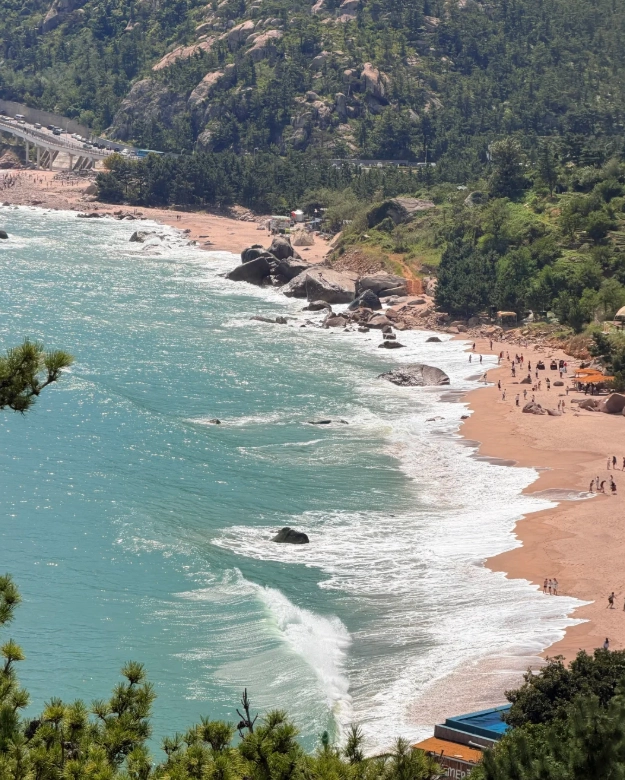
Why the Best Shandong Itinerary Is a One-Way Line, Not a Loop
Every stop worth your time in Shandong sits on one high-speed rail corridor. Qingdao on the coast. Jinan, the provincial capital, inland. Tai'an, the gateway to Mount Tai, roughly half an hour south of Jinan. Qufu, Confucius's hometown, another half hour down the same line. Four cities, one line, zero doubling back.
What the internet keeps recommending instead is a Jinan base with day trips, or a Qingdao base with everything else tacked on. I understand the appeal. One hotel, no luggage hauling. But it means a two-hour ride to Tai'an, a climb, and a two-hour ride back, all in one day. I have watched people do that and then fall asleep in their noodles at dinner.
Pro Tip: Book an open-jaw flight, meaning into Qingdao and out of Jinan, or the reverse. Round-trip tickets into the same city force a dead four-hour leg at the end of your holiday. Most carriers price open-jaw routings close to a normal round trip.
Timing matters more than most guides admit. Skip the National Day holiday week and the Lunar New Year travel rush entirely. Late spring and early autumn are the sweet spots. Summer splits into two very different cities: Qingdao stays breezy and pleasant, while Jinan sits in a basin and holds heat like a lid on a pot. I once walked from Baotu Spring to Daming Lake in July and had to change shirts twice.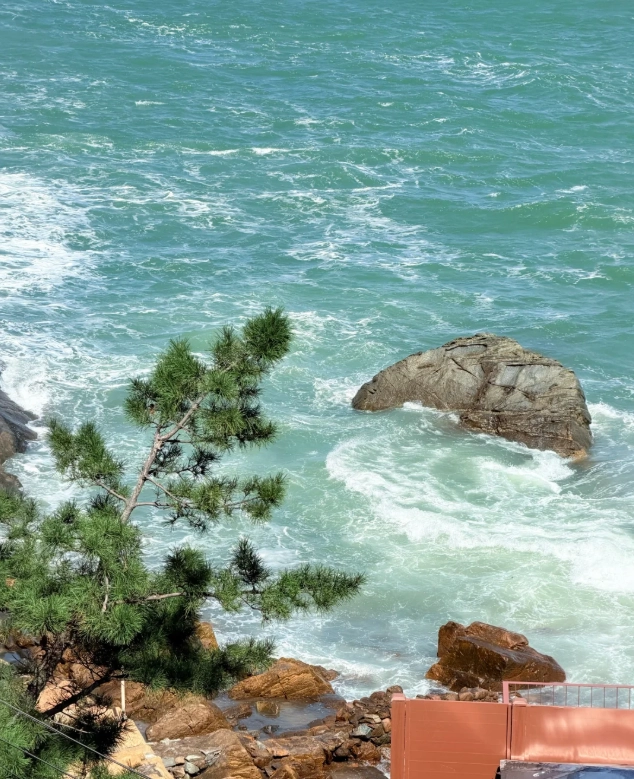
| Leg | Fastest Option | Time | Est. Cost Per Person | Where to Book |
|---|---|---|---|---|
| Qingdao Jiaodong Airport to Old Town | Metro Line 8, transfer to Line 3 | 60 to 75 min | Under 15 CNY | Station machines or Alipay |
| Qingdao to Jinan | G-train high-speed rail | 1h 40m to 2h 20m | 120 to 170 CNY | 12306 or Trip.com |
| Jinan to Tai'an | G-train high-speed rail | 25 to 35 min | 30 to 45 CNY | 12306 or Trip.com |
| Tai'an to Qufu East | G-train high-speed rail | 25 to 35 min | 25 to 40 CNY | 12306 or Trip.com |
| Qufu East to Qingdao | G-train high-speed rail | 2h 50m to 3h 30m | 180 to 250 CNY | 12306 or Trip.com |
| Qufu East to Jinan West | G-train high-speed rail | 30 to 40 min | 35 to 50 CNY | 12306 or Trip.com |
| Jinan center to Yaoqiang Airport | DiDi or taxi | 50 to 75 min | 120 to 160 CNY | DiDi app in English |
Those fares are second class and move with demand, so treat them as a budget line, not a promise. Check the live price in the app before you commit.
The 7-Day Best Shandong Itinerary, Day by Day
Day 1: Land in Qingdao and Walk the Old Town
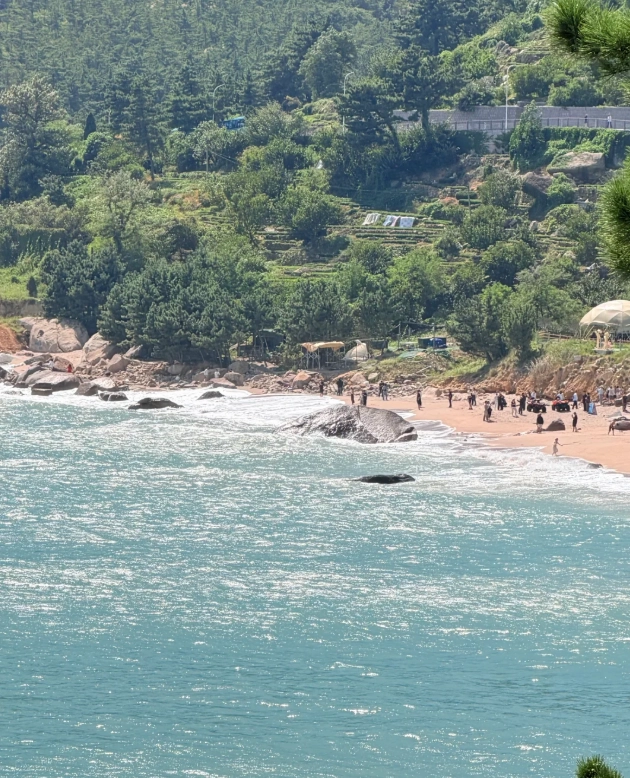
Your first afternoon needs no taxi — drop your bags near Zhanqiao and everything is on foot. One warning that saves people real money: Qingdao's old Liuting Airport closed years ago and the new Jiaodong International sits far northeast in Jiaozhou. Plenty of blogs still send readers to Liuting. Do not be one of them. Metro Line 8 runs from the airport to Qingdao North Railway Station, where you switch to Line 3 for the Old Town. A DiDi takes 50 to 75 minutes depending on traffic.
Head to Zhanqiao Pier early the next morning rather than the same evening. I know sunset photos of that pavilion are everywhere online, but by 10am the pier is shoulder to shoulder and you will not get a clean frame. At 7am it is just you, a few swimmers, and the fishermen.
- St. Michael's Cathedral on Zhejiang Road — small entry fee, closed to casual visitors during services
- Badaguan's villa lanes — Metro Line 3 to Taipingjiao, then a 10-minute walk; late afternoon light is the good light
- The lanes behind Zhongshan Road — this is where the Old Town actually lives, not on the main drag
Dinner on day one should be clams and draft beer. Look for the yellow-and-white shop signs selling loose draft beer in plastic bags — bring your own cup or buy one on the spot. It is cheaper and fresher than anything on a restaurant menu, and no, this is not a tourist gimmick. Locals queue for it.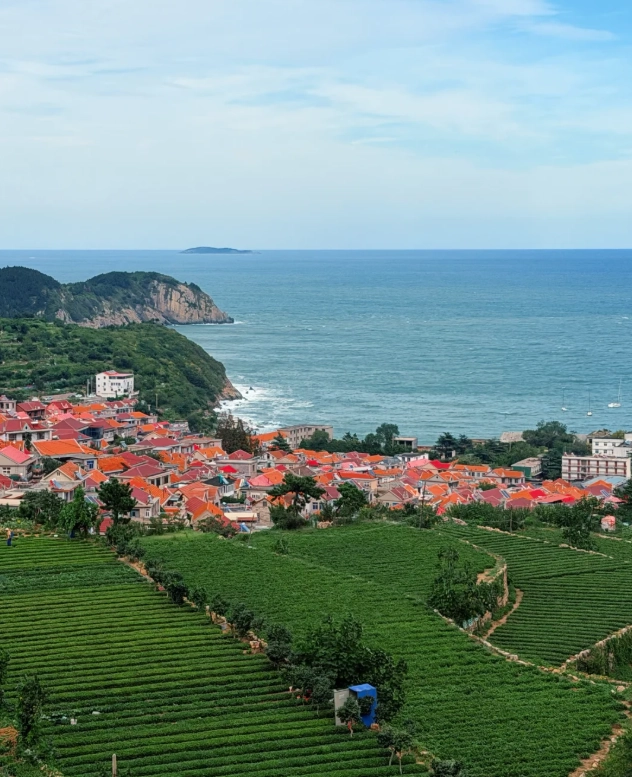
Day 2: Laoshan, or the Beer and Coast Day
Pick one, because trying to do Laoshan and the city in a single day is how people end up miserable. Laoshan is a Taoist mountain with mandatory internal shuttle buses, and the scenic area is split into separate zones with separate tickets. Buying the wrong zone ticket is the single most common mistake I see. The Taiqing area is the classic choice and the easiest to reach by public transport. Line 11 gets you close, then a local bus or DiDi finishes the job. Do not attempt to walk in from the road.
If your legs are already tired, or the forecast looks grim, take the city version instead. The Tsingtao Brewery Museum sits on Dengzhou Road in Shibei District, a short DiDi ride from the Old Town, and it is fully indoors. Check the last entry time when you arrive — it is earlier than most museums, and I have watched people get turned away at the gate. Afterward, Xiaomai Island is my favorite sunset spot in the whole city, and it costs nothing.
Day 3: Qingdao to Jinan, Then the Springs
If you sleep in the Old Town, Qingdao Station is a five-minute walk away — this is the single best reason to book that area. Aim for a train that ends at Jinan East or Jinan Station rather than Jinan West. Jinan West is the big high-speed hub, but it sits far enough out that a taxi to the springs can eat 30 to 40 minutes in traffic.
Baotu Spring Park is the headline act, and here is the honest version. It is not a geyser show. It is a shaded classical garden with several springs, and the famous one is smaller than the photos suggest. Go right at opening, around 7am in the warmer months, when the mist is still on the water and the tour flags have not arrived. From there, Black Tiger Spring is a 20-minute walk along the moat, free to enter, and full of locals filling buckets from the spouts. That is the Jinan I actually love.
Daming Lake closes out the afternoon. The park itself is free; boat rides cost extra. Grab snacks on Furong Street if you want the chaos, or Kuanhouli if you want somewhere you can actually sit down. Both are within walking distance of the springs.
Day 4: Jinan to Tai'an and the Climb
Mount Tai is not a stroll, and the weather at the top has nothing to do with the weather at the bottom. The summit sits well over a kilometer above the city, so bring a jacket even in midsummer. Two routes exist. The hard one starts at Hongmen Gate and goes up roughly six thousand stone steps. The easy one takes a shuttle bus from Tianwai Village to Midway Gate to Heaven, then a cable car to the top. Ticket prices for the mountain and the cable car are separate and change with the season, so confirm current numbers in the app or at the window.
Insider Advice: Skip the sunrise. Yes, really. To catch it you need to be on the summit well before dawn, in near-freezing wind, and cloud cover ruins the view more often than not. I have taken three groups up for sunrise and only one got a clean horizon. Start climbing around 3pm instead, catch golden light on the way up, and come down by cable car before dusk.
If the sunrise is non-negotiable for you, sleep on the summit. There are basic hotels near the top. Expect 1990s furniture, a hard bed, and thin walls — you are paying for altitude, not thread count. The payoff is walking out your door at 5am while everyone else is still climbing.
The Dai Temple at the foot of the mountain deserves an hour of your time and almost nobody gives it one. Emperors came here to worship before heading up. It is quiet, shaded, and a perfect substitute if the mountain closes for high wind or storms, which does happen.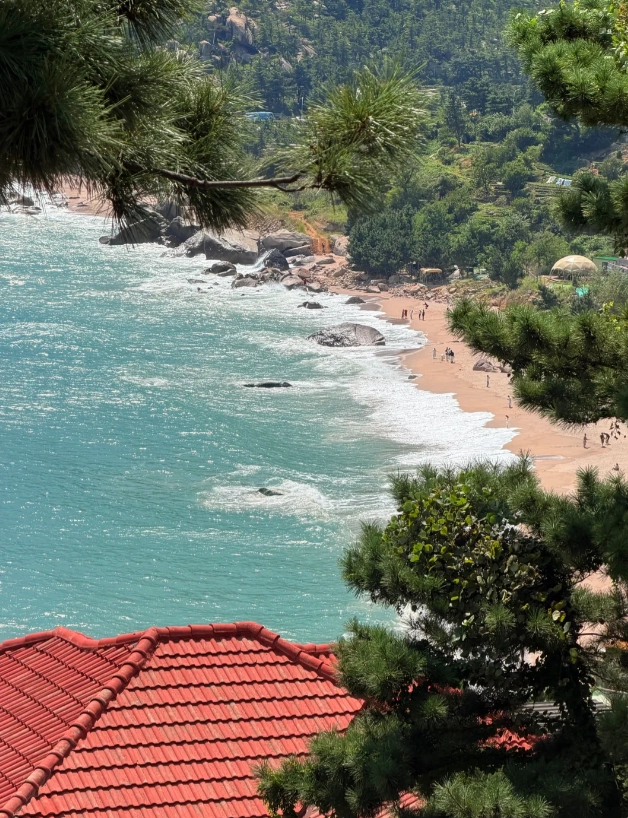
Day 5: Down the Mountain and on to Qufu
Your legs will be useless today, so make it a transfer day. The train from Tai'an to Qufu East takes about half an hour. Qufu East Station is roughly 15 kilometers east of the old town, so budget 20 to 25 minutes and a small fare for a taxi, or use the local bus if you are watching your budget.
Check into somewhere inside the old town grid and spend the afternoon slowly. The streets around the Temple of Confucius are flat, walkable, and mercifully free of the coach-tour crush that arrives mid-morning.
Day 6 and 7: Qufu's Three Confucian Sites, Then Out
The Temple, the Kong Family Mansion, and the Cemetery form a single UNESCO World Heritage listing, and the combined ticket is the only sensible way to buy them. The Temple of Confucius opens early. Be at the gate for opening, because the tour groups hit between 9:30 and 10:30 and the main axis becomes a slow-moving river of matching hats. The mansion is directly next door, so do those two back to back.
The Cemetery of Confucius is the one people skip, and it is the one I would keep if I could only keep one. It sits about 1.5 kilometers north of the temple, reachable by taxi or a 20 to 25 minute walk, and the electric shuttle inside is worth the small fee. Cypress avenues, mossy stone, almost no crowds. This is the part of Qufu where you can hear yourself think. More context on why this site matters is on the UNESCO World Heritage listing for the property.
Day 7 is your exit. From Qufu East you can reach Jinan West in about half an hour and connect to Yaoqiang Airport, or ride all the way to Qingdao in under three and a half hours if your flight home leaves from the coast. Build in a two-hour buffer before an international departure. I have seen the Jinan airport run take ninety minutes on a bad afternoon.
How Do You Book Shandong High-Speed Trains With a Foreign Passport?
Your passport is your ticket, and the whole system works better than most first-timers expect. Register on China Railway's official booking platform at 12306.cn or in its app, which has an English mode. Sales usually open roughly two weeks before departure, so set an alarm rather than assuming seats will still be there next week.
Trip.com and Klook add a small markup and are genuinely easier for groups or for anyone who wants English-language support when something goes wrong. On a route this short, the markup is a rounding error. Pay it if your dates are tight.
- At most major stations you scan your passport itself at the automated gate. If it rejects you, walk to the staffed lane without panicking — it happens to everyone eventually
- Arrive 30 to 40 minutes early. Security is airport-style, and the queues move in bursts
- Keep your booking number saved offline in case your phone dies or the network drops
- Power banks with worn-off capacity markings sometimes get pulled aside for inspection, so pack yours somewhere easy to reach
Pro Tip: On many routes you can order food through the railway app and have it delivered to your seat at a designated station stop. It is a genuinely useful feature and almost no foreign traveler knows it exists.
Where to Stay in Each Stop on This Shandong Itinerary
Pick your area by what you want to walk to, not by star rating. Shandong's hotel stock is solid but uneven, and a five-star property in the wrong district will cost you an hour of your day in traffic.
| Area | Example Property | Why It Works | Rough Nightly Range | Best For |
|---|---|---|---|---|
| Qingdao Old Town, near Zhanqiao | Boutique conversions and local three-star hotels | Five-minute walk to Qingdao Station and the pier | 250 to 600 CNY | Train travelers and first-timers |
| Qingdao May Fourth Square | Shangri-La Qingdao, InterContinental Qingdao | Sea views, Metro Line 2 and 3 nearby, convenience stores on every block | 700 to 1400 CNY | Couples and slower-paced trips |
| Jinan, Quancheng Road area | Shangri-La Jinan | Walk to Baotu Spring in about 15 minutes, Furong Street in 10 | 600 to 1100 CNY | Sightseeing-heavy days |
| Tai'an, near Hongmen Gate | Small independent local hotels | You start the staircase from your doorstep, no 5am taxi | 150 to 400 CNY | Hikers who want a head start |
| Mount Tai summit | Basic summit hotels | Sunrise without the cold climb | 300 to 800 CNY | Sunrise chasers |
| Qufu Old Town grid | Shangri-La Qufu plus small courtyard inns | Walk to the Temple of Confucius, quiet evenings | 200 to 900 CNY | Slow mornings and history buffs |
Rates swing hard between peak and off-season, and around holidays they can double. Three things I always check before booking anywhere in Shandong: whether the room has an elevator if you have heavy bags, whether the front desk can handle basic English or will lean on a translation app, and how far the nearest 24-hour convenience store is. That last one matters more than you think when you land at midnight.
What to Eat in Shandong: The Dishes I Order Every Time
Shandong cuisine is one of China's great regional traditions, and it is far less spicy than most foreigners expect. Expect savory, braised, and seafood-forward flavors, with a strong vinegar and garlic backbone.
In Qingdao, start with spicy stir-fried clams and mackerel dumplings. Both are local staples, both are cheap, and both are best eaten at a plastic table with a bag of draft beer beside you. Chunhe Lou on Zhongshan Road is one of the city's oldest surviving restaurants and its crispy spiced chicken is the signature order. The sign is in Chinese only, so screenshot it before you go. For a louder, cheaper night, the barbecue lanes around Taidong are where locals actually eat after 9pm.
Jinan runs on braised pork over rice. Look for the chain Chaoyixing, which is everywhere, fast, and costs less than a coffee back home. Caobao Baozi is the classic dumpling stop if you want something with history behind it. And do not leave without trying tianmo, a savory corn porridge that sounds strange and tastes like comfort. Nine-turn intestine is the showpiece dish if you want to eat like a banquet guest.
Qufu has its own tradition built around the Confucius family kitchens. Smoked tofu is the street-level specialty and shows up on almost every menu. In Tai'an, the local pancakes are thick, chewy, and usually wrapped around scallions and sauce.
- Set up Alipay or WeChat Pay with an international card before you land. Most small restaurants only take QR payment
- Cash is legal tender and should be accepted, but in practice small vendors will look at you like you handed them a fossil
- English menus are rare outside international hotels. Your phone camera plus a translation app solves this in seconds
- Vegetarian options exist but are not labeled clearly. Look for the character for vegetarian, or ask your hotel to write it down for you
- Jinan has a long-established Hui Muslim community, and restaurants there carry the halal sign on the storefront
Only 24 Hours in Qingdao? Here's the Version I'd Run
Twenty-four hours in Qingdao is enough if you accept that Laoshan is off the table. Here is how I would compress it for a client with a layover or a tight schedule.
- 07:00 — Zhanqiao Pier, before the crowds and the vendors
- 08:30 — Clam noodles for breakfast in the Old Town lanes
- 09:30 — St. Michael's Cathedral and the surrounding streets
- 11:00 — Metro Line 3 to Taipingjiao, then walk Badaguan
- 12:30 — Mackerel dumplings, somewhere with plastic stools
- 14:00 — Tsingtao Brewery Museum, mostly indoors and cool
- 16:30 — May Fourth Square and the Olympic Sailing Center waterfront
- 18:30 — Seafood dinner with bagged draft beer
- 20:30 — Night walk along Fushan Bay for the skyline lights
Swap the beer museum for Xiaomai Island at sunset if the weather is clear. It is the better memory.
Rain, Heat, and Your Shandong Plan B
Summer storms in Shandong are short and violent, and mountain cable cars stop running in high wind. Have a wet-weather substitute ready for each city so a washout day does not become a wasted day.
- Qingdao — Tsingtao Brewery Museum, the Qingdao Municipal Museum, or the underground shopping corridors at May Fourth Square
- Jinan — the Shandong Museum is enormous, free, and requires a passport reservation; the Jinan Museum is a good backup
- Tai'an — the Dai Temple at the mountain's foot is the obvious move, and honestly a better rainy day than a fogged-in summit
- Qufu — the Confucius Museum is new, fully indoor, and genuinely well done
Two practical notes that save a lot of grief. Google Maps is unreliable in China, so switch to Apple Maps or Amap, and keep the Chinese name of every destination saved on your phone to show drivers. And set up a VPN before you arrive, because the apps you rely on at home will not load without one.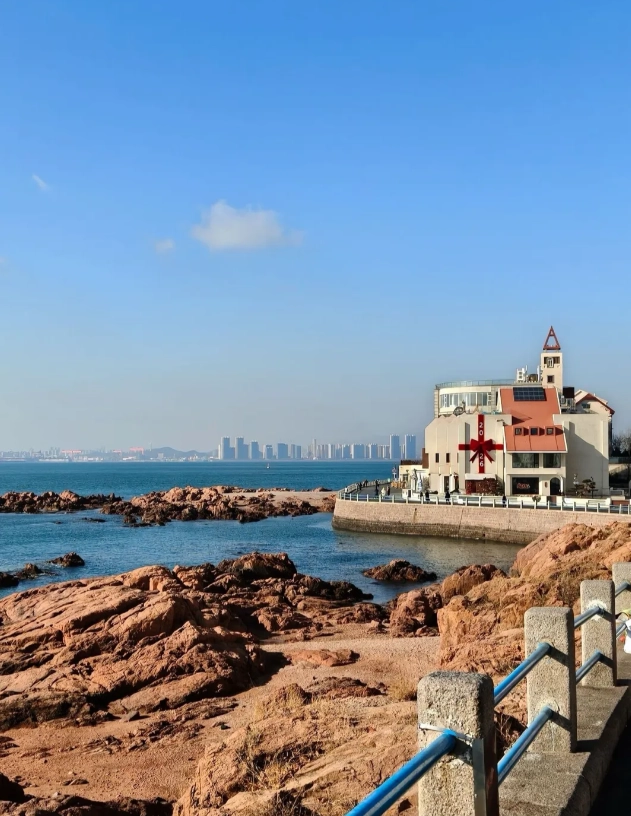
Shandong Itinerary FAQ: Visas, Trains, and Payment
Verified and fact-checked by the editorial team. Prices, opening hours, and booking windows change with the season, so confirm current details in the official app or at the ticket window before you travel.







No comments yet.